Photo credit: CoreRock/Shutterstock.com
Concealed carry has a weird way of turning opinions into “rules,” especially online, and the worst advice usually survives because it’s simple, confident, and easy to repeat. The problem is that carry isn’t a single decision, it’s a system you live with: gun size, holster geometry, belt stiffness, body shape, daily movement, clothing, and the kind of environments you’re actually in. When someone repeats a hard rule like it applies to everybody, it usually pushes new carriers into setups that are uncomfortable, inconsistent, or flat-out unrealistic, and that’s how people end up leaving the gun at home “just this once,” which turns into a habit. The most damaging advice isn’t always unsafe advice; it’s the kind that makes carry miserable, because misery is what kills consistency.
“Always carry the smallest gun possible” is how people end up under-practiced and under-confident
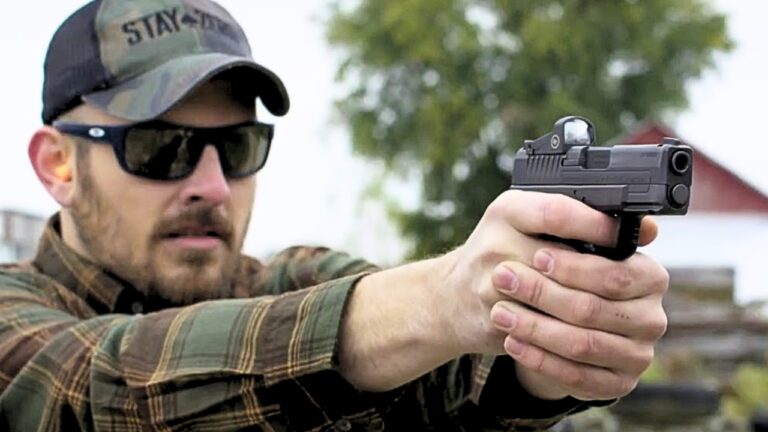
This sounds smart because smaller guns hide easier, but it leaves out the part that matters: small guns are usually harder to shoot well at speed, harder to control with imperfect grips, and less forgiving when you’re shooting one-handed, moving, or tired. New carriers buy a micro pistol because they’re scared of printing, then they realize the gun is snappy, the grip is short, their hands don’t lock in the same way every draw, and practice becomes less enjoyable, which means practice happens less often. The end result is a gun that’s technically concealed but practically not carried consistently, or a gun that gets carried but never feels “owned” because the shooter doesn’t trust their ability to hit quickly and accurately. A smarter rule is to carry the largest gun you can actually conceal comfortably and consistently with your lifestyle, because comfort drives consistency and consistency drives competence.
“Appendix is the only serious carry position” ignores bodies, jobs, and daily movement
Appendix carry works extremely well for many people, but the idea that it’s the only “correct” option turns carry into a personality contest instead of a practical decision. Some people sit in vehicles all day, some bend and lift constantly, some have back issues, some have body shapes where appendix creates hot spots or requires clothing changes they’re not willing to make, and some simply do not have the daily routine where appendix is comfortable for twelve hours. When you force a carry position because the internet says it’s law, you end up fidgeting, adjusting, and resenting the whole system, and that’s when people start “taking it off for a minute” and then forgetting it. The right position is the one you can draw safely, conceal reliably, and live with all day without constant adjustment, because the draw and the daily comfort matter more than winning arguments.
“You don’t need a good belt” is how good holsters become bad holsters
This one causes more misery than most people realize because the belt is the foundation, and a weak foundation makes everything else unstable. A flimsy belt lets the gun tilt outward, lets the holster rotate, makes printing worse, and creates pressure points because the weight isn’t distributed correctly. Then the carrier blames the gun, buys a different holster, buys a smaller pistol, and the real problem remains. A rigid, purpose-built belt doesn’t have to look tactical, but it has to support the load without collapsing, because concealment is mostly about controlling leverage at the belt line. If the belt isn’t doing its job, your holster can’t do its job, and you end up living in a loop of discomfort and constant adjustment that makes carrying feel like a chore instead of a normal part of your day.
Any “carry law” that ignores comfort and consistency will fail you long-term
The best concealed carry advice tends to sound boring because it’s honest: build a system that fits your body, your clothing, and your daily routine, then train with it enough that the draw and the safety habits become automatic. The worst advice is the kind that promises one perfect rule for everyone, because it pushes people into setups they don’t actually live with, and the moment carry becomes miserable, consistency breaks. If you want carry to work in real life, choose a setup you can wear without fighting it, and measure success by how often you actually carry and how confidently you can run the gun you chose, not by how closely you match someone else’s “law.”
Like The Avid Outdoorsman’s content? Subscribe to our newsletter so you never miss an article.
Here’s more from us: