Photo credit: kc.bangkaew/Shutterstock.com
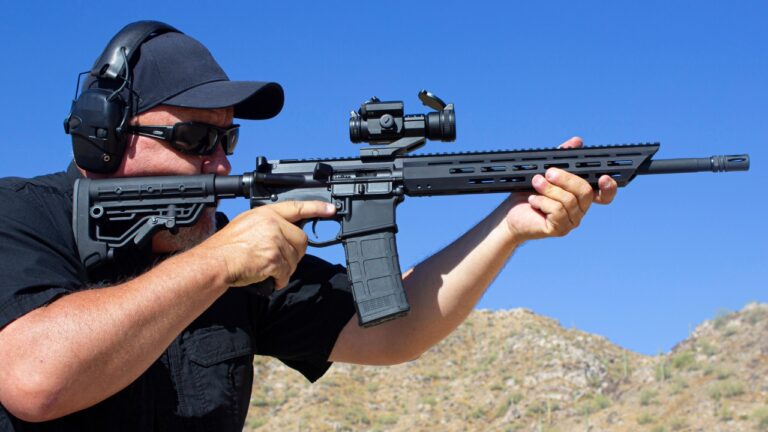
There’s a training shortcut that gets repeated constantly because it produces quick, visible results in the short term, and those quick results feel like proof that it “works.” The shortcut is chasing speed by outrunning confirmation—trying to go fast before you can consistently get clean hits—usually by timing everything, forcing splits, and treating misses like a normal cost of “pushing it.” People love it because it makes them feel advanced, and it creates the illusion of skill growth because the shooter is moving faster even if the hits are degrading. The problem is that the nervous system learns what you repeat, and if you repeat sloppy inputs at speed, you hardwire sloppy inputs that show up later under stress, when you don’t have the luxury of thinking through corrections.
“Just shoot faster and you’ll adapt” wires in panic pressing and sloppy sight acceptance
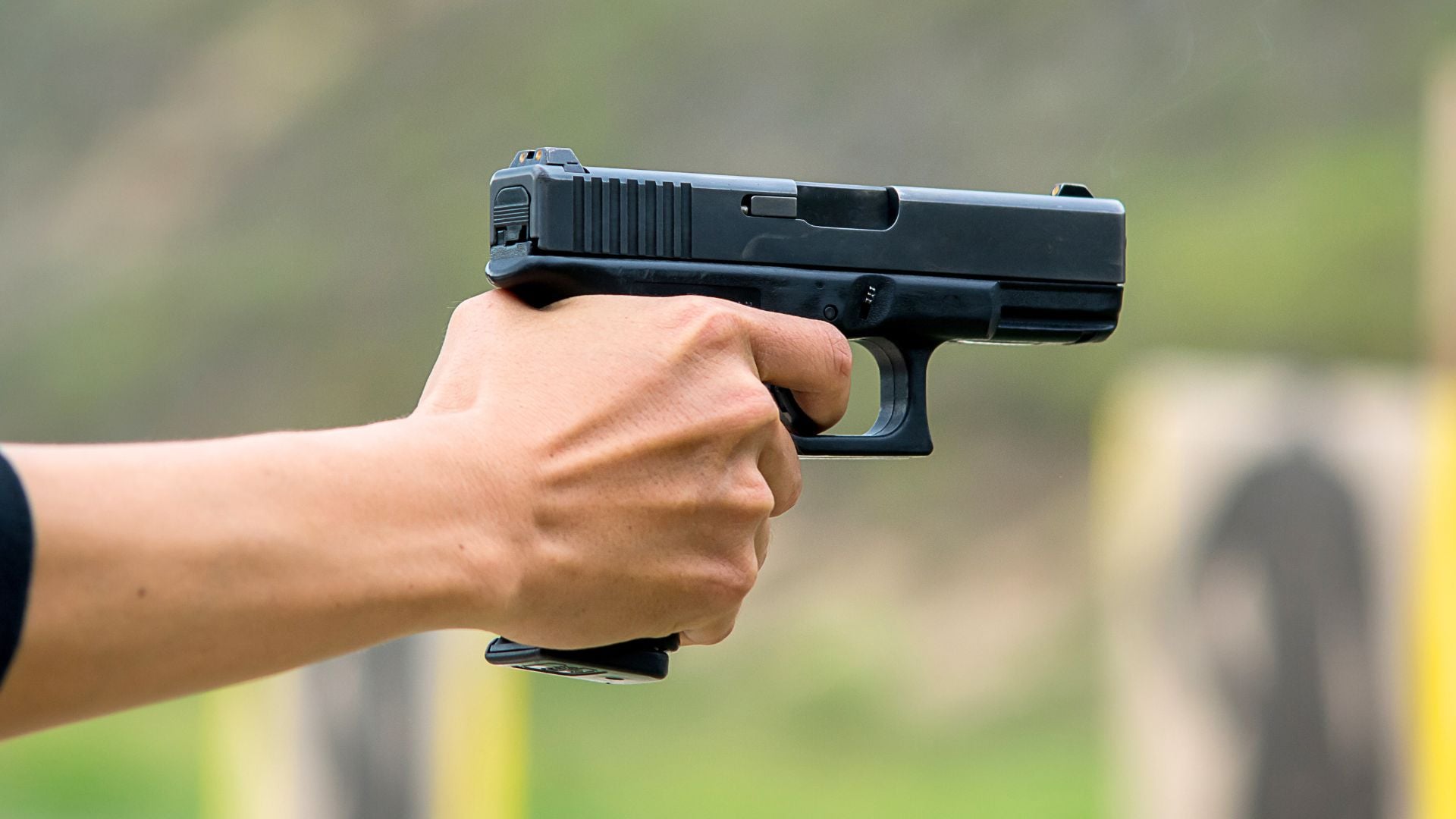
A lot of shooters get told to ignore their misses and just keep increasing pace, trusting that accuracy will “catch up.” What actually happens for most people is they start pressing the trigger the moment they see something that looks like a sight picture, rather than pressing when the sight picture is actually acceptable for the target and distance. That creates a habit of premature shots that feels fast but produces low-confidence hits and inconsistent groups, especially when target sizes shrink, distances stretch, or the shooter is moving. The shooter then compensates by aiming harder, gripping harder, and muscling the gun, which often makes the dot or sights wobble more and reinforces the feeling that they must “snatch” the shot before the sight picture disappears. This is the exact opposite of what you want, because under pressure, people default to their deepest habits, and a panic press is a habit that shows up at the worst time.
Timing everything without a “standard of hits” turns practice into rehearsed failure
Timers are valuable tools, but they become harmful when the only goal is the beep and the number, and the shooter stops holding themselves to a standard of clean hits. If you’re constantly chasing faster reps with loose accuracy, you train your brain that speed is the priority and the hit is optional, and that mindset bleeds into real shooting problems where the hit is the whole point. The healthier approach is to set a hit standard first, then add time pressure in a way that forces you to keep the standard while improving efficiency. That means you don’t just “go faster,” you remove waste: you clean up your draw path, improve your grip acquisition, and learn to accept the correct amount of sight confirmation for the difficulty of the shot. When practice is built on standards, speed becomes a byproduct of efficiency, not a gamble you keep losing.
The real shortcut is consistency, not speed for its own sake
If you want skill that holds up, you build a repeatable process: a consistent draw, a consistent grip, disciplined sight acceptance, and a trigger press that doesn’t depend on luck. Then you pressure test it with time, movement, and imperfect positions while keeping your hit standard intact. The “shortcut” people swear by is usually a shortcut to looking fast, not being effective, and the bill shows up later when the shooter has to unlearn panic habits that were trained on purpose. In the long run, the best shortcut is boring repetition of the right mechanics with honest feedback, because that’s what produces speed you can trust and hits you can count on.
Like The Avid Outdoorsman’s content? Be sure to follow us.
Here’s more from us: