

Photo credit: Virrage Images/Shutterstock.com
If you’ve ever glassed a whole mountainside and somehow missed the deer bedded right in front of you, you’re not alone. Binoculars are a great tool, but only if you know how to use them right. These simple tricks can help you find animals faster, save time, and keep you from second-guessing every stump and rock you see.
Whether you’re hunting out West or watching a back field from a tree stand, these tips will help you make the most of your optics.
Use a Tripod or Rest for Stability

Holding your binoculars by hand might feel natural, but even the steadiest hands introduce shake. That tiny movement adds up, especially at longer distances. Using a tripod or resting your elbows on a solid surface makes a big difference.
When your glass is steady, you’ll pick up small movements—like a flicking tail or turning ear—that you’d miss otherwise. You don’t need fancy gear, either. A backpack or fence post works just fine.
Grid the Landscape

Instead of randomly scanning the hills, work in sections like a checkerboard. Start in one corner of your field of view and move across slowly, then down, and back the other way—kind of like mowing a lawn.
This helps you stay focused and makes sure you don’t miss anything. It might feel slow at first, but it’s way more effective than letting your eyes bounce all over the place.
Look for Movement, Not the Whole Animal

You’re probably not going to spot an entire buck standing in the open. Most of the time, it’s just a twitch, a shift in light, or a bit of color that gives them away.
Train your eyes to catch movement—like an ear flick, leg shift, or tail swat. Once you notice something off, you can hone in and figure out what you’re really looking at.
Adjust the Focus Constantly

Don’t just set your binoculars once and leave it at that. If you’re glassing across varying terrain—like from brush to trees to open hills—you’ll need to refocus every time.
It only takes a second, but keeping your image crisp means you’ll catch more details. Blurry glass hides game fast, especially in shadowy or cluttered areas.
Glass From the Shadows

If you can, stay in the shade when you’re glassing. Not only is it more comfortable, but it reduces glare and makes it easier for your eyes to adjust to what you’re seeing through the lenses.
Also, animals are less likely to spot your movement when you’re back in the shadows. You’ll see more without giving away your position.
Use Low Light to Your Advantage

Good binoculars will outperform your eyes at dawn and dusk—but only if you’re actually using them. Those are the best times to catch animals on the move, especially deer and elk.
Let your binos do the work when the light starts to fade. You might spot something heading to feed while others are already calling it a day.
Scan Edges and Transition Zones
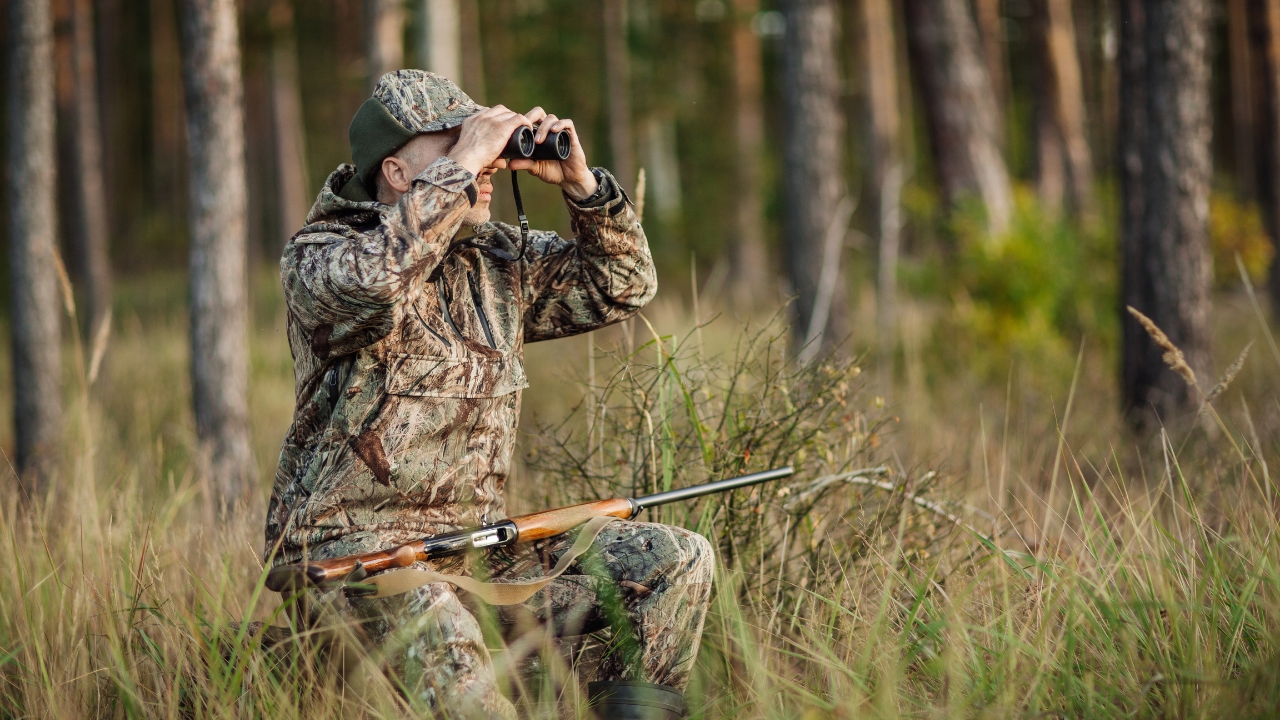
Animals love edges—where two types of cover meet, like where woods meet a field or brush gives way to open hillside. Those transition zones are where you’re most likely to catch something stepping out.
Spend extra time glassing those areas slowly. Even if nothing’s moving now, they’re high-odds spots, especially during early morning or evening.
Give Your Eyes a Break

Staring through binoculars too long can mess with your vision and make you start missing obvious stuff. Every 15 minutes or so, take a short break and look around with your naked eyes.
It resets your focus and gives your brain a chance to reprocess what you’ve seen. Sometimes that quick reset is all it takes to spot something you missed the first time.
Learn What’s Normal

The more time you spend looking through glass, the better you’ll get at picking out things that don’t belong. Learn what trees, rocks, and shadows normally look like in the area you’re hunting.
Once you know the landscape, anything that’s out of place—a weird shape, a different color, a horizontal line—jumps out way faster. That’s often your first clue there’s an animal there.
Use Both Eyes (Properly)

It might sound basic, but make sure your binoculars are set up for your eyes. Adjust the spacing and diopter so both barrels are working together.
Trying to glass with one eye doing more work than the other gets tiring fast. Once everything’s dialed in, you’ll spot things easier and be able to glass longer without eye fatigue.
*This article was developed with AI-powered tools and has been carefully reviewed by our editors.


