Photo credit: Our Tennessee HomeStead/Youtube
Every gun guy has a “should’ve” story. The one you handled at the gun counter back when rent was cheaper and gas was still under control, and you thought, “I’ll come back for it.” Or the one you sold to fund a new deer rifle and later realized you traded away a dependable tool for a shiny idea.
This isn’t about hoarding or treating everything like a retirement plan. It’s about how certain firearms were once regular working guns, and now they’re either priced like collectibles, hard to find in decent condition, or just plain annoying to replace because magazines and parts dried up. Here are 20 that sting a little when you remember what they used to cost.
1. Marlin 336 (JM-stamped)
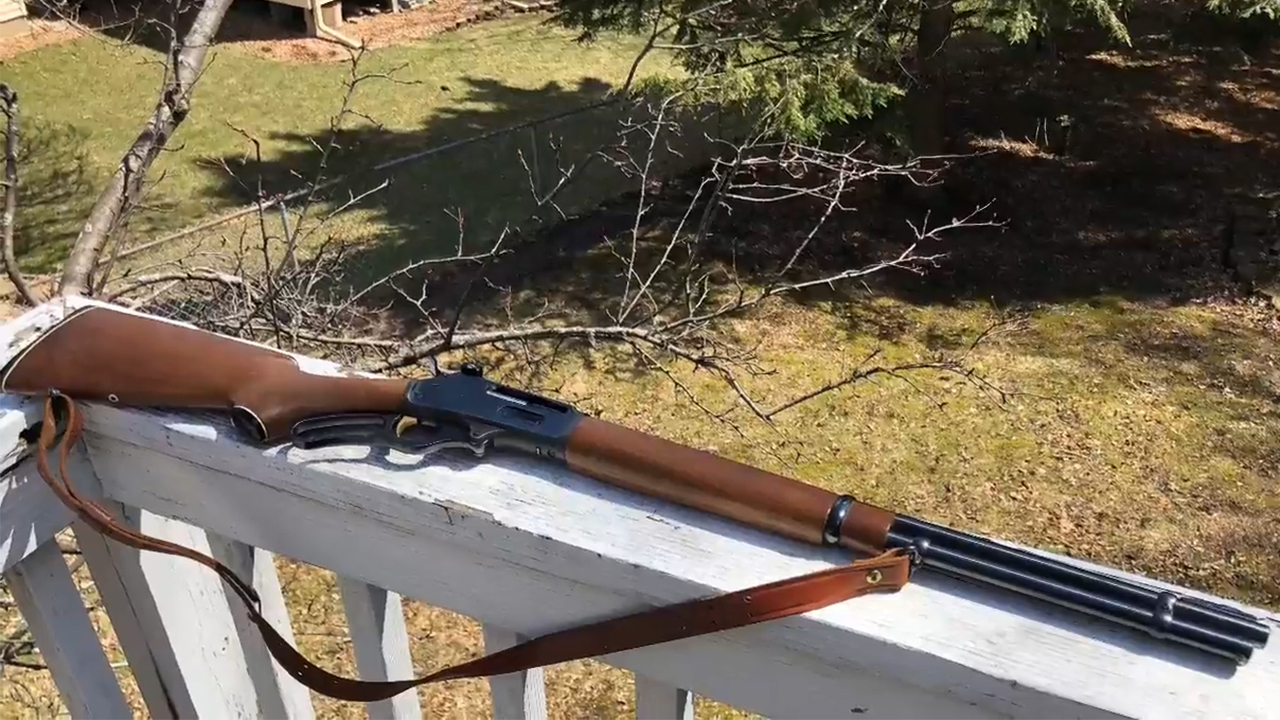
There was a time when a clean 336 sat in every other rack at the local shop, and you could pick one up without taking out a loan. The older JM-stamped rifles weren’t “collector items” back then. They were what you carried in the brush because they pointed fast and didn’t complain when they got rained on.
Now, a good one disappears quick, and the price tag reflects it. They’re not perfect—some triggers are heavy and some stocks have honest dings—but for a deer rifle that carries like a walking stick and shoots like it matters, that old Marlin is tough to beat.
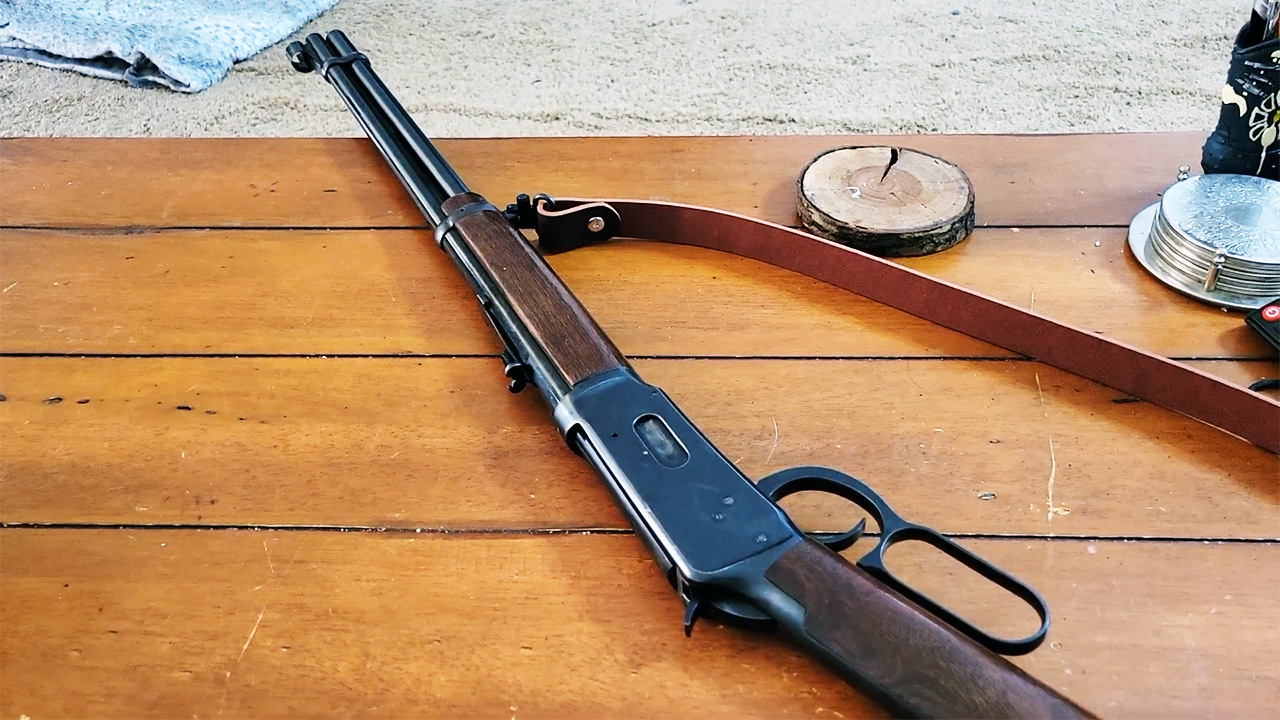
2. Winchester Model 94 (pre-safety)
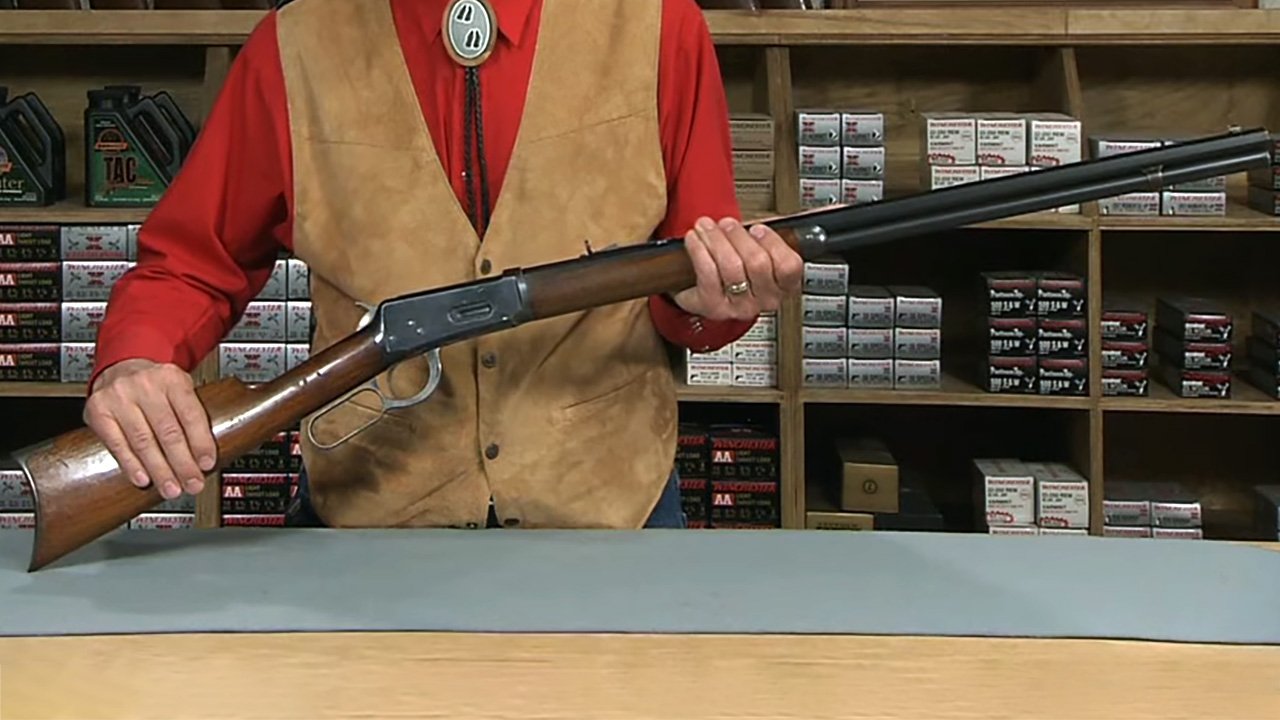
The classic saddle gun used to be the “grandpa rifle” that nobody bragged about. Then folks started trying to buy one that hadn’t been messed with, and suddenly “plain” became “desirable.” A pre-safety Model 94 in .30-30 is still one of the easiest rifles to live with in thick timber.
They’re light, handy, and they feed with that familiar clack that just sounds like November. The ones that haven’t been bubba’d with a cheap scope mount and hardware-store screws? Good luck finding a nice one without paying for the privilege.
3. Ruger Mini-14 (older 180–190 series and early Ranch rifles)
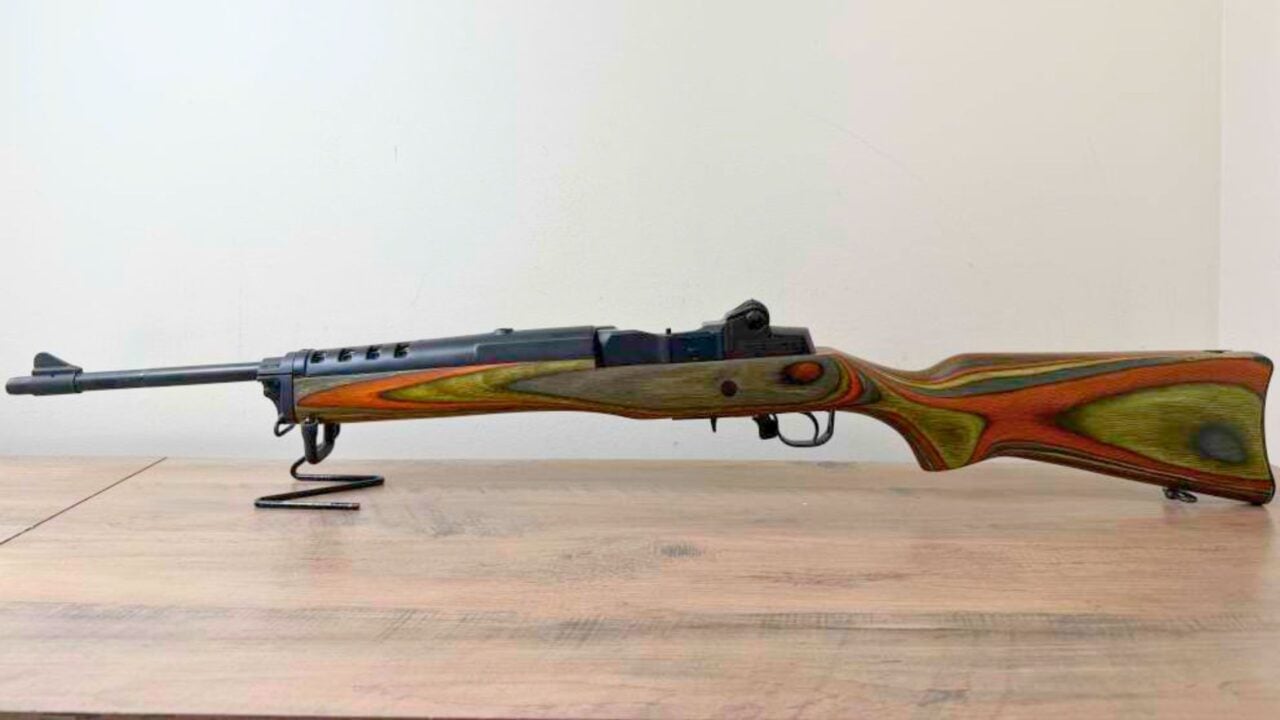
Mini-14s used to be the rifle you bought because you didn’t want an AR, or because you wanted something simple for a ranch truck and didn’t care about groups the size of a coaster. Early ones had their quirks, but they ran, and they carried well. The Ranch rifle setup with sturdy iron sights is still a practical package.
The kicker is magazines. Factory Ruger mags have always been the smart play, and they’re not getting cheaper. When you find an older Mini with a pile of real mags and the gun isn’t shot loose, that’s the kind of deal you remember for a long time.
4. Ruger 10/22 (older walnut/metal carbines)

Everybody has owned a 10/22, but not everybody held onto the nicer, older ones. The basic carbine was once an easy “throw it in the cart” purchase. The older walnut stocks and metal trigger housings just feel better in the hands than the cheapest modern variants.
They’re also the kind of rifle that gets used constantly: squirrels, trapline duty, range plinking, teaching kids. When a gun does that much work, you notice the difference between “it’s fine” and “this one just runs and feels right.”
5. Colt Python (pre-2000s originals)
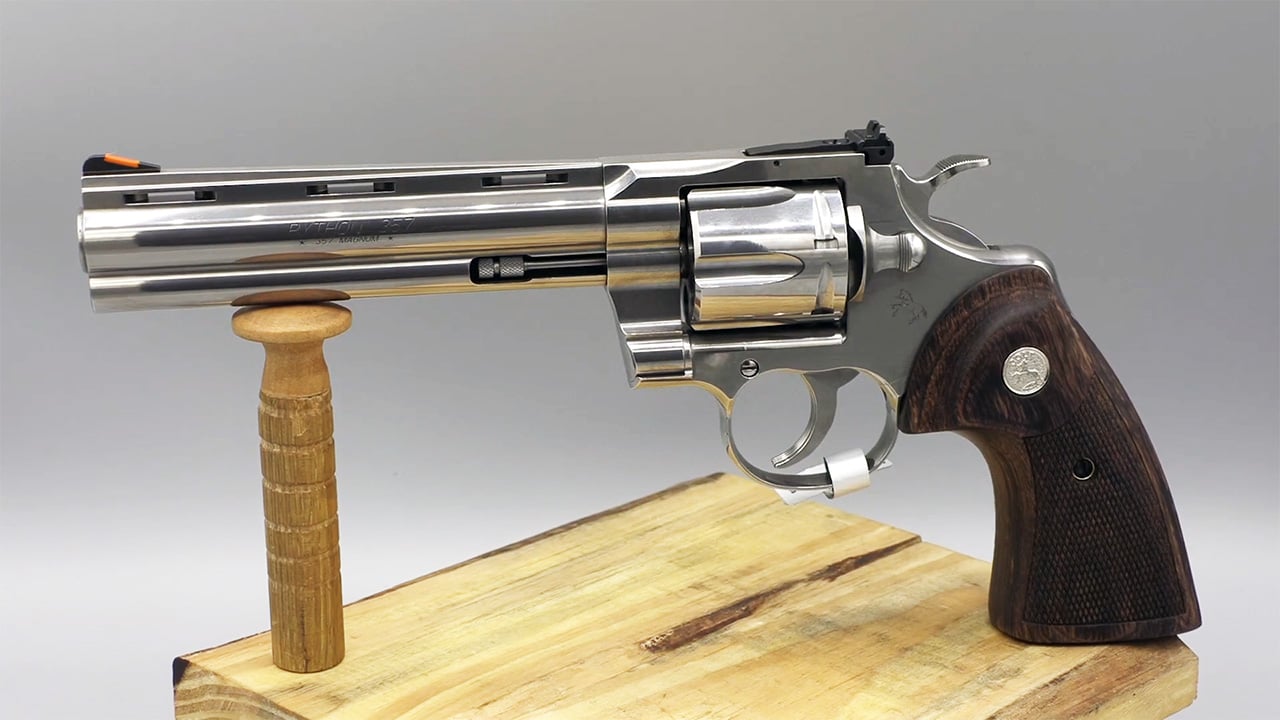
There was a window where Pythons were just expensive revolvers, not mythical artifacts. You’d see them in glass cases, and yeah, they cost more than a Ruger, but they weren’t treated like museum pieces. The action on a good one is still something you feel in your fingers.
Now it’s a different world. The reintroduced models are solid, but that doesn’t magically make the originals less desirable. If you passed on an older Python when it was merely “too pricey,” that one hurts.
6. Smith & Wesson Model 29 / 629 (older pinned and recessed-era or clean early guns)
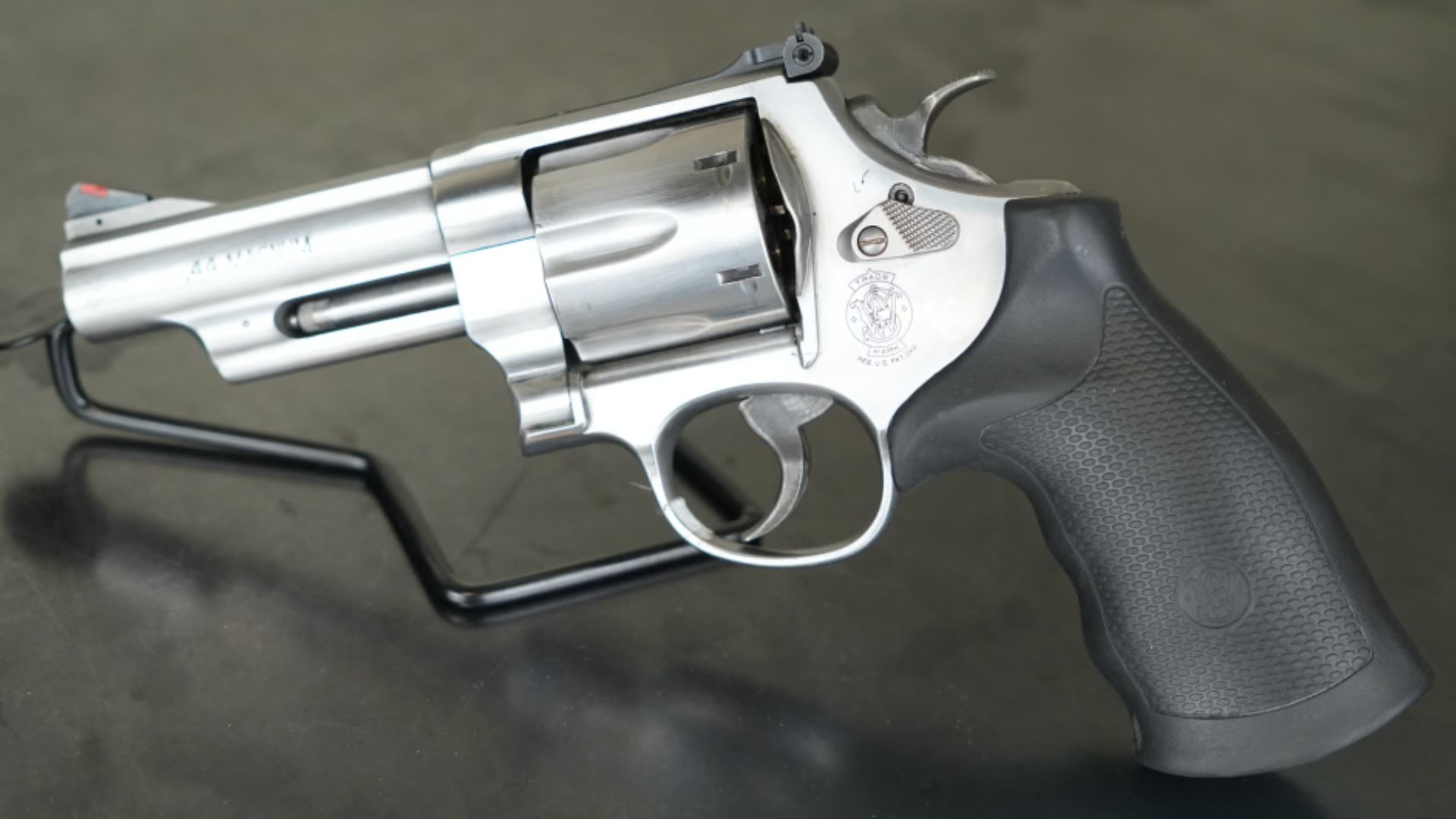
The .44 Magnum isn’t everyone’s cup of coffee, and plenty of guys bought one, shot two boxes, and decided they were done. That’s why clean Model 29s and early 629s used to pop up at friendly prices. They were the classic “cool but unnecessary” revolver.
Then the supply of nice ones got thinner, and nostalgia did what it always does. Even if you only shoot .44 Special through it, a good N-frame is a lifetime revolver, and the older ones have a fit and finish that’s hard not to appreciate.
7. Smith & Wesson Model 19 (pinned barrel era)
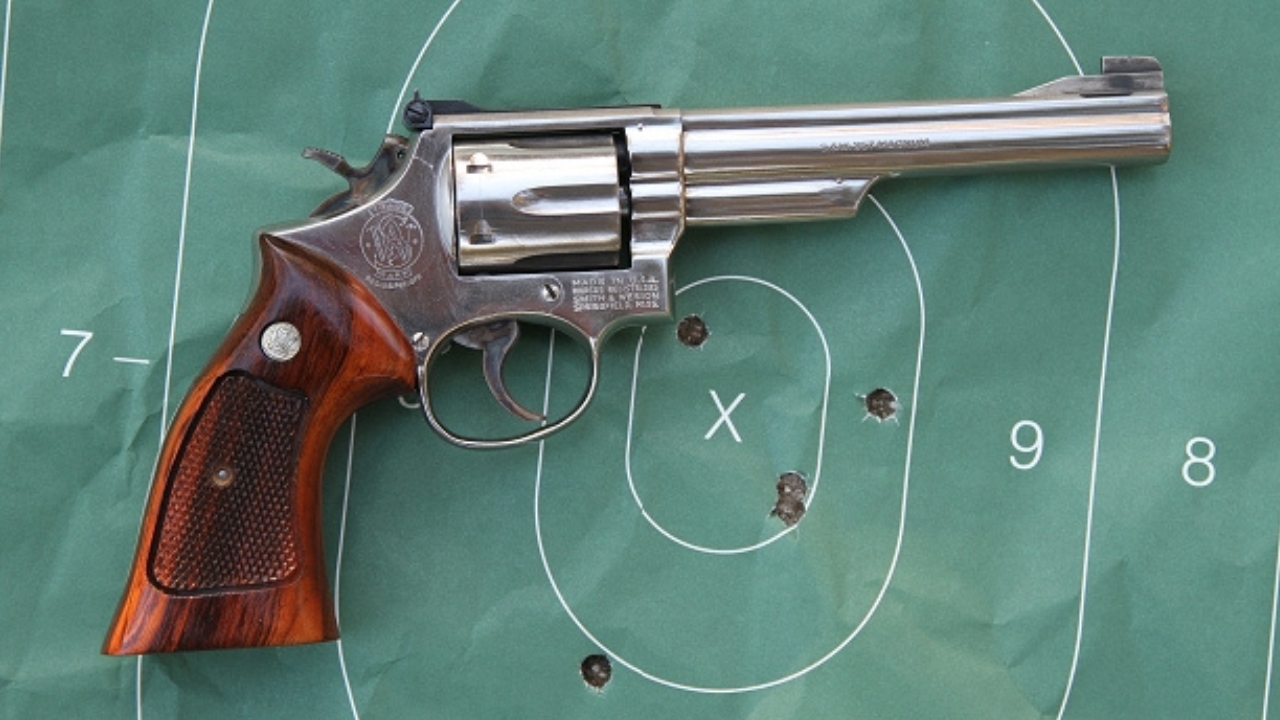
A Model 19 carries like a real sidearm should. Not a brick, not a toy—just a balanced .357 that points naturally. There was a time when police trade-ins and used examples made them pretty attainable, and folks treated them like working guns.
Now, the nicer pinned-and-recessed guns don’t sit around long. You can still find modern .357s, sure, but that older K-frame feel is its own thing, especially if you like a revolver that actually rides comfortably on a belt.
8. Glock 19 Gen 2/early Gen 3 (classic “no-frills” era)
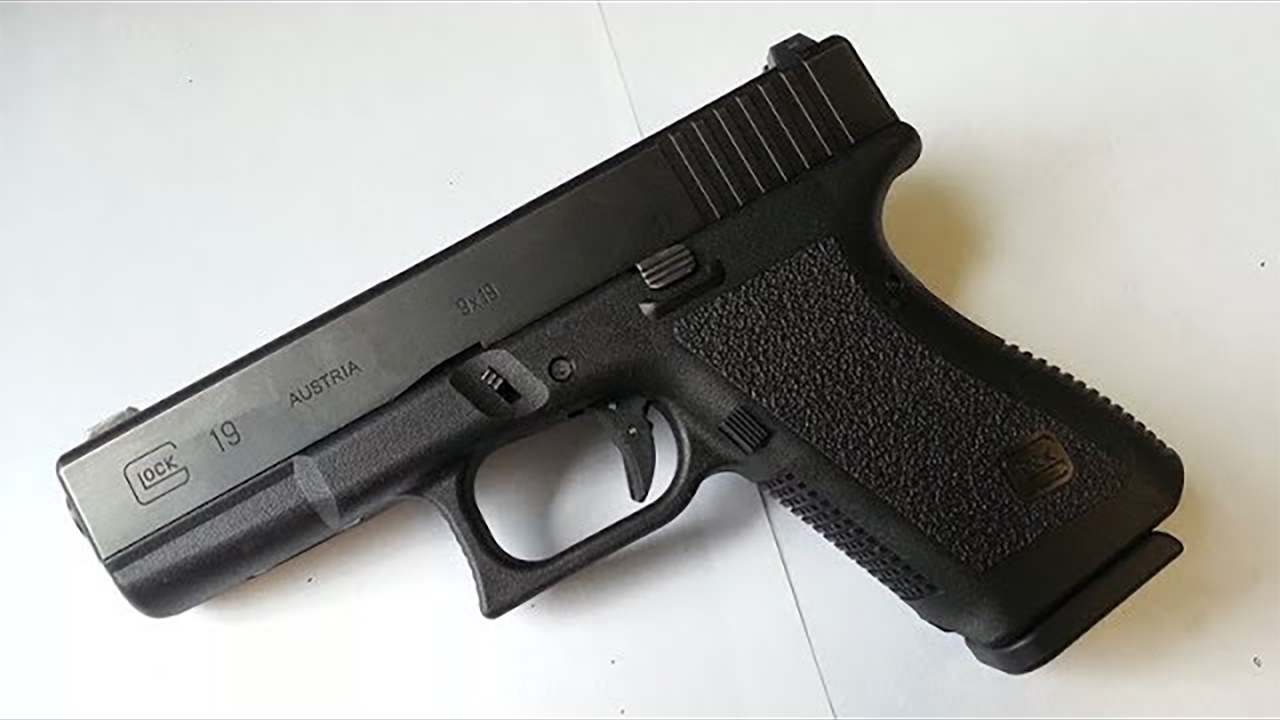
These aren’t rare, but the older ones in clean condition are getting harder to stumble into cheap. Gen 2 and early Gen 3 Glock 19s were the definition of a boring tool that works. The triggers weren’t match-grade, and nobody cared, because the gun did what it was supposed to do.
There’s also something to be said for simplicity. When you find one that hasn’t been “upgraded” with questionable parts and kitchen-table stippling, it’s like finding a clean old pickup that hasn’t been lifted and abused.
9. SIG Sauer P226 (West German and early U.S. guns)

A good P226 feels like a serious pistol. The slide rides smooth, the balance makes sense, and it has that “built to last” vibe that polymer guns don’t even try to imitate. For years, trade-in 226s were floating around at prices that made them an easy yes.
Those deals dried up, and the nicer older ones aren’t getting any more common. Magazines are still around, but once you get used to how a well-kept 226 shoots, it’s hard to call it anything but a keeper.
10. Browning Hi-Power (FN and older Browning-marked guns)

Hi-Powers were everywhere for a while, and then they weren’t. The design is slim, points well, and carries flatter than a lot of double-stacks. The trigger can be hit or miss depending on the gun and setup, but the overall feel is hard to replace.
When prices were reasonable, you could justify it as a “classic.” Now it’s more like a commitment. And if you ever sold one because you decided you were “done with 9mm,” you probably changed your mind later.
11. Springfield Armory M1A (older standard models)
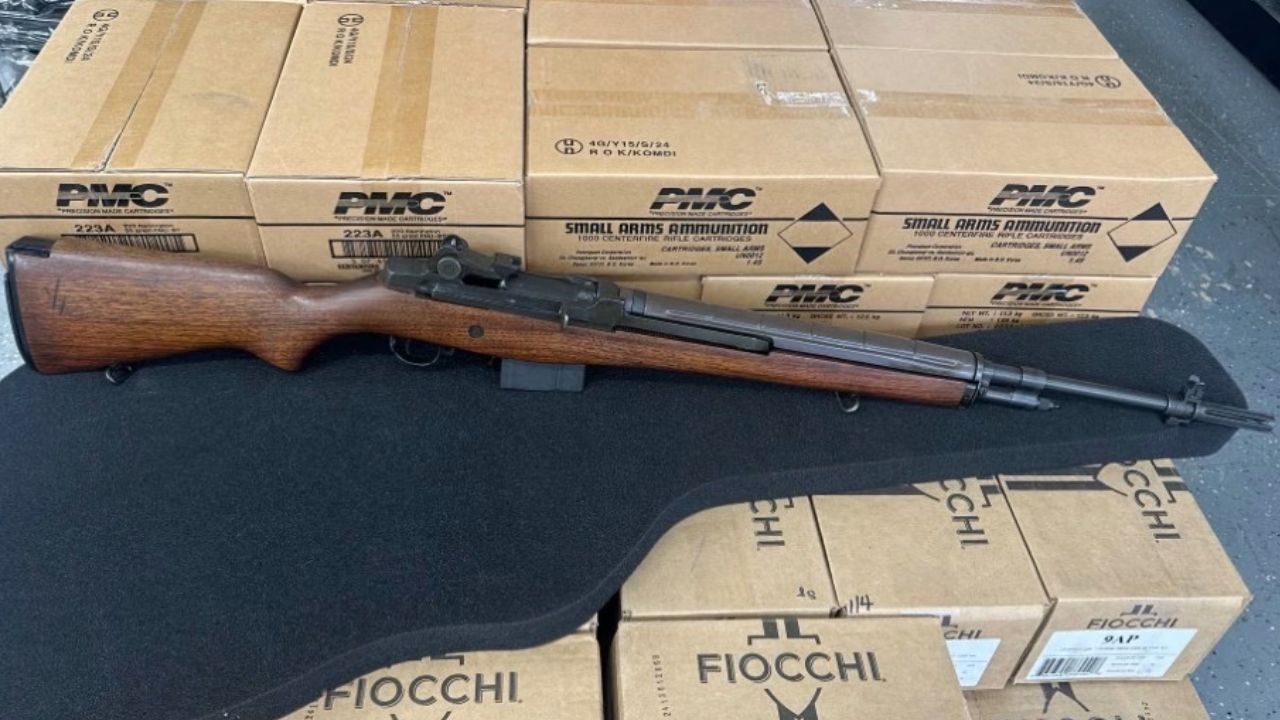
The M1A used to be the rifle you bought because you wanted an American .308 that felt like a battle rifle should. Heavy? Yes. Long? Also yes. But it has a sling-up-and-shoot vibe that makes sense if you grew up around iron sights and field positions.
What got pricey isn’t just the rifle. It’s magazines, decent mounts, and finding one that hasn’t been “tuned” into a problem. When they were cheaper, you could accept the platform’s quirks and still feel like you made out fine.
12. H&K USP (full-size and Compact)

The USP line has never been bargain-basement, but there were years when used USPs sat around because they weren’t trendy. They’re chunky in the hand, and the bore axis bothers some folks. Still, they’re reliable in the boring way that matters.
These days, clean examples tend to carry a premium, and the oddball variants are especially pricey. If you want a tough pistol that’ll live in a nightstand, a glove box (where legal and sensible), or a duty holster without drama, the USP still earns respect.
13. Ruger P89 / P95 (the “ugly but immortal” era)
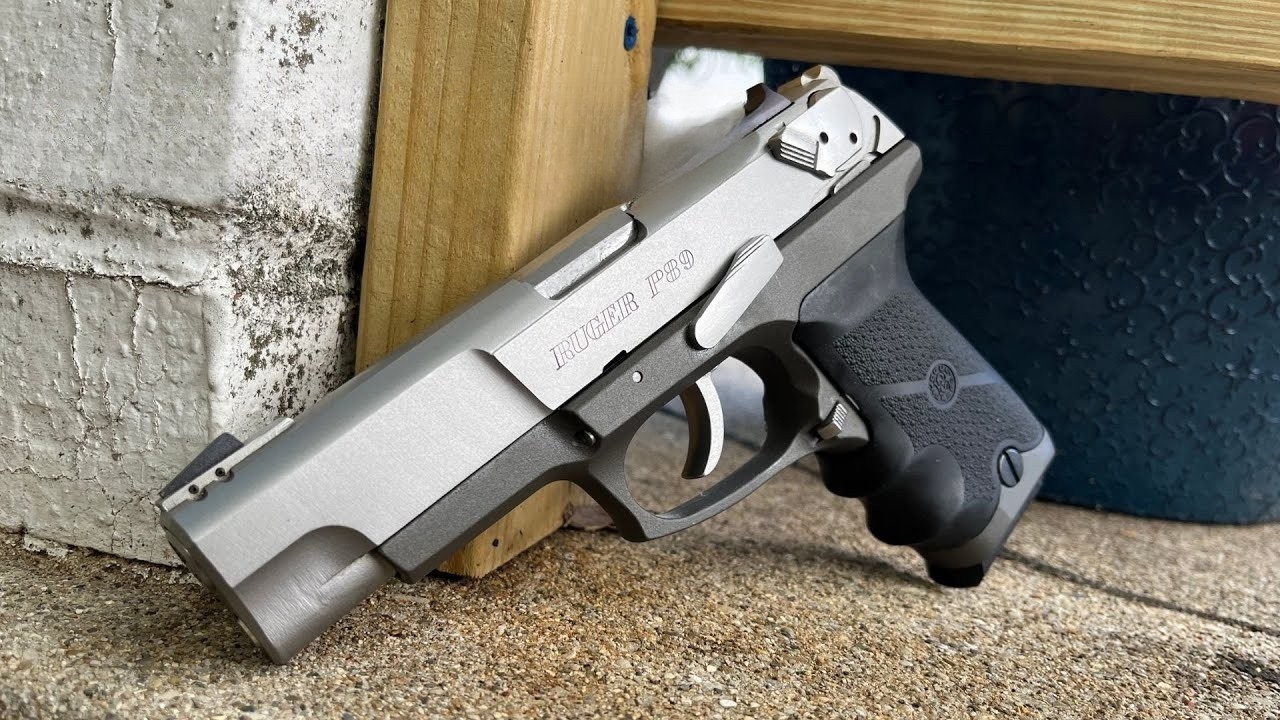
These were the pistols folks loved to hate. Big, blocky, not exactly refined. But they ran, and they were affordable enough that you didn’t mind tossing one in a tackle bag for a cabin weekend or keeping it as a no-fuss house gun.
Now that truly cheap, reliable pistols aren’t as common as they used to be, those old Ruger P-series guns make more sense. If you find one that hasn’t been neglected, it’s still one of the best “boring” buys out there—except they aren’t quite as cheap anymore.
14. Remington 870 Wingmaster (older, smooth-action guns)
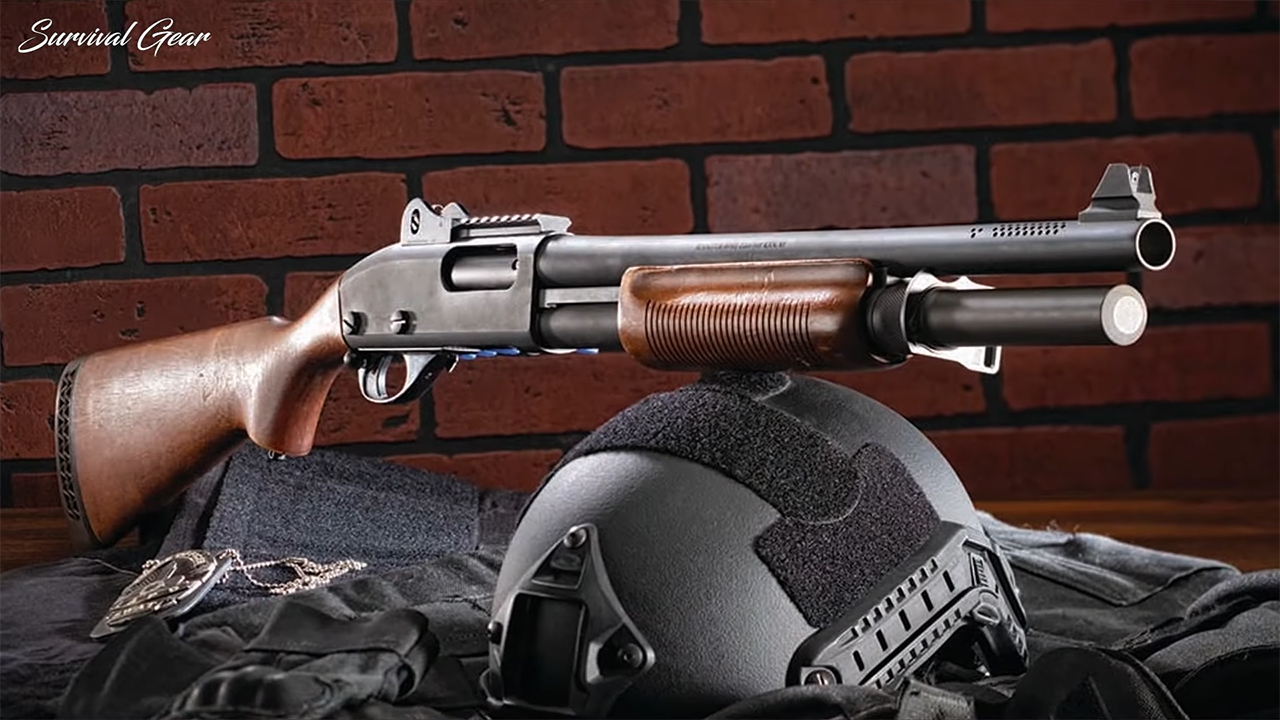
An older Wingmaster is what people mean when they say “they don’t make them like they used to.” The action bars feel like they’re on bearings, and the gun just cycles with a confidence you notice in the cold and dark when you’re half awake in a duck blind.
They were once common as dirt. Now, everybody’s looking for the same thing: an older 870 that isn’t rusted out, drilled full of extra holes, or cut down wrong. A clean one is a real field gun, not a safe queen, and it’s worth treating like one.
15. Ithaca 37 (older featherweights and field guns)
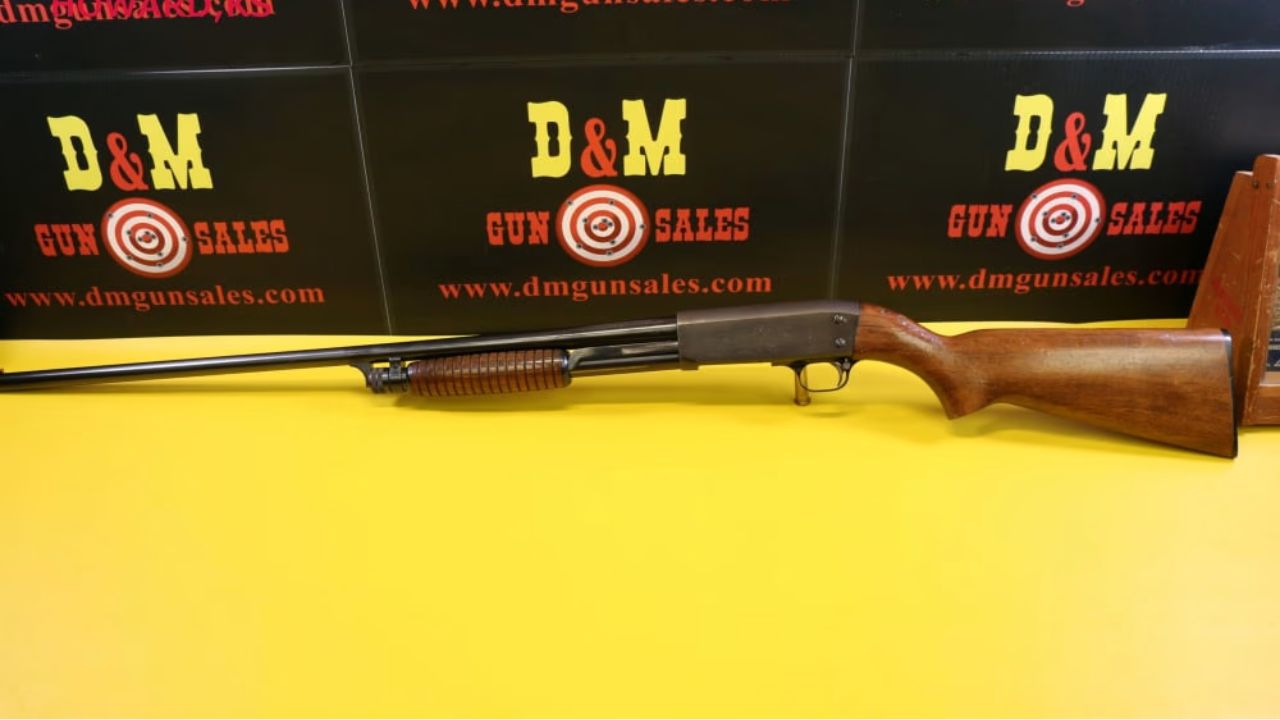
Bottom-eject, slick pump stroke, carries well. The Ithaca 37 is one of those shotguns that never needed to be flashy. Upland hunters figured that out a long time ago, especially if you spend all day walking for birds and you care what the gun feels like at mile six.
For years, you could pick one up and not think twice. Now the nice ones get scooped up, and the beaters are priced like they’re nicer than they are. If you find a clean 37 that locks up tight, don’t overthink it.
16. Winchester Model 12
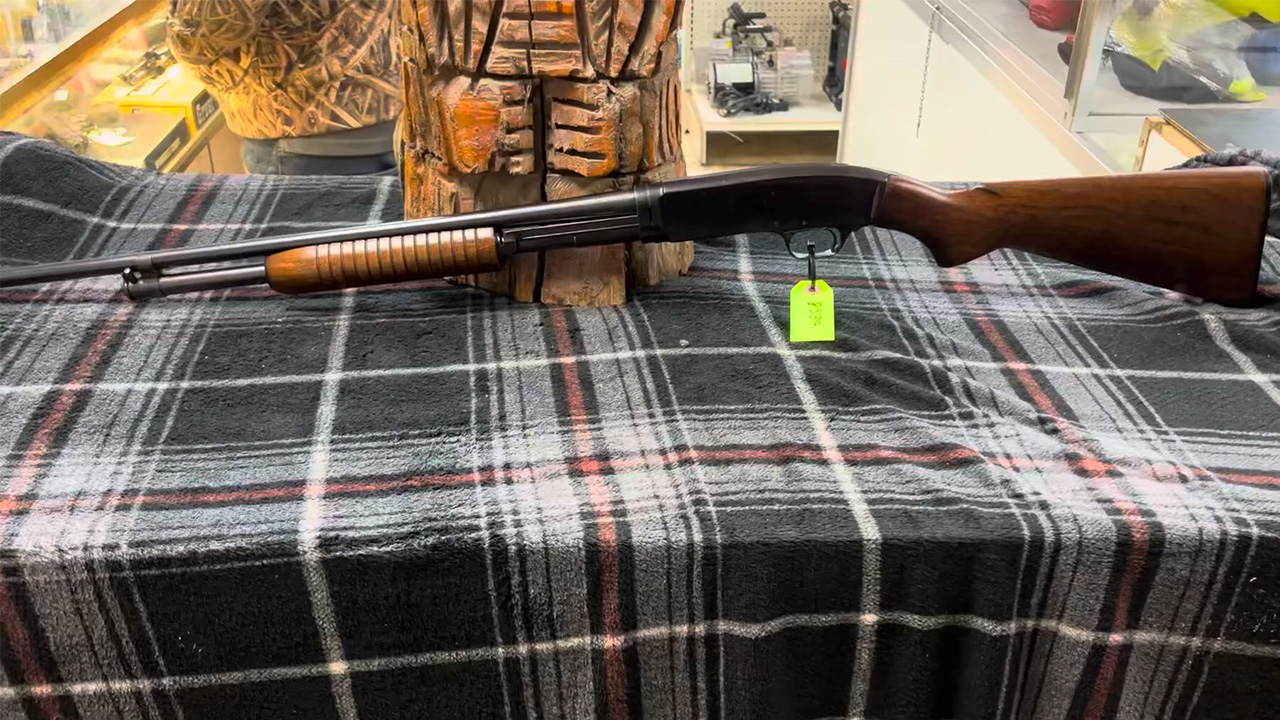
The Model 12 has a feel that’s hard to explain until you run one. Solid, smooth, old-school. It’s not the lightest, and it’s not the easiest to service compared to modern designs, but it has a “real shotgun” quality that makes plastic-fantastic pumps feel disposable.
These used to be in every pawn shop. Then folks started restoring them, collecting them, and realizing they’re not making any more. A clean field-grade Model 12 is still a joy on clays and birds, and it’s not getting easier to find one that hasn’t been worn out.
17. Browning Auto-5 (Belgian and clean Japanese guns)
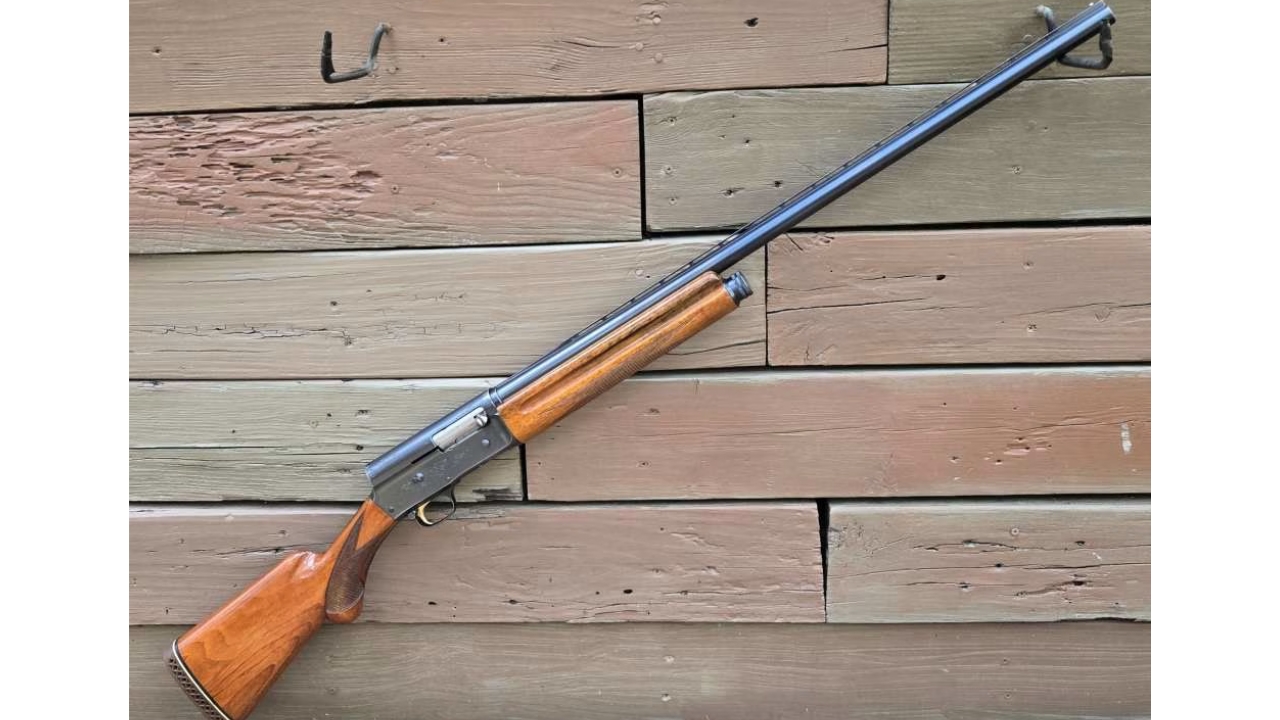
The humpback looks goofy to people who didn’t grow up around it. Then they shoot one that fits, and they get it. The Auto-5 is a classic for a reason, and when it’s set up right, it runs and runs. It’s not as soft-shooting as every modern gas gun, but it has personality and durability.
They used to be “old duck guns.” Now they’re “classic Brownings,” and the price follows. If you ever had the chance to buy a clean one with a good barrel and you passed, you probably remember it.
18. CZ 452 / CZ 455 (wood-stock .22s)

There was a period when CZ .22s were the quiet bargain for folks who wanted real accuracy without paying Anschütz money. The 452 and 455 rifles, especially in nicer wood, shoot better than they have any right to at their old prices.
They’re also the kind of rimfires you keep forever: small game, steel plates, farm pests where legal, and just plain practice. When a rifle makes you look like a better shot than you are, it earns a permanent spot.
19. Savage Model 99
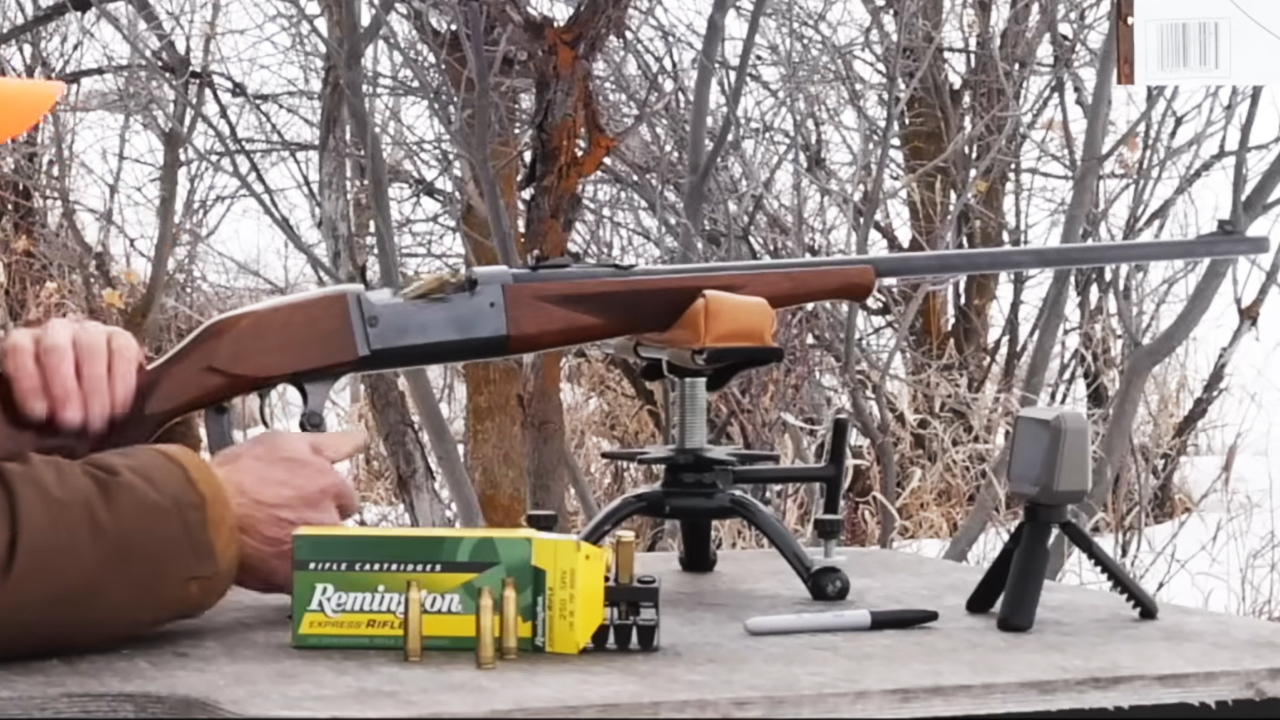
The 99 isn’t for everyone. The lever throw feels different, and the whole rifle has its own personality. But it’s a serious hunting rifle, and it brought pointed bullets to the lever-gun world in a way that mattered.
For a long time, they were just “old Savages,” especially in odd calibers. Then the supply of clean, unmolested rifles got thin, and hunters started wanting them again. If you see one with a good bore and tight action, it’s worth a hard look.
20. SKS (good condition, not hacked up)
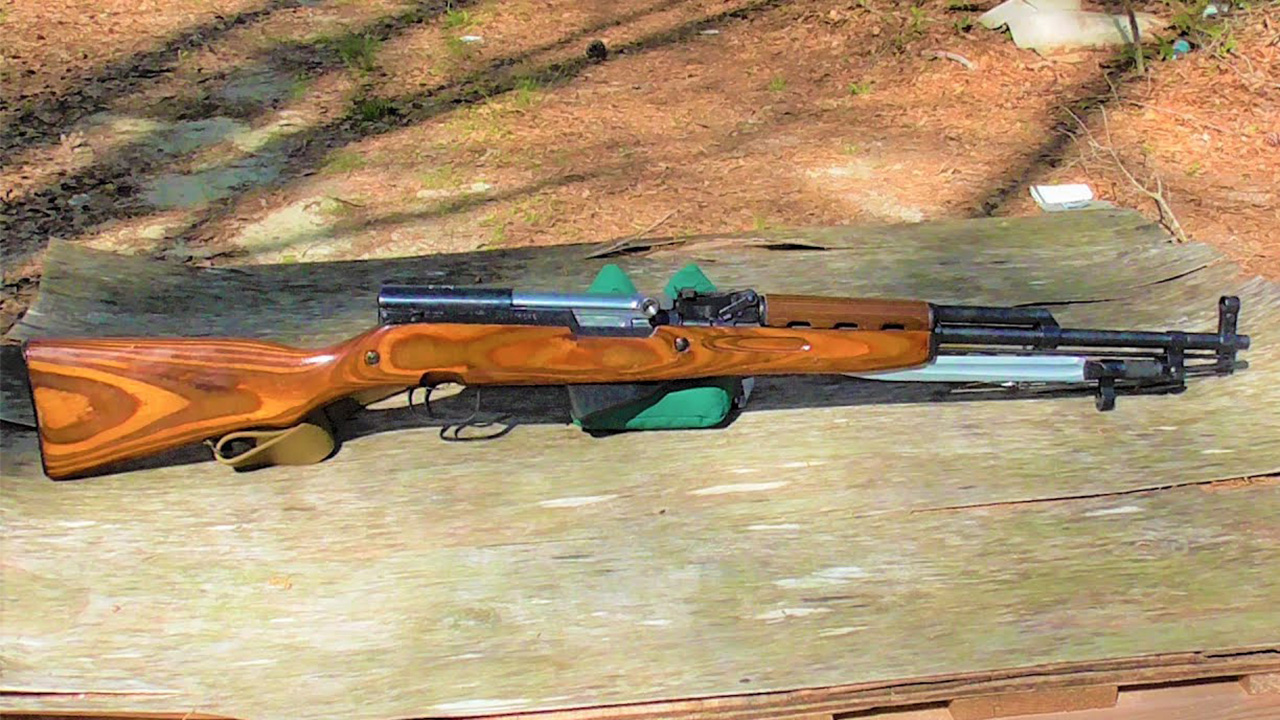
These might be the poster child for regret. SKSs were once stacked like cordwood, and you could buy one on a whim. A lot of them got “customized” into problems—cheap stocks, questionable mags, and a general lack of respect for what the rifle was.
A clean, original SKS with matching parts and a decent bore is a different animal than the butchered ones. They’re handy, reliable, and simple. And no, they aren’t going back to what they used to cost.
The funny part is most of these aren’t exotic. They’re just honest guns that got used, got sold, and then quietly got expensive while everyone was chasing the next new thing. If there’s a lesson in it, it’s this: when you find a firearm that fits your life and actually gets used, treat it like a tool you’ll want again later. Because you probably will.
Like The Avid Outdoorsman’s content? Subscribe to our newsletter so you never miss an article.
Here’s more from us: