Photo credit: Provectus Group/YouTube
Just because a pistol sells well doesn’t mean it’s trouble-free. Some of the most familiar names on the market have gone through recalls—sometimes more than once. From unintended discharges to cracked slides, these issues usually boil down to design shortcuts, manufacturing errors, or just plain rushing to market. If you’re curious why some well-known handguns keep making headlines for the wrong reasons, here’s the rundown.
SIG Sauer P320

The P320 made waves for a drop-fire issue that triggered a big recall in 2017. Turns out, under certain conditions, it could discharge without the trigger being touched. That’s not a small problem.
Even after the fix, the model’s reputation took a hit. Some departments even dropped it completely. SIG addressed the issue with a voluntary upgrade program, but it’s a reminder that success can sometimes come with growing pains.
Smith & Wesson M&P Shield EZ 9mm
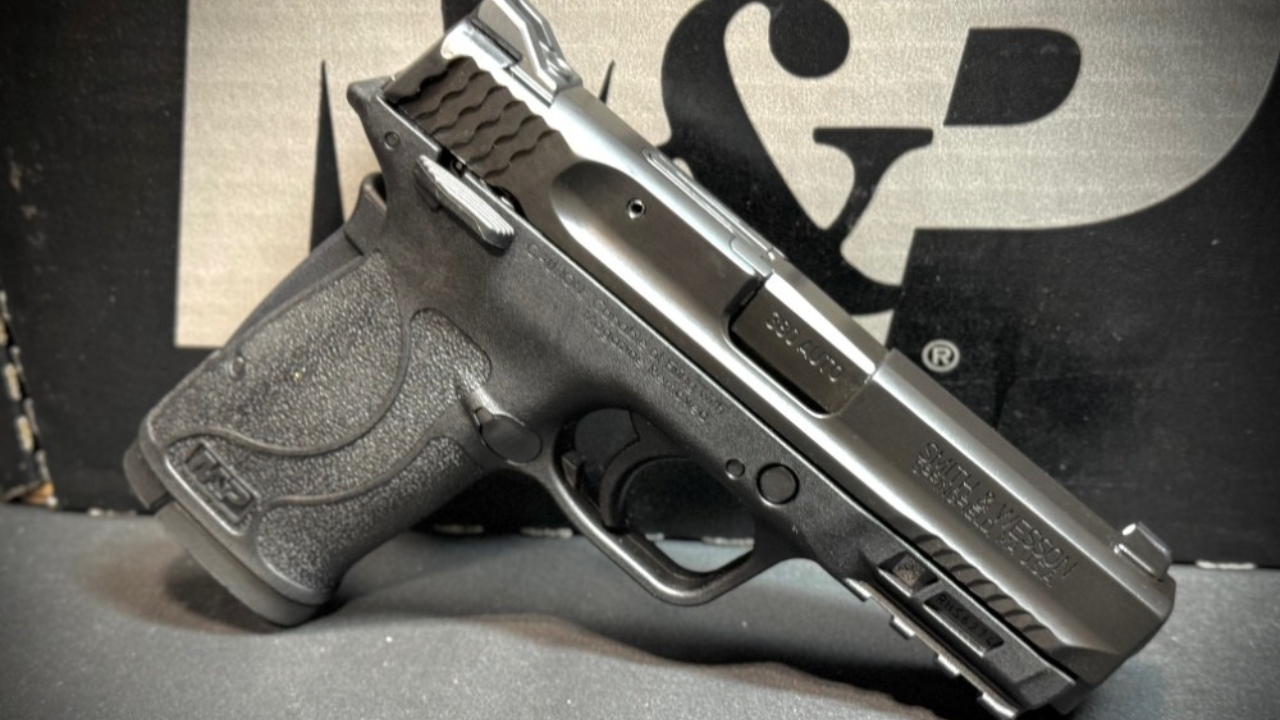
Smith & Wesson had to recall some Shield EZ 9mm pistols due to a faulty hammer. The defect could cause the gun to fire when it wasn’t supposed to—or fail to fire at all.
That’s a scary mix for any shooter, let alone new gun owners who this model is often marketed to. It mostly affected models built within a short window, but it was enough to shake some confidence.
Taurus G3C

Taurus doesn’t have the best track record when it comes to recalls, and the G3C has seen its fair share of complaints. Some reports pointed to striker and trigger bar issues that could lead to failures to fire or reset.
Taurus issued upgrades and fixes, but not everyone felt confident sending their carry gun back in. With its affordable price tag, quality control remains hit or miss depending on the batch.
Springfield Armory XD-S

Springfield Armory issued a major recall on the original XD-S models due to an issue where the gun could discharge while chambering a round. That’s something no one wants to experience.
This recall hit both the 9mm and .45 ACP versions, and while Springfield responded quickly, it gave some shooters second thoughts about trusting it as an everyday carry piece.
Remington R51

The R51 reboot was hyped as a comeback story—but it flopped. Early models were plagued by cycling issues, misfeeds, and parts wearing out way too soon. Remington ended up pulling it back almost immediately.
They later released a “Gen 2” version, but by then, a lot of the goodwill was gone. It’s a clear case of rushing to market before the gun was ready for prime time.
KelTec P11

The P11 didn’t have one huge recall event—but it’s had a long list of smaller complaints that added up. Poor trigger performance, feeding issues, and loose parts caused plenty of frustration.
KelTec did issue some fixes and part upgrades over the years, but consistency remained a problem. The P11’s design never really evolved, and it eventually faded out of favor.
Ruger SR22

The SR22 had a specific recall for models with a particular serial number range. The problem? The barrel screw could come loose, which might cause a failure to cycle or damage to the frame.
Ruger offered repairs at no cost, but the issue made some owners question how such a simple flaw made it through inspection. It’s a reminder that even rimfires can bite if something’s off.
Walther CCP M1

The original CCP M1 had a takedown design that could fail and lead to accidental discharges. That’s no small issue, especially for a striker-fired carry gun.
Walther issued a recall and fixed the problem in the later M2 version, but the M1’s design made many users hesitant to trust it again. Disassembly was already awkward, and this just sealed the deal for some.
Heckler & Koch VP9 (Early Models)

Some early VP9s had striker spring problems that could lead to light primer strikes. While not officially a full-blown recall, HK acknowledged the issue and quietly updated later production.
HK fans stuck with it, but the hiccup showed that even high-end brands can hit snags. Most VP9s now run flawlessly, but those first-run models had some growing pains.
Beretta 21A Bobcat

This little pocket gun had issues with frame cracks in some batches. Beretta eventually acknowledged it and revised the alloy used in manufacturing, but for a while, the durability was questionable.
It’s not a gun people shoot a thousand rounds through, but even light use shouldn’t cause that kind of failure. Later models are more reliable, but it left some early owners frustrated.
*This article was developed with AI-powered tools and has been carefully reviewed by our editors.