Photo credit: Mossberg
Some guns hold value for decades, and others fall off a cliff the moment you leave the store. Hunters and shooters learn this lesson the hard way, usually after trading a rifle or pistol that dropped hundreds of dollars in a single season. Depreciation happens for a lot of reasons—overproduction, mixed reputations, cheap materials, or a design that never caught on in the first place.
If you’ve spent enough time around gun counters, you’ve seen which guns move quickly and which ones get marked down month after month. These are the guns that lose value faster than a used truck and rarely recover from it.
Remington R51

The Remington R51 had hype behind it, but once shooters actually used it, resale value tanked. Poor reliability reports and early production problems haunted it, and even after Remington tried to fix the design, buyers stayed cautious. When a pistol develops that kind of reputation, used prices collapse fast.
You’ll see R51s sitting in cases far below their original sticker because most owners don’t want to take the risk twice. Even the improved versions never caught on, and that kept the entire lineup permanently discounted. If you’re trying to hold value, this isn’t the pistol you buy.
Mossberg Blaze

The Mossberg Blaze looked appealing as a lightweight .22, but it never earned long-term confidence. The polymer construction felt too light and toy-like for many shooters, and accuracy wasn’t impressive enough to justify sticking with it. That combination sent used prices straight downward.
Most rimfire buyers gravitate toward rifles with stronger aftermarket support and proven longevity. The Blaze didn’t offer that. Once word spread, resale values dropped so quickly that stores often price them well below comparable used 10/22s or Marlin Model 60s. It’s a rifle that simply doesn’t hold money over time.
Taurus Spectrum
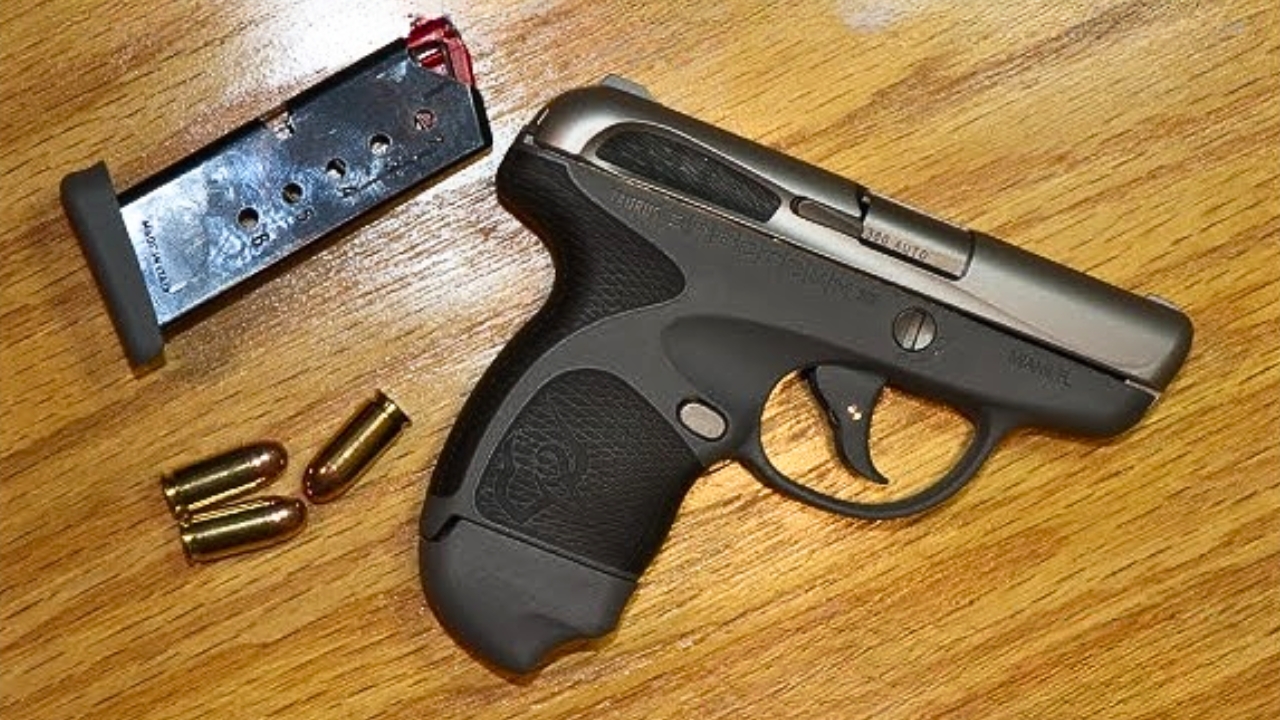
The Taurus Spectrum came in with unique styling, but reliability concerns and limited interest caused resale values to nosedive. Many shooters found feeding issues depending on ammunition choice, and that turned the pistol into a gun people bought once and rarely recommended.
Because the micro-pistol market is crowded with proven options, anything with spotty performance drops in value almost immediately. The Spectrum became one of those pistols you see underpriced in cases because everyone knows moving it takes effort. If a carry gun can’t earn trust, it won’t hold value.
Remington 597 (.22 LR Variant)

The Remington 597 has a loyal niche following, but in the wider market it never held strong resale. The magazines were hit-or-miss, and accuracy varied too much between rifles. As new options entered the rimfire space, the 597’s reputation stalled, and used prices followed.
Most shooters prefer rifles with easier upkeep and stronger aftermarket support. That leaves the 597 stuck as a “budget used” option, even when the rifle is in good condition. It’s common to see them marked down significantly from their original retail price.
SIG Sauer Mosquito

The Mosquito was meant to be a training gun, but its picky ammo requirements ruined its resale. If you weren’t using high-velocity loads, malfunctions were common, and that became the defining trait of the pistol. Once a reputation like that sticks, prices fall hard.
New shooters often ditch the Mosquito after a few frustrating range trips, and the used market is flooded with them. Because demand is low and supply is high, resale values stay rock-bottom. Compared to SIG’s centerfire pistols, the Mosquito is a poor investment.
Bushmaster Carbon 15

The Carbon 15 attracted attention for its extremely lightweight build, but the polymer receivers didn’t inspire confidence under real use. Flex, cracking, and heat issues followed the design, and once those stories spread, resale value plummeted.
Most shooters gravitate toward traditional aluminum AR platforms for durability. That leaves the Carbon 15 sitting on shelves for far less than its original retail. Even lightly used examples struggle to move at fair prices. When a rifle is seen as fragile, depreciation is inevitable.
KelTec PF-9

The KelTec PF-9 served a purpose as an inexpensive carry pistol, but its heavy recoil, stiff triggers, and occasional reliability quirks kept many shooters from hanging on to it. As soon as better budget-friendly micro pistols arrived, used PF-9s flooded the market.
A gun loses value when demand disappears, and the PF-9 suffered exactly that fate. These days, they sell for a fraction of their original price because buyers know they’re plentiful and not in high demand. It’s a pistol that depreciates fast and rarely rebounds.
Marlin Model 795
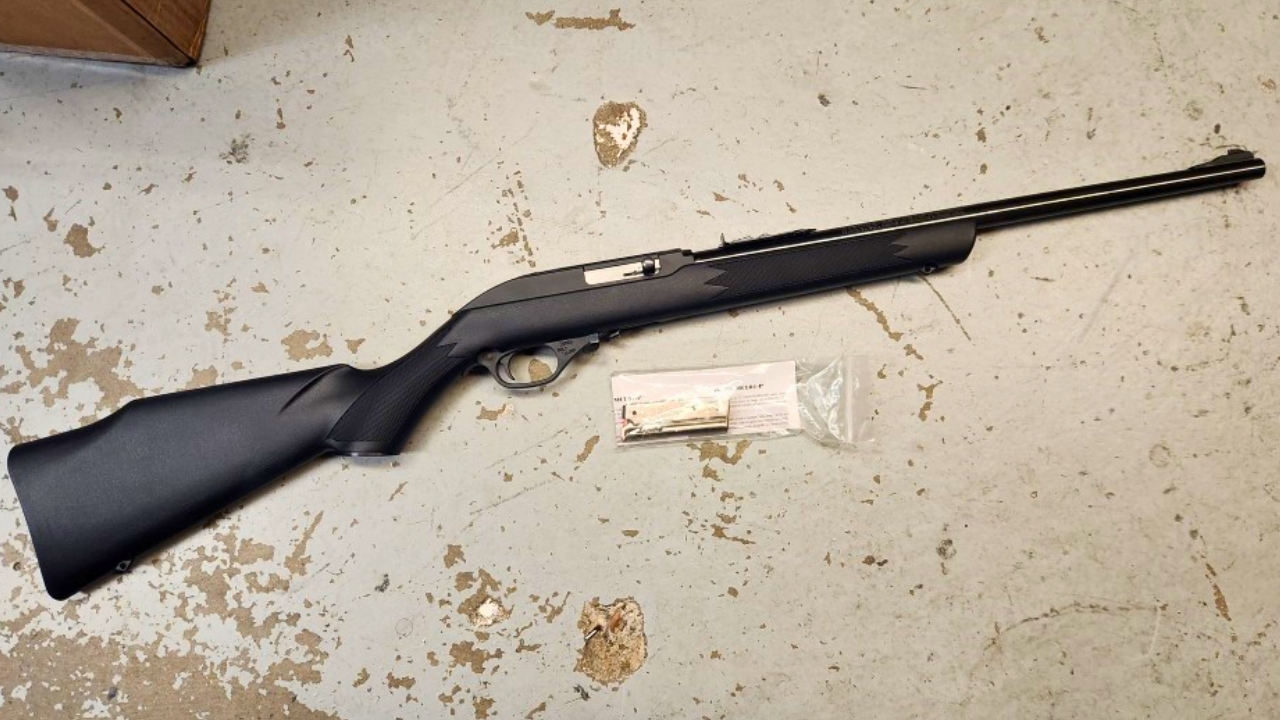
The Marlin 795 is reliable enough, but it never built the cultural following that keeps gun values high. With so many shooters defaulting to the Ruger 10/22, the 795 became the “backup option,” and backup options drop hard in value.
Used prices remain low because the rifle was inexpensive new and lacks aftermarket appeal. Even well-kept rifles don’t command much on the secondary market. It performs fine, but performance doesn’t always translate into resale strength.
Remington 770 (All Calibers)

The Remington 770’s reputation suffered early, and it never recovered. Rough actions, inconsistent accuracy, and cheap-feeling stocks drove resale values into the ground. Even hunters who had decent luck with one can’t expect much when they trade it in.
Most shops price 770s far lower than comparable used rifles because demand is weak. Once a gun becomes known for cutting corners, it’s almost impossible to rebuild trust or value. The 770 is one of the clearest examples of fast depreciation in modern hunting rifles.
Taurus PT111 G2
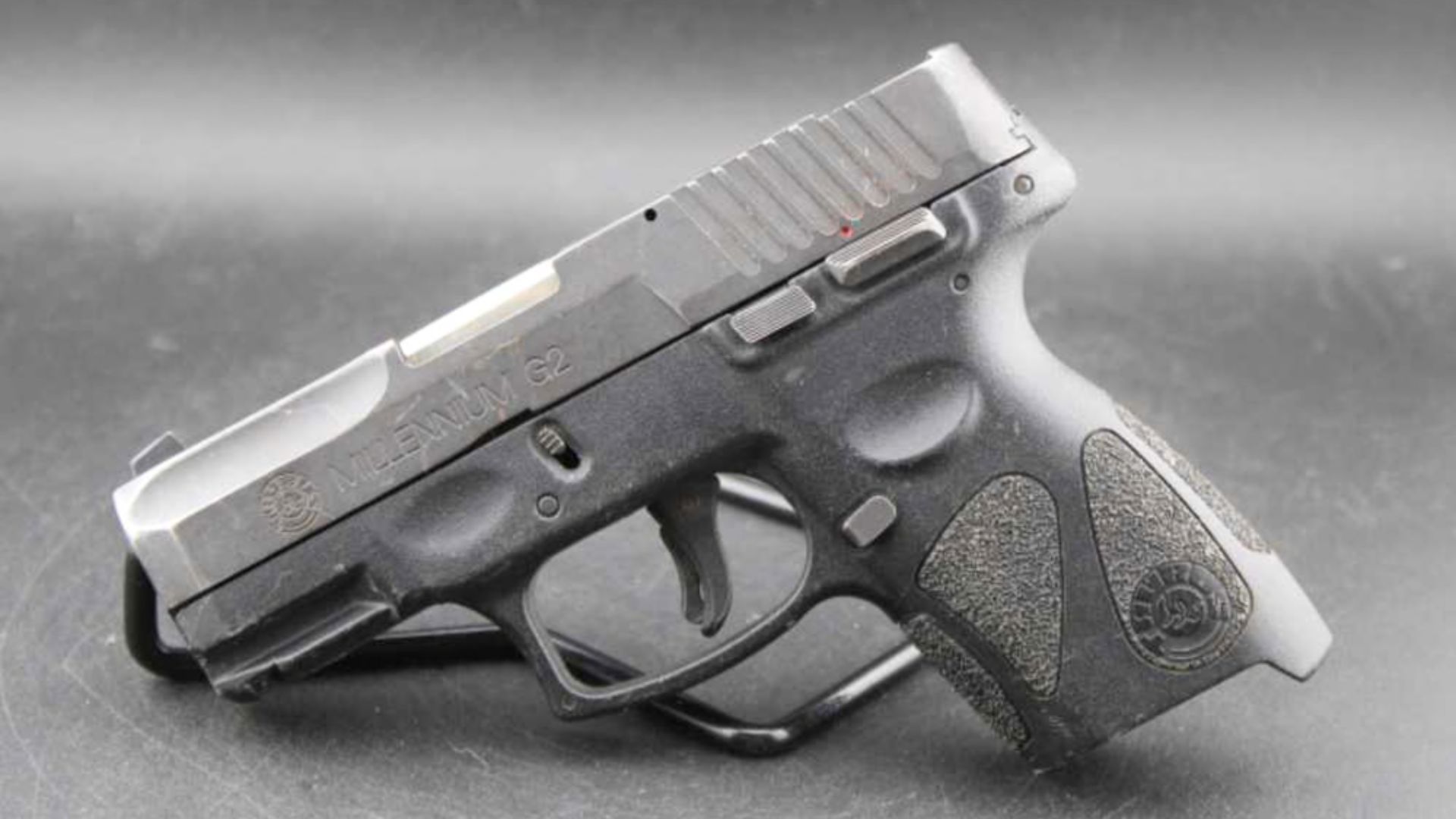
Before the G2C earned a better reputation, the early PT111 G2 models had issues with finish durability and occasional reliability concerns. Those first impressions stuck hard, and resale values never fully recovered.
Even though later models improved, the stigma around the early variants drags the whole line down in the used market. Buyers hesitate, and when hesitation grows, prices drop. You’ll see these pistols priced well below expectations because stores want them gone more than buyers want them.
Winchester Wildcat (Early Generations)

The early Winchester Wildcat models suffered from spotty accuracy and mixed reliability, and that hurt their value right out of the gate. Shooters expected more based on Winchester’s name and were disappointed. Once that sentiment spread, resale prices dropped sharply.
Later versions improved, but the used market reflects the overall perception, not individual upgrades. As a result, Wildcats often sell far cheaper than similar rifles. A shaky first impression can sink long-term value.
Mossberg Patriot (Certain Budget Configurations)

The Mossberg Patriot has some solid variants, but the bargain-bin configurations with flexible stocks and rough-feeling actions depreciate quickly. Hunters who bought them as entry-level rifles often trade up within a season, flooding the used market.
That surplus pushes prices even lower. Rifle buyers want consistency and durability, and anything that feels “value engineered” drops hard. The Patriot’s better versions don’t help the lower-end ones hold their worth.
SIG Sauer P250
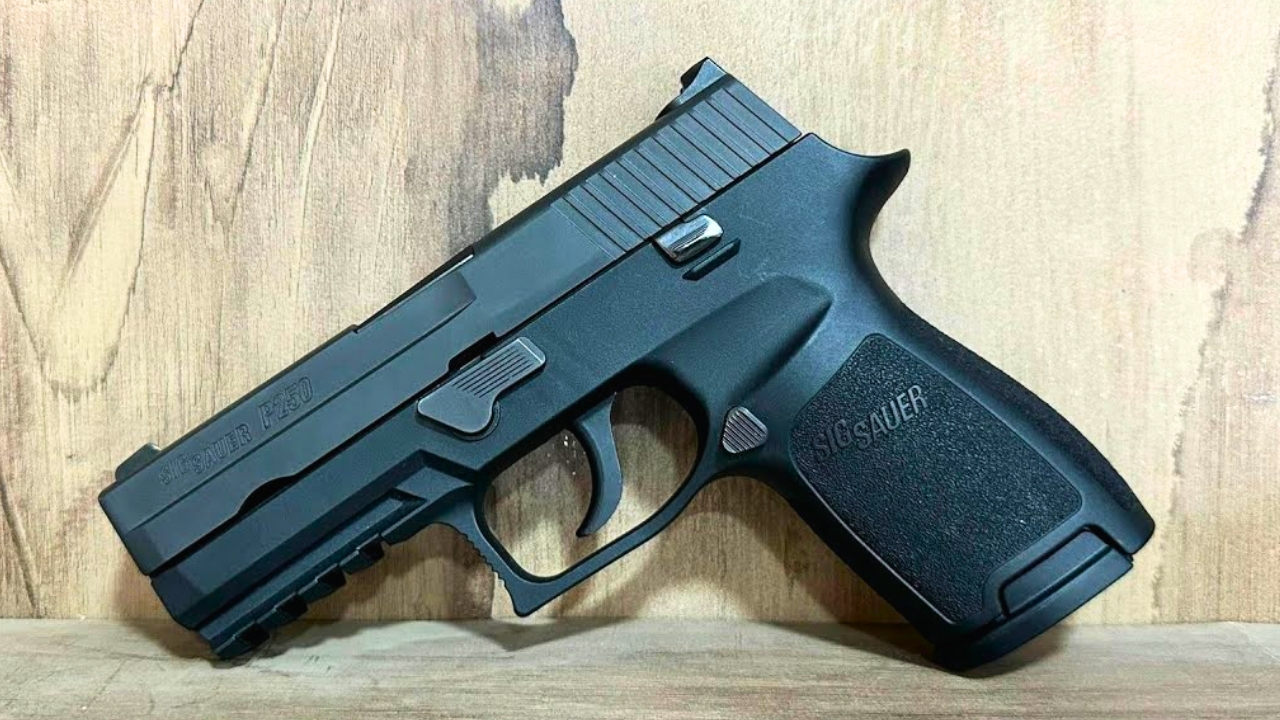
The SIG P250 never lived up to expectations. Its modular design intrigued shooters, but the double-action-only trigger held it back. Most buyers realized quickly that the learning curve wasn’t worth it, and the pistol fell out of favor fast.
Because the P320 overshadowed it almost instantly, the P250’s used value collapsed. You’ll see it priced well below other SIG pistols because it’s overshadowed and under-demanded. When a platform gets replaced rather than refined, its value fades quickly.
Remington 783 (Early Runs)
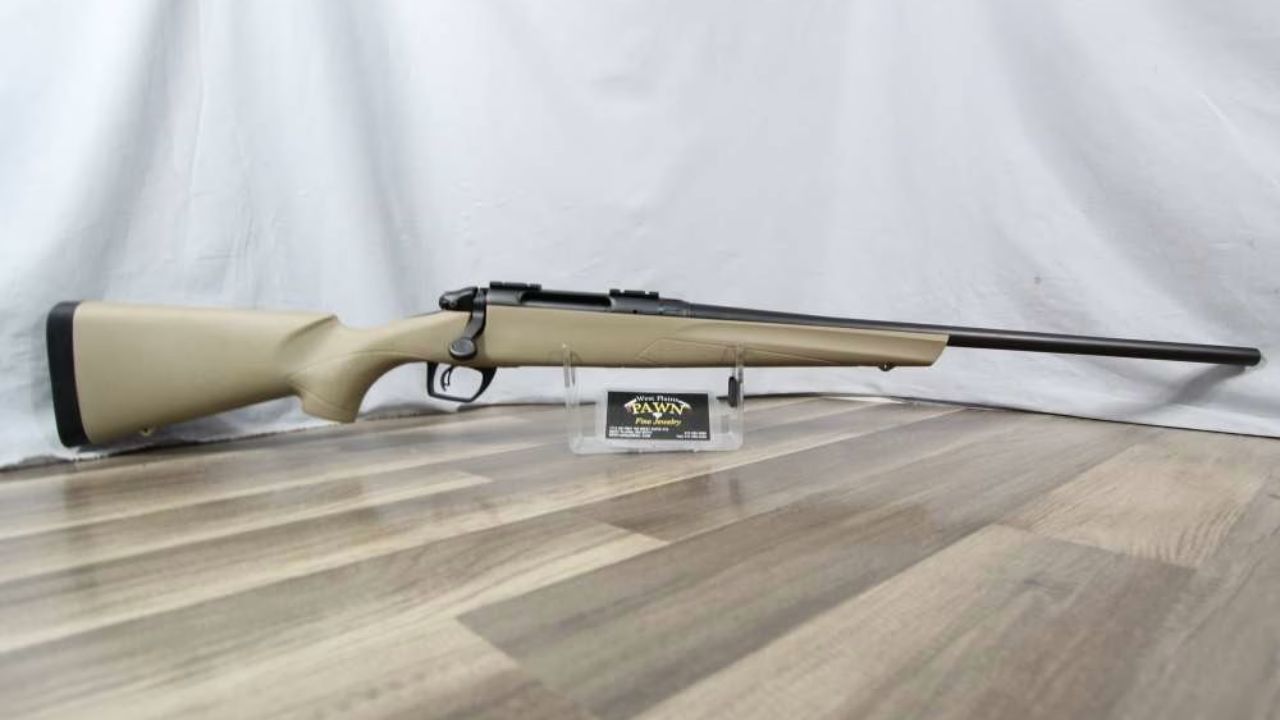
Early Remington 783 rifles had inconsistent triggers and mixed accuracy results, and those weaknesses hit their resale value hard. Even though later improvements helped the line, the used market still reflects the early rocky start.
Hunters simply don’t trust the 783 the way they trust competitors. That lack of confidence means lower prices, quicker markdowns, and slow movement at gun counters. A rifle has to deliver consistently to hold value, and the 783 struggled early enough to stay discounted.
KelTec SUB-2000 (Gen 1)
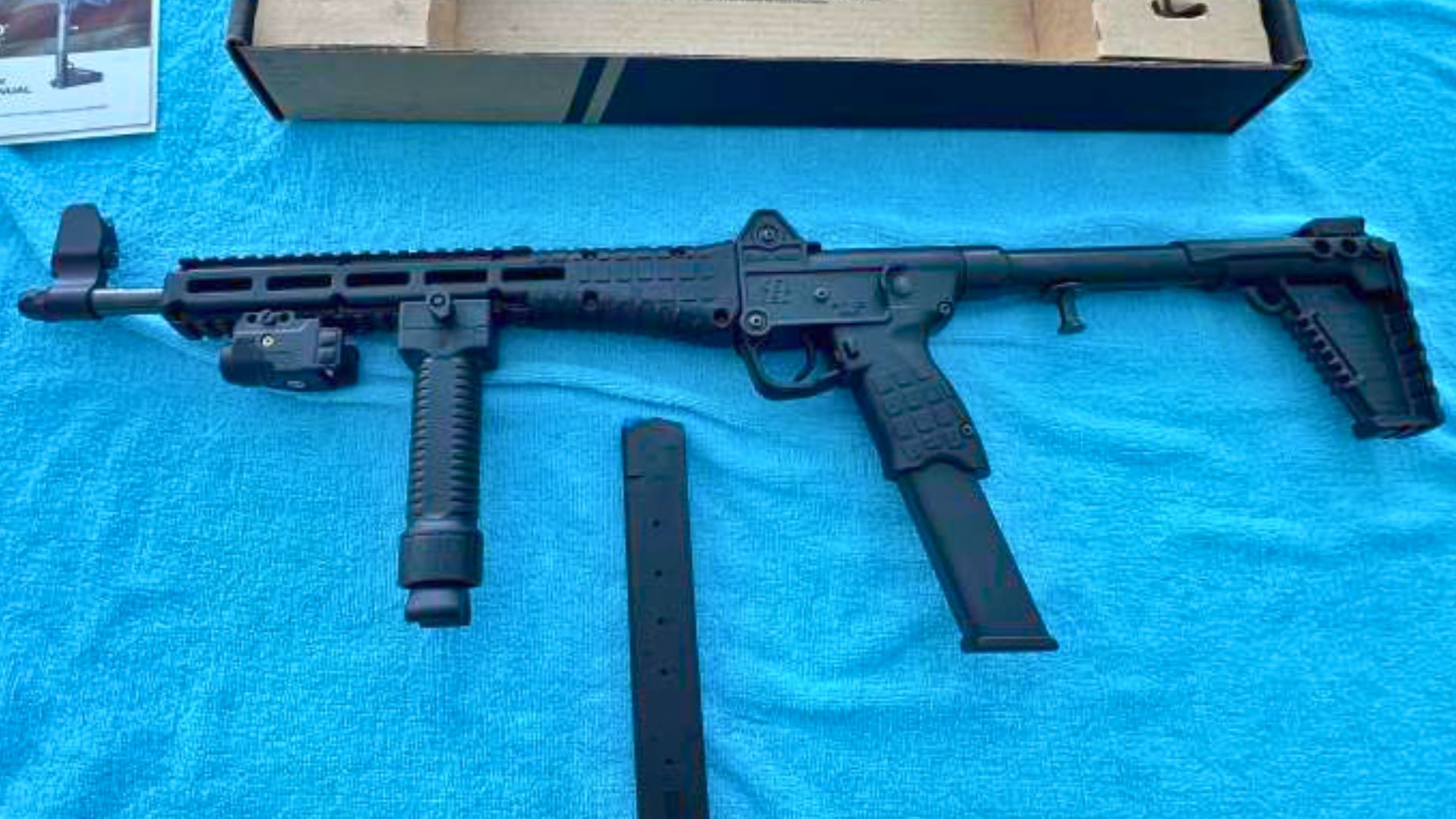
The first-generation SUB-2000 had a unique folding design, but the plastic feel, heavy trigger, and inconsistent accuracy kept many shooters from hanging on to them. Once the novelty wears off, buyers look for rifles with better ergonomics and more durability.
As a result, Gen 1 models drop in value rapidly. The improved Gen 2 versions didn’t help the early ones recover; instead, they widened the gap. On the used market, SUB-2000s often sit at steep discounts because the design appeals to a narrow group of shooters.
Like The Avid Outdoorsman’s content? Subscribe to our newsletter so you never miss an article.
Here’s more from us: