Photo credit: BockPew/Youtube
Cold-weather hunts have a way of exposing gear that seemed fine in October. When the truck reads single digits, your gloves are stiff, and your breath is freezing on your scope bell, the little “quirks” you ignored at the range turn into real problems. Bolt lift gets heavy. Safeties feel like they’re glued in place. And anything that’s picky about lubrication or magazines starts acting like it’s never seen a cartridge before.
This isn’t about brand-bashing. Most of these guns can run just fine in normal conditions, and plenty of them have filled freezers. But if you’re talking true cold—snow in the action, wind-driven sleet, subzero mornings, and a long sit—there are some rifles I’d rather leave in the safe.
1. Remington 742 Woodsmaster

I’ve watched more than one 742 get “tight” when the temperature drops and the gun is carried in and out of a warm cab. Condensation turns into ice in a hurry, and that semi-auto action doesn’t like grit, frozen moisture, or thick oil.
They also have a reputation for wearing rails and getting finicky over time. In warm weather you might never notice it. In the cold, a hesitant feed or a bolt that doesn’t quite go into battery is the kind of surprise you don’t want with a buck standing there.
2. Browning BAR (hunting models)
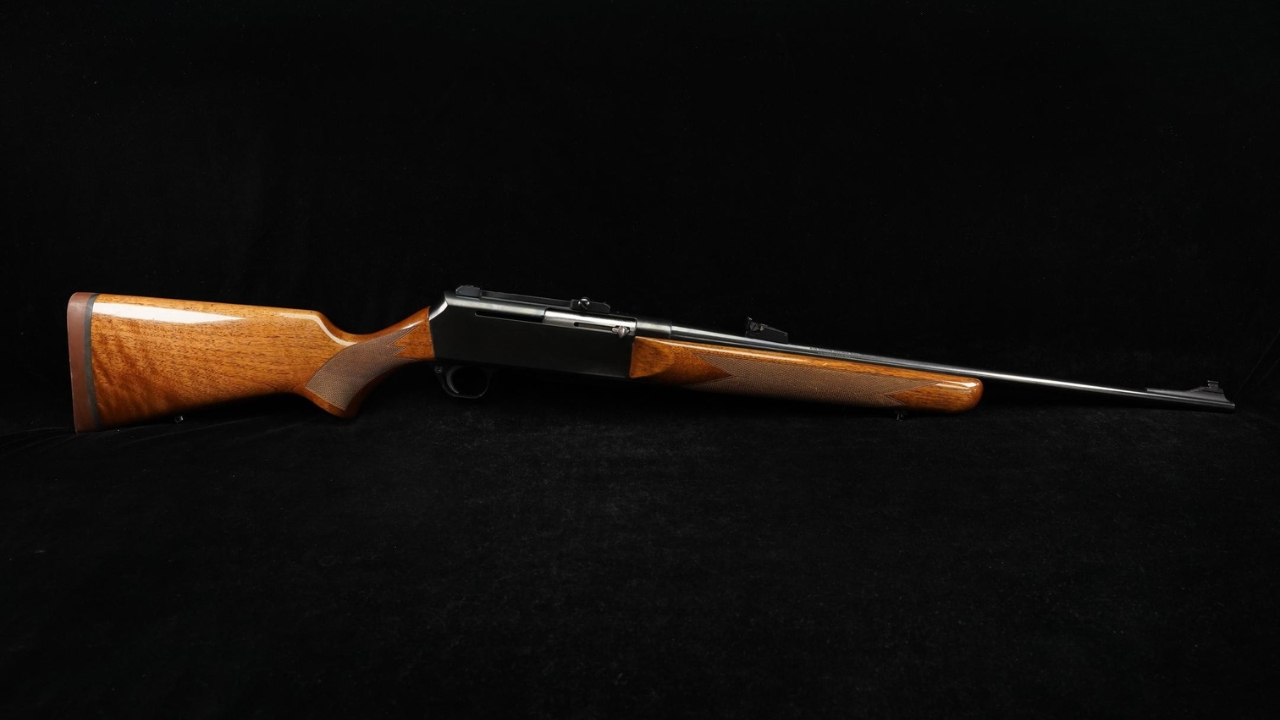
The BAR is a classy rifle and it shoots. But it’s still a semi-auto with more moving parts and more places for cold-thickened lube and blown snow to cause problems than a simple bolt gun.
The other issue is weight and balance with winter layers. A BAR with a scope feels great off a bench. Carry it all day in deep snow with bulky clothes and it starts to feel like a fence post. It’s not impossible, it’s just not what I’d pick when conditions are already working against you.
3. Ruger Mini-14 (older 180–series and early Ranch Rifles)

The Mini-14 is handy and points quick, but the older ones can be a little “minute-of-deer” once barrels heat, and in the cold you tend to rush shots because you’re miserable. That’s a bad combination.
Magazine quality matters a lot with Minis, too. In freezing weather, a marginal magazine that barely worked in summer can start giving you nose-dives and weird feeds. If you’re going to run one in the cold, you’d better have proven mags and a zero you trust.
4. Remington Model 750

The 750 is basically the modern chapter of the 7400/742 story. Plenty of them run fine—until they don’t. And when they get temperamental, it always seems to happen at the worst time, like a frigid morning when everything is slow and stiff already.
If you hunt from a blind, keep it dry, and don’t bounce between warm and cold, you can get away with it. For a snow-country still-hunt where the rifle rides against your jacket and collects moisture, I’d rather have a bolt gun that shrugs it off.
5. Tikka T3x (when over-lubed)

I like Tikkas. They’re accurate and the actions are slick. But that smoothness can fool guys into running them wetter than they should, especially if they’re used to oiling everything that moves.
In cold weather, excess oil thickens and turns into drag. The Tikka’s bolt can start feeling “not so Tikka,” especially if you’re also getting snow melt in the raceways. Run it nearly dry with a light film and it’s usually fine, but a wet Tikka in the cold is a self-inflicted problem.
6. Savage 110 (older, heavy-grease bolt guns)
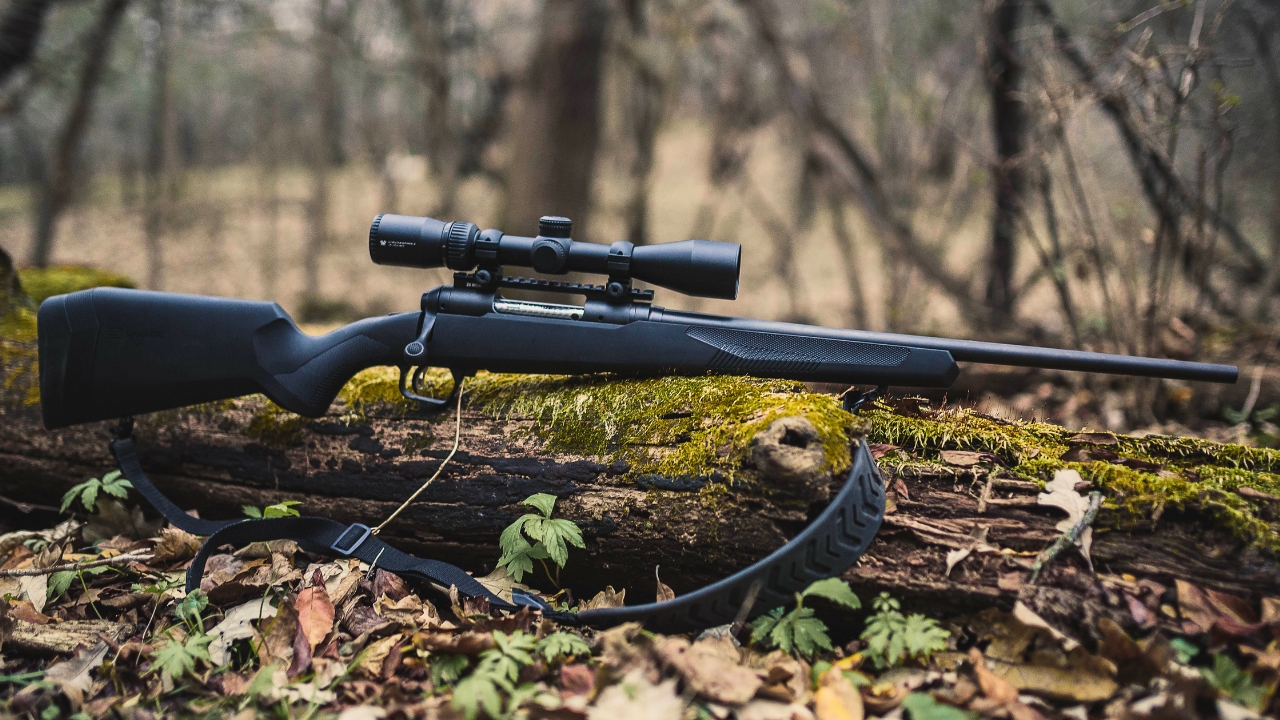
Older Savages are honest rifles. The issue isn’t the design as much as what many used ones come with: heavy grease or decades of gunk inside the bolt and around the cocking piece.
In warm weather you can muscle through it. In the cold, that bolt lift gets stubborn and you start short-stroking. Ask me how I know. A good cleaning fixes most of it, but plenty of guys never do the deep clean and then wonder why their “reliable” rifle feels like it’s full of syrup in January.
7. Mosin-Nagant 91/30 (cosmoline and sticky bolts)
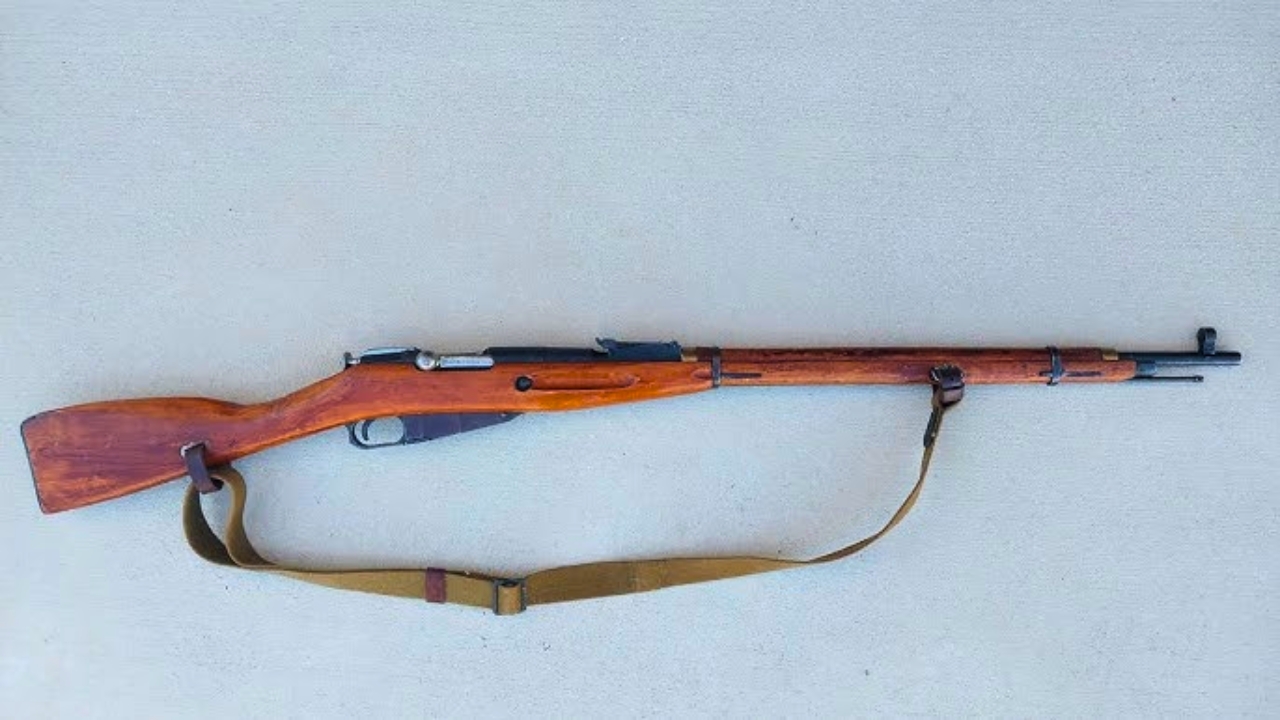
Everybody loves the idea of a Mosin as a cheap, rugged winter rifle. Then they actually try to run one fast with gloves on and a cold chamber. That bolt can get sticky even when it’s “clean,” and if any cosmoline is hiding in there, cold will bring it back to life.
They also tend to be long and awkward in brush with heavy clothes. Can you hunt with one? Sure. Is it what you want when you might need a smooth follow-up shot while your hands are numb? Not really.
8. Ruger American Rimfire (as a cold-weather small-game rifle)
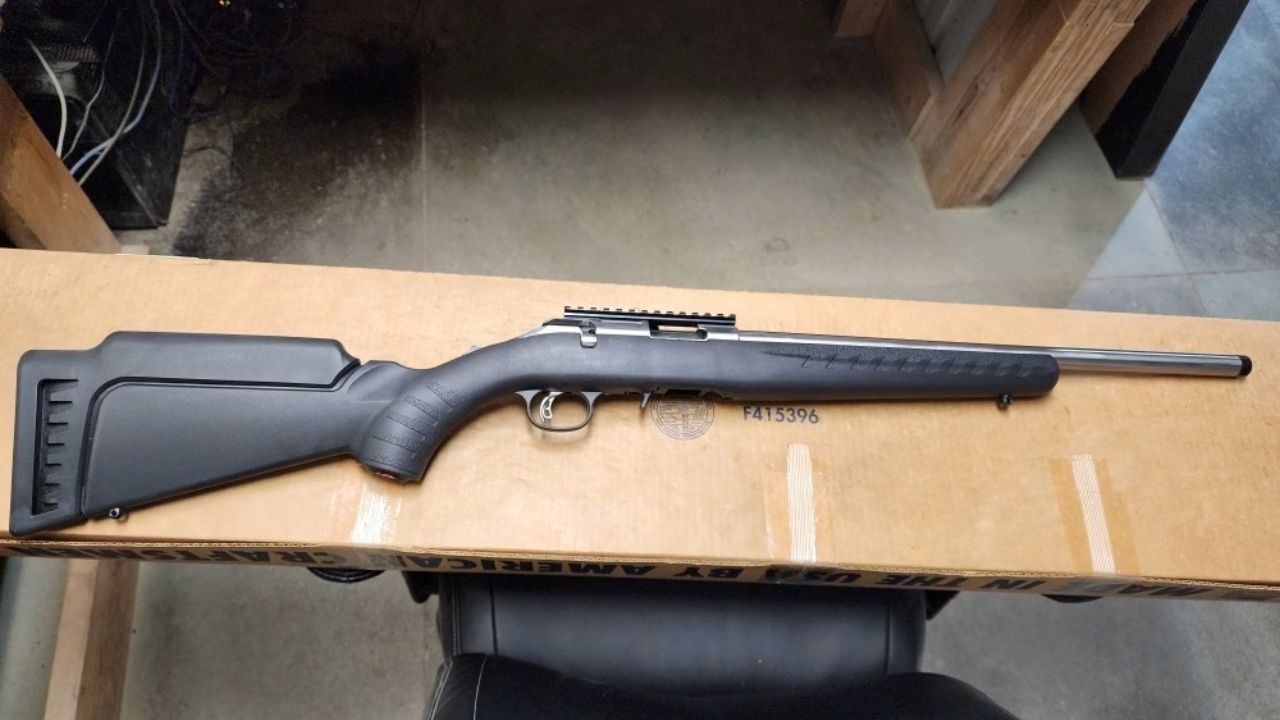
The Ruger American Rimfire is a good budget .22, but the rotary magazines can get finicky when they’re packed with powder grit and pocket lint, then you add freezing temps and gloves. Loading them with cold fingers is its own kind of misery.
For a quick squirrel walk on a decent day, no big deal. For a long winter rabbit hunt where everything is wet and freezing, I’ll take a tube-fed .22 or something with mags that tolerate more abuse.
9. Winchester Wildcat .22 LR
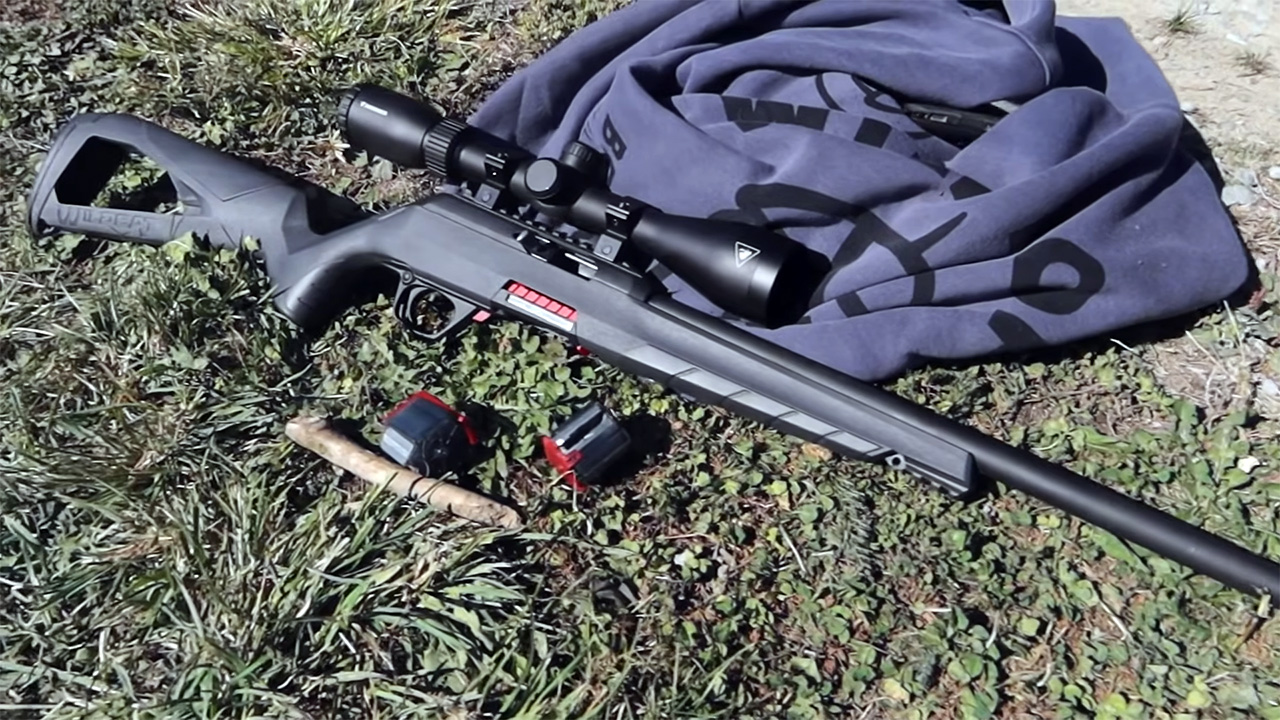
The Wildcat is light and clever, and it’s fun. It’s also very much a modern polymer .22 that likes being reasonably clean. In winter, .22 ammo gets inconsistent, your hands are clumsy, and little semi-auto rimfires can become jam factories.
If you’re counting on it for cold-weather meat hunting, you’ll want to test your exact ammo in cold temps. Otherwise, you’re going to be standing there clearing a stovepipe while a rabbit disappears into a brush pile.
10. AR-15s built with bargain off-brand parts (example: PSA/Anderson “mixmaster” builds)
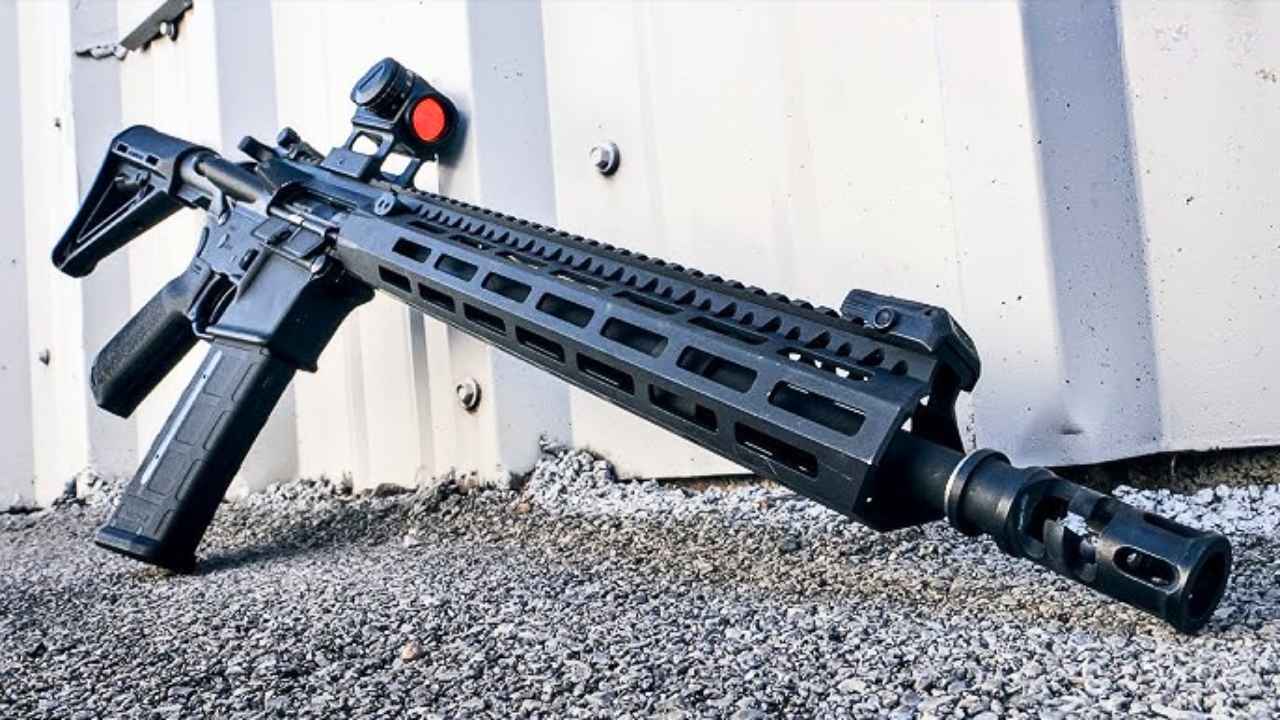
I’m not picking on any one company here, because the truth is a lot of ARs get assembled from whatever was on sale. In normal temps, most of them run. In real cold, tolerance stacking and weak springs start showing up.
Add thick lube, cheap magazines, and a hunter who doesn’t shoot ARs much with gloves on, and you’ve got a recipe for short-stroking or failures to lock back. A well-built AR with good mags is fine in winter. A cobbled-together one is a gamble.
11. Ruger Precision Rifle (great gun, wrong kind of cold-weather hunting rifle)
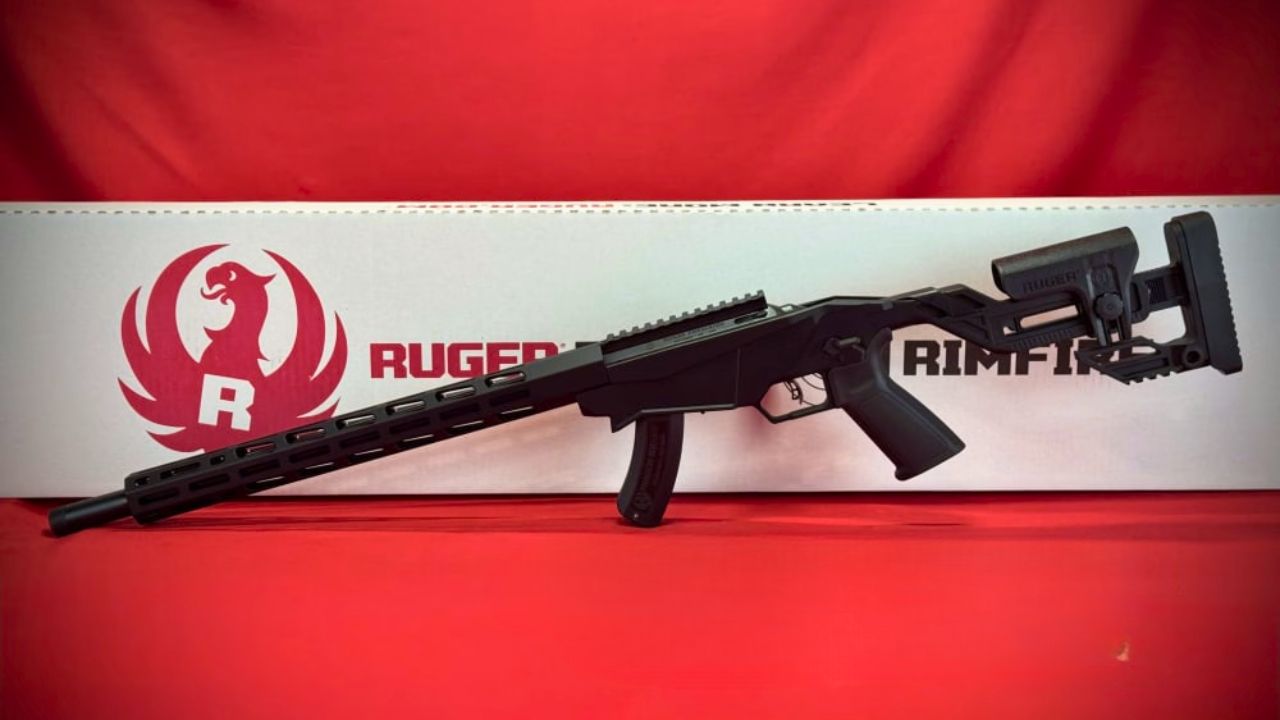
The Ruger Precision Rifle is accurate and stable, and it makes sense if your “hunt” is more like a structured long-range setup. But for most cold-weather hunting, it’s too heavy, too snaggy, and too slow to carry through real terrain.
When it’s ten degrees and you’re fighting snow drifts, ounces matter. A rifle that feels like a cinder block with a scope might shoot tiny groups, but you still have to get it to the spot without being smoked.
12. Thompson/Center Encore (cold fingers and stiff hinge guns)

Single-shots have a place. They’re simple, and they can be very accurate. But an Encore in the cold can be clumsy to run, especially if you’re wearing gloves and trying to reload without dumping a round into snow.
Some Encores also get a little tight in the hinge and locking surfaces when things are cold and dry. Nothing is “wrong,” it’s just not fast or forgiving when your hands aren’t cooperating.
13. CVA Scout (same single-shot problem, plus cold-weather handling)
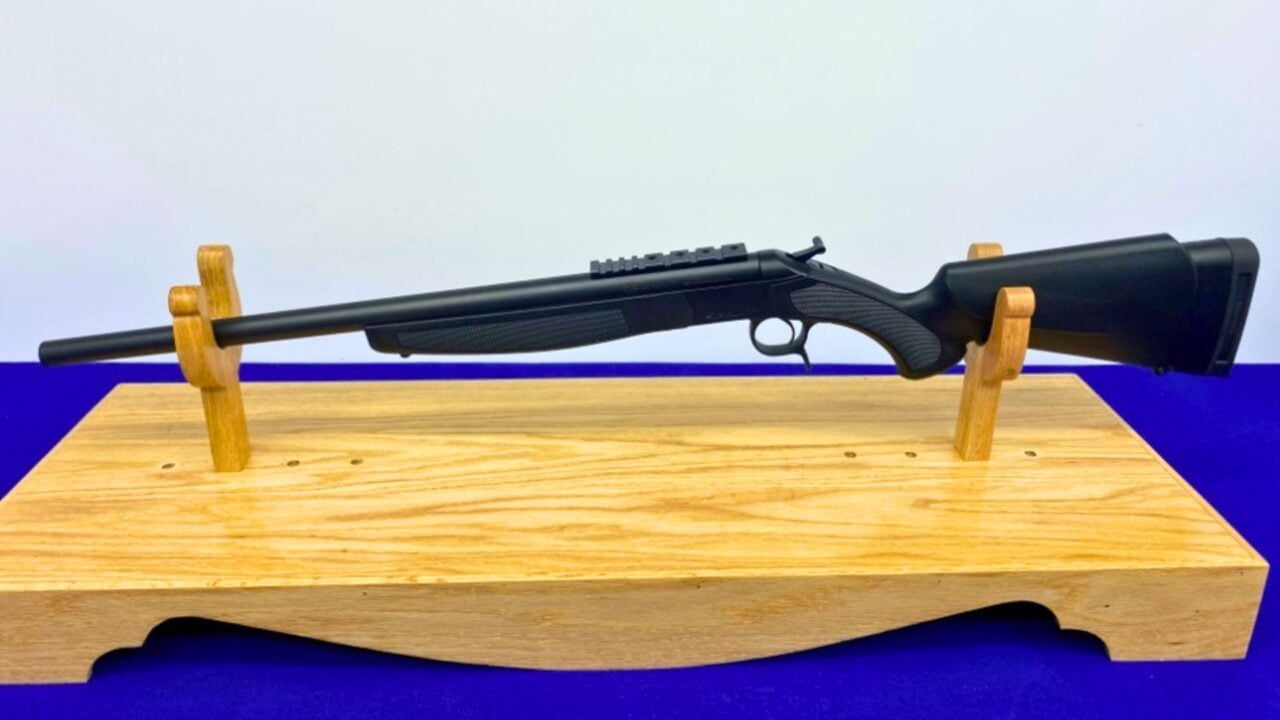
The CVA Scout is a practical little rifle for the money. Still, it’s another break-action that asks you to be neat and deliberate. Winter hunts rarely feel neat and deliberate.
I’ve also seen cold-weather optics issues on setups like this because guys mount scopes too far back to clear the hammer spur, then fight eye relief with heavy coats. It’s not the rifle’s fault, but this platform tends to invite that awkward setup.
14. Marlin 1895 Guide Gun (big-bore lever guns with heavy winter layers)
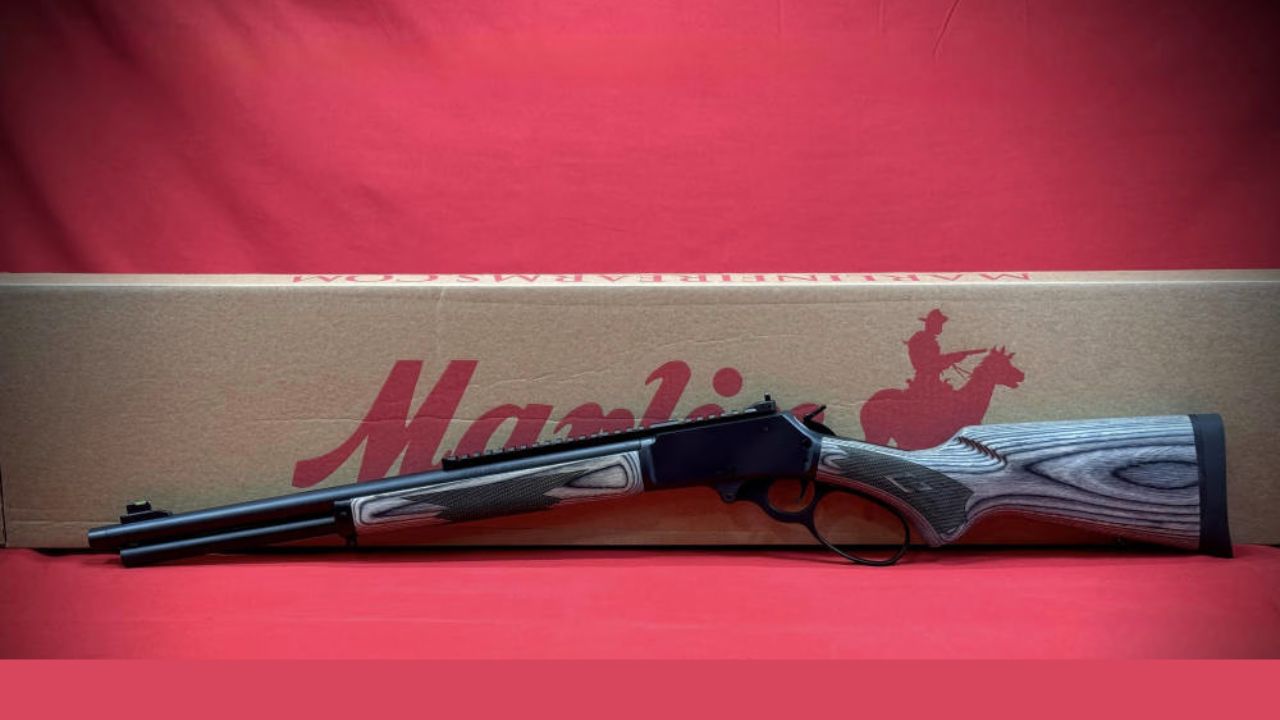
I like big lever guns. But cold weather turns recoil into a different experience. Heavy coats help, sure, but slick clothing can change how the rifle seats, and a hard-kicking .45-70 in an awkward position is how guys end up flinching all season.
Also, running a lever fast with thick gloves isn’t as natural as people think. If you short-stroke it once in freezing weather, you’ll remember that moment for a long time.
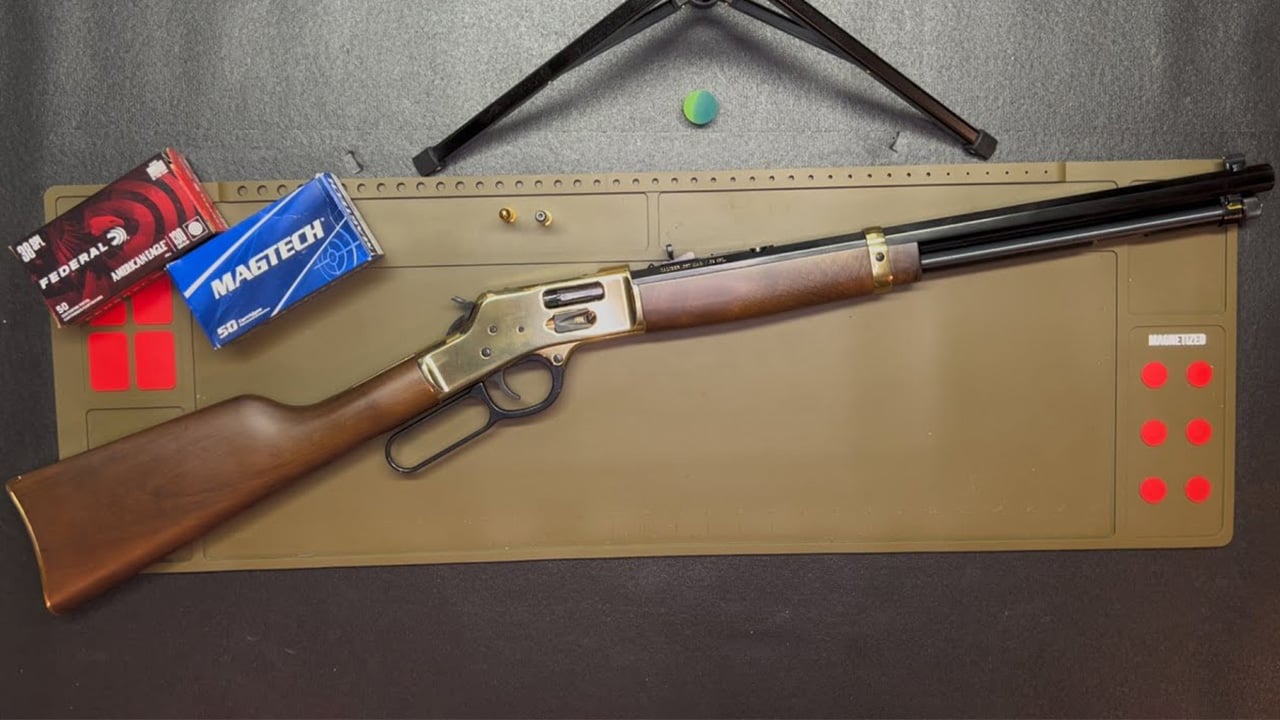
15. Henry Big Boy Brass (.357/.44) (pretty rifles don’t love hard winter use)
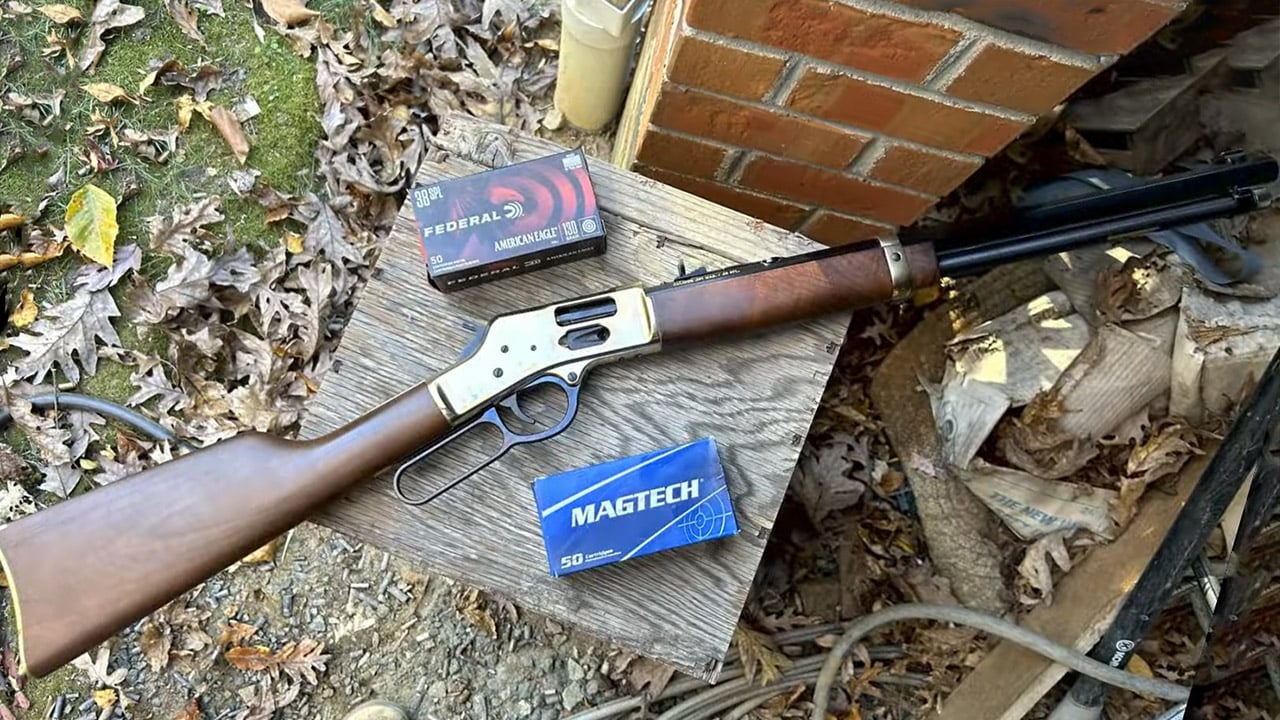
These are good-looking rifles, and they shoot fine. The reason I don’t love them for nasty cold hunts is they’re often treated like “show” guns, then suddenly expected to be a snowmobile gun.
Brass and polished finishes show every ding, and guys baby them. A cold-weather rifle shouldn’t be something you’re afraid to scratch when you’re busting through frozen brush or setting it in snow to glass.
16. Winchester Model 70 (when the scope mounting and safety fight gloves)

The Model 70 is a classic, and it can be an excellent winter rifle. The problem shows up when it’s set up wrong: scope mounted too low, bolt handle too close, and then you add thick gloves and a stiff three-position safety.
None of this is a dealbreaker, but if you’ve ever tried to run that safety quietly with numb fingers while your glove catches the eyepiece, you know what I mean. Great rifle, but cold weather punishes sloppy setup.
17. Ruger M77 Mk II (tangibles: stiff bolt lift and old-school triggers)
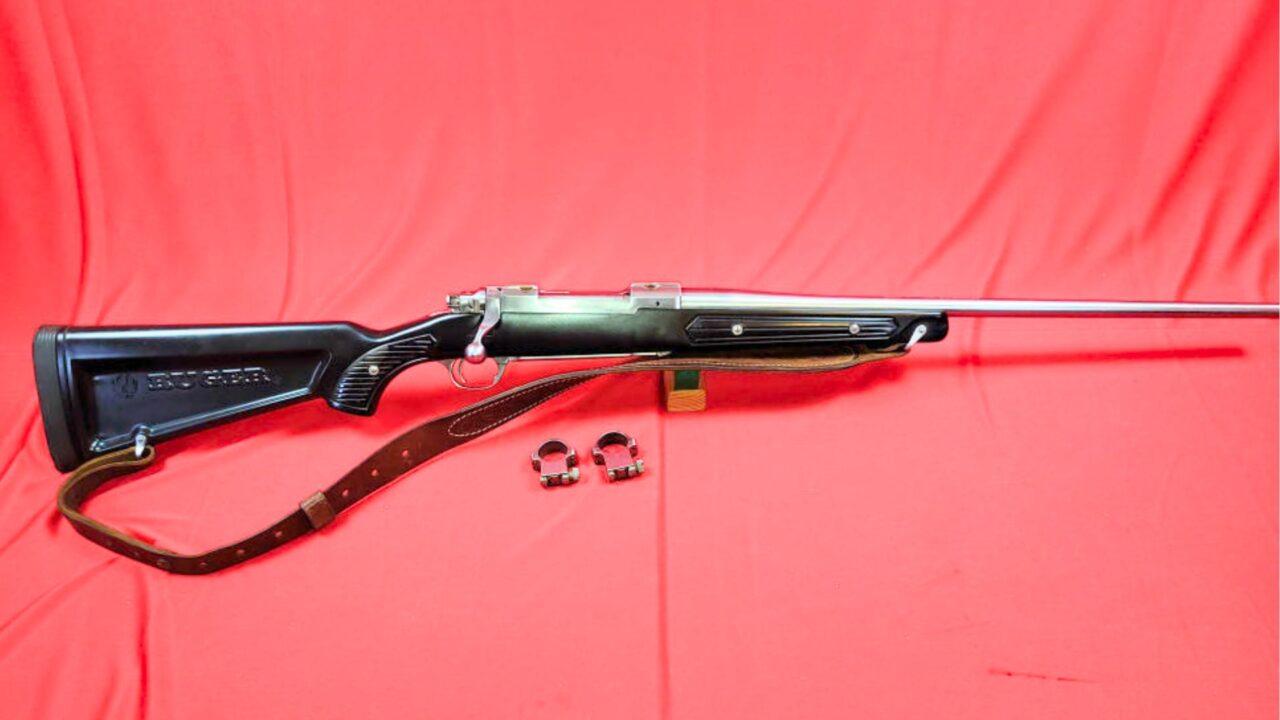
The M77 Mk II is tough as a boot. Some of them also have a bolt lift that feels a little “mechanical,” and in the cold that extra effort stands out more, especially if you’re trying to be quiet.
Older factory triggers can be heavy, too. Cold fingers plus a heavy trigger is not where you want to live when a shot window is tight and your heartbeat is doing the talking.
18. CZ 527 (set trigger in freezing weather and tiny controls)

The CZ 527 is a sweet little rifle. The mini-Mauser action is charming, and they tend to shoot. But the controls are small, and the set trigger system is one more thing to manage when your hands are cold and your brain is focused on the animal.
I’m not saying it won’t work. I’m saying this is one of those rifles that feels like it was made for crisp fall mornings and careful shots, not for getting knocked around in sleet while you’re layered up like a sleeping bag.
19. Springfield Armory M1A (cold-weather weight and exposed action)
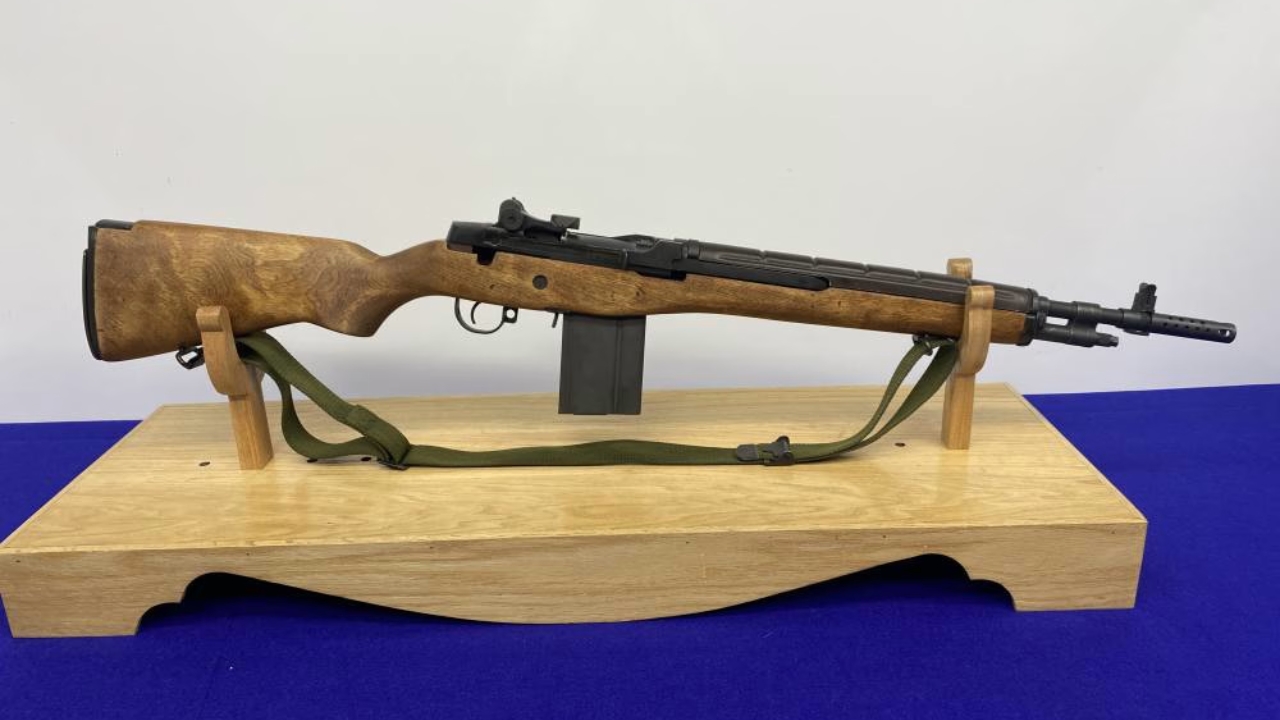
The M1A is another rifle that a lot of folks “want” more than they actually “use.” For cold hunting, it’s heavy, it’s long, and the action is more exposed than people realize when you’re walking in snow that blows sideways.
Magazines are also one more thing to keep clean and snow-free. If you’re hunting where you’re constantly sitting the rifle down or brushing off ice, a traditional bolt gun just takes less babysitting.
20. Winchester Model 94 Angle Eject (top-eject/AE lever guns with cold, thick gloves)

A Model 94 has probably taken more deer than most of us can count. The winter issue is handling. The lever loop is usually tight, and with gloves you can pinch yourself or fail to get a clean run.
They also tend to wear slick when they’re old, and cold fingers don’t grip checkered steel the same way. If you’ve got one and know it, you can absolutely hunt with it. If you’re buying a “winter brush gun,” there are easier lever guns to run with gloves.
Cold-weather reliability is mostly about simplicity, proper setup, and not letting oil and moisture turn your rifle into a science project. If you want an honest winter hunting rifle, a basic bolt gun with a proven scope, conservative lubrication, and a sling you actually like will beat a “cool” rifle that needs pampering. Save the fiddly stuff for the range and take the boring tool when the weather gets mean.
Like The Avid Outdoorsman’s content? Be sure to follow us.
Here’s more from us: