Photo credit: LifeSizePotato/YouTube
Some guns are difficult in ways that have little to do with basic marksmanship. A heavy trigger, unusual grip angle, tiny sights, violent recoil impulse, awkward controls, or unforgiving stock design can make an experienced shooter start missing shots they normally make with ease.
That does not mean every firearm on this list is poorly built. Several are historically important, mechanically interesting, or exceptionally powerful. The problem is that they demand more effort than most shooters expect. Hand one of these 20 guns to someone who normally shoots well, and their first target may look like they have forgotten everything they know.
H&K P7M8
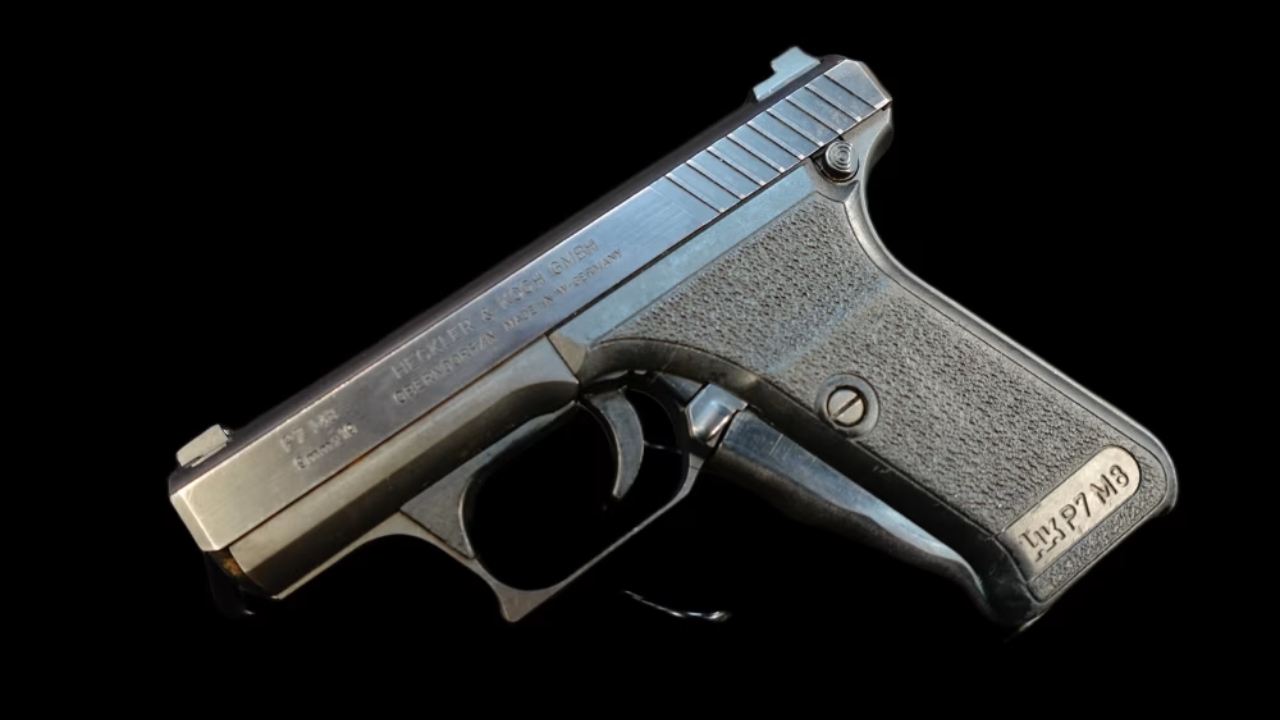
The H&K P7M8 is accurate, compact, and mechanically fascinating, but its squeeze-cocking grip changes how the shooter handles the pistol. The frontstrap must be compressed before the gun can fire, which adds another layer of hand tension to an already unconventional design.
Experienced shooters accustomed to relaxing the firing hand and applying most pressure with the support hand may initially fight the P7. The fixed barrel and low bore axis are excellent for accuracy, but the gas system heats the frame quickly during longer strings. As the gun becomes hot and the shooter adjusts to the squeeze cocker, groups can open unexpectedly. The P7 rewards dedicated practice, but it is not a pistol most people pick up and immediately shoot well.
Steyr M9-A2

The Steyr M9-A2 uses an unusually steep grip angle and low-mounted trapezoidal sights. Both features have loyal supporters, but they can make the pistol feel foreign to shooters trained on more conventional handguns.
The sights require the shooter to align a triangular front element inside a trapezoidal rear notch. That system can be fast once learned, but first-time users often hesitate or misalign the front sight vertically. The grip angle may also cause the muzzle to point high or low depending on the shooter’s normal presentation. The Steyr can be accurate and soft shooting, yet its unconventional ergonomics frequently make competent shooters struggle during the first few magazines.
HK VP70Z

The VP70Z looks like an early version of the modern polymer service pistol, but its trigger is nothing like the striker-fired systems shooters use today. The long, heavy double-action-only pull is difficult to manage without disturbing the sights.
The trigger requires steady pressure through a lengthy stroke, and the break can feel much heavier than expected. Shooters who normally rely on a clean wall and short reset often pull shots low or sideways. The grip angle and large frame add another layer of awkwardness. The VP70Z is historically important, but shooting one accurately requires patience and deliberate trigger control that most modern pistols no longer demand.
AMT Backup .45
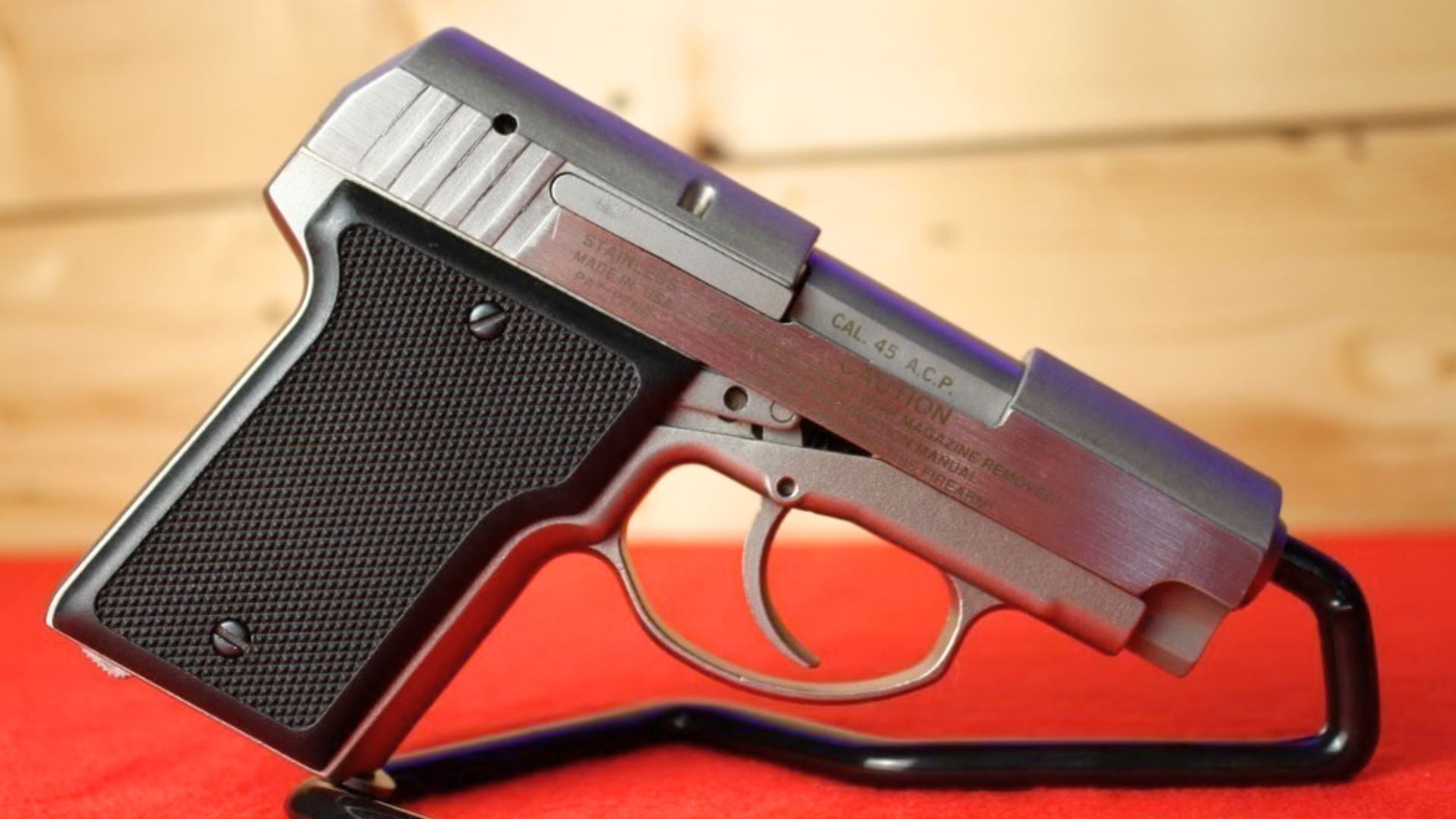
The AMT Backup .45 combines a compact stainless-steel frame with a heavy double-action trigger and the recoil of .45 ACP. That is a difficult combination even for shooters with strong hands.
The trigger pull is long and extremely heavy, making it easy to move the muzzle before the shot breaks. Once the round fires, the short grip and abrupt recoil make it difficult to recover quickly. The tiny sights provide little help beyond close range. The Backup can serve as a compact defensive gun, but it forces the shooter to manage trigger weight, limited grip space, and substantial recoil at the same time.
COP .357 Derringer
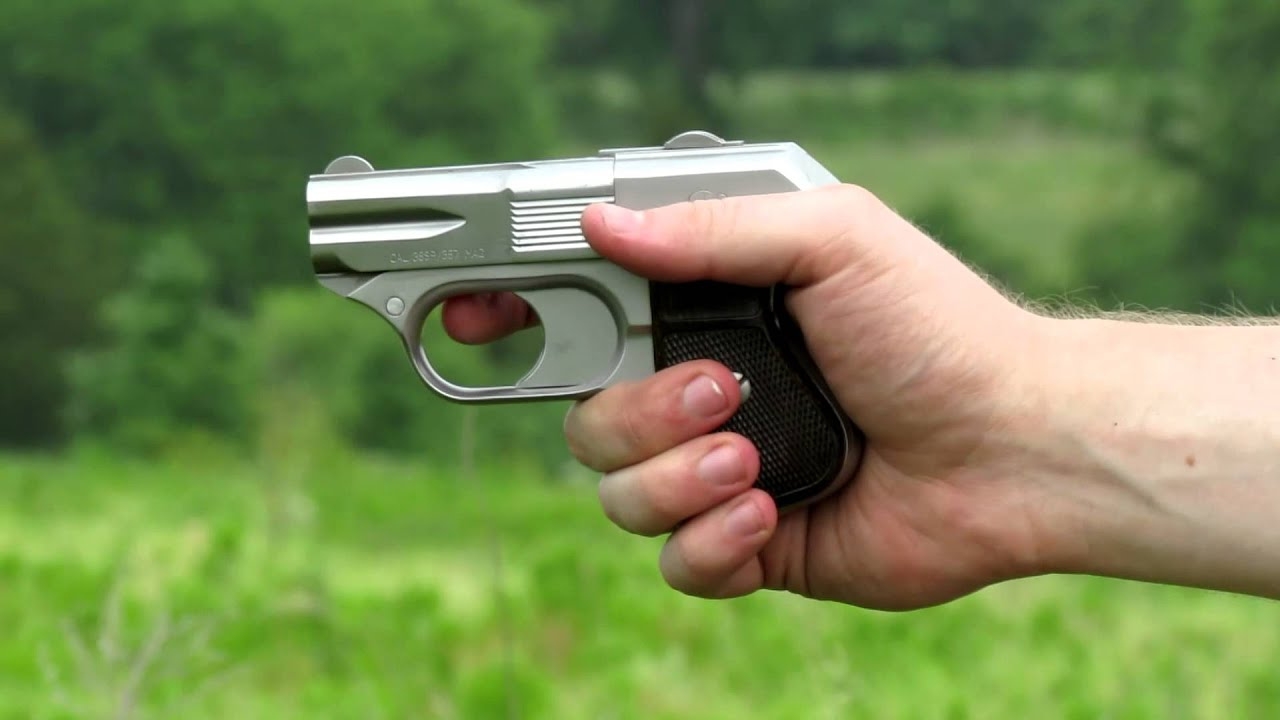
The COP .357 is a four-barrel derringer chambered for .357 Magnum. It is heavy for its size, yet still produces sharp recoil and a brutal trigger pull.
Each trigger press rotates the internal firing mechanism to a different barrel. The pull is long and heavy enough to drag the sights off target, while the short grip provides little leverage. The barrels also do not always share the exact same point of impact, so even a steady shooter may see a confusing group. The COP looks formidable, but it makes precise shooting far harder than its solid construction suggests.
DoubleTap Tactical Pocket Pistol
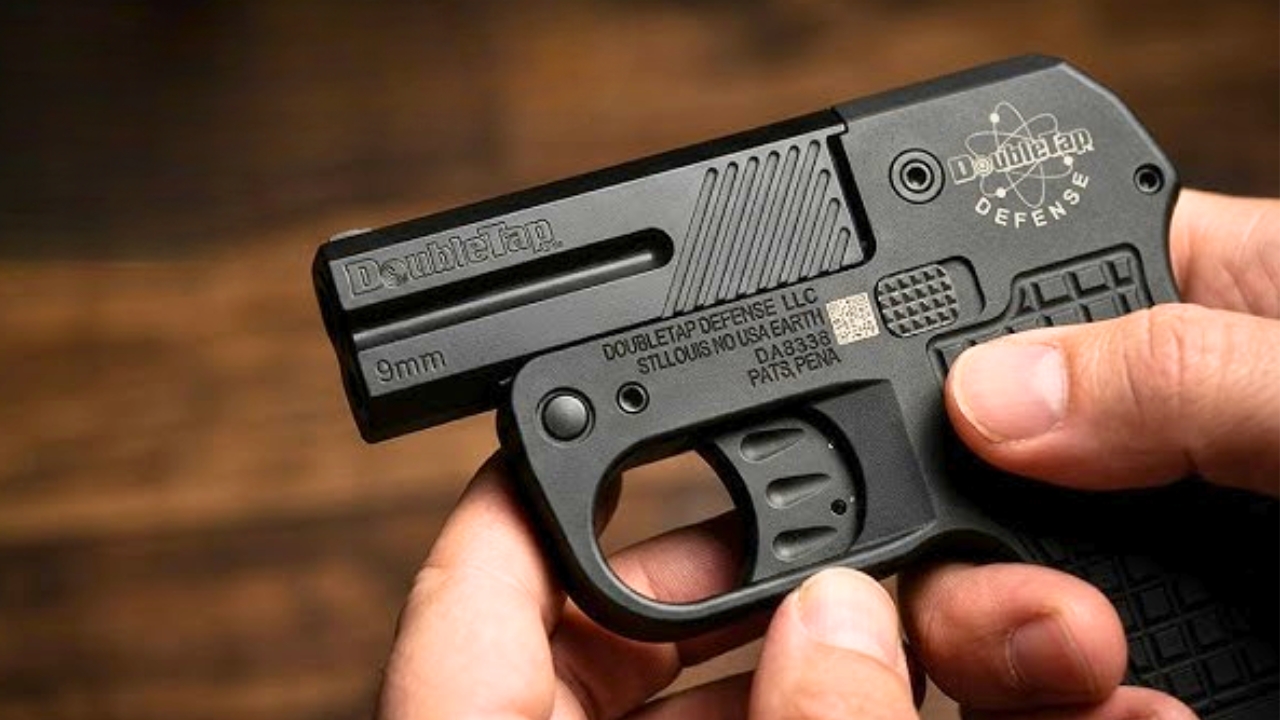
The DoubleTap pistol is extremely thin and easy to conceal, but its flat metal grip and two-shot derringer-style design offer almost no comfort or forgiveness. Chamberings such as 9mm and .45 ACP produce a sharp impulse through a grip that feels more like a block than a conventional handgun handle.
The long trigger and minimal sights limit practical accuracy. After the first shot, the shooter must recover from the recoil and fire the second barrel with the same cramped grip. There is no magazine capacity to hide poor shooting and no extra weight to soften the cartridge. Even experienced shooters often find that the pistol’s concealability comes at the expense of control.
KelTec P11

The KelTec P11 offered impressive capacity for its size when it arrived, but its long, heavy trigger made accurate shooting difficult. The pull feels closer to a small double-action revolver than a modern compact semiautomatic.
The short grip and light frame allow the pistol to move during recoil, while the trigger requires constant pressure through a long arc. Shooters often begin pressing harder with the entire hand as they approach the break, pulling the sights off target. The P11 can be carried easily and may function reliably, but it makes tight groups much more difficult than similarly sized modern pistols.
Beretta Pico

The Beretta Pico is exceptionally thin and easy to conceal, but its tiny frame, long trigger, and minimal grip area make it challenging to shoot well. The slide is also difficult for some shooters to manipulate.
The pistol’s narrow grip leaves very little room for support-hand pressure. The trigger requires deliberate control, and the small sights provide limited feedback during recoil. Even though .380 ACP is not a powerful cartridge, the Pico’s size makes the recoil feel abrupt. Competent shooters can keep rounds on target at close distance, but maintaining speed and precision requires more work than the pistol’s mild chambering suggests.
Remington RM380

The RM380 has a heavy double-action-only trigger that can surprise shooters accustomed to modern striker-fired pistols. The pull is smooth, but it is long enough to expose any weakness in trigger control.
Its small frame and limited grip area do not help. Shooters may begin tightening the entire hand during the trigger stroke, pushing or pulling the muzzle off line before the hammer falls. The pistol is manageable at defensive distance, but it becomes difficult to shoot precisely as the target moves farther away. A good shooter can adapt, though the first magazine often looks worse than expected.
Colt Double Eagle
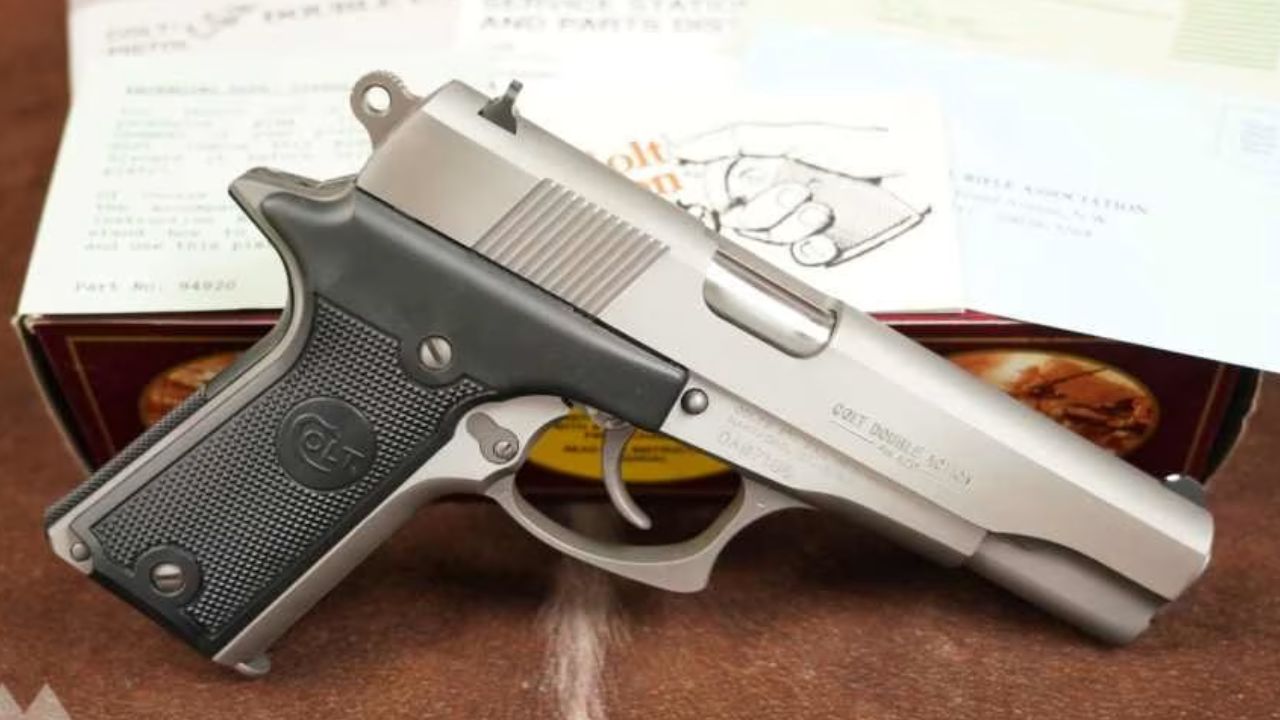
The Colt Double Eagle attempted to modernize the 1911 with a traditional double-action trigger system. The result was a pistol with familiar styling but controls and internal behavior that felt strange to many shooters.
The first trigger pull is long and heavy, followed by lighter single-action pulls. That transition can cause the first shot to land away from the rest of the group. The grip shape resembles a 1911, but the trigger system does not behave like one, creating conflicting expectations. Shooters familiar with either 1911s or conventional double-action pistols may need time before the Double Eagle begins feeling natural.
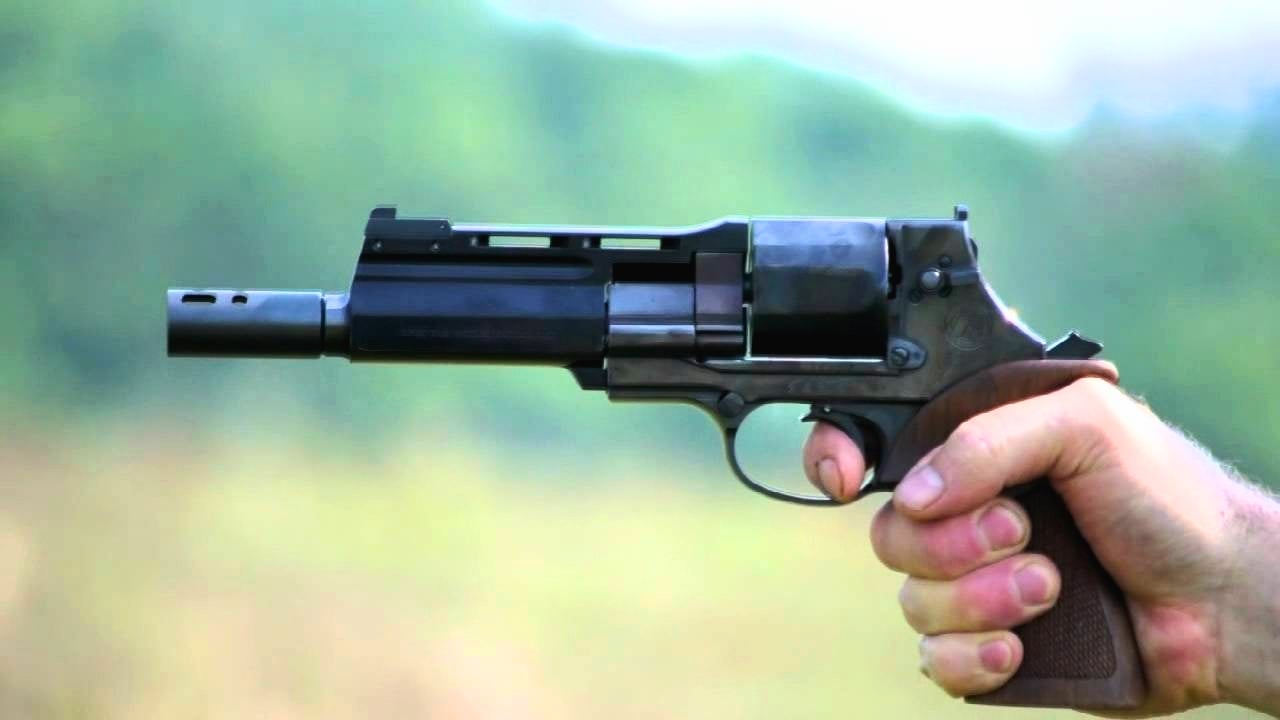
Mateba Model 6 Unica

The Mateba Model 6 Unica is a recoil-operated revolver with the barrel aligned with the bottom chamber of the cylinder. That low bore axis reduces muzzle rise, but nearly everything else about the gun feels unusual.
The action cycles the upper assembly after each shot, moving more mass than shooters expect from a revolver. The grip angle, weight distribution, and reciprocating mechanism can make the gun feel unstable during the first few rounds. The low barrel changes how recoil pushes into the hand, and the sight height may feel strange. The Mateba can shoot very accurately, but its behavior is so different that experienced revolver shooters may initially perform worse than beginners with no expectations.
Chiappa Rhino 20DS
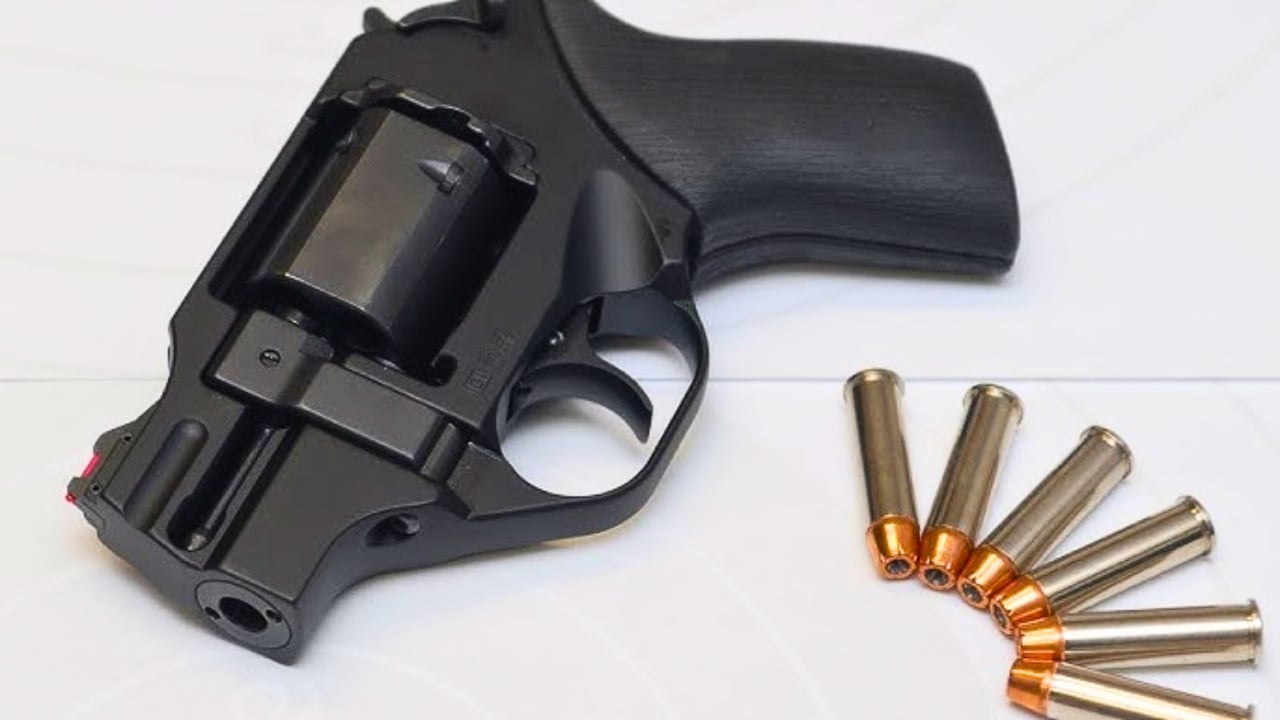
The Chiappa Rhino also fires from the bottom chamber of the cylinder, placing the bore lower in the hand. This reduces traditional muzzle flip, but the recoil impulse feels unusual and can push straight back into the wrist.
The flattened cylinder, low barrel, and unconventional grip shape make the gun point differently from most revolvers. The double-action trigger can feel heavy, and the hammer-shaped cocking lever does not function exactly like a normal exposed hammer. Shooters accustomed to Smith & Wesson or Ruger revolvers may struggle with presentation and trigger timing until they adapt. The Rhino solves certain recoil problems while creating an entirely different shooting experience.
Smith & Wesson Model 500
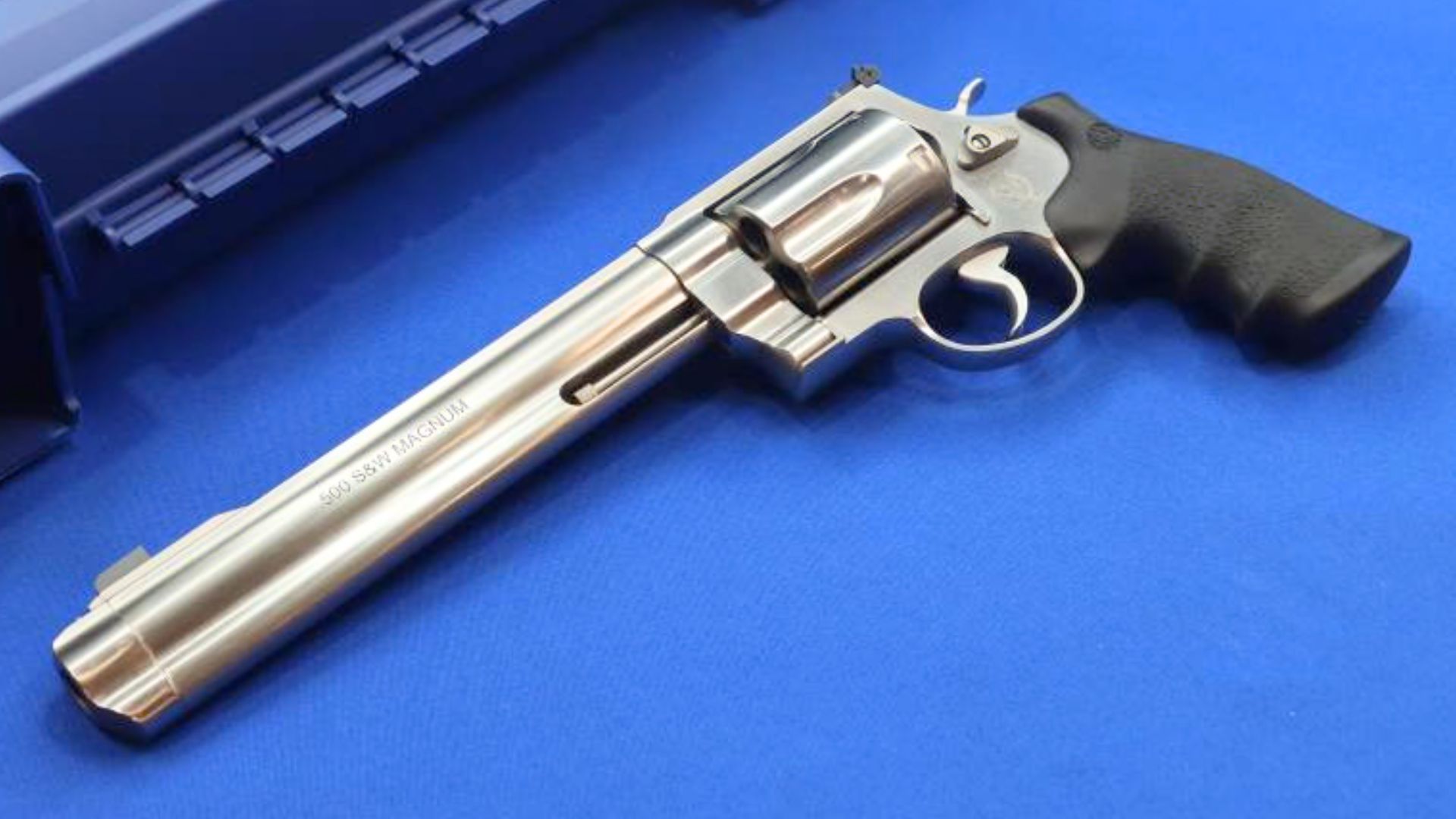
The Model 500 is not difficult because of poor ergonomics or a bad trigger. It is difficult because the .500 S&W Magnum produces enough recoil and blast to overwhelm normal handgun technique.
Even large, experienced shooters may anticipate the shot after only a few rounds. The revolver’s weight helps, but it cannot eliminate the enormous rearward force and muzzle rise. The blast can make the shooter blink, loosen the support hand, or push the gun downward before the trigger breaks. Fired slowly from a stable position, the Model 500 can be extremely accurate. Under any kind of speed, it makes nearly everyone look less skilled.
Freedom Arms Model 83 .454 Casull

The Freedom Arms Model 83 is exceptionally well made and capable of outstanding accuracy. Chambered in .454 Casull, however, it requires excellent recoil control and consistent grip pressure.
The traditional single-action grip allows the revolver to roll upward in the hand, which can help manage recoil but changes the grip after every shot. Shooters accustomed to locking a double-action revolver firmly in place may fight the motion. The heavy recoil and narrow backstrap can punish inconsistent technique. The gun is accurate enough to reveal every shooter error, making poor trigger control or flinching impossible to hide.
Thompson/Center Contender .45-70
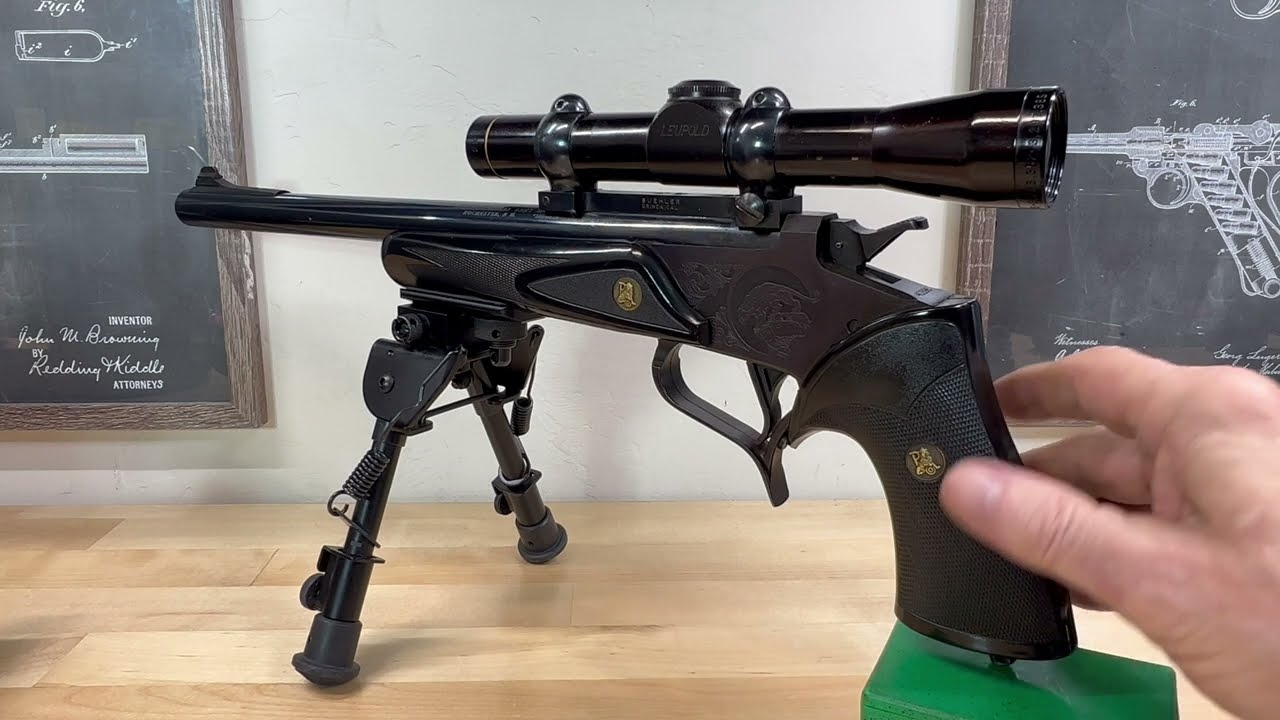
A Thompson/Center Contender pistol chambered in .45-70 Government turns a rifle cartridge into a single-shot handgun experience. The recoil is heavy, but the unfamiliar shape is often just as challenging.
The long barrel, front-heavy balance, and unusual grip make the pistol difficult to hold steady without a rest. The trigger may be excellent, yet the shooter still has to control a firearm that behaves more like a shortened rifle than a conventional handgun. Muzzle blast and recoil can produce immediate flinching. The Contender is capable of excellent accuracy, but only when the shooter respects the cartridge and uses a stable position.
Magnum Research BFR .45-70

The BFR in .45-70 Government is an enormous single-action revolver built around rifle-level power. It is heavy, long, and difficult to balance without support.
The grip shape allows the gun to roll during recoil, but the cartridge still produces substantial force. Shooters may struggle to keep the front sight steady before the shot and then lose their grip position afterward. The long sight radius can improve accuracy, but it also exaggerates visible movement. The BFR is not inaccurate. It simply demands more strength, patience, and recoil tolerance than most handgun shooters regularly practice.
Serbu Super-Shorty
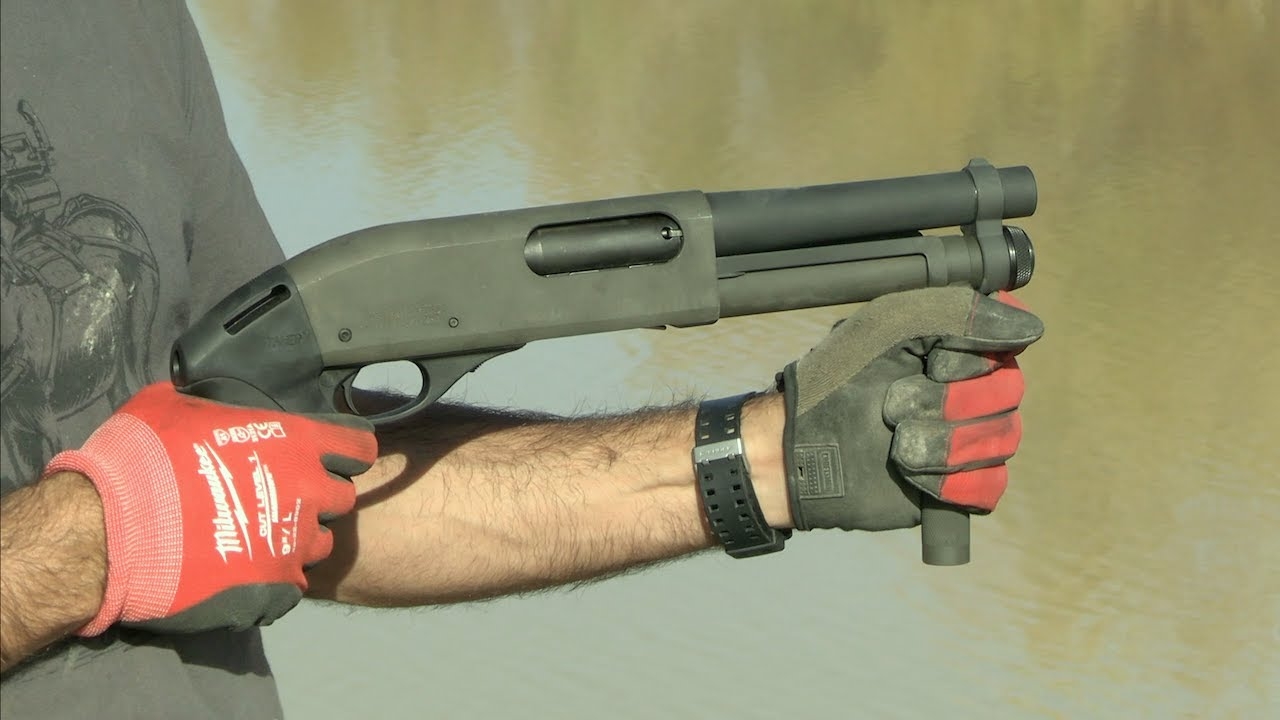
The Serbu Super-Shorty is a compact pump-action firearm built from a shortened shotgun platform. Its tiny overall dimensions make it look manageable, but the lack of a shoulder stock and minimal front grip make control extremely difficult.
Firing 12-gauge ammunition from such a small package creates heavy recoil and muzzle rise. The shooter must also operate the pump while maintaining control of the weapon. Aiming is crude, and rapid follow-up shots are awkward. Even experienced shotgun shooters can look clumsy because the normal stock weld, stance, and recoil-management techniques do not apply. The gun is compact, but that compactness removes nearly every feature that makes a shotgun easy to shoot.
Mossberg 500 Cruiser

The pistol-grip-only Mossberg 500 Cruiser is often harder to shoot than buyers expect. Without a shoulder stock, the shooter loses the main point of contact used to control a 12-gauge shotgun.
Holding the gun at eye level exposes the face to recoil and makes the front-heavy balance difficult to manage. Firing from the hip avoids that problem but sacrifices accuracy. Pumping the action can also disturb the grip and muzzle position. A skilled shotgunner who shoots well with a stocked Model 500 may suddenly struggle to hit consistently with the Cruiser. The platform is reliable, but its configuration works against good technique.
IWI Uzi Pistol

The Uzi pistol is heavy, bulky, and awkward without a shoulder stock. Its weight reduces recoil, but the gun’s size and balance make accurate unsupported shooting difficult.
The grip sits behind a large amount of receiver mass, and the sights were designed around a weapon normally supported by a stock. Holding the pistol at arm’s length quickly becomes tiring. Shooters may lower the muzzle between shots or begin shaking during longer strings. The trigger is not especially refined, either. The Uzi pistol is visually impressive, but it gives up much of the control that made the original submachine gun effective.
Century Arms Draco

The Draco places the AK operating system into a compact pistol configuration without a shoulder stock. The result is loud, front-heavy, and difficult to control with conventional handgun technique.
The short barrel produces significant muzzle blast and flash, while the heavy bolt carrier moves inside the receiver during every shot. The pistol’s weight is concentrated forward, making it tiring to hold on target. Shooters who are highly competent with a stocked AK may struggle to produce the same accuracy with a Draco. Bracing techniques can help where legally configured, but fired as a basic pistol, it makes good shooting far more difficult than the cartridge alone would suggest.
Like The Avid Outdoorsman’s content? Subscribe to our newsletter so you never miss an article.
Here’s more from us: