Photo credit: Gun Sam Revolver Ballistics/YouTube
Some pistol calibers sound better than they really are. They may have history, tiny-gun convenience, low recoil, or a loyal group of defenders who insist they are “better than nothing.” That may be true, but “better than nothing” is not exactly a strong endorsement.
A weak pistol caliber can still hurt someone. That is not the point. The problem is when people act like tiny, outdated, or poorly supported handgun rounds are serious answers for self-defense, hunting, or hard use. Many of them bring poor penetration, weak expansion, limited range, bad ammo selection, or guns so small they are hard to shoot well. These 20 pistol calibers are barely better than throwing rocks.
.25 ACP
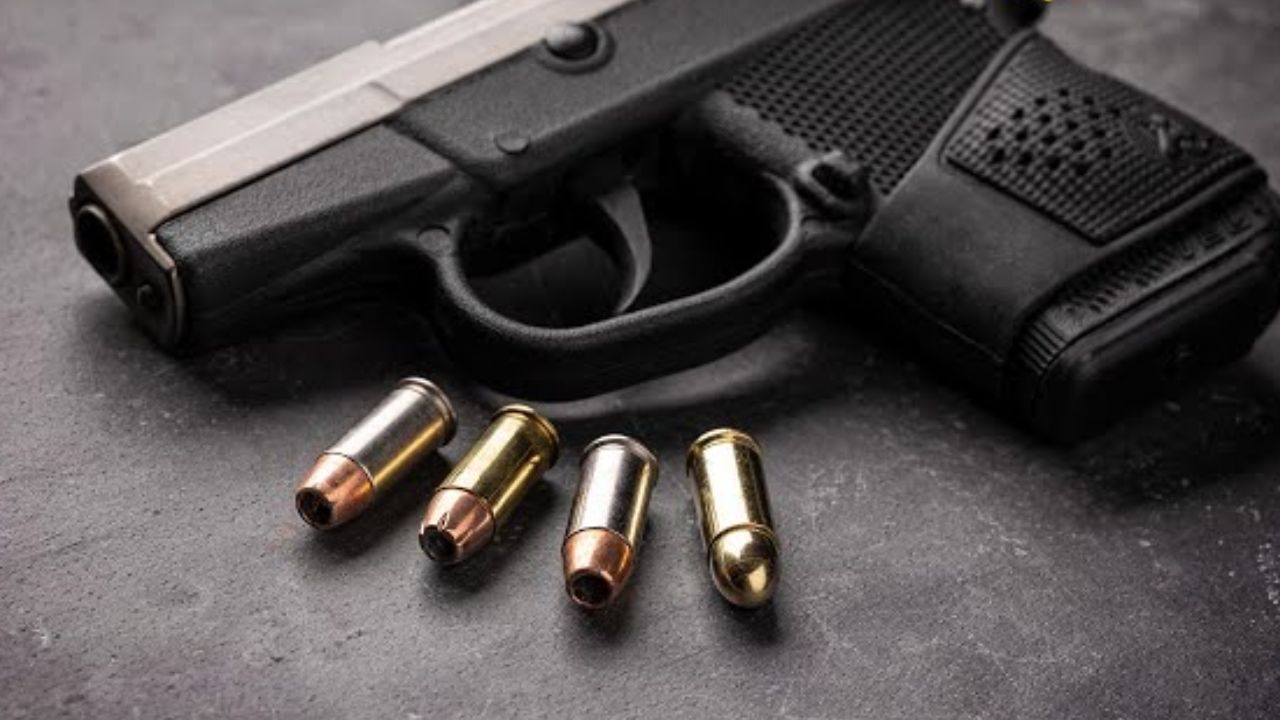
The .25 ACP has been carried in tiny pocket pistols for more than a century, but that does not make it impressive. Its main advantage is that it can fit into extremely small handguns. That mattered in an era when people wanted something tiny enough to disappear in a vest pocket.
The problem is that .25 ACP gives up almost everything for that convenience. It has weak power, poor penetration with many loads, and little margin for error. A reliable .25 is better than an empty hand, but it is hard to defend when .32 ACP, .380 ACP, and modern micro 9mms exist.
.22 Short
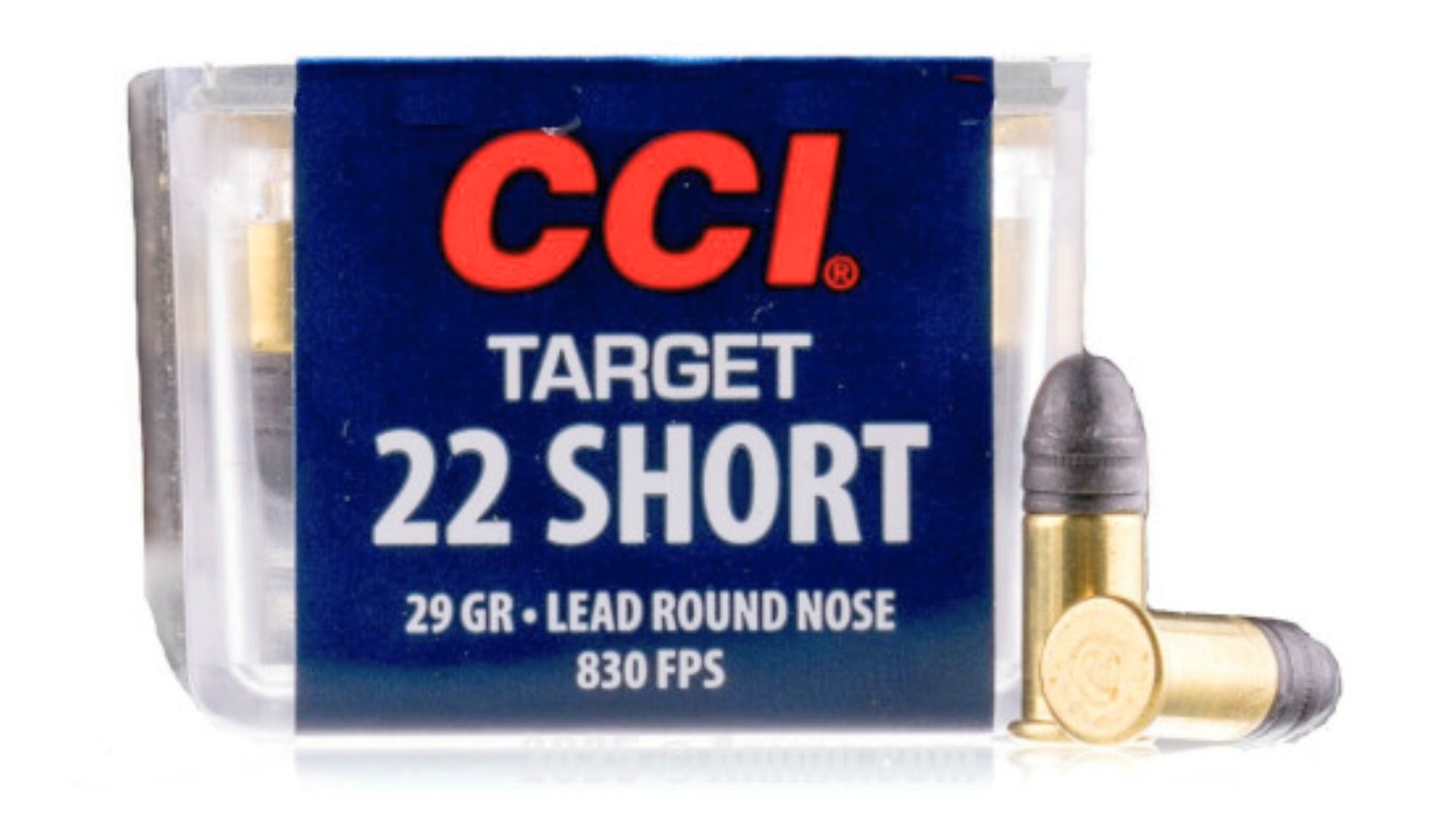
The .22 Short is fun in old gallery guns and tiny revolvers, but as a pistol caliber, it is extremely limited. It was never meant to be a serious defensive round by modern standards. It is quiet, soft shooting, and cheap when you can find it, but that is about where the serious advantages end.
Out of a handgun, .22 Short gives very little velocity or energy. It can work for close-range pest control or casual plinking, but expecting it to do serious work is asking too much. It is one of those rounds that belongs in the fun category, not the trust-your-life category.
.22 CB Cap
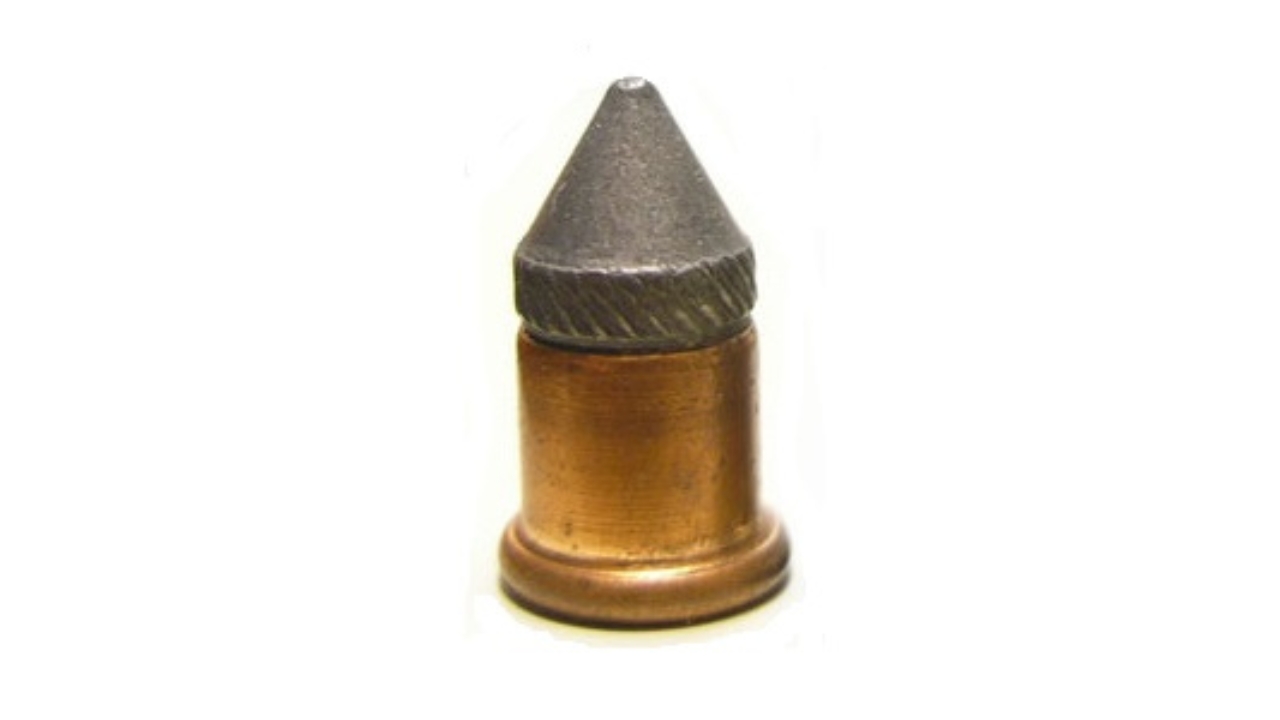
The .22 CB Cap is even more specialized than .22 Short. It was built for very low noise and low power, usually for close-range target shooting or small pest use. In that role, it has charm. As a pistol caliber people should depend on, it falls apart immediately.
There just is not much there. Out of a handgun, performance is tiny, range is extremely limited, and terminal effect is almost nonexistent compared with real defensive rounds. It is useful for quiet plinking and little else. If you are talking about serious pistol calibers, the CB Cap barely belongs in the room.
.22 LR from tiny pocket pistols

The .22 LR is not useless. In rifles and full-size rimfire pistols, it is one of the most useful cartridges ever made. The problem comes when people treat .22 LR from tiny pocket pistols like it is a serious substitute for a centerfire carry gun.
Reliability is the first concern because rimfire ignition is not as dependable as centerfire. The second problem is performance from very short barrels. Velocity drops, expansion is unlikely, and penetration can be inconsistent. A .22 pocket gun can be carried when nothing else works, but it is still a weak choice compared with even modest centerfire options.
.22 WRF
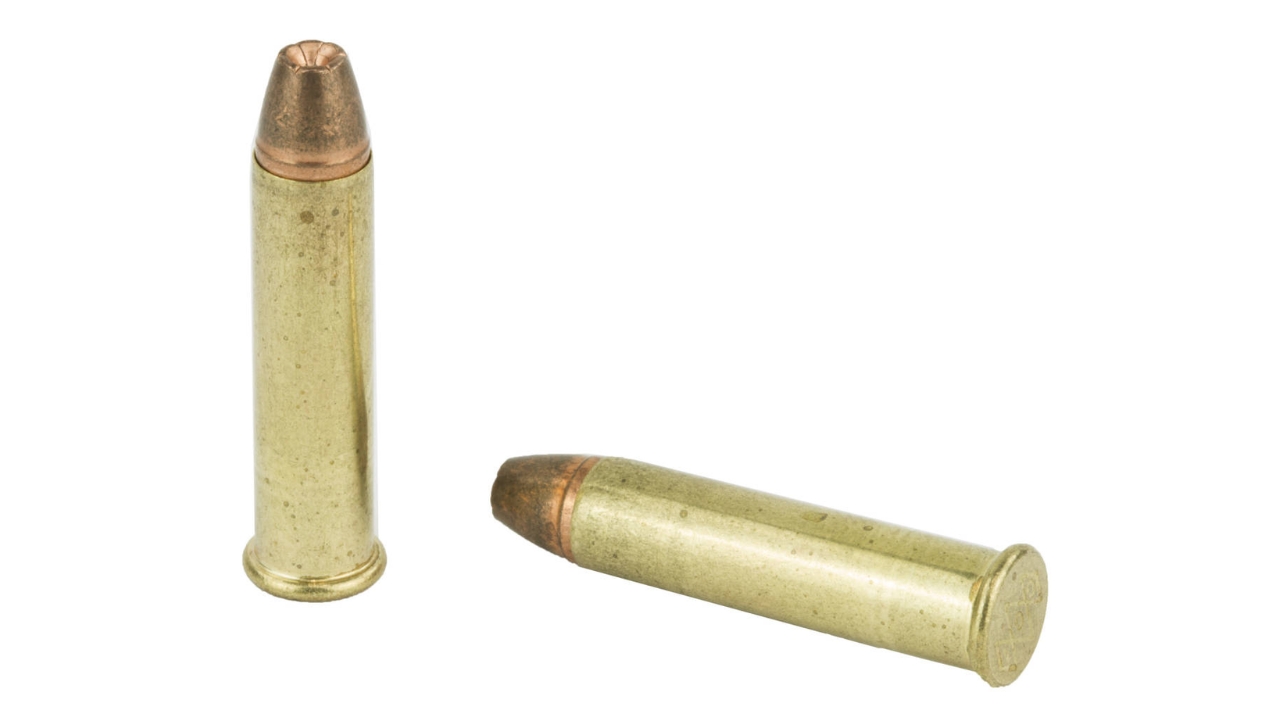
The .22 WRF is an old rimfire cartridge that mostly survives because of history and niche use. It was stronger than .22 LR in its time and helped pave the way for later rimfire development. In older revolvers and rifles, it can still be interesting.
As a practical pistol caliber today, though, it makes little sense. Ammo is not as common, performance is modest, and there are better rimfire and centerfire choices everywhere. It is not powerful enough to justify the hassle, and it is not common enough to be convenient. That puts it in an awkward spot.
.32 ACP

The .32 ACP has a long history in pocket pistols, and some people still defend it because it is mild, controllable, and easy to chamber in very small guns. Compared with .25 ACP, it is a meaningful step up. That does not make it a strong defensive round.
The .32 ACP is still limited by light bullets, modest velocity, and inconsistent performance through small barrels. It can be useful for recoil-sensitive shooters or very deep concealment, but it does not offer much room for bad angles or poor shot placement. It is better than the tiniest calibers, but not by as much as fans want.
.32 S&W

The .32 S&W is an old revolver cartridge that feels badly outclassed today. It was mild and easy to shoot, but it was never a powerhouse. In small top-break revolvers and older pocket guns, it made sense for a different time.
Today, it is mostly a curiosity. Performance is weak, ammo selection is limited, and most guns chambered for it are not ideal for hard use. It may be pleasant to shoot, but that is not the same as being useful. As a serious pistol caliber, it is hard to recommend.
.32 S&W Long
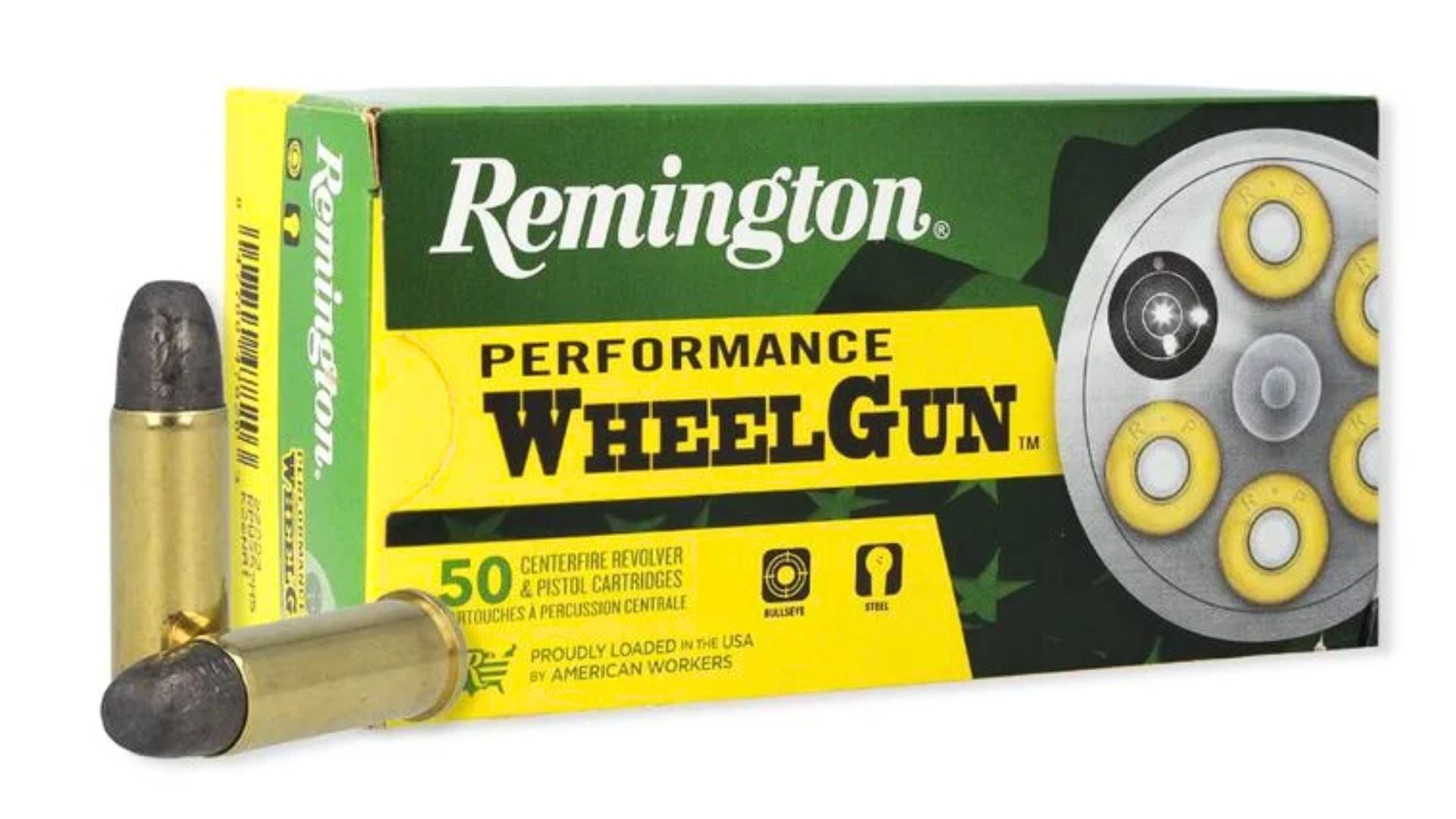
The .32 S&W Long is much more respectable than the shorter .32 S&W, especially as a target cartridge. It is accurate, soft shooting, and still has a place in certain revolver circles. For punching paper, it can be excellent.
The issue is defensive usefulness. It is mild to the point of being underwhelming, and many factory loads are not built for serious stopping performance. It is pleasant and accurate, but not exactly confidence-inspiring if the job is personal protection. It is a good target round wearing a weak defensive resume.
.32 H&R Magnum

The .32 H&R Magnum is not a bad cartridge. In fact, it can be a smart option for recoil-sensitive revolver shooters because it offers more performance than older .32s without the snap of small .38s. The problem is the way some people stretch its reputation.
It is still not a hard-hitting powerhouse. Ammo can be harder to find, defensive load selection is limited compared with .38 Special, and many shooters would be better served by stepping up to .327 Federal Magnum or a controllable .38. The .32 H&R has a role, but it is not nearly as serious as the “magnum” label makes it sound.
.38 S&W
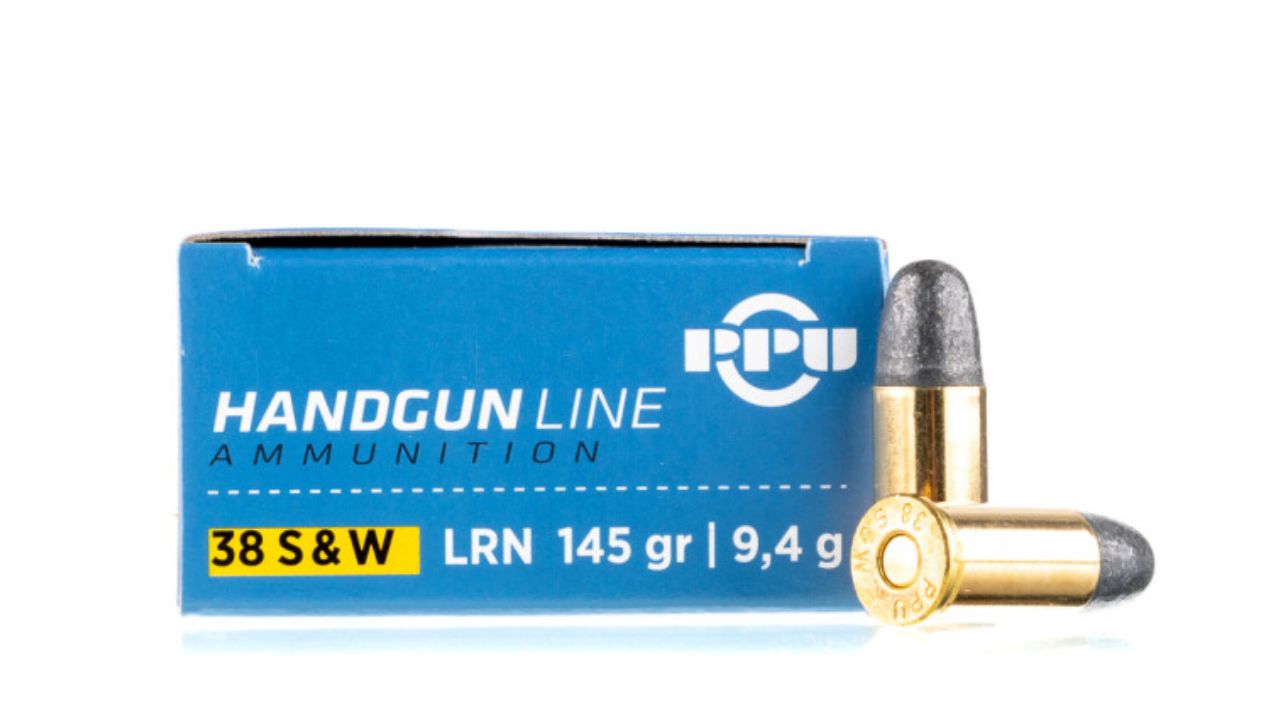
The .38 S&W sounds like it should be related closely enough to .38 Special to be useful, but it is a much weaker, older cartridge. It was used in older revolvers and had a long service history in some places, but modern shooters should not confuse history with performance.
Compared with .38 Special, it is slow, mild, and much less supported. Many guns chambered for it are old and not ideal for modern defensive use. It can still be fun in a vintage revolver, but as a practical pistol caliber, it is one most people moved past for good reason.
.38 Short Colt
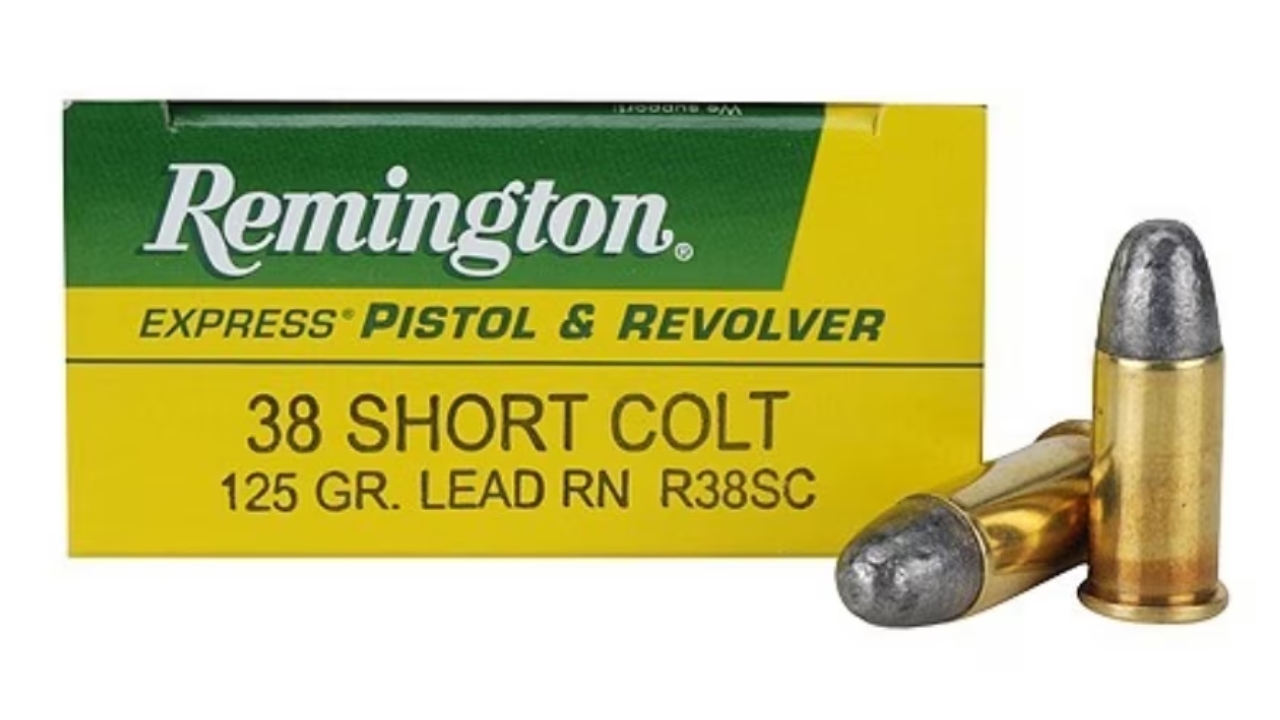
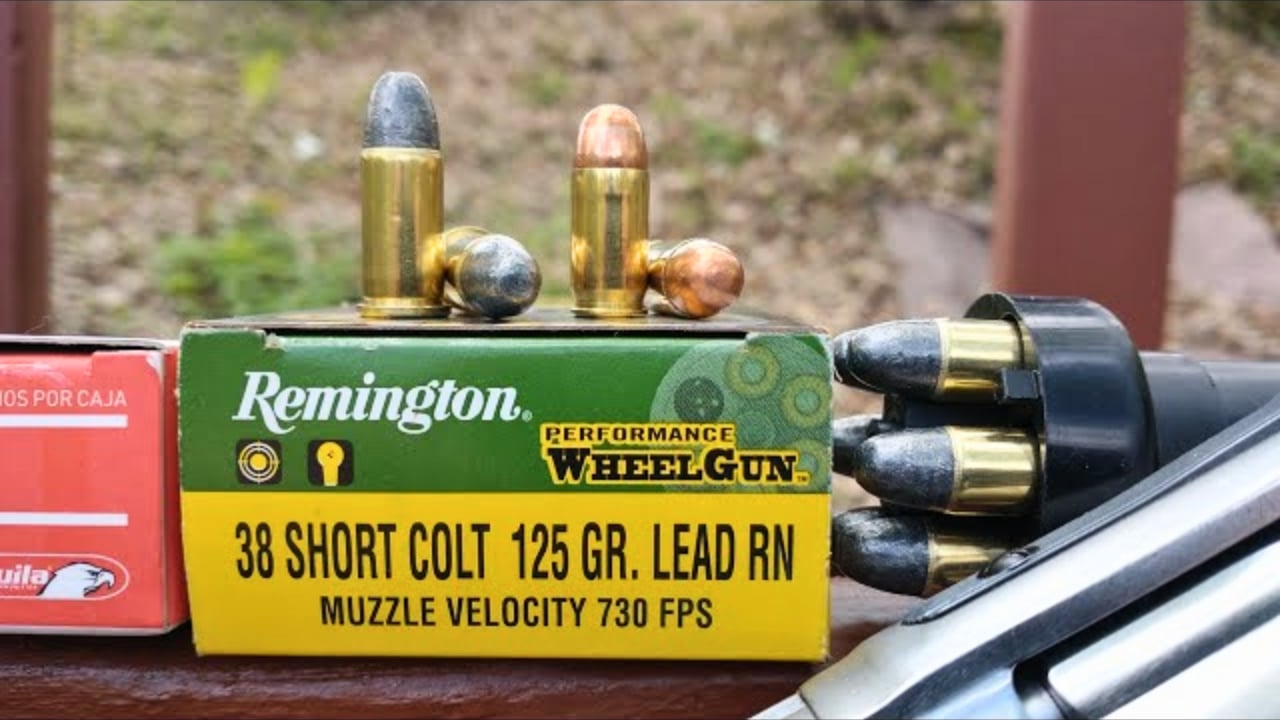
The .38 Short Colt has history, but history does not make it strong. It is an old cartridge that has some niche use today in competition revolvers because of light recoil and fast handling. That is a very specific role, not a sign that it is a serious defensive choice.
For practical use, it is weak and limited. It gives up too much velocity and bullet weight compared with better revolver rounds. If someone is using it for games or nostalgia, fine. If they are treating it like a serious defensive cartridge, they are asking a lot from a very small round.
.38 Long Colt
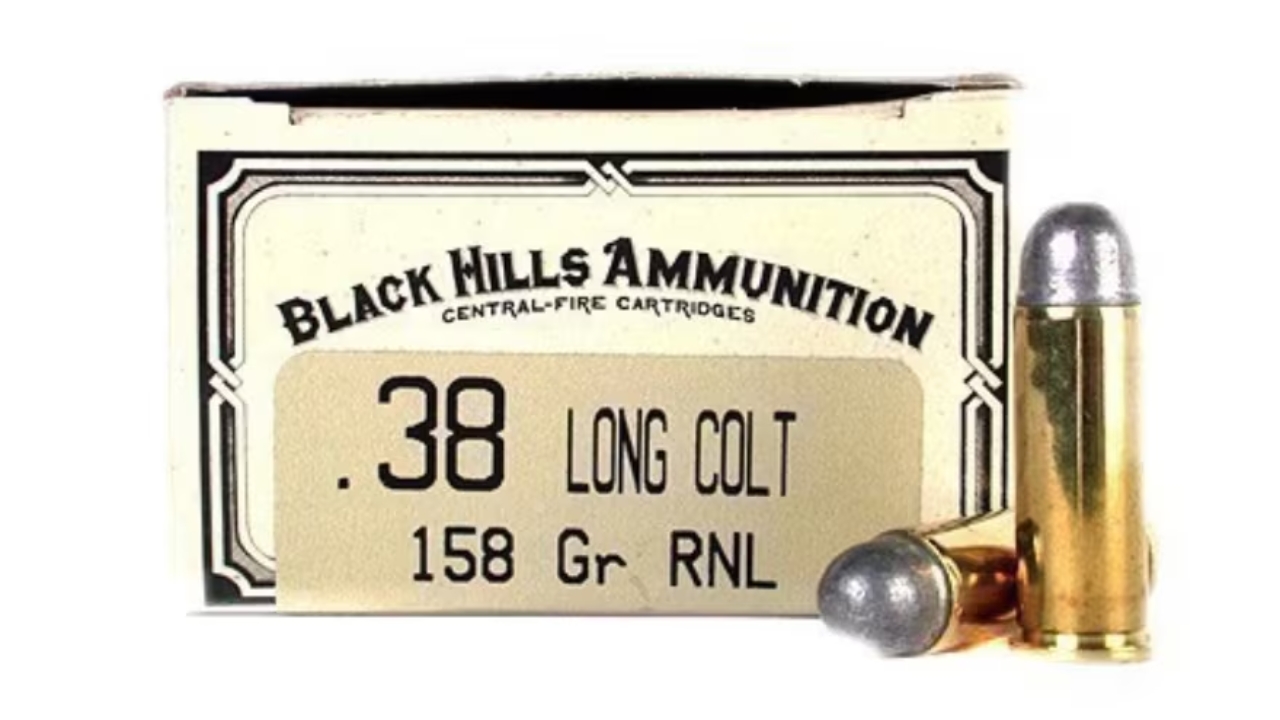
The .38 Long Colt is infamous for not being enough when more power was needed. It has historical importance, but it is not a cartridge that aged into greatness. It was eventually overshadowed by .38 Special for a reason.
Its performance is modest, especially by modern standards. It can be soft shooting and interesting in the right old revolver, but there are very few reasons to choose it for serious use today. When a cartridge is mainly remembered for being replaced, that says plenty.
7.65mm French Long
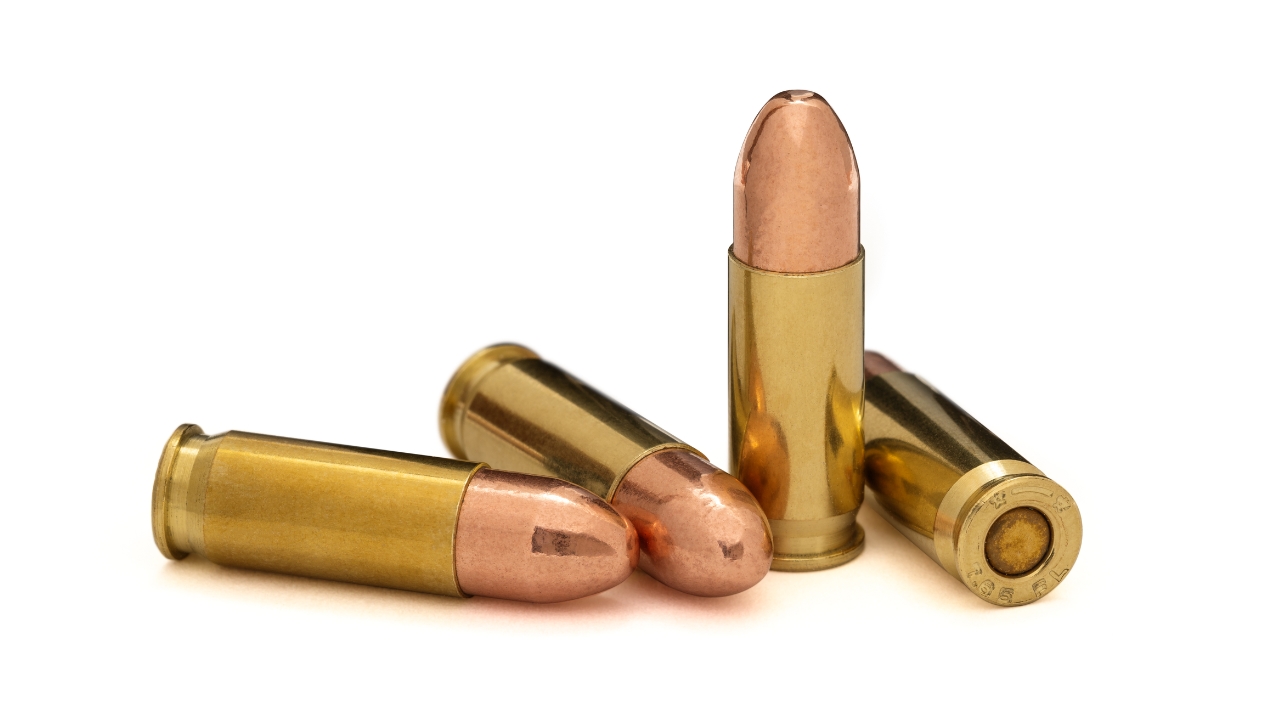
The 7.65mm French Long is one of those old military pistol cartridges that sounds more important than it is today. It had a role in French service pistols and submachine guns, but its modern practical value is very limited. Ammo availability alone makes it a hassle.
Performance is also not impressive compared with common modern defensive rounds. It is more of a collector cartridge than something a normal shooter should rely on. If you own a historic pistol chambered for it, that is interesting. If you are looking for useful pistol performance, there are better answers everywhere.
7.62×25 Tokarev

The 7.62×25 Tokarev is fast, loud, and exciting, which is why some shooters think it hits harder than it really does. It can penetrate well with the right loads, and surplus-style pistols chambered for it have plenty of personality. It is definitely not boring.
But as a practical pistol caliber, it has problems. Defensive expanding loads are not as common, recoil and blast are sharp, and the narrow bullet does not always deliver the kind of terminal effect people imagine. It is more impressive on paper and steel than it is as a well-rounded defensive cartridge.
9x18mm Makarov
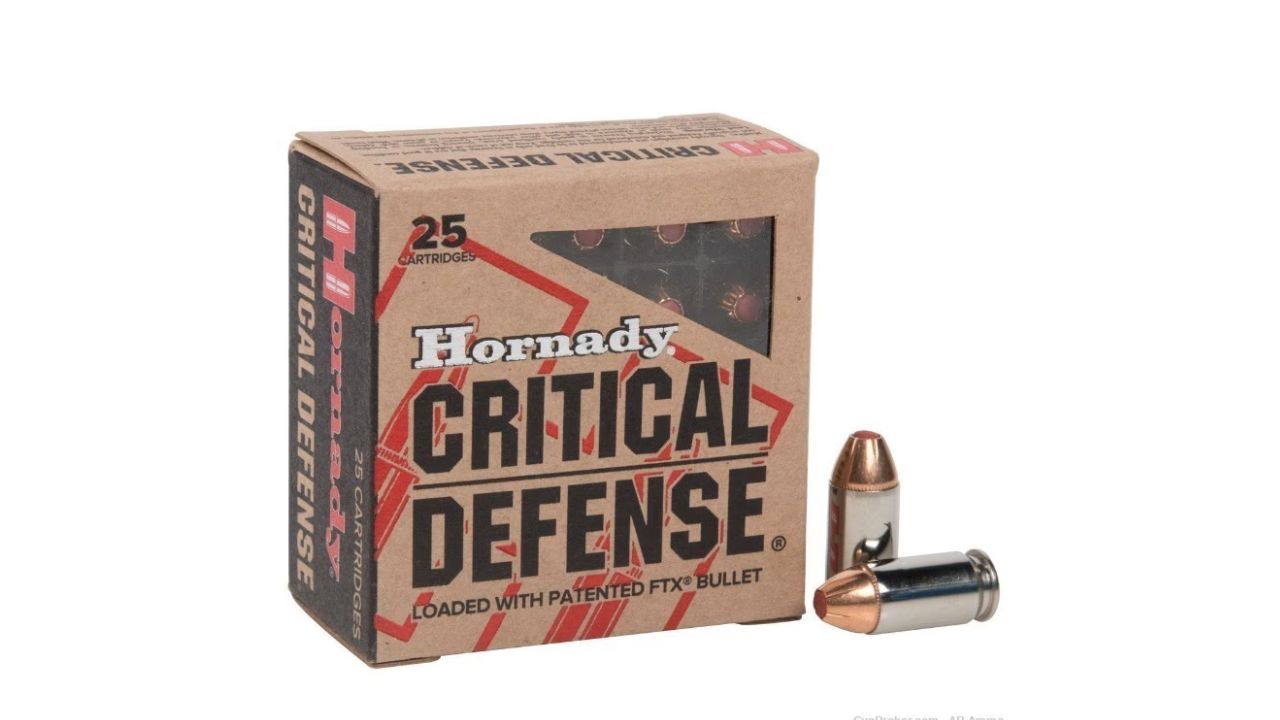
The 9x18mm Makarov sits between .380 ACP and 9mm Luger, which makes it sound like a useful middle ground. In pistols like the Makarov PM, it has earned a reputation for reliability and simplicity. For surplus fans, it still has appeal.
The problem is that it is outclassed by modern 9mm Luger in almost every practical way. Ammo selection is smaller, defensive loads are less common, and many pistols chambered for it are older blowback designs. It is not worthless, but it is not the sleeper powerhouse some people make it out to be.
.380 ACP from micro pistols

The .380 ACP can be a reasonable defensive caliber in the right pistol with the right load. The problem is that many people carry it in extremely tiny guns that make the round harder to use well and often limit performance from very short barrels. That is where it starts feeling much weaker.
Tiny .380s can have sharp recoil, small sights, poor grip, and inconsistent expansion. They are easy to carry, but easy carry does not make the caliber stronger. In a larger .380, the round can make sense. In the smallest pocket pistols, it often feels barely ahead of the weakest defensive options.
.41 Rimfire
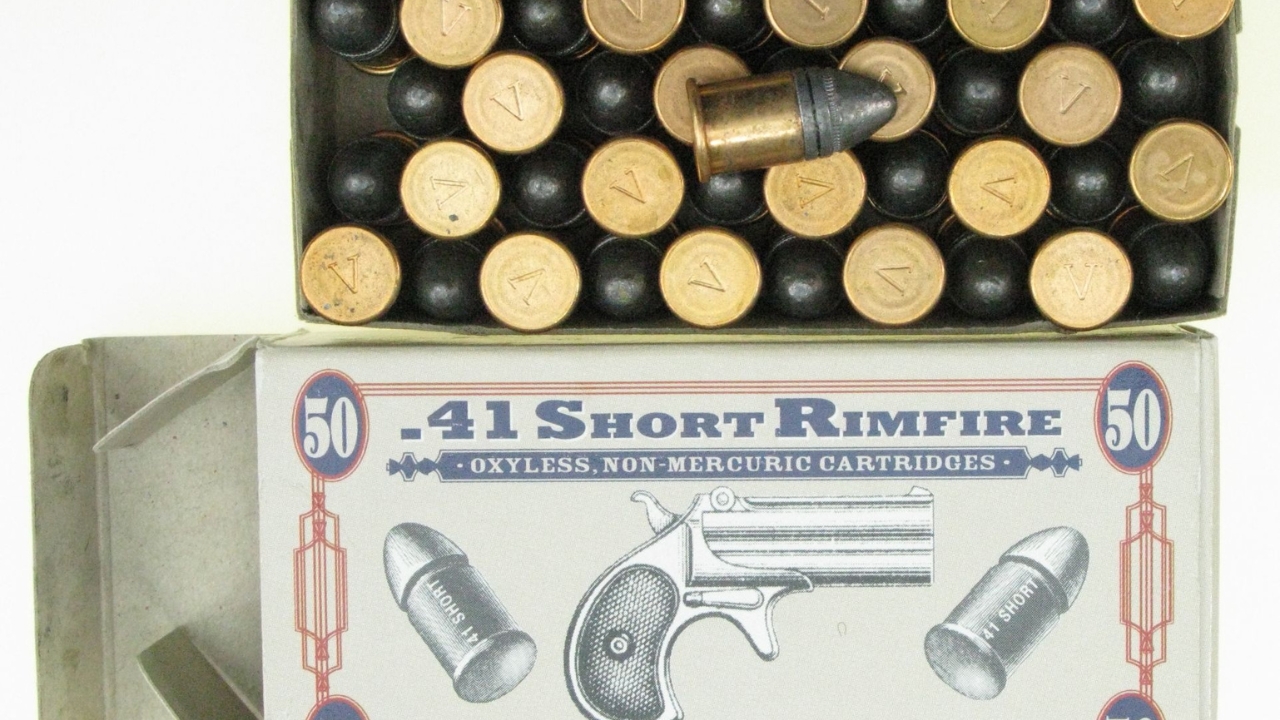
The .41 Rimfire sounds bigger than it is because of the bullet diameter, but it is an old derringer cartridge with very limited modern usefulness. It was famous in tiny pocket guns, not because it was powerful, but because the guns were easy to hide.
By modern standards, it is weak, slow, and mostly obsolete. It belongs in a historical discussion more than a serious pistol-caliber argument. A big bullet diameter does not help much when the cartridge behind it has so little power.
.45 Schofield
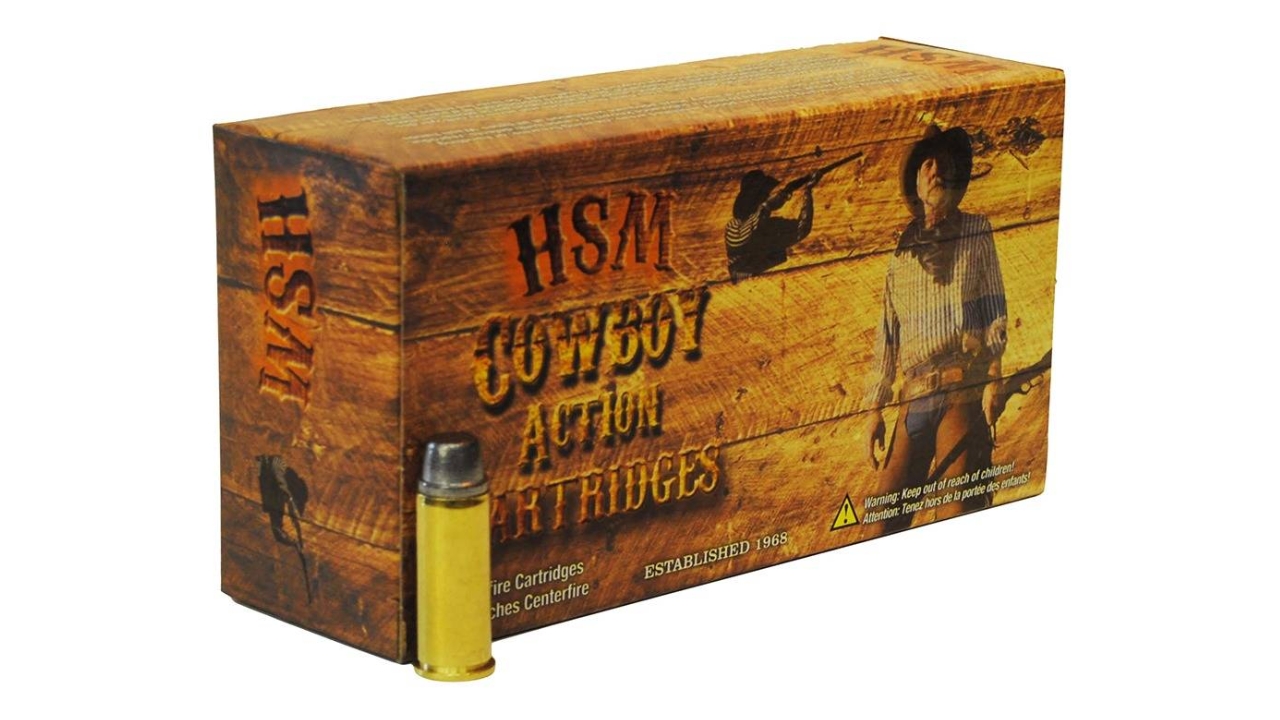
The .45 Schofield has history and big-bore appeal, but it is not the hammer some people assume when they see “.45” on the box. It was designed for older revolvers and operates at modest pressures. In cowboy-action loads especially, it is usually mild.
That makes it pleasant and historically interesting, but not a modern powerhouse. It can launch a big bullet, but velocity and energy are limited compared with stronger .45 Colt loads or modern defensive cartridges. It is a fun old round, not a serious answer to everything.
.45 GAP

The .45 GAP was meant to give .45-caliber performance in a shorter cartridge that could fit smaller-framed pistols. The idea made sense on paper, especially for shooters who liked .45 bullets but not the grip size of many .45 ACP pistols. For a little while, it looked like it might matter.
Then the market moved on. Ammo availability, gun support, and practical demand never caught up. It is not as weak as some rounds on this list, but it is barely worth the trouble today. If you want .45 performance, .45 ACP is easier. If you want practical defense, 9mm does almost everything with less hassle.
Like The Avid Outdoorsman’s content? Subscribe to our newsletter so you never miss an article.
Here’s more from us: