Photo credit: Finds and Firearms/Youtube
I have watched the same movie play out for years at gun counters, pawn shops, estate sales, and in buddies’ safes. A gun sits there for a decade with nobody giving it a second look, then one article, one TV show, one panic, or one “limited run” rumor hits, and the exact same model suddenly costs more than it ever should. Sometimes it’s real collectability. Sometimes it’s just the market being weird.
Here are 20 that went from “eh, maybe later” to “why is that price tag so high?”—with the good, the bad, and the stuff that actually matters if you’re thinking about buying (or selling) one.
1. Marlin 1895 SBL

There was a time you could find these on a used rack and haggle like it was your job. Then lever guns got cool again, stainless and laminate got “backcountry practical,” and suddenly everybody needed a .45-70 that looked like it belonged on an Alaskan bush plane.
They’re handy, they hit hard, and they carry well in the hand when you’re slipping through thick stuff. The problem is folks started paying “collector” money for what is still, in the end, a working lever gun that you’re probably going to scratch if you actually use it like a hunting rifle.
2. Ruger Mini-14 (older Ranch rifles)

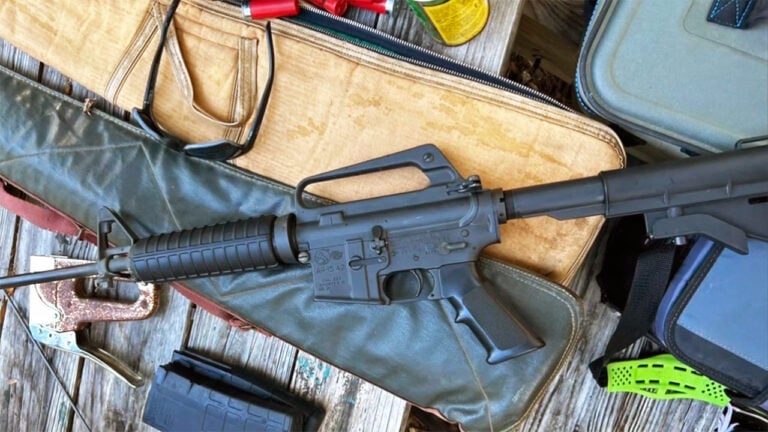
For years the Mini-14 was the rifle guys bought when they didn’t want an AR, or when they lived in a place where an AR was going to invite extra drama. Older ones were notorious for being “minute of coyote,” not “minute of angle.”
Then AR prices went nuts at different times, and the Mini’s reputation warmed up. Now even rough older Minis can bring money that makes you blink. Mags aren’t as cheap as AR mags, and accuracy varies by era, but it’s still a solid, simple ranch rifle that rides behind a truck seat without being precious.
3. Winchester Model 94 (pre-’64)
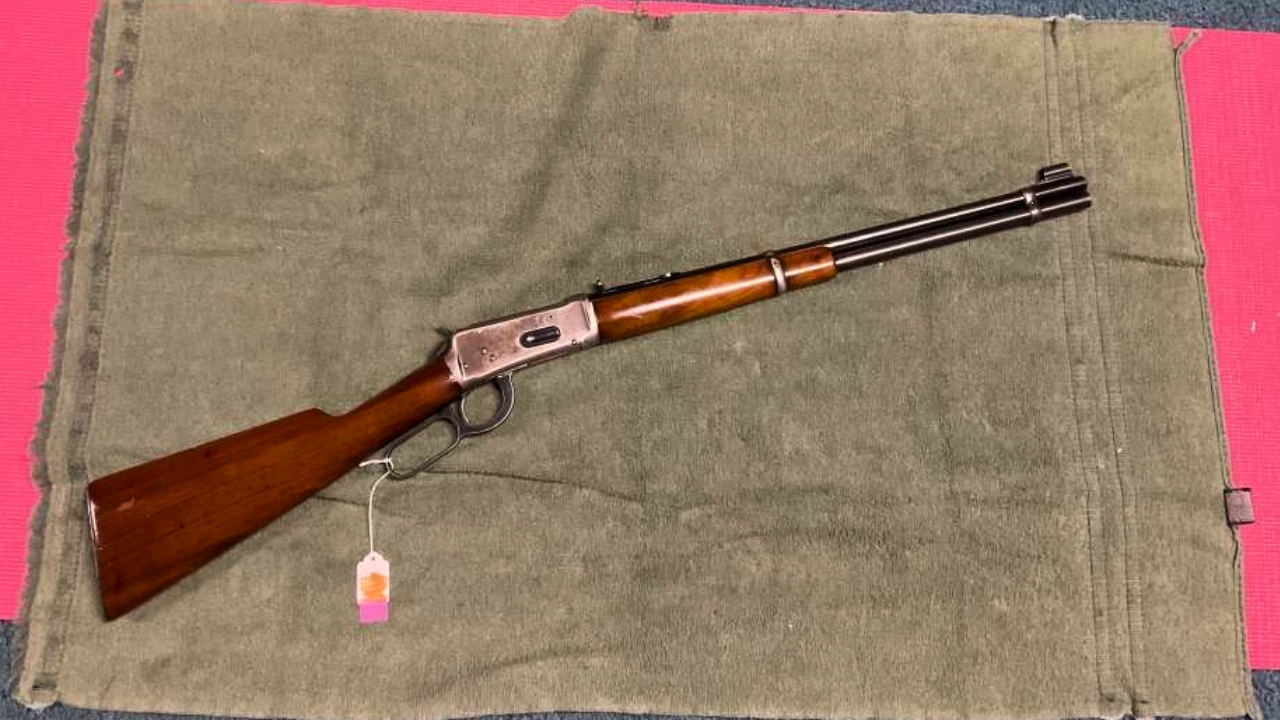
I grew up seeing Model 94s leaning in corners like they were a shovel. Pre-’64 used to mean “nice,” but it didn’t always mean “expensive,” especially in common calibers with honest wear.
Now pre-’64 has become a magic phrase that adds zeros, even on rifles that have lived hard. They’re light, quick, and they point like a bird gun, which is why they’re still deadly in timber. Just don’t confuse nostalgia pricing with a rifle that’s automatically more accurate or more capable than a modern deer gun.
4. Remington 870 Wingmaster (older)
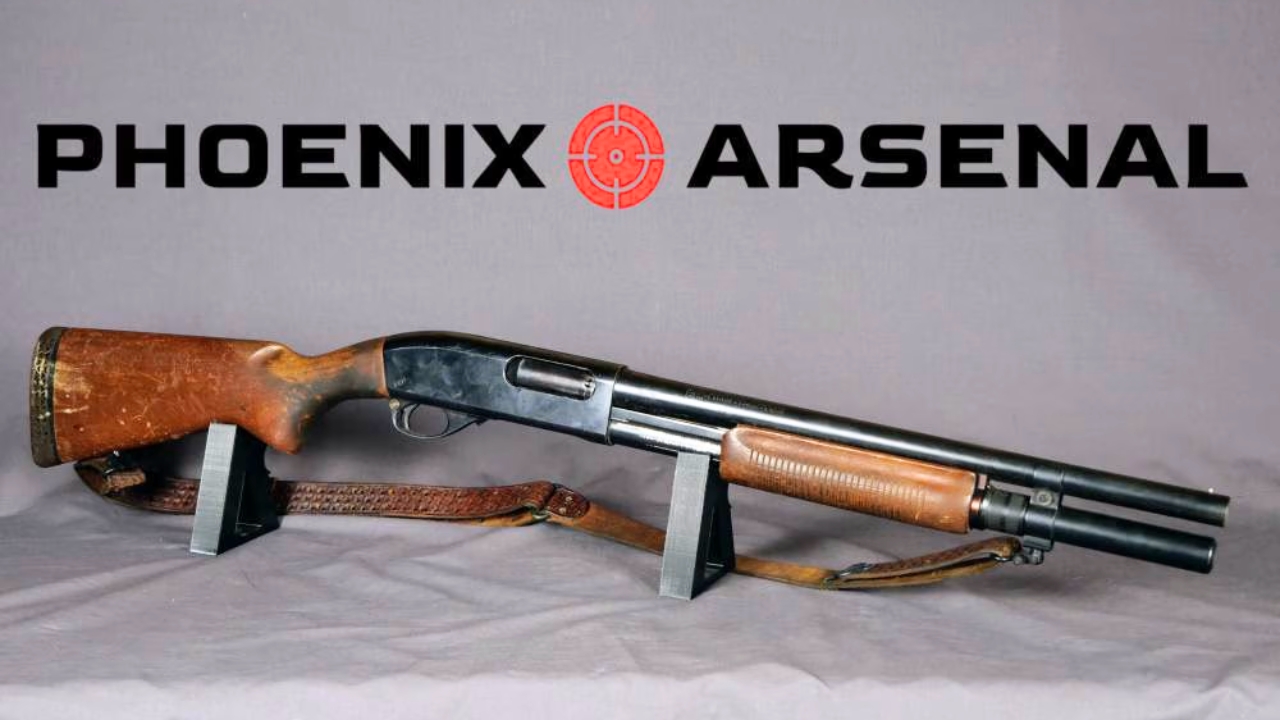
Old Wingmasters used to be the safe bet: slick action, nice bluing, walnut that didn’t look like pallet wood. Then newer production got a reputation for rougher finish and spotty quality control, and everybody started hunting the older ones.
That slick pump feel is real, and an 870 with a good barrel set can do everything from doves to deer. But I’ve seen beat examples priced like heirlooms just because they’re “the good ones.” If you’re buying, check for rust under the forend and make sure the action bars aren’t bent up from hard use.
5. Remington 700 (BDL and older Police variants)
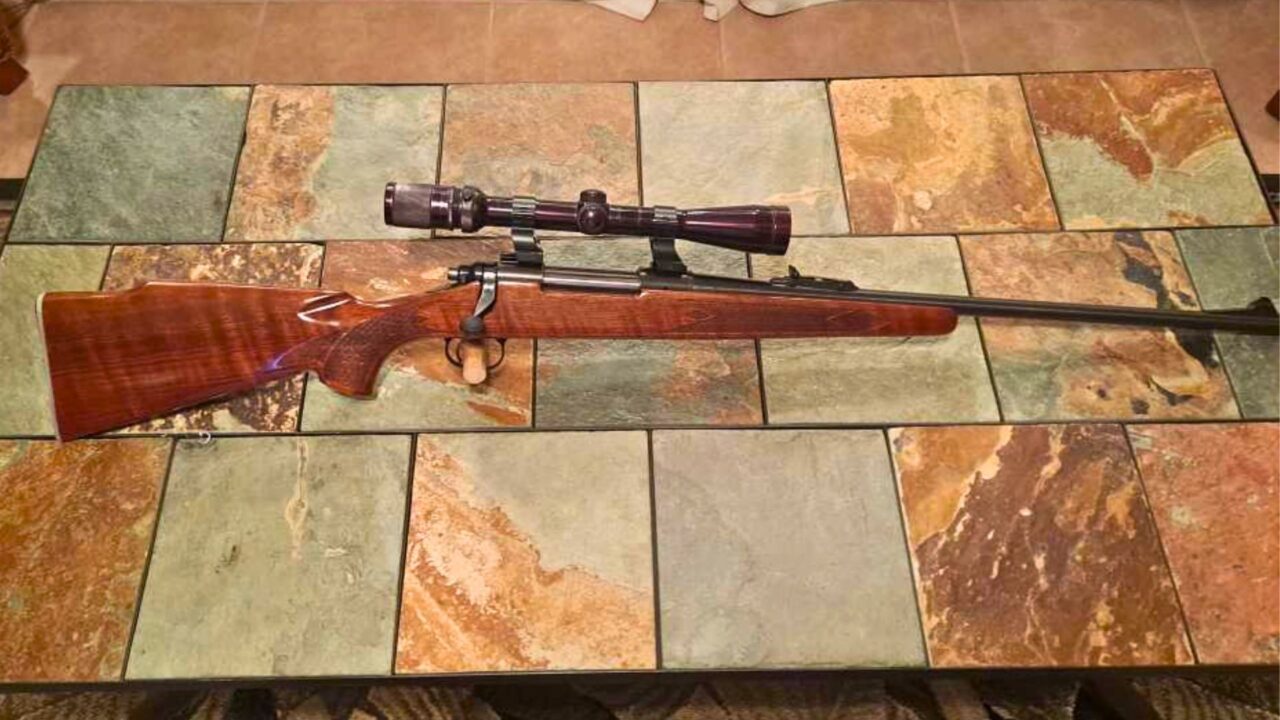
The 700 is everywhere, which is why it’s funny watching certain variants turn into gold bars. Older BDLs with decent wood and bluing are getting snatched up, and the heavier “police” style guns bring a premium just because of the vibe.
It’s still a strong action with endless parts and support, and it will put meat in the freezer if you do your part. The issue is the price creep has pushed some of these into territory where a guy could buy a modern rifle with a better factory trigger and still have money left for glass.
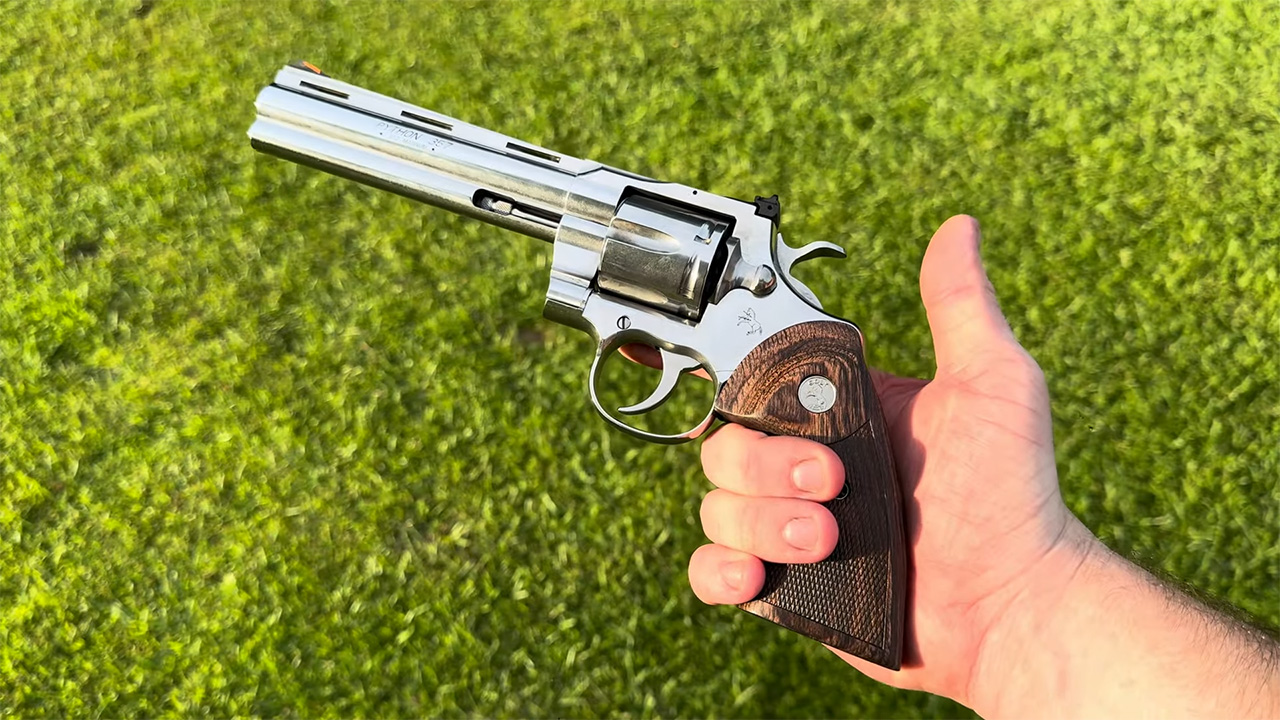
6. Colt Python (older production)
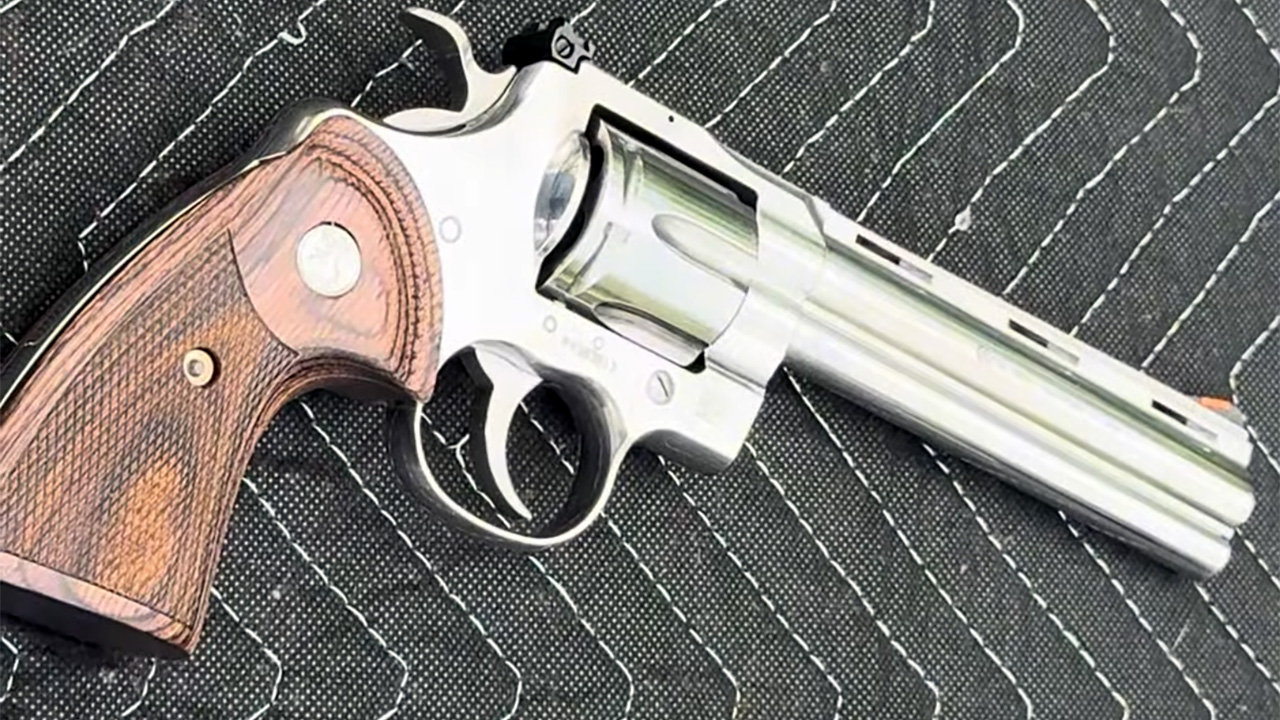
There was a stretch where Pythons were “nice revolvers” but not untouchable. Then revolvers got fashionable again, collectors got louder, and the Python became a status symbol more than a shooter for a lot of folks.
The fit and finish on older ones can be unreal, and the trigger is the kind that makes you slow down and enjoy it. But if you’re buying one to actually run, understand parts and gunsmithing aren’t as casual as they are with a Glock. For many owners, it turns into a safe queen out of fear of messing up something expensive.
7. Colt Detective Special
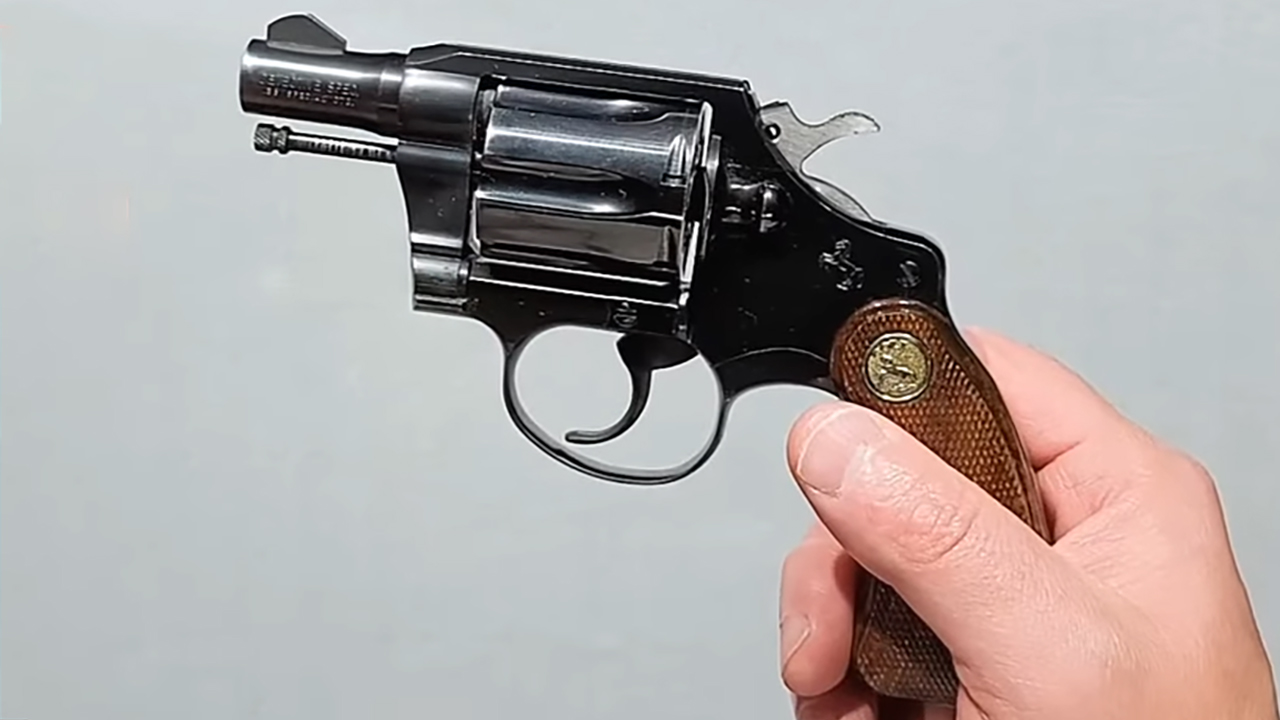
Snub-nose revolvers never really went away, but they did get ignored when pocket .380s and micro 9mms took over. Detective Specials sat around until folks remembered that six shots in a small frame is still a pretty nice idea.
They’re easy to carry, they don’t rely on magazines, and they have a “grab and go” simplicity that makes sense for a tackle box, farm truck, or nightstand. Prices now can be hard to swallow for a revolver with fixed sights and older ergonomics, especially when modern carry guns offer more capacity and better sights out of the box.
8. Smith & Wesson Model 19
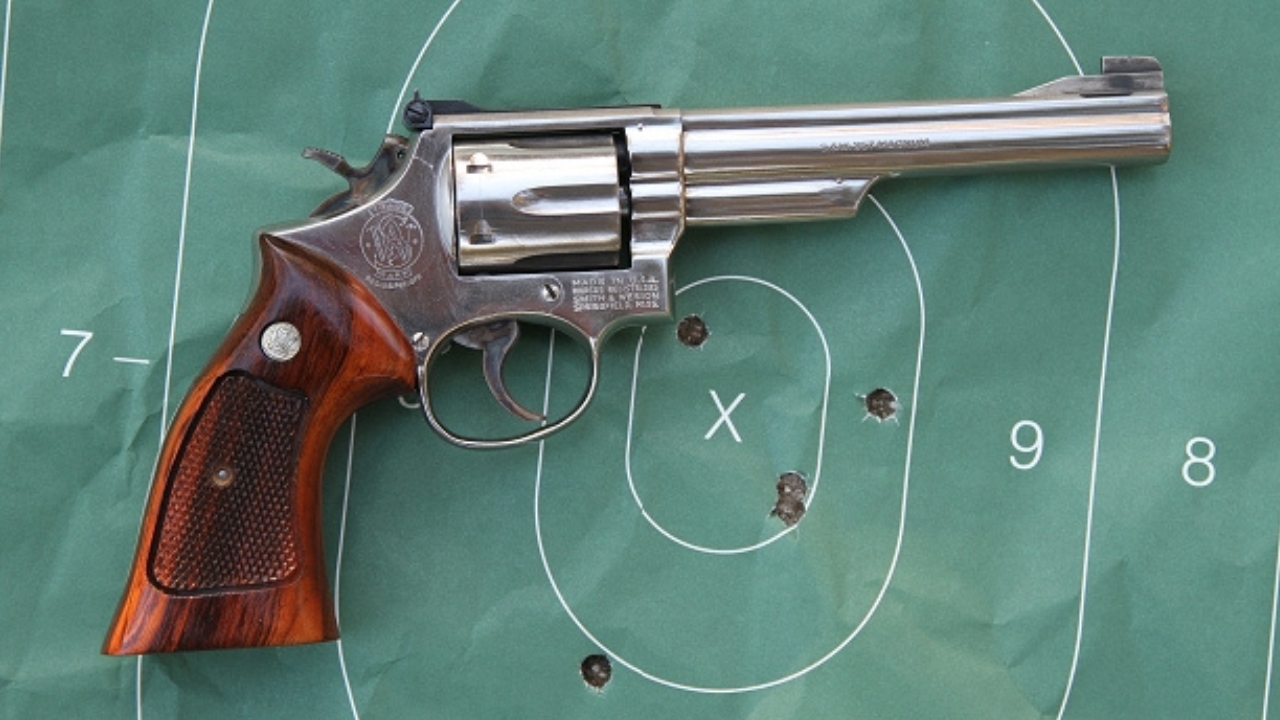
The Model 19 is one of those guns that feels right the first time you hold it. For a while, it was “just” a classic K-frame .357, and you could find them without taking out a loan.
Then everyone started chasing pinned-and-recessed revolvers and “no lock” guns, and the Model 19 got pulled upward with the tide. They’re great with .38s and moderate .357s, but if you buy one at today’s prices and then beat it up with a steady diet of hot loads, you’re kind of missing the point.
9. Ruger GP100 (early, clean examples)

This one surprises people because the GP100 is still in production and still common. But early, clean guns—especially certain barrel lengths—have gotten pricier as folks look for rugged revolvers that aren’t “collector fragile.”
The GP100 is a working revolver. It’s heavier than a K-frame, it soaks up recoil, and it’s boring in the best way. The overpriced part usually comes when a seller tries to price it like a vintage Smith just because the market is hot on wheel guns in general.
10. Glock 19 (Gen 2 and early Gen 3)

Most of the time, a used Glock is a used Glock. But the early generations have turned into a weird little collector corner, especially with original boxes, matching mags, and the right markings.
As a shooter, they’re still the same reliable brick that runs when it’s dirty and doesn’t complain. As a “collectible,” you’re paying extra for nostalgia and scarcity of clean examples. If you want a carry gun, it’s hard to justify paying a premium for an older one when a current production gun is sitting right there.
11. SIG Sauer P226 (West German and early German)

There was a time police trade-in P226s were the best deal in handguns. You could get a worn holster gun that still ran like a top and had a trigger you could learn on.
Then the trade-ins dried up, and “West German” became another magic phrase. They’re accurate, soft-shooting, and built like tools, but magazines and parts cost more than some polymer guns. At today’s prices, you need to actually want a P226 for what it is, not just because the internet told you it’s “the real one.”
12. Beretta 92FS (Italian-made and early variants)

The 92 was once the classic “big 9mm” you could find anywhere. It got called bulky, it got called dated, and then all of a sudden it got cool again—helped along by movies, military nostalgia, and folks realizing they shoot it well.
Italian-marked guns and certain older variants can bring more than a brand-new one with better sights. The 92 still shines as a range gun and home-defense pistol because it’s reliable and flat-shooting. But it’s also a big handgun to carry all day, and the market sometimes forgets that reality.
13. Browning Auto-5 (Belgian)

When everyone was buying modern gas guns, old humpback Auto-5s sat around like grandpa’s coat. Then the appreciation for classic craftsmanship came back, and Belgian guns in good condition started climbing.
They point well and have a feel that’s hard to explain until you’ve shot one a lot. The downside is the older friction-ring system and setup can confuse new owners, and some loads and configurations aren’t as forgiving as modern autos. Paying top dollar is fine if you’re buying a clean piece of history, but it’s not automatically a better duck gun than a newer 3-inch semi-auto.
14. Ithaca 37 (older, slick pumps)

The Ithaca 37 is one of the slickest pumps ever made, and for years that was a quiet truth known by bird hunters and a few old-school cops. Bottom ejection is handy in a blind and friendly to lefties, and the gun carries light.
As more people “discover” them, clean older guns keep getting more expensive. The trick is that some parts and barrels aren’t as plug-and-play as an 870 or 500. If you find one that fits you, it’s a lifetime shotgun, but don’t pay a premium for a gun with a hacked-up stock and a mystery choke situation.
15. Mossberg 590A1 (older contract-style guns)
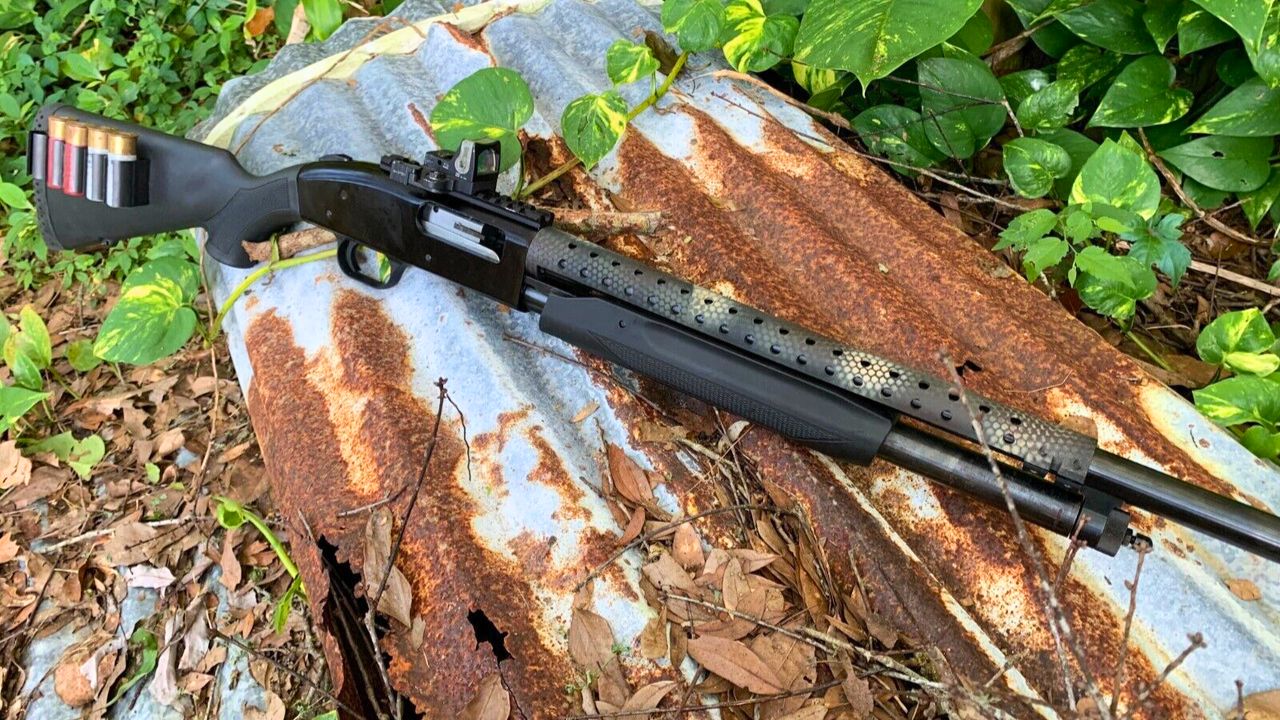
There’s a certain crowd that wants a shotgun that looks like it could fall out of a patrol car and still work. The 590A1 scratches that itch, and during certain waves of demand it gets priced like a collectible instead of a pump gun.
They’re tough, the controls make sense with gloves on, and they’re easy to keep running. But if you’re paying inflated prices, remember you’re still getting a pump shotgun with pump-shotgun limitations. The money might be better spent on training, a light, and a pile of ammo—stuff that actually makes you more effective.
16. Ruger 10/22 (older carbines and unique runs)

The plain-Jane 10/22 used to be the rifle you bought because you didn’t want to spend money. Now some older carbines and oddball runs get listed like they’re rare coins.
It’s still the most useful .22 many of us own. Mags are everywhere, parts are everywhere, and it’s a perfect rifle for squirrels, pest control, and teaching kids. The overpricing shows up when someone tries to sell a standard carbine as “vintage” just because it’s clean and has an older barrel band.
17. CZ 452 (and certain 455/457 variants)

For years, CZ rimfires were the smart-guy pick: excellent barrels, good triggers, honest wood, and price tags that didn’t make you sweat. Then production changes and model shifts turned some of the older guns into “the ones to get.”
A good 452 will make you look like a better shot than you are, especially on small targets. The issue is the market now treats them like they’re all limited-edition. They’re not magic, and you can still find accurate rimfires elsewhere, but it’s easy to regret selling one because the replacement costs more than it should.
18. SKS (especially Russian and clean Chinese examples)

Ask any older shooter about cheap rifles and you’ll hear SKS stories. They used to be everywhere, affordable, and treated like a beater you could toss behind a seat.
Now, clean examples bring real money, especially with matching numbers and original furniture. They’re reliable and simple, but they’re also long and not as ergonomic as modern options. Ammunition and stripper clips are still around, but the days of the SKS being the “cheap rifle” are long gone.
19. M1 Garand (CMP-era affordability is gone)
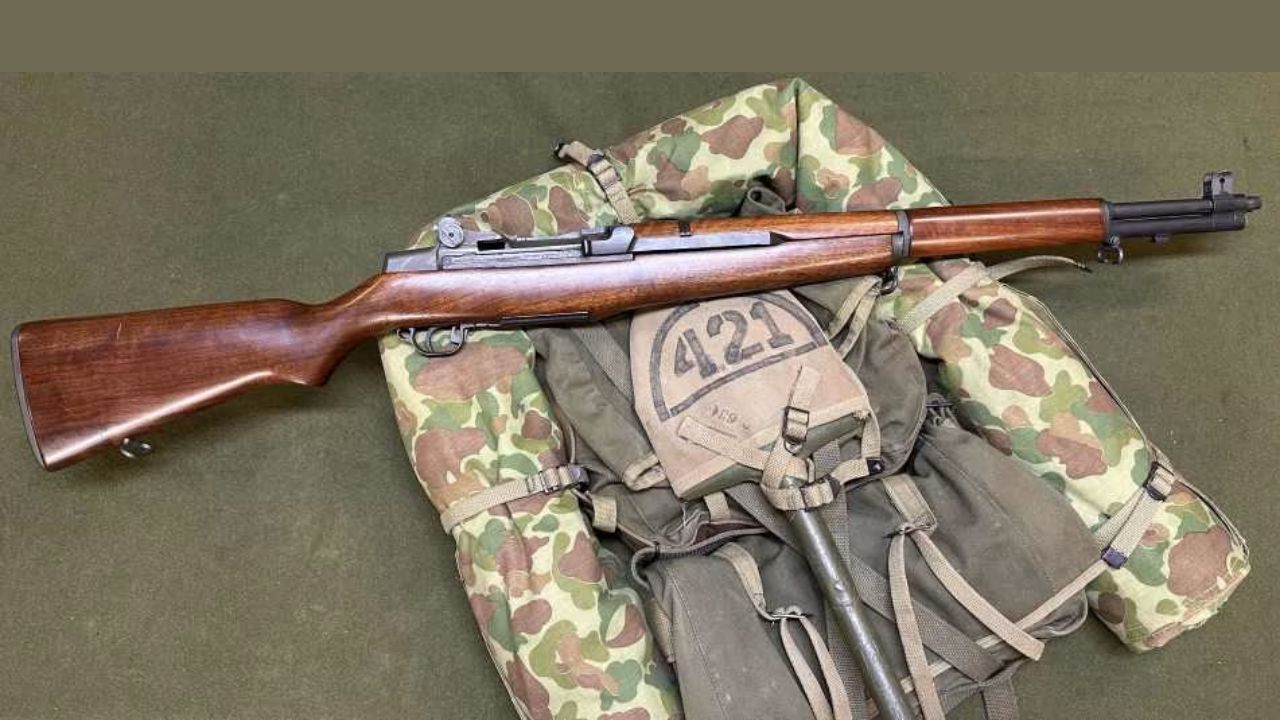
There was a window where a regular guy could buy an M1 without making his wallet cry too much. Those days have tightened up, and between fewer available rifles and higher demand, prices climbed fast.
The Garand is heavy, loud, and not remotely subtle, but it’s one of the most satisfying rifles you can shoot. It also eats ammo, and .30-06 isn’t getting cheaper. If you want one, buy with your eyes open: you’re paying for history, quality, and scarcity, not a practical whitetail rifle for tight woods.
20. Winchester Model 70 (pre-’64 and certain controlled-round-feed guns)
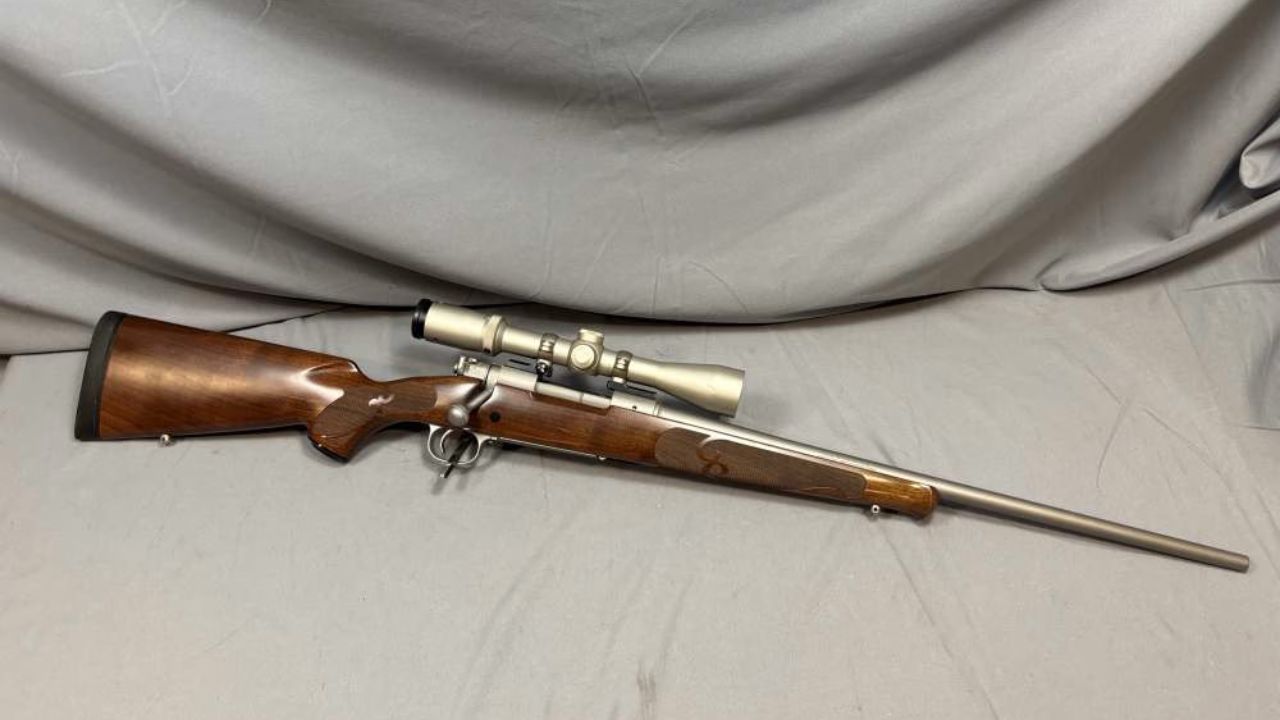
The Model 70 has always had fans, but there was a time you could still find a hunting-worn pre-’64 that wasn’t priced like a museum piece. Controlled-round feed became a buzzword, and “Rifleman’s Rifle” started driving checks instead of conversation.
These are great rifles to hunt with—good balance, good safety, and an action that feels confident feeding rounds. But they’re still hunting rifles, and a lot of them have been drilled, tapped, reblued, cut down, or otherwise “improved” over the decades. Condition and originality matter, and the market doesn’t always price those details honestly.
None of this is a knock on owning nice guns or paying for something you truly want. I’m just saying the market has a way of turning yesterday’s “used rack special” into today’s “investment piece,” and that can trick regular outdoorsmen into overpaying for a tool. If you’re shopping, handle the gun, check the basics, and ask yourself a simple question: are you buying it to use it, or are you buying the story that comes with it?
Like The Avid Outdoorsman’s content? Subscribe to our newsletter so you never miss an article.
Here’s more from us: