Photo credit: BurstReview/YouTube
Some pistols will keep cycling after hundreds or even thousands of rounds with little more than an occasional drop of oil. Others begin showing failures once carbon, unburned powder, dried lubricant, and bullet residue collect around the chamber, extractor, slide rails, or feed ramp.
That does not automatically make every pistol on this list worthless. Several are accurate competition guns, unusually compact carry pistols, or older designs created before shooters expected handguns to survive abuse without maintenance. The problem is that they give their owners less room for neglect. Regular cleaning and correct lubrication matter with any defensive handgun, but they become especially important with these 20 pistols.
Kimber Custom II
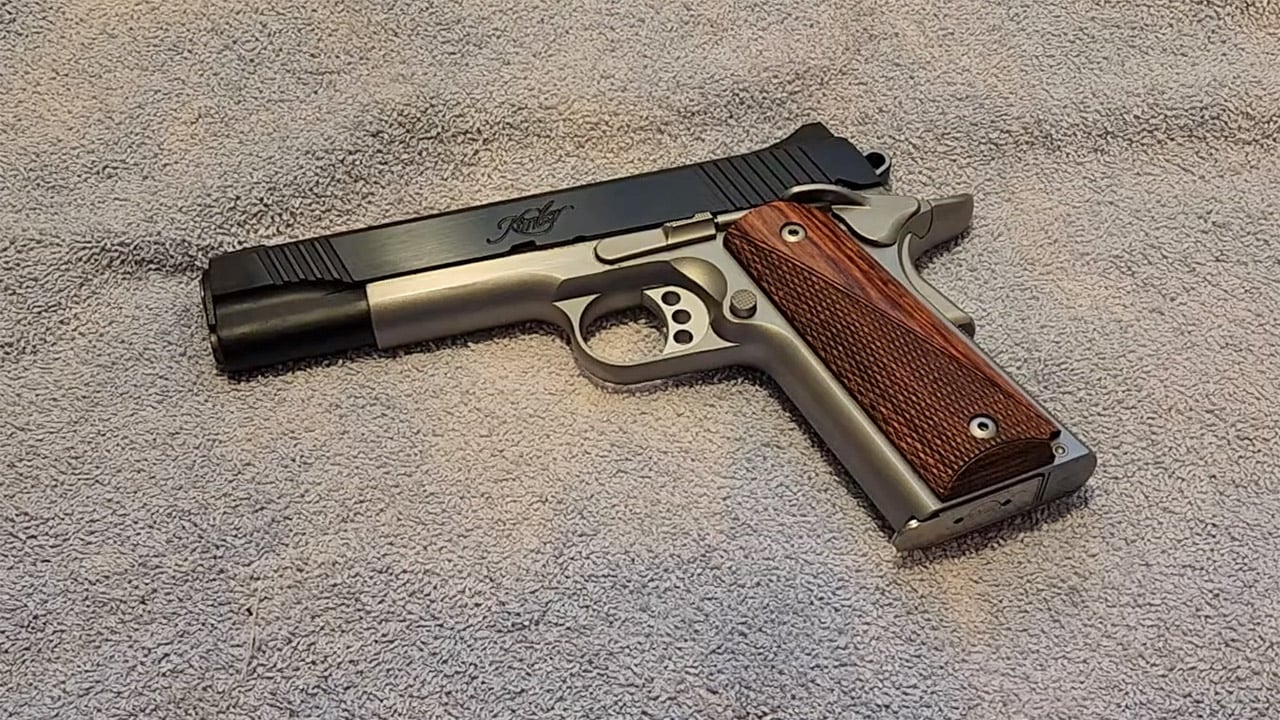
The Kimber Custom II looks like the kind of 1911 that should be ready for serious use right out of the box. It has better sights and more modern features than a basic military-style pistol, but examples with tight slide-to-frame fit can become noticeably less forgiving as carbon and dried lubricant collect around the rails.
Kimber has traditionally recommended a break-in period for many of its 1911 pistols, which tells buyers these guns may need time before everything settles together. A clean, properly lubricated Custom II can run extremely well with good magazines and ammunition. Start running it dry for several long range sessions, however, and failures to return fully to battery become more likely than they would with a loosely fitted duty pistol.
Springfield Armory 1911 DS Prodigy
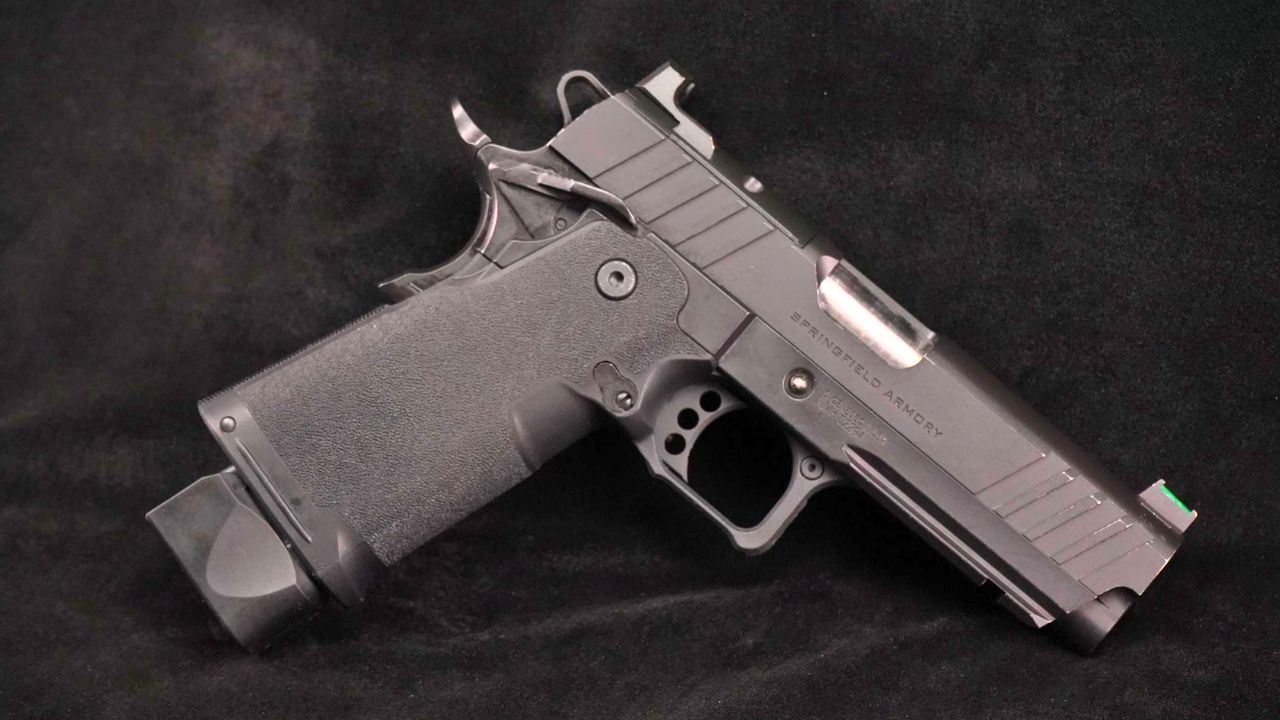
The first Springfield Prodigy pistols developed a reputation for being less reliable than buyers expected from a defensive-style double-stack 1911. Some examples ran well, while others experienced failures to feed, sluggish slides, disconnector drag, or problems that became more noticeable as the pistol accumulated residue.
Springfield has made production changes since the earliest guns, and newer Prodigy pistols generally have a better reputation. The basic design still has more contact surfaces, tighter internal relationships, and more magazine variables than a basic striker-fired duty gun. Owners who keep the rails lubricated and use proven magazines often get strong performance. Those who expect it to run indefinitely while dry and filthy may discover that it has less tolerance for neglect than its rugged appearance suggests.
Kimber Solo Carry

The Kimber Solo Carry was marketed as a premium micro-compact 9mm before that category became crowded with dependable choices. It was attractive, smooth, and easy to conceal, but its operating window was unusually narrow. Kimber specifically recommended certain premium ammunition rather than treating the pistol as compatible with every common 9mm load.
That ammunition sensitivity became harder to manage once the pistol was dirty. The Solo used a heavy recoil system in a very small package, leaving little extra slide energy when fouling increased resistance. Carbon around the chamber or dried lubricant on the rails could be enough to produce feeding or extraction problems. Kimber eventually discontinued the Solo, and many owners moved to newer micro-compacts that were less demanding.
Remington R51

The Remington R51 was supposed to revive the old Pedersen hesitation-locking system in a slim, modern carry pistol. Instead, the original release became one of the most troubled handgun launches in recent memory. Remington eventually recalled the early pistols and later brought out a revised version.
Even corrected R51 pistols never developed a reputation for thriving on neglect. The unusual internal system, tight packaging, and complicated disassembly gave residue more places to interfere than it would have in a conventional locked-breech pistol. An R51 that is clean, properly assembled, and fed ammunition it likes can be pleasant to shoot. Once fouling begins combining with weak ammunition or marginal lubrication, the pistol’s already limited operating margin can disappear quickly.
Boberg XR9-S

The Boberg XR9-S placed a relatively long barrel inside a remarkably short pistol by using a reverse-feed system. Instead of pushing a cartridge forward from the magazine, the mechanism pulled it backward before lifting it into position. The design was clever, but clever mechanisms rarely tolerate neglect as well as basic ones.
The XR9-S depended on precise timing, strong cartridge construction, and smooth movement through several unusual feeding steps. Dirt or thickened lubricant could interfere with that sequence, while certain ammunition could allow the bullet to separate from the case during extraction from the magazine. Bond Arms later acquired the design and refined it into the Bullpup9. Even so, the platform remains a pistol that deserves careful ammunition selection and more attentive cleaning than an ordinary compact 9mm.
Desert Eagle Mark XIX

The Desert Eagle is not a conventional semiautomatic pistol. It uses a gas-operated action with a rotating bolt, making it function more like a small rifle than an oversized service handgun. That system helps manage powerful cartridges, but it also creates maintenance requirements that simpler pistols do not have.
Carbon can collect in the gas system, while heavy bullet lubricants and exposed lead projectiles can create deposits that are difficult to remove. The pistol also needs firm support and ammunition powerful enough to cycle its massive slide. Combine a dirty gas system with weak ammunition or a loose grip, and reliability can deteriorate quickly. The Desert Eagle can run well, but it is not a pistol that rewards owners who shoot questionable ammunition and ignore cleaning.
AMT Hardballer
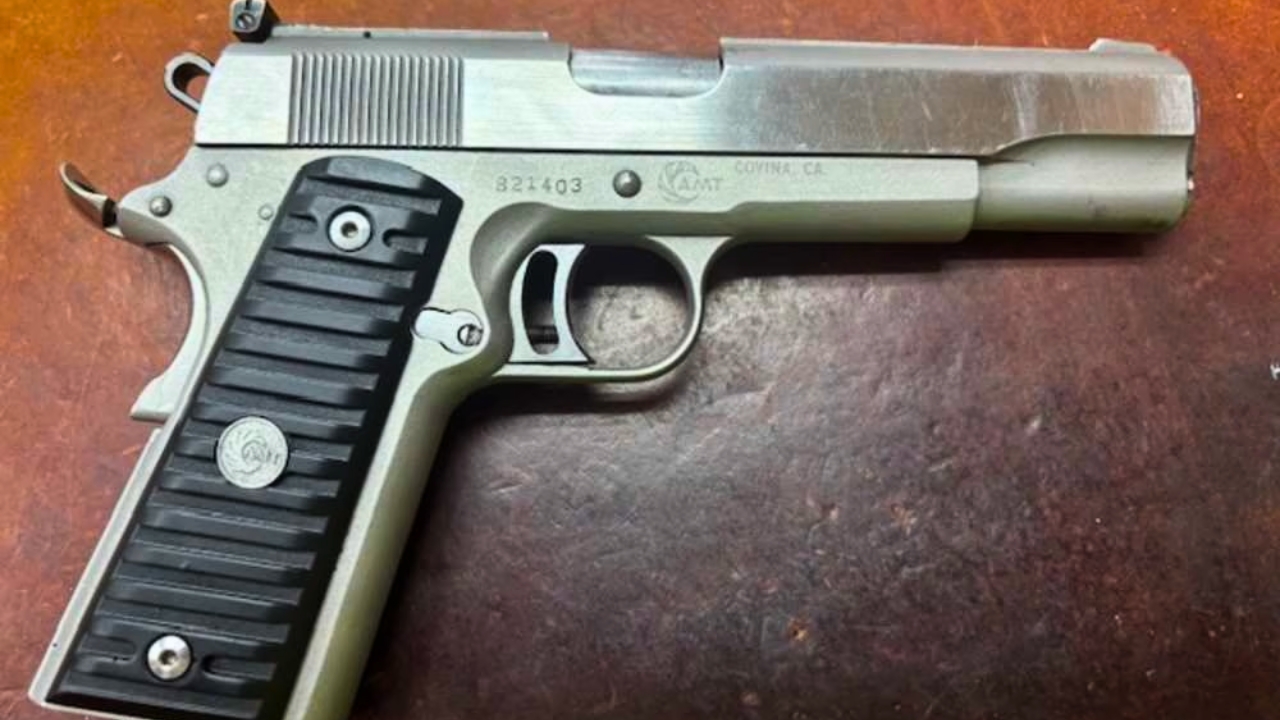
The stainless AMT Hardballer looked like a tougher, more weather-resistant version of the traditional 1911. Unfortunately, early stainless-steel pistols could suffer from galling, especially when similar stainless surfaces moved against each other without enough lubrication.
Once powder residue mixed with drying lubricant along the slide rails, the Hardballer could begin feeling sluggish. Rough internal finishing and inconsistent production quality made the problem worse on some examples. A carefully fitted and properly lubricated Hardballer may function perfectly well, but it is not known for Glock-like tolerance of dust, carbon, and neglect. The pistol’s name suggests a gun that will digest endless military ball ammunition, yet many surviving examples demand considerably more attention than that description implies.
Kahr PM9

The Kahr PM9 remains one of the smallest serious 9mm carry pistols ever placed into regular production. Achieving that size required a heavy recoil spring, short slide travel, and tightly packaged internals. Those features make the pistol easy to conceal but leave less energy available to overcome fouling or poor shooting technique.
Kahr recommends a substantial break-in period for its pistols, and PM9 owners often find that the gun performs best when kept clean and adequately lubricated. Carbon around the chamber or resistance along the slide can contribute to failures to return to battery. Weak ammunition and worn recoil springs can make matters worse. The PM9 can be dependable, but it is less forgiving than larger pistols with heavier slides and greater operating margins.
Seecamp LWS .380

The Seecamp LWS .380 is built around extreme concealability. It has no conventional sights, very little gripping surface, and an operating system squeezed into a pistol small enough to disappear in a pocket. That compactness comes with tradeoffs.
The chamber, extractor, and feed path have little room for contamination. Pocket lint, carbon, and dried lubricant can create enough resistance to disrupt cycling, especially when combined with the sharp recoil produced by .380 ACP in such a small gun. Seecamp pistols have also historically been selective about ammunition length and bullet profile. An owner who tests the proper load and keeps the pistol clean may trust it. Someone who leaves it forgotten in a dirty pocket for months is asking much more from the design.
Rohrbaugh R9

Before the current generation of micro-compact 9mm pistols, the Rohrbaugh R9 gave shooters a remarkably small handgun chambered for a full-powered cartridge. It achieved that size by operating close to the mechanical limits of what such a light pistol could handle.
The R9 required frequent recoil-spring replacement and was never intended to be a high-volume range gun. Residue, weak springs, and insufficient lubrication could quickly combine to slow the slide or interfere with feeding. The pistol was beautifully made and impressively small for its era, but it demanded an owner willing to follow a maintenance schedule. Compared with modern carry pistols that can absorb long practice sessions, the Rohrbaugh feels more like specialized equipment that must be kept in a narrow operating condition.
SIG Sauer Mosquito

The SIG Mosquito looked like a reduced-size centerfire service pistol, but its reliability rarely matched its appearance. Many examples were extremely sensitive to ammunition power, recoil-spring selection, lubrication, and cleanliness. High-velocity .22 LR often worked better than inexpensive bulk loads.
Rimfire ammunition already produces more residue than typical centerfire cartridges. Once wax, powder, and primer debris begin collecting around the chamber and slide, the Mosquito can develop failures to feed, extract, or eject. Keeping the chamber clean and the slide lightly lubricated often helps, but buyers expecting a carefree plinker may become frustrated. German Sport Guns continued producing a related version after SIG moved away from the model, yet the original Mosquito’s reputation for being temperamental remains difficult to erase.
Walther P22
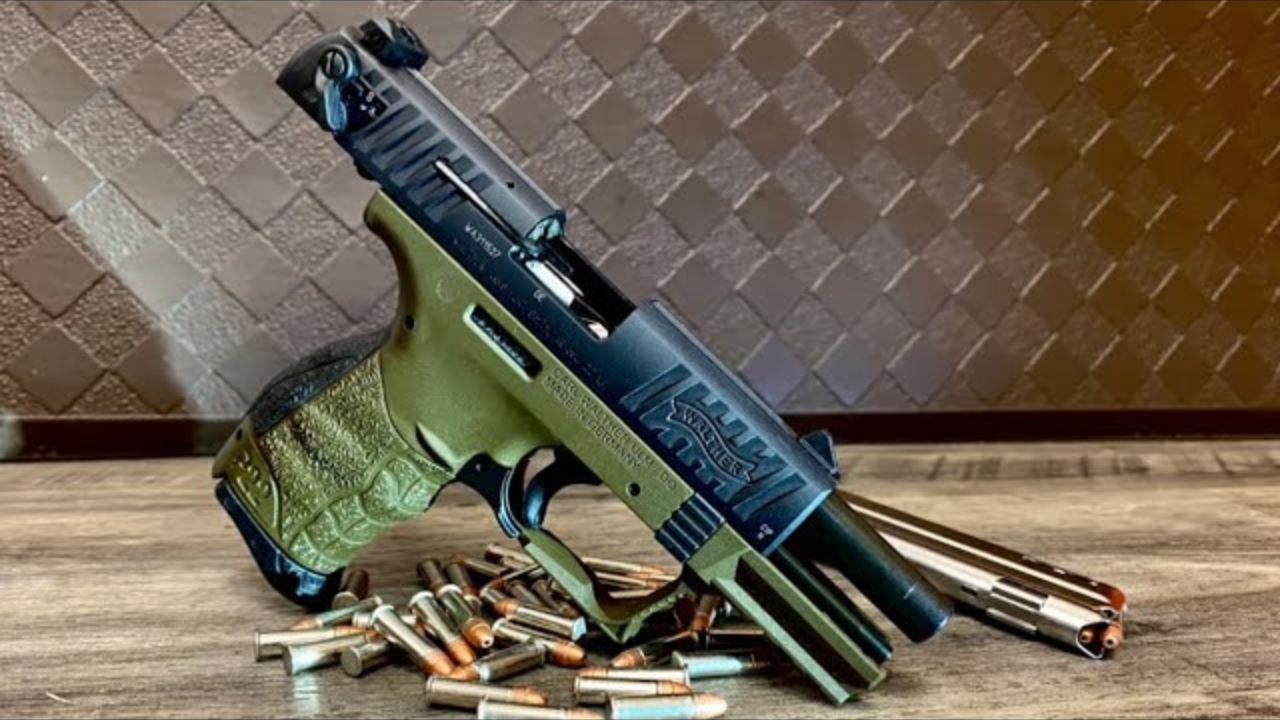
The Walther P22 became popular because it looked and felt more like a defensive handgun than a traditional target-style rimfire pistol. It was compact, threaded-barrel versions were suppressor-friendly, and the interchangeable backstraps were unusual when the pistol first appeared.
Its small slide and light recoil system, however, can be sensitive to residue and inconsistent .22 LR ammunition. A P22 that runs well with clean, high-velocity loads may begin short-stroking once carbon and wax accumulate around the chamber and breech face. Extractor wear and magazine condition can add another layer of trouble. Newer production has improved several details, but the P22 still tends to reward owners who clean it regularly and identify the ammunition it prefers instead of feeding it whatever is cheapest.
GSG 1911-22
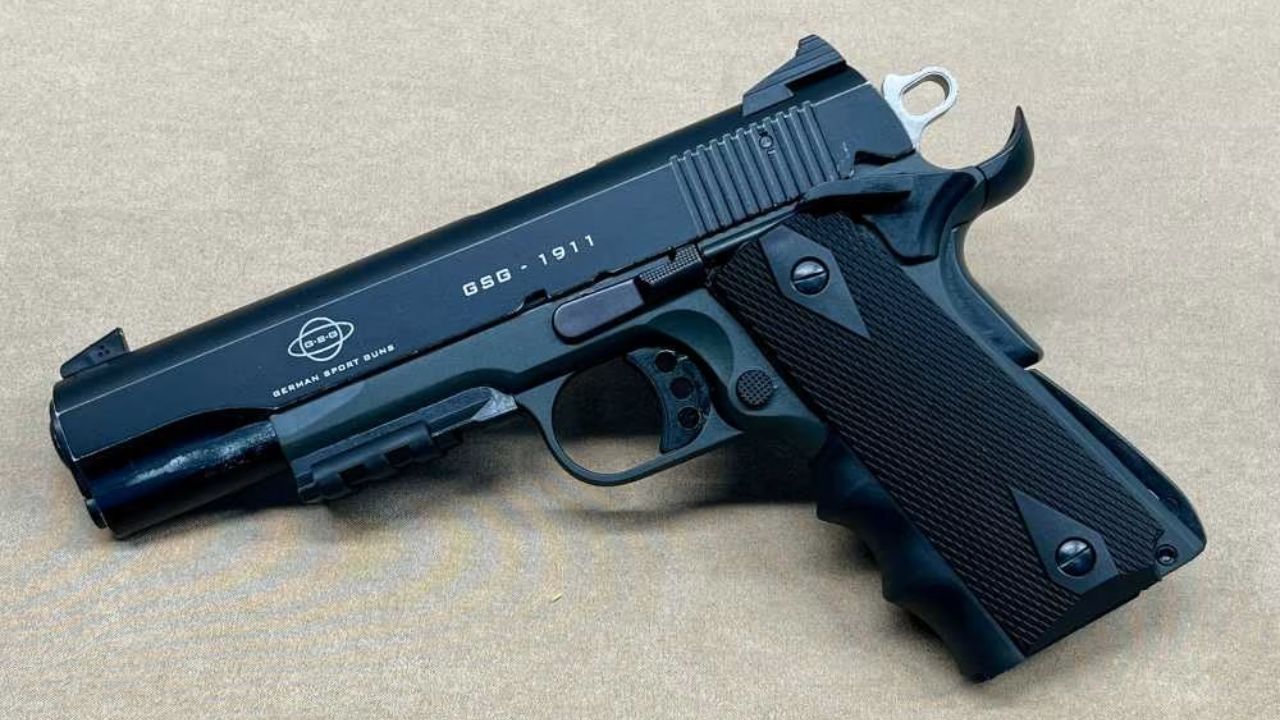
The GSG 1911-22 gives shooters the size and controls of a full-size 1911 without the cost or recoil of .45 ACP. It can be a useful training pistol, but its lightweight slide, rimfire chamber, and inexpensive internal components do not provide a huge tolerance for fouling.
After several boxes of dirty bulk ammunition, residue can build around the chamber, extractor, and slide rails. The pistol may begin producing failures to eject or rounds that do not fully chamber. Suppressor use can accelerate the process by sending even more debris back into the action. Keeping the chamber clean, using quality magazines, and replacing worn recoil components can make the GSG enjoyable. Treating it like a centerfire military pistol usually exposes its limitations.
Browning Buck Mark
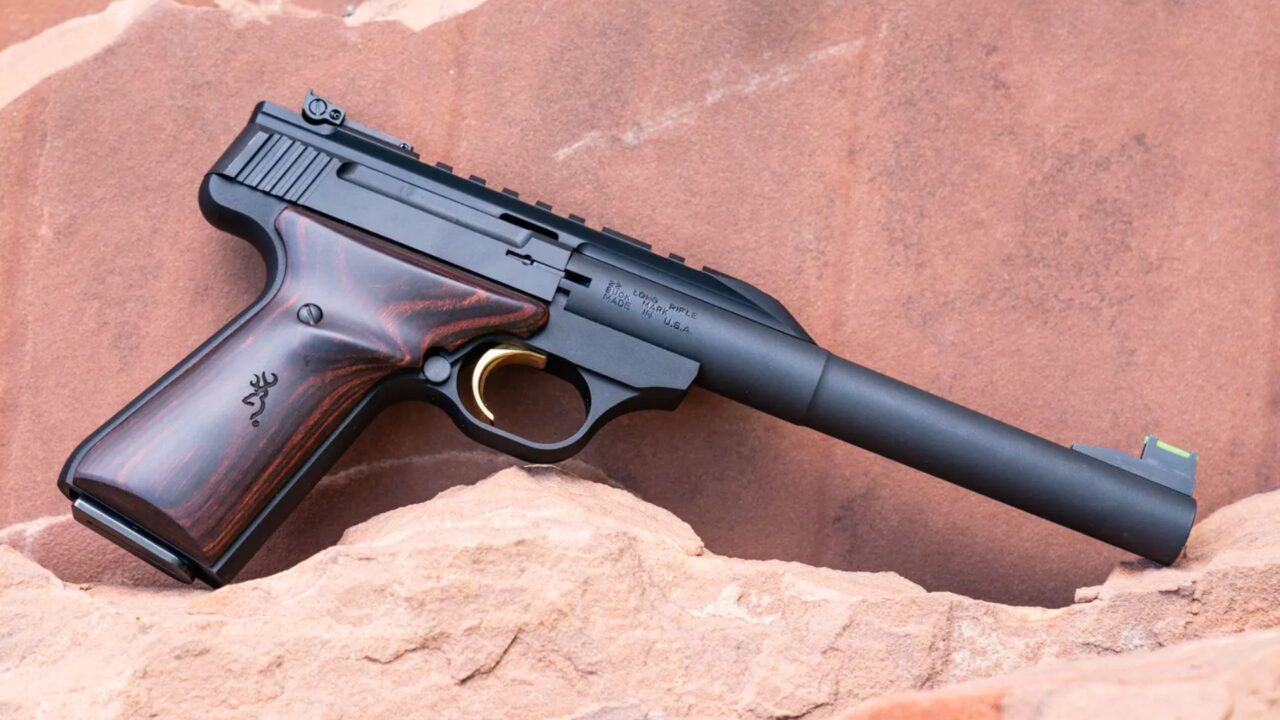
The Browning Buck Mark is accurate, comfortable, and generally dependable when maintained. Its weakness appears during extended shooting sessions with dirty ammunition, particularly because .22 LR deposits residue around the chamber and underneath the extractor.
As fouling builds, cartridges may stop seating completely or fired cases may become harder to pull from the chamber. The pistol’s top assembly and sight rail can also make deep cleaning less convenient than cleaning a basic service pistol. Most Buck Marks do not need obsessive attention, but competitive shooters and suppressor users often learn to clean the chamber before malfunctions begin. It remains an excellent rimfire pistol, just not one that can be expected to digest endless wax-coated bulk ammunition without eventually objecting.
Smith & Wesson Model 41

The Smith & Wesson Model 41 was built for accuracy rather than abuse. Its excellent trigger, target sights, and carefully fitted action made it a favorite among serious rimfire shooters. Those same characteristics give it less tolerance for cheap ammunition and accumulated residue than a rougher recreational pistol.
A dirty chamber can prevent a .22 LR cartridge from seating fully, while debris around the extractor can cause inconsistent extraction. Some Model 41 pistols also prefer standard-velocity target ammunition, making recoil-spring condition and slide movement especially important. Owners who clean the chamber and use quality ammunition are rewarded with excellent accuracy. Shooters who expect it to function like a loose, inexpensive plinker may mistake a specialized target pistol for something it was never designed to be.
High Standard Supermatic Citation
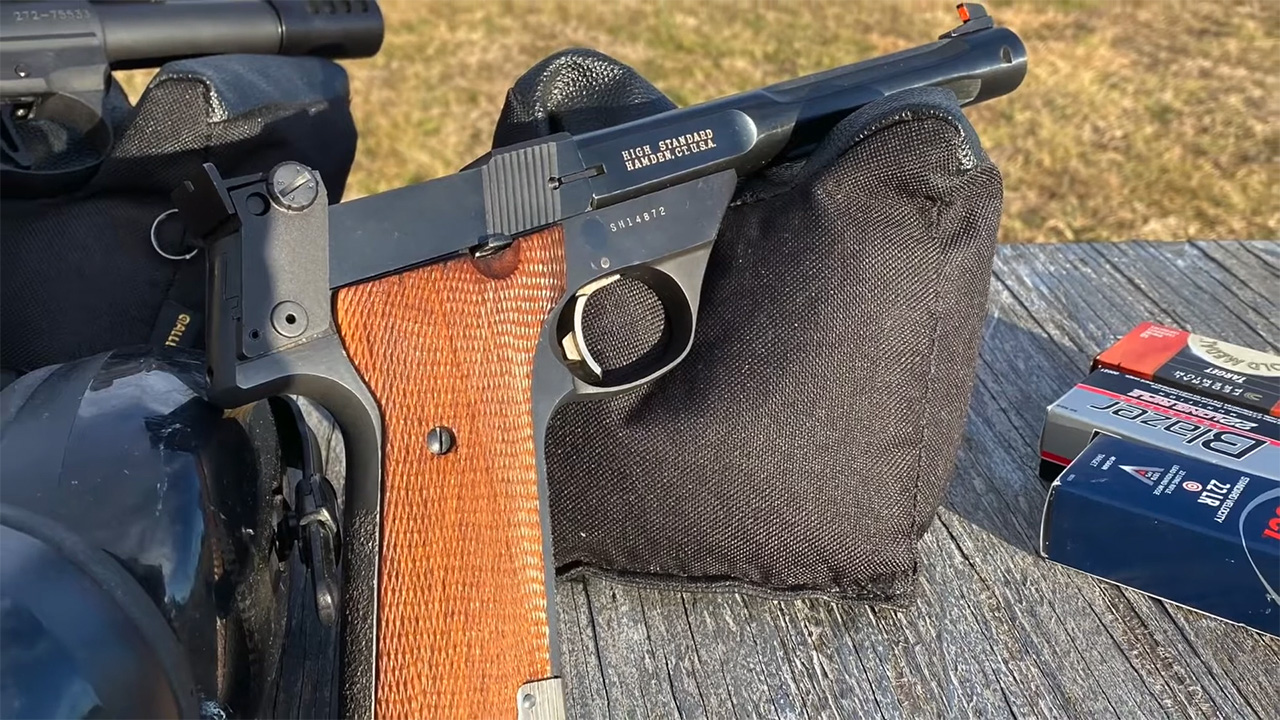
High Standard target pistols earned a strong reputation among bullseye competitors because of their excellent triggers and natural pointing characteristics. The Supermatic Citation could be remarkably accurate, but it was designed around target shooting rather than surviving long sessions with filthy bulk ammunition.
The magazine lips must be correctly adjusted, the chamber needs to remain clean, and the recoil spring must match the ammunition. When carbon and bullet lubricant begin collecting in the action, the pistol can develop failures that are difficult to diagnose because ammunition, magazines, springs, and fouling all affect the same cycle. A properly tuned Citation is a pleasure to shoot. A neglected one can turn a relaxing range trip into an extended magazine-adjustment session.
Ruger Mark III 22/45
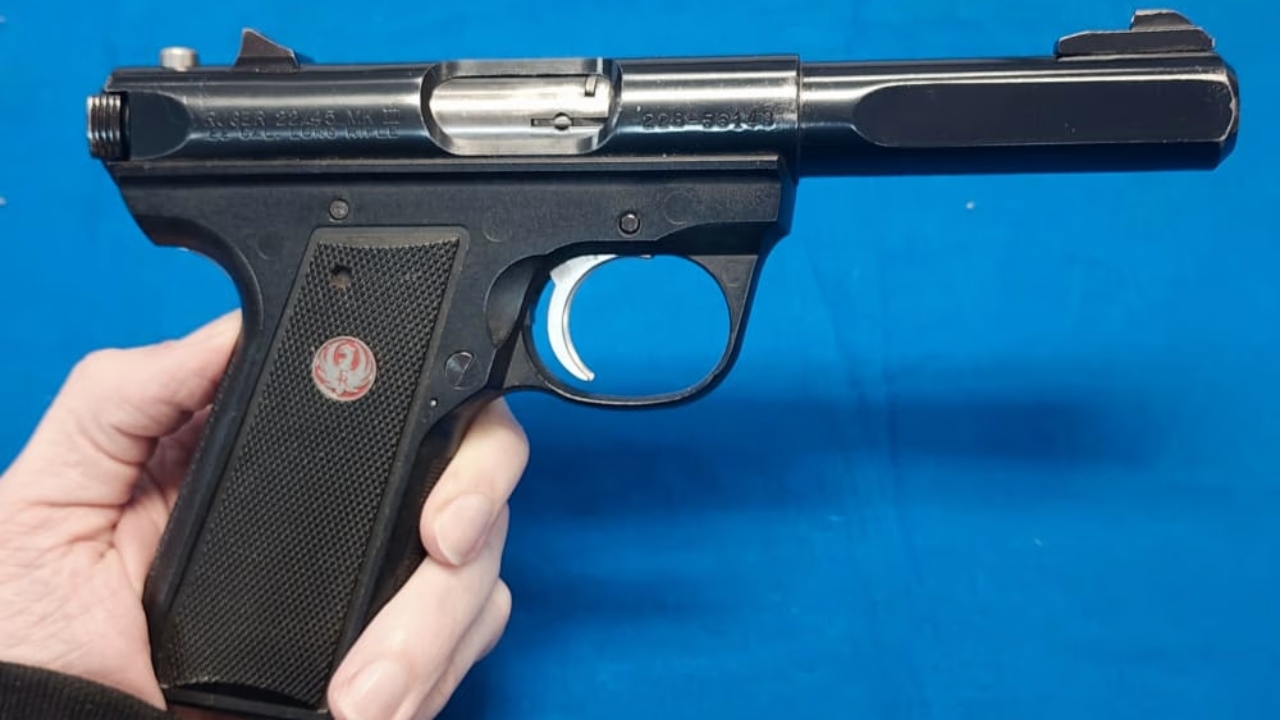
The Ruger Mark III 22/45 is mechanically durable and capable of firing an enormous number of rounds over its lifetime. That does not mean it will run endlessly between cleanings. Its enclosed receiver allows rimfire residue to accumulate around the bolt, chamber, extractor, and hammer area.
The pistol often keeps operating well past the point when it looks filthy, but eventually the bolt begins slowing and fired cases stop extracting cleanly. Suppressors make the buildup arrive even faster. The Mark III’s notoriously awkward disassembly process encouraged some owners to delay cleaning longer than they should. Once properly cleaned and reassembled, the pistol usually returns to dependable service. The issue is not fragility. It is how much dirt owners allow to accumulate because they dislike taking it apart.
KelTec PMR-30
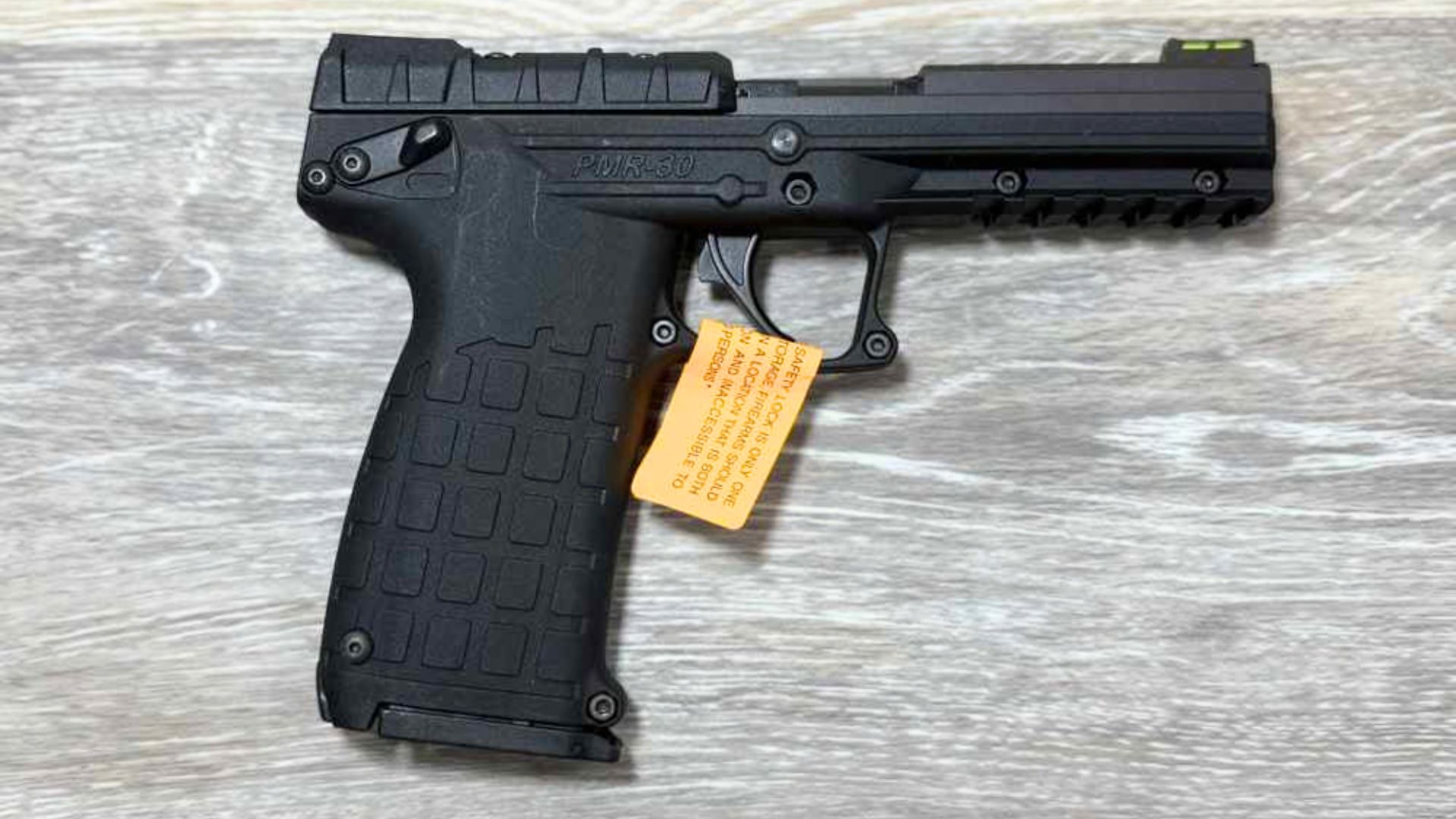
The KelTec PMR-30 provides 30 rounds of .22 Magnum in a pistol that weighs surprisingly little. That capacity comes from a long, double-stack magazine and a hybrid operating system that can be sensitive to ammunition, magazine loading, and cleanliness.
The .22 WMR cartridge varies considerably between manufacturers, and the PMR-30 relies on loads that produce enough pressure to cycle the action consistently. Residue around the chamber or resistance in the slide can turn marginal ammunition into repeated failures. Incorrectly loaded magazines may also allow cartridges to bind or create rim-lock problems. A clean PMR-30 with carefully loaded magazines and recommended ammunition can be extremely entertaining. Once dirty, dry, or carelessly loaded, it can become one of the fastest ways to practice malfunction clearing.
AutoMag Model 180

The original AutoMag Model 180 was one of the most ambitious semiautomatic pistols ever sold. It fired the powerful .44 AMP cartridge through a rotating-bolt system and used ammunition that was often formed from cut-down rifle brass. Nothing about the package was ordinary.
The pistol demanded proper ammunition dimensions, strong loads, correct lubrication, and careful maintenance. Carbon or dried lubricant could interfere with the bolt and accelerator system, while underpowered handloads might not cycle the action at all. The AutoMag was closer to a specialized hunting machine than a general-purpose handgun. Owners willing to learn its requirements could make it run. Those who treated it like a large 1911 often discovered that a little fouling was enough to expose every weakness in their ammunition or setup.
Laugo Arms Alien

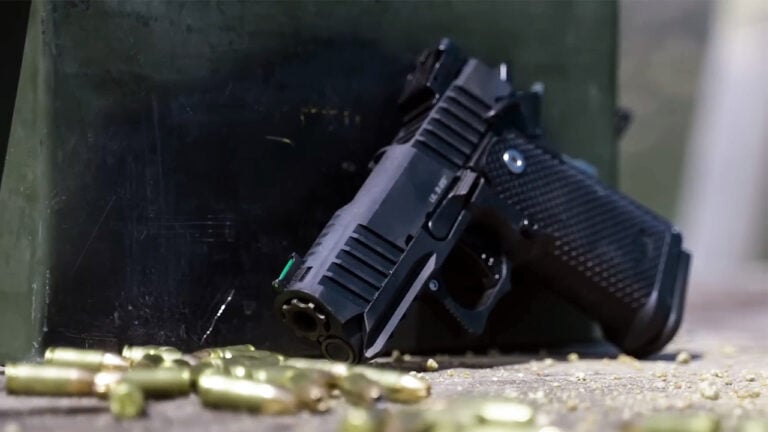
The Laugo Alien is one of the most advanced competition pistols currently available. Its fixed barrel sits unusually low in the frame, while the slide cycles beneath a stationary top rail that can hold the sights or optic. The design reduces muzzle rise and keeps the sighting system from moving with every shot.
That performance comes from an unconventional gas-delayed operating system that requires more attention than a basic Browning-style action. Carbon accumulates around the gas piston and related surfaces, especially during high-round-count matches. As deposits increase, the action can become sluggish unless the pistol is cleaned on schedule. The Alien was designed for shooters who maintain expensive competition equipment, not owners who throw a dirty pistol into a range bag and forget about it for six months.
Tight-Fitted Custom 1911s

This final entry is broader because the problem is not limited to one manufacturer. High-end 1911 builders often reduce mechanical play to improve consistency, trigger feel, and accuracy. A properly fitted custom pistol can still be reliable, but extremely tight examples have less space for carbon, dust, and dried lubricant.
A loose military-style 1911 may continue cycling even when it rattles and looks filthy. A match-fitted pistol may begin slowing once residue accumulates along the rails, barrel hood, locking lugs, or disconnector track. Builders such as Les Baer, Nighthawk Custom, Wilson Combat, and Ed Brown know how to produce dependable pistols, but owners still need to understand what they purchased. Precision machinery usually expects better maintenance than a loose duty gun.
Like The Avid Outdoorsman’s content? Subscribe to our newsletter so you never miss an article.
Here’s more from us: