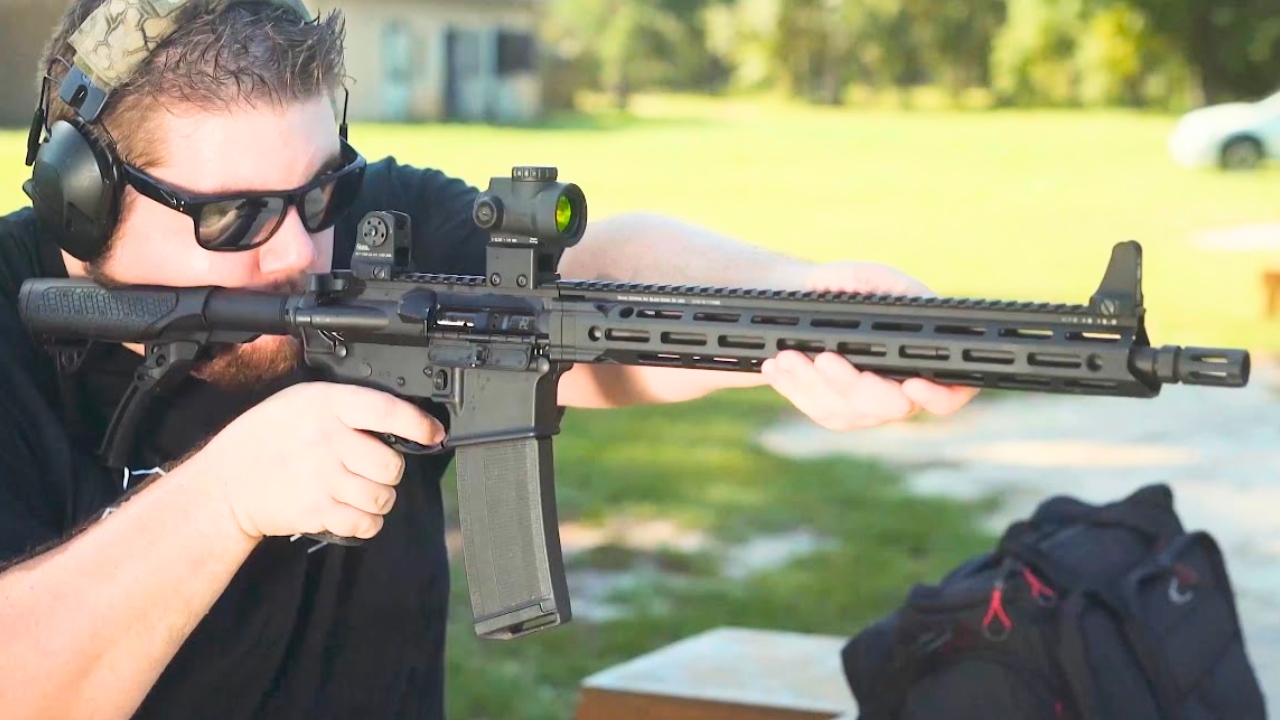
Photo credit: TheGunCollective/YouTube
Steel-case ammo might be cheap, but not every rifle is built to run it. Some guns chew through it without issue, while others start acting up after just a mag or two. You get stuck cases, extraction problems, and premature wear in places that aren’t easy—or cheap—to fix.
The truth is, steel’s harder on extractors, burns a little dirtier, and doesn’t expand in the chamber the same way brass does. If you’re thinking of feeding your rifle the cheap stuff, these are the ones that are better off sticking with brass.
Smith & Wesson M&P15

The M&P15 is a solid entry-level AR, but it’s known to get picky with steel-case ammo. Some shooters have reported cycling issues, especially when running lacquered or dirty steel rounds. The extractor isn’t always up to the task long-term.
It’ll probably run it fine for a bit, but you’ll see more failures and faster parts wear if you stick with it. For a budget rifle, it’s better to keep things clean and feed it brass if you want to keep it running smooth.
Springfield Saint

The Saint is well-built, but it runs tighter than some other ARs—and that makes steel ammo more of a gamble. Dirty steel cases can hang up, and the extractor gets worked harder than it should trying to pull them free.
If you do use steel, keep it clean and expect more regular maintenance. This rifle performs great with quality brass, but you’ll start noticing issues if you cheap out on ammo. It’s not worth the wear for the few bucks you save per box.
Savage Axis II

The Axis II is a solid bolt gun for the money, but it doesn’t love steel-case ammo. Extraction issues and sticky chambers aren’t uncommon when running anything other than brass. Steel doesn’t seal as well, so fouling builds up faster.
This rifle is accurate and reliable—if you feed it decent ammo. Go with steel, and you’ll likely end up scrubbing carbon from the chamber and replacing an extractor sooner than you’d like. It’s just not built for that kind of abuse.
Daniel Defense DDM4

Daniel Defense rifles are known for tight tolerances and smooth operation—but they’re not forgiving when it comes to cheap steel. The chamber fit is precise, and steel doesn’t expand the same way, which can lead to stuck cases or rough cycling.
It’s a premium rifle, and treating it like a budget beater with dirty steel ammo is asking for trouble. You’ll shorten the life of parts and lose the reliability that makes these rifles worth the money in the first place.
Ruger Mini-14 (Newer Production)

Older Mini-14s were a little more forgiving, but newer ones with tighter chambers don’t always get along with steel. Blowback from poorly sealed cases can cause more fouling, and the extractor takes a beating trying to keep up.
Some shooters can get away with it, but if you’re noticing short strokes or stuck cases, that’s probably why. It’s a rugged rifle, but it’s still happier when it’s running clean brass ammo instead of bargain-bin steel.
Remington 700

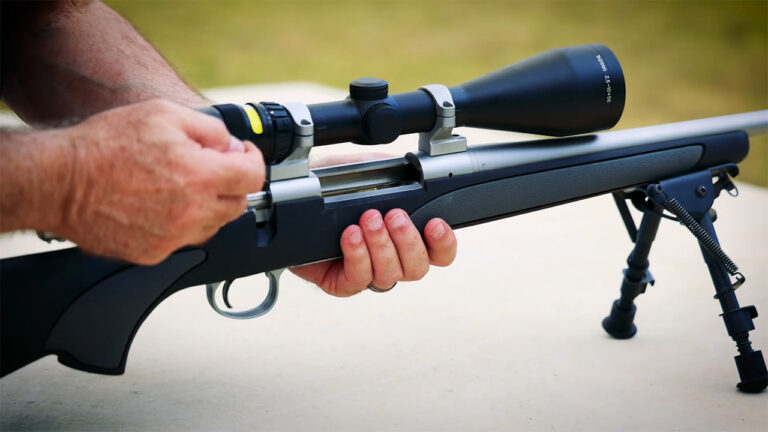
It might sound obvious, but the Remington 700 was never meant for steel-case ammo. The tight bolt throw and precise chamber mean that steel—especially with bi-metal jackets—causes more wear and potential extraction issues over time.
It’s a precision rifle, not a truck gun built to eat whatever’s on sale. You might not notice a problem right away, but long-term use of steel will wear out the extractor faster and leave you with fouling that brass simply doesn’t cause.
Sig Sauer MCX

The MCX is built to perform, but steel-case ammo tends to gum things up faster than usual. The design allows for some flexibility, but most users report smoother cycling and better reliability when sticking with brass.
It’ll run steel in short bursts, but extended sessions bring out stuck cases and premature extractor wear. You paid a premium for a rifle like this—it’s smart to feed it ammo that matches the quality it was built for.
Tikka T3x

Tikka rifles are known for tight groups and slick bolts, but they don’t play well with steel. The chamber fit is precise, and steel doesn’t always extract clean, especially after the barrel heats up. You’ll find yourself forcing the bolt open more than you’d like.
It’s a rifle built for accuracy, not for abuse. Running steel through it won’t wreck it immediately, but you’ll lose some of that smoothness and reliability over time. Stick to quality brass to get the performance you paid for.
Colt LE6920

The LE6920 is a proven rifle, but it’s not immune to the issues steel-case ammo brings. You’ll see more carbon buildup, faster wear on the extractor, and an overall drop in reliability if you push it too hard with cheap rounds.
Colt built this rifle to be dependable, but part of that equation includes feeding it decent ammo. It’ll run steel for a bit, but don’t be surprised when you start chasing malfunctions. Keep it clean and feed it right, and it’ll return the favor.
Remington R15

The R15 is a hunting-focused AR platform, and like most hunting rifles, it was never intended to eat steel all day. Light-profile barrels and tight chambers don’t mix well with dirty, underpowered, or lacquer-coated steel rounds.
You might get away with it here and there, but long-term it’ll lead to extraction problems and wear you didn’t bargain for. If you’re heading out after predators or hogs, spend the extra cash on brass—you’ll get more reliable performance and less downtime.
*This article was developed with AI-powered tools and has been carefully reviewed by our editors.