Photo credit: Rattanavan Baunoi/istock.com
There are plenty of people who look outdoorsy right up until equipment stops cooperating. They’ve got the clothes, the pictures, the opinions, and all the right words, but the minute something quits working, the whole identity starts wobbling. That’s when you find out whether a man actually knows his way around outdoor problems or just knows how to participate when everything is charged, fueled, adjusted, and easy. I’ve been around enough camps, hunting trips, equipment sheds, and parking-lot repairs to know the difference is usually obvious within a few minutes. A truly outdoorsy man doesn’t need everything to run perfectly to stay useful. He might not know every answer immediately, but he knows how to settle down, start checking, and work through the issue without acting like the day is over because a zipper broke or a motor got finicky. The fake version of outdoorsy disappears fast when the gear stops making him look capable and starts asking him to actually be capable.
The first sign is panic over ordinary problems
One of the clearest signs a guy is only outdoorsy on the surface is how quickly he unravels over normal field problems. I’m not talking about major emergencies. I’m talking about things that happen all the time. A stove won’t light. A headlamp starts blinking because the batteries are dying. The truck throws a minor fit. A scope gets bumped. A drag strap disappears. The outboard runs rough. A tent pole snaps. These are not rare acts of God. These are regular parts of spending enough time outside to have gear and plans tested by reality. When a man treats every routine hiccup like a full collapse, what he’s really showing is that his version of outdoorsy depends on ideal conditions. He knows how to enjoy the trip. He may even know how to dress for it. But he has not spent enough time handling the part where weather, tools, machines, and timing stop cooperating. That’s usually where real experience starts separating itself from a polished image.
Actual outdoorsmen learn systems, not just products
Something else I’ve noticed is that surface-level outdoorsy guys tend to know brands better than systems. They can tell you what rifle, pack, cooler, boots, blind, or jacket they bought, but they struggle when the conversation shifts from ownership to function. They know what they have, but not how it works, how to diagnose it, or how to get around it when it fails. Real outdoorsmen usually grow into the opposite. The longer you do this stuff, the more you start caring about fuel systems, battery life, weather patterns, insulation layers, knot strength, optics mounting, drainage, strap placement, field repairs, and all the boring little details that keep a trip from unraveling. That’s why some men look less flashy and still end up being the most reliable ones in camp. They’ve spent enough time seeing gear fail to stop worshiping gear and start learning the logic behind it. I like dependable equipment as much as anybody, and I’ve got brands I trust, but I trust a man more when he understands what the gear is doing than when he just knows what logo is stamped on it.
Confidence gets real quiet when a machine won’t start
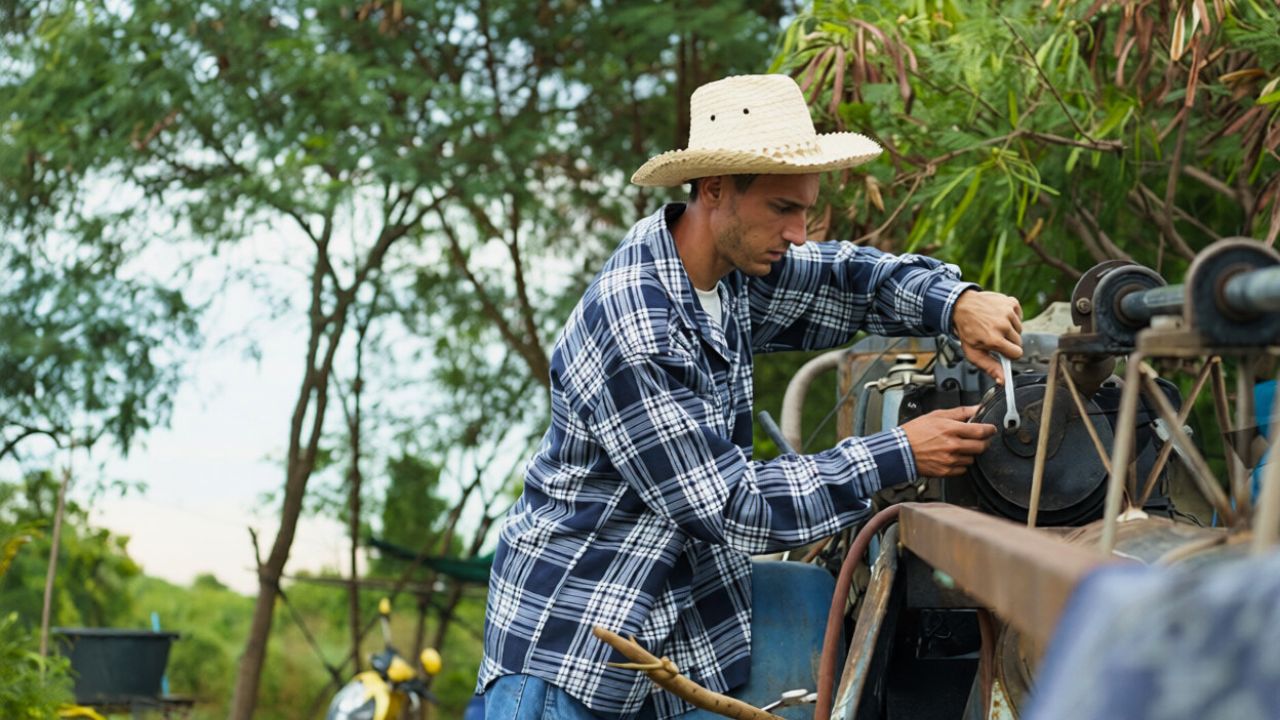
Nothing strips the costume off fast like something with a motor or a battery refusing to behave. I’ve seen guys go from loud and opinionated to silent and slippery in about thirty seconds when an ATV won’t crank, a boat won’t fire, or a generator suddenly acts dead. That’s because outdoor identity is easy when the machine is doing the work for you. It gets a lot less fun when you have to troubleshoot under pressure with cold hands and other people waiting. A man who’s actually been around equipment doesn’t always fix it instantly, but he usually goes methodically. He checks fuel, kill switches, cables, battery connections, plugs, settings, and the last thing that changed. He has some patience. He has some process. The pretend version starts mashing buttons, jerking cords, repeating the same mistake, and talking like the machine is mysterious instead of mechanical. That difference matters. One man responds like he has lived through enough breakdowns to know they happen. The other responds like adversity itself is some kind of personal insult.
Organization is usually the hidden part of competence
A lot of people think “outdoorsy” means rugged, spontaneous, and a little chaotic. In reality, the most dependable guys I know are usually more organized than they look. That’s because working outdoors with real equipment punishes disorder hard. If a man can never find spare fuses, can’t tell which bag holds what, doesn’t know where his multi-tool ended up, and has to dump half his truck bed onto the ground to reach something important, I start doubting how much time he’s actually spent doing this at a serious level. Disorganized people can still have fun outside, but they tend to become dead weight when something quits working because now the problem is not just the breakdown. The problem is also that their tools, spares, and backups are buried under a mountain of poor planning. That’s why I appreciate practical gear that keeps itself sorted out. A durable tackle or utility bag from Bass Pro’s White River or Ascend lines is not glamorous, but it helps because organization saves time exactly when frustration is trying to take over.
Real outdoorsmen expect things to go wrong
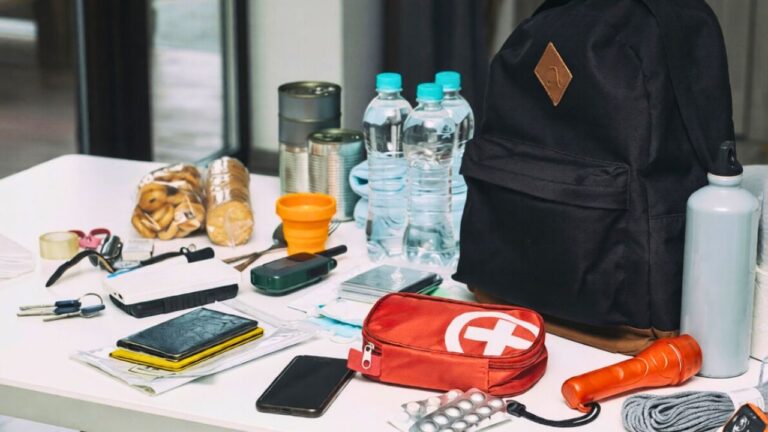
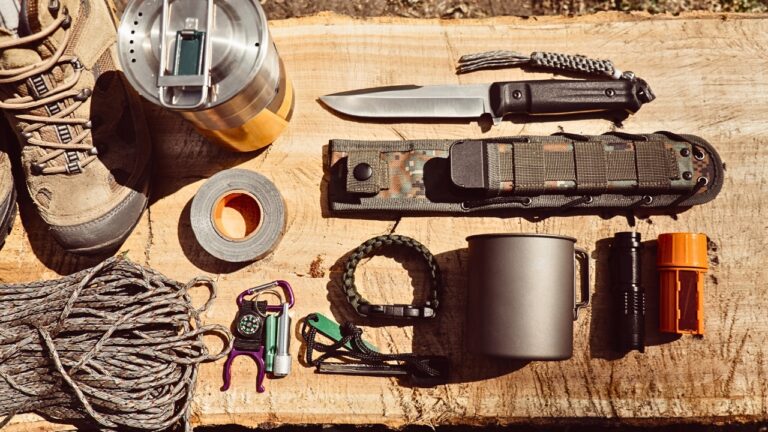
That may be the biggest difference of all. Men with real outdoor experience build their plans around the assumption that something will eventually go sideways. They carry extras. They think about weather changes. They keep repair stuff nearby. They understand that mechanical things break, batteries die, straps tear, boots get soaked, and routes get blocked. That expectation doesn’t make them negative. It makes them realistic. The guy who’s only outdoorsy as long as things are pretty and functioning tends to build his whole identity around the smooth version of the trip. So when the rough version shows up, he doesn’t just have a problem. He has an identity crisis. Now he’s cold, confused, and trying to act above the very kind of work the rest of the group assumes is normal. I’ve come to trust the man who already packed like something would fail, because that usually means he has enough scar tissue to know that eventually something always does.
The truth comes out when help is needed, not when pictures are taken
These days I don’t judge an outdoorsman by how he looks leaning against a truck or how expensive his setup is laid out on a tailgate. I pay attention when the boat is taking on water from a bad plug, when the camp stove is acting up in the wind, when the trailer light won’t cooperate in the dark, or when a storm changes the whole plan in an hour. That’s where the truth comes out. The useful men get calmer. The fake ones get louder, touchier, or strangely unavailable. They drift toward the fire, the snacks, or the nearest conversation while the practical work starts happening without them. You can learn a lot about a man by how he handles inconvenience outside. If he stays steady, stays involved, and keeps working the problem without making a scene, he’s probably the real thing. If his whole outdoorsy identity depends on things operating smoothly enough that he never has to show any real competence, it usually won’t hold up for long once something quits working.
Like The Avid Outdoorsman’s content? Subscribe to our newsletter so you never miss an article.
Here’s more from us: