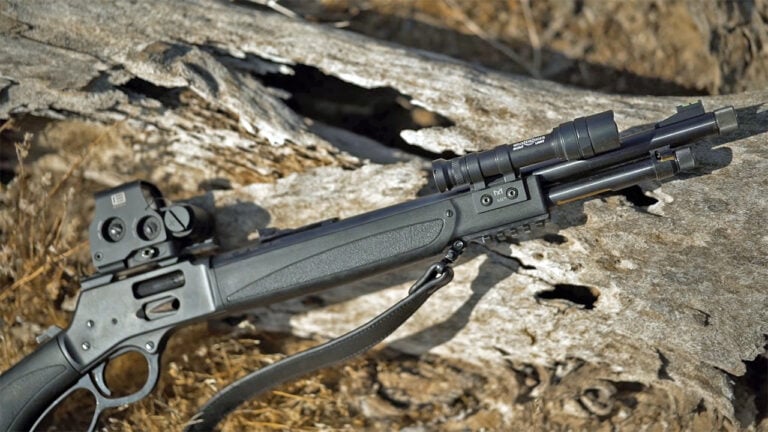
Photo credit: Savage Arms
A budget rifle can do a whole lot better than some people give it credit for. There are plenty of hunters carrying affordable bolt guns that shoot well enough, hold zero just fine, and put venison in the freezer year after year. The trouble is not that a lower-priced rifle automatically falls apart the second it leaves the store. The trouble is that cheaper rifles usually leave less room for neglect, bad add-ons, rough handling, and dumb habits. A rifle built to hit a price point can still be a dependable hunting tool, but it usually does not have the same cushion for abuse that a better-finished, better-fitted rifle might. That is why some budget rifles make it through several seasons looking and shooting fine, while others feel half-worn-out after one rough fall. Most of the time, the rifle did not just “turn out bad.” It got dragged into a hard season with weak links already in place, then got finished off by moisture, dirt, cheap accessories, and owners who treated it like a shovel with a trigger.
Moisture does more damage than most hunters realize
The fastest way to make a budget rifle start acting tired is to keep exposing it to moisture and then pretending a quick wipe on the outside counts as maintenance. A lot of guys come in from rain, fog, sleet, or a damp morning sit, lean the rifle in a corner, and think they will deal with it later. Then later turns into two days, and the moisture that worked its way into the action screws, scope base screws, sling studs, magazine parts, and hidden metal surfaces starts doing exactly what moisture always does. On a more expensive rifle with better coatings and tighter overall finishing, you may get away with that laziness a little longer. On a budget rifle, especially one with basic bluing or thin protective finishes, rust can start showing up fast in the places people do not check until something binds, loosens, or stops feeling right. Even if the outside still looks decent, that does not mean the inside of the action, the bore, or the small hardware escaped clean.
The stock matters too, and this is where cheaper rifles can get pushed around more than people expect. Synthetic stocks on affordable guns are usually practical, but they are not always especially rigid, and repeated moisture, mud, grime, and rough use can expose all the weak spots around bedding surfaces and contact points. If a rifle gets soaked over and over, stuffed into a soft case wet, and hauled around in the back of a truck without being dried out properly, you can wind up with corrosion, shifting hardware tension, and little accuracy problems that seem random until you finally trace them back to field moisture and neglect. Hunters love blaming ammo when groups start opening up, but sometimes the real problem is that the rifle spent a season damp, dirty, and half-cared-for while the owner kept telling himself it would be fine.
Cheap optics and mounts make a budget rifle look worse than it is
A lot of “bad rifle” stories are really stories about bad glass and even worse mounting hardware. This happens constantly with budget builds. A hunter buys an affordable rifle, then throws on the cheapest scope he can find, uses bargain rings, and expects the whole setup to perform like one solid system. When the point of impact starts wandering, the rifle gets blamed first. That is understandable, but it is often wrong. Weak rings, base screws that were never torqued properly, a scope that does not track consistently, or glass that cannot handle bumps and recoil will make a decent rifle look unreliable in a hurry. The frustrating part is that this kind of problem can show up in ways that waste a whole season. A guy will chase his zero, burn through ammo, change loads, and start doubting the rifle itself when the real issue is sitting right above the receiver.
Budget rifles suffer more from this because the people buying them are often trying to save money across the whole setup, not just on the firearm. That is where things go sideways. It is one thing to buy a lower-cost rifle and run it with smart, proven accessories. It is another thing entirely to stack compromises on top of each other until there is no stable part of the system left. The rifle may have been capable of solid hunting accuracy all along, but the optic setup never gave it a fair shot. One rough season of bouncing around in a truck, getting slung over shoulders, leaning against trees, and taking small knocks in camp is enough to expose every weak point in a cheap scope-and-mount combo. By the time the hunter notices, he is usually convinced the rifle is junk, when in reality he built a shaky setup and then asked it to survive the woods.
Dirt, grit, and bad cleaning habits wear them down fast
A hunting rifle does not need to stay spotless, but it does need basic care, and budget rifles do not respond well when dirt and bad cleaning habits pile up together. Dust, pine needles, grit, dried mud, powder fouling, and bits of plant trash all have a way of finding their way into actions and magazines during a season. That is normal. The issue is what happens afterward. Some hunters over-clean and do more harm than good by jamming rods in carelessly, using the wrong tools, or going way too hard with solvents and brushes. Other hunters go the opposite direction and barely clean the rifle at all until the bolt feels rough, the magazine starts hanging up, or the bore has been ignored so long they cannot remember the last time they ran a patch through it. Neither extreme does a budget rifle any favors.
What really wears them down is the combination of grime plus rough handling during maintenance. A cheaper rifle can keep working a long time, but it often has rougher machining marks, less polish in the action, and less forgiveness when trash starts building up in the wrong place. If the owner is already the kind of guy who wipes the exterior with an oily rag and calls that a full service, he is letting all that grit stay in the spots that actually matter. Then, when he finally decides to clean it, he may overtighten screws, lose track of torque values, scratch the crown, or drench everything in oil and create an even better sludge trap for the next trip. That cycle makes a rifle feel worn long before it is truly shot out. Most budget guns are not dying from high round count. They are getting slowly dragged down by neglect mixed with clumsy upkeep.
Hard transport and poor storage finish the job
One hard season can be brutal on a rifle that gets hauled carelessly. A lot of hunters baby their rifle at the range and then toss it around during season like it is just another piece of camp gear. It rides loose in the truck, bangs against tools, gets cased wet, sits by a heater, then goes right back into cold air the next morning. It gets leaned muzzle-down into dirt, dropped onto gravel at the tailgate, and shoved into packed closets or crowded safes after the hunt without being checked over. Every one of those habits adds up. Stocks get dinged, crowns get abused, screws loosen, scope caps stop sealing well, and zero becomes less trustworthy than it ought to be. Again, any rifle can suffer from that kind of treatment, but cheaper rifles usually have fewer premium touches protecting them from careless transport and poor storage.
Storage is where hunters quietly ruin a lot of decent guns. A soft case is fine for getting to and from the field, but leaving a damp rifle zipped up in one is a great way to trap moisture exactly where you do not want it. The same goes for shoving a wet rifle into a safe without letting it come to room temperature and dry fully first. That kind of lazy end-of-day routine is brutal on metal surfaces and hidden hardware. Then, when next season rolls around, the rifle comes out with a rough-feeling bolt, suspect screws, surface rust, or mystery accuracy issues that feel like they appeared overnight. They usually did not. They spent months developing because the rifle was put away wrong after a hard season and nobody bothered to make sure it was actually clean, dry, and ready for storage.
Most “worn-out” budget rifles are really neglected systems
The truth is that a budget rifle can hold up better than people think when it gets treated like a serious hunting tool instead of a cheap placeholder. Most of the time, what ruins one after a single hard season is not one dramatic failure. It is a stack of smaller mistakes that all push in the same direction. Rain gets ignored. Rust starts small. Scope screws loosen. Cheap rings shift. Dirt stays in the action. The rifle rides around loose. It gets put away wet. Then the owner heads to the range, sees bad groups, and decides the gun was never much good to begin with. That story gets repeated all the time, but it leaves out the part where the rifle spent months being tested by weather, neglect, and bad decisions. A budget rifle is usually not asking for perfection. It is asking for a little honesty and a little care.
That is really the difference. Hunters who get long life out of affordable rifles tend to do simple things consistently. They dry them off. They check screws. They use decent mounts. They clean with some common sense. They store them right. They notice small changes before those changes turn into real problems. Hunters who burn one up in a season usually want the rifle to survive abuse that would not be smart for any firearm, then they act surprised when the cheaper setup shows its limits first. A budget rifle can absolutely earn its keep, but it cannot overcome every weak point around it. If you want one to last, you have to quit asking it to carry the full weight of a bargain-basement setup and careless field habits. That is what really ruins them, and it happens a whole lot more often than people want to admit.
Like The Avid Outdoorsman’s content? Subscribe to our newsletter so you never miss an article.
Here’s more from us: