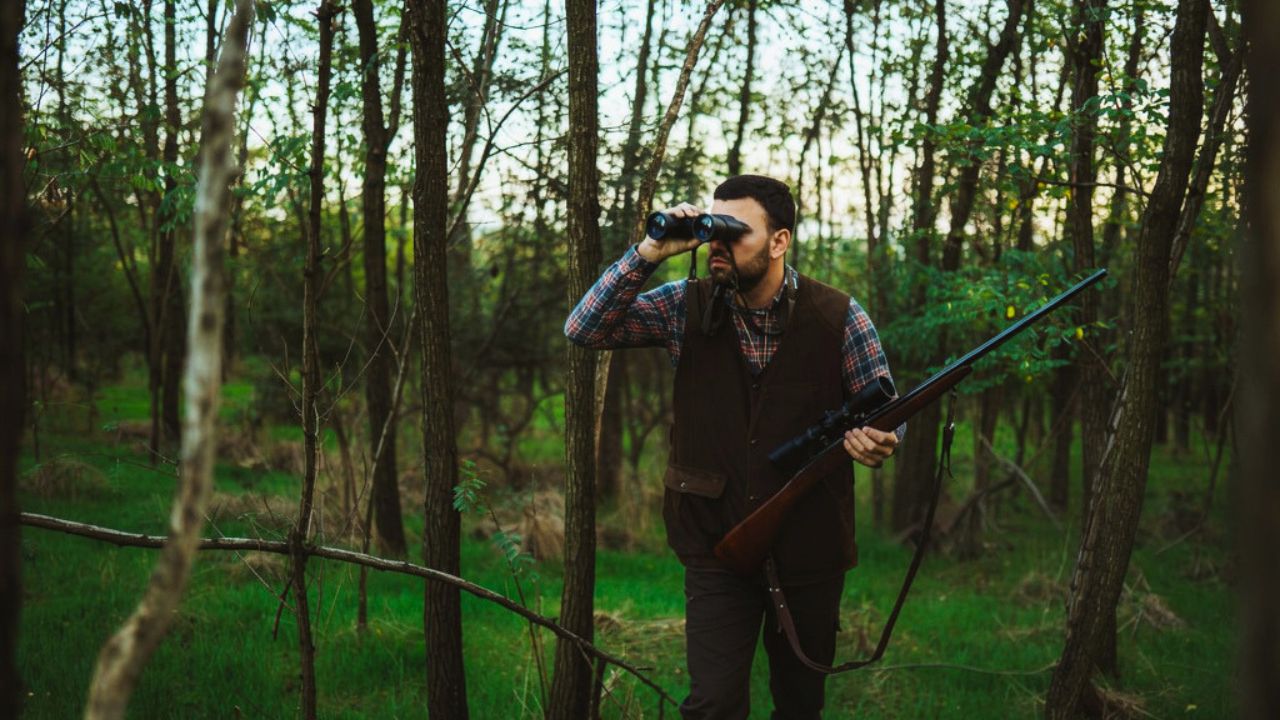
Photo credit: Obradovic/istock.com
This is one of the more frustrating situations in hunting. You find a spot that checks every box. The terrain makes sense, the sign is there, the setup feels right, and everything about it says it should produce. But it doesn’t. You sit it a few times, maybe more than a few, and nothing happens. Not even close calls. Just empty sits that leave you wondering what you’re missing. That kind of spot can mess with your confidence because it feels like the problem has to be you. The ground looks too good for it not to work.
The truth is, some spots look better than they actually hunt. They have the right ingredients on the surface, but something underneath is off. It could be timing, pressure, access, or how animals are actually using the area compared to how it appears. The mistake most hunters make is sticking with it too long because it “should” work. But hunting isn’t about what should happen. It’s about what is happening. And if a spot keeps coming up empty, there’s usually a reason worth paying attention to.
The movement might be just out of reach
One of the most common issues is that you’re close, but not quite in the right place. The sign tells you animals are using the area, but your exact setup is just off enough to miss the real movement. Maybe they’re crossing 40 yards behind you. Maybe they’re skirting the edge of the cover instead of cutting through the middle. Maybe they’re using the same terrain feature, just at a slightly different elevation or line than you expected.
That’s what makes these spots tricky. You’re not wrong about the area being good—you’re just not dialed in on the exact travel path. A small adjustment in position can sometimes make a big difference, but only if you’re willing to question your original setup instead of assuming it’s already perfect.
Timing is not lining up with how you’re hunting it
Another big factor is when you’re hunting the spot. Some areas only produce under very specific conditions. That could be certain winds, certain temperatures, certain times of day, or certain points in the season. If you’re sitting it outside of those windows, it can feel like nothing is happening even though the spot may be active at other times.
This is where patience and observation matter more than repetition. Sitting a spot five times under the wrong conditions doesn’t prove it’s bad. It just means you haven’t matched it with the right timing yet. The key is figuring out when it actually wants to be hunted instead of forcing it on your schedule.
Access is quietly working against you
A spot can look perfect, but if your entry is putting pressure into it every time, you’re changing how animals use it before you even get settled. This is one of the most overlooked reasons a good-looking spot won’t produce. You may be walking through a bedding edge, crossing a key trail, or leaving scent in a place that alters movement just enough to keep things out of range.
The frustrating part is that this often goes unnoticed because everything still looks good when you arrive. The sign is there. The setup feels right. But the damage has already been done on the way in. Fixing this usually means rethinking your route, not your location.
Pressure from others is affecting the area
If you’re not the only one using the property, other hunters may be influencing that spot more than you realize. Even if you never see them, their presence can shift movement patterns just enough to make your setup unreliable. Animals may still be using the area, but at different times or in different ways than your stand allows for.
This is especially common on shared or public ground. A spot that looks untouched may actually be getting used from another direction you don’t see. That hidden pressure can make a good-looking location hunt poorly without giving you an obvious reason why.
You may be chasing what the spot used to be
Sometimes the issue isn’t the spot itself—it’s your expectation of it. Maybe it looked great during preseason scouting. Maybe it had strong sign at one point. But things have changed since then, and you’re still hunting it like nothing has. That’s how hunters get stuck. They keep going back because the spot once made sense, even though it no longer lines up with current movement.
Letting go of that expectation can be hard, especially when you feel like you’re close. But if a spot keeps failing to produce, it’s worth asking whether you’re hunting what it is now or what it used to be.
A good-looking spot still has to prove itself
At the end of the day, a spot doesn’t get to stay in your rotation just because it looks right. It has to produce under the right conditions. If it doesn’t, then something about it isn’t lining up, no matter how good it appears on the surface.
That doesn’t mean you abandon it completely. It means you reassess it honestly. Adjust if needed, test it under better conditions, or step away and come back later. But don’t keep forcing it just because it looks like it should work.
Because in hunting, the spots that actually produce are the ones that match reality—not the ones that just look good on paper.
Like The Avid Outdoorsman’s content? Subscribe to our newsletter so you never miss an article.
Here’s more from us: