

Photo credit: Den4is/Shutterstock.com
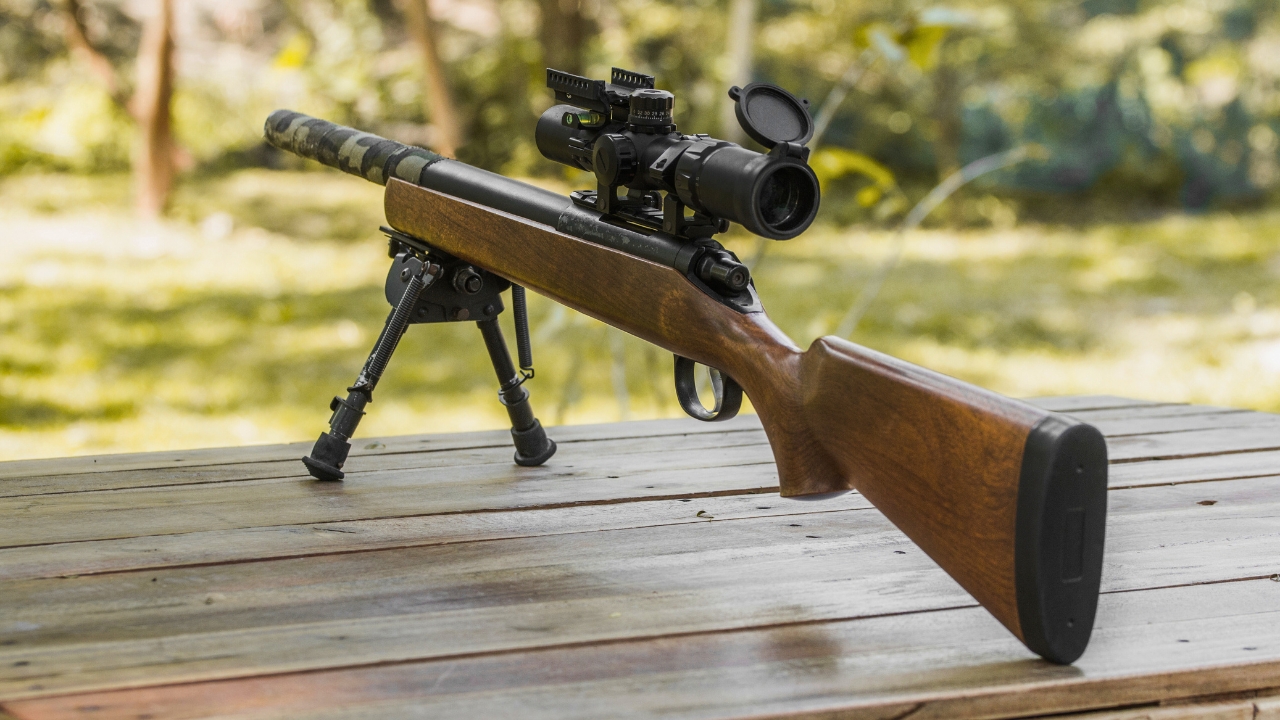
Buying a rifle scope seems easy—until you’re standing in front of a wall of them with no idea what really matters. There’s more to it than magnification and price tags. The right scope depends on how you shoot, where you shoot, and what you’re shooting at. This guide breaks down the stuff that actually makes a difference. Skip the hype and focus on the features that’ll help you hit what you’re aiming at when it counts.
Know Your Rifle’s Purpose First

Don’t even start browsing scopes until you know what the rifle will be used for. Hunting elk in the Rockies needs something different than punching paper at the range. A .22 plinker doesn’t need the same scope as a long-range precision rifle. Knowing your purpose helps narrow the field fast, so you’re not spending on features you’ll never use or skipping out on ones you’ll wish you had.
Don’t Chase Too Much Magnification

It’s tempting to go big on magnification, but more isn’t always better. High zoom can make your image shakier, narrow your field of view, and slow you down in close shots. For most hunting and general use, something in the 3–9x or 4–12x range is plenty. If you’re not shooting out past 500 yards regularly, don’t let marketing talk you into a scope built for a bench rest.
Understand First vs. Second Focal Plane
This one confuses a lot of folks. First focal plane scopes keep the reticle size proportional as you zoom, which is helpful if you’re dialing or holding over. Second focal plane scopes keep the reticle the same size, but your holdovers only work at one magnification. Neither is “better,” but knowing the difference helps you pick the one that fits how you shoot. Most casual hunters are just fine with second focal plane.
Pay Attention to Eye Relief

Eye relief isn’t just a comfort issue—it’s a safety one. If your scope sits too close and you’re shooting something with real recoil, you’ll end up wearing that scope ring on your eyebrow. Look for at least 3.5 inches of eye relief if you’re shooting anything with kick. Make sure it’s consistent through the zoom range too—some scopes lose eye relief fast at higher magnifications.
Don’t Skimp on Mounts and Rings

You can buy the best scope in the world, but if your rings and mount are junk, none of it matters. Poor mounting leads to shifts in zero, bad accuracy, and constant frustration. Don’t grab the cheapest set at the store—match your mount to your rifle and make sure it’s rock solid. Torque everything right and double-check after a few trips to the range. It’s worth the extra care.
Reticle Type Actually Matters

There are a hundred reticle options out there—simple duplex, BDC, mil-dot, and more. Pick one that fits what you do. If you’re a hunter who shoots under 200 yards, a basic reticle keeps things clean. If you’re stretching distance or shooting in wind, something with holdovers and marks makes a difference. Don’t let a cluttered reticle get in your way if you won’t use all the features.
Check for Low-Light Performance

If you hunt mornings or evenings, you need a scope that won’t turn the woods into a blurry mess when the sun dips. Larger objective lenses help, but lens coatings and glass quality matter more than size alone. Look for scopes with solid low-light reviews—not just specs on paper. You don’t need to spend a fortune, but this is one area where cheap glass usually shows its flaws.
*This article was developed with AI-powered tools and has been carefully reviewed by our editors.


