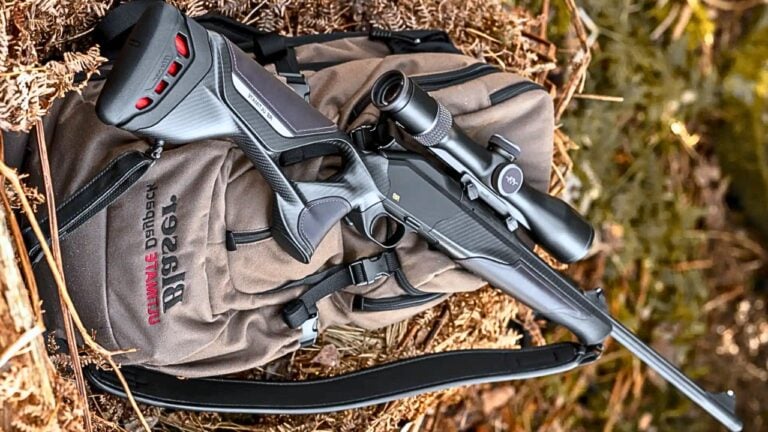
Photo credit: WHO_TEE_WHO/YouTube
Hunters do not keep old calibers alive out of nostalgia alone. A round stays in camps, gun racks, and truck seats because it keeps answering the same practical questions year after year. Can you find ammunition without turning it into a scavenger hunt? Can you shoot it well in a field rifle? Will it handle the game and terrain you actually hunt instead of the fantasy version of it? The cartridges that survive tend to survive for honest reasons.
That is why some calibers never really go away, even when newer rounds arrive with more speed, sharper marketing, or trendier numbers. Hunters keep coming back to rounds that are useful, predictable, and easy to live with. They may not all be exciting. They do not need to be. They still solve real problems in the woods, on the prairie, and in the mountains, and that is what keeps them relevant.
.30-30 Winchester

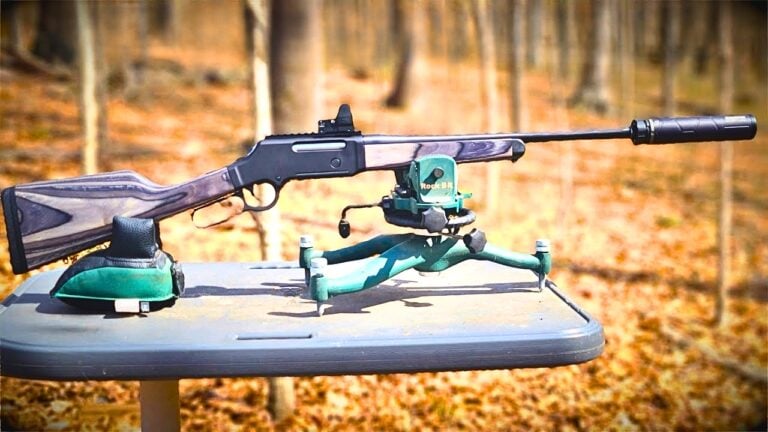
The .30-30 Winchester is still around because it keeps doing exactly what a lot of deer hunters need it to do. In thick woods, cutovers, creek bottoms, and short-range blinds, you do not need a cartridge built for distant steel or western wind calls. You need something that carries well in a handy rifle, points fast, and hits hard enough inside sane woods ranges. That is where the .30-30 keeps earning its place.
Hunters still use it because it solves the close-range deer problem without adding much complication. Lever guns chambered for it are compact, quick to shoulder, and easy to live with in real hunting country. Modern loads have helped stretch its usefulness some, but even without that, the .30-30 remains one of the clearest examples of a cartridge surviving because it still matches the job.
.30-06 Springfield
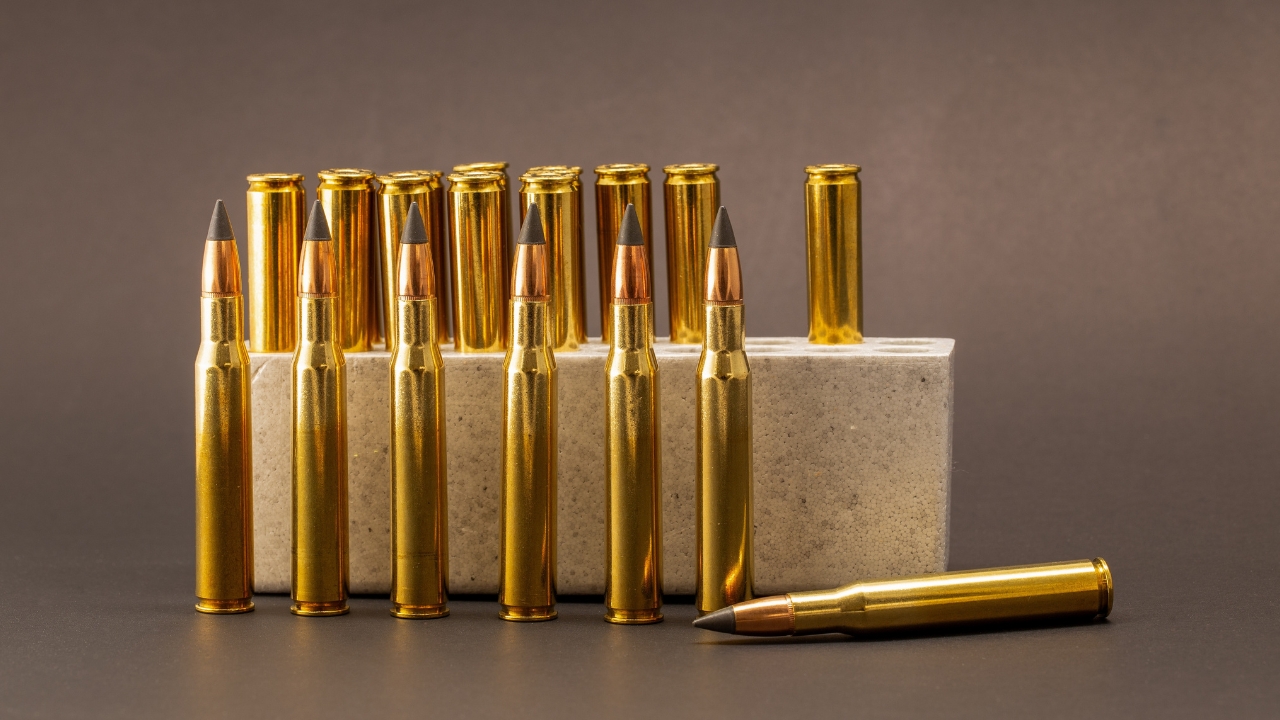
The .30-06 Springfield has stayed relevant because it refuses to get boxed into one narrow role. It can handle deer, elk, black bear, and a lot more with sensible bullet choices, and that wide usefulness matters to hunters who want one rifle they can trust across different seasons. When a cartridge can cover that much ground without being fussy, it tends to keep its place for a long time.
You also keep seeing it because it is practical in the way serious hunting cartridges need to be. Ammunition is common, bullet selection is broad, and the recoil is meaningful without being beyond what most experienced hunters can handle. That balance is why the .30-06 still solves a real problem: it gives you one versatile, proven answer when you do not want to overthink the rifle.
.308 Winchester

The .308 Winchester keeps showing up because it is one of the most practical all-around hunting rounds ever put on the market. It has enough power for a broad range of game, enough accuracy to keep experienced shooters happy, and enough common availability that you are rarely left wondering whether you can feed the rifle. That kind of practical reliability matters more than trend-driven excitement.
Hunters stick with it because it solves several problems at once. It works in compact rifles, it offers manageable recoil compared with larger magnums, and it remains one of the easier centerfire hunting rounds to find and shoot regularly. When a cartridge gives you broad ammo choice, solid barrel life, and dependable field performance, it earns long-term loyalty. The .308 did that years ago, and it is still doing it now.
.270 Winchester

The .270 Winchester remains a favorite because it still fills a very clean role for hunters who want reach without stepping into heavier recoil than they need. It has long been a strong fit for deer, pronghorn, and a lot of western-style hunting where flatter trajectory is genuinely useful. When a cartridge handles open-country work well and does not punish you excessively in practice, it tends to stay in circulation.
You still see hunters trust it because the formula has not really gone stale. The .270 gives you speed, practical bullet weights, and enough downrange usefulness to cover a lot of real hunting situations. It is not new, and that is part of why people underestimate it. But it keeps solving the same problem it always did: it gives you an efficient big-game cartridge that is easy to shoot well and hard to outgrow.
.243 Winchester

The .243 Winchester keeps its place because it solves a problem many hunters never stop having: finding a cartridge that offers light recoil without giving up real field usefulness. For younger shooters, recoil-sensitive hunters, and people who simply shoot better with milder rifles, that matters a great deal. A cartridge you can practice with comfortably usually gets used more, and used more often means shot placement tends to improve.
That is why the .243 still stays relevant. It can handle varmints and deer-sized game with the right bullets, and it does so without turning every range session into punishment. It is not the answer to every animal or every distance, but it was never meant to be. It keeps solving the problem of practical, low-recoil hunting performance, and that alone keeps it firmly in the conversation.
7mm Remington Magnum

The 7mm Remington Magnum has lasted because it gives hunters a combination that still matters: good reach, strong bullet selection, and real big-game usefulness. For mountain country, open ridges, and hunters who may need a little more distance flexibility, it keeps making sense. The 7mm bore has long had a reputation for offering efficient bullets, and that efficiency is a big part of why the cartridge never faded away.
Hunters keep using it because it still solves the problem of wanting more reach and authority without going all the way into the harder recoil and heavier rifle burden that often comes with larger .30-caliber magnums. It is not mild, but it remains very workable for experienced shooters. That balance of range, versatility, and field performance is why the 7mm Rem. Mag. still has a grip on serious hunting camps.
.45-70 Government

The .45-70 Government keeps hanging on because it still solves a very specific kind of hunting problem better than many newer rounds do. In thick timber, dark brush, close-quarters elk country, hog cover, and places where shots are short and authority matters, it remains a serious tool. You are not carrying it for flat trajectory. You are carrying it because heavy bullets at moderate range still do hard, reliable work.
That usefulness is exactly why hunters keep reaching for it. In a good lever gun, the cartridge gives you a short, handy rifle with real close-range punch. It is not a long-range answer, and nobody honest should treat it like one. But in the places where visibility is short and game is heavy, the .45-70 still solves a real problem with a level of confidence that keeps it alive.
.35 Remington

The .35 Remington remains useful because it still fits the hunter who works inside woods ranges and wants a cartridge that hits with a little more weight than the usual small-bore deer rounds. It never needed flashy numbers to stay relevant. It needed to work in the kind of country where shots are quick, brush is close, and deer are taken at practical distances instead of imagined long-range ones.
That is why hunters still speak well of it. The .35 Remington has always made sense in handy lever guns, and it still does. It is easy to dismiss because it is not fashionable and not especially fast, but speed was never the point. It solves the same problem it always did: a dependable, woods-ready deer cartridge with honest punch and uncomplicated usefulness.
.280 Remington

The .280 Remington stays respected by experienced hunters because it quietly covers a lot of ground without demanding much attention for it. It sits between louder names in the market, which is part of why it stayed underrated for so long, but that middle ground is also why it works. It gives hunters a very usable blend of flat enough trajectory, sensible recoil, and bullet weights that make it versatile on real game.
People keep using it because it still solves the problem of wanting one refined, flexible big-game cartridge without stepping into full magnum drawbacks. It is capable enough for western hunting, comfortable enough for regular practice, and broad enough in application to remain useful well beyond one narrow role. The .280 never needed a trend to stay good. It simply needed shooters willing to recognize what it had been doing right all along.
.25-06 Remington

The .25-06 Remington remains popular with the hunters who know it because it still answers a very specific need: flat shooting with relatively mild recoil. For pronghorn, deer, coyotes, and open-country hunting where you want speed without stepping into harder-kicking magnums, it remains one of the cleaner answers on the board. That combination has been useful for a long time, and it still is.
Hunters keep it around because it handles crossover duty well. It is light enough in recoil to encourage practice, yet fast enough to stay useful where distance and trajectory matter. That makes it especially attractive to hunters who want one rifle for varmints and medium game without carrying extra recoil or extra rifle weight they do not need. The .25-06 still solves that problem as well as it ever did.
.257 Roberts

The .257 Roberts keeps earning loyalty because it still gives hunters a mild-shooting, practical, and very usable deer cartridge that does not beat them up. It has never been the loudest name in camp, but it has always made sense for hunters who value clean field performance over raw numbers. For deer and pronghorn at sensible distances, it remains one of those cartridges that feels smarter the more time you spend with it.
You still see people hold onto it because it solves the problem of wanting a soft-kicking rifle that does real work. It is easy on the shoulder, accurate in good rifles, and effective without turning recoil into the center of the experience. That matters more than people admit. A cartridge that invites practice and still handles real hunting chores tends to stay loved, even when newer rounds get more attention.
6.5 Creedmoor

The 6.5 Creedmoor stays in use because it solved a modern problem cleanly: giving hunters and shooters a low-recoil cartridge that is easy to shoot accurately at distance. That is not marketing fluff when it is used honestly. The cartridge offers manageable recoil, efficient bullets, and a kind of practical shootability that helps real hunters place shots better. Those are useful traits, and they did not stop being useful once the initial craze cooled off.
Hunters keep using it because it still fits real-world needs. It is easy to practice with, easy to shoot well for many people, and capable on game when paired with proper bullets and sensible judgment. It is not magic, and it never was. But it absolutely solved the problem of making modern precision and hunting accuracy more accessible to more shooters, which is why it keeps its place.
.300 Winchester Magnum

The .300 Winchester Magnum remains a staple because it still answers the hunter who needs one rifle with real reach and enough authority for larger game. For elk, moose, and western hunting where distance, wind, and heavier animals can all become part of the equation, it keeps making practical sense. It has more recoil than standard rounds, but it also brings more margin where that extra performance actually matters.
Hunters keep choosing it because it solves the “bigger country, bigger game” problem without forcing them into even more specialized magnum territory. Ammunition is common enough, rifle options are broad, and the cartridge has too much proven field history to be dismissed as outdated. It is not pleasant for everyone, and it is not necessary for every hunt. But when hunters genuinely need a harder-hitting all-around magnum, the .300 Win. Mag. still answers cleanly.
.35 Whelen

The .35 Whelen stays relevant because it offers a practical answer for hunters who want more bullet weight and bigger frontal diameter without going straight to the heaviest recoil class. It is one of those cartridges that makes sense the minute you stop chasing speed charts and start thinking about big game in real cover. On elk, moose, bear, and similar work, it has long had a reputation for honest performance.
That is why hunters keep using it. The .35 Whelen solves the problem of wanting a hard-hitting rifle that still fits into a standard-length action and remains more approachable than the largest magnums. It carries real authority without becoming absurdly specialized. Hunters who favor it usually do so for practical reasons, and those reasons have not changed. It still does the job it was built to do.
.44 Magnum

The .44 Magnum stays useful in hunting because it still solves a close-range problem in a very handy package, especially when you are talking about carbines and woods guns. In thick cover, on hogs, deer, and similar work at moderate distance, it gives you a compact rifle that is easy to carry and easy to shoot compared with larger centerfire rifles. That role remains more useful than many trend-driven buyers remember.
Hunters keep it because it offers straightforward practicality. In a lever gun, the .44 Mag. gains meaningful velocity over revolver length, becomes more effective in the field, and stays mild enough that many shooters enjoy practicing with it. It is not a distance cartridge, and nobody should pretend it is. But as a light, compact hunting setup for woods-range work, it still solves a real problem very well.
.22-250 Remington

The .22-250 Remington keeps its place because hunters still need a fast, flat, practical round for varmints and predators. Coyotes do not care whether a cartridge is fashionable. If a round offers speed, useful range, and precision in the field, it keeps getting used. That is the lane the .22-250 has occupied for years, and it still handles that lane extremely well.
You continue seeing it because it solves the “small target, longer field, low recoil” problem in a way that is still hard to dismiss. It is fast enough to make distance easier, light enough in recoil to keep spotting hits manageable, and established enough that experienced predator hunters still trust it. There are newer options, sure. But newer does not erase the fact that the .22-250 still works exactly where it always has.
Like The Avid Outdoorsman’s content? Subscribe to our newsletter so you never miss an article.
Here’s more from us: