Photo credit: Knife Center
When you’re field dressing a deer in fading light or cramped inside a blind, your knife isn’t for show—it’s a tool that has to perform. The steel, edge retention, and handle design matter far more than fancy finishes or brand hype. The wrong knife dulls halfway through a job or slips when your hands are cold. The right one glides cleanly through hide and muscle, holds its edge, and feels like an extension of your hand. Choosing the right steel makes all the difference between a quick, clean process and a frustrating mess. A flashy knife might catch eyes at camp, but good steel earns its place in your pack when the real work starts.
Skip mirror polish and pay attention to steel
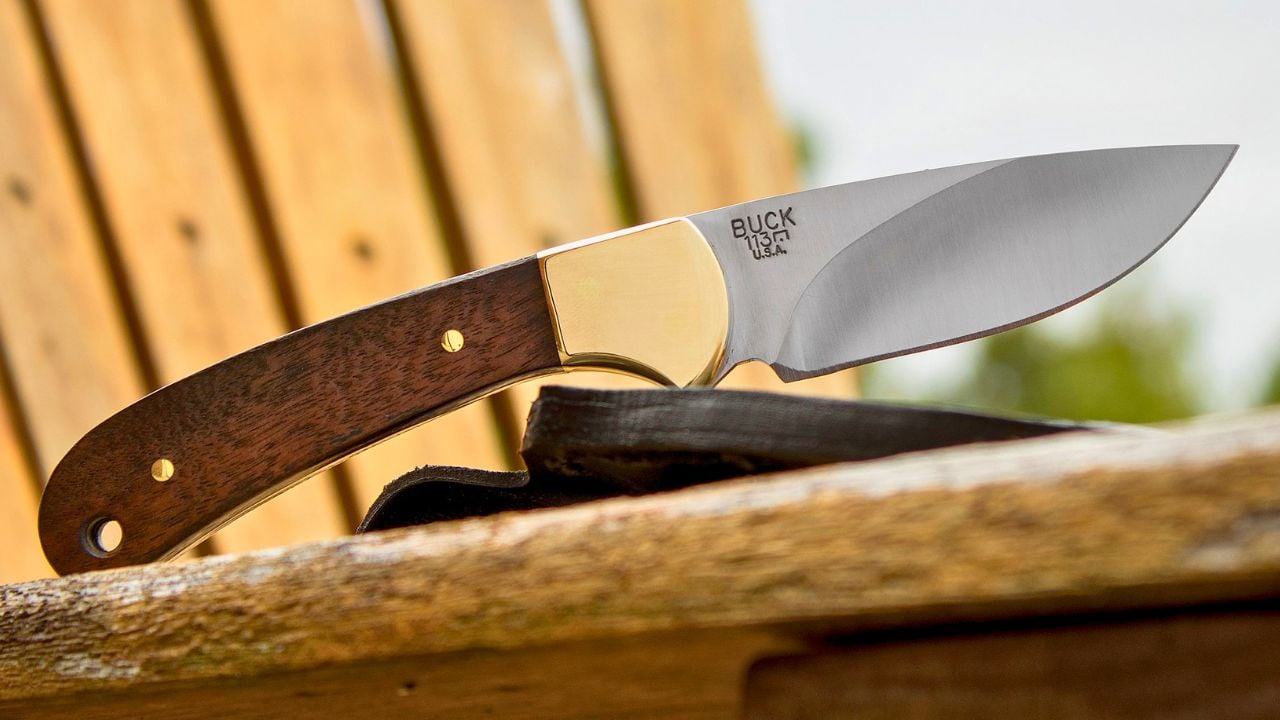
Shiny blades might look good in pictures, but they tell you nothing about performance. What matters is the steel beneath that finish. Cheap stainless might resist rust for a while, but it won’t hold an edge through an entire deer. A quality steel like S30V, 154CM, or 1095 carbon keeps working when the temperature drops and the work gets gritty.
Good steel sharpens cleaner, resists chipping, and won’t roll its edge after the first cut through hide and bone. You’ll spend less time on the sharpener and more time getting the job done. Leave the mirror finishes to collectors—field knives earn their beauty in what they can do, not how they shine.
Edge retention matters more than hardness numbers
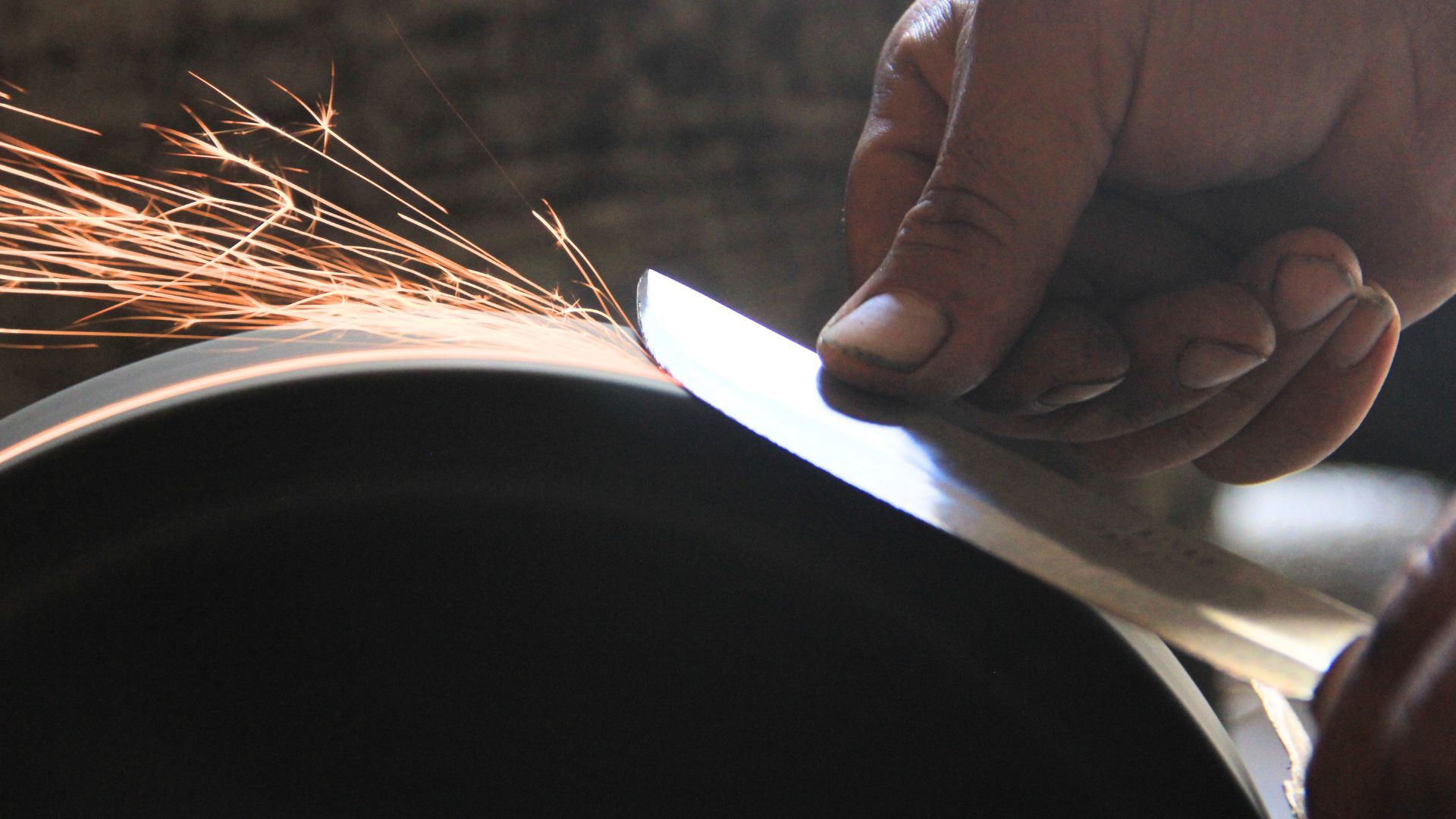
Knife makers love to brag about Rockwell hardness, but a knife that’s too hard can chip and become miserable to sharpen in the field. What really matters is edge retention—the steel’s ability to stay sharp after repeated cuts. Steels like CPM 3V or VG-10 strike the right balance between hardness and toughness, giving you both durability and an edge that lasts through an entire deer.
In the field, you don’t have time for constant touch-ups. A good knife should cut cleanly through skin, sinew, and joint tissue without losing bite. When the steel keeps cutting after you’ve finished the job, that’s when you know it’s right.
Carbon steel still earns its place
Modern stainless steels get a lot of attention, but good carbon steel still deserves respect. Steels like 1095 or 5160 have been around forever because they perform. They take a razor-sharp edge quickly and hold it through heavy use. Yes, they require a little care to prevent rust, but that’s a small price for the performance they deliver.
In damp, cold deer stands, a light coat of oil is all it takes to keep carbon steel in shape. When it’s time to make that first incision, carbon bites into hide and keeps slicing with confidence. Stainless may be convenient, but good carbon steel works like a knife should—sharp, honest, and dependable.
Blade geometry beats gimmicks
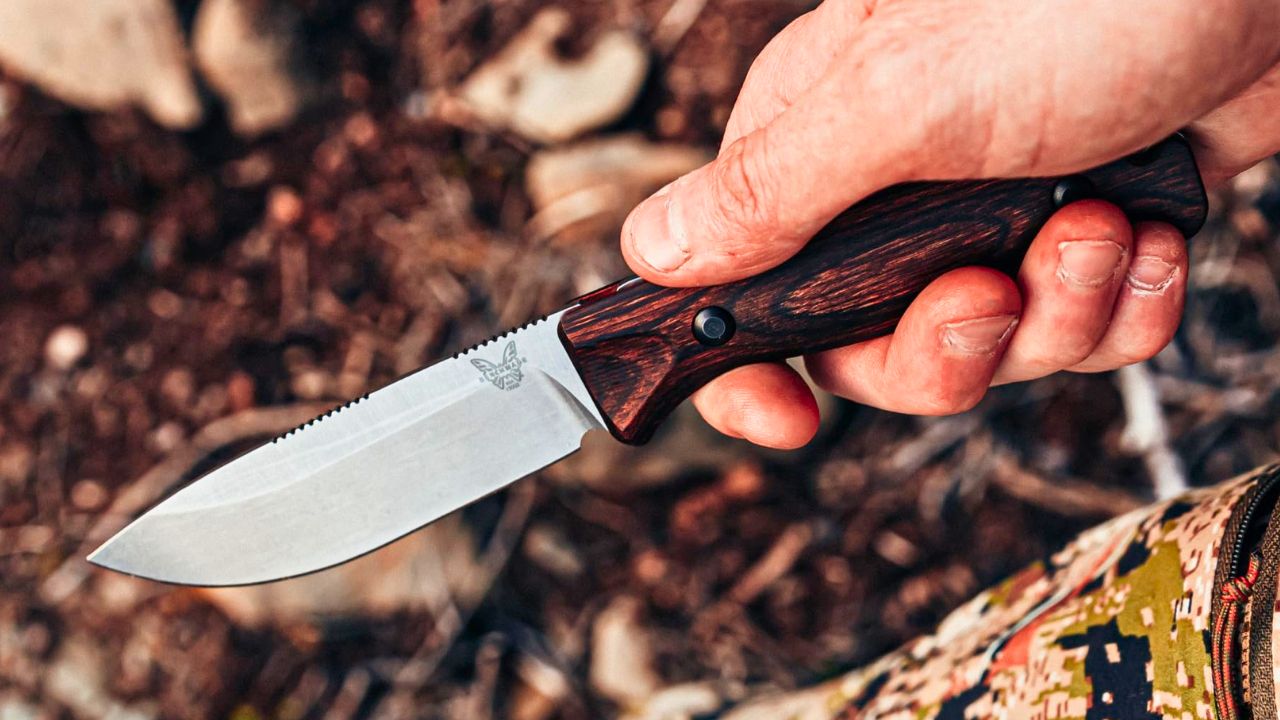
You don’t need a knife covered in aggressive angles or holes to make it “tactical.” What really matters is blade geometry—how the grind and edge profile handle real cutting. A drop point or skinning-style blade with a fine edge does more with less effort.
Thicker spines and exaggerated tips might look tough, but they don’t slice well through hide or joint tissue. A well-ground blade with the right taper keeps the cut smooth and controllable. It’s not about looks—it’s about how efficiently steel meets meat. In the field, practical geometry always outperforms gimmicks.
The handle should fit your hand, not your ego
A flashy handle made from exotic materials won’t help much if it slips when your hands are wet. In the deer stand, you want a handle that feels secure, with a shape that locks your grip without digging into your palm. Rubberized synthetics, micarta, or textured G10 give you control without slipping, even in cold or bloody conditions.
Handles that look impressive often prioritize form over function. What matters is how it feels after twenty minutes of steady cutting. A handle that fits your hand keeps you in control, and control means cleaner, safer cuts. That’s worth far more than any decorative handle ever made.
A steady edge beats a folding gimmick
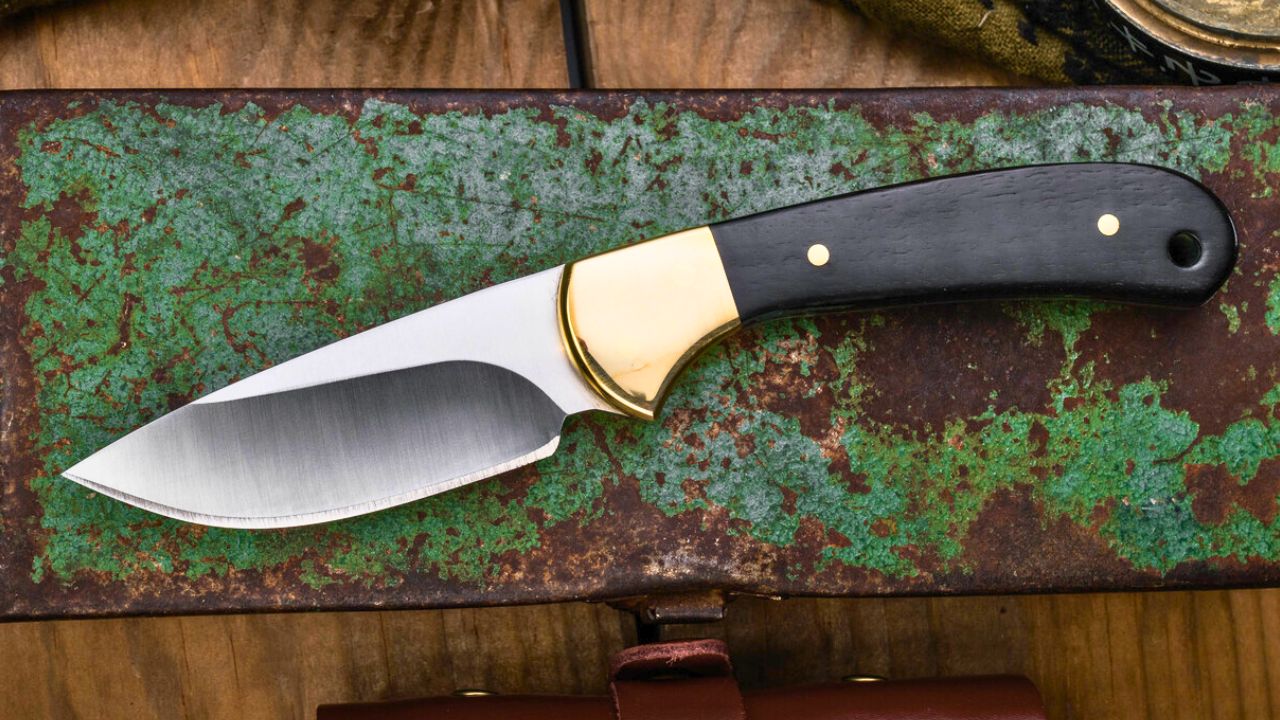
Folding knives have their place, but for field dressing, a fixed blade still wins. There’s no joint to collect grime, no lock to freeze in cold weather, and no chance of it folding under pressure. Fixed blades are easier to clean and more reliable when things get messy.
The extra strength and simplicity of a full-tang knife mean fewer moving parts and fewer failures. When your hands are numb and the light’s fading, you’ll appreciate not having to fumble with a hinge or mechanism. A good fixed blade with solid steel does the job every time—no surprises, no shortcuts.
Know your grind before you buy
The grind determines how your knife performs, and not all are created equal. A flat grind slices cleaner and sharper, while a convex grind adds strength for tougher work. Hollow grinds, though sharp, tend to lose bite faster in heavy cutting. Understanding your grind helps you pick a knife that suits how you hunt and process game.
In the field, you want predictable cuts and easy resharpening. Overly fancy or experimental grinds might look unique but rarely perform better. A traditional flat or convex edge has earned its reputation for a reason—it works. You’ll notice the difference the first time you quarter a deer without fighting the blade.
Don’t ignore corrosion resistance
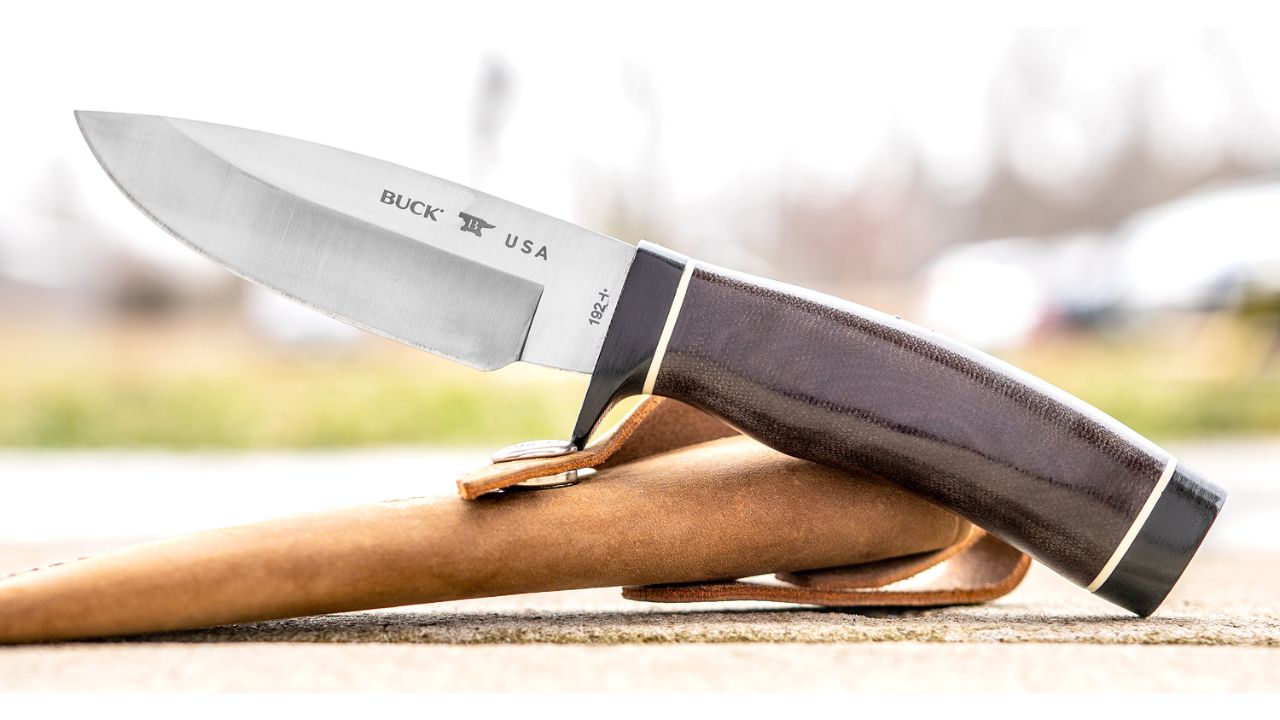
Cold mornings, damp hands, and blood can all eat away at poor-quality steel. If you’re not the type to clean your knife immediately after the hunt, corrosion resistance should be high on your list. Steels like S35VN, 440C, and CPM 154 are proven performers that balance edge retention with weather resistance.
That doesn’t mean you can neglect care altogether, but it gives you more forgiveness when you’re tired or packing up in the dark. A knife that resists rust stays dependable season after season. The best hunters know that protecting their steel protects their success.
Weight and balance affect control
A knife that’s too heavy wears you down, while one that’s too light feels twitchy and uncertain. The right balance gives you control for precision cuts without fatigue. A well-designed field knife should feel neutral—like it’s guiding your hand rather than fighting it.
You’ll notice the difference when you’re working inside a cavity or separating joints. Balanced knives track better and require fewer corrections mid-cut. It’s subtle but critical for clean, efficient work. Forget flashy features—pick the knife that disappears in your hand and does its job quietly.
Choose a sheath you trust
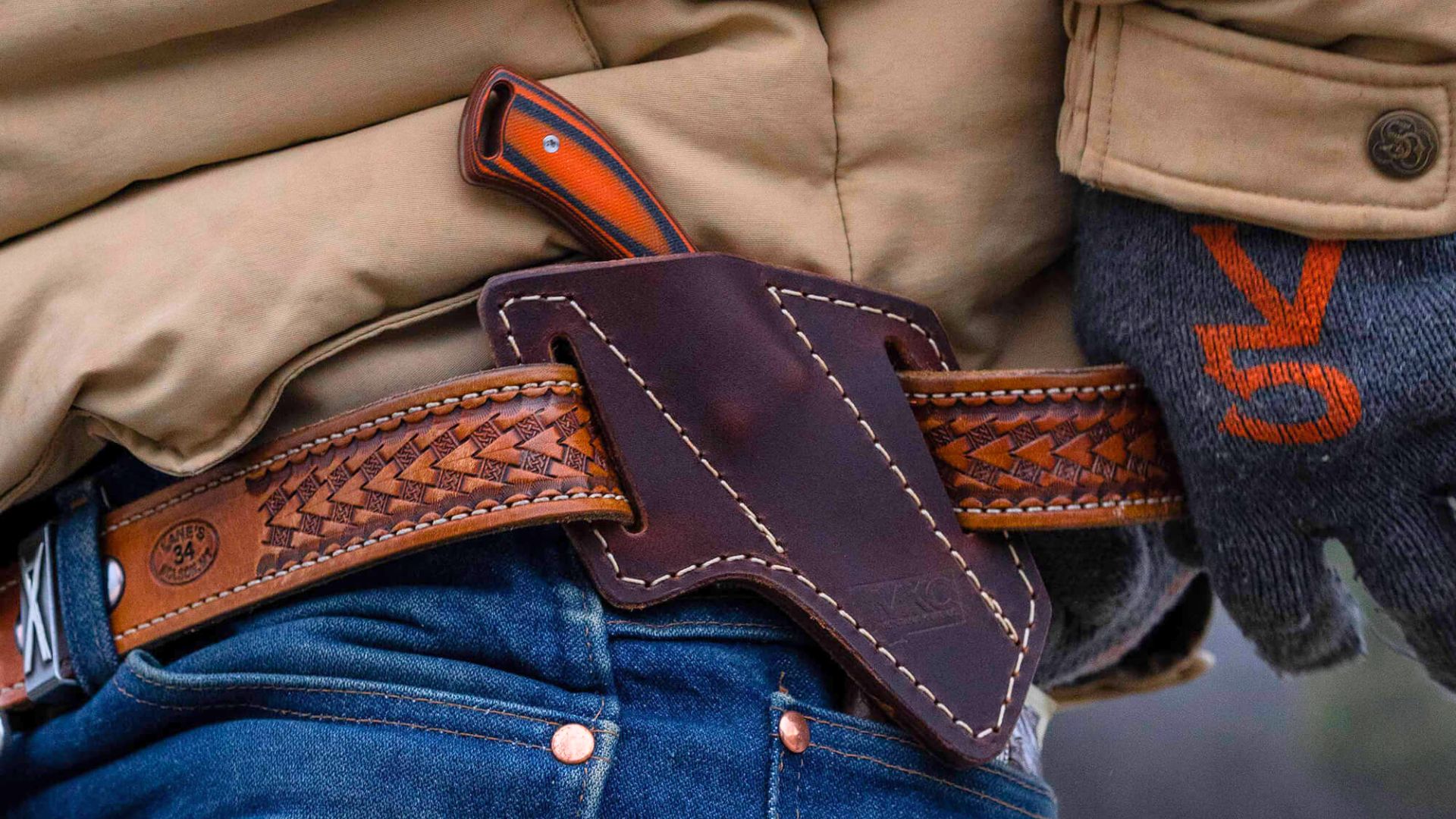
A knife’s performance doesn’t end when it’s back on your belt. A good sheath keeps your blade accessible, safe, and protected from the elements. Kydex or well-made leather sheaths stay secure and drain moisture, preventing rust and accidents.
A cheap sheath can cost you more than convenience—it can dull your edge or fail at the worst time. In a tree stand or tight blind, you need quick access without fumbling or noise. A sheath that fits snug, carries comfortably, and stays put is worth as much as the knife itself. Good steel deserves good carry.
Like The Avid Outdoorsman’s content? Be sure to follow us.
Here’s more from us:
The worst deer rifles money can buy
Sidearms That Belong in the Safe — Not Your Belt
*This article was developed with AI-powered tools and has been carefully reviewed by our editors.