Photo credit: Smith & Wesson/YouTube
A lever gun isn’t trendy, and it doesn’t need to be. When you want a defensive firearm that’s straightforward, dependable, and easy to live with, the old lever action still checks a lot of boxes. It’s not because it’s “better” than modern options across the board. It’s because it’s familiar, mechanically honest, and it tends to keep working even when you’re not treating it like a lab instrument.
You also get something most people forget to value until it matters: confidence that comes from repetition. A lever gun points naturally, carries well, and it’s less intimidating for new shooters than a lot of black rifles and mag-fed setups. If your goal is a defensive long gun that stays practical in a normal home, the lever action still makes a strong case.
It’s straightforward under stress

When things go sideways, you don’t rise to the occasion—you fall back on what you can do without thinking. A lever gun keeps your manual of arms simple: load it, close it, work the lever, and press the trigger when you’ve got a clean shot. There’s less to remember and fewer steps where you can fumble.
The other benefit is that it’s very “honest” feedback. If you short-stroke it, you’ll feel it. If it needs to be topped off, you know it. A defensive firearm that communicates clearly tends to get used correctly, especially by people who don’t live at the range.
You can keep it topped off without drama

Tube magazines don’t get enough credit in the real world. With a lever gun, you can quietly add rounds as you go—one at a time—without pulling a magazine, without a big reload motion, and without scattering gear. That matters if you’re moving around the house or holding a doorway while someone calls 911.
In practical terms, it also means you can keep the gun in a ready state that makes sense for your household. You can load it to the level you’re comfortable with and top it off later, instead of treating the gun like it’s either “empty” or “fully loaded” with nothing in between.
It runs well without being picky about magazines
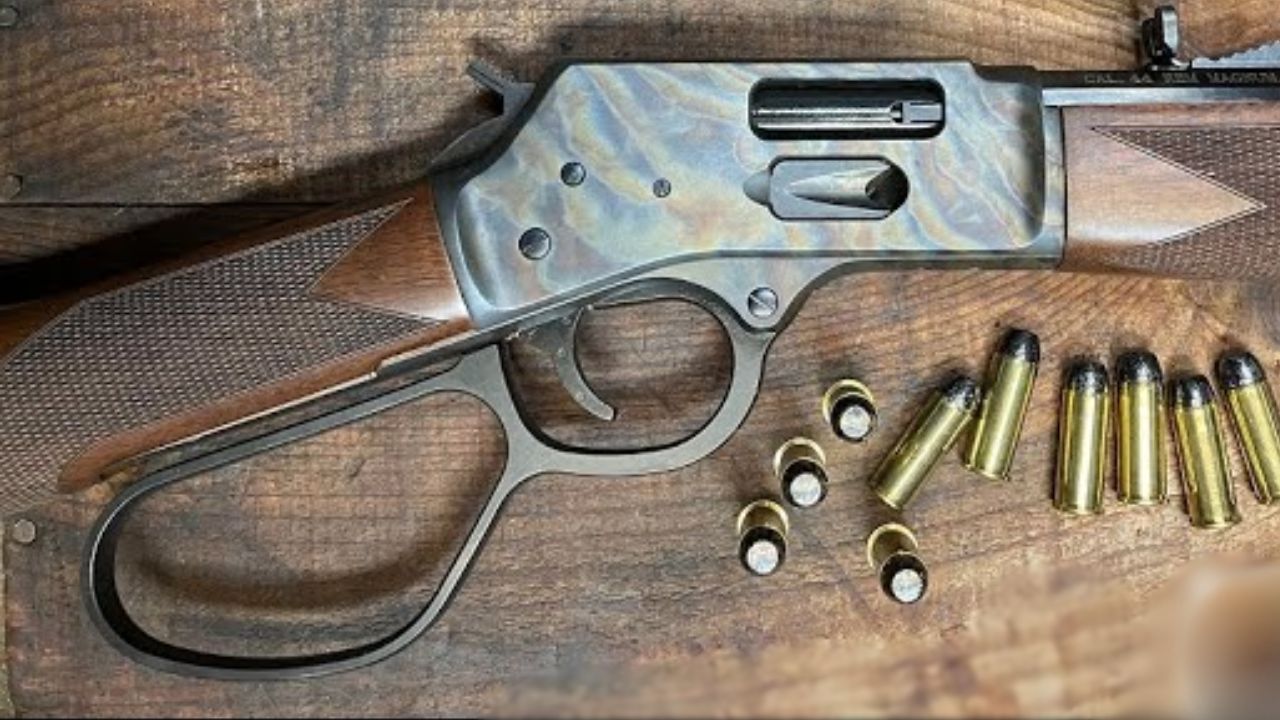
A lot of modern long guns live and die by magazines. A bent feed lip, weak spring, or bargain-bin mag can turn a reliable rifle into a jam factory. A lever gun sidesteps most of that. No mags to mark, rotate, maintain, or troubleshoot when something feels off.
That doesn’t mean lever guns can’t malfunction, because anything mechanical can. But you’re removing one of the most common points of failure in defensive firearms. If you’re the type who wants fewer moving parts in the overall system, the tube-fed lever gun is hard to argue with.
It’s less likely to trigger “alarm bells” in normal life

This matters more than people admit. A lever gun doesn’t look like a threat to most folks who aren’t into guns, and that can reduce friction inside a household. If your spouse or family member is uneasy around firearms, a lever action often feels more familiar and less aggressive than a tactical carbine.
It also tends to play nicer with neighbors, relatives, and the real world if the gun ever has to be seen. You’re not relying on appearances for safety, but optics do influence how people react. A lever gun can be a defensive tool that doesn’t turn your whole home into a political statement.
The manual action keeps you honest about muzzle discipline

One overlooked advantage of a lever gun is how it encourages deliberate handling. You can keep the gun with an empty chamber and a loaded tube, then cycle the lever only when you need to bring it into action. That’s not the only safe way to run a defensive firearm, but it’s a workable option for many households.
Because you’re operating the action manually, you also tend to keep a better grip on what’s happening. You’re not relying on a gas system or cycling speed to do work for you. For people who prioritize controlled handling over maximum rate of fire, that’s a comforting trade.
It points fast and carries naturally

Lever guns balance well. The weight sits between your hands, and the slim profile makes it easy to move through doorways and around furniture without constantly snagging. You can mount it quickly from a low ready and get on target without feeling like you’re steering a fence post.
That matters in a home where distances are close and angles are tight. You want a long gun that feels like an extension of your body, not a project. A lever action, especially in a handy length, tends to come up fast and track smoothly when you’re trying to keep sights on a moving threat.
Recoil can be manageable in the right chambering

People hear “lever gun” and immediately think heavy recoil, but you control that choice. In the right calibers, recoil is very manageable, especially compared to lightweight shotguns or hard-hitting magnums. The gun’s weight and stock shape often help too, keeping the recoil impulse predictable.
That predictability matters for follow-up shots. You’re not trying to “spray.” You’re trying to make fast, accurate hits under pressure. A lever gun that you can run confidently—without blinking or flinching—can be a better defensive choice than a louder, harsher gun that you dread practicing with.
You get serious terminal performance without extreme blast

There’s a reason certain lever-gun cartridges have stuck around: they hit hard at realistic distances. In a defensive scenario, you don’t need long-range ballistics—you need reliable performance at close range. A lever gun can deliver that without the extreme concussion of some short-barreled rifles or overbore setups.
Blast and noise matter because they affect your ability to think and continue acting. Any gunfire indoors is brutal, but there’s a difference between “brutal” and “disorienting.” A lever gun in a sensible chambering can give you effective power without turning every shot into a flash-bang.
It’s easier for new shooters to learn than you’d think

A lever gun looks old-school, but it’s often easier for a new shooter to understand. The action is visible, the steps are clear, and it doesn’t feel like a machine that’s doing mysterious things inside a receiver. People learn faster when they understand what their hands are doing.
It also tends to build confidence quickly. New shooters can start slow, load a few rounds, and focus on fundamentals without managing magazines, bolt releases, and extra controls. If you’re trying to set up a household defensive option that more than one person can run, that learning curve matters.
It’s reliable with a wide range of ammo

Lever guns aren’t immune to ammo issues, but many run well across different loads, especially within the cartridge they were built around. You’re not balancing gas port size, buffer weight, and cycling speed. You’re working a lever. That reduces the number of variables.
In defensive planning, consistency counts. If you grab a box of ammo you’ve tested and you know the gun feeds it smoothly, you’re ahead of the game. You can still do your homework, still confirm reliability, and still choose smart bullets—but the platform itself doesn’t demand constant tuning to stay functional.
It fits into everyday storage and handling better than most rifles

Lever guns are slim. They store more easily in a closet, behind a door, or in a discreet safe. They don’t need a pile of accessories to be useful, and they don’t feel awkward when you’re moving them around the house.
That matters because the “best” defensive gun is the one you can actually keep accessible and safe. A lever action can live in a home without forcing you to redesign your storage plan. It’s also easier to transport for practice without drawing attention, which helps you train more often.
You can run it quietly and deliberately when you need to

A lever gun can be operated with a surprising amount of control. With practice, you can work the action smoothly and deliberately without a lot of clatter. That’s useful if you’re trying to move through your house without broadcasting every motion.
More importantly, the gun rewards calm technique. When you work the lever cleanly, it feeds cleanly. When you rush and short-stroke it, it teaches you not to do that again. That feedback loop builds competence. In defensive use, competence beats speed that you can’t control.
It’s a strong option when you live around livestock, barns, or outbuildings

A lot of folks don’t live in a suburban box. If you’ve got a barn, a shop, or land where predators and trespassers are real problems, a lever gun is an easy tool to keep nearby. It transitions well between “daily utility” and “defensive role” without feeling like overkill.
It’s also handy when you’re dealing with practical chores and still want a firearm that’s quick to shoulder and accurate. A lever gun can be a multi-role rifle that doesn’t demand a whole different setup depending on whether you’re walking a fence line or checking a bump in the night.
It doesn’t require a gadget mindset to be effective

A lever gun works without chasing accessories. You can run iron sights effectively, and if you add an optic, it’s because it helps you shoot better—not because you’re trying to turn the rifle into a science project. That keeps the system dependable and consistent.
A defensive firearm should be boring in the best way. You want the same cheek weld, the same sight picture, the same trigger press. When a gun stays stable over time, you keep your reps meaningful. Lever guns encourage that mindset because the platform doesn’t push you toward constant “upgrades.”
It’s easier to confirm status at a glance
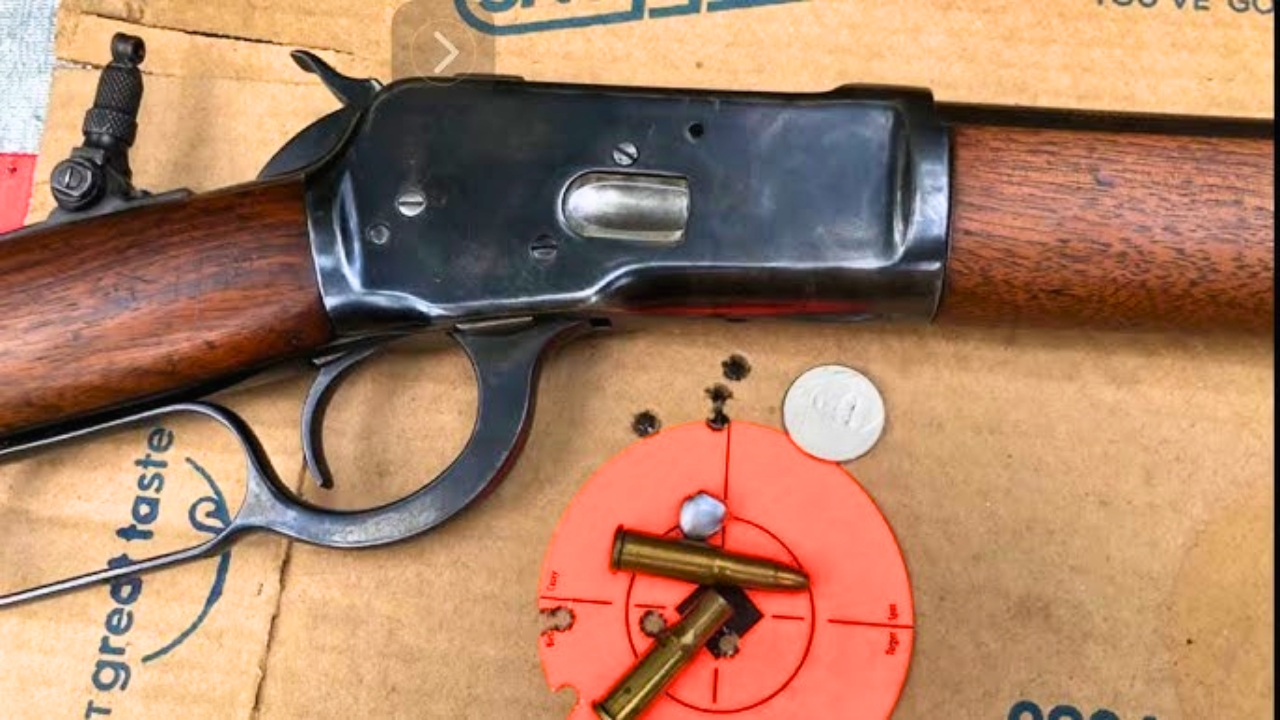
With a lever gun, you can usually verify where you stand without guessing. You know if the tube is loaded because you loaded it. You can open the action and visually confirm the chamber. You can close it and be confident about what the gun will do next.
That matters when you’re dealing with family members, storage routines, and real-world interruptions. A lot of accidental mistakes come from assumption. A lever gun makes it easier to avoid assumption because the action invites you to check. In a defensive tool, clarity is a real safety feature.
The tradeoffs are real, but the strengths still matter

A lever gun isn’t the perfect answer for every defensive plan. Reloading is slower than swapping magazines, and the manual action demands practice to avoid short-stroking. You also have to choose your ammo carefully, because over-penetration is a real concern with many rifle cartridges.
But if what you want is a defensive long gun that feels natural, stores easily, runs reliably, and doesn’t demand constant attention, a lever action still makes sense. You’re not buying nostalgia. You’re buying a proven system that rewards practice and stays ready without a lot of fuss.
Like The Avid Outdoorsman’s content? Subscribe to our newsletter so you never miss an article.
Here’s more from us: