Photo credit: TheFantasyPilot/Shutterstock.com
Tucked away in the deserts of West Texas, Big Bend National Park is a true gem for outdoor enthusiasts. From stunning mountain vistas to calm paddling spots along the Rio Grande, it’s no surprise that it’s a favorite destination for nature lovers. Plus, if you’re into stargazing, Big Bend is unbeatable—it’s the largest International Dark Sky Reserve in the world. The sheer expanse of stars on a clear night is something I’ve never seen replicated anywhere else.
But with all its beauty comes real danger. Big Bend’s rugged terrain and extreme isolation have earned it a spot among the most dangerous national parks in the U.S. As someone who’s spent a lot of time hiking in remote areas, I can tell you firsthand that preparation is everything in places like this. The combination of vast, desolate landscapes, unpredictable weather, and a diverse population of wildlife can turn a fun adventure into a serious situation if you’re not ready for it.
What Makes Big Bend So Dangerous?
Big Bend’s massive size—over 1,200 square miles—means you could hike for hours without seeing another person. For seasoned hikers, this isolation is part of the appeal. It’s rare to find a place where you can truly disconnect and feel like you have the whole trail to yourself. But that isolation can also be a double-edged sword. If you get lost or injured, help isn’t always quick to arrive.
The park’s harsh climate is another challenge. I’ve experienced the West Texas heat, and let me tell you—it’s no joke. Temperatures can easily soar above 100°F in the summer, making dehydration and heat exhaustion very real threats. Add to that the rocky trails, occasional dangerous wildlife (like rattlesnakes and mountain lions), and the unpredictable Rio Grande currents, and it’s easy to see why this park requires extra caution.
There’s also the park’s proximity to the U.S.-Mexico border. While I’ve never encountered trouble, it’s worth noting that illegal border crossings can sometimes bring unexpected encounters. Staying aware of your surroundings and reporting anything unusual to park rangers is always a good idea.
How to Stay Safe in Big Bend
Big Bend is a wild and beautiful place, and with the right precautions, you can have an unforgettable adventure. The two biggest challenges here are heat and isolation, but both can be managed with some thoughtful planning.
Beat the Heat
Even on shorter trails, carrying enough water is non-negotiable. For longer hikes, I always bring at least double what I think I’ll need. A hydration pack is a great hands-free option, and I also pack a water filter like a Lifestraw for emergencies. I once underestimated how long a hike would take, and having that filter gave me peace of mind knowing I could safely drink from streams if needed.
Timing is everything in Big Bend. Hiking early in the morning or late in the afternoon helps you avoid the hottest part of the day. I also wear lightweight, breathable clothing and a wide-brimmed hat to keep cool and protect against the relentless sun.
Don’t Get Lost
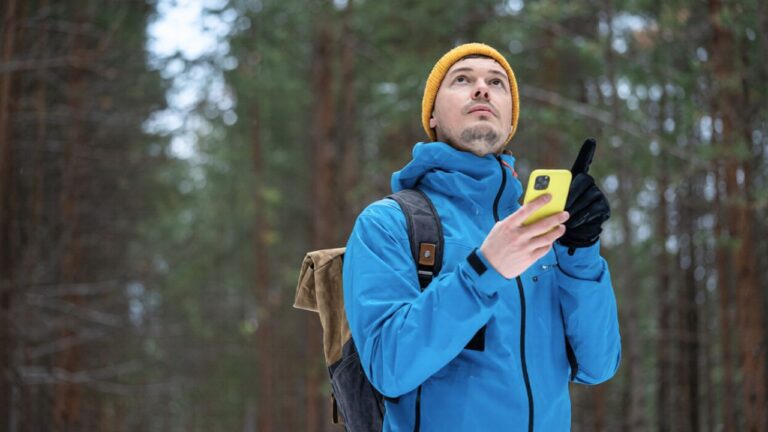
With the park’s size and rugged terrain, it’s crucial to map out your route ahead of time. I always carry a printed map along with a compass and a GPS device—technology is great, but having a backup is essential when your phone has no signal. A personal locator beacon is another lifesaver, especially in remote areas. It’s a small device that can send out an SOS signal if something goes wrong, and it’s worth every penny if you’re heading deep into the park.
Before heading out, let someone know your plans, including your route and when you expect to return. If something happens, having someone who can raise the alarm makes all the difference.