Photo credit: Canadian Shooterist/YouTube
Some guns do their best work quietly. They do not always feel special when they are sitting in the safe, especially if they are plain, older, or not worth a fortune at the time. You shoot them, hunt with them, carry them, clean them, and think you can replace them whenever you want.
Then they are gone. Maybe you sold one to fund something newer. Maybe you traded it because it seemed outdated. Maybe you let it go because it was not getting used enough. That is when the truth usually shows up. The gun you barely thought about becomes the one you compare everything else to, and the replacement never feels quite the same.
Remington 788
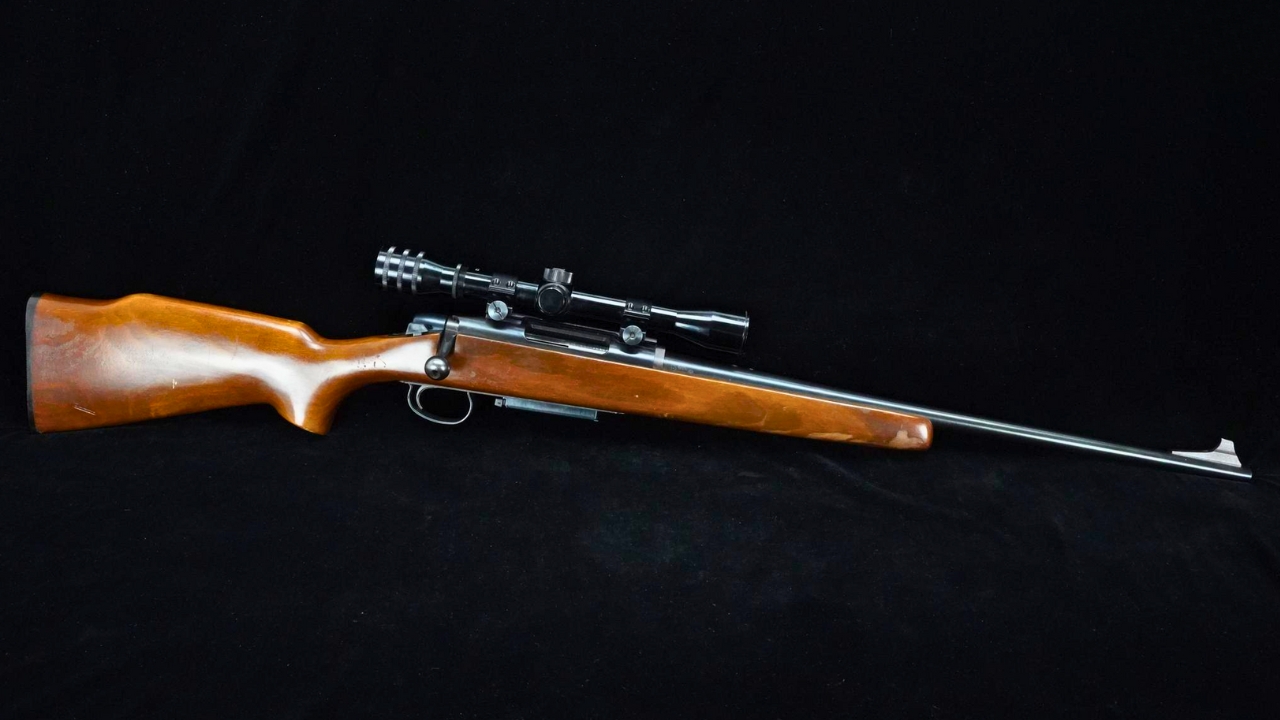
The Remington 788 never looked like a rifle people would get sentimental about. It was plain, affordable, and built as a budget alternative to Remington’s more famous bolt guns.
That is why so many owners let them go too easily. The 788 had a reputation for shooting far better than its price suggested, and a good one could embarrass rifles that looked nicer on the rack. Once they disappeared from normal shop shelves, people started realizing they had traded away a rifle that simply worked. Plain does not feel special until you lose the one that always grouped.
Smith & Wesson Model 27
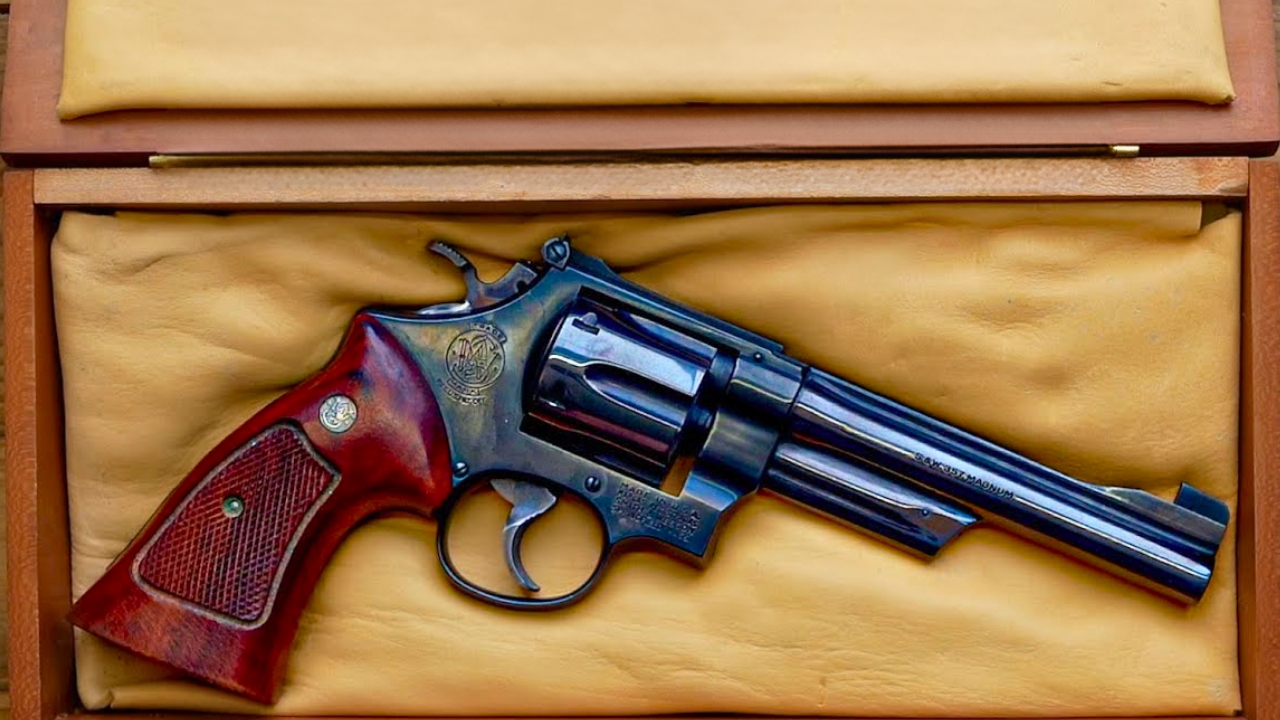
The Smith & Wesson Model 27 is the kind of revolver people sometimes underappreciated because it was big, heavy, and not as handy as smaller .357s. It was easy to think a lighter revolver made more sense.
Then you spend enough time without it and remember what the Model 27 actually was. It had polish, balance, accuracy, and that old Smith & Wesson feel that newer guns rarely match. The weight that seemed like a drawback made magnum loads feel controlled. Owners who sold clean examples often learn that replacing that kind of revolver is not a casual decision anymore.
Browning BPS
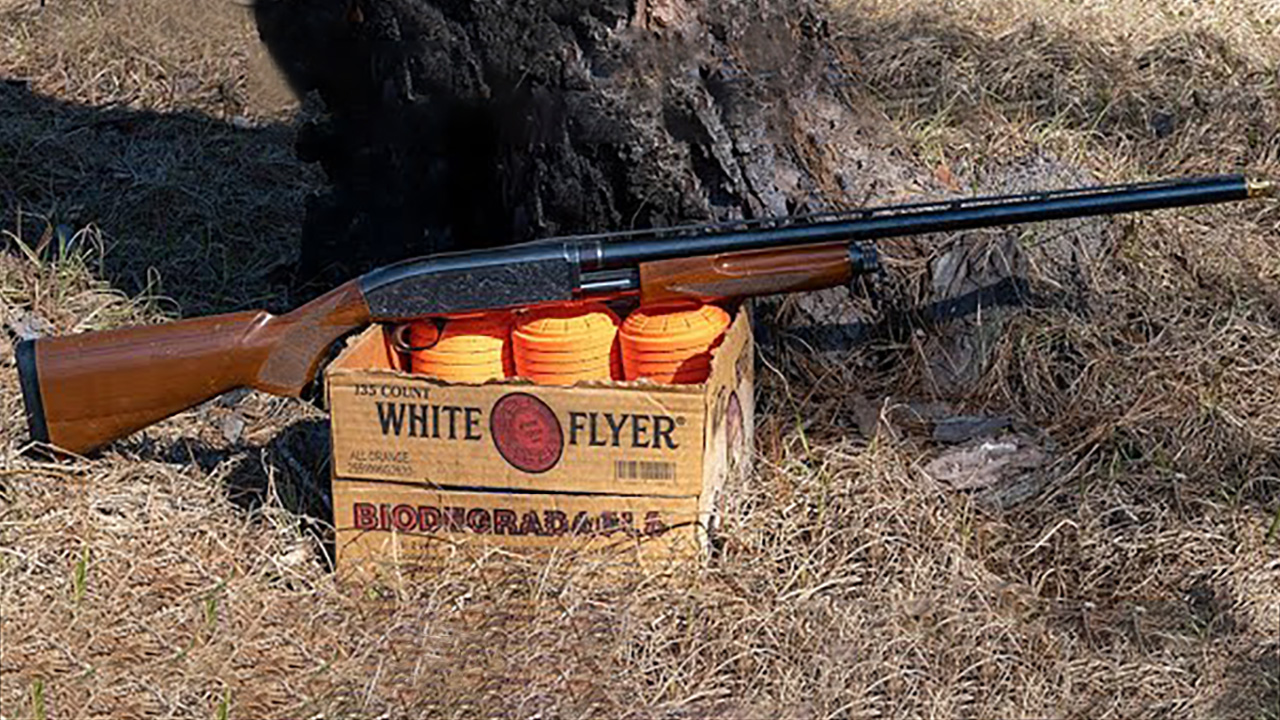
The Browning BPS never had the same loud following as some other pump shotguns, but it quietly earned respect from people who used them hard. The bottom-eject design, tang safety, and solid build made it more useful than many buyers realized.
A lot of owners only appreciate that after moving on to something lighter or cheaper. The BPS feels sturdy in a way some modern pumps do not. It works well for left-handed shooters, bad weather, and rough hunting use. Once you lose one that patterned well and ran smoothly, you start understanding why plain pump guns can still be hard to replace.
Heckler & Koch P7
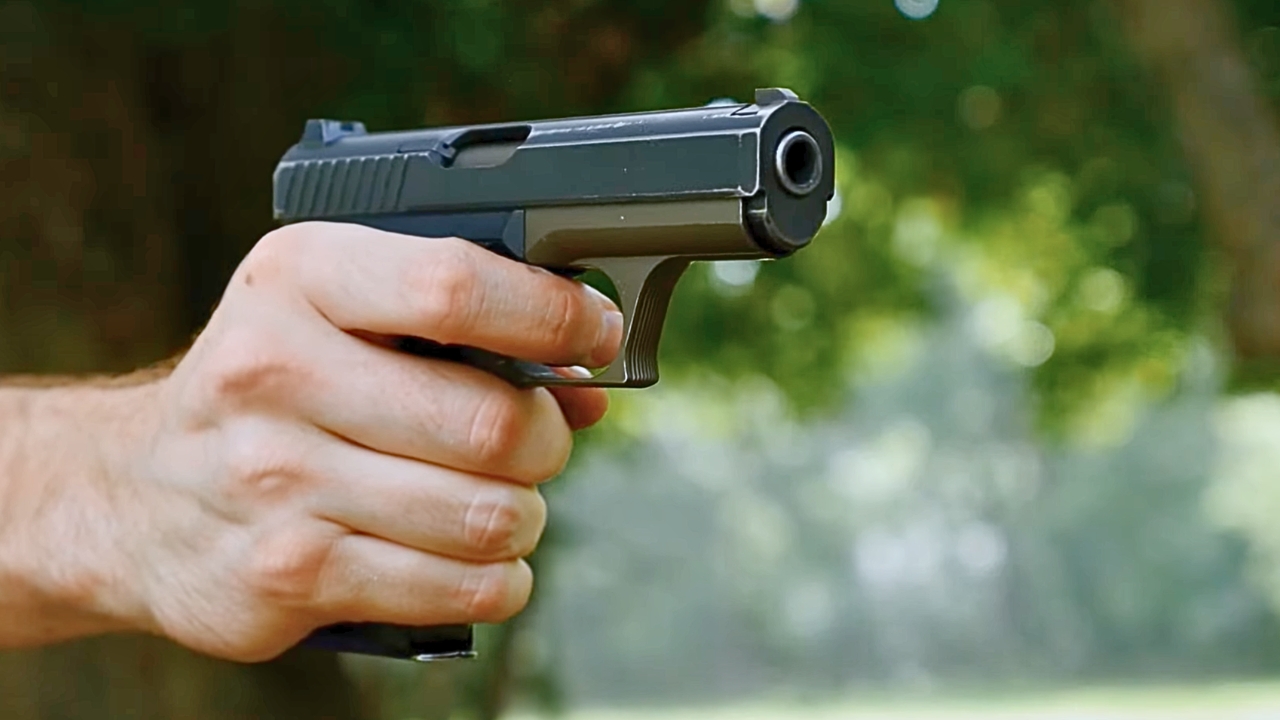
The HK P7 is one of those pistols many owners wish they had understood before prices went wild. Its squeeze-cocking system was unusual, and some shooters treated it like a strange answer to a question nobody asked.
That thinking changed after people let them go. The P7 is slim, accurate, fast, and built with the kind of precision that makes it feel special the moment you run it properly. It gets hot, it is expensive to replace, and it is not a modern high-capacity carry pistol. None of that stops former owners from missing it badly.
Winchester Model 101
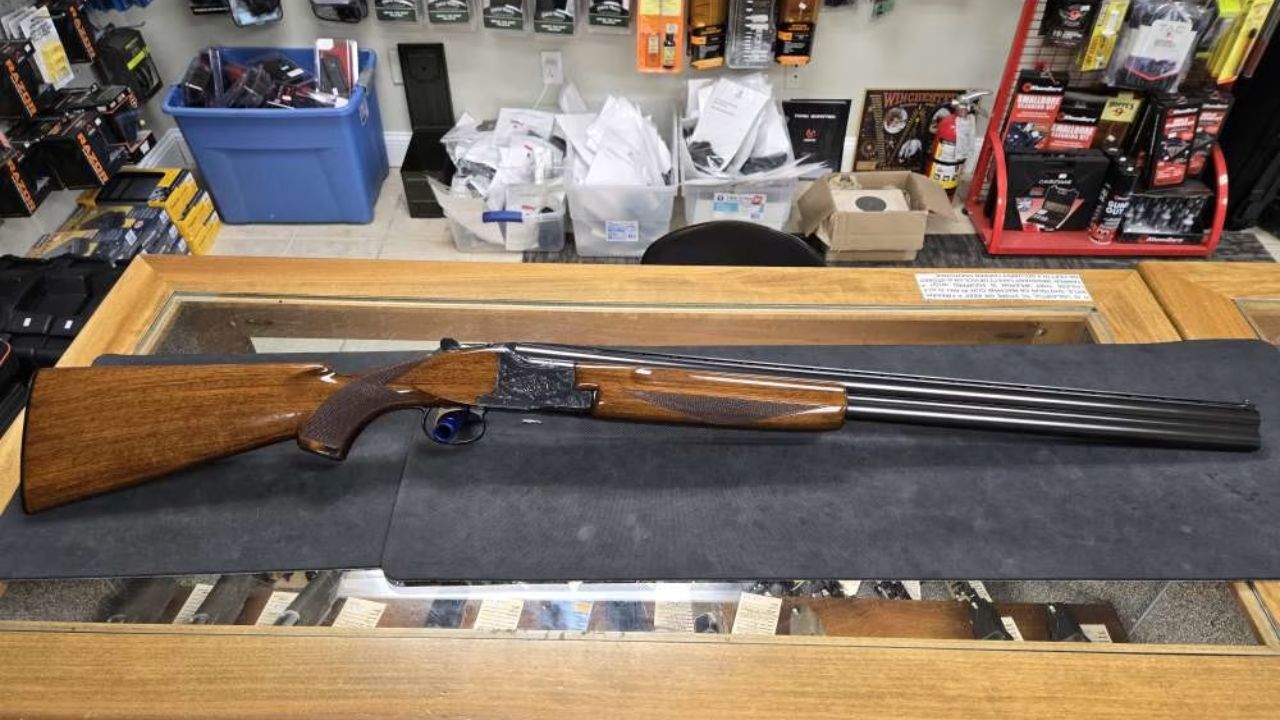
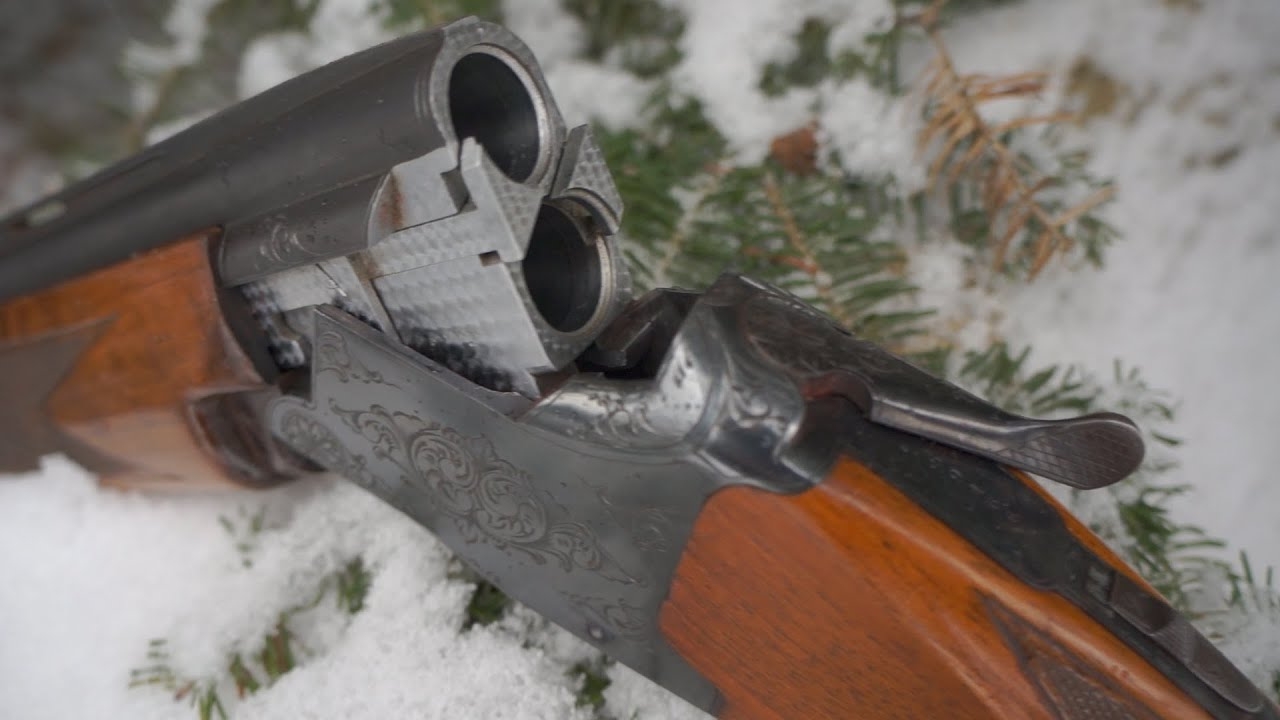
The Winchester Model 101 was easy for some shotgun owners to treat like just another over-under. It did not always carry the same prestige as more expensive European doubles, so plenty of people moved them along without much worry.
That regret tends to show up later. A good Model 101 swings well, locks up solidly, and has a serious field and clays feel without being too precious to use. It was one of those shotguns that could become part of your rhythm before you realized it. Once it is gone, finding another one that feels the same is not guaranteed.
SIG Sauer P220
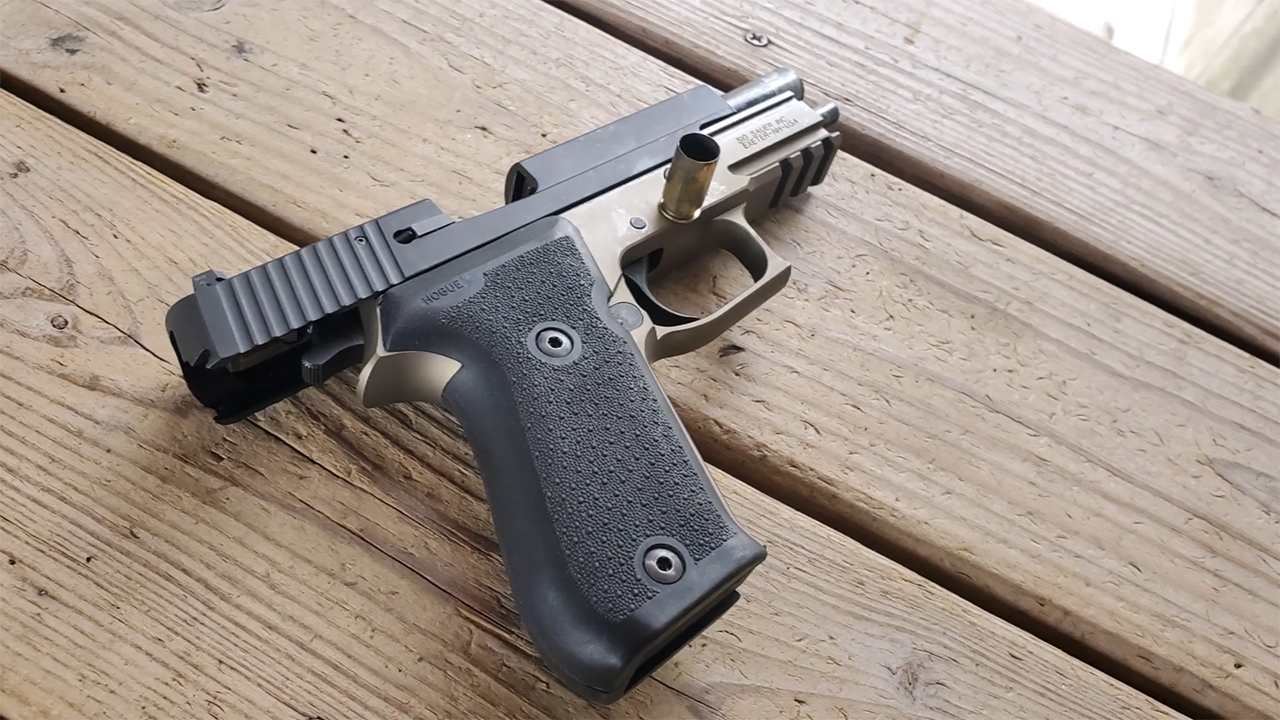
The SIG P220 can be easy to overlook now that smaller, higher-capacity pistols dominate the conversation. A single-stack .45 does not look as practical on paper as it once did.
But paper does not tell you how well the P220 shoots. It has a smooth recoil feel, excellent accuracy, and a level of confidence that comes from a serious duty pistol design. Some owners traded theirs for lighter polymer guns and gained capacity, but lost that calm, controlled feel. The P220 is one of those pistols people appreciate most after they realize newer did not automatically mean better.
Marlin 444

The Marlin 444 was never as universally loved as some other lever guns, and that made it easy for owners to underestimate. It was powerful, practical, and a little outside the usual .30-30 and .45-70 conversations.
That is exactly why people miss it now. A good 444 gave hunters serious thump in a fast-handling lever gun, especially in timber and close-range big-game country. Once lever guns got hot again and older Marlins started climbing, former owners realized they had let go of something harder to replace than expected. It was not ordinary. It only looked that way for a while.
Ruger Mark II
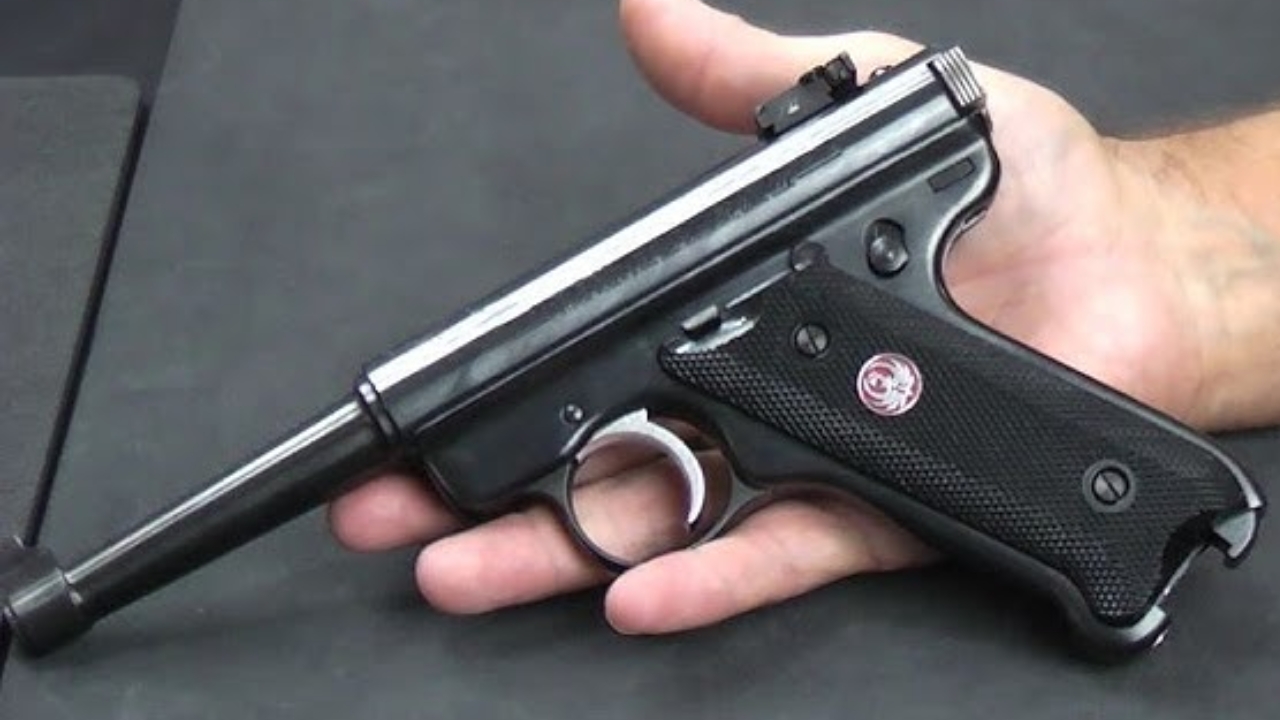
The Ruger Mark II was so common for so long that many shooters treated it like a basic rimfire pistol. It was the gun you learned on, plinked with, carried around the farm, or kept in a range bag.
Then you sell one and remember how useful it was. The Mark II had accuracy, durability, and a steady feel that made .22 practice genuinely satisfying. It was not always easy to clean, and people complained about that forever. But once it is gone, you miss the way it shot more than you remember the takedown frustration.
CZ 550
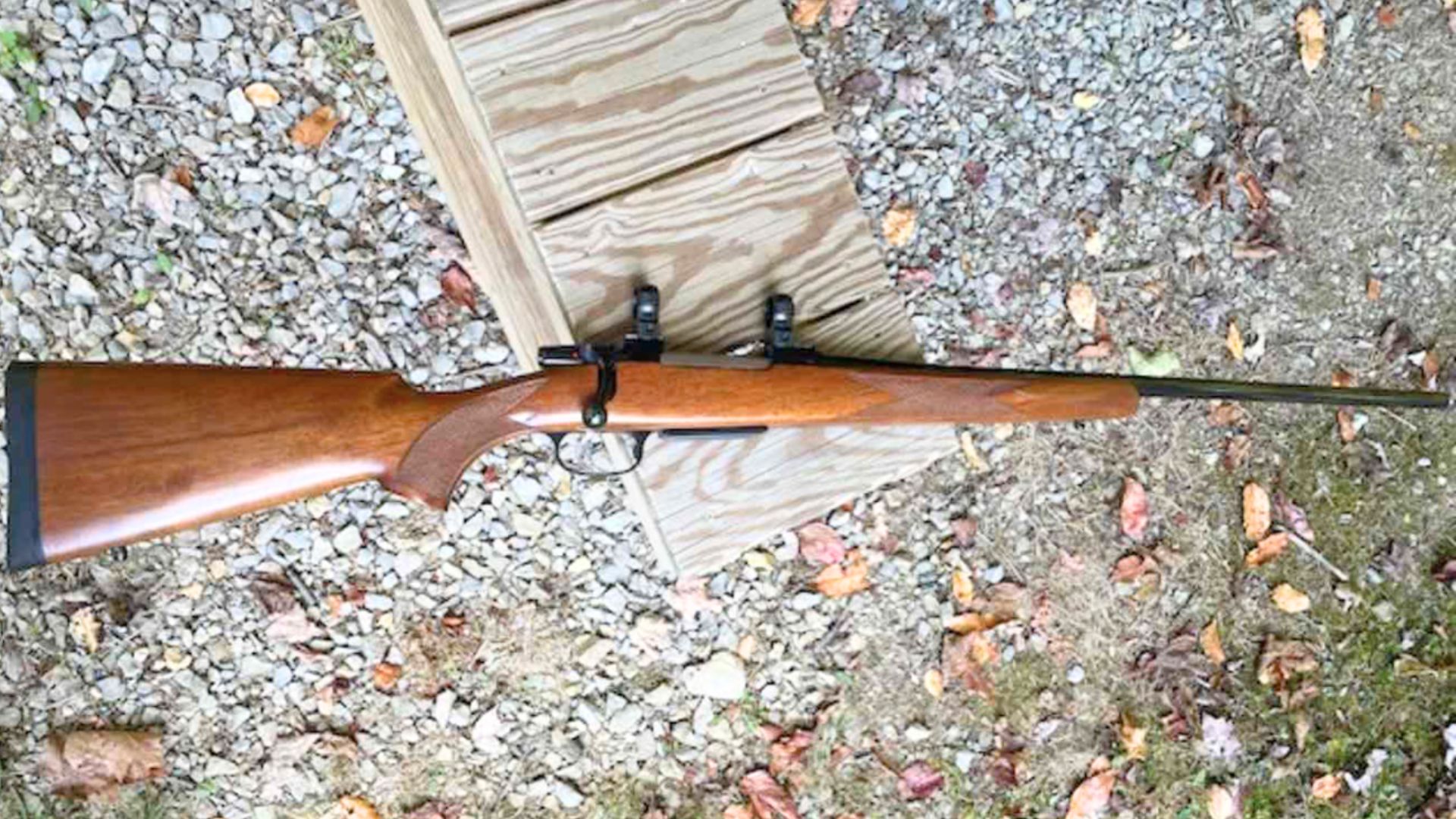
The CZ 550 earned a quiet following with hunters who liked controlled-round-feed actions, real wood, strong chamberings, and old-school rifle character. Still, many buyers passed over them or sold them when lighter synthetic rifles became more popular.
Now the 550 looks better than ever. It had a solid, serious feel that modern cost-cutting often struggles to match. The action, set trigger on many versions, and classic stock lines gave it a personality that made it feel built for hunting rather than marketing. Owners who let one go often wish they had kept that kind of rifle around.
Colt Anaconda

The Colt Anaconda was not always appreciated the way it is now. For years, some shooters saw it as Colt’s big .44 Magnum revolver that lived in the shadow of other famous wheelguns.
That changed once clean examples became harder to find and big Colt revolvers started commanding more attention. The Anaconda has weight, presence, and a smooth feel that makes it stand apart from ordinary magnum revolvers. It is not a casual carry gun, but it was never meant to be. Owners who sold one before the market woke up usually remember the mistake clearly.
Remington 11-87 Premier
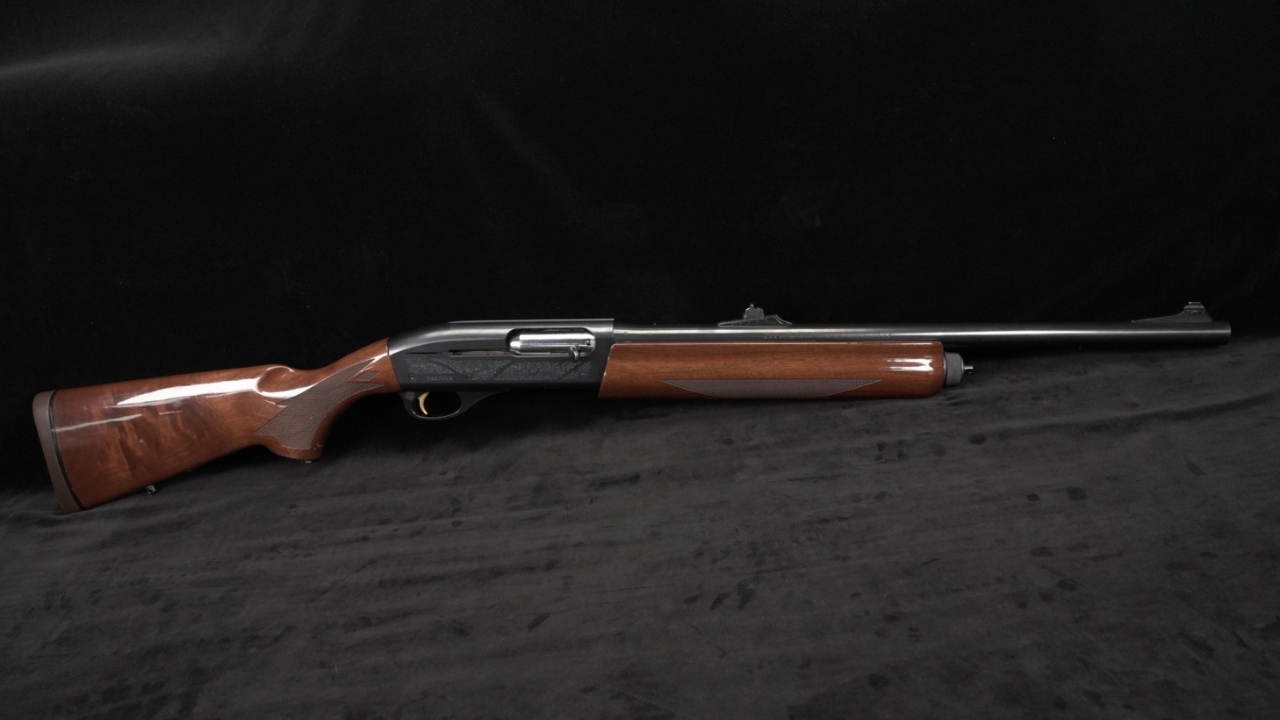
The Remington 11-87 Premier was once a familiar semi-auto shotgun that did not seem rare or special. It sat in duck blinds, dove fields, and gun cabinets everywhere.
That normalness made people careless with them. A good 11-87 Premier had soft recoil, handsome lines, and dependable field manners when maintained properly. It handled hunting loads well and still felt like a shotgun with some finish and pride in it. Many owners traded theirs for newer semi-autos, only to realize later that the old Remington fit better and shot smoother than they remembered.
Walther PPS M1
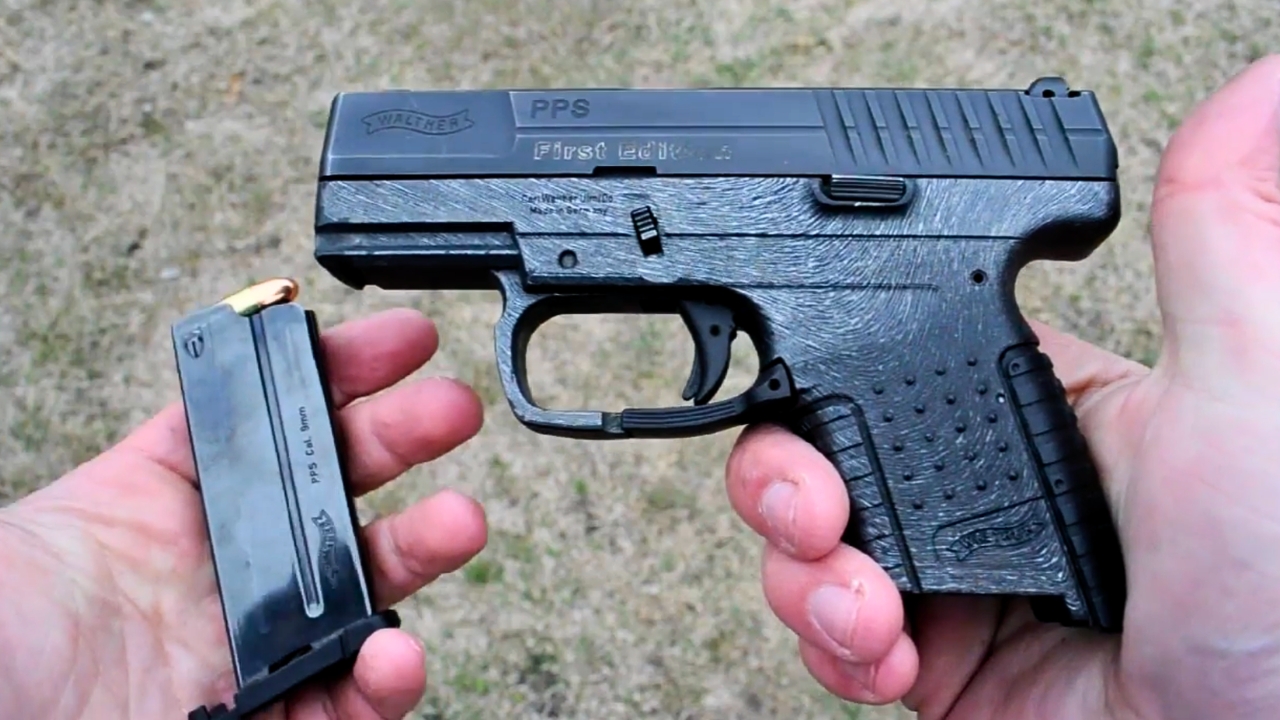
The Walther PPS M1 was easy to dismiss after newer micro-compacts started packing more rounds into smaller frames. A slim single-stack 9mm suddenly looked outdated.
But owners who shot them well often missed them after selling. The PPS M1 had a flat profile, clean trigger, and excellent practical accuracy for a small carry pistol. It carried comfortably without feeling cheap or flimsy. Higher-capacity pistols may win the spec-sheet fight, but some guns simply fit the hand and carry right. The PPS M1 was that gun for a lot of people.
Weatherby Mark V Deluxe

The Weatherby Mark V Deluxe is the kind of rifle people sometimes sell because it feels too nice, too flashy, or too tied to a different era of hunting. High-gloss wood and blued steel do not always fit today’s rough-use rifle trends.
Then the rifle is gone, and the owner starts missing what made it special. The Mark V Deluxe had real presence. It felt like a premium hunting rifle before every rifle needed a carbon stock and threaded barrel. Good examples still carry a level of style and confidence that modern rifles rarely copy. Selling one can feel practical at first and foolish later.
Winchester 1300

The Winchester 1300 was sometimes treated like a middle-of-the-road pump shotgun, especially by buyers focused on more famous Remington and Mossberg options. That caused plenty of people to overlook how slick it really was.
The 1300’s action was fast, smooth, and easy to run well. It handled hunting and defensive roles without much fuss, and a good one felt better than its reputation suggested. Owners who sold them cheap often remember how naturally they cycled and pointed. It was not fancy, but it had a liveliness many modern budget pumps lack.
Ruger Old Army
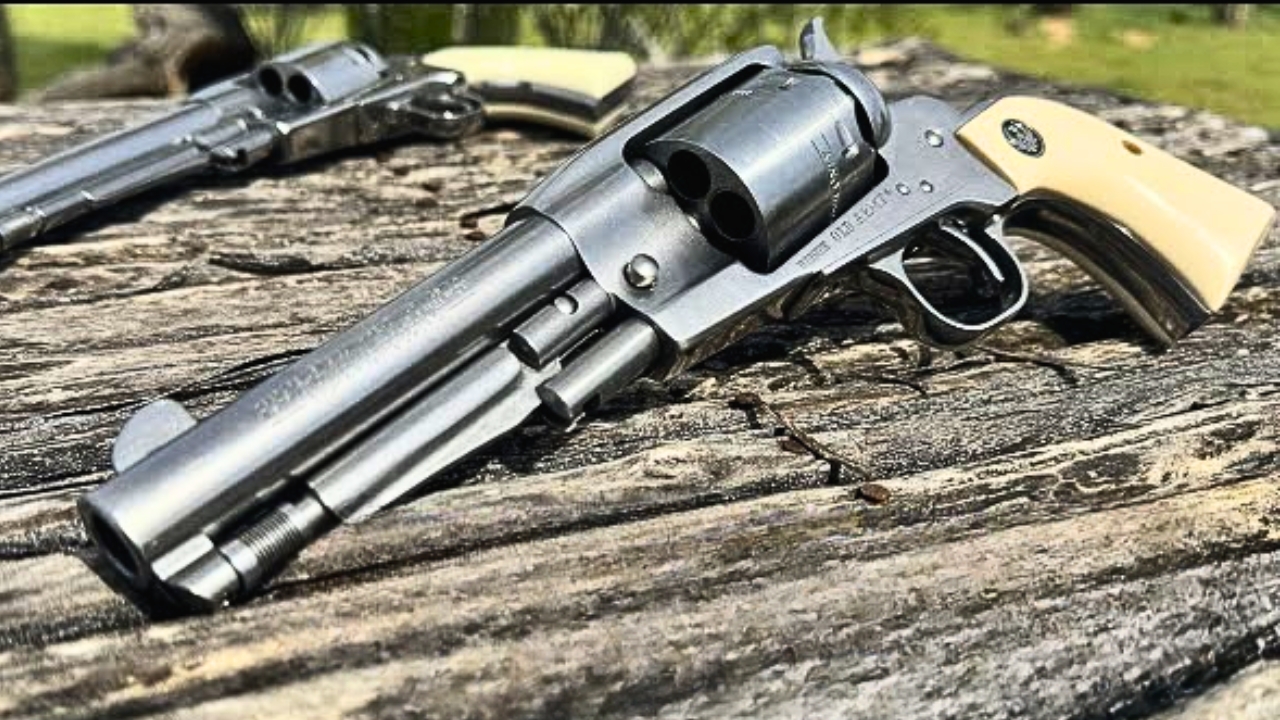
The Ruger Old Army was not for everyone, and that is why some owners let them go without thinking too hard. A black-powder revolver can seem like a niche toy if you are not using it often.
But the Old Army was built like a serious Ruger, and that is what people miss now. It was strong, well-made, accurate, and far more durable than many cap-and-ball revolvers. Once production ended and prices climbed, owners realized they had sold one of the best black-powder revolvers ever made. That kind of quality does not come back easily.
Like The Avid Outdoorsman’s content? Subscribe to our newsletter so you never miss an article.
Here’s more from us: