Photo credit: Neil Podoll/Shutterstock.com
Bowhunting is about getting close. It’s quiet, personal, and takes patience. But there’s also a practical side we don’t always talk about—being ready when things don’t go as planned. A backup firearm isn’t about ditching your bow. It’s about having an insurance policy when things get a little too real in the woods.
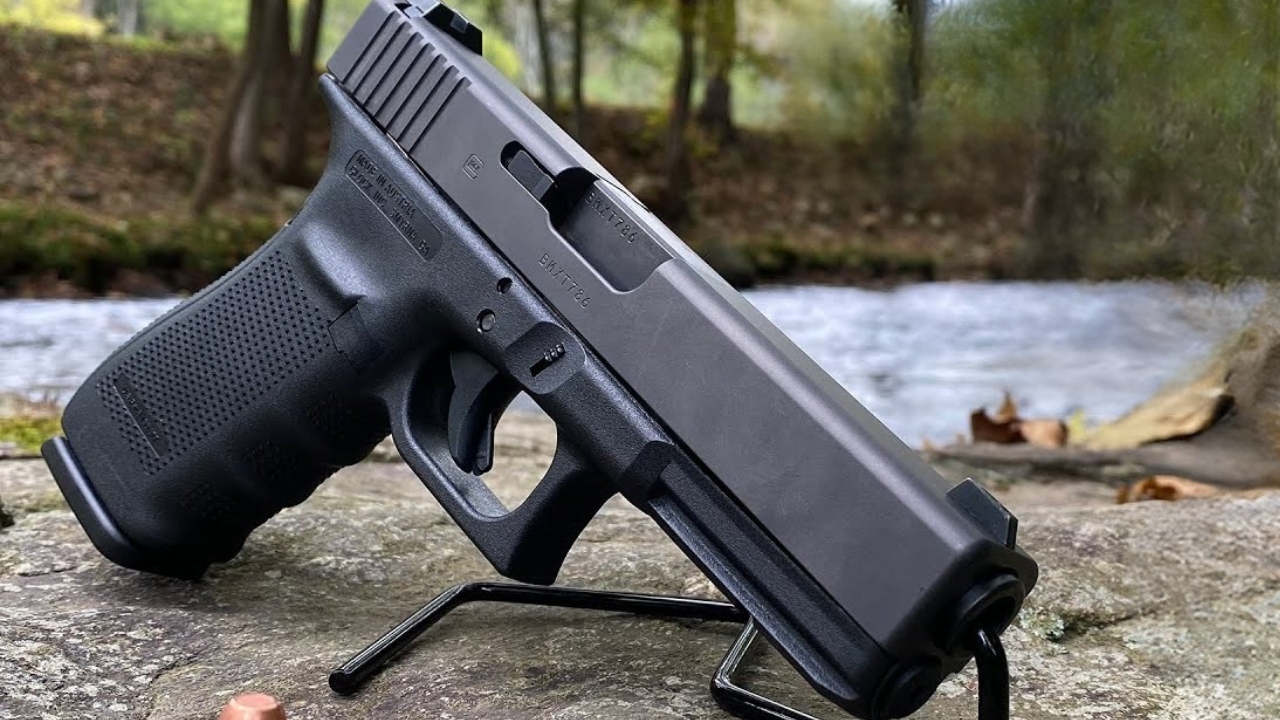
Whether it’s for personal protection, finishing a wounded animal, or dealing with predators, a sidearm has a place on your hip. Here’s why it’s worth carrying one, even when your main goal is to fill a tag with a well-placed arrow.
Things Go Sideways Fast
Most bow shots are taken inside 40 yards, and not every one is perfect. A bad hit can leave you in a sketchy spot if the animal doesn’t go down clean. That’s when a firearm gives you a safe, humane option to finish the job.
You don’t want to walk up on a wounded buck with nothing but a knife or a half-drawn arrow. It’s about respecting the animal and keeping yourself out of danger.
Predators Don’t Care You’re Bowhunting

Mountain lions, bears, feral hogs—some areas are full of things that bite back. When you’re deep in their territory, a bow might not cut it if they get too close. A backup gun could be the only thing standing between you and a bad outcome.
Most encounters are rare, sure—but “rare” doesn’t mean impossible. A quick-access pistol can be a game changer when seconds matter.
It’s Legal—In More Places Than You Think

A lot of states let you carry a sidearm during bow season, as long as you follow the rules. That might mean open carry only, or that it can’t be used to take game. But in most places, just having one on you is perfectly fine.
Always check your local regs first. But don’t assume just because it’s bow season that your holster has to stay empty.
Finishing a Wounded Animal Quickly

No one wants an animal to suffer. Even experienced hunters can misjudge distance or have something go wrong. A clean follow-up shot from a firearm can keep things ethical and efficient.
Tracking a wounded animal through thick brush with a bow is asking for frustration. A pistol makes sure you’re not stuck waiting for another shot while the animal suffers.
Self-Defense Against People, Too

Let’s be honest—wild animals aren’t the only threat in the woods. In remote areas, you might stumble across someone doing something shady. Having a sidearm is peace of mind.
You’re not looking for trouble, but if it finds you, it’s better to be prepared. A firearm gives you options a bow just doesn’t offer when things turn ugly.
You Already Carry a Lot—What’s One More Tool?

Between your pack, rangefinder, and all the little gear items, you’re already hauling a load. A compact pistol adds a little weight, but a lot of confidence.
There are tons of good holster setups that keep a firearm out of the way but accessible. It doesn’t have to be a burden if you set it up right.
You Might Be Hours From Help

If you’re hunting way off-grid, help isn’t coming fast. Cell service might be nonexistent, and walking out could take hours. In that kind of country, being self-reliant isn’t optional—it’s necessary.
A backup gun means you’re not totally helpless if something goes wrong. It’s not about being paranoid. It’s just smart planning when you’re that far from civilization.
*This article was developed with AI-powered tools and has been carefully reviewed by our editors.