
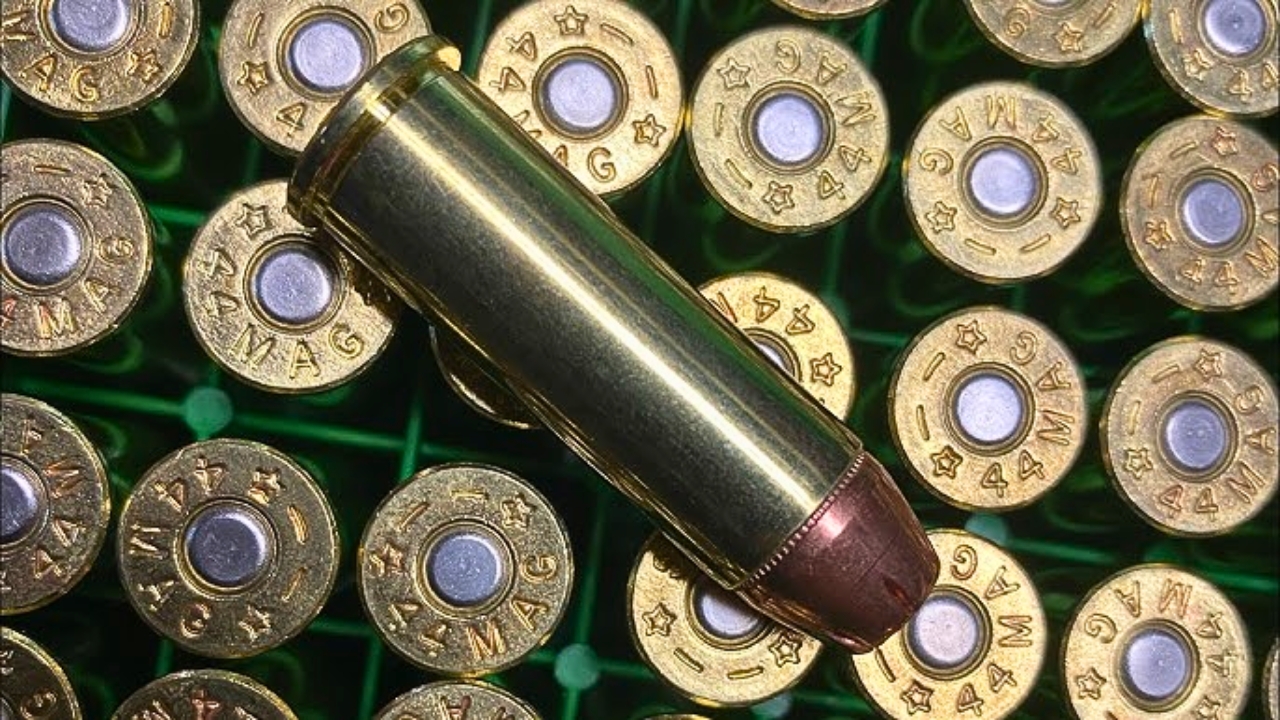
Photo credit: American Arms Channel/YouTube
Meat loss is usually less about “too much caliber” and more about the wrong bullet, the wrong impact speed, and the wrong shot. Fast, frangible bullets hitting heavy shoulder at close range can turn a lot of good venison into bloodshot waste. On the other hand, a controlled bullet driven at sensible speed through the ribs can hit hard, kill cleanly, and leave you with far less trimming to do.
That’s why the best deer and medium-game calibers for meat hunters tend to follow the same pattern. They carry enough bullet to penetrate well, they don’t depend on extreme speed, and they work best with bullets built to hold together instead of explode. If you care about full freezers and clean kills, these are the hunting calibers that keep earning trust without tearing up more animal than they need to.
.243 Winchester
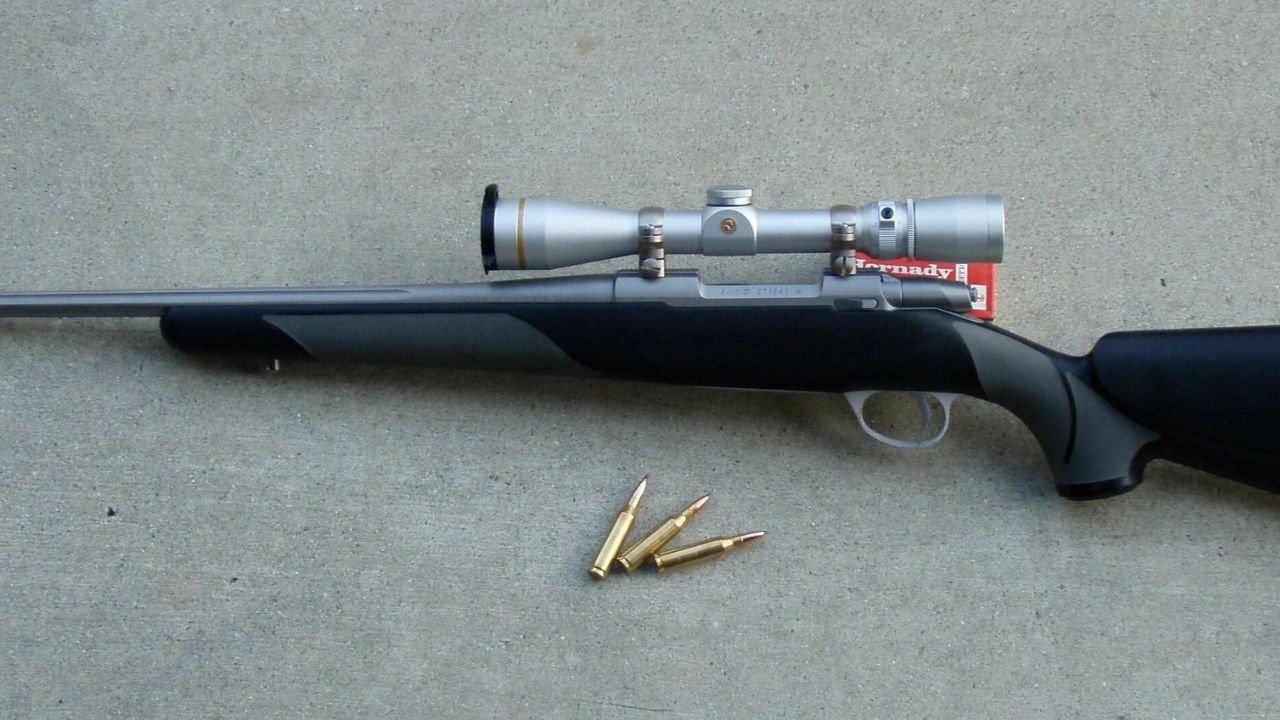
The .243 Winchester gets overlooked by people who think “small means weak,” but with the right bullet it can be one of the cleanest meat-saving deer rounds out there. It hits hard enough for whitetails, shoots flat enough for practical field use, and usually does its best work when you put it through the ribs instead of trying to bulldoze through big shoulder bones.
The trick is bullet choice. Use a proper deer bullet, not a fragile varmint pill, and the .243 often kills quickly without the dramatic bloodshot mess you see from faster, more explosive setups. Recoil stays light too, which helps you place your shot exactly where it belongs. If you’re disciplined about angles and shot placement, .243 is one of the smartest “clean venison” calibers you can carry.
.257 Roberts

The .257 Roberts has always been a calm, sensible deer cartridge, and that’s exactly why it saves meat so well. It gives you enough speed for clean expansion, enough bullet for solid penetration, and not so much violence on impact that you’re trimming fist-sized bruised sections off the front shoulders.
It also rewards careful hunters. The recoil is mild, so you tend to shoot it well, and a rifle you shoot well is always better for meat than a harder kicker you flinch with. Put a good soft point or bonded bullet through the lungs and the Roberts does what a hunting cartridge should do: kill efficiently without acting like it needs to impress anyone. It’s an old-school answer that still makes a lot of sense.
6.5 Creedmoor

The 6.5 Creedmoor can absolutely save meat when you use it the way it should be used. With a controlled hunting bullet and a rib shot, it penetrates well, expands reliably, and usually avoids the dramatic splash damage that comes from high-speed, thin-jacketed bullets slamming into shoulder at close range.
Its real strength is balance. You get enough sectional density for penetration, enough accuracy to place shots well, and recoil light enough that you can practice honestly. That matters more than people admit. A well-placed 6.5 through the lungs tends to leave you with a short tracking job and less ruined meat than many “harder hitting” cartridges. It’s not magic. It’s simply efficient when paired with the right bullet and a grown-man decision on shot angle.
6.5×55 Swedish

The 6.5×55 has been killing deer-sized game cleanly for generations, and one reason it stays respected is that it tends to do so without wrecking excessive meat. It pushes long, moderate-speed bullets that penetrate deeply and expand in a controlled way when you use proper hunting loads.
That combination matters. You’re not relying on violent fragmentation to make the cartridge effective, and you’re not blasting tissue apart with unnecessary speed. A rib shot with the Swede usually gives you the kind of result meat hunters like: good penetration, clean vitals damage, and less bloodshot shoulder waste. It’s also easy to shoot well, and that’s half the battle. If you want a cartridge that acts mature instead of dramatic, this one still deserves respect.
7mm-08 Remington

The 7mm-08 is one of the best “do the job without making a mess” cartridges for deer. It carries enough bullet weight to penetrate reliably, but it doesn’t usually create the same kind of close-range tissue destruction you can get from faster magnum-class rounds when they hit heavy bone.
It also has the advantage of manageable recoil, which makes clean rib shots easier under pressure. Use a good deer bullet and the 7mm-08 tends to punch through the vitals, expand properly, and exit without turning the front half of the animal into trimming work. It hits hard enough to drop deer decisively, but it usually does it in a cleaner, more controlled way than cartridges that rely on more speed than they really need.
.308 Winchester

The .308 works because it stays practical. It has enough bullet weight and enough energy for clean kills on deer and larger game, but it doesn’t carry the excessive speed that often causes dramatic meat loss when shots are close and impact is violent. With the right load, it’s one of the most reliable “hard hit, low drama” rounds you can choose.
The key is to avoid treating it like a magnum. Use a quality hunting bullet, skip the shoulder if you want to save meat, and send it through the ribs. The .308 tends to penetrate straight, expand well, and leave you with a very predictable result. It’s also a cartridge most hunters can shoot accurately without developing bad habits. That accuracy is part of why it protects meat so well.
.30-30 Winchester

The .30-30 has probably saved more venison than half the internet’s favorite “modern” cartridges combined. It works because it delivers moderate speed, solid bullet weight, and dependable terminal performance inside sensible ranges. It’s built for practical woods hunting, not dramatic wound channels.
That moderate velocity is exactly why it tends to be easy on meat. A good soft point through the lungs kills deer cleanly without the explosive tissue damage you can get from higher-speed rounds up close. You still need to pick your shot, but the .30-30’s whole reputation is built around boring reliability and efficient kills. If you want a cartridge that hits hard enough and wastes less, this is one of the clearest answers in North American deer hunting.
.35 Remington
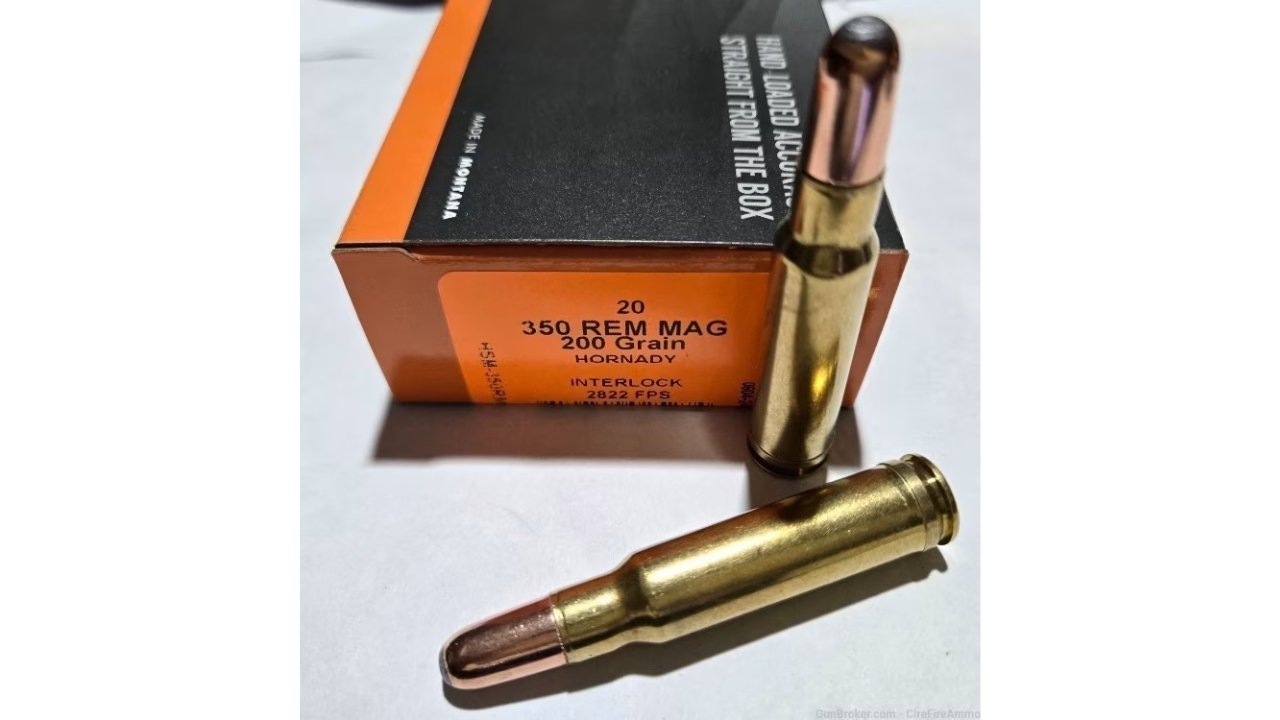
The .35 Remington is one of those cartridges that does its best work in thick woods and inside practical range, which is also where meat damage becomes more noticeable with faster rounds. Its answer is simple: a bigger bullet moving at a sensible speed, driving deep and expanding without the same violent tissue shock.
That makes it a very useful meat hunter’s caliber. It hits with authority, especially on quartering or less-than-perfect presentations, but it usually doesn’t turn nearby muscle into a bloody mess if you keep the shot off major shoulder bone. It’s especially good for hunters who want dependable penetration and clean, honest terminal performance without the overkill that comes from chasing velocity. The .35 Remington has stayed respected for very good reasons.
.300 Savage

The .300 Savage has always lived in a nice middle ground. It gives you .30-caliber authority without the extra speed and recoil that can make some modern cartridges harsher on both your shoulder and your deer meat. It kills cleanly with ordinary hunting bullets and sensible shot placement.
That’s the whole appeal. You don’t need fireworks to kill deer. You need penetration through the chest and a bullet that stays together long enough to do useful work. The .300 Savage tends to give you exactly that, especially with traditional soft points. It’s not flashy, and that helps it. When you want a cartridge that hits solidly but doesn’t bloodshot half the front quarter on a close deer, the old Savage still makes a lot of sense.
.35 Whelen

The .35 Whelen hits hard, but it usually does it with bullet weight and frontal diameter instead of excessive speed. That matters for meat hunters because bigger, heavier bullets at sane velocities can penetrate deeply and kill decisively without creating the kind of violent, explosive damage you often see from lighter, faster bullets driven too hard.
It’s still a serious cartridge, so shot placement matters. If you intentionally smash heavy shoulder, you’re going to lose meat. But through the ribs, the Whelen tends to make a strong, efficient wound channel and keep moving. For larger deer, black bear, and elk, it’s one of the better examples of “hard hit without unnecessary waste.” It’s powerful, but it behaves like a working cartridge, not a dramatic one.
.44 Magnum

Out of a rifle, .44 Magnum is one of the most underrated meat-friendly deer calibers around. It gains useful velocity, carries a heavy bullet, and hits hard at woods ranges without relying on the kind of speed that can ruin a lot of tissue. In thick cover, it can be extremely efficient.
A good .44 hunting load through the ribs tends to punch a solid hole, expand, and keep going without the broad, bloodshot damage zone you can get from faster rifle rounds at close distance. It also makes you honest about range, which helps. You’re not taking 300-yard guesses with a .44 carbine. You’re waiting for a real shot and taking it cleanly. That discipline protects meat as much as the cartridge does.
.45-70 Government
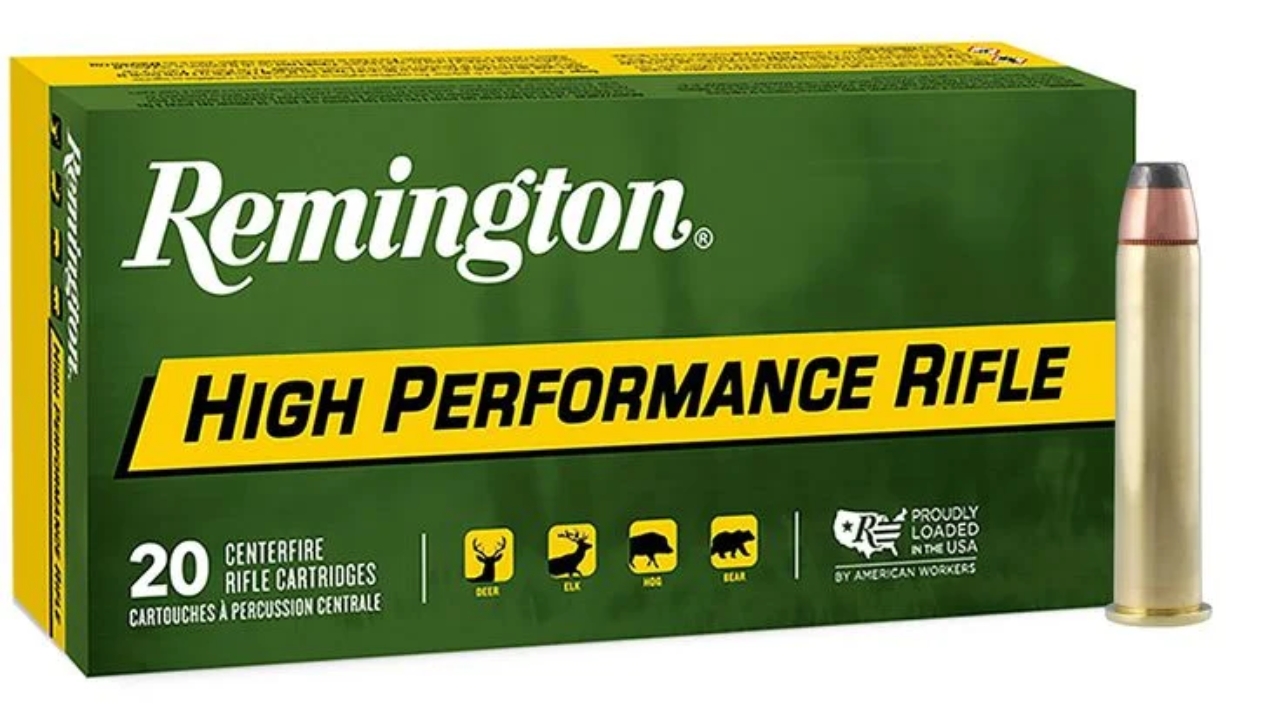
The .45-70 surprises people because they expect “big bore” to mean “big mess.” In reality, with standard hunting loads, it often kills cleanly without excessive meat loss because it uses heavy bullets and moderate velocity instead of raw speed. It makes a big hole, but it usually doesn’t create the same broad bloodshot zone as many faster cartridges.
That doesn’t mean you can smash both shoulders and keep every ounce. But if you put a .45-70 through the ribs, it tends to do exactly what a meat hunter wants: deep penetration, decisive damage to the vitals, and less surrounding destruction than people expect from something that big. It’s a very practical example of power used efficiently instead of violently.
.270 Winchester
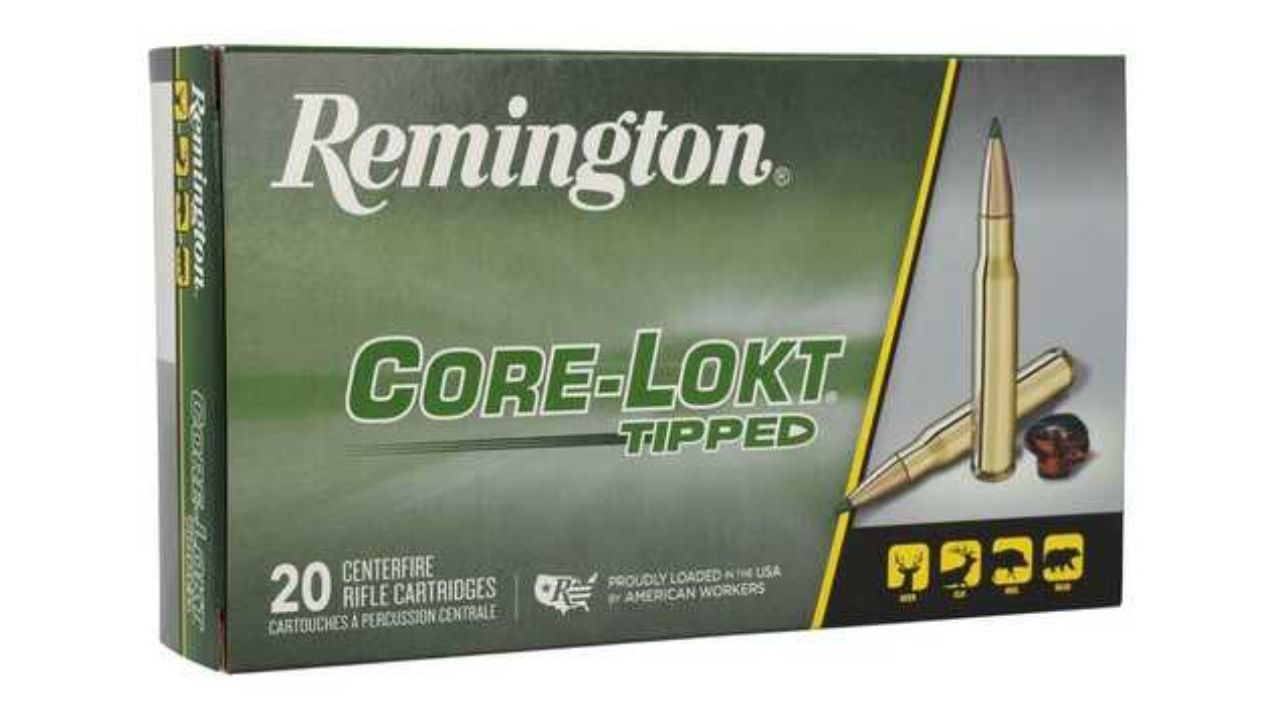
The .270 can be easy on meat or rough on meat depending on how you load it and how you shoot it. Use a fragile bullet at close range and hit heavy shoulder, and you can ruin more venison than you wanted. Use a controlled bullet, place it through the ribs, and the .270 becomes one of the cleaner, flatter-shooting deer rounds in the field.
Its advantage is precision. It shoots flat, most rifles chambered in it are easy to shoot well, and it gives you enough power without needing a magnum’s recoil or blast. That makes proper shot placement easier, and proper shot placement is what saves meat. When used with discipline, the .270 delivers fast kills and surprisingly modest meat loss. It’s a classic because it still works.
.280 Remington

The .280 is one of those cartridges that quietly does everything well, including preserving meat when you use it correctly. It gives you enough bullet and enough energy for decisive kills, but it doesn’t force the kind of excessive impact speed that turns close-range shoulder shots into trimming sessions.
With a proper hunting bullet, the .280 tends to penetrate well, expand in a controlled way, and leave a clean, efficient wound path through the chest. It also keeps recoil manageable enough that you can actually practice and place your shots where they belong. That’s what makes it such a strong meat-hunter option. It’s not dramatic. It’s simply effective without being wasteful, which is exactly what you want when you care about the freezer.
.41 Magnum

The .41 Magnum doesn’t get talked about enough, but it’s a very strong example of a cartridge that hits hard without unnecessary waste—especially from a revolver or carbine at realistic hunting distances. It offers more authority than many mid-range rounds, but it usually does it without the punishing recoil and excess tissue destruction that can come with hotter options.
That makes it a very useful choice for hunters who like straight-walled performance and practical ranges. A well-constructed .41 bullet through the ribs tends to penetrate well, expand honestly, and avoid the dramatic bloodshot damage you see when velocity gets excessive. It’s a cartridge that behaves with purpose. For deer hunters who want real punch and less mess, it deserves far more credit than it usually gets.
Like The Avid Outdoorsman’s content? Subscribe to our newsletter so you never miss an article.
Here’s more from us:


