Photo credit: mmpixel91/Shutterstock.com
You’ve probably pulled a factory trigger that made you second-guess your entire rifle. Maybe it was gritty, spongy, or broke somewhere between “now” and “eventually.” The truth is, factory triggers have come a long way on paper—but in the field, a lot of them still leave hunters disappointed. Whether it’s inconsistent pull weights, unpredictable break points, or outright liability with gloves on, many hunters reach a point where they stop giving them the benefit of the doubt. You don’t need a match-grade setup to make clean shots. But when your trigger feels more like a suggestion than a command, it’s hard to keep trusting what came in the box. Here’s why more and more folks are swapping theirs out.
They’re built to meet legal standards, not shooting standards
Most factory triggers are tuned for liability, not field performance. Manufacturers set them heavy—sometimes in the 5- to 7-pound range—to keep lawyers happy and negligent discharges less likely. That might make sense from a business standpoint, but it’s a recipe for bad shots when you’re trying to squeeze off a clean one in the cold. You shouldn’t have to fight your trigger or risk yanking your reticle off target every time you breathe on it. A lighter, more predictable aftermarket unit lets you focus on the shot—not on whether your trigger will finally break this time.
They vary too much between rifles of the same model
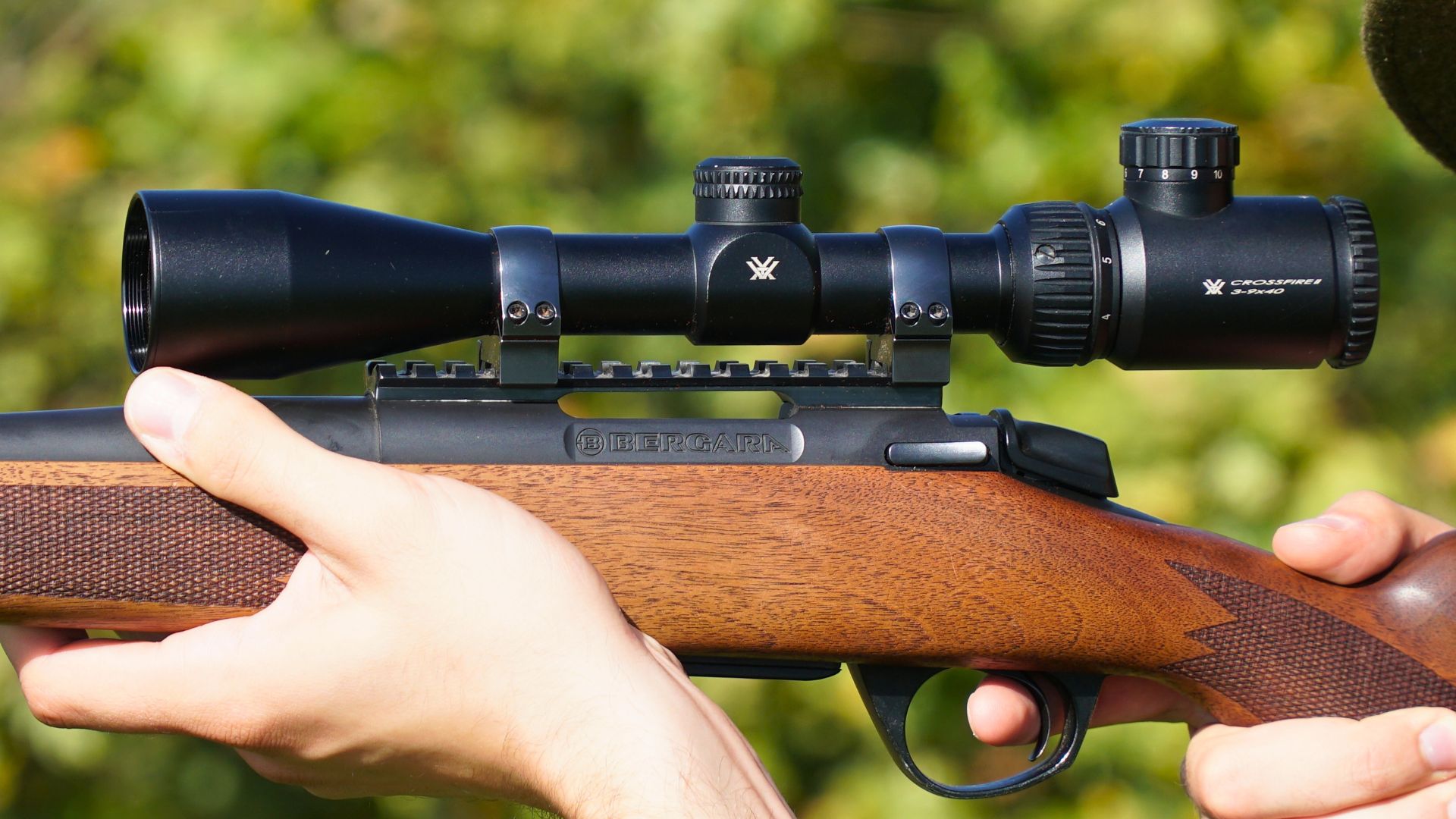
Even within the same model line, factory triggers can be wildly inconsistent. You might get one that feels halfway crisp, and the next will feel like a wet sponge. That’s not by accident. Most of these are mass-produced with broad tolerances and minimal hand-fitting. When consistency matters—especially across rifles you’re setting up for different seasons or states—it’s frustrating to deal with something that changes from one serial number to the next. Hunters want repeatability, and factory triggers don’t always offer that out of the gate.
Some can’t be adjusted without a bench full of tools
Even when a factory trigger is technically adjustable, doing it isn’t always practical. Some require disassembling the rifle, pulling tiny screws, or voiding your warranty. And if you mess it up, you’re either stuck with something worse or sending it off for repair. Aftermarket triggers—especially drop-in units—solve that in minutes. You pick your pull weight, your style of break, and install it without getting greasy. That level of control makes it easier to tune your rifle to your hunting style instead of learning to live with whatever showed up in the box.
Cold weather exposes their worst habits

Factory triggers that feel halfway decent on the bench often fall apart when the temperature drops. Gloves mute your feel. Ice and grit creep into the housing. And heavier triggers become harder to press smoothly when your fingers are stiff. In a hunting blind or on the side of a mountain, a trigger that breaks cleanly with minimal effort becomes the difference between a steady shot and a rushed one. Many hunters learn the hard way—after a blown opportunity—that their factory unit wasn’t built for weather like that.
Some are impossible to service without a gunsmith
Factory triggers that are pinned in or riveted shut can’t be easily cleaned or maintained. Once debris gets inside—or once wear starts to set in—you’re stuck with a deteriorating feel and no easy way to fix it. Even basic upkeep, like flushing with solvent or checking engagement surfaces, isn’t an option unless you’re willing to void something or pay someone. That’s one reason experienced hunters swap them early. They’d rather install a trigger they can service themselves than rely on something sealed from the factory like a black box.
You lose trust after a single surprise break

Every hunter remembers the first time a trigger broke too early—or not at all. Maybe it was a dry fire that felt off, or a live round that went off before you were fully settled. Once that trust is gone, it’s hard to get it back. And with factory triggers, there’s not much you can do to rebuild it short of replacement. When your shot timing matters—especially when adrenaline’s high—knowing exactly when the trigger will break matters more than whatever specs the box claimed. That’s not a gamble most hunters are willing to keep taking.
Upgrading brings confidence that factory triggers rarely match
There’s something reassuring about knowing your trigger will do the exact same thing every time. A clean break, a consistent wall, and a pull weight you chose—not one chosen by a committee—go a long way toward building confidence. That kind of confidence doesn’t come standard on most hunting rifles. But once you’ve had it, it’s hard to go back. It’s not about chasing competition-grade performance. It’s about trusting your rifle to do what your finger tells it to do, whether it’s your first deer or your fiftieth. That’s why hunters move on.
Like The Avid Outdoorsman’s content? Be sure to follow us.
Here’s more from us:
The worst deer rifles money can buy
Sidearms That Belong in the Safe — Not Your Belt
*This article was developed with AI-powered tools and has been carefully reviewed by our editors.