Photo credit: Oleksandr Shatyrov/ShutterStock.com
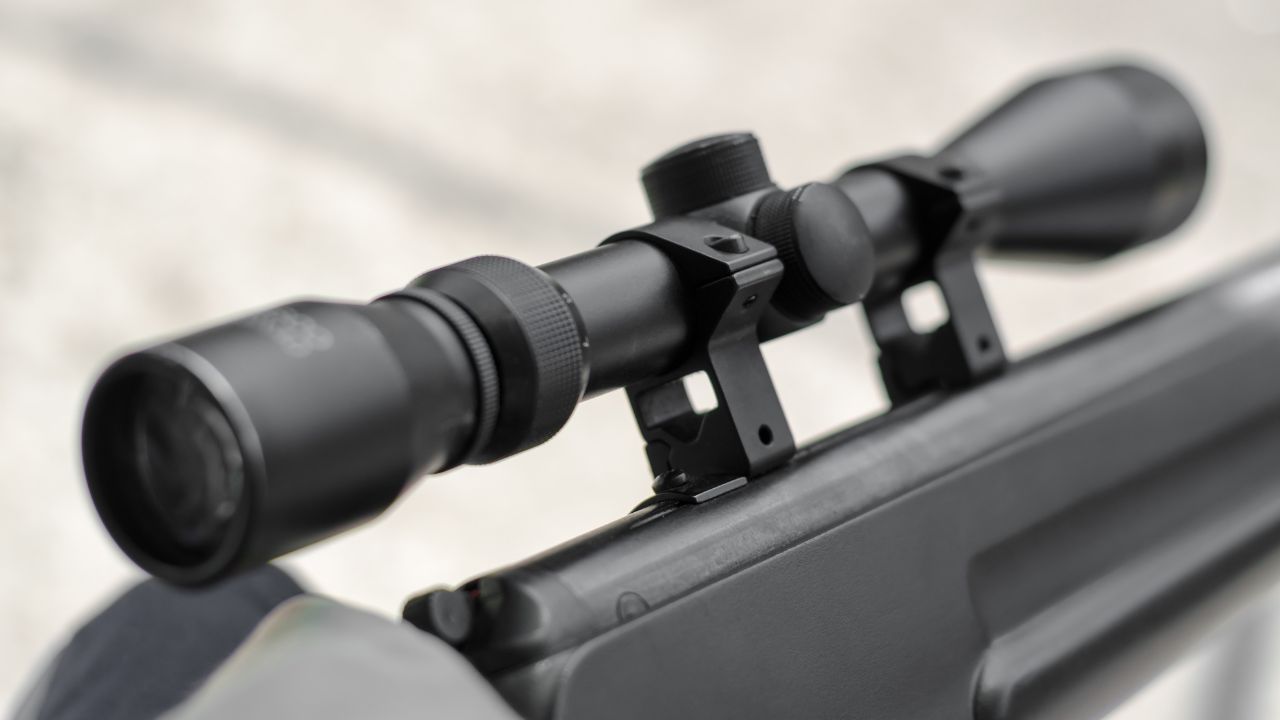
A cheap optic can look like a smart compromise when conditions are easy. At the range on a clear day, plenty of budget scopes and red dots seem perfectly acceptable. The glass looks decent enough in good light, the reticle shows up, and the rifle prints where it ought to. That is usually where a lot of hunters convince themselves they saved money without really giving anything up. Then weather shows up and starts asking harder questions. Rain gets on the lenses. The morning is dimmer than expected. The temperature swings. Fog rolls in. You are trying to pick a deer out of brush right at first light, and suddenly that bargain optic is not just “less nice” than a better one. It is actively making the hunt harder. That is the part people miss when they talk about cheap optics like they are all basically fine now. In fair weather, some of them are fine. In bad weather, they start charging you back for every dollar you thought you saved.
Bad glass gets expensive fast when light disappears
One of the first places cheap optics betray a hunter is in low light. That is not some tiny technical complaint for gear snobs. It matters because the hours when game tends to move best are also the hours when light is weakest and shadows get tricky. A scope that looks passable at noon can turn muddy and flat in those first and last minutes when you actually need to make a confident decision. Details start blending together. Brush gets harder to separate from hide. Edges lose definition. The image may not go completely dark, but it gets dull enough that your confidence drops right when it should be highest. That hesitation costs opportunities, and sometimes it costs more than that. A hunter may pass on a shot he should have taken because he cannot read the scene clearly, or worse, start forcing certainty where the optic is not giving him enough of it.
A lot of guys do not realize how much they are fighting their scope until they spend time behind better glass in rough conditions. Then it becomes obvious. Better optics do not magically make animals appear, but they hold contrast longer, manage glare better, and give your eyes a cleaner picture when light is poor and the weather is stacking the deck against you. Cheap glass tends to wash out sooner, especially when clouds, mist, or a wet timber edge take away the clean light it depended on. When that happens, the real cost is not that the image looks a little uglier. The real cost is that you are slower, less certain, and more likely to waste the exact window you came out there for.
Rain exposes all the corners manufacturers cut
A lot of budget optics claim to be waterproof, fogproof, and ready for hard field use. Sometimes they mostly are. Sometimes they are just good enough until weather gets persistent instead of occasional. A quick sprinkle is one thing. A full day of wet brush, steady rain, temperature changes, and repeated exposure is another. That is when you start seeing where corners got cut. Maybe the lens coating does not shed water worth a lick, so every drop hangs on and turns the sight picture into a smeared mess. Maybe the adjustment caps do not seal as well as advertised. Maybe the optic never fully fogs internally, but it starts acting strange around the edges or gets hazy enough to make you question it. Cheap optics often survive weather in the narrowest possible sense. They may not fail dramatically, but they stop working well in the conditions that matter most.
External fogging and water management are bigger deals than some people admit too. A scope that collects every drop and smears the image when you try to wipe it is not doing you any favors. The same goes for a red dot whose window turns into a wet little mirror the second rain starts blowing sideways. In good conditions, those issues stay hidden. In foul weather, they become the whole story. Now your rifle still works, your ammo still works, and your legs still got you into the woods, but the one piece of gear you need to see through has become the weakest link. That is not just annoying. It changes how hard you push, how long you stay, and whether you trust the setup enough to keep hunting through weather that should have been manageable.
Weak adjustments cost more than missed groups at the range
The other thing cheap optics have a bad habit of doing is losing trust little by little. A hunter might not notice it at first. The zero seems close enough. Groups shift a little now and then, but maybe he blames ammo, the rest, or himself. Then a hard bump in the truck, a wet weekend, or a temperature swing happens, and the rifle suddenly is not hitting where it was. Not wildly off, maybe, but off enough to matter. That is where cheap optics get expensive in a hurry. You burn time and ammo chasing a zero that should have stayed put. You start second-guessing the rifle. You may even pass up a hunt or carry a backup gun because you no longer trust the primary setup. All of that has a cost attached to it, even if nobody writes it on a receipt.
Bad tracking and weak internals are especially frustrating because they do not always fail in a dramatic way that makes the problem obvious. A really bad optic will quit in a way that forces the issue. A mediocre one often just undermines confidence a little at a time. The adjustment feels mushy. The clicks do not seem consistent. You make a change and do not get exactly what you expected. Then weather adds another variable, and suddenly you are wondering if the scope shifted, if the mounts moved, or if the cold changed something in the load. A good optic reduces uncertainty. A cheap one creates more of it. Once that starts happening, the cost is not just the optic itself. The cost is every round you fire trying to diagnose it and every hunt where part of your brain is busy wondering whether the rifle is still telling the truth.
Cheap optics make hard conditions feel harder than they are
A lot of experienced hunters will put up with a fair amount of discomfort if the gear is still doing its job. They will stay in wind, sleet, freezing drizzle, and ugly cold longer than a casual hunter ever plans to. That gets a whole lot harder when your optic is the reason the hunt feels miserable. If the image is poor, the lens is constantly wet, the reticle is hard to pick up against dark cover, or you no longer trust the zero, your patience disappears faster. You start cutting sits short. You talk yourself out of pushing farther. You decide conditions are worse than they really are because your gear is making them feel worse. That is one of the sneakiest costs of cheap optics. They do not just limit performance. They shorten your willingness to stay effective when the hunt stops being comfortable.
That matters because nasty weather often improves odds for hunters who are equipped to deal with it. Pressure drops. Woods get quieter. Movement can pick up. Animals feel safer in ugly conditions than people do. A hunter with reliable glass can lean into that. A hunter with bargain optics often ends up backing off right when the day might have gotten good. He heads in early because he cannot see well enough, cannot keep the lenses clear, or simply does not trust what the optic is doing anymore. Over time, that changes how he hunts altogether. He starts planning around his gear’s limitations instead of the animal’s behavior, and that is a lousy place to be if you are serious about making the most of a season.
The money you save up front usually gets spent somewhere else
This is what it comes down to. Cheap optics rarely stay cheap in the full sense of the word. Maybe you save a few hundred dollars up front, but then you pay in extra ammo, lost confidence, missed opportunities, shorter hunts, and eventually replacement costs when you get tired of fighting the thing. That is especially true for hunters who spend real time outside instead of waiting for ideal forecast days. If you hunt enough, weather is going to test your setup. It always does. When that happens, the optic either keeps helping or starts charging interest on the bargain. A lot of hunters learn that the hard way after one wet season, one dim morning, or one too many unexplained shifts at the range.
None of this means every budget optic is worthless or that a hunter needs top-shelf glass for every rifle. It does mean there is a point where going too cheap stops being practical and starts being self-defeating. The job of an optic is not to impress you under perfect conditions. It is to keep delivering when the light gets thin, the weather turns rough, and the rest of the hunt is already asking enough from you. That is where quality starts paying for itself. Not in bragging rights, not in logo worship, and not because expensive gear automatically makes a better hunter. It pays for itself because when the forecast goes sideways and the woods get hard, you need one less thing working against you.
Like The Avid Outdoorsman’s content? Be sure to follow us.
Here’s more from us: