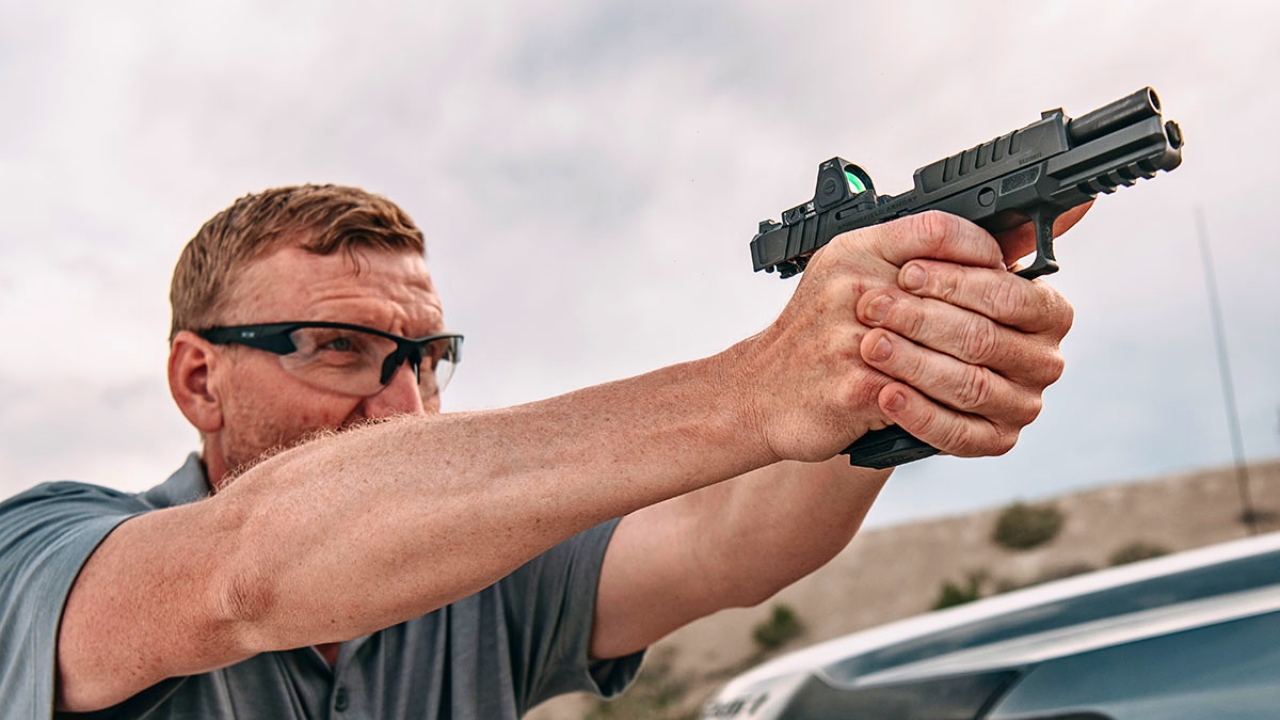
Photo credit: Springfield Armory
You can argue all day about plastic versus steel, but one thing’s clear—polymer handguns aren’t going anywhere. The modern market has spoken, and the lighter, cheaper, striker-fired crowd keeps winning. Every major manufacturer has jumped on board, from Glock and Smith & Wesson to Sig and Ruger, and it’s no accident. These guns have reshaped what people expect from a sidearm: reliability, simplicity, and ease of use in one low-maintenance package. Whether you love them or still swear by a metal frame, it’s worth looking at why polymer pistols continue to dominate the spotlight year after year.
They changed what reliability means
Polymer pistols redefined reliability for the average shooter. They aren’t tuned race guns or high-maintenance collectibles—they’re built to run dirty, wet, or neglected and still function. The flexibility of polymer frames means less worry about cracks, corrosion, or tight tolerances that bind when grit gets involved. You can drop them, sweat on them, or leave them in the truck all summer, and they still go bang. That kind of real-world dependability made them favorites with law enforcement and concealed carriers alike. They proved you don’t need a hand-fitted pistol to trust your life to it—you just need one that keeps cycling no matter what.
Weight matters more than ever

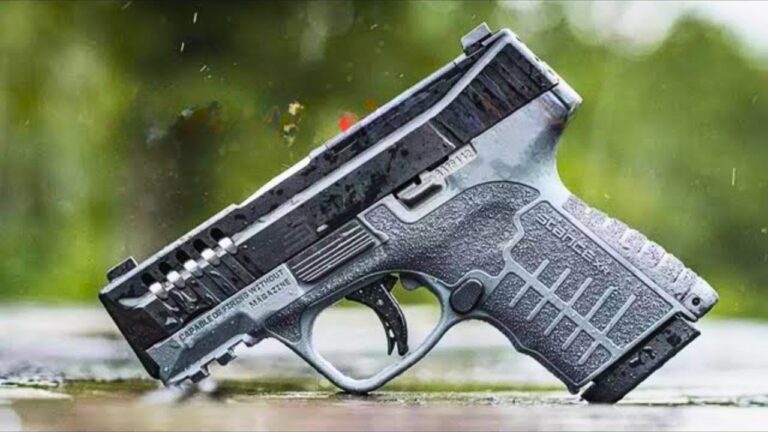
There’s a reason polymer took off with carry guns: ounces matter. Steel-frame pistols might feel planted and balanced, but they’ll wear on your belt after twelve hours of carry. Polymer cuts that weight almost in half, and that difference adds up. It’s the reason Glocks replaced so many duty guns and why subcompacts like the P365 became so popular. Lighter guns are easier to carry, easier to draw, and more forgiving when you’re moving around all day. You give up a little in recoil control, sure—but most shooters would rather deal with a snappier gun than a sore hip.
Simplicity sells and works
The success of polymer pistols has a lot to do with simplicity. Fewer parts, fewer controls, and less maintenance. Striker-fired systems made shooting straightforward: draw, press the trigger, repeat. No decockers, safeties, or heavy double-action first pulls to complicate things. That ease of use opened the door for new shooters who wanted something practical and foolproof. And for seasoned shooters, the simplicity means less time tinkering and more time training. You can field strip most polymer pistols in seconds, clean them in minutes, and be back on the range before your coffee gets cold.
They’re affordable without feeling cheap

A big part of the polymer revolution is price. Casting or machining a steel frame costs more time and money. Polymer frames are molded, not machined, and that brings the price down without sacrificing reliability. The savings get passed to the buyer, which means you can own a dependable, accurate pistol for half the price of a metal-frame model. That accessibility made serious handguns mainstream. College students, blue-collar workers, and first-time gun owners could finally afford something dependable. The kicker? They shoot nearly as well as guns twice their price. Once that happened, the old hierarchy started to crumble.
They fit more shooters
One of the biggest advantages of polymer frames is how adaptable they are. Interchangeable backstraps, grip modules, and accessory rails make them fit almost any hand. Compare that to older metal guns with fixed grip dimensions—what you got is what you got. Polymer frames made customization standard, not luxury. The P320 and M&P lines let shooters tailor fit, balance, and feel without needing a gunsmith. For departments and civilians alike, that adaptability makes training easier and more comfortable. A gun that fits better gets shot better, and polymer made that kind of fit widely available for the first time.
The aftermarket followed

Once polymer pistols gained popularity, the aftermarket exploded. New triggers, optics cuts, frames, slides, and lights turned once-basic handguns into modular systems. Glock owners started swapping parts like AR builders, and other brands followed suit. Today, you can build a completely custom polymer pistol from parts without ever touching the original factory gun. That level of support keeps them relevant and evolving. Shooters don’t have to wait for a new model—they can modify what they already have. It’s not just a gun anymore; it’s a platform that grows with you and your shooting style.
They earned trust in real-world use
Every trend eventually hits the proving ground. For polymer pistols, that meant combat zones, duty holsters, and millions of concealed carriers across decades. They’ve been dropped in deserts, frozen in snow, and soaked in saltwater—and they still fired. That kind of track record builds trust no ad campaign can buy. When you talk to people who’ve carried them for years, you hear the same thing: they run. They might not have the soul of an all-steel pistol, but they work when it counts. And for most shooters, that’s what matters most.
The future isn’t going backward
You’ll always have shooters who prefer the heft and tradition of steel. There’s something timeless about a well-made 1911 or a classic revolver. But the firearms industry doesn’t move backward, and polymer handguns keep improving. Better triggers, optics-ready slides, and higher-capacity designs keep pushing them forward. Even companies that once swore by steel are now producing polymer options because they can’t ignore what shooters want. Love them or hate them, polymer pistols have earned their place—and they’re not giving up the spotlight anytime soon.
Like The Avid Outdoorsman’s content? Be sure to follow us.
Here’s more from us:
The worst deer rifles money can buy
Sidearms That Belong in the Safe — Not Your Belt
*This article was developed with AI-powered tools and has been carefully reviewed by our editors.