Photo credit: Elisa Stone/Unsplash.com
When food gets tight in the wild, predators do what predators have always done. They shift. They follow prey, water, cover, and easy calories. The problem is that suburbs offer all four. Bird feeders pull in rodents and rabbits. Pet food and trash cans create free meals. Greenbelts, drainage ditches, golf courses, retention ponds, and wood lines give animals travel lanes right through neighborhoods. Texas Parks and Wildlife notes that coyotes, bobcats, and even mountain lions are increasingly found near suburban areas as development pushes into rural habitat, which is exactly why these encounters stop feeling rare once pressure builds on the landscape.
That does not mean every predator is suddenly hunting people. Most are there because the suburbs have become the easiest place to make a living. When natural food drops off, or drought and seasonal stress make wild forage less reliable, predators get practical in a hurry. The animals below are the ones most likely to show up when food gets scarce, and they usually do it for the same reason: people unintentionally make suburban ground easier to hunt than the woods they came from.
Coyotes

Coyotes are the first animal most people think of, and for good reason. They are one of the best adapters on the landscape. A coyote does not need pristine wilderness to thrive. It needs food, water, cover, and room to move between them, and suburbs hand over that setup all the time. Rabbits live in landscaping, rodents live around sheds and fences, fruit drops in yards, outdoor pets create temptation, and pet food bowls do the rest. Once natural prey gets harder to find, coyotes start treating neighborhoods like another piece of their range instead of some foreign place they need to avoid.
What makes coyotes especially common in suburbs is how comfortable they are with edges. They love creek bottoms, greenbelts, easements, golf courses, and vacant lots between developments. Those are perfect travel corridors. A lot of people think the coyote “came into town” all at once, when really it may have been there for months and only got bolder once the food picture changed. Scarcity tends to make those daylight sightings more common, and once that starts, small pets and backyard poultry are usually the first to pay for it.
Bobcats

Bobcats move into suburban ground more often than people realize because they are quiet, efficient, and good at staying unseen. Texas Parks and Wildlife has highlighted bobcats as part of urban carnivore research in the Dallas-Fort Worth area, which tells you right there this is not some far-fetched theory. Bobcats are already using developed landscapes, especially where neighborhoods back up to brush, creek lines, and undeveloped pockets. When food gets scarce, those same suburban edges become more attractive because rabbits, squirrels, birds, and rodents are still hanging around watered lawns and ornamental plantings.
The reason bobcats catch people off guard is that they do not usually make a scene. A coyote might trot across a street in broad daylight. A bobcat slips through a fence line, cuts behind a shed, or works the edge of a greenbelt at dawn and disappears. In lean times, that stealth becomes a real advantage. Neighborhoods with bird feeders, decorative ponds, brushy corners, and half-wild drainage areas can support a surprising amount of prey. Once a bobcat learns that, it does not need much encouragement to keep coming back.
Mountain lions

Mountain lions are not common suburban predators in most places, but they absolutely can show up near developed areas when habitat pressure and prey movement line up. Texas Parks and Wildlife notes that mountain lions, once thought of as wilderness predators, are now found in close proximity to suburban areas as expansion pushes into rural land. That matters because lions do not need cities. They need deer, cover, and a route in and out. Suburbs near foothills, ranch edges, or brush country can provide all of that, especially if deer are feeding on ornamental plants or using watered green space as a refuge when conditions get rough.
What makes lions different from other predators on this list is scale. A lion is not there to raid trash or steal kibble. It is there because the prey base shifted, and it followed. That usually means deer first, though pets can become vulnerable too. Most suburban lion encounters happen where people assume the divide between “town” and “wild” is sharper than it really is. It is not. If the neighborhood sits beside the kind of country lions already use, a food crunch can close that gap quickly.
Black bears

Black bears are some of the clearest examples of a predator moving toward developed areas when natural food fails. The National Park Service says bears will travel significant distances when food sources are scarce, and wildlife agencies have long warned that hard mast failures and other shortages push bears to range farther and increase conflict around human food. Once a bear finds garbage, coolers, pet food, birdseed, livestock feed, or unsecured freezers, it has a reason to keep checking houses, sheds, and neighborhoods.
This is where people make the mistake of calling the bear “aggressive” when what it really is at first is food-conditioned. That still turns dangerous fast. NPS notes that bears relying on human food can become more aggressive toward people, which is exactly why neighborhoods with sloppy trash habits or backyard feeding issues can become trouble spots during poor natural food years. Scarcity does not need to last forever either. One season of bad forage is enough to teach a bear that developed ground is easier than the woods.
Foxes
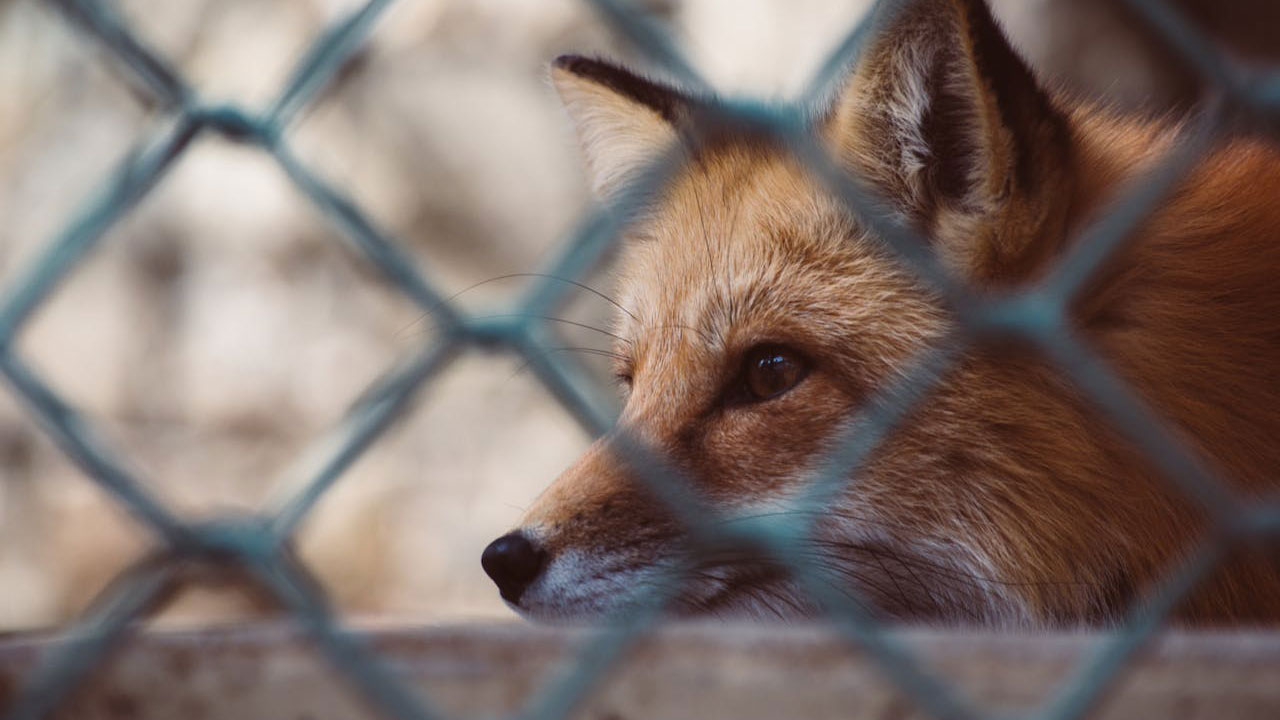
Foxes slide into suburbs easily because they are built for small prey and edge habitat. A fox does not need livestock country or remote timber to make a living. It needs mice, voles, rabbits, insects, fruit, and a little cover. Suburbs provide all of that, especially where landscaping meets brush, fence rows, drainage channels, or patches of neglected ground. When food gets scarce outside town, foxes can shift toward neighborhoods because the prey base there stays more stable than people think, especially around irrigated lawns and places where seed and scraps keep rodents around.
They also benefit from how little attention people pay to them compared with coyotes or bears. A fox in a neighborhood often gets mistaken for a dog at a glance, and by the time anyone pays attention it is already learned the route. In lean years, foxes become more visible because they have less room to be picky. They will work under decks, around sheds, along retaining walls, and near chicken runs if the opportunity is there. They may look small and harmless, but they are still predators taking advantage of human-created abundance.
Raccoons
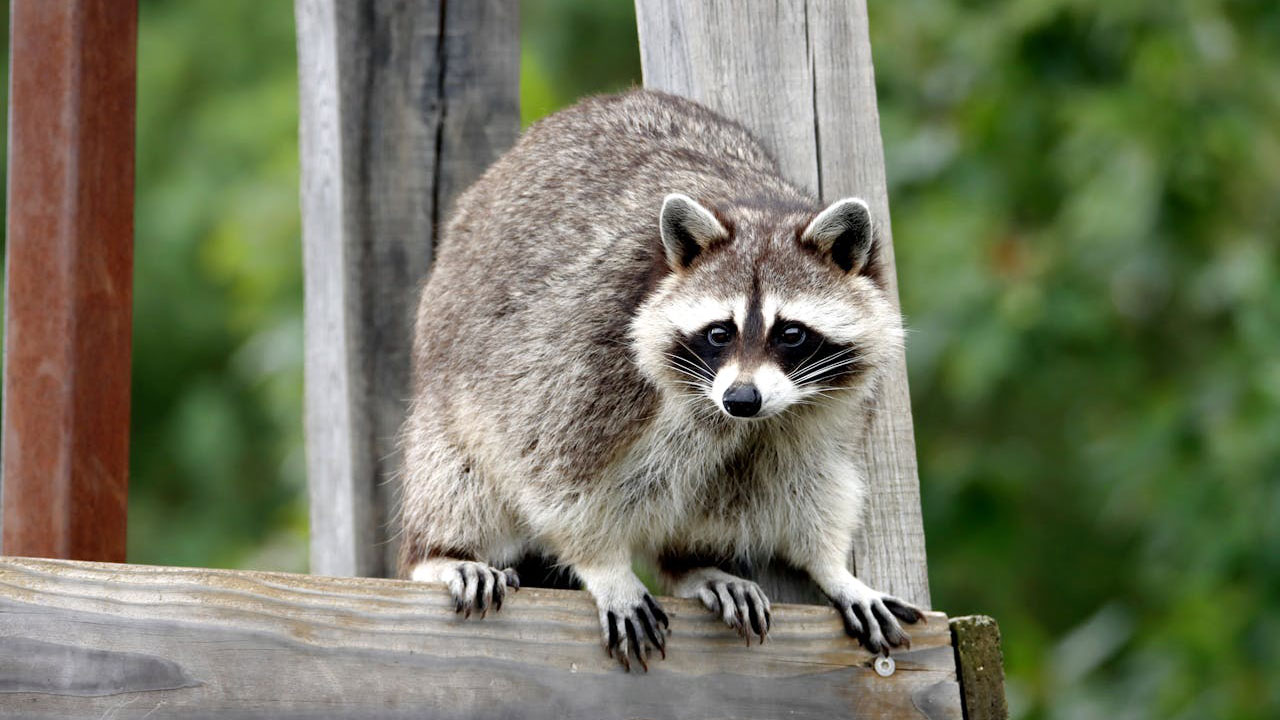
Raccoons are not always thought of first as predators, but they absolutely belong on this list. They are opportunistic hunters and raiders, and when food gets scarce they move hard toward suburbs because suburbs are packed with easy meals. Trash, pet food, eggs, chicks, ornamental ponds, bird feeders, gardens, and outdoor feeding areas all pull raccoons in. Texas Parks and Wildlife has specifically noted raccoons among the wildlife that move more in search of scarce food and water during drought, which fits exactly with the kind of suburban overlap people start noticing in rough years.
What makes raccoons different is that they are comfortable up close. They will den in attics, crawl spaces, chimneys, sheds, and outbuildings. Once they start using a neighborhood as part of their route, they become hard to keep out if attractants stay in place. They are also rough on poultry and small pets, and they are fully willing to fight when cornered. A food shortage does not turn raccoons into something new. It simply strips away the hesitation they might have had about checking your porch, feed room, or coop in broad view.
Skunks
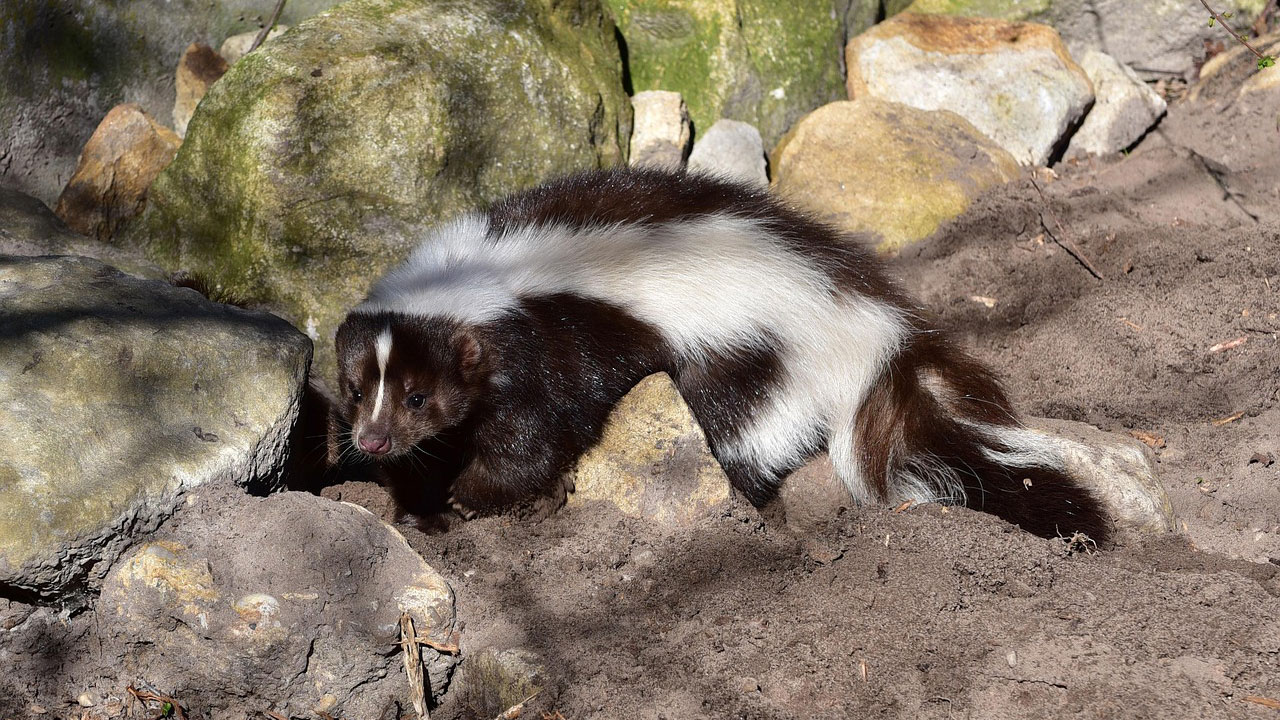
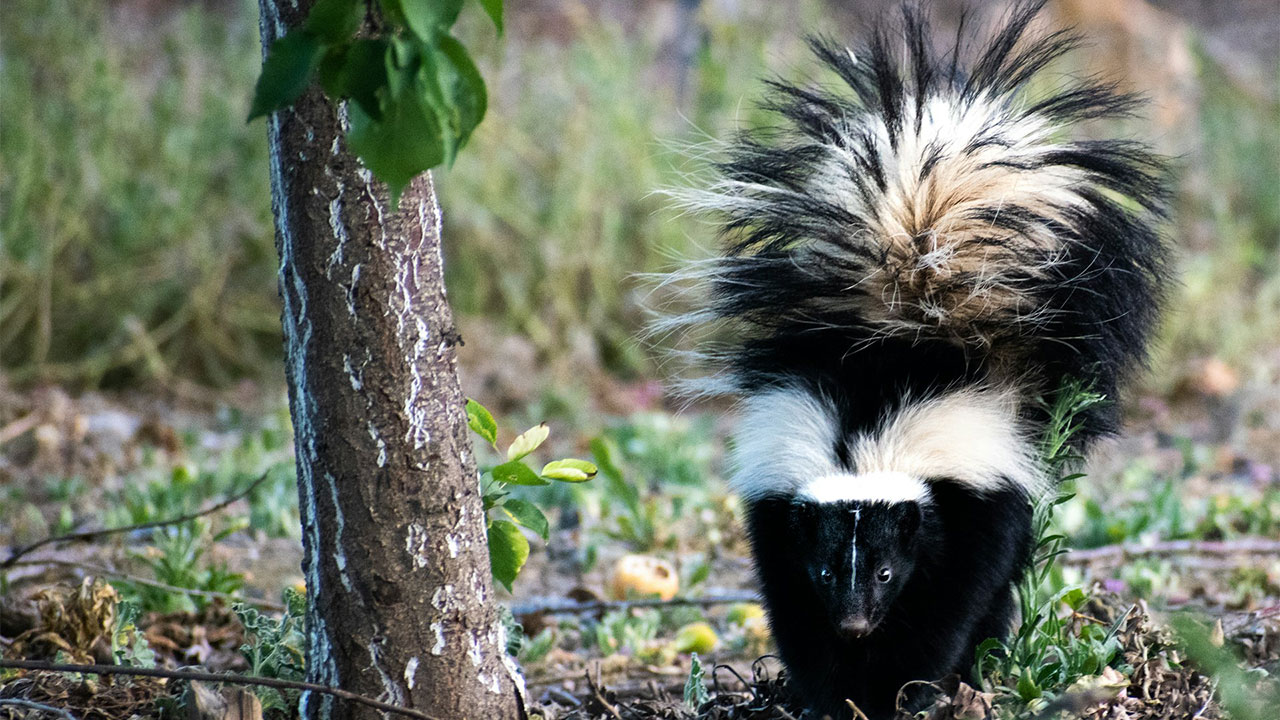
Skunks follow a similar pattern, though people tend to underestimate them because they are slow-moving and seem almost cartoonish until one is under the deck or digging near the foundation. Skunks are predators of insects, rodents, eggs, and small animals, and suburbs keep offering those food sources long after nearby wild ground starts thinning out. Grub-rich lawns, compost, pet food, and rodent activity around sheds give them a reason to stay. Once scarcity pushes them outward, neighborhoods with watered grass and shelter start looking better than open country.
They also thrive around the kind of clutter people ignore. Piles of lumber, low sheds, crawl spaces, brush stacked behind fences, and neglected corners under porches all give skunks cover. During lean years, they get more willing to use those spots close to people because the payoff is better. The danger is not just the spray, either. Skunks around homes raise bigger concerns because they can tangle with pets, raid nests, and create close encounters in the dark when someone walks outside and never sees them until it is too late.
Great horned owls
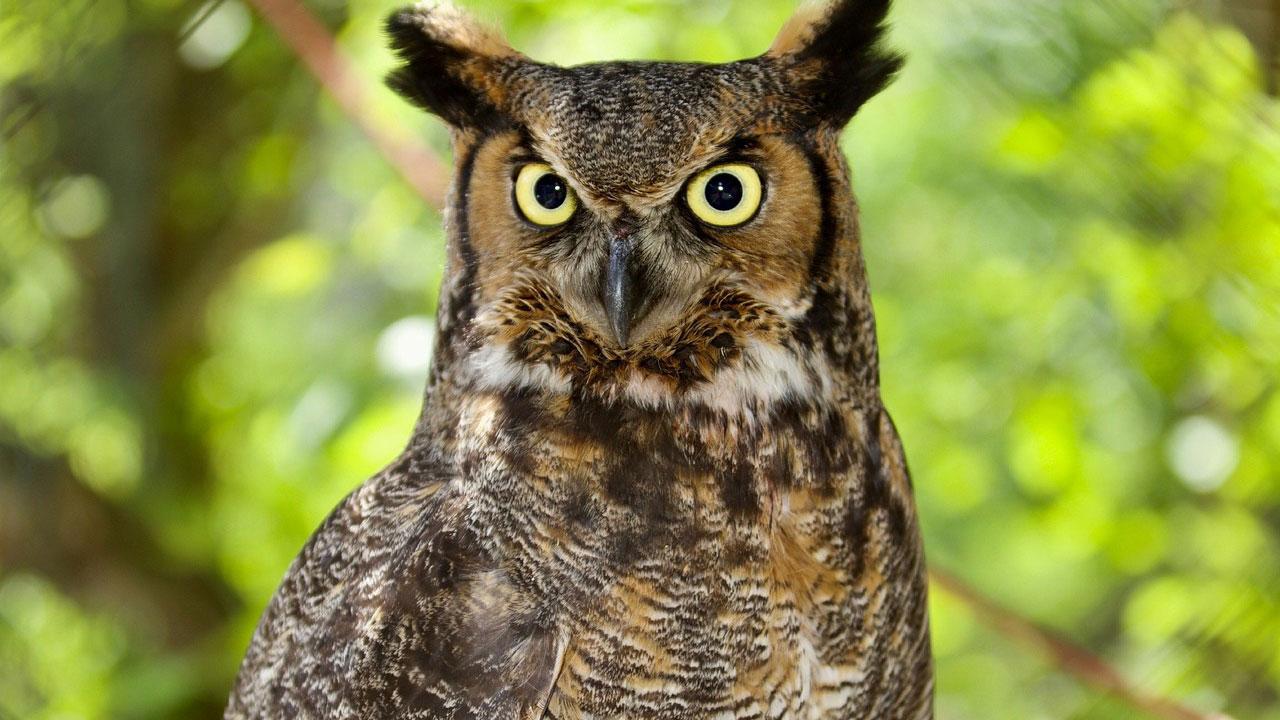
Owls are suburban predators in a quieter way, but they absolutely move where food is. Great horned owls especially can do well around the edges of development because they hunt rabbits, rats, squirrels, birds, and other small animals that stay abundant around people. Scarcity in surrounding habitat can increase how much they work neighborhoods, especially where parks, mature trees, retention ponds, and open lawns create easy hunting lanes. A suburb full of rodents and small prey is not some second-rate option to an owl. It can be one of the easiest places to catch dinner.
The reason they matter is that people rarely think of aerial predators when they talk about food pressure. They should. Backyard chickens, small outdoor pets, and ornamental bird populations all draw attention from owls once the conditions line up. They tend to work the edges of light and shadow, and they use big trees, utility poles, and rooftops as perches. When food gets scarce elsewhere, those suburban hunting advantages become hard for them to ignore. They may not “move in” the way a raccoon dens in a chimney, but they absolutely begin working the neighborhood more aggressively.
Red-tailed hawks
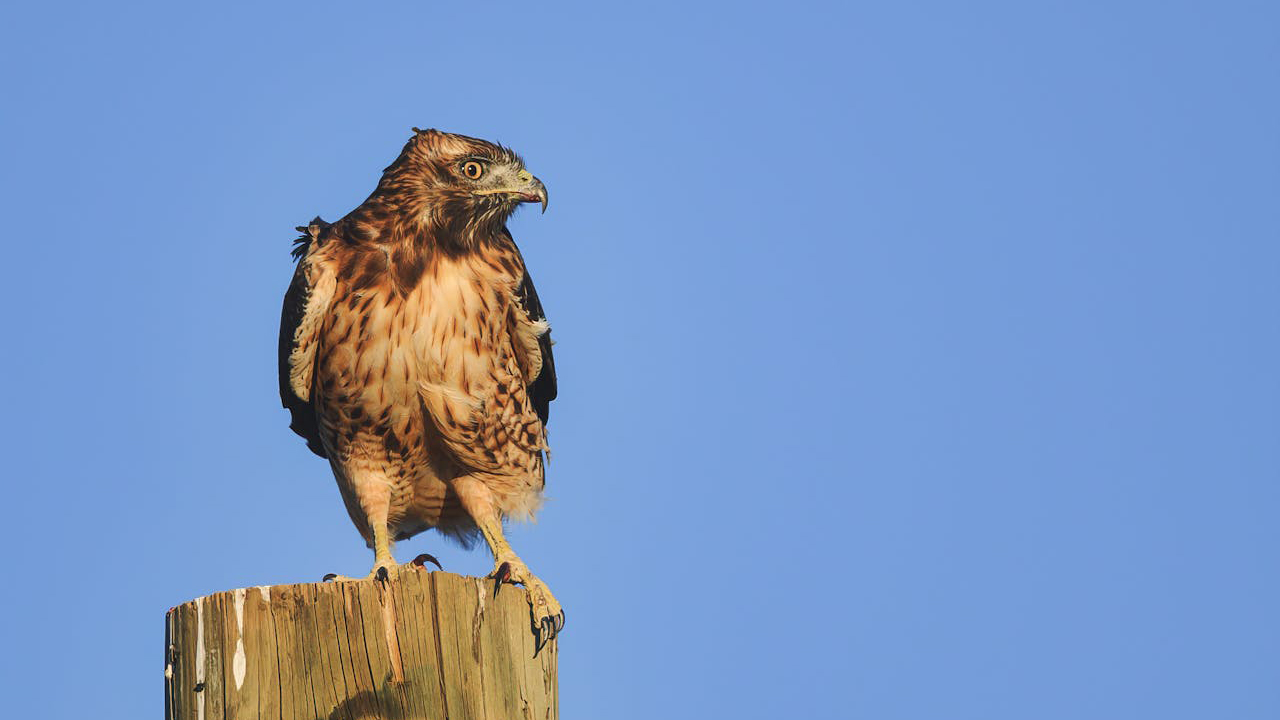
Hawks do much the same thing, just in daylight. Red-tailed hawks and similar raptors often benefit from development because roads, fields, mowed areas, and utility structures make prey easier to spot. When natural food tightens up, suburbs can still offer mice, rats, squirrels, rabbits, and birds concentrated into smaller areas. That is a winning setup for a predator that hunts by watching and waiting. A hawk does not care that the edge of the field is now a soccer complex or that the rabbit trail runs behind a subdivision fence.
What changes during scarcity is frequency. You start noticing hawks on streetlights, fence posts, dead snags behind shopping centers, and roof peaks above retention ponds because those places offer a clean view and reliable prey. For people with backyard poultry or very small pets, that matters more than they think. The hawk is not randomly checking your yard. It is following the same basic rule every predator follows: go where calories are easiest to catch and risk is still manageable.
Feral cats

Feral cats are so common around suburbs that people forget they are predators until they start hammering birds, small mammals, and reptiles in every brushy corner around a neighborhood. When food gets scarce, cat colonies often shift their range around apartment complexes, dumpsters, alleys, parks, sheds, and outbuildings because people unknowingly support them through trash, open feeding, and structural shelter. They may not be dramatic the way coyotes are, but they are relentless and efficient, especially in places where humans have already normalized their presence.
The real issue is that scarcity makes these cats hunt harder while also drawing them closer to managed spaces. A neighborhood that leaves food out for strays can create a steady base, but once that food is not enough, the hunting pressure on birds, nests, rabbits, lizards, and other small animals goes up. They also compete with native predators already trying to make a living on the same suburban fringe. In other words, when the landscape gets tight, feral cats do not just survive in the suburbs. They add pressure to everything else trying to survive there too.
Feral dogs

Feral and loosely controlled dogs are a predator problem people hate to talk about plainly, but they belong here. When food gets scarce, packs or semi-feral dogs can start working suburban edges, vacant lots, drainage corridors, and rural subdivisions because trash, pets, livestock, and wildlife all become targets. Unlike wild predators, dogs often lose their caution around people altogether, which can make them more unpredictable in developed areas. They do not need deep woods or wilderness cover. They need neglect, opportunity, and enough room to roam.
That is what makes them so dangerous around suburbs. They can switch between scavenging and active predation fast, and they will run deer, kill poultry, go after cats, and sometimes threaten people, especially kids or anyone caught in a bad spot. In a food crunch, the same things that pull coyotes into neighborhoods can also pull roaming dogs into the same ground. The difference is that people are often slower to recognize a dog pack as a real predator issue until livestock starts getting hit or someone gets chased on foot.
Snakes that follow rodents
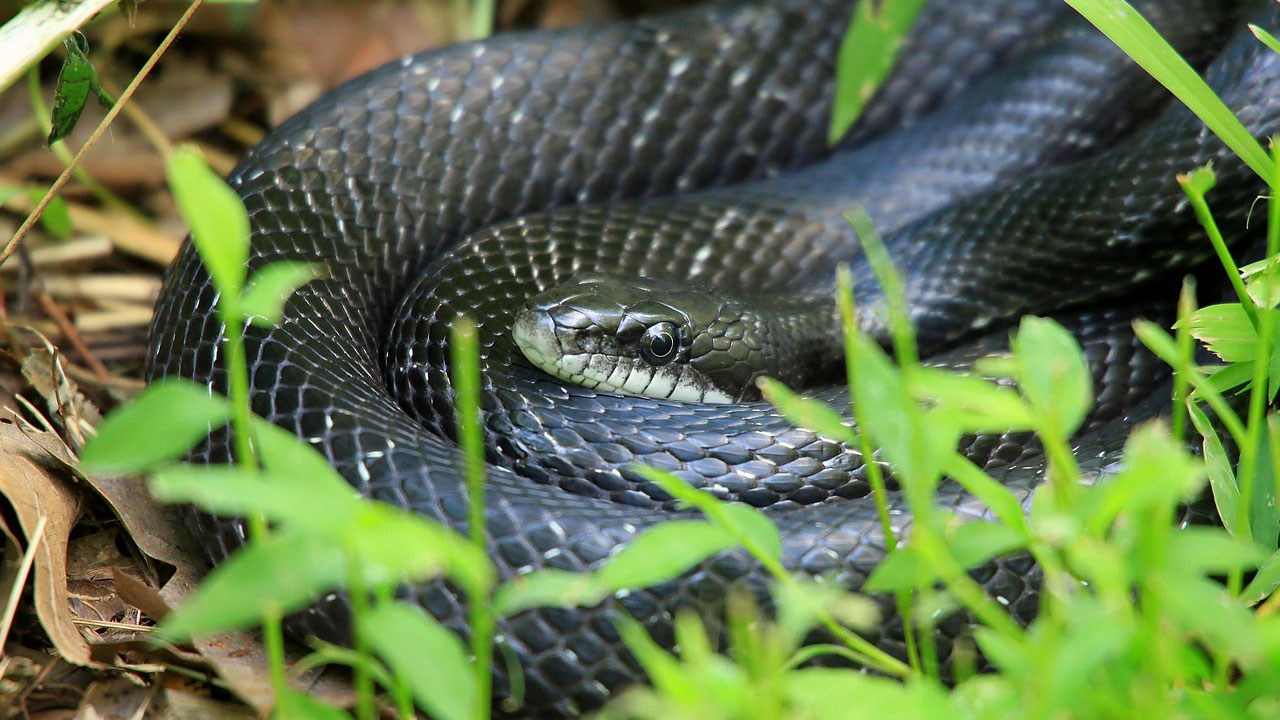
Not every snake belongs in a “predators in suburbs” article, but rodent-hunting snakes absolutely do, because they follow food as directly as any mammal on this list. When neighborhoods provide birdseed, pet food, garages full of clutter, sheds, and foundation gaps, they produce mice and rats. Once rodents build up, rat snakes, kingsnakes, and other nonvenomous hunters move right in behind them. Food scarcity outside suburban areas can make those neighborhoods even more attractive because the prey is concentrated and the shelter is good.
The reason this matters is that people assume snakes randomly appear around homes. Most of the time they are there for a reason, and that reason is usually food. A lean year in surrounding habitat only strengthens that pattern. If rodents are using the property, the predators that eat rodents are going to notice. That does not mean every snake in the neighborhood is a problem. It means suburban living has already built the food chain, and scarcity is what makes the upper levels of that chain easier to see.
Venomous snakes

Venomous snakes also benefit from suburban prey concentration, especially in neighborhoods near native habitat, water features, creek lines, or rough unmanaged edges. Copperheads, rattlesnakes, and cottonmouths do not need a formal invitation. They need prey, cover, and the right temperatures. Where rodents, frogs, lizards, and small birds still do well around developed areas, venomous snakes can show up right behind them. Scarcity elsewhere can push more activity into those suburban pockets, particularly where watered landscaping and shaded clutter hold life longer than the surrounding dry ground.
What gets people in trouble is the assumption that a nice neighborhood somehow cancels out snake behavior. It does not. A fence line full of brush, a stacked rock border, a drainage easement, or a cool wood pile behind a shed can be all the habitat they need. During food stress, those little suburban refuges become more valuable. That is why bites often happen during ordinary chores. People are not bushwhacking deep wild country. They are moving a planter, checking a meter box, or stepping behind the garage where the food chain already moved in ahead of them.
Alligators in developed water corridors

In alligator country, food scarcity and shrinking habitat can pull gators closer to people through canals, retention ponds, golf-course hazards, drainage systems, and subdivision lakes. They are not suburban in the same sense as foxes or bobcats, but developed water systems give them corridors and holding areas that work just fine when natural conditions get tougher. If prey starts concentrating in those managed waters, alligators will use them. People make the mistake of treating decorative or stormwater ponds as harmless because they are man-made. The gator does not care why the water is there.
This is one of the clearest examples of suburbs accidentally duplicating habitat. Ducks, fish, turtles, wading birds, and pets all bring attention to those ponds. When food gets scarce elsewhere, a developed water feature with steady prey becomes a serious draw. That is why gator problems often seem to appear “out of nowhere” in subdivisions. They did not come for the neighborhood itself. They came for the food and water the neighborhood put in place, and once they settle in, the danger becomes very real for anyone who gets casual around the shoreline.
Humans who feed the problem

This last one is not a predator species, but it is the force that makes all the others bolder. NPS warns that bears that find easy food around people become habituated and that this can lead to more aggression and more conflict. The same basic rule applies across the board. Trash left open, pet food set outside, birdseed spilled under feeders, unsecured chickens, outdoor freezers, compost, fallen fruit, and sloppy feed storage all teach predators that suburbs are easier than wild ground. Scarcity only sharpens that lesson.
That is the part people usually do not want to hear. Most suburban predator problems are not random. They are built. A neighborhood full of attractants becomes a food-rich corridor, and every predator on the landscape starts figuring that out. Some come for rodents. Some come for rabbits. Some come for deer. Some come for garbage first and stay for everything else. When food gets scarce, the suburbs do not magically become dangerous on their own. People make them worth entering, and the predators simply respond the way predators always do.
Like The Avid Outdoorsman’s content? Subscribe to our newsletter so you never miss an article.
Here’s more from us: