
Photo credit: New Africa/Shutterstock.com
A jealous dog isn’t always a “bad” dog. Most of the time, jealousy is just intense bonding mixed with insecurity and habit. The dog learns that attention, closeness, and resources like your lap or your time are valuable, and they don’t want to share. That can look funny at first—your dog wedging between you and your spouse, nudging your hand off another dog, or insisting they be the one who gets greeted first. But if it’s not handled, it can turn into real behavior problems: guarding people, snapping at other pets, barking when you hug someone, or acting frantic the moment your focus shifts away.
The goal isn’t to shame the dog for being attached. The goal is to teach the dog that good things still happen when they aren’t the center of the universe. That’s done with structure, calm routines, and rewarding relaxed behavior instead of rewarding pushiness. A dog that gets jealous is usually a dog that’s highly people-focused and very tuned in. These breeds are known for bonding intensely, and because of that, they’re more likely to show jealousy if they aren’t taught boundaries early.
Labrador Retriever
Labs are friendly, but they can also be attention hogs. They love being involved, and many of them get jealous when your attention goes elsewhere—especially if they’re used to being the center of the household. A Lab may nudge in, paw at you, or try to climb into your lap even when it makes no sense. If there’s another dog getting petted, the Lab often decides that’s unacceptable and tries to insert themselves into the situation.
This is usually easy to manage with training because Labs tend to be food-motivated and eager to please. The key is teaching them that waiting calmly gets rewarded and pushing in does not. When you reinforce “settle” and “place” behaviors, Labs can still be affectionate without turning every interaction into a competition.
Golden Retriever
Goldens are sweet, but they can be emotionally intense. They bond deeply, and many of them hate feeling left out. Jealousy in a Golden often looks like sad eyes, nudging, and hovering—sometimes even whining when you’re focused on someone else. They don’t always act “bossy,” but they can become clingy and needy if they feel like your attention is being taken away.
Because Goldens are sensitive, it’s important not to accidentally reinforce needy behavior. If they whine and you immediately pet them, you just taught them that whining works. Instead, reward calm behavior and teach them that other people getting attention is normal. Goldens do best when they feel secure, not when they feel like they need to compete.
Chihuahua
Chihuahuas often bond hard with one person, and jealousy can come with that. A Chihuahua may get possessive over its chosen human, especially if it’s been carried a lot, held constantly, or never taught boundaries. Jealousy can show up as barking when someone approaches, growling at another pet, or trying to block anyone else from getting close.
Confidence and socialization make a huge difference. A well-socialized Chihuahua can be loyal without being nasty. The issue is when the dog feels small, threatened, or unsure, and it uses jealousy as a control tactic. Teaching them to settle, rewarding calm, and avoiding constant “rescue handling” helps them feel secure enough to share space and attention.
Dachshund
Dachshunds are affectionate and stubborn, and they’re known for being a little possessive. Many of them pick a person and then act like that person is their property. Jealousy can look like the dog squeezing into your lap anytime someone else is close, barking to interrupt attention, or growling if another pet gets too near your favorite spot.
This breed often benefits from clear routines and rules. Dachshunds can push boundaries if they think they can win, so you want to calmly enforce structure: designated resting spots, taking turns with affection, and rewarding calm behavior. If you let them run the show, jealousy becomes a habit fast.
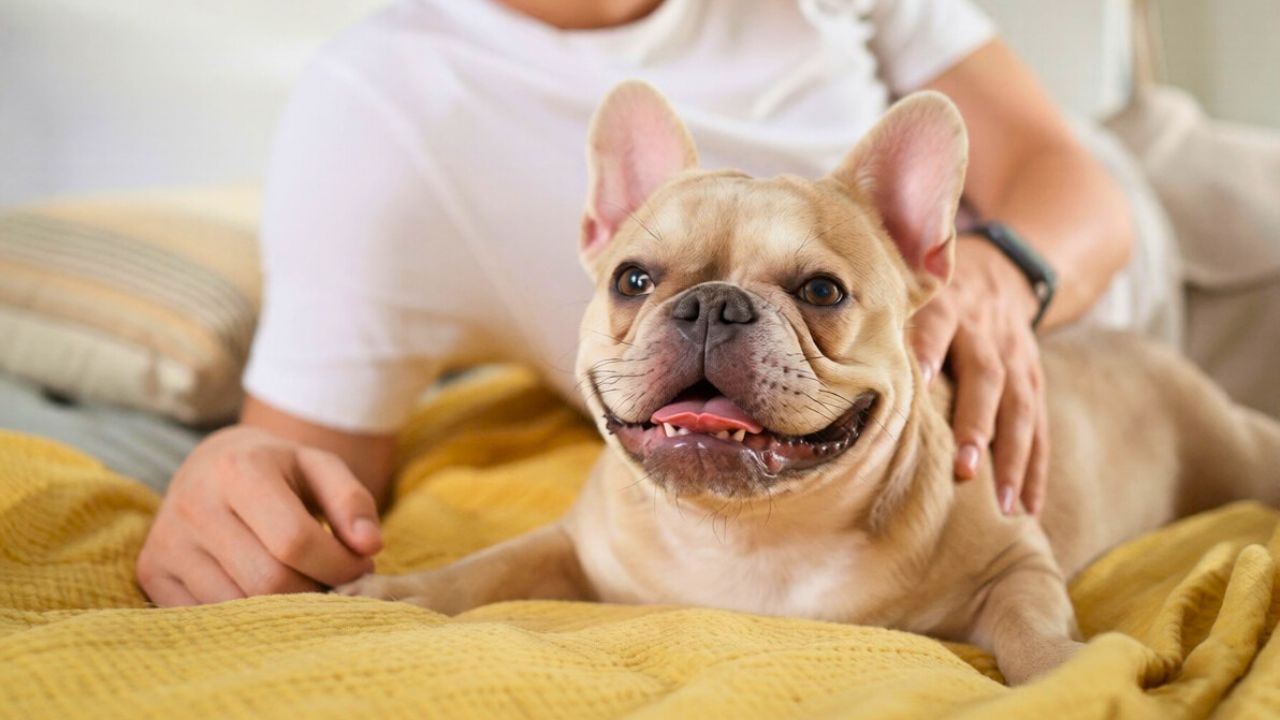
French Bulldog
Frenchies are affectionate and people-focused, and many of them love being the center of attention. Jealousy can pop up when another dog is being petted, when a baby gets attention, or when the Frenchie feels ignored. They’re not typically “guard dog” jealous, but they can be pushy and dramatic, nudging their way in and demanding they be included.
Frenchies do best when they’re taught manners early. They’re often strong-willed, and they can learn quickly that whining, climbing, or nudging gets them what they want. If you reward calm waiting, you can keep their jealousy from turning into constant attention-seeking.
Australian Shepherd
Aussies bond hard and they’re extremely tuned into their people. They notice everything. That awareness makes them more likely to react when your attention shifts. Jealousy in an Aussie can show up as intense hovering, herding behavior, or trying to physically control interactions—like cutting off another dog or getting between you and a person.
Because they’re smart, they can also learn jealousy patterns fast. If they notice that pushing in gets rewarded, they’ll keep doing it. Aussies do best with structured training that includes a strong “place” command and calm settling routines. If you give them a clear job and consistent boundaries, they can bond deeply without acting like they need to manage your relationships.
Border Collie
Border Collies can be emotionally intense and very bonded to their person, especially if that person is their main trainer and activity partner. Jealousy can show up as attention control, staring, and interrupting interactions. Some Border Collies become possessive of their person’s focus, not because they’re mean, but because focus is what they live for.
They need an off switch. If you build calm into their routine and teach them that they don’t get to control every interaction, jealousy becomes less of a problem. If you don’t, their intelligence can turn jealousy into a full-time behavior pattern. Training and mental outlets make a big difference with this breed.
Miniature Schnauzer
Mini Schnauzers are loyal and alert, and they can be surprisingly possessive of their people. Jealousy often looks like barking when someone approaches, pushing into laps, or trying to insert themselves into every moment. They’re also vocal by nature, so jealousy can sound like a lot of “opinions” being expressed.
They do well with boundaries and routine. Mini Schnauzers are smart and trainable, but they’ll run the house if you let them. Teaching them to settle, rewarding calm behavior, and managing attention so they’re not constantly competing can reduce jealousy a lot.
Cocker Spaniel
Cocker Spaniels are affectionate and emotionally sensitive, and that can lead to jealousy when they feel left out. Many Cockers bond hard with their family, and they don’t love being ignored. Jealousy can look like whining, hovering, pawing at you, or trying to wedge into your space. It can also show up as resource guarding if the dog is insecure.
Because they’re sensitive, you want to handle jealousy calmly and consistently. Don’t punish them for wanting attention, but don’t reward pushiness either. Cockers do best when they feel secure and know what to expect. Routine, training, and clear boundaries help them relax and share attention without feeling threatened.
Vizsla
Vizslas bond intensely, and jealousy is common if they aren’t taught independence early. They love closeness, and they can become needy if they believe they need to compete for your attention. Jealousy in a Vizsla often looks like constant contact-seeking, interrupting, and sometimes anxiety when you focus on someone else.
The solution is building confidence and calm habits. Teach them to settle, reward relaxation, and make alone time normal. A Vizsla that feels secure can still be incredibly affectionate without acting like it has to be glued to you every second. Without that foundation, their strong bond can turn into jealousy quickly.
Like The Avid Outdoorsman’s content? Be sure to follow us.
Here’s more from us:


