Photo credit: Olde English Outfitters/YouTube
Every year, the market gets flooded with handguns boasting cutting-edge specs, record-breaking capacities, and new coatings that supposedly change the game. But anyone who’s actually spent time on the firing line knows that most of those claims fall apart fast. Specs might sell guns, but performance earns loyalty—and too many of these pistols never see real trigger time once buyers discover what’s hiding behind the marketing. These are the handguns that sound great in ads, look good in photos, and then collect dust because they’re far less fun to shoot than the numbers suggest.
Springfield Armory XD-M Elite
On paper, the XD-M Elite checks every box—match trigger, extended magwell, and a barrel you could hammer nails with. But take it to the range, and you’ll quickly notice how top-heavy it feels. The slide mass and tall bore axis amplify muzzle flip, especially in .40 S&W and 10mm models.
Springfield touts its “meta trigger” and refined ergonomics, but the reset feels longer than it should, and that plastic grip texture does little once your hands start sweating. It’s a fine gun for the counter demo crowd, but it’s not the range darling its spec sheet promises.
FN 509 Tactical

The FN 509 Tactical markets itself as a battle-ready pistol—optics-ready, threaded barrel, suppressor-height sights, the works. But that feature list hides a hefty, snappy gun that’s awkwardly balanced and surprisingly unforgiving in recoil. Many shooters find the trigger too mushy for precise work.
It looks and feels like a tank, but that durability comes at the cost of shooting comfort. After a few magazines, fatigue sets in. It’s impressive on a spec sheet, sure—but those specs don’t make it a pleasure to actually shoot for more than a quick mag or two.
SIG Sauer P320 AXG Legion
The AXG Legion is marketed as the ultimate evolution of the P320 platform—metal frame, tungsten weight system, and Legion branding. But for all its hype, it’s still plagued by the same inconsistent trigger feel and weight distribution that made earlier P320s divisive.
The extra heft promises softer recoil, but that’s not always the case. Its weight makes transitions slow, and the flat trigger’s break can feel vague under speed. It’s a showpiece gun for SIG loyalists, but it doesn’t bring anything groundbreaking to the firing line beyond looks and marketing language.
Kimber Micro 9

The Micro 9 has great curb appeal—sleek lines, clean machining, and compact dimensions that scream quality. But once you start shooting, that lightweight frame punishes your hand. Recoil feels sharp, and the small grip offers little control for follow-up shots.
The trigger is crisp but inconsistent between units, and reliability with hollow-points can be hit or miss. It’s a carry pistol that gets bought for looks but rarely practiced with. Once you put a few boxes through it, you’ll understand why most Micro 9s spend more time in safes than on the range.
Glock 42
Glock fans love the 42 for its size and simplicity, but even diehards admit it’s underwhelming to shoot. Chambered in .380 ACP, it’s soft-recoiling but lacks the punch or accuracy of its 9mm siblings. The tiny frame exaggerates every grip inconsistency, making it difficult to shoot well past 10 yards.
Glock reliability keeps it in the conversation, but it’s not a range favorite. You’ll shoot it a few times, appreciate its lightness, then move on to something that doesn’t feel like you’re wrestling a toy gun in your palm.
Beretta APX A1

The APX A1 was Beretta’s modern answer to Glock, with interchangeable backstraps, modularity, and sleek styling. But while it looks sharp, its trigger reset feels vague, and the polymer frame transmits recoil oddly—snappier than expected for a 9mm of its size.
The grip texture helps, but the overall feel lacks refinement. It’s another case of an overengineered gun that reads well on paper but underdelivers when lead starts flying. It’s reliable and accurate enough, yet something about it feels uninspired once you’ve actually spent time behind it.
Taurus G3C TORO
Taurus packed a ton of features into the G3C TORO—optic-ready slide, improved trigger, and solid ergonomics. On paper, it’s unbeatable for the price. In practice, the build quality still reminds you why it’s so affordable. The slide finish wears fast, the trigger feels gritty, and magazines sometimes fail to lock cleanly.
It’s not a bad gun, but the “tactical optics-ready” marketing oversells what it really is: a decent budget pistol that feels like one. It performs well enough in short bursts, but long-term range sessions reveal the corners that were cut to keep costs down.
Walther PDP Compact

The PDP Compact looks and sounds like the perfect crossover pistol—modular, optics-ready, and praised for its trigger. But that aggressive grip texture can eat your hands after a few boxes of ammo, and the pistol’s snappy recoil surprises shooters expecting soft Walther ergonomics.
It’s accurate and refined, but not exactly fun to shoot for extended sessions. For all its accolades, many shooters find it tiring compared to smoother-handling competitors like the CZ P-10C or Glock 19. It’s a pistol that thrives in short tests, not all-day practice.
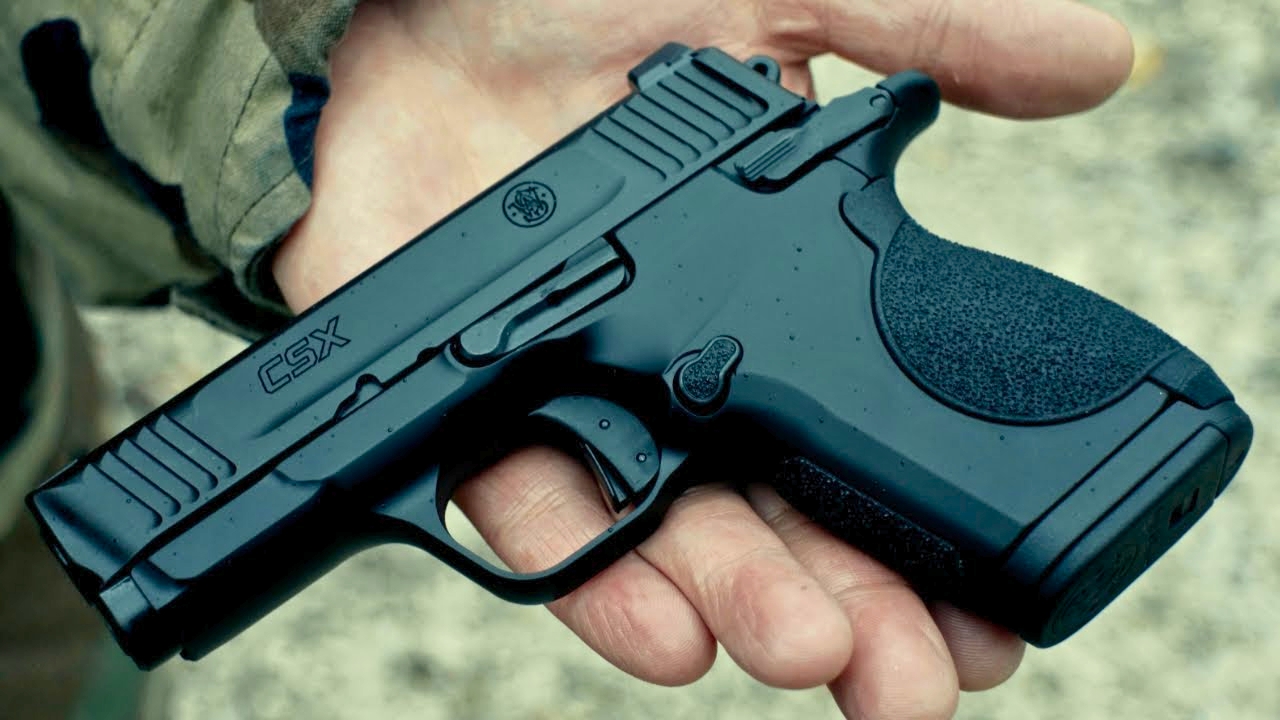
Smith & Wesson CSX
S&W billed the CSX as a return to metal-framed carry guns—a modern take on the single-action micro-compact. But the trigger is stiff, the safety awkward, and the slide hard to manipulate. It promises 1911-style feel in a carry-sized gun but misses the mark completely.
At the range, it’s an ergonomic mismatch. The short grip and heavy pull make consistent accuracy tough, and the manual safety feels out of place on such a small pistol. It photographs well, but it’s one of those guns you stop shooting halfway through your first session.
Heckler & Koch VP9SK
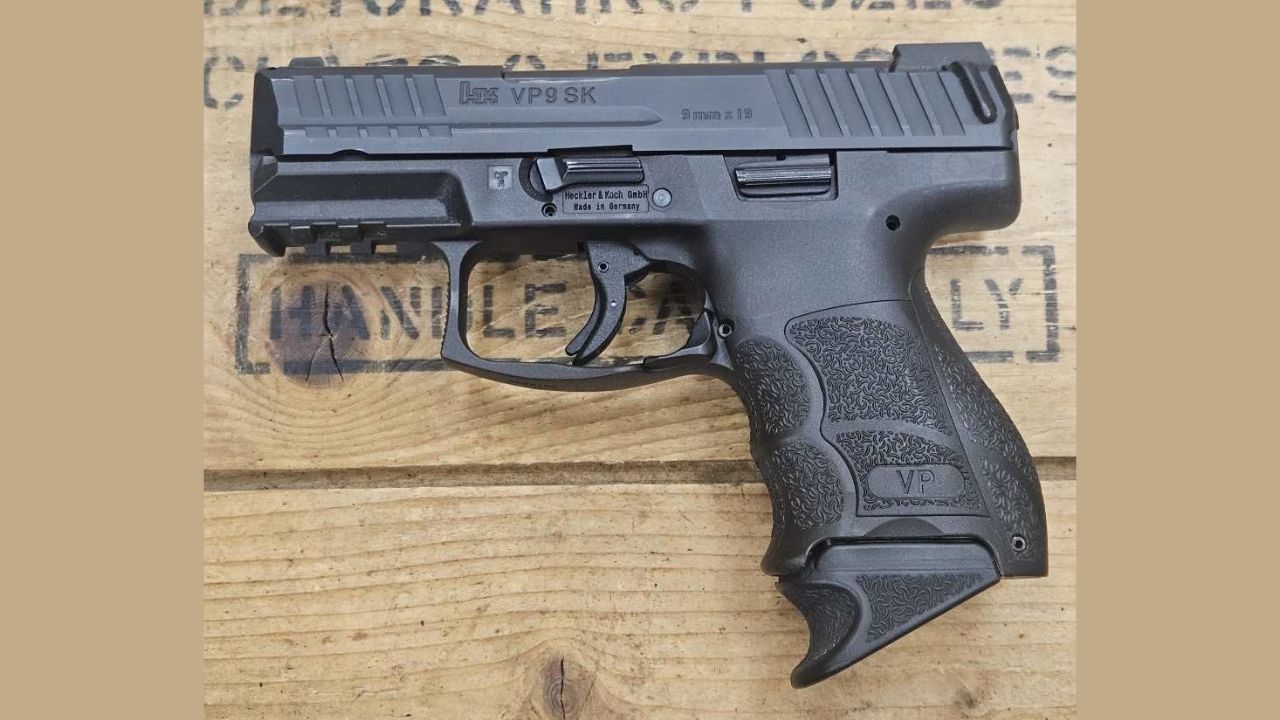
The VP9SK has excellent ergonomics and HK’s usual build quality, but it’s also heavier, bulkier, and pricier than most of its competition. The trigger, while crisp, has a long take-up that slows rapid fire. Add in expensive magazines and limited aftermarket parts, and enthusiasm fades fast.
It’s a smooth shooter—but not a practical one for the average range day. HK’s reputation keeps it relevant, but its shooting experience doesn’t justify the weight, cost, or hype. It’s the definition of a gun that impresses in a spec sheet but underwhelms in actual trigger time.
Like The Avid Outdoorsman’s content? Be sure to follow us.
Here’s more from us:
The worst deer rifles money can buy
Sidearms That Belong in the Safe — Not Your Belt
*This article was developed with AI-powered tools and has been carefully reviewed by our editors.