Photo credit: Holly Kuchera/Shutterstock.com
Wolves aren’t just big dogs—they’re fast, tough, and often run in packs. If your shot doesn’t anchor them right away, you could be in for a long and messy tracking job. That’s why using the wrong caliber isn’t just a bad idea—it’s downright irresponsible. Not every round is up to the task, even if it works fine for coyotes or smaller game.
Some cartridges just don’t carry the power, range, or accuracy you need to drop a wolf clean. Let’s take a look at the calibers that fall short when it’s time to hunt serious predators.
.22 LR

The .22 LR is a great round for small game and plinking, but it’s completely outmatched when it comes to wolves. It lacks the energy and penetration needed to make a clean kill, even with a perfectly placed shot.
You might get lucky at close range, but that’s not something you want to count on in the field. Wolves are too quick and too tough for a rimfire like this. Leave it for squirrels and rabbits.
.17 HMR

The .17 HMR has flat trajectory and surprising speed, but it was never meant for anything bigger than varmints. Against a wolf’s muscle and bone, this little round just doesn’t punch hard enough.
Even if it connects, there’s a good chance the animal runs off wounded, which nobody wants. If you’re serious about ethical hunting, leave the .17 HMR at home when you’re chasing apex predators.
.22 Magnum

The .22 Mag does give you more power than a .22 LR, but not by a wide margin. It’s still in rimfire territory and simply doesn’t have the stopping power needed for a clean, reliable kill on wolves.
At best, it might work in a survival situation with a headshot at close range—but that’s a risky move. In most hunting scenarios, this caliber is a poor choice for anything larger than a fox.
.204 Ruger
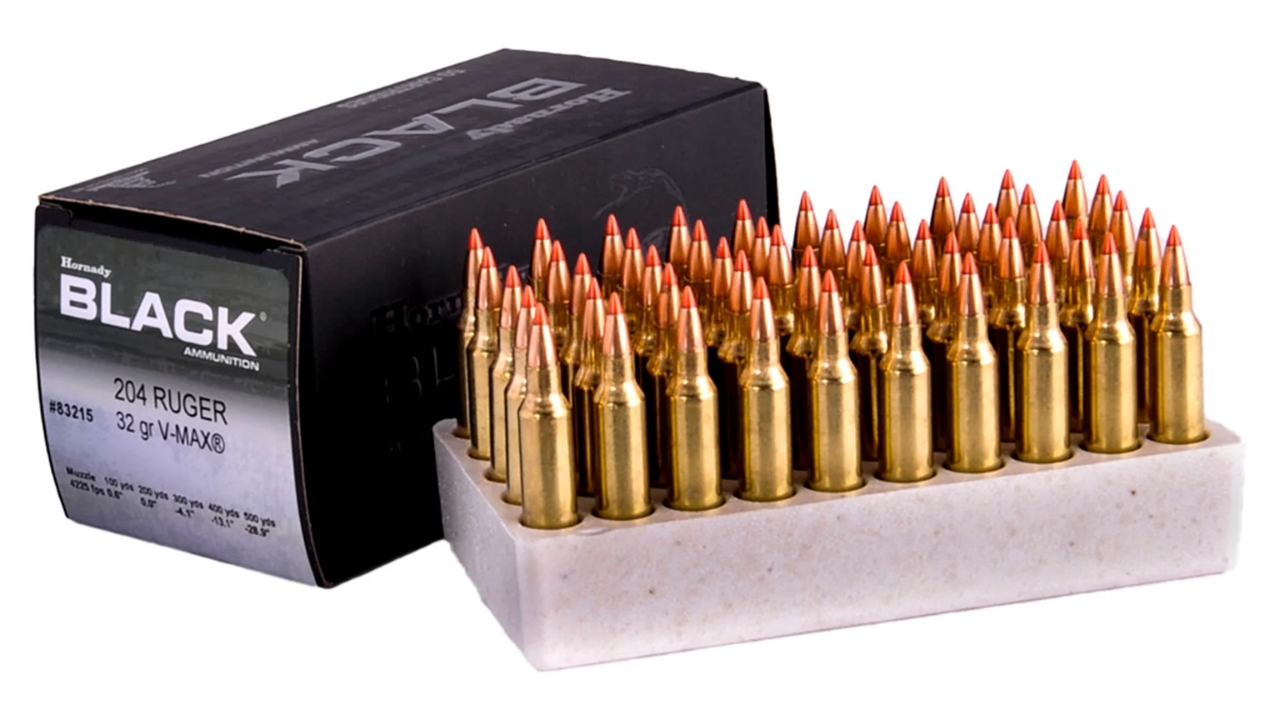
The .204 Ruger is a favorite among varmint hunters, but wolves are in a different league. This round is fast and flat-shooting, but it doesn’t carry the weight needed to consistently break bone or reach vital organs on a tough predator.
It might drop a coyote, but wolves have more mass and thicker hides. The lack of knockdown power means you could spend the day tracking a wounded animal you never recover.
.223 Remington
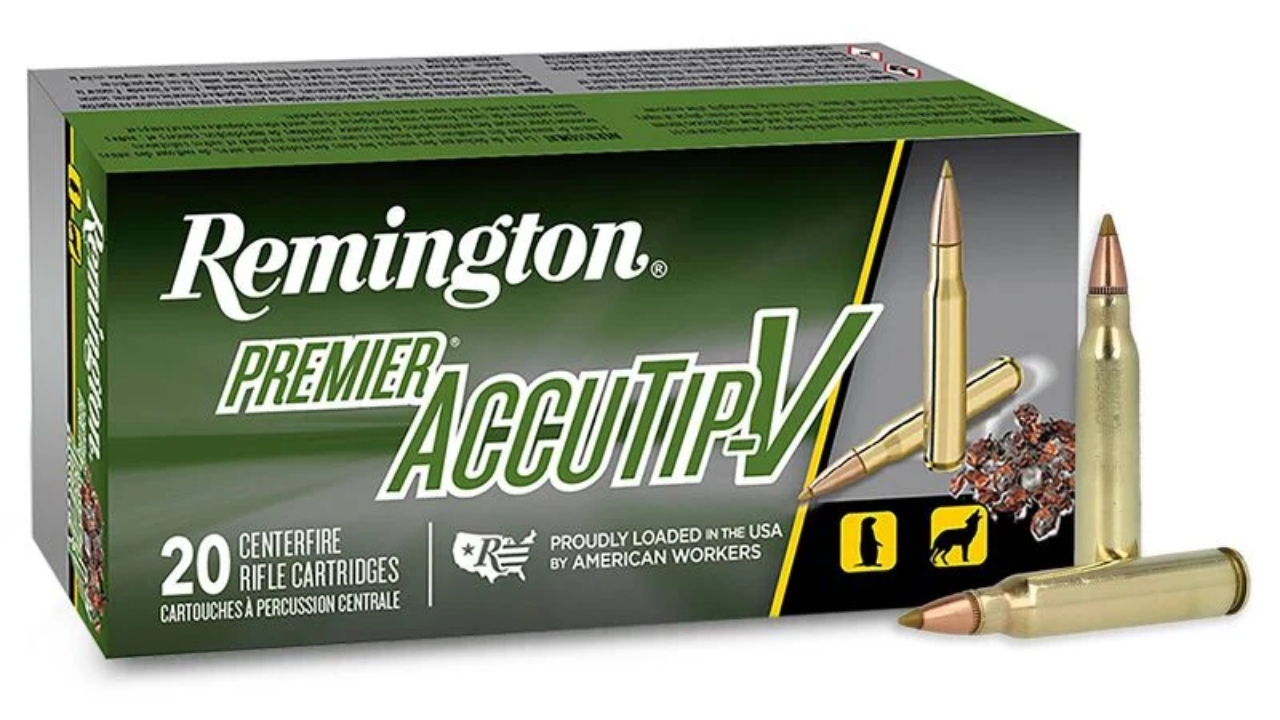
Plenty of folks use the .223 for predators, but it’s better suited for smaller ones. Sure, it’s fast and accurate, but bullet weight and energy are limited compared to bigger game rounds.
If you must use a .223, it has to be with premium bullets and precise shot placement—and even then, it’s borderline. Wolves deserve more gun than this if you want a quick, clean kill.
.300 Blackout

The .300 Blackout works well at short distances, especially suppressed, but that’s not what most wolf hunts look like. Its performance drops off fast at longer ranges, and it lacks the velocity for deep penetration.
Unless you’re taking close-range shots in thick timber, this caliber leaves too much room for error. There are better tools for the job, especially when you’re hunting something smart and fast.
.30 Carbine

The .30 Carbine might feel like it sits between a pistol and rifle round, but it doesn’t really belong in either category when it comes to big predators. It’s underpowered, with poor ballistics and limited range.
It was designed for a very different purpose—military carbines in tight quarters—not hunting fast-moving game in open country. If you’re carrying one in wolf country, you’re undergunned.
9mm
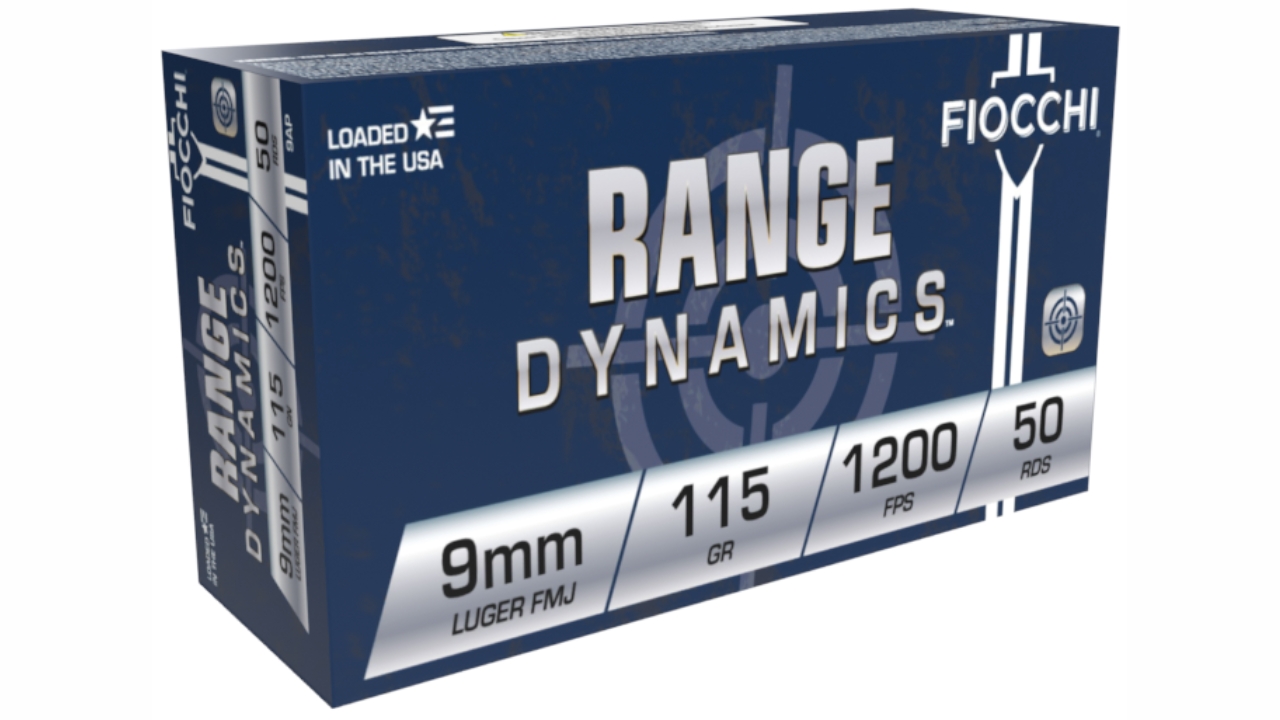
Yes, someone always tries it. The 9mm is great for self-defense and duty pistols, but it’s a terrible choice for hunting wolves. Its limited velocity and energy mean poor penetration and expansion on target.
Even with a carbine-length barrel, it doesn’t magically become a big-game round. Wolves are too tough, and you’ll end up with a wounded animal you can’t recover. Just don’t.
.45 ACP

The .45 ACP has been around forever and has plenty of knockdown power—for people. But against a wolf’s chest at 75 yards? Not happening. It’s a pistol round with rainbow-like trajectory and not nearly enough velocity.
It might work if one charged you in self-defense at close range, but for planned hunts, this one stays in the holster. It just doesn’t hit hard enough to get the job done.
5.7x28mm

The 5.7x28mm is zippy and has armor-piercing roots, but that doesn’t make it good for wolves. It’s still a small bullet with low mass, and real-world performance on live animals has been underwhelming.
Penetration is shallow and expansion is spotty at best. It looks cool on paper, but don’t let the numbers fool you—this one’s too light for serious predator work.
*This article was developed with AI-powered tools and has been carefully reviewed by our editors.