Photo credit: lgoodwin80107/istock.com
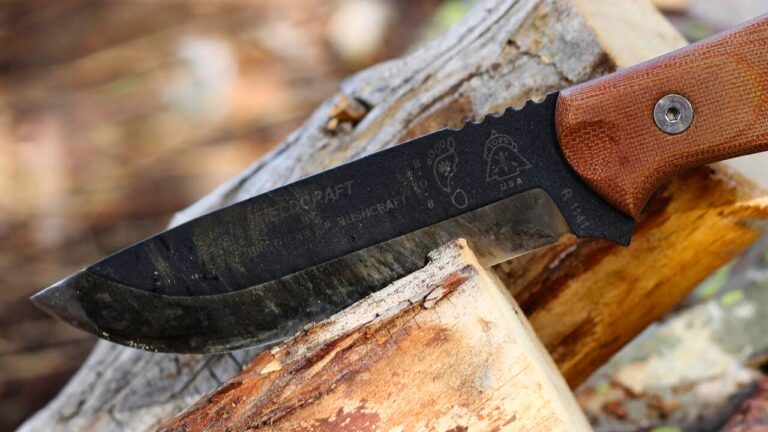
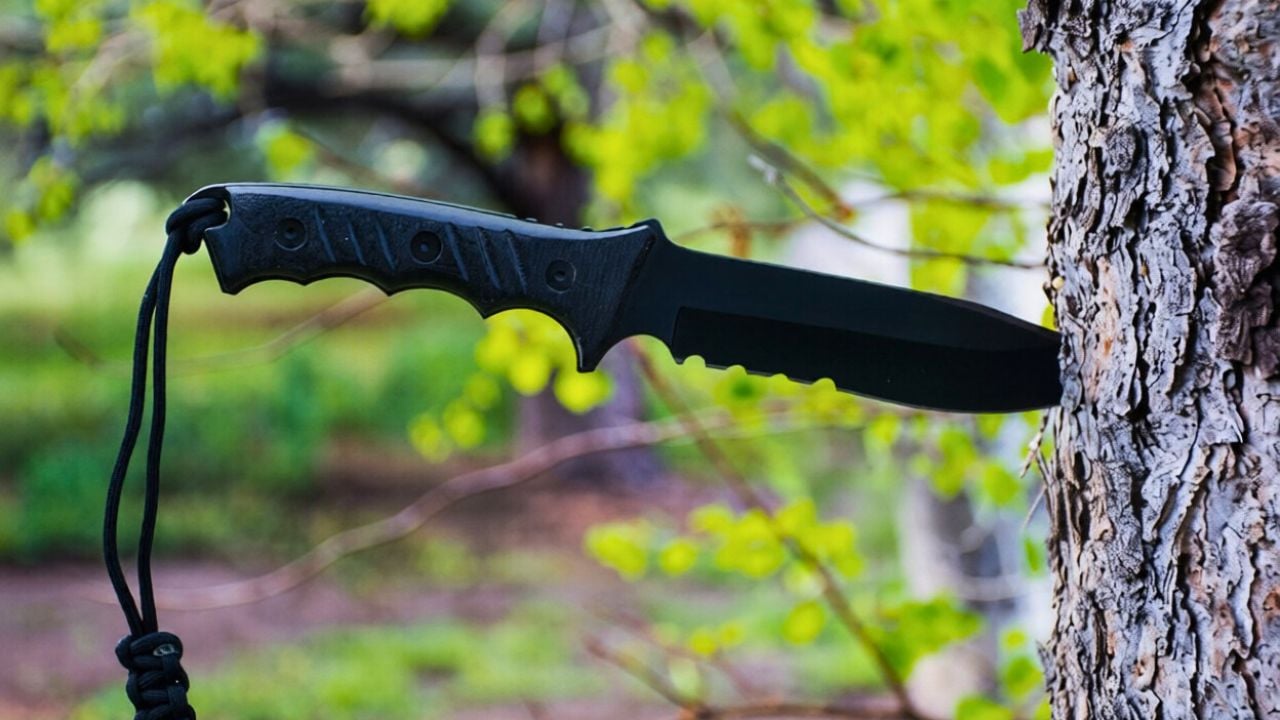
Knife trends come and go, but some of them stick around long after their actual usefulness should have been questioned. One of the most obvious examples is the heavy, oversized “tactical” blade that keeps getting pushed on people who mostly need a practical everyday knife. Walk into almost any sporting goods store or scroll through gear forums and you will see blades with aggressive shapes, thick spines, exaggerated points, and design language that suggests they were built for combat or extreme survival scenarios. They look impressive in photos. They look tough sitting on a table. But for the average person who is opening feed bags, cutting rope, breaking down cardboard, field dressing a deer, or handling basic camp chores, those blade styles often make the knife worse, not better.
A knife is a tool first. The more a blade shape sacrifices simple cutting performance for dramatic looks or niche uses, the less helpful it becomes for everyday work. Yet those designs keep selling because they photograph well and sound serious when someone is explaining why they carry one.
Overbuilt “tactical” blades create more problems than they solve
A lot of the blades that fall into this category share the same traits. They are thick, heavily coated, and shaped with dramatic angles that look aggressive but reduce usable cutting edge. Some have exaggerated tanto-style tips or complex grinds that make the knife appear stronger or more specialized than it actually needs to be. The marketing often leans into ideas like durability, penetration, or survival capability. That sounds impressive until you think about what most people actually do with a knife in the outdoors or around their property.
Tasks like slicing cordage, trimming material, cutting meat, and general camp use benefit from long, clean edges that glide through material. A thick blade with abrupt angles tends to wedge instead of slice. The tip geometry may be strong, but it is often clumsy for finer work. Suddenly the knife that looked rugged online feels awkward when you try to do normal things with it. Instead of a tool that disappears into the job, you end up with a blade that constantly reminds you of its design choices.
That does not mean those blades have no place. There are specific roles where strength at the tip or certain grind styles make sense. The problem is that those roles are far narrower than the way these knives are marketed.
Simple blade shapes usually outperform the flashy ones
Spend time around people who actually use knives every day, and you will notice a pattern. Most of them carry something simple. Drop points, clip points, and straightforward utility shapes dominate the knives that see real work. These designs have been around for decades because they balance strength, control, and cutting efficiency. The edge curves naturally into the tip, making it easy to slice while still maintaining a strong point for detail work.
A good drop point knife, for example, handles an enormous range of tasks without feeling specialized. It can open packaging, handle camp chores, process game, and still give the user enough control for smaller cuts. The blade shape works with the user instead of forcing them to adjust to some aggressive geometry. That is the difference people start noticing after they spend time using knives instead of just collecting them.
When a blade design prioritizes cutting performance, the knife tends to feel easier to control and more predictable in real tasks. When the design prioritizes appearance or niche strength, the knife may look impressive but becomes less versatile.
Marketing pushes the fantasy more than the reality
The knife industry, like most gear markets, understands the appeal of the fantasy scenario. A lot of buyers are drawn to the idea of being prepared for extreme situations. The marketing language reflects that. Words like tactical, combat-ready, survival-grade, and heavy-duty get attached to blade designs that look like they belong in a dramatic situation rather than a normal workday.
That approach works because it taps into imagination. A person may only use a knife for simple tasks most of the time, but it is easy to picture needing something tougher or more aggressive someday. The result is a lot of people carrying blades that are optimized for a situation they may never encounter while making everyday tasks slightly harder in the process.
In reality, most outdoor and property work rewards efficiency more than brute strength. A knife that slices cleanly, sharpens easily, and feels balanced in the hand will get more done than one built like a pry bar with an edge.
Good knife design tends to disappear during use
The best knives share a quality that people do not always talk about in reviews. They disappear while you are using them. The blade shape, handle, and balance work together in a way that makes the tool feel natural. You are not constantly adjusting your grip or fighting the edge geometry to make a cut. The knife simply does what it is supposed to do.
Overly aggressive blade styles often fail that test. They demand attention because the geometry keeps reminding you it was designed around a certain image rather than broad usefulness. That does not make them worthless, but it does make them less practical for the people who buy them thinking they are getting the ultimate all-around tool.
A simple, well-designed blade may not look dramatic sitting on a table, but it tends to outperform flashier options once the work starts.
Most people would benefit from choosing versatility over image
For someone who uses knives regularly, versatility matters more than style. A blade that handles a wide range of tasks well will see far more use than one built around a narrow set of strengths. That is why experienced outdoorsmen often gravitate toward practical blade shapes instead of the latest tactical design trend.
The truth is that most cutting jobs do not require extreme geometry or thick, overbuilt steel. They require a sharp edge, comfortable control, and a design that slices cleanly through common materials. When a knife delivers those qualities, it becomes a reliable tool instead of a novelty that spends most of its time riding unused.
That is the disconnect behind the blade style that keeps getting sold to people who do not need it. The design looks serious, the marketing sounds convincing, and the knife feels impressive at first glance. But once the novelty wears off and the real work begins, many people discover that a simpler blade would have done the job better.
Like The Avid Outdoorsman’s content? Subscribe to our newsletter so you never miss an article.
Here’s more from us: