Photo credit: Silver Slinger/Youtube
Spend enough time around gun counters and you start hearing the same lines on repeat. “Everybody loves this one.” “It’s basically the same as the good one, just cheaper.” “Perfect for carry.” Then you see that same pistol come back in a soft case two weeks later with a guy trying to trade it toward something he should’ve bought in the first place.
This isn’t a hit list of “bad guns” across the board. A lot of these will run fine in the right hands, with the right ammo, and after the owner figures out what they actually bought. The problem is how often these models get pushed as a one-size-fits-all answer, when the truth is they’re picky, uncomfortable, outdated in the wrong ways, or just not built for the job most folks are buying them for.
1. SCCY CPX-2
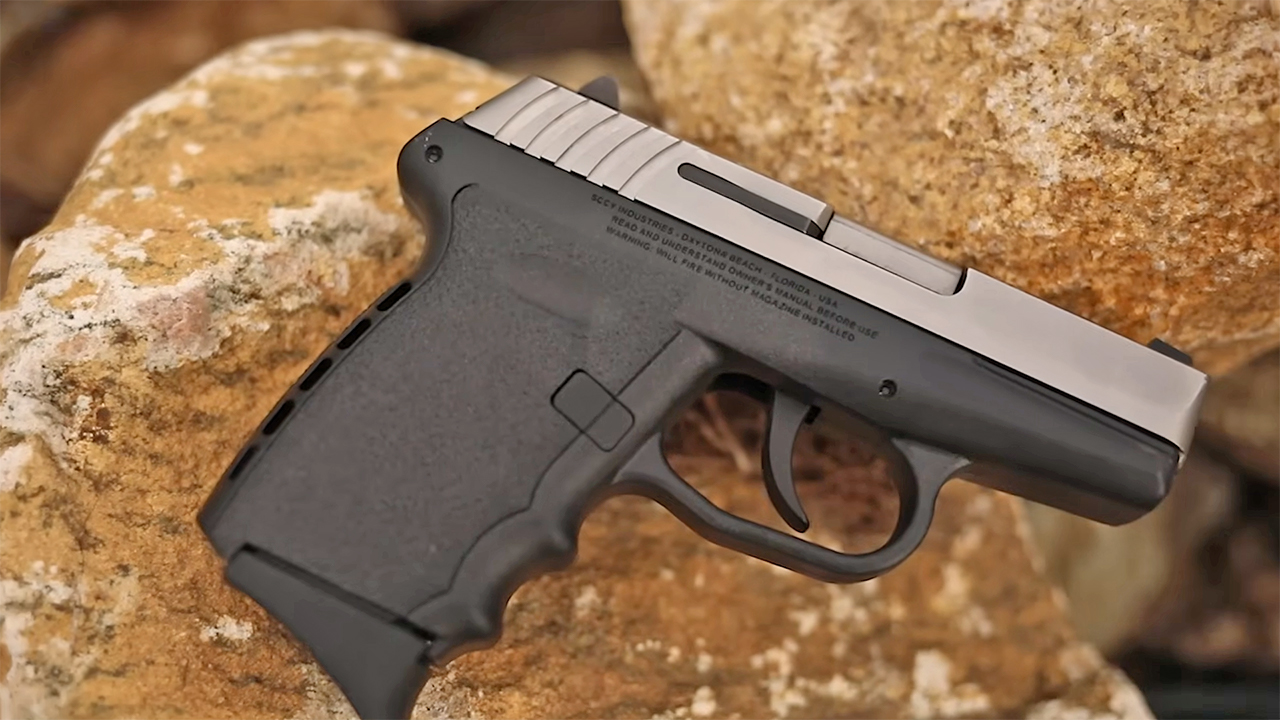
It gets recommended because it’s cheap and it’s “American made,” and it looks like a modern little 9mm that should be easy. Then you shoot it and realize the trigger is long, heavy, and feels like it stacks halfway through the pull. That makes new shooters yank rounds low and left and blame themselves.
Reliability can be a mixed bag depending on magazines and ammo, and the recoil impulse is sharper than it ought to be for the size. For a “first carry gun,” it often becomes a “first trade-in.”
2. Taurus PT111 Millennium G2
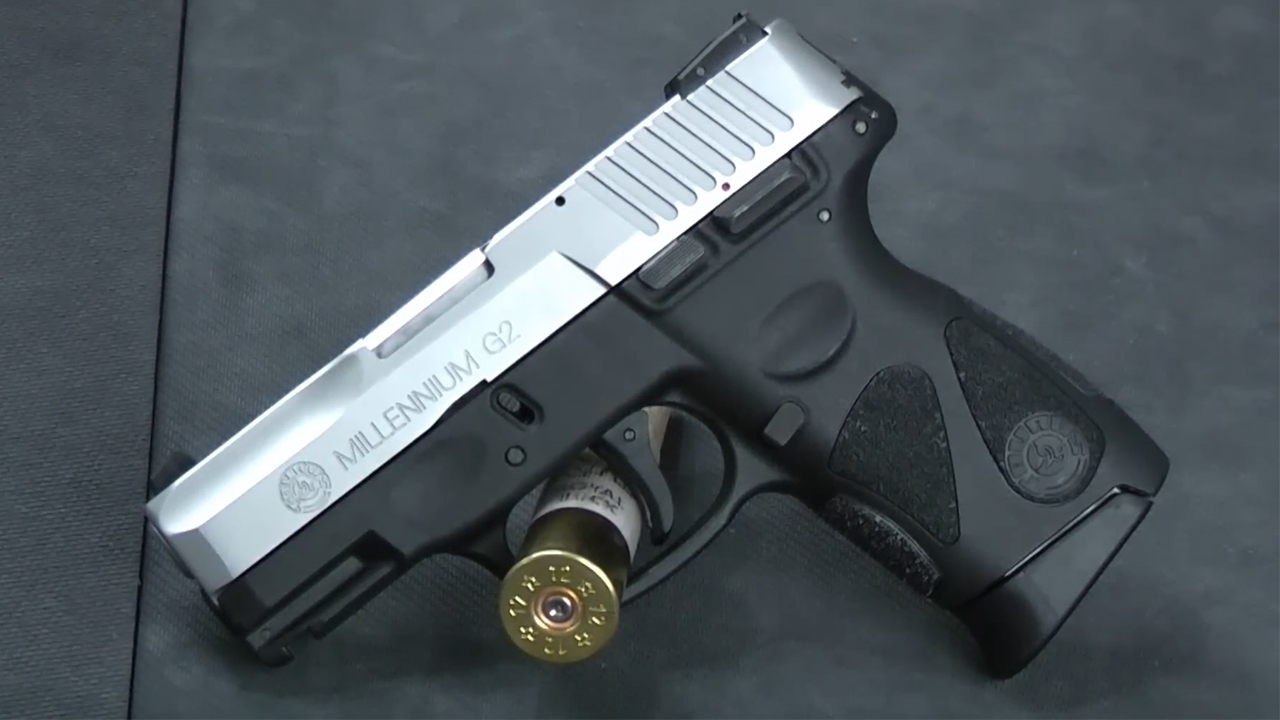
This one has been sliding across counters for years because it’s compact, it’s affordable, and it points pretty naturally. When it’s running right, it’s easy to understand why it sold so many.
The disappointment usually shows up as inconsistent triggers, finicky magazines, or a gun that starts out okay and then gets temperamental as it breaks in. If you’re going to stake your daily carry on a budget pistol, “usually fine” isn’t the confidence level you’re after.
3. Taurus G3C

On paper, it fixed the earlier stuff: better texture, better capacity, better overall feel. In the hand, it can feel like a winner for the money. Then you start putting real rounds through it, and the little issues matter more.
Some examples run great, others don’t, and that unpredictability is what frustrates folks. A carry gun needs to be boring. If you’re watching ejection patterns and wondering if the next box of ammo changes everything, it’s not boring.
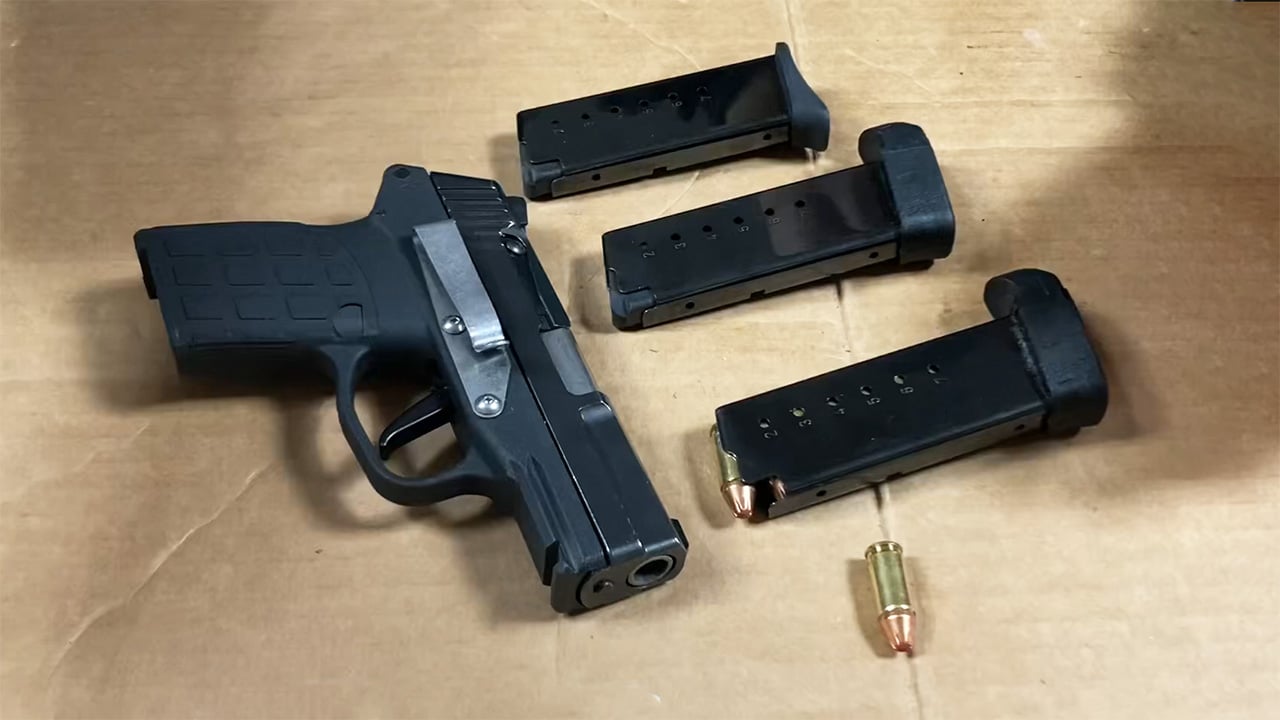
4. Kel-Tec PF-9
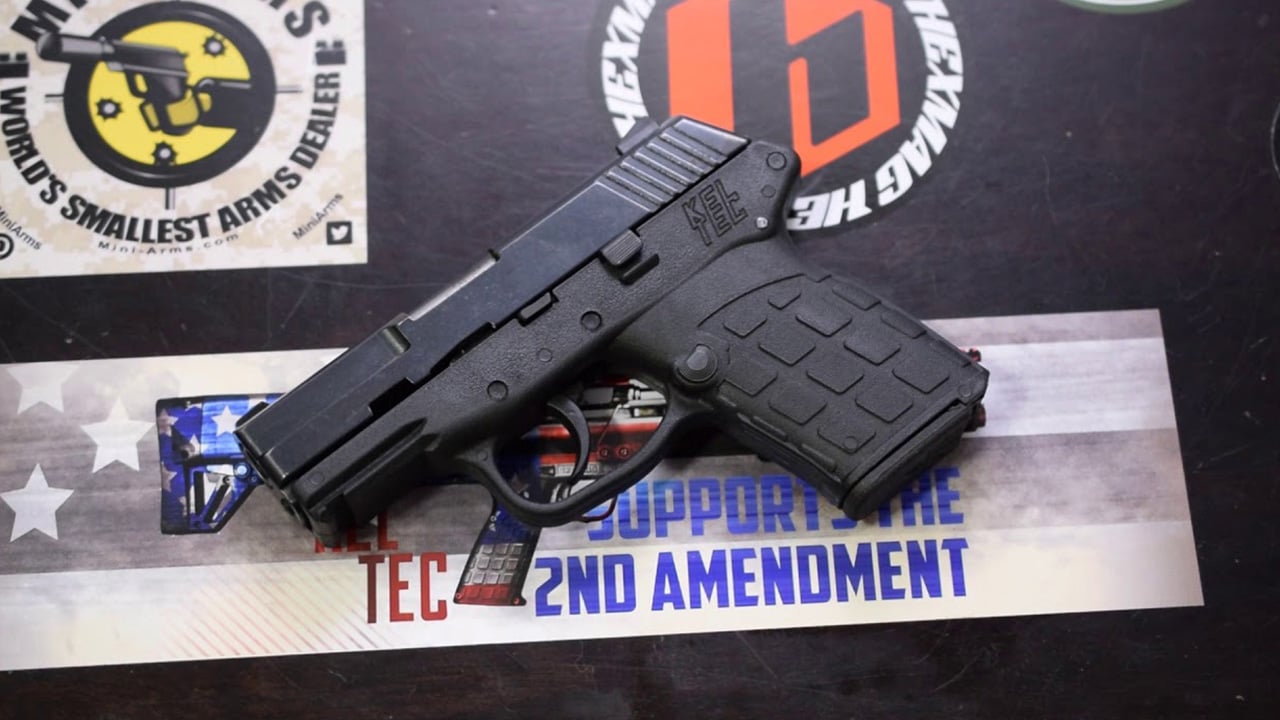
The PF-9 was “thin and light” before thin and light got good. A lot of us owned one at some point because it was one of the only ways to get a 9mm in a pocketable package without spending real money.
The letdown is how it shoots. It’s snappy, the grip is narrow, and long practice sessions are not fun. Plenty of folks carry it a week, shoot it twice, and then realize they don’t actually want to practice with it.
5. Kel-Tec P-11
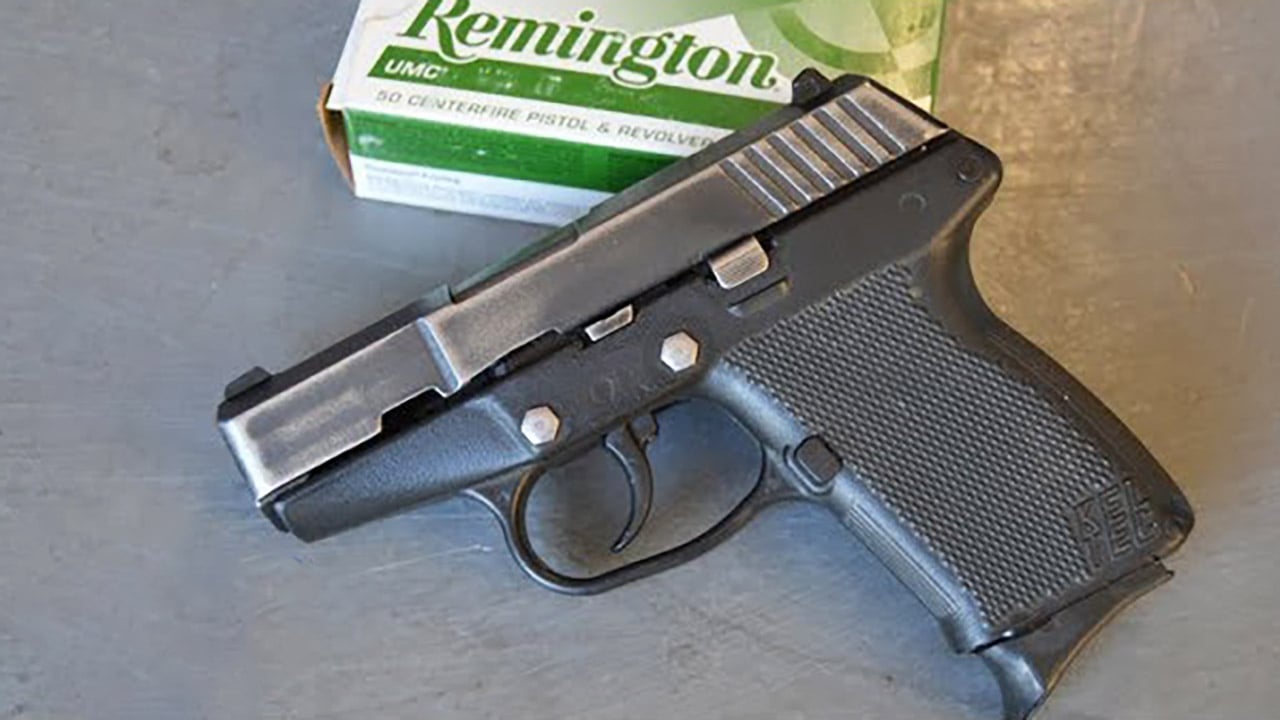
Gun-counter logic: “It holds a bunch of rounds and it’s small.” Real-life logic: the trigger is long and heavy, and the ergonomics are from a different era. The P-11 can work, but it does not make it easy.
It’s the kind of pistol that gets recommended to a new concealed carrier who hasn’t learned yet that comfort and shootability matter more than one extra round in the mag.
6. Ruger EC9s

Ruger makes a lot of solid pistols, and the EC9s gets pitched as the affordable, no-frills single-stack that’ll do the job. It’s not junk. It’s just not as pleasant as folks expect, and it can be surprisingly picky about sights, trigger feel, and the “shootability” department.
When you finally compare it side-by-side with slightly larger compacts, you realize you paid for thinness with control. Great for deep carry, not great as an all-around pistol for most shooters.
7. Ruger LCP (.380 ACP)
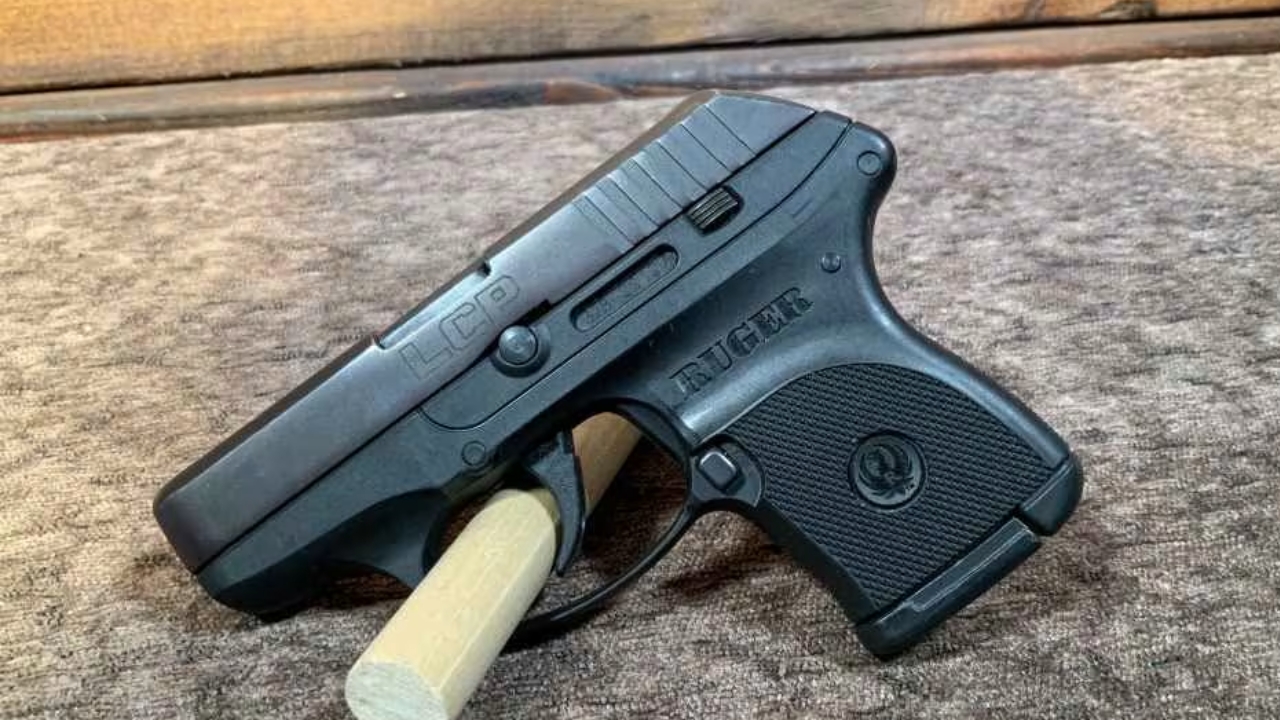
The LCP sells because it disappears in a pocket and it’s from a reputable company. It’s a legit tool for a specific job, but it gets pushed as a general self-defense handgun. That’s where the disappointment lives.
The sights are minimal, the grip is tiny, and it’s not forgiving under stress. If you don’t put in the practice, it’s a “comfort gun” that’s comfortable right up until you need it.
8. Smith & Wesson Bodyguard 380
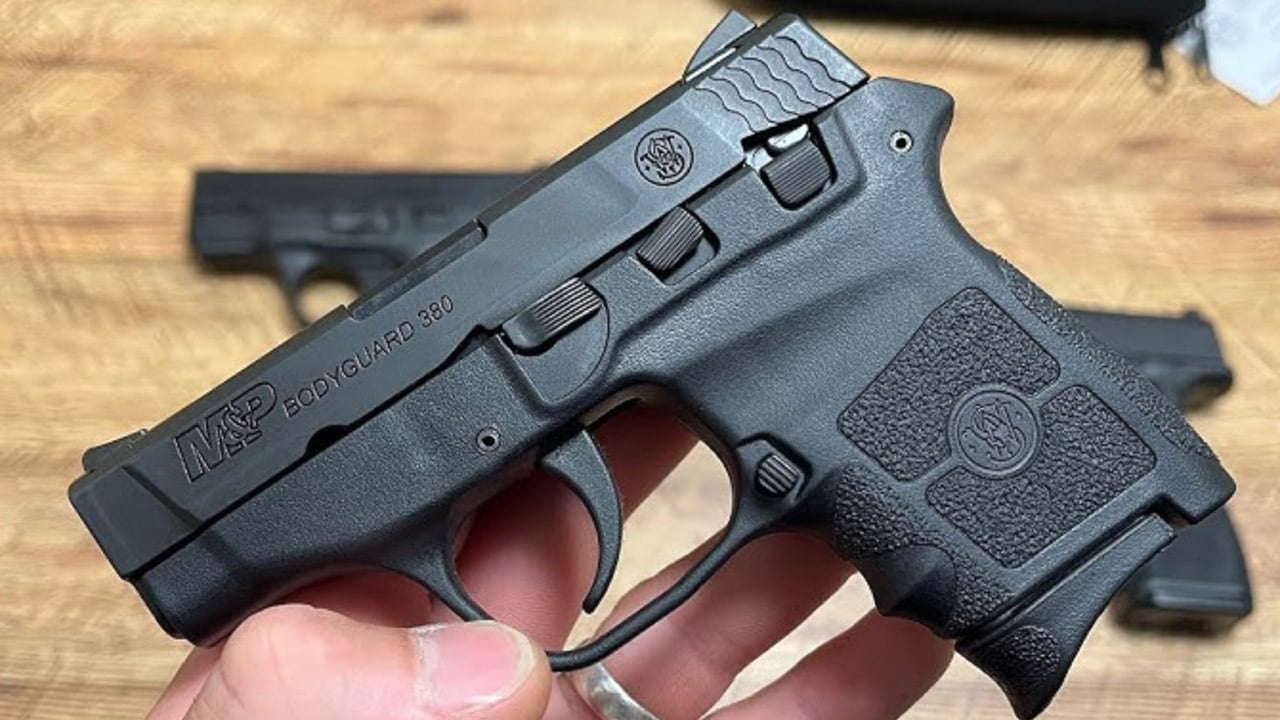
Small, familiar brand name, often sitting in the case at a “just right” price. Then you get it to the range and learn the trigger is long and mushy, and the gun doesn’t point like you want it to.
It can be reliable, but it’s not enjoyable. That matters, because enjoyable guns get practiced with. This one gets carried a bunch and shot a little, which is backwards.
9. Remington RM380

This is one of those pistols that sounds like a sleeper: metal frame, classic lines, and it’s a .380 that ought to be soft shooting. The problem is parts support and long-term confidence. Remington’s pistol ventures have been a mess, and owners feel it.
When it runs, it’s pleasant. When you start thinking about magazines, springs, and who’s going to service it down the road, it stops feeling like a smart buy.
10. Walther P22
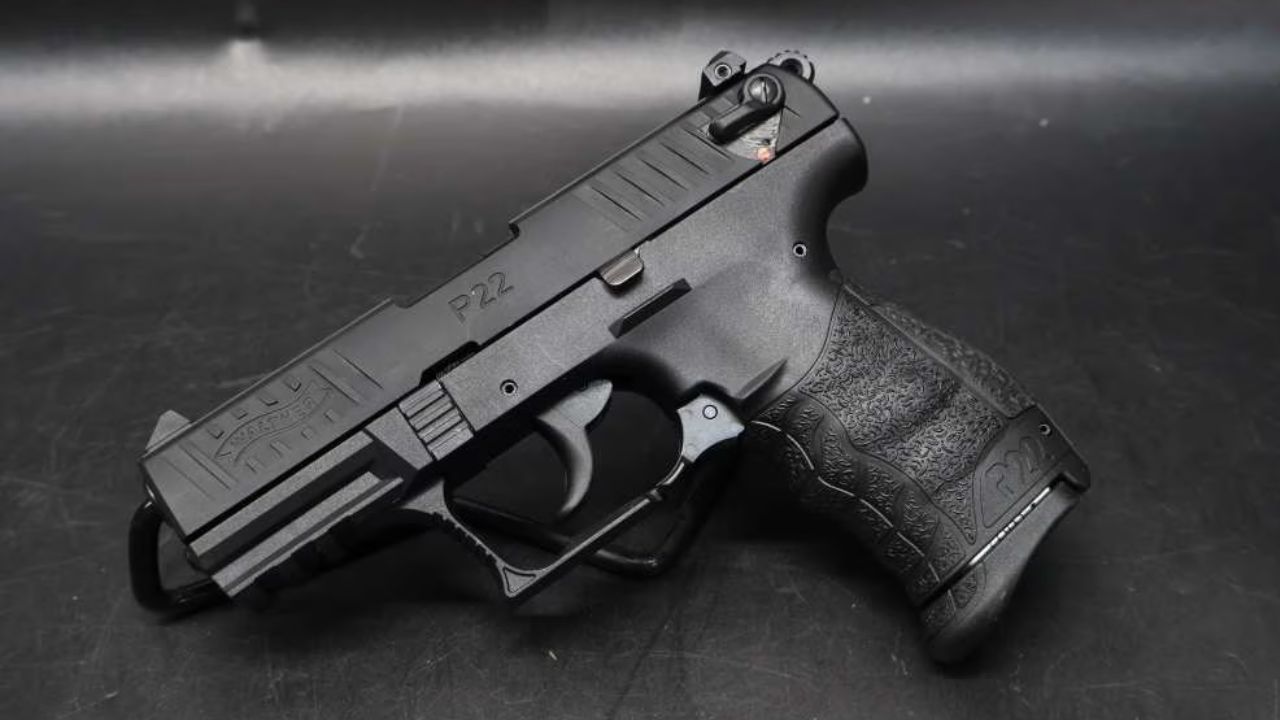
It’s cute, it’s “tactical looking,” and it’s a .22 so it should be easy. The P22 gets recommended to new shooters and parents buying a training pistol. Then the malfunctions start.
Some are ammo related, sure, but even with the right ammo the gun can be finicky. A training pistol should build confidence, not teach someone to clear jams every other magazine.
11. SIG Sauer Mosquito
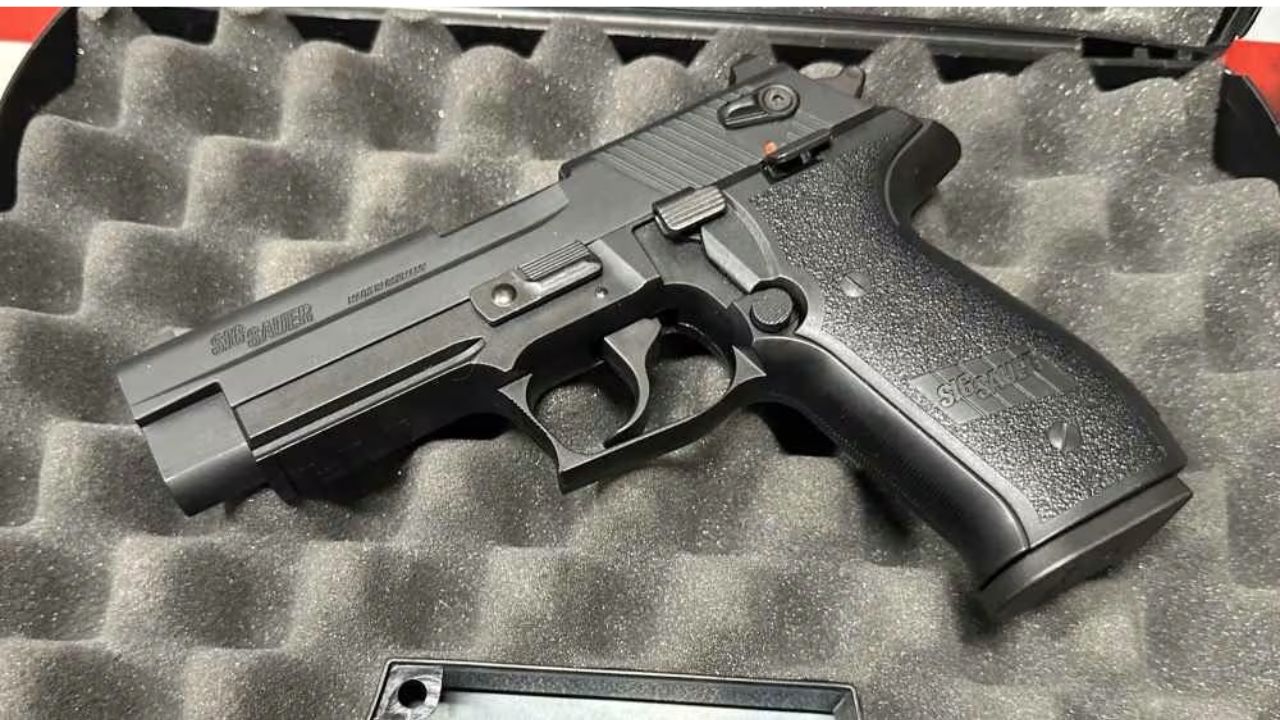
The Mosquito rides on SIG’s name, and that name carries weight at a counter. You expect it to run like a mini service pistol. Instead, you get a .22 that can be temperamental and a trigger that doesn’t help beginners.
I’ve seen more than one owner spend a full range session chasing reliability with different ammo and different mags. That’s not training; that’s troubleshooting.
12. Phoenix Arms HP22A

This one shows up when somebody wants the cheapest .22 pistol possible. It’ll usually come with a brick of ammo and a grin, and then the grin fades when the gun feels rough, stiff, and sensitive to everything.
It’s not built for high-round-count fun, and the controls are not what most shooters consider intuitive. If you want a .22 to learn on, this often isn’t it.
13. Hi-Point C9
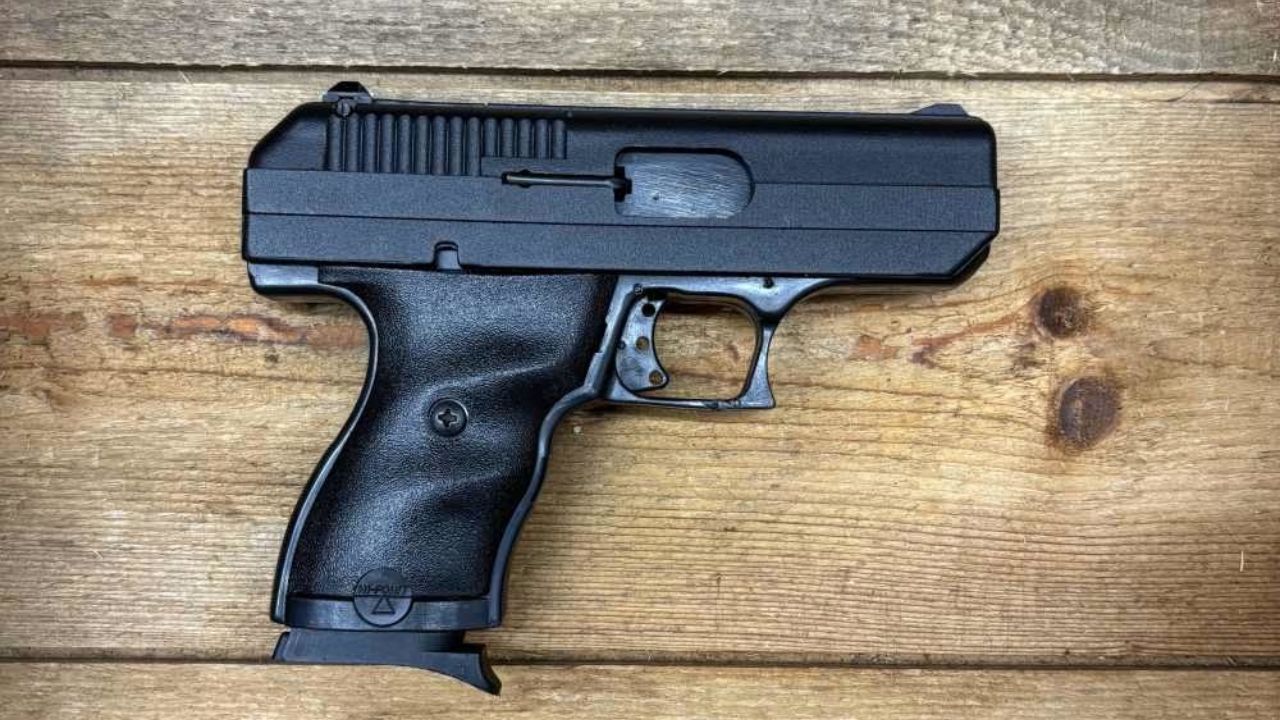
You can hate on Hi-Point all you want, but here’s the honest truth: a lot of them go bang. The disappointment is different. It’s the weight, the bulk, and how clunky it feels compared to almost anything else.
Folks buy it as a “truck gun” or home-defense option on a tight budget, then realize it’s hard to mount lights, hard to store in anything sensible, and not something you actually want to train with. It’s a blunt instrument, not a refined tool.
14. Kimber Solo Carry

This one got sold hard as a premium micro 9 before the micro-9 world matured. Small, classy, and expensive enough that folks assumed it had to be good. A lot of owners learned an expensive lesson about picky ammo and inconsistent reliability.
If a gun only runs on specific loads and turns range day into a science project, it’s not “premium,” it’s needy. That one hurts when you look at what you paid.
15. Kimber Micro 9

It’s a sharp-looking little pistol, and the 1911-ish controls feel familiar to some shooters. The letdown is that small 9mms already walk a fine line, and this one can amplify the usual problems: snappy recoil, short sight radius, and a platform that demands good magazines and maintenance.
Some run fine. Some don’t. And when a “pretty carry gun” turns into a confidence issue, it usually ends up on consignment.
16. Springfield Armory XD-S (early generations)
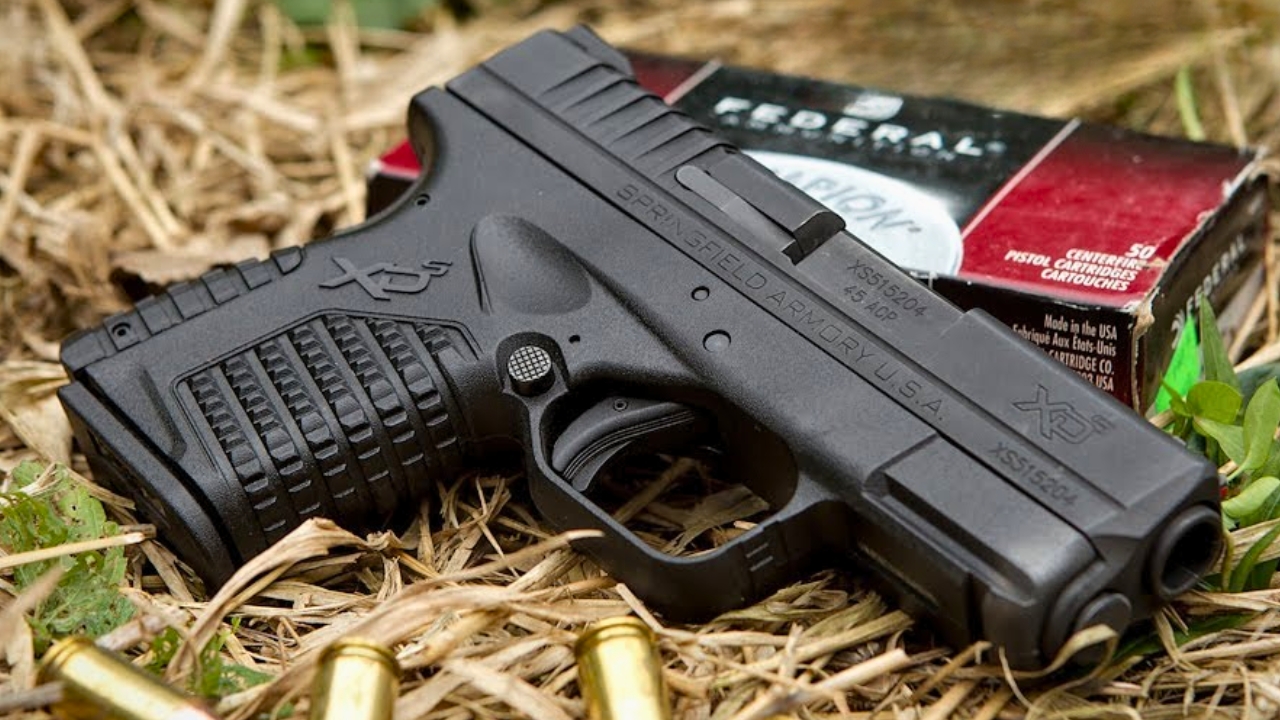
The XD-S got recommended for years because it’s slim and feels substantial in the hand. Early versions, though, left a lot of shooters wishing they’d just gone with a slightly larger compact. The recoil can be abrupt, and the grip safety adds one more variable under stress.
It’s not that the design can’t work. It’s that many folks don’t shoot it well enough to justify carrying it, and they find out after the honeymoon phase.
17. Smith & Wesson SD9VE

This is the classic “budget duty-style” pistol recommendation. It’s a known brand, it feels like a service gun, and it’s priced to move. Then you hit the trigger and realize why it’s priced that way.
The trigger can be heavy and gritty, and that turns new shooters into bad shooters if they don’t know what they’re fighting. Plenty of folks could have spent a little more and saved themselves a lot of frustration.
18. Beretta Nano

The Nano got pushed as a slick, snag-free carry gun. It is smooth on the outside, and it carries well. But it’s also a small gun that can feel dead in the hand, with a trigger that doesn’t excite anybody and a shooting experience that’s more work than fun.
It’s one of those pistols that ends up sitting because the owner never bonds with it. Carry guns have to earn their spot, not just fit in a holster.
19. Glock 42
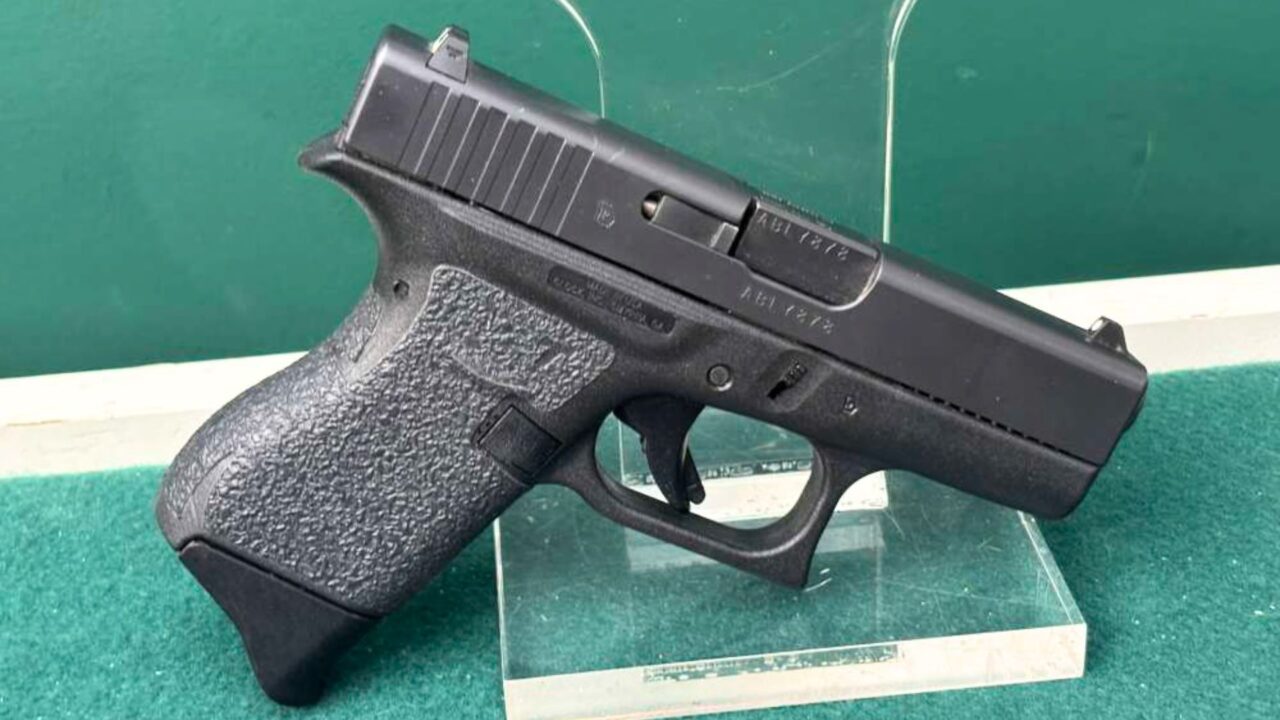
I know, I know. It’s a Glock. The reason it lands here is because it gets recommended to the wrong buyer. The G42 is soft shooting for its size and very carryable, but it’s still a .380 with smaller grip real estate and smaller performance margins than a compact 9mm.
Folks buy it thinking they’re getting “the same thing as a Glock 19, just smaller,” and that’s not how it works. If you understand it as a deep-carry .380 and you train with it, it’s solid. If you expect it to be a do-everything handgun, you’re going to be underwhelmed.
20. Magnum Research Desert Eagle

This is the poster child for counter-top hype. Everybody wants to hold it. Everybody wants to shoot it once. Very few people want to own it after they do the math on ammo cost, weight, blast, and how impractical it is for normal life.
It’s a specialty pistol and a range toy, not a woods sidearm for most folks and definitely not a carry gun. If you buy it for the grin factor and accept it for what it is, fine. If you buy it thinking it’s going to solve some real-world role, you’ll figure it out quickly.
There’s a common thread with most of these: they’re not always terrible guns, they’re just terrible recommendations when they’re pitched as the answer for everybody. Before you buy, be honest about what you’ll actually do with it. If you’re not going to practice with it, don’t buy something that’s miserable to shoot. If it’s a carry gun, boring reliability beats cool factor every single time.
Like The Avid Outdoorsman’s content? Be sure to follow us.
Here’s more from us: