Photo credit: All Things Mechanical/Youtube
Every gun safe has a few “conversation pieces.” The ones you bring out when buddies are over, or when you’re cleaning the shelf and you remember why you bought it in the first place. There’s nothing wrong with that. Guns can be mechanical art, and a little nostalgia never hurt anybody.
But there’s a line between a fun range toy and something you’d actually want in your hands when a hunt goes sideways, a bear shows up on the gut pile, or you’re stuck on the side of a county road after dark. Below are 20 firearms that, for one reason or another, tend to look better sitting still than they perform when the stakes are real.
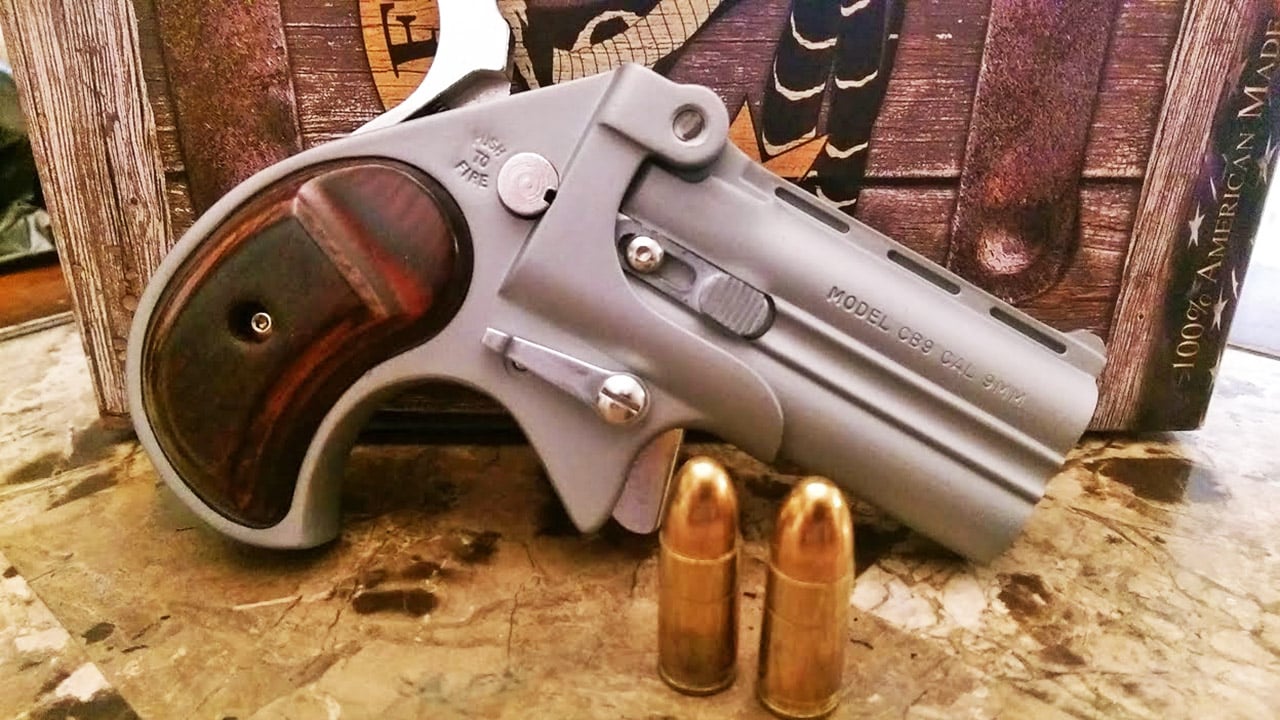
1. Cobra “Big Bore” Derringer (9mm/.45 Colt)
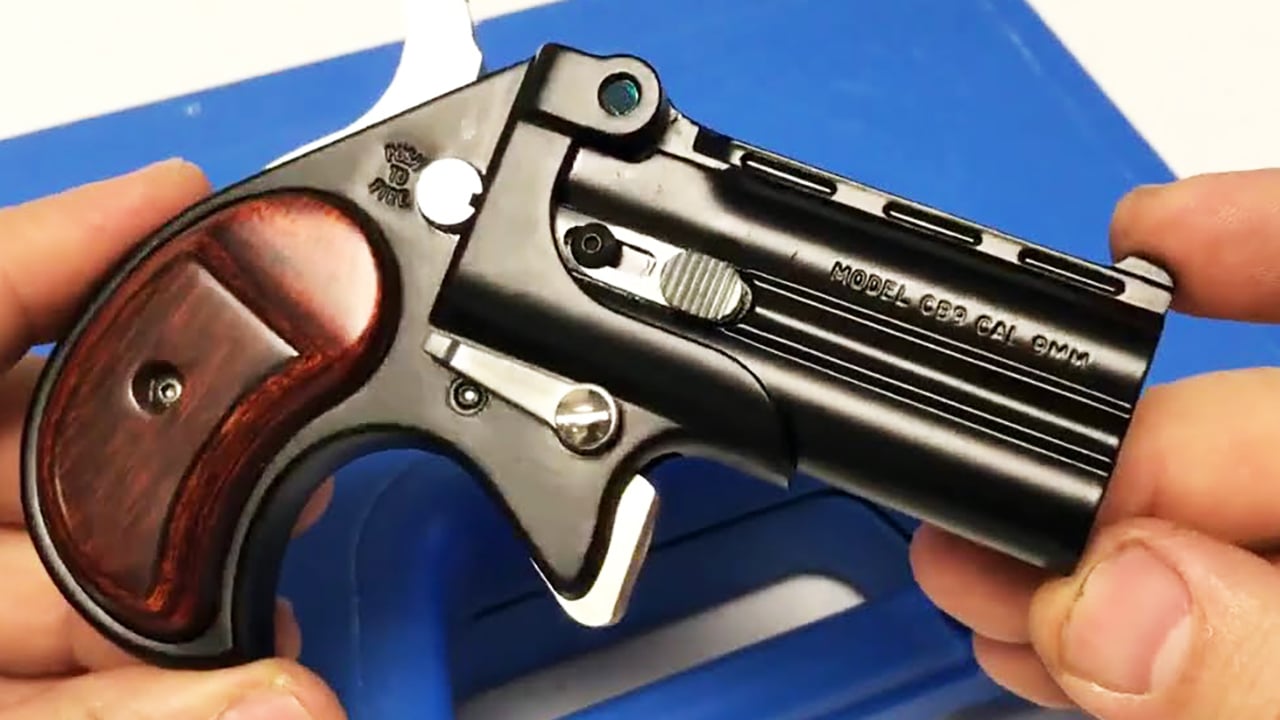
These little over-under derringers have a certain old-time appeal. They’re compact, shiny, and they make for an easy gun-counter impulse buy.
Then you touch one off. The grip is short, the trigger is usually heavy, and the recoil is sharp enough to make you flinch before you even know you’re doing it. Two shots and a slow reload is a rough plan when you’re cold, rattled, and trying to solve a problem fast.
2. Bond Arms Snake Slayer
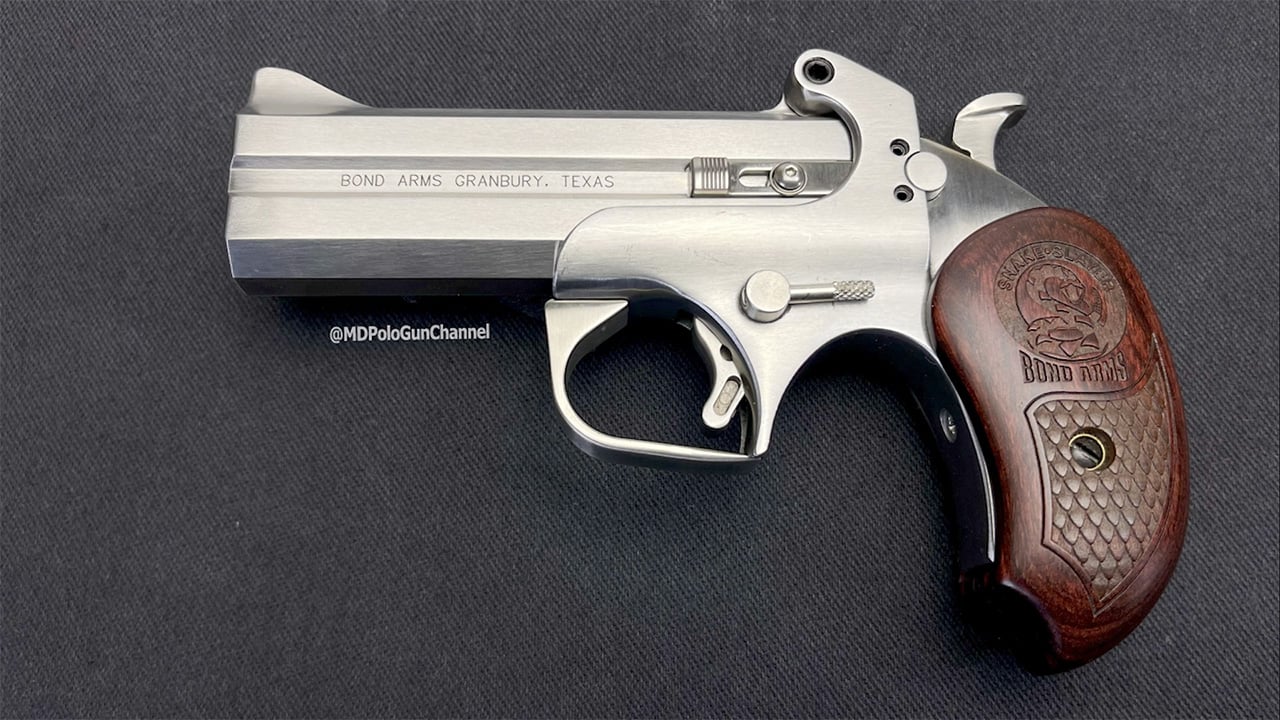
I’ve seen more than one of these show up in a tackle box like it was a piece of safety gear. They’re stout little derringers, and they do have a niche.
The niche is “up close and calm.” In tall grass with your heart going, that tiny grip and two-shot setup feels like a compromise you made because it looked cool. For snakes, a proper shotshell-capable revolver makes more sense, and you’re not stuck with derringer ergonomics.
3. North American Arms Mini Revolver (.22 LR/.22 Magnum)

These are about as cute as guns get, and the machine work is often surprisingly nice. They disappear in a pocket, and that’s the whole sales pitch.
Real life is hands shaking, gloves on, and trying to get a usable sight picture. The tiny grip and tiny sights turn it into a “better than harsh language” tool, not a serious answer. It belongs in a novelty collection more than a working kit.
4. Taurus Judge (2.5”)
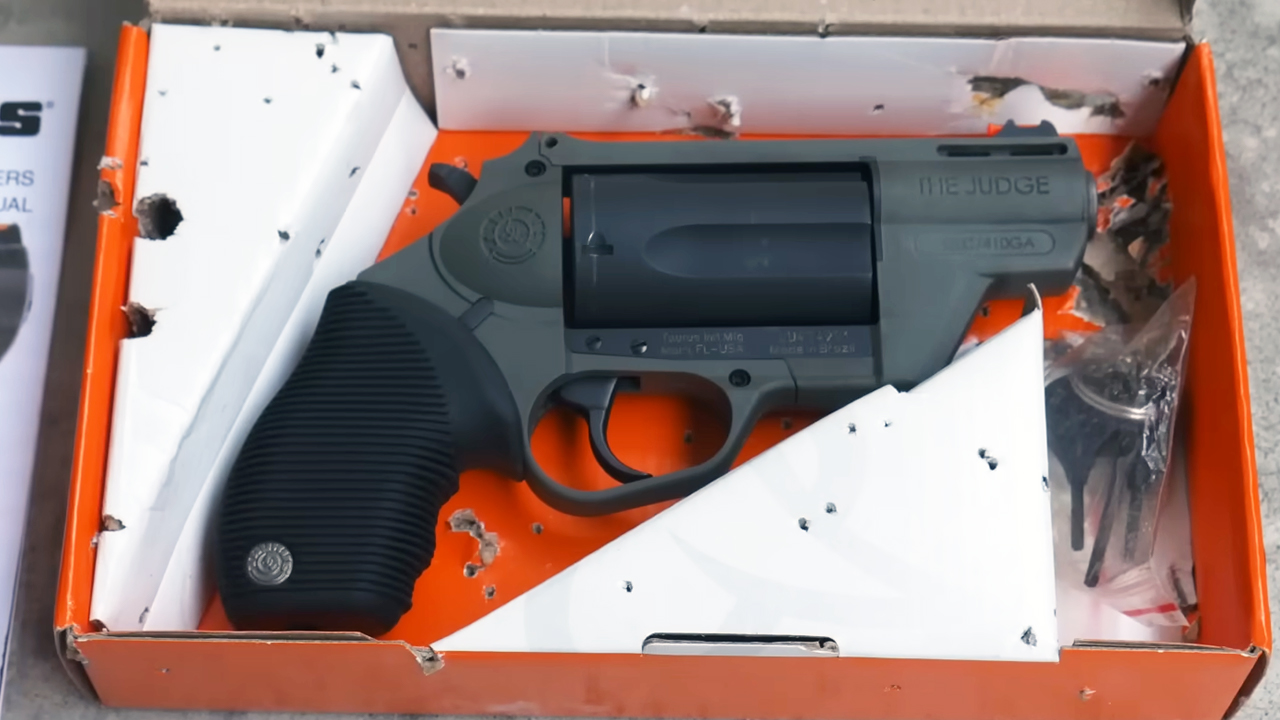
The idea sounds perfect at the gun counter: .410 for snakes, .45 Colt for everything else. It’s a concept that sells itself.
In practice, the short-barrel versions are bulky, not especially pleasant to shoot, and accuracy can be all over the map depending on the load. It also encourages the kind of “one gun does everything” thinking that usually ends with you wishing you’d just carried a normal revolver and a small shovel for snakes.
5. Smith & Wesson Governor
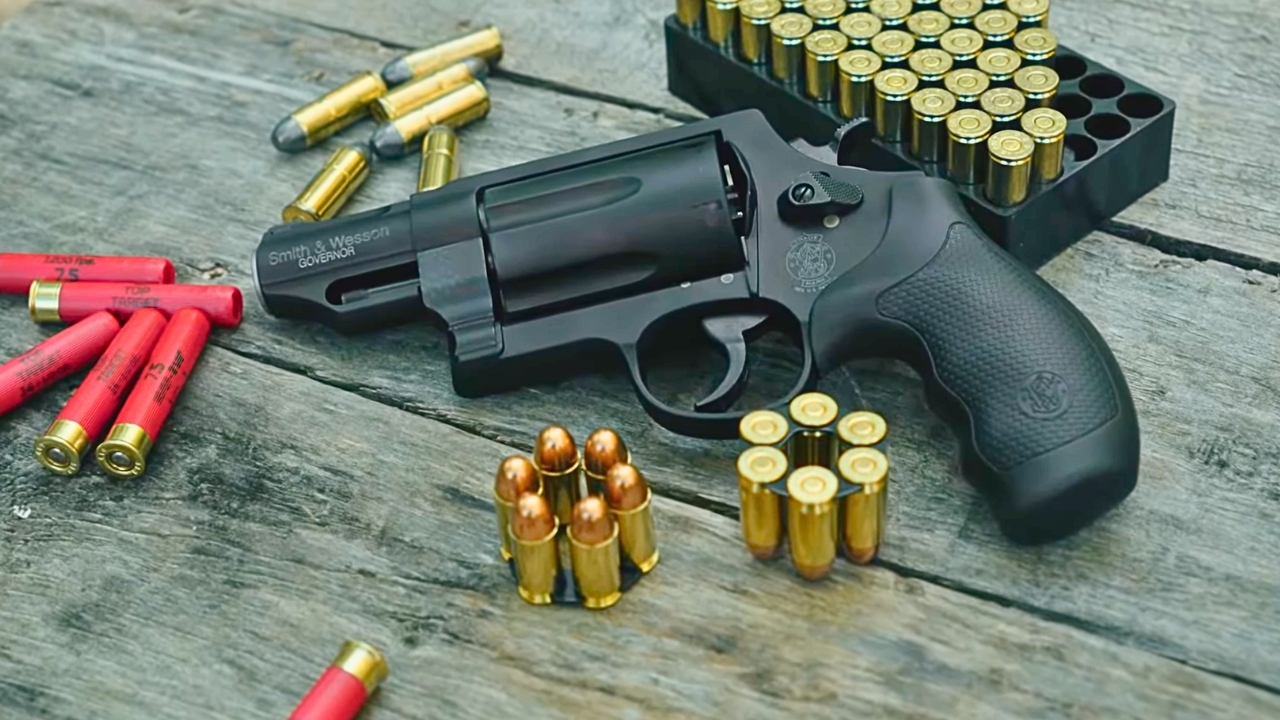
This is the more polished cousin to the same concept, and yes, it’s a better-built gun. The problem isn’t only build quality.
It’s still a big-frame compromise that asks you to accept middling performance with multiple loads so you can feel prepared for every scenario. In the woods, boring and dependable beats clever. A straightforward .357 or .44 revolver is a lot easier to live with.
6. Taurus Curve
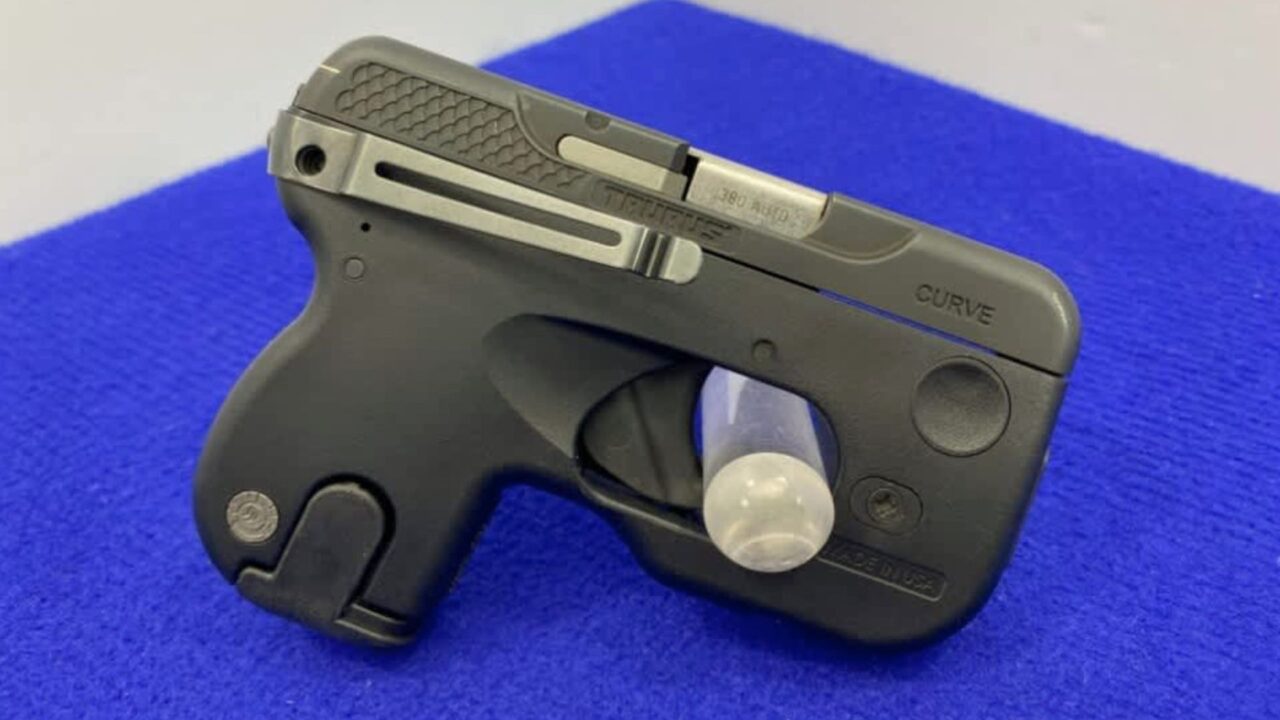
Every so often a gun company tries to reinvent the carry pistol by changing the shape instead of fixing the fundamentals. The Curve is one of those attempts, and it draws attention like a concept truck at an auto show.
The problem is you’re still shooting a small, light pistol with a long trigger pull and odd ergonomics. The built-in “features” don’t matter much when the gun doesn’t point naturally and you can’t run it confidently. It’s the kind of thing that winds up as a drawer gun after two range trips.
7. ZIP 22
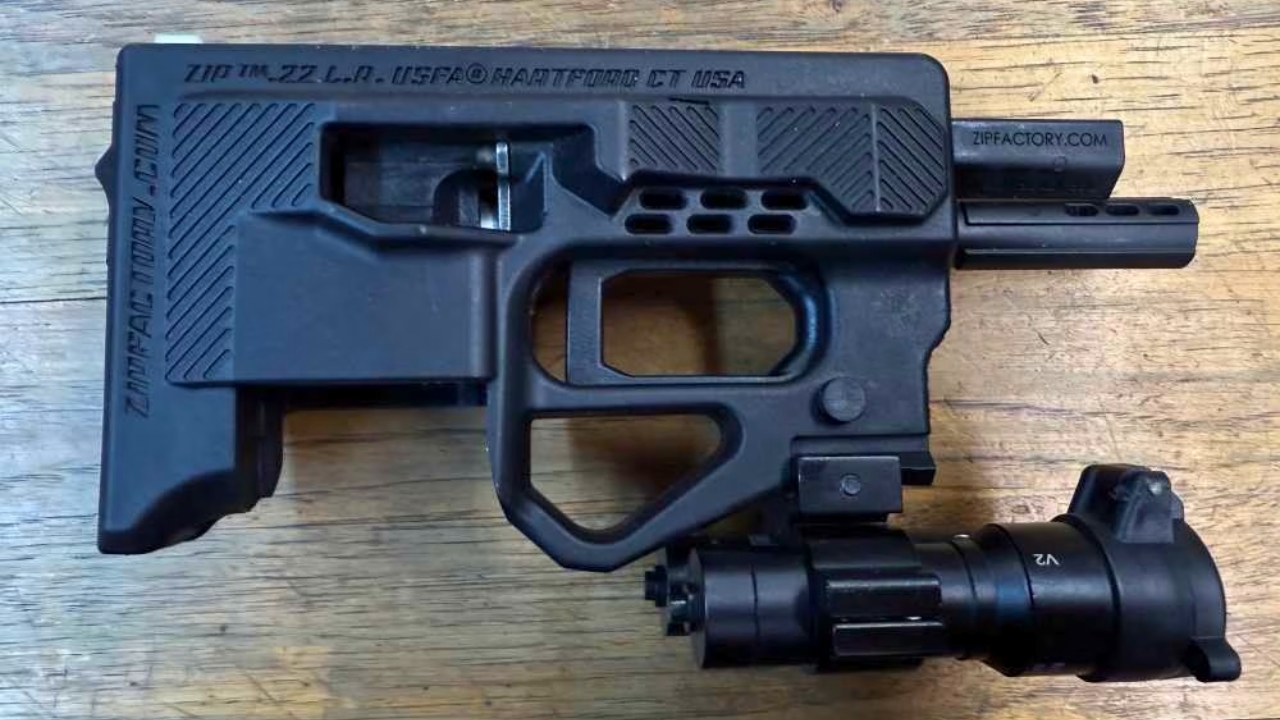
This one has a reputation for a reason. The design looked futuristic, and a cheap .22 pistol is always tempting for plinking.
But a defensive gun can’t be a project, and a fun gun shouldn’t require constant patience. When you start dreading malfunctions more than you enjoy shooting, it’s shelf material. There are too many reliable .22s out there to waste time.
8. Jennings J-22
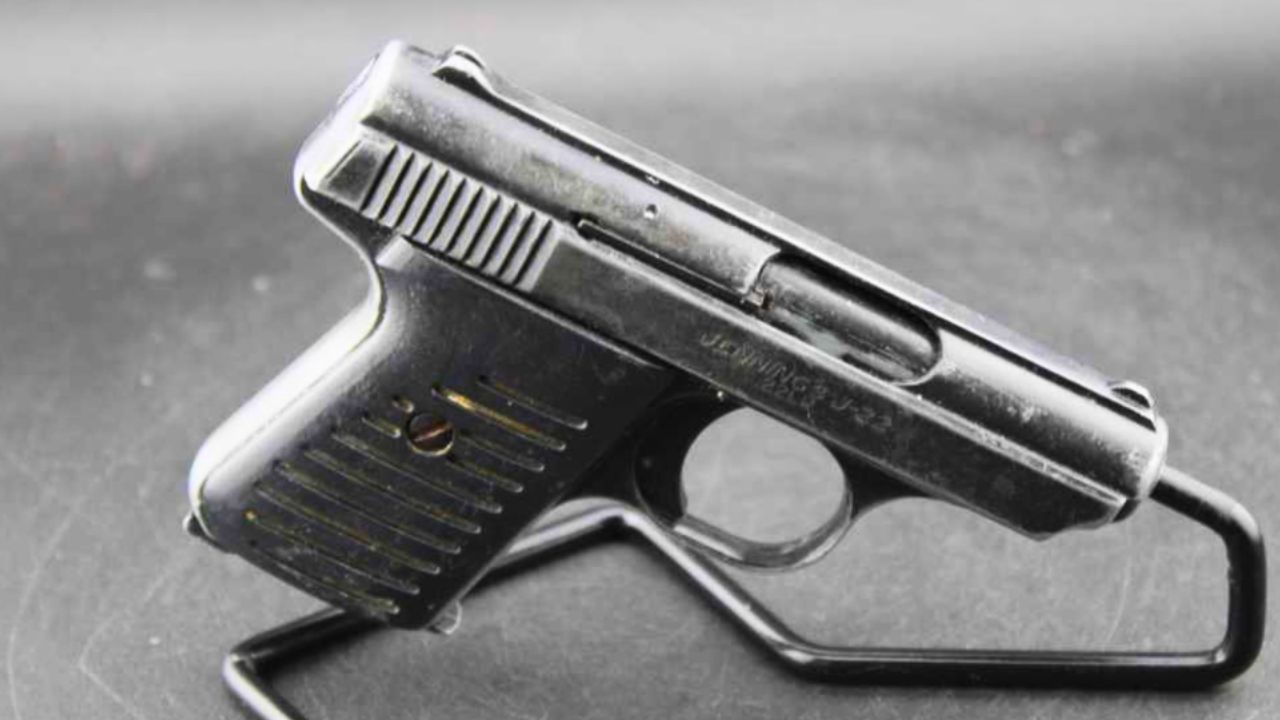
These little Saturday night specials are part of American gun-counter history, like it or not. They’re cheap, small, and they show up in estate lots and pawn shops.
The problem is spotty reliability, questionable durability, and triggers that feel like you’re dragging a cinder block across gravel. If you want a pocket .22, there are modern options that actually run. This is more artifact than tool.
9. Raven Arms MP-25

Same family tree, same issues. They’re simple blowback pistols with just enough “retro” to make someone think they’re neat.
In a real situation, neat doesn’t feed and fire. .25 ACP is already a marginal cartridge, and pairing it with a gun that may or may not function when dirty is not the direction I’d go. If you keep one, keep it as a curiosity.
10. Walther P22
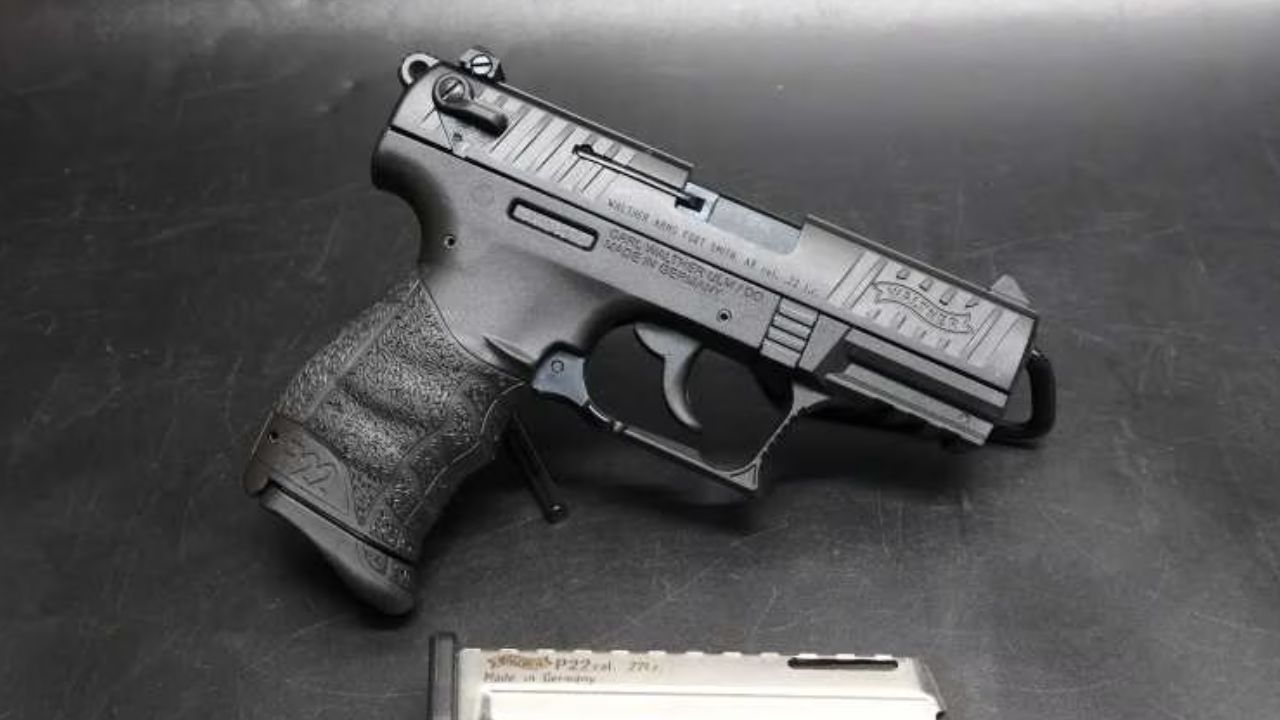
I get it. It looks like a “real” pistol, it’s affordable, and it feels like a great way to train new shooters on a .22.
But these can be picky with ammo, magazines, and maintenance, and the little pot-metal parts don’t love hard use. When a training gun becomes a constant troubleshooting session, it stops being good training. A Ruger Mark IV or a Browning Buck Mark is boring in the best way.
11. Mossberg 715T (.22 “tactical” rifle)
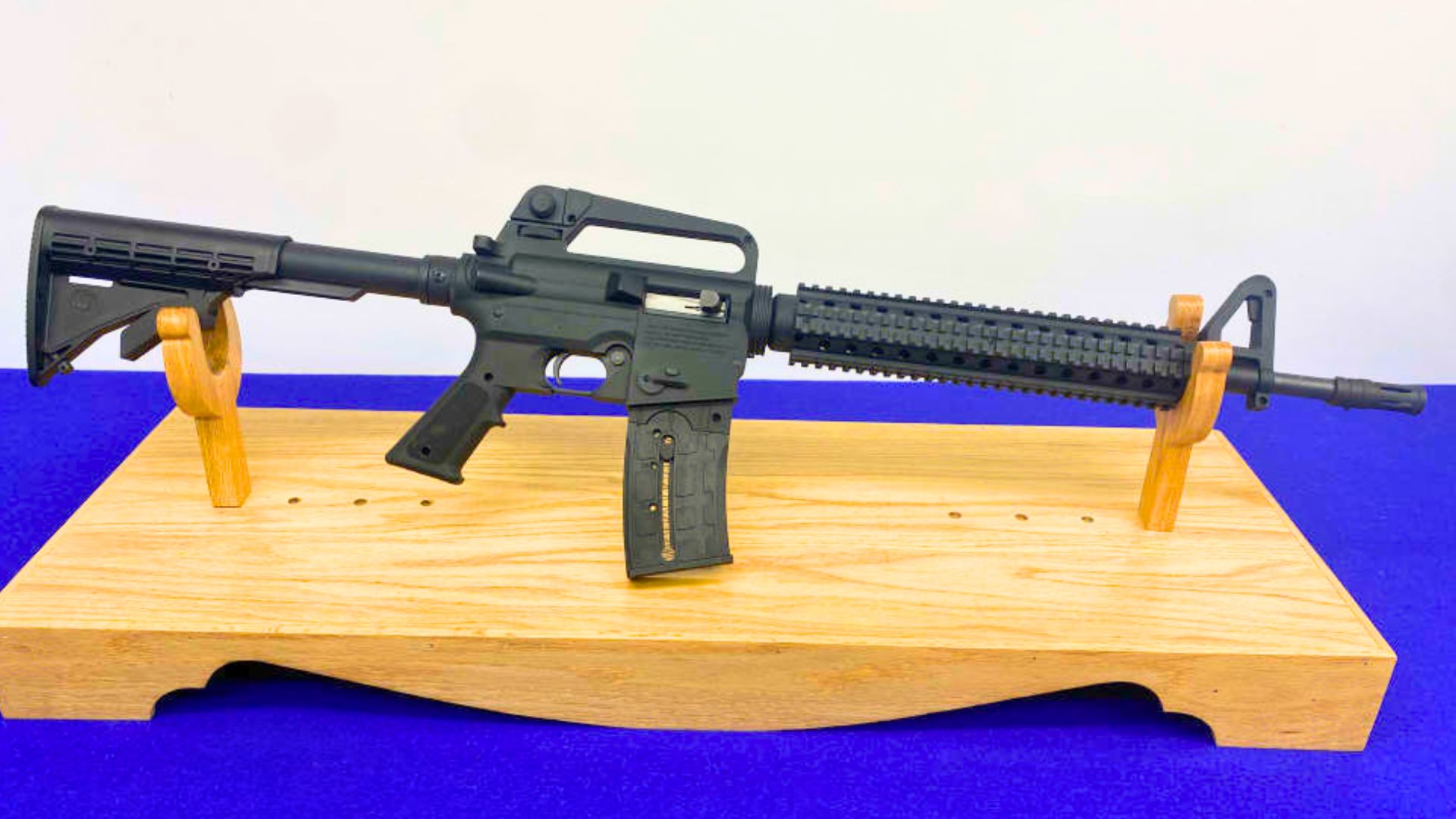
This is one of those rifles built to look like something it isn’t. It scratches the itch for a “tactical” vibe without “tactical” cost.
The issue is that the cosmetics don’t help you hit anything, and the overall feel can be toy-like. If you want a .22 rifle for real use—farm pests, trapline pot meat, steady range time—buy something that’s solid and simple, not something dressed up for the rack.
12. Chiappa Rhino (especially short-barrel models)
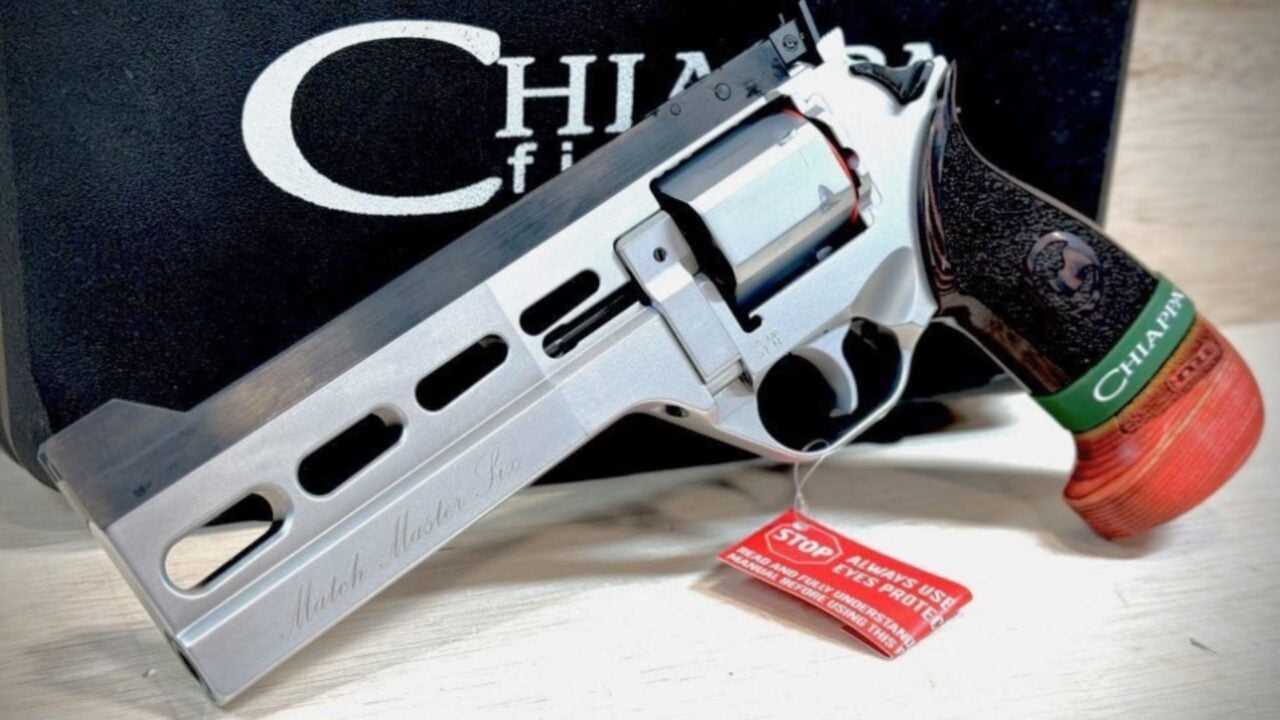
The Rhino is undeniably cool engineering. The low bore axis and the space-gun look make it a display-shelf magnet, and they usually draw a crowd at the range.
But the odd grip angle, unique manual of arms, and uncommon parts ecosystem make it a tough choice for a working revolver. If you want a revolver you can service anywhere and feed from any shop, a standard S&W or Ruger makes more sense. The Rhino is fun, not practical.
13. Magnum Research Desert Eagle (.50 AE)
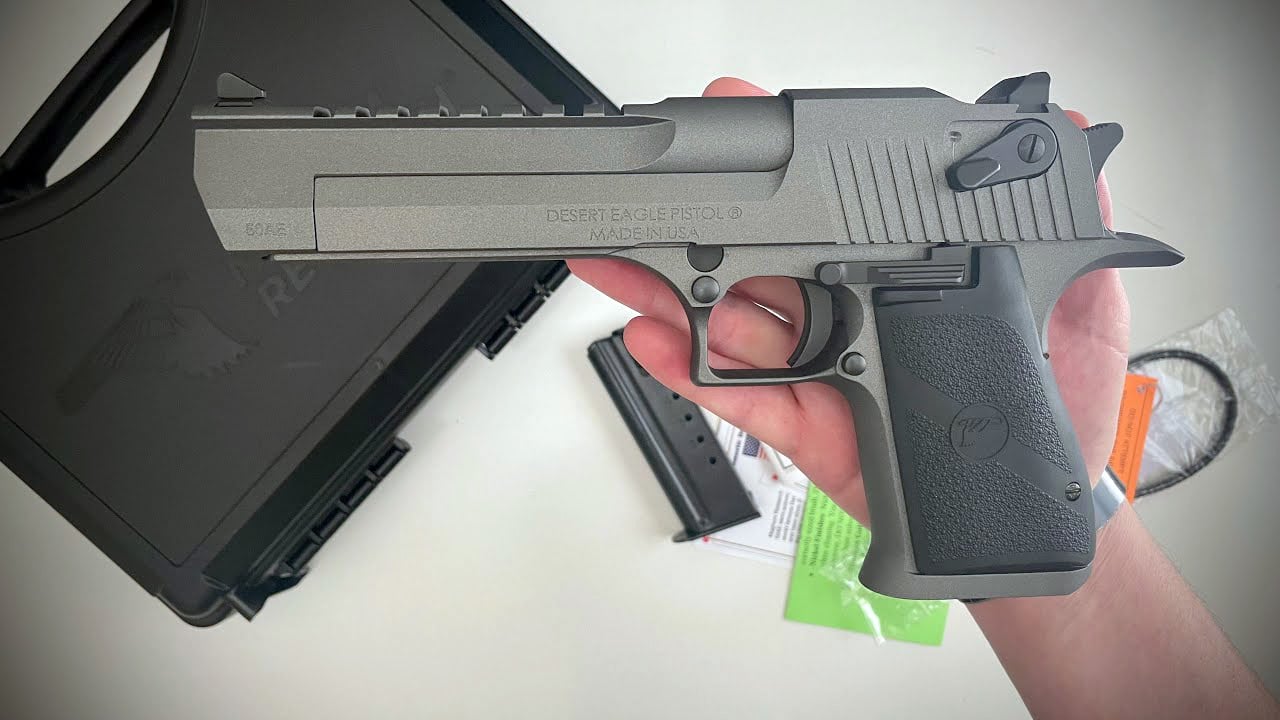
This is the king of “because I wanted one.” If you’ve ever seen one in a glass case, you know the feeling. It’s big, loud, and it has movie-star energy.
It’s also heavy, ammo is expensive, and it’s not the kind of pistol you grab when you’re stepping out to check a noise. Most owners shoot it a few times a year, smile, and put it away. That’s fine. Just don’t confuse it for a serious field sidearm.
14. Smith & Wesson Model 500 (short barrels)

There are folks who hunt with these, and I respect that. But most of the short, brake-heavy versions live a different life: they come out when you want to watch somebody’s eyebrows jump.
The recoil and blast are a lot, and the gun’s sheer size makes it awkward to carry like a normal sidearm. In the woods, a controllable .44 Mag or stout .357 you can shoot well beats “the biggest revolver made” every day of the week.
15. Heritage Rough Rider (.22 LR)
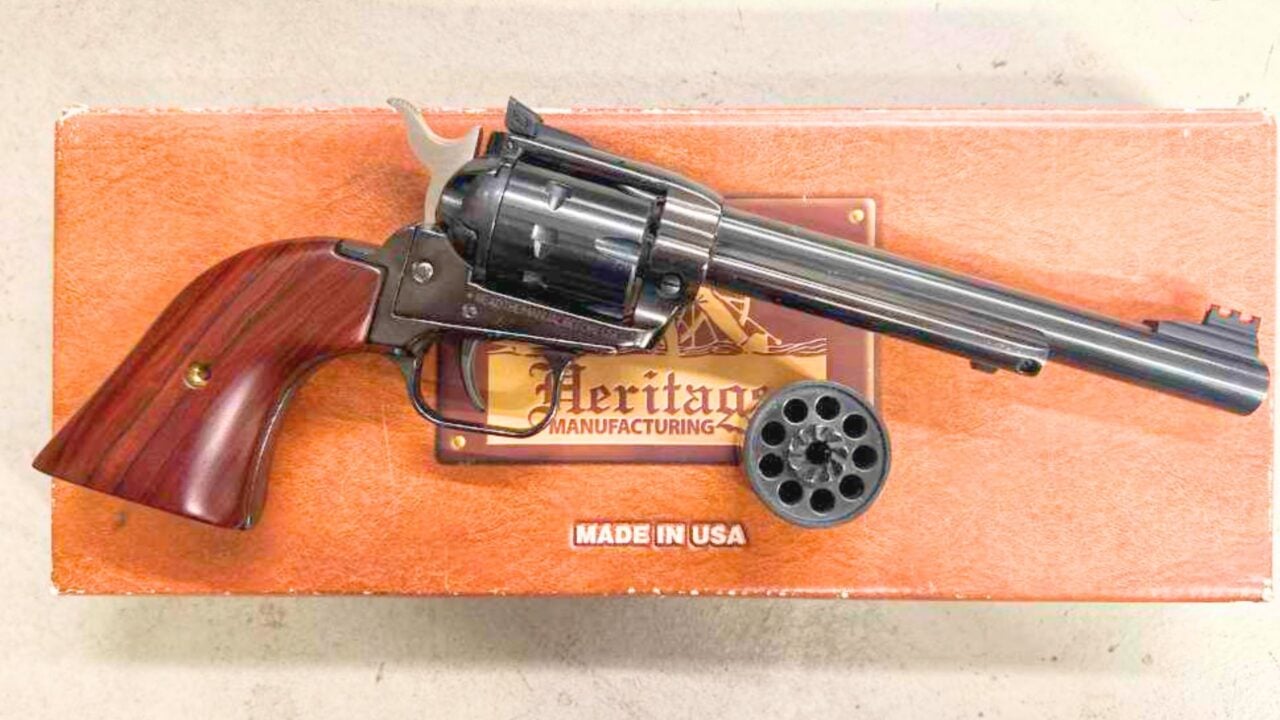
For plinking and teaching a kid the basics, these can be a decent budget revolver. They look the part and scratch that cowboy-gun itch.
Where it falls apart is when someone starts thinking of it as a serious working gun. The fit and finish varies, the sights aren’t great, and the manual safety is a weird add-on to a classic design. As a fun ranch plinker, fine. As a “real situation” tool, no.
16. Kel-Tec KSG (12 gauge)

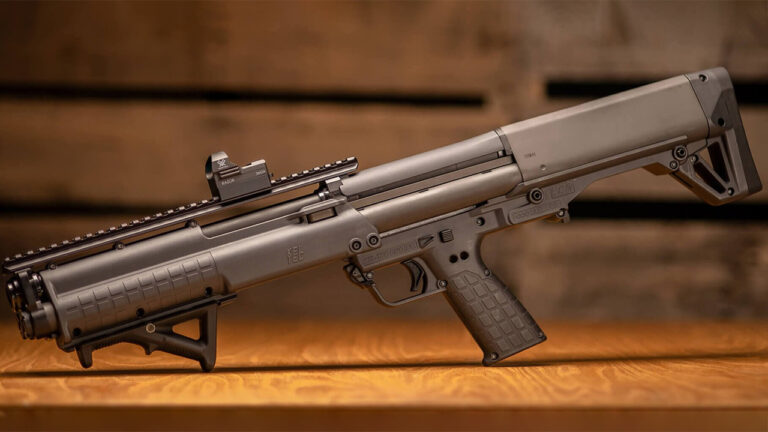
This one is a safe queen for a lot of folks because it’s interesting. Two mag tubes, short overall length, and a sci-fi profile—it’s hard not to pick it up and cycle it a few times.
But under stress, the manual of arms isn’t as forgiving as a plain pump shotgun. Short-stroking, tube selection confusion, and awkward handling are real things when you’re tired or amped up. For serious use, a simple 870 or 500 with a light is hard to beat.
17. Taurus 605 (lightweight .357 snubnose)

Small .357 revolvers are tempting because they sound like the ultimate “pocket powerhouse.” In the hand, they carry easy and look like they mean business.
The reality is most folks don’t practice with full-house .357 in a light snub because it’s miserable. Then the gun becomes a .38 Special only revolver that you bought for .357 money. If you’re going snub, pick one you’ll actually shoot weekly, not one that punishes you into avoiding it.
18. Remington R51 (later production)

This pistol had a lot of buzz because of the heritage name and the promise of a slim carry gun that shot soft. It looked like a comeback story.
But the platform’s rocky history and the oddball feel left a lot of owners cold. When carry gear is involved, “mostly fine” isn’t fine. It’s hard to trust a gun when you’re always wondering if this is the trip it decides to be temperamental.
19. Charter Arms AR-7 Explorer
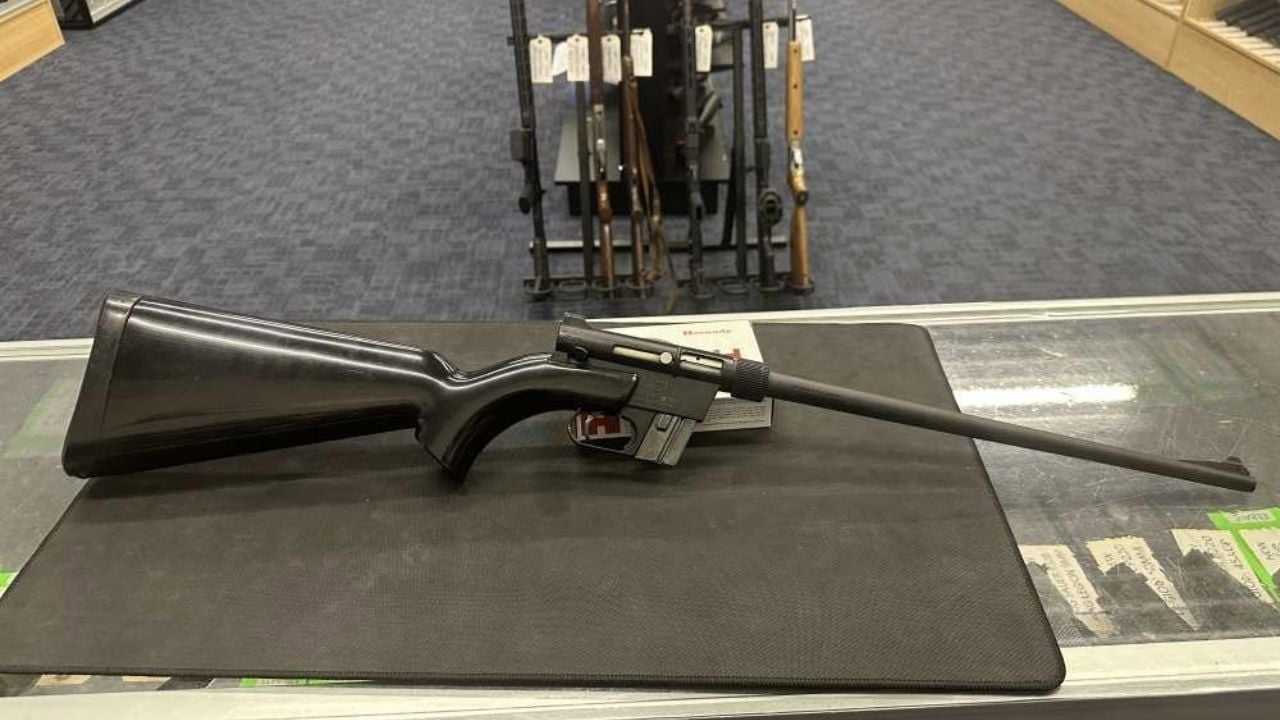
A takedown .22 that stows in the stock is a great idea, and it has real survival-rifle charm. It’s also one of those guns that winds up in closets because the idea is stronger than the execution.
They can be ammo sensitive, and the overall shooting experience is light and whippy. If you want a .22 you’ll actually carry and use, a Ruger 10/22 Takedown or a compact bolt gun is a more dependable companion. The AR-7 is more “cool factor” than working tool.
20. Iver Johnson “Top-Break” revolvers (antique models)
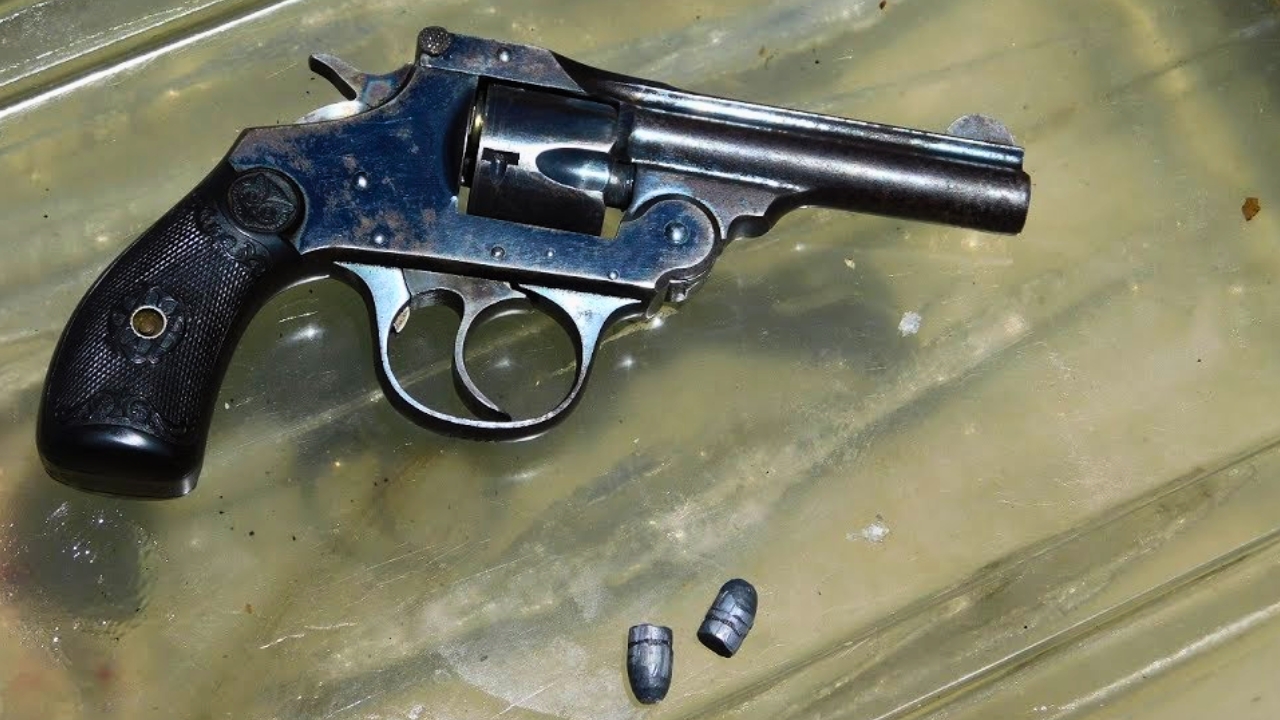
Old top-break revolvers look fantastic in a shadow box. The lines are classic, the latch is satisfying, and they feel like a piece of history you can hold.
The trouble starts when someone treats an antique like a modern defensive revolver. Many were made for mild cartridges and mild loads, and parts and service aren’t a quick trip to the local shop. Keep them for what they are: history, not hard use.
None of this is meant to shame anybody’s taste. Half the fun of gun ownership is enjoying the oddballs and the legends. Just be honest about what you’re buying. If you want a display piece, buy it and enjoy it. If you want something for the woods, the truck, the nightstand, or the next hunt, pick the boring gun that runs every time and shoots where you point it. That’s the one that matters when it’s not just a story.
Like The Avid Outdoorsman’s content? Be sure to follow us.
Here’s more from us: