Photo credit: The Avid Outdoorsman
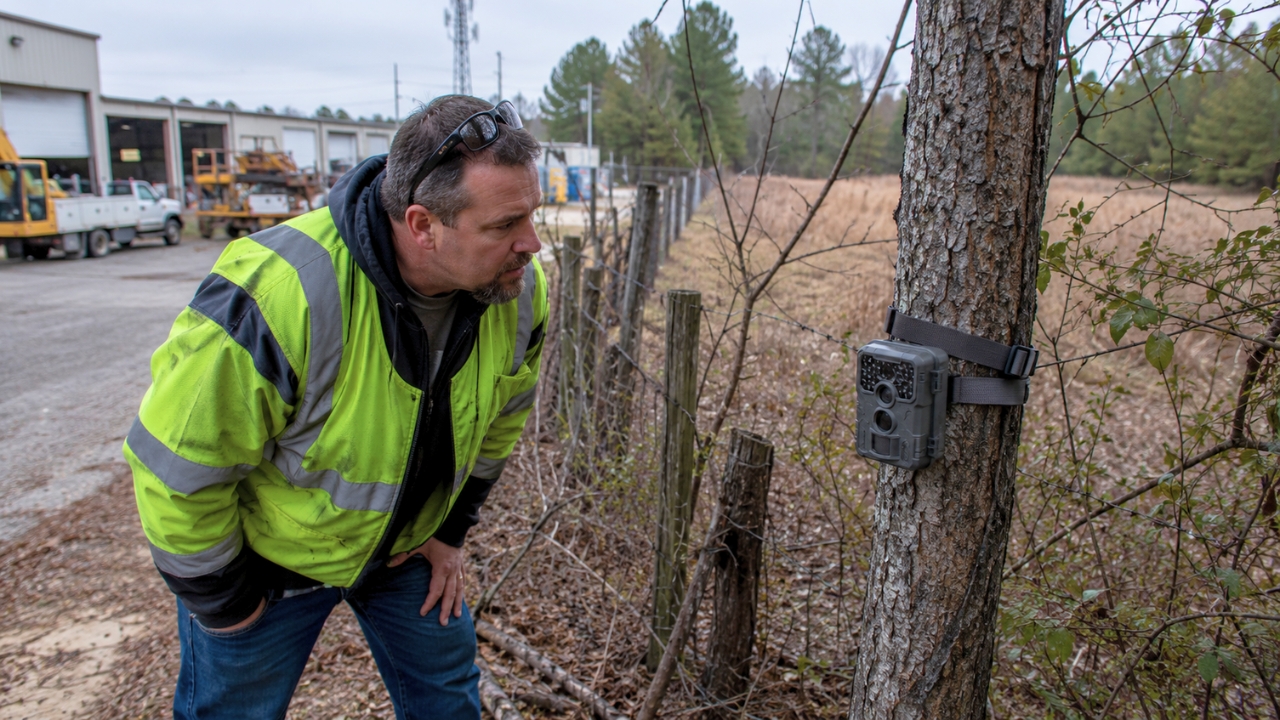
A Tennessee worker found something on company property that immediately raised questions.
According to the Reddit post, someone had placed a game camera on land owned by the company where the poster worked. The worker did not know who put it there, whether the person had permission, or whether the camera was tied to someone scouting the property for hunting.
That kind of discovery is easy to overlook if you are used to seeing trail cameras in rural areas. But when a camera shows up on land where nobody authorized it, it can mean someone has already crossed a boundary and may plan to come back.
The worker explained the situation in a Reddit thread and asked what could legally be done with the camera: https://www.reddit.com/r/legaladvice/comments/3phj3t/tn_someone_put_a_game_camera_on_property_that_my/
The camera was not the company’s
The biggest issue was simple: the camera did not belong there.
The poster said the land was company property, and there was no indication that whoever installed the camera had permission. That made the device suspicious right away.
A game camera is not just a piece of forgotten gear. Someone had to walk onto the property, find a spot, mount it, aim it, and plan to come back for the photos or memory card.
That means the camera itself was a clue. It suggested someone had been on the land already, and depending on what they were doing, they may have intended to return.
Commenters immediately thought of hunting
A lot of commenters connected the camera to hunting.
That was a reasonable guess. Trail cameras are commonly used to scout deer, hogs, turkeys, and other wildlife. If someone mounted one on company land without asking, it could mean they were trying to figure out whether the property was worth hunting.
That possibility mattered because unauthorized hunting on company property can become a safety problem fast.
If workers, contractors, customers, or vehicles are anywhere nearby, an unknown person coming onto the land with a rifle or bow is not something the company can ignore. Even if the land is remote, the company still has a responsibility to control access and protect its property.
The worker wondered if they could take it
The obvious reaction would be to remove the camera.
But commenters were careful about that. Even if the camera was installed without permission, it still belonged to someone. Taking it home, damaging it, or throwing it away could create a separate dispute.
The better advice was to involve management first.
Because the land belonged to the company, the worker should not treat it like his personal property. The company needed to decide how to handle the device, whether to contact police, and whether to preserve it as evidence.
That was one of the more practical points in the thread. The employee may have found the camera, but the company owned the land.
Management needed to know immediately
Several commenters said the poster should notify a supervisor or whoever handled company property.
That is the cleanest first step. A manager could determine whether anyone had actually given permission for the camera. Sometimes a property owner, tenant, or manager may know more than an employee does.
If no permission existed, the company could then decide whether to remove the camera, call law enforcement, contact a game warden, or use the camera as a way to identify the person who placed it.
The worker did not need to solve the whole thing alone. He needed to make sure the people responsible for the property knew what had been found.
The camera could be evidence
One reason not to immediately destroy or toss the camera is that it may help identify the trespasser.
If the camera had a memory card, it might show when it was placed, who handled it, or what direction the person came from. It could also show whether the person was alone, whether they carried hunting gear, or whether they had been on the property more than once.
There is also a chance the owner might come back to check it.
That is why some commenters suggested watching the area or placing another camera nearby, depending on what the company wanted to do. If someone returned for the device, the company might finally know who had been trespassing.
A game warden could be the right call
Because the camera looked like hunting gear, commenters brought up the possibility of contacting a game warden.
That would make sense if the company believed someone was scouting or hunting the property without permission. Game wardens are used to dealing with unauthorized stands, bait piles, cameras, poaching, and hunters crossing boundaries.
Local police can handle trespassing. But if the concern is illegal hunting, a wildlife officer may understand the situation better and may take a special interest in someone setting up equipment on land they do not control.
The exact response would depend on the location, season, property use, and whether the land was posted.
Posting the land could help prevent the excuse
If the company did not already have clear no-trespassing signs, commenters suggested that signs could help.
Signs do not physically stop people, but they remove a common excuse. A person who claims they did not know they were on private property has a harder time making that argument if there are obvious posted signs along entry points.
For company land, signs are especially useful because the property may not look like someone’s backyard. A field, wooded tract, or undeveloped parcel can look open to people who are used to hunting rural land.
Posting the land clearly tells them it is not open.
The worker had to think about workplace rules too
This situation also had a workplace angle.
An employee finding unknown equipment on company land should be careful not to act outside his role. If he removed the camera and the owner complained, the company might not appreciate being pulled into a problem without warning.
That is why the best advice was to report it internally first.
A supervisor can decide whether the camera should be removed, photographed, left in place temporarily, or turned over to authorities. That protects the worker and gives the company a cleaner record of what happened.
The camera made the trespassing visible
The strange thing about a trail camera is that it can expose the trespasser’s confidence.
Someone thought the property was safe enough to enter, set up gear, and return later. That is not a quick shortcut across a field. It is planned use of property that was not theirs.
Even if the person never intended harm, the company had reason to care. A hidden camera on company land raises questions about privacy, safety, hunting access, and liability.
The smartest move was not to smash it or pretend it was nothing. It was to notify management, document where it was found, consider law enforcement or a game warden, and make sure the property was clearly posted before the person came back.
Like The Avid Outdoorsman’s content? Subscribe to our newsletter so you never miss an article.
Here’s more from us: