Image Credit: filadendron from Getty Images Signature/Canva Pro.
The wilderness doesn’t care how tough you are or how much experience you have. It’ll humble anyone who isn’t paying attention. Most people head into the woods thinking about the obvious dangers—bears, snakes, maybe getting caught in bad weather. But it’s the things you don’t see coming that can really mess you up.
Dehydration, bad footing, a simple bug bite—these things can take you out faster than a charging grizzly. If you want to stay safe and make it back in one piece, you need to know what to watch for. Here are ten dangers that catch people off guard, and how to make sure they don’t catch you.
Falling Trees and Dead Branches

People worry about big predators, but a dead tree limb falling on your head is just as dangerous. Widowmakers—dead branches hanging high up—are a real threat, especially after storms or high winds. A gust of wind, a small shake, or even just time can bring them crashing down.
Before setting up camp or taking a break, look up. Avoid setting up under dead or leaning trees. If the bark is peeling off or the branches look dry and brittle, move somewhere safer. A little awareness can keep you from getting crushed in your sleep.
Dehydration

It’s easy to forget about water when you’re out in the wild, especially in cold weather. You’re not sweating buckets like you would on a hot day, so it doesn’t seem urgent—until it is. Your body needs a steady supply of water to keep everything running right, and once dehydration sets in, it’s already working against you.
Make water a priority. Carry enough or know exactly where you’ll get it and how you’ll treat it. Take regular breaks to drink, not just when you feel thirsty. If your urine is dark yellow, you’re already behind—start rehydrating immediately. A good hunter or hiker stays ahead of the problem, not scrambling to fix it later.
Unstable Terrain

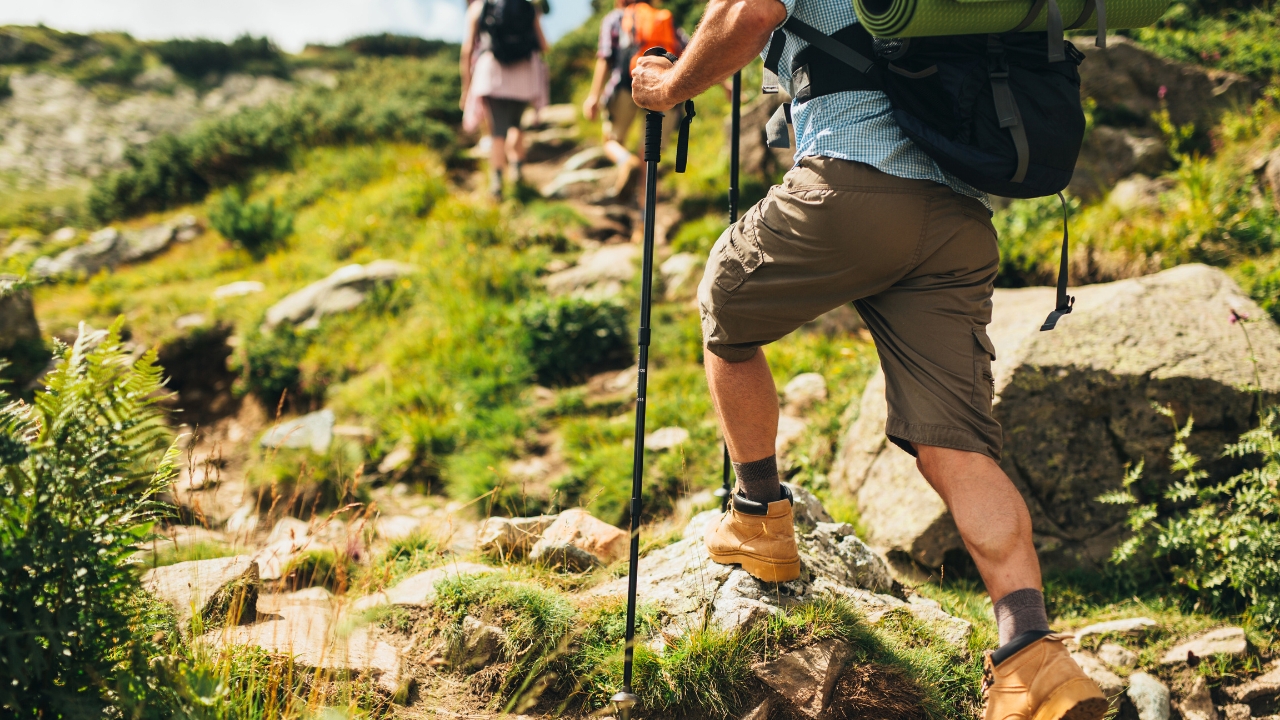
Loose rock, rotten logs, and unstable slopes can send you tumbling when you least expect it. A simple misstep can mean a twisted ankle or worse, especially if you’re carrying a heavy pack or hunting gear. Wet leaves and moss-covered rocks make things even trickier, turning solid-looking ground into a slip hazard.
Take your time and watch your footing, especially on slopes or near cliffs. Use trekking poles or a sturdy stick if the terrain is sketchy. And if you’re moving through thick brush, test logs and rocks before putting your full weight on them—what looks solid might crumble under pressure.
Getting Lost

Losing your bearings isn’t something that just happens to rookies. Even experienced outdoorsmen can take a wrong turn and find themselves in trouble. Terrain can look different when light shifts, and thick woods or rolling hills can make it easy to get turned around before you realize what’s happened.
A map, compass, and GPS are only useful if you know how to use them. Don’t just rely on your phone—batteries die, signals drop. Plan your route before you go, and let someone know where you’ll be. If you realize you’re off track, stop moving and retrace your steps to the last known point. If you’re truly lost, sit tight, stay warm, and wait for help instead of wandering deeper into trouble.
Hidden Water Hazards

Lakes and rivers might look calm on the surface, but currents, deep mud, and hidden debris can turn them into real dangers. Even small streams can have strong undertows, and cold water can shock your system, making it harder to swim. Crossing water without checking depth or footing is a good way to get hurt—or worse.
If you have to cross, test the bottom with a stick before stepping in. Look for calmer, wider sections instead of narrow, fast-moving spots. And if the water is cold, be extra careful—a sudden dunk can zap your energy fast, leading to hypothermia even in mild weather.
Hypothermia

You don’t need subzero temperatures to get hypothermia. A little rain, damp clothes, and a steady wind can be enough to start dropping your core temperature. Once you’re shivering uncontrollably and struggling to think straight, you’re already in dangerous territory.
Dress in layers and stay dry. If you get wet, change into dry clothes as soon as possible. Keep yourself insulated from the cold ground, especially when sleeping. A hot drink helps, but don’t count on alcohol—it gives a false sense of warmth while actually making things worse. If it gets bad, body heat from a buddy in a sleeping bag can be a lifesaver.
Wild Edibles

Foraging can be useful, but if you don’t know exactly what you’re eating, don’t risk it. Plenty of plants and berries look harmless but can make you sick—or worse. Some have toxic lookalikes that are nearly impossible to tell apart without serious knowledge.
If you’re not 100% certain, leave it alone. A good rule of thumb: if you didn’t bring it or properly identify it, don’t eat it. The wilderness isn’t the place to test your luck with random mushrooms or berries. When in doubt, stick to your packed food and leave the mystery plants alone.
Insect Bites

A single mosquito or tick can do more damage than a bear if you aren’t careful. Lyme disease, malaria, and West Nile virus are all real threats, and they don’t care how tough you are. The problem with these diseases is that by the time symptoms hit, you’re already in trouble.
Prevention is key. Use bug spray, wear long sleeves, and check yourself for ticks regularly. Know what insects are common where you’re going and what diseases they carry. If you start feeling flu-like symptoms after being bitten, don’t ignore it—seek treatment as soon as possible.
Sun Exposure

Most people associate sunburn with hot weather, but UV rays don’t care about the season. Snow, water, and high elevations can make the sun’s effects even worse. Even on cold or cloudy days, overexposure can cause burns, dehydration, and heat exhaustion before you realize what’s happening.
Cover up with long sleeves, a hat, and sunglasses. Use sunscreen on exposed skin, even if it’s winter. Stay hydrated and take breaks in the shade when possible. Sun damage sneaks up fast, and once you’re burned or dehydrated, the rest of your trip is going to be miserable.
Diarrhea

Bad water or poor hygiene can turn a great adventure into a miserable one real fast. Diarrhea might sound like a minor problem, but in the wilderness, it can lead to dehydration, weakness, and an early trip home—or worse. Giardia, E. coli, and other nasty bacteria are everywhere in untreated water and dirty hands.
Be strict about hygiene. Wash your hands, especially after handling food or using the bathroom. Treat all water from natural sources, even if it looks clean. A little prevention goes a long way, and no one wants to be the guy stuck behind a bush every five minutes when there’s hunting or hiking to be done.
*This article was created with the assistance of AI.