Photo credit: patrice schoefolt/Pexels.com
Wolves don’t “spread” in a straight line, and they don’t care what hunters wish the map looked like. Expansion happens when a population gets stable, young wolves disperse, prey is available, and the landscape gives them enough cover to move without getting killed. The result is usually the same: new sightings show up on trail cams, livestock concerns spike, and deer and elk hunters start paying attention fast because predation pressure changes behavior long before it changes herd counts.
This isn’t a “wolves everywhere” panic list. It’s a practical look at states where wolves have been pushing into new zones, showing up more often, or where dispersers keep turning into established packs.
Wisconsin

Wisconsin is one of the clearest examples of wolves using big timber, swamp edges, and public-land corridors to keep expanding and reshaping where they show up. Even folks who don’t live “up north” have started hearing more about sightings popping up farther out than they used to. What makes Wisconsin tricky is that a lot of the state is perfect travel country: mixed forest, plenty of deer, and lots of places where wolves can move without being seen. Hunters notice it when deer start shifting their daylight movement or when traditional late-season patterns get weird. If you’re hunting the northern half of the state, you’re already in wolf country. The expansion talk usually comes from where those boundary lines keep moving and where sightings start showing up in areas that used to be “rare.”
Minnesota

Minnesota has had wolves for a long time, but the “new zones” conversation is about where wolves are showing up outside the areas people consider traditional strongholds. Big northern forests are still the core, but dispersing wolves don’t read the room. They push into new fringe zones when prey and cover are available, and once people get used to seeing wolves on camera, it becomes part of the landscape. For hunters, the bigger deal is how wolves can change deer behavior in ways that don’t show up on paper. You might still have deer, but you’ll see more skittish movement, different bedding choices, and fewer predictable travel patterns. Minnesota’s size and habitat diversity make it a state where wolves can keep shifting into places that surprise people.
Michigan
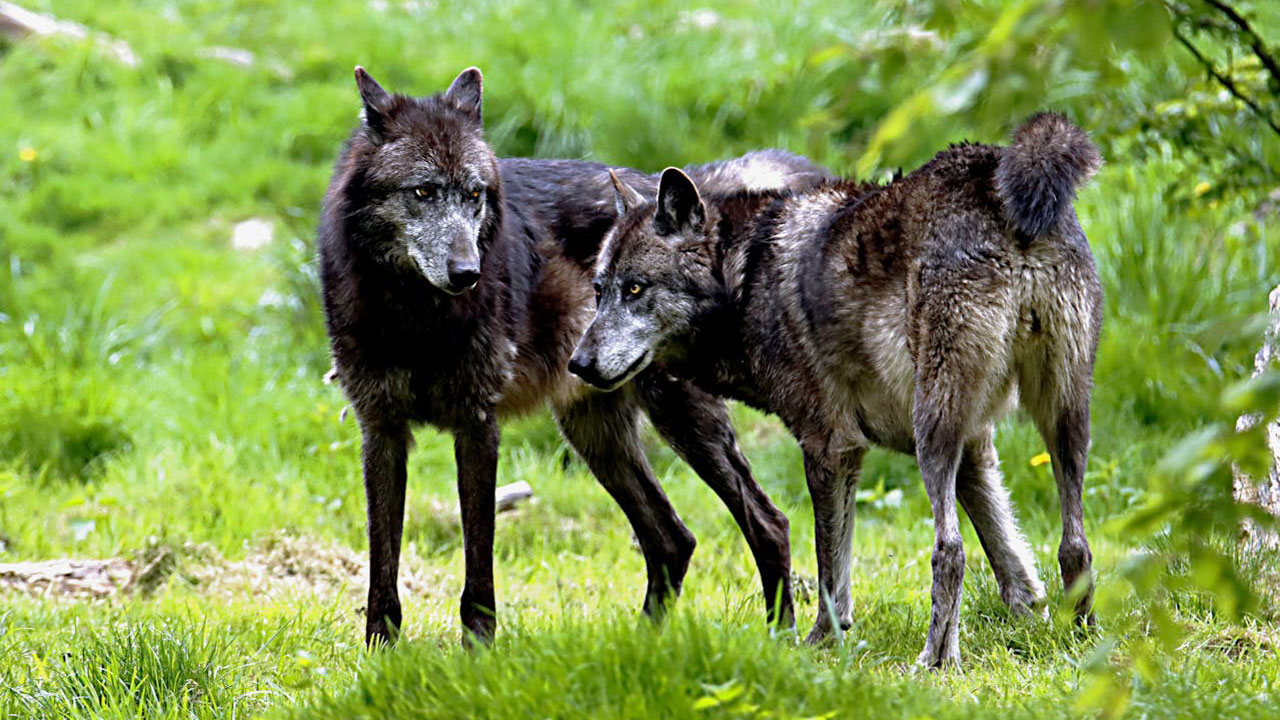
Michigan’s wolf story centers heavily on the Upper Peninsula, but the “expanding zones” discussion usually comes from the fact that wolves don’t stay neatly in one corner. The U.P. has the habitat and prey base to support wolves, and as populations stabilize, you see more movement and more reports across wider areas. That translates into more hunter chatter about deer numbers and deer behavior, especially in parts of the U.P. where deer winters can already be tough. Wolves also spark a lot of debate in Michigan because the state has both heavy outdoor culture and a lot of people who don’t live close to the reality of wolves. The expansion piece is often less about a map line and more about steady increases in sightings and confirmed presence across more zones.
Idaho
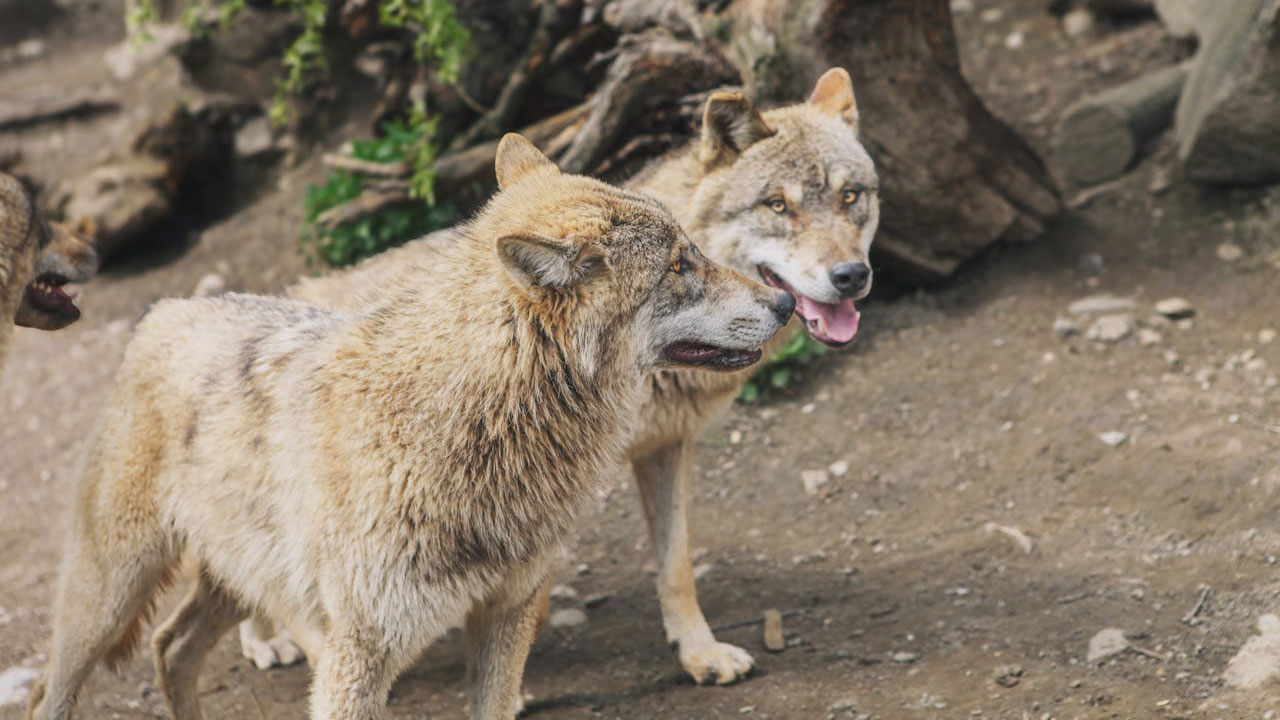
Idaho is one of the states where wolves have become part of the normal wildlife equation, but “expansion” still matters because packs shift and spread based on prey and pressure. When prey is strong and wolves aren’t heavily disrupted, they push into new drainages and occupy territory that used to be lightly used. Hunters tend to notice it first in elk behavior—elk start living in nastier country, changing travel patterns, and avoiding open zones they used to use regularly. Idaho also has huge tracts of habitat that make it easy for wolves to disperse and set up shop without much human contact. That means new zones don’t always get recognized until ranchers, outfitters, or trail cams start showing consistent proof that wolves are now part of that local picture.
Montana

Montana has enough space and enough habitat variety that “wolf zones” can shift year to year, and wolves can keep pushing into areas where people didn’t used to worry about them as much. Montana hunters talk about it because it changes elk distribution and deer movement, especially in areas with heavy public land pressure. Wolves often push prey into private and rougher cover, and hunters feel that shift hard. Montana also has a constant flow of wolves moving through big landscapes and establishing territory wherever prey and cover overlap. Even if wolves aren’t “new” in the state, they can absolutely be new to certain regions in a way that changes how people hunt. If you hunt Montana regularly, you’ve probably already adjusted to wolves being part of the background.
Wyoming

Wyoming’s wolf expansion discussion is tied to how wolves use the state’s huge wild country, especially where prey migrations and big habitat blocks make travel and territory building possible. Wolves follow food and opportunity, and Wyoming has plenty of both in certain parts of the state. Hunters tend to notice it in elk distribution, because wolves pressure elk to change where they bed and how they move. And when elk change, hunters have to change. Wyoming also has a lot of complicated management conversation around wolves, which means people pay attention to where packs are showing up and where sightings become more regular. Even small changes can feel big when you’re hunting country that used to be predictable. Wolves don’t always kill your hunt. They do force you to hunt smarter.
Washington

Washington has seen wolves re-establish and expand in ways that matter because the state has large public-land corridors and prey populations that support dispersal. The “new zones” talk often comes from wolves showing up farther out and from packs establishing in places where people didn’t expect them a decade ago. Hunters in Washington often notice the impact in deer and elk behavior first—animals getting more cautious, shifting travel, and living tighter to cover. The other factor is human density. In Washington, new zones can brush up closer to communities and working land, which sparks conflict faster and makes every new confirmed presence feel like a headline. Whether you like wolves or hate them, Washington is one of those states where wolf footprint changes can show up quickly.
Oregon

Oregon’s wolf expansion story is about steady spread from core areas into broader sections of the state. Wolves have been confirmed in more places over time, and once packs establish, they can keep pushing outward through suitable habitat. Oregon hunters and ranchers both watch it because it impacts elk use and can increase livestock conflicts. Even in areas where wolves aren’t dense, dispersers can create that “new zone” feeling—one year it’s rumors, the next year it’s photos, then it’s repeated sightings. The state also has a mix of wild public land and working ranch country, which means wolves can create friction fast when they expand into zones where people aren’t used to dealing with them. That’s usually when the debate gets loud.
California

California is a state where wolf expansion makes news because people still treat it like a surprise. Wolves have shown up and established packs in parts of Northern California, and the expansion into “new zones” is often about dispersing animals moving through large wild landscapes. California has plenty of habitat in northern and mountainous regions that can support wolves, especially where prey populations and cover overlap. Hunters in those areas may not see huge population crashes overnight, but they’ll see behavior changes and a different pressure pattern on deer. For a lot of people, the bigger factor is cultural: wolves in California brings heavy politics. But on the ground, it’s the same story as anywhere else—young wolves disperse, find prey, find cover, and eventually stop being “rare.”
Colorado
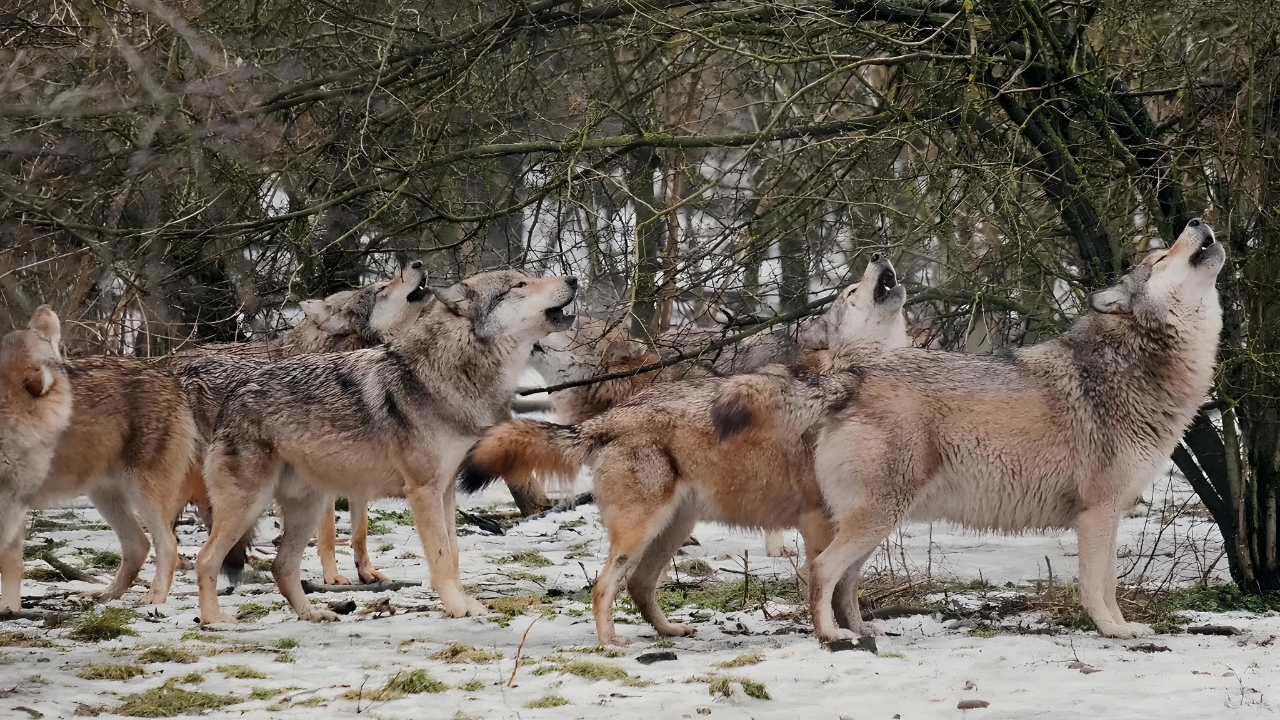
Colorado is one of the most watched states right now because wolves have become a major topic and the landscape has plenty of suitable zones for movement and establishment. Expansion isn’t just theoretical—when wolves show up in a new zone, it can change how elk behave in that area, and hunters notice quickly. Colorado’s habitat diversity means wolves can travel through mountains, forest edges, and big public tracts that connect zones without constant human contact. The “new zones” issue here is that Colorado is a high-profile state for elk hunting and outdoor recreation, so wolves moving into new drainages creates immediate attention. The practical reality for hunters is adjustment: you may need to shift tactics, look for elk in thicker cover, and accept that patterns can get less predictable where wolves set up.
Utah
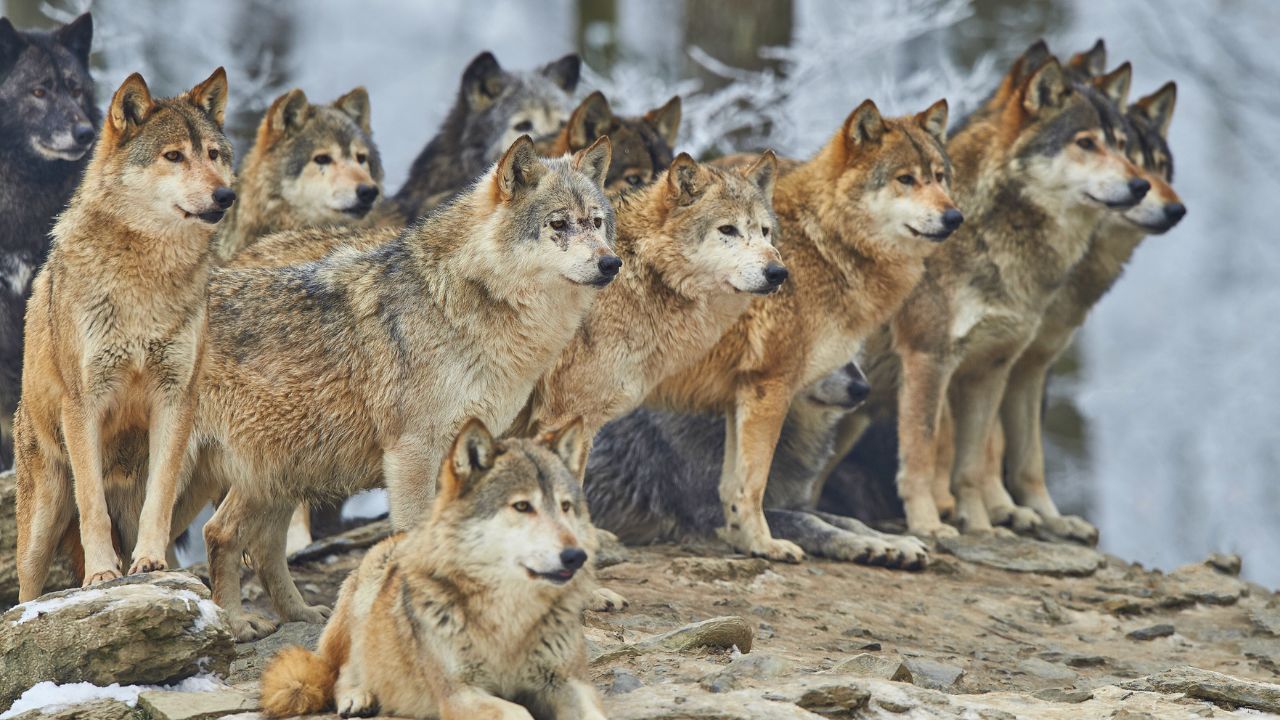
Utah doesn’t have the same entrenched wolf presence as some northern states, but it’s part of the bigger dispersal picture, and that’s why it shows up in “expanding zones” conversations. Wolves don’t respect state borders, and dispersers can move surprising distances. Utah has big stretches of wild country where a wolf can move through without being seen often, and sightings can pop up in areas where people didn’t expect them. The question becomes whether those sightings turn into repeated presence, and whether prey base and habitat allow wolves to stick around. Hunters pay attention because even a small number of wolves can create noticeable pressure on deer and elk behavior in localized zones. Utah is often discussed as a state that can see more wolf activity as regional populations shift and dispersers keep moving.
Nevada
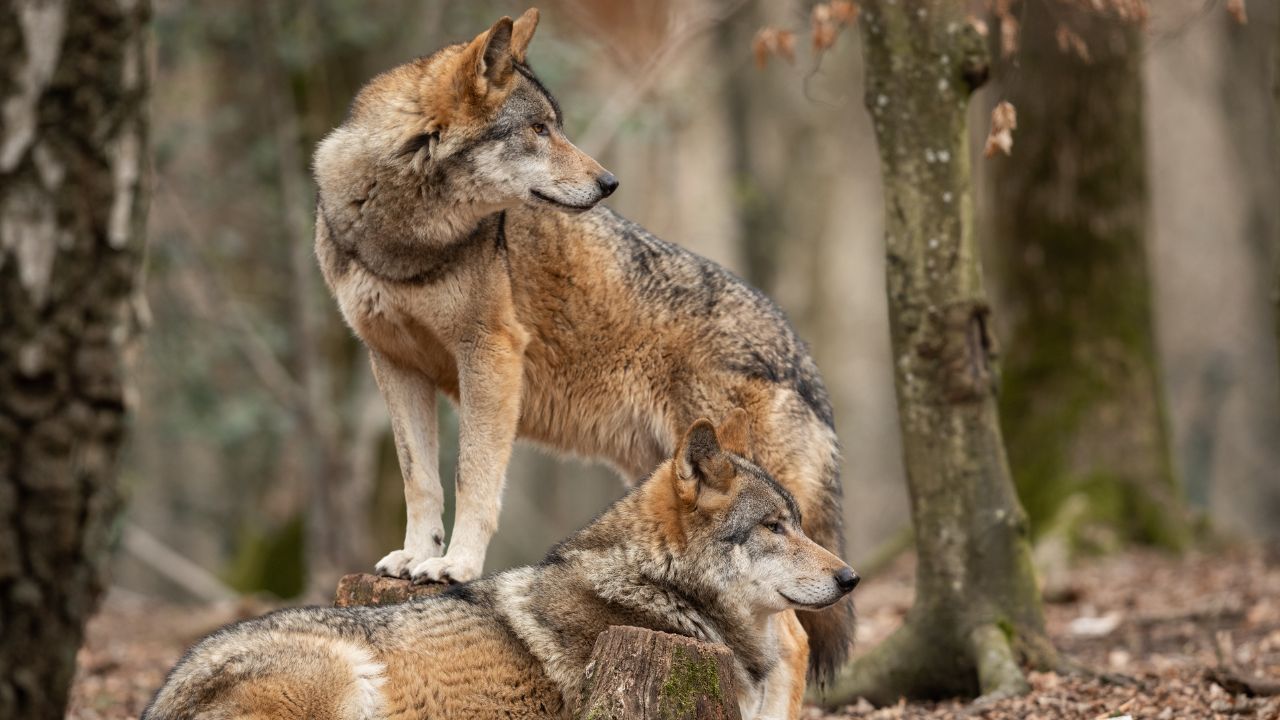
Nevada is similar to Utah in that it’s often part of the dispersal and “new sightings” conversation rather than being a long-established wolf stronghold statewide. Wolves can move through big basins and mountain ranges in ways that surprise people. When wolves show up in a new zone in Nevada, it tends to be a bigger deal because it’s not something people expect in the same way they expect it in Idaho or Montana. The habitat can support travel and, in certain areas, potentially support longer-term presence depending on prey and human pressure. Hunters in Nevada’s mountain zones and remote areas are the ones most likely to hear about new sightings first. The practical takeaway: don’t assume “no wolves” just because the state isn’t famous for them.
North Dakota
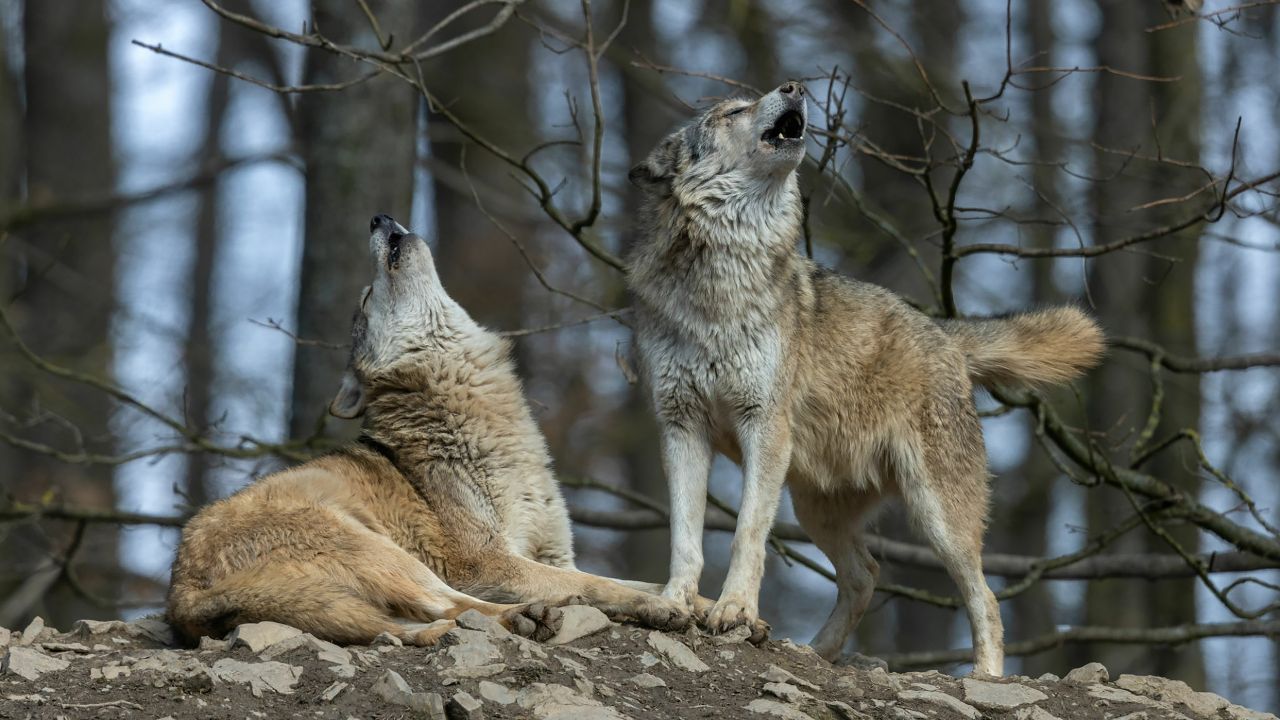
North Dakota isn’t typically the first state people think of for wolves, and that’s exactly why “new zones” matters here. Wolves have been confirmed in parts of the state, often tied to movement from established populations to the north and east. The landscape is different—more open, more agriculture—so wolves don’t have the same easy cover everywhere. But they don’t need cover everywhere; they need corridors and prey. When wolves show up in zones where they haven’t been seen much, the impact on local deer behavior and livestock concerns becomes a hot topic fast. Hunters also tend to hear about it through local chatter, trail cams, and winter sightings. North Dakota is one of those states where expansion feels dramatic because it’s still relatively new to many people.
South Dakota

South Dakota shows up in this conversation for similar reasons as North Dakota: wolves aren’t considered a routine part of the state’s wildlife picture by most residents, so when they appear, it feels like a major shift. The state’s habitat varies, and wolves are more likely to be seen in certain zones than others, but dispersers can still show up unexpectedly. When wolves move into a new zone, even temporarily, it can change how local deer behave—especially in areas where deer already deal with pressure from weather and hunting. The bigger effect is often the social ripple: ranchers and hunters start talking, rumors spread, and then a confirmed sighting turns rumors into reality. South Dakota is a state where the “new zone” effect is amplified because people aren’t used to wolves being part of the local equation.
Like The Avid Outdoorsman’s content? Subscribe to our newsletter so you never miss an article.
Here’s more from us: