Photo credit: Alexas Fotos/Pexels.com
A lot of animals seem harmless right up until nesting season flips a switch in them. That is when the calm bird in the yard turns into a screaming little fighter, the quiet waterfowl starts charging people, or the animal everybody thought would just slip away suddenly decides to stand its ground. Nesting season changes the rules because now there are eggs, young, or a nest site in the picture, and a lot of species get a whole lot less patient when they think something is too close. People get caught off guard by that every year because they judge the animal by how it acts the rest of the time.
The problem is not always size either. Some of the meanest nesting-season animals are not big at all. They are just bold, fast, loud, and willing to commit to the attack way harder than most people expect. Others are bigger than people realize and have enough strength to make a bad situation worse fast. On farms, around ponds, near barns, or even in regular neighborhoods, nesting season can turn ordinary wildlife into a real nuisance. These are the animals that tend to get a lot nastier once they are guarding a nest.
Canada geese
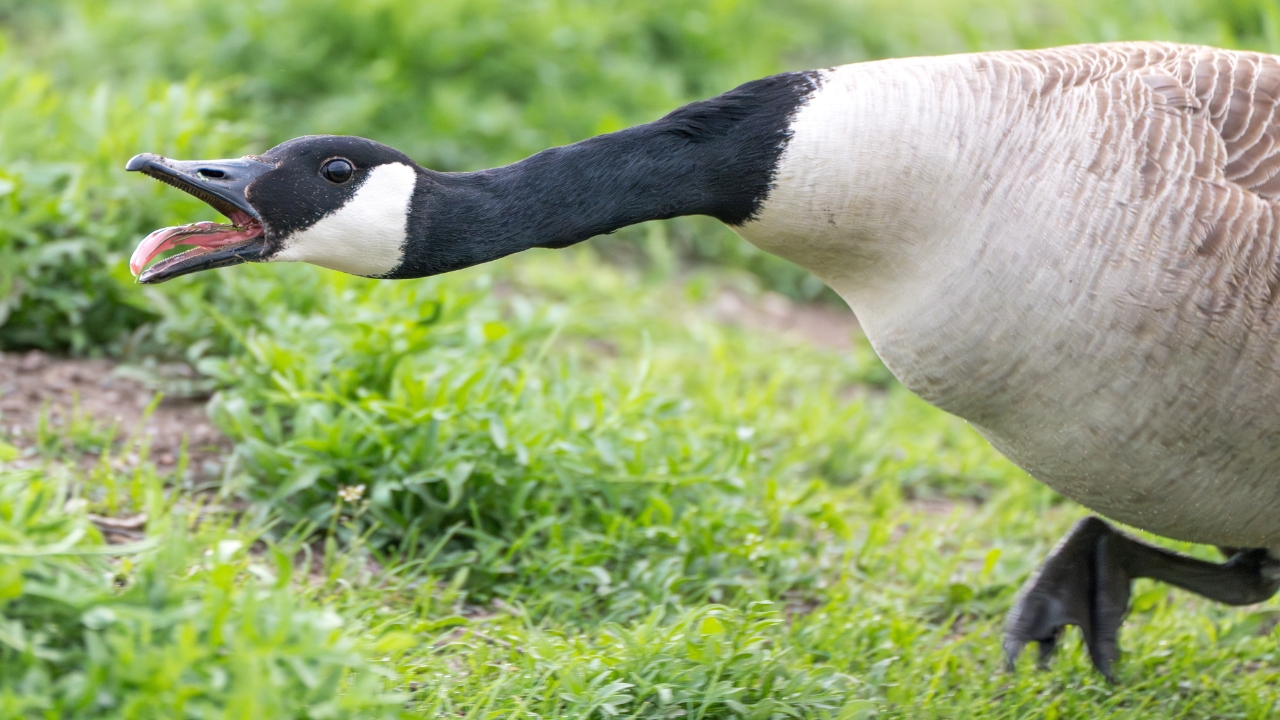
Canada geese are one of the most obvious examples of nesting-season attitude. Outside of that time, plenty of people just think of them as noisy birds that leave a mess behind. Once nesting starts, though, they can get downright ugly. A nesting goose will hiss, charge, flap, and come at people with a level of commitment that surprises anyone who has only seen them grazing calmly in a field. The gander especially tends to act like every person, dog, mower, or truck is a direct threat.
What makes them such a headache is that they love nesting in places people already use. Pond edges, parks, yards, drainage areas, and the banks around small lakes are all fair game. That means people keep crossing into the bird’s comfort zone without realizing it until the charge starts. A big goose with wings spread and zero fear can make a regular walk feel a whole lot more eventful than anybody wanted. They may not be predators, but during nesting season they act like they are ready to start a fight with just about anything.
Swans

Swans look graceful right up until they decide you are too close, and then people learn in a hurry that beauty has nothing to do with temperament. During nesting season, swans can become fiercely territorial and much more aggressive than most folks expect. They will rush boats, charge along shorelines, and come hard at people or dogs that get too near the nest. Because they are big, strong birds, the intimidation factor is a lot higher than with some smaller aggressive species.
What makes swans especially tricky is that people often hesitate around them because they still half expect them to be gentle. That is a mistake. A nesting swan does not care that you only meant to take a picture or drift by in a kayak. It cares that you came into the zone it decided belongs to it. Once that happens, the bird can get loud, fast, and physical. Around ponds and private water, they can turn from decorative to flat-out hostile in no time.
Mockingbirds
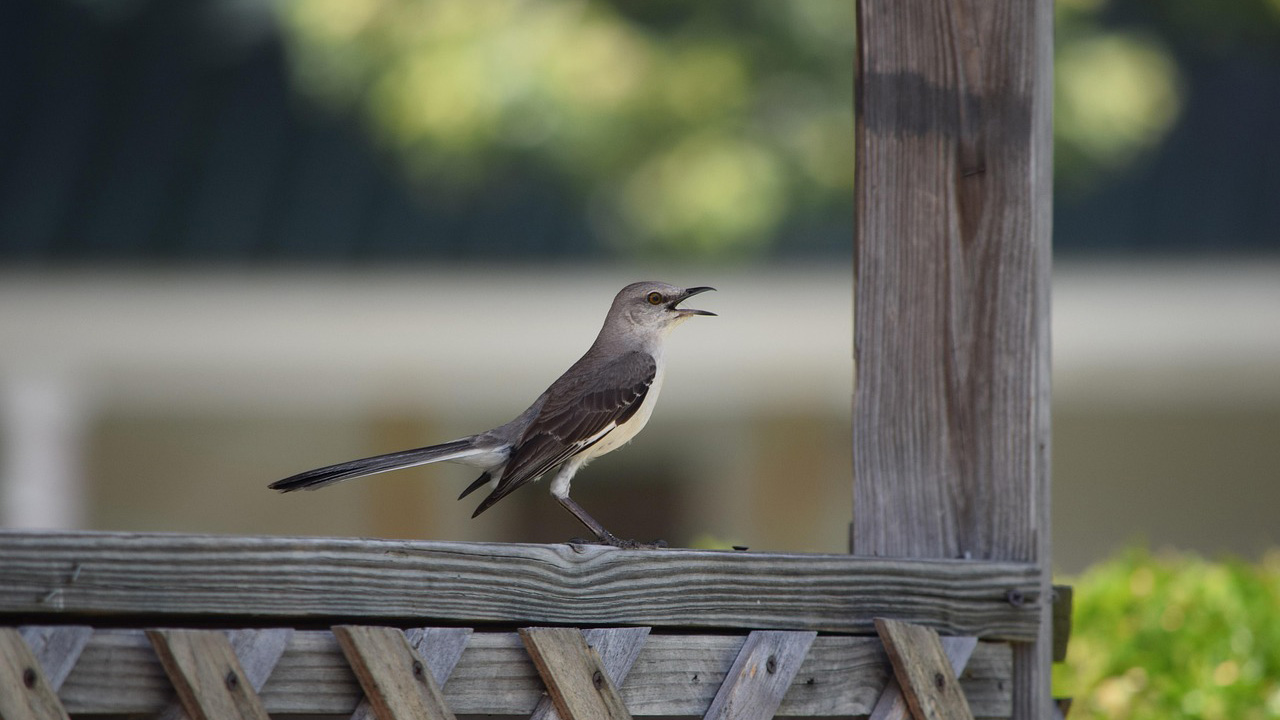
Mockingbirds are one of the funniest and most aggravating examples of nesting-season aggression because they are not large at all, but they act like little fighter jets. Once they have a nest nearby, they will dive-bomb people, dogs, cats, and anything else they think is crossing the line. A person can be walking the same sidewalk they use every day and suddenly get buzzed from behind by a bird that has decided the whole block is now under military control.
The thing about mockingbirds is that they do not bluff much. They commit. They come low, come fast, and keep doing it until the threat leaves. That makes them a lot meaner during nesting season than most people ever expect from such a common yard bird. They do not need size to make their point. They use persistence, noise, and nerve. In neighborhoods and around porches, they can make a simple trip to the mailbox feel like a personal insult to their entire household.
Red-winged blackbirds
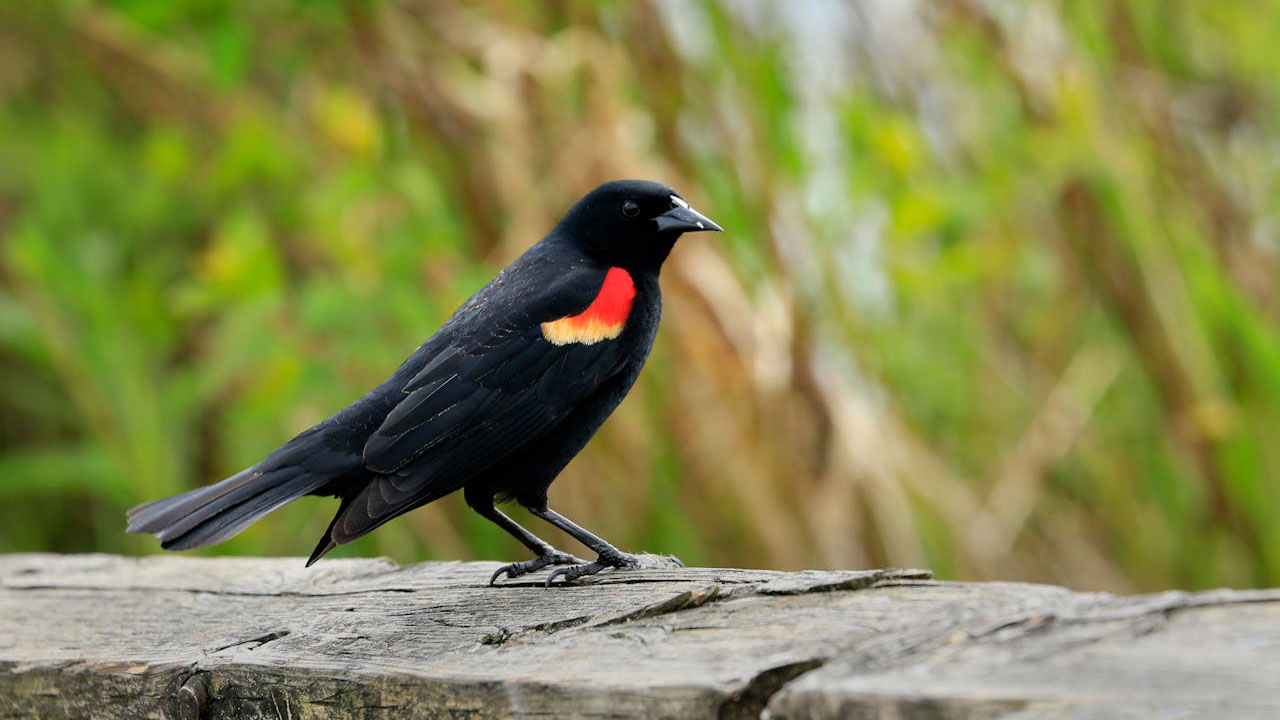
Red-winged blackbirds turn nasty fast when they are nesting. A lot of people only notice them when they hear them calling from cattails or fence lines, but during nesting season they become some of the most aggressive little territorial birds around. They will swoop at people, livestock, dogs, and equipment that get too close to nesting cover. In marshy spots, around ditches, and near ponds, they can be relentless.
What makes them especially mean is how bold they are for their size. They do not sit back and complain. They come right at the top of your head and keep making passes until you move on. A person mowing near a wet area or walking a property edge may suddenly realize those birds have decided the whole strip belongs to them. People laugh it off until they get hit once or twice, and then the mood changes. Nesting season brings out a lot more toughness in these birds than most folks give them credit for.
Terns
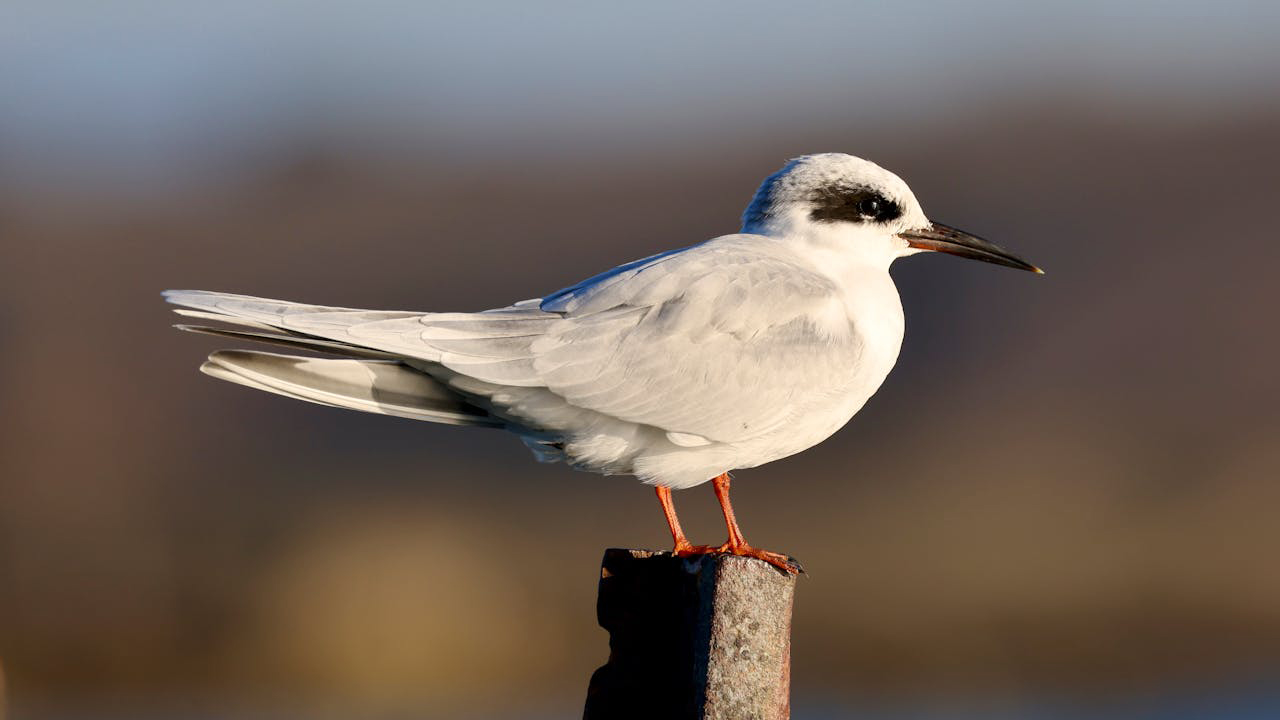
Terns can get mean in a hurry when they are nesting in colonies. A single tern is one thing. A whole group of them defending nests at the same time is another story entirely. These birds will dive, scream, and repeatedly strike at people who wander too near nesting ground. On beaches, islands, gravel bars, and shoreline nesting areas, they can create a whole wall of noise and movement that makes it very clear you are not welcome.
What makes tern aggression stand out is how coordinated it feels. It is not just one upset bird. It is a whole bunch of them all deciding at once that they need to drive you out. That can catch people off guard fast, especially if they did not even realize they were near nests in the first place. During nesting season, terns go from looking like quick little water birds to acting like airborne security guards with no interest in being polite about it.
Killdeer
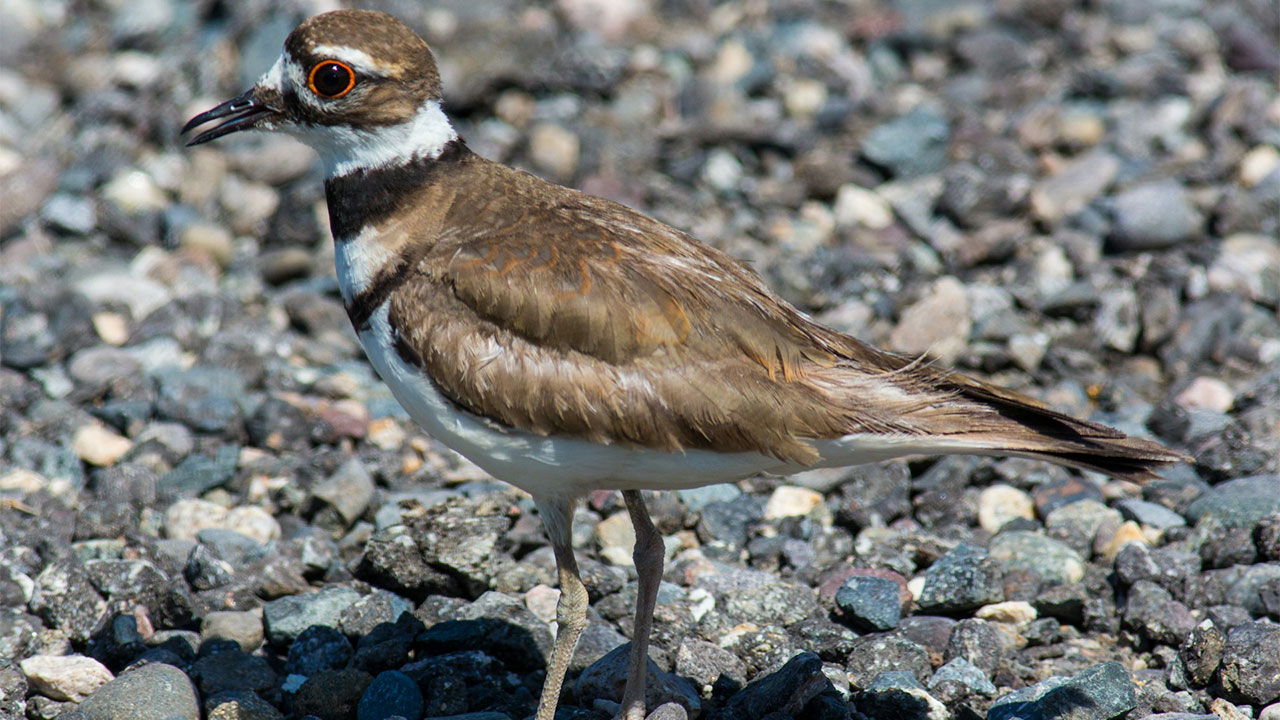
Killdeer are not physically dangerous, but they are far meaner and more dramatic during nesting season than most people realize. These birds love to nest in open spots like gravel, driveways, field edges, construction lots, and bare ground where people and vehicles already move around. Once they have eggs down, they become loud, nervous, and extremely committed to pulling attention away from the nest. They will run, scream, fake injuries, and rush around in a way that makes the whole area feel more chaotic than it should.
That fake broken-wing act is part of what makes them so interesting. It is smart, but it also shows how serious they get about nest defense. A killdeer may not attack like a goose or mockingbird, but it absolutely becomes harder to live around when nesting starts. The nonstop calling, frantic movement, and refusal to let anything pass quietly makes them one of those birds people underestimate until they build a nest somewhere inconvenient and turn into the loudest thing on the property.
Wild turkeys

Wild turkeys can get a lot more aggressive during nesting season than people expect, especially hens with poults or birds in areas where they have gotten a little too comfortable around people. Most of the time, folks think of turkeys as wary and likely to move off. That changes when they are protecting a nest area or young birds. They may posture, chase, peck, or stand their ground in a way that catches people off guard, especially around yards, barns, and rural roads where human traffic stays steady.
Turkeys also get mean in a stubborn sort of way. They may not come at you like a goose, but they can act pushy, loud, and unwilling to clear out once they have decided that space matters to them. In places where turkeys regularly interact with people, that attitude can get even worse. During nesting and brood season, they stop feeling like distant game birds and start feeling more like one more creature around the property with a bad mood and something to defend.
Hawks
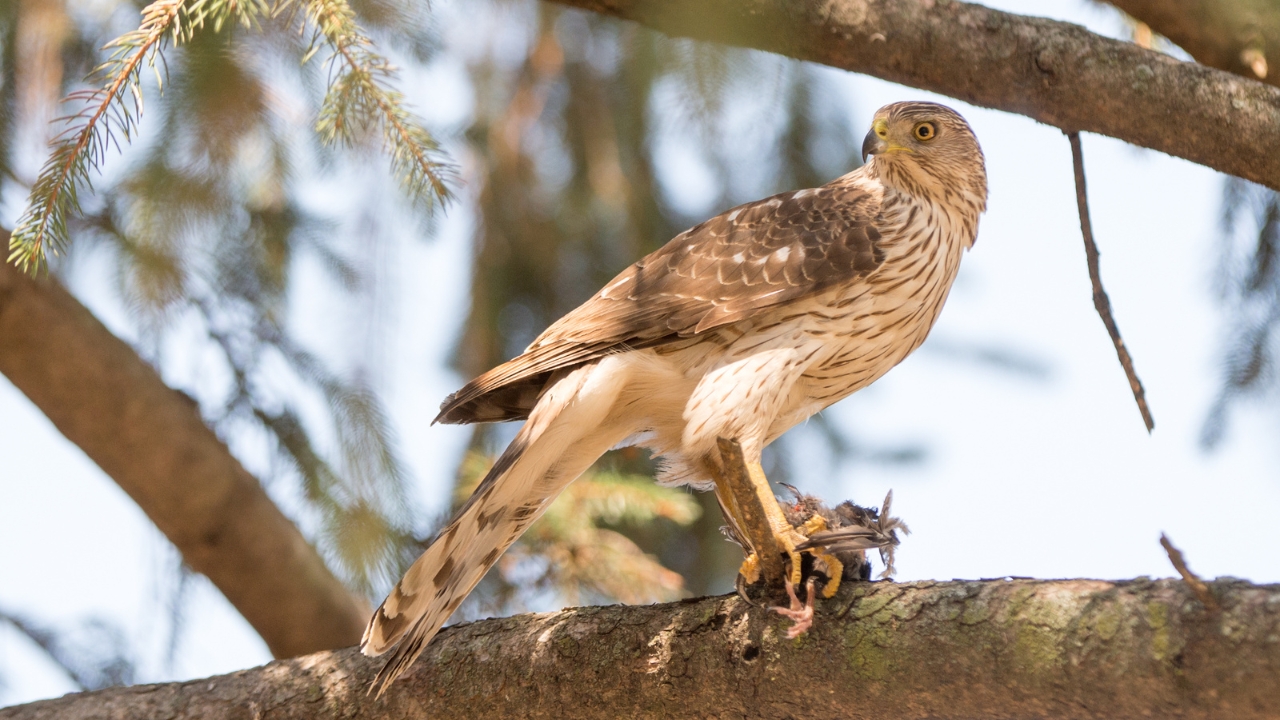
Hawks are usually smart enough to avoid people, but during nesting season some of them get a lot bolder than folks expect. If a nest is nearby, especially one with young in it, a hawk may start screaming, circling, and diving at people who come too close. That can happen near woodlots, shelterbelts, yard trees, barns, or anywhere else a pair decided to build. Because hawks are larger and more intimidating than a lot of aggressive nesting birds, those close flybys tend to get people’s attention fast.
What makes nesting hawks especially mean is that they do not always give much warning before they start making passes. A person may just be walking under a tree line or checking a fence and suddenly realize a hawk is now involved in the situation. They are not usually trying to start some long fight, but they are absolutely willing to make the area uncomfortable enough to push a person out. During nesting season, that protective instinct can make even a familiar hawk pair feel a lot more hostile than usual.
Owls
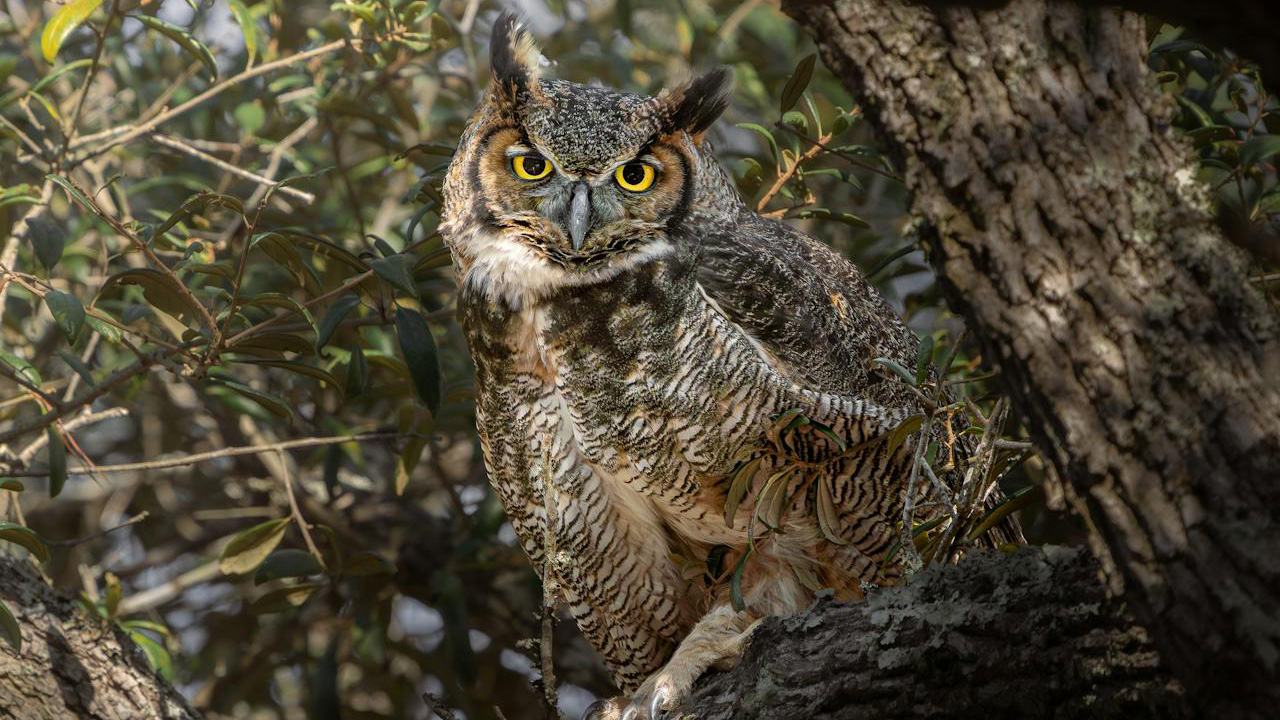
Owls can get surprisingly aggressive around nests, especially if they have young nearby. Because they are more secretive and often active at lower-light times, people sometimes do not realize an owl pair is even nesting in the area until the birds start reacting. Then all at once the quiet woods, barn, or windbreak gets a lot more tense. Some owls will clap their beaks, hiss, dive, or strike if they think someone is too close to the nest tree or fledglings on the ground.
The reason owls catch people off guard is that their aggression feels different. It is not loud and chaotic like geese or blackbirds. It is more sudden and eerie. A big owl coming in close around dusk or dawn can rattle somebody in a hurry. On farms and rural properties, where nest trees and outbuildings may be used year after year, that can turn a routine chore into a situation a person remembers a lot longer than they expected.
Crows
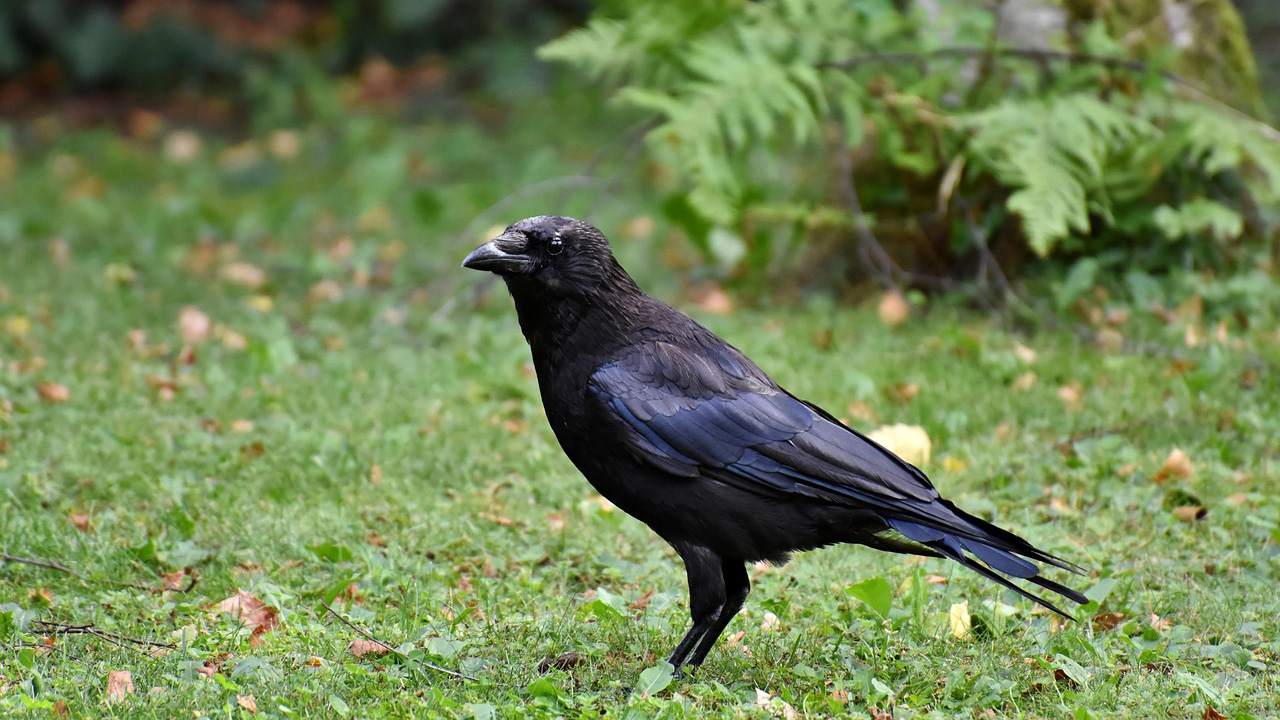
Crows are already smart, loud, and bold, so it should not surprise anybody that nesting season makes them even meaner. A crow pair with a nest nearby can become extremely vocal and quick to mob anything they consider a threat. That includes people, dogs, cats, hawks, owls, and even vehicles that stop too close. They do not usually attack the way a goose does, but they absolutely make their displeasure known and can stay on somebody until they leave the area.
What makes crows especially aggravating is that they remember. If they decide you are a problem near the nest, they may carry that attitude for a while. Around houses, barns, and shelterbelts, they can create a steady racket and turn every trip outside into a fresh round of complaints from above. Their aggression is not always physical, but it is persistent enough to make them one of the more irritating nesting-season birds a landowner deals with.
Blue jays

Blue jays already act like they have something to say about everything, and nesting season only sharpens that attitude. They get louder, more territorial, and quicker to harass anything that comes too close to the nest area. That can include people doing ordinary things in their own yard, especially if the nest is near a porch, driveway, or favorite tree by the house. They are not the largest birds around, but they make themselves hard to ignore in a hurry.
A blue jay in nesting mode has no interest in keeping the peace. It wants the whole area to know a line has been crossed, and it will keep shouting about it as long as necessary. That noise, combined with quick darts and constant agitation, makes them feel much meaner than people expect from a common backyard bird. They may not leave bruises, but they absolutely leave an impression once they have decided you are too close to the family.
Northern lapwings and plovers
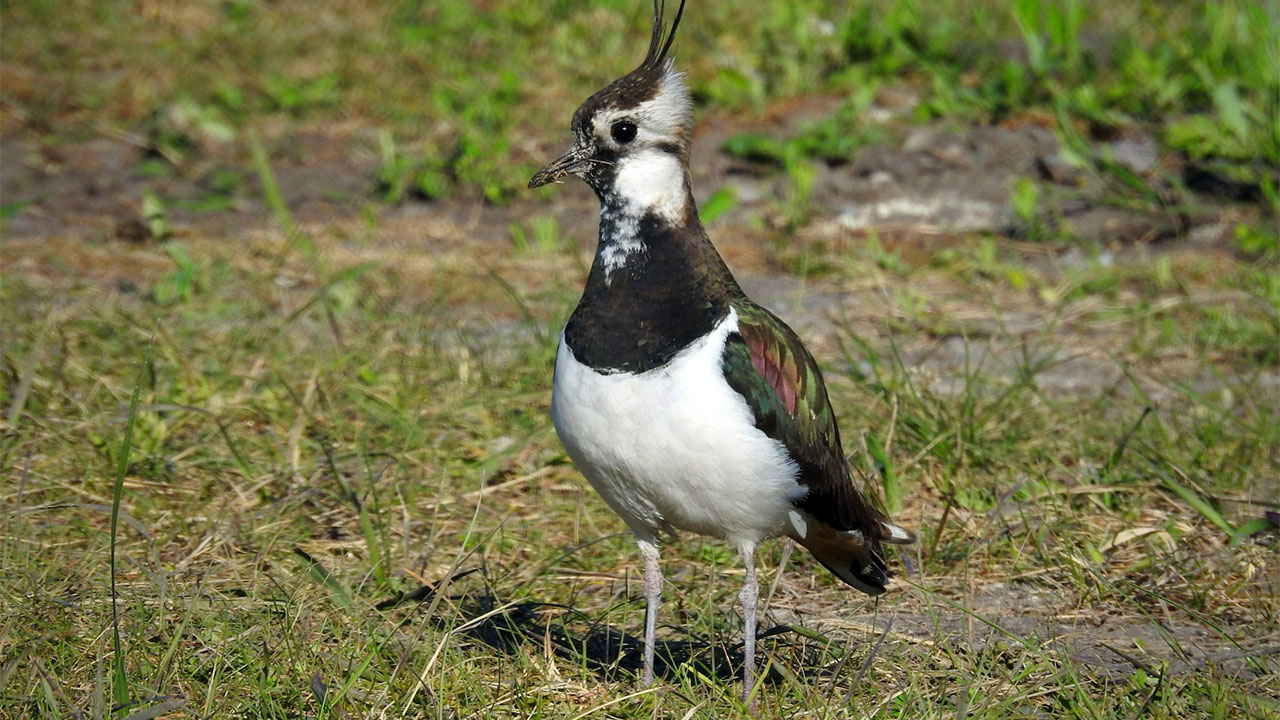
Plovers and lapwing-type birds are famous for getting aggressive around nests, especially because so many of them choose open ground where people accidentally walk right into trouble. Once nesting starts, they become loud, fast, and constantly on edge. They swoop, call, circle, and make repeated passes at people or dogs that wander too close. On open pasture, shorelines, gravel bars, and field margins, that can make a pretty wide area feel actively defended.
What makes these birds meaner than expected is how relentless they are. A person may think one pass means the bird is just startled, but nesting birds like these often keep the pressure on until the threat is gone. They do not have much patience, and they do not wait around to see whether you mean harm. If you crossed into the nest zone, they are going to react. That level of commitment surprises people every year.
Robins
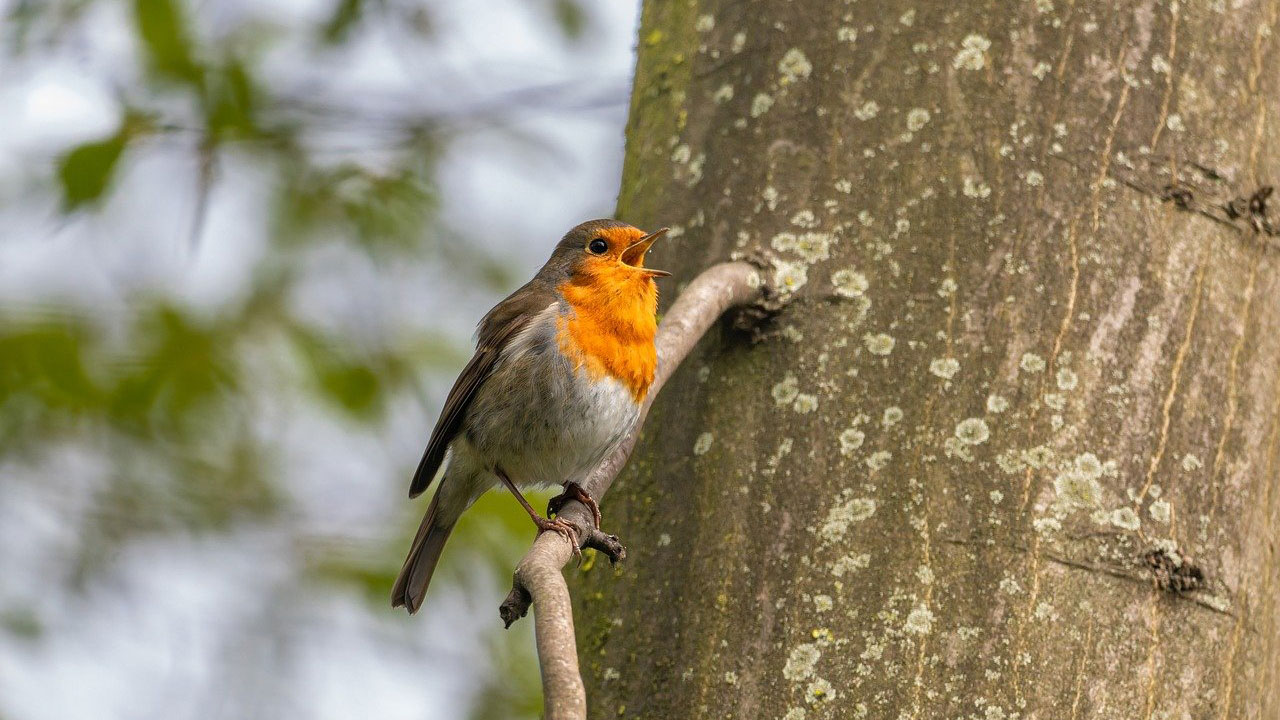
Robins are not usually thought of as aggressive birds, but nesting season changes the whole tone. Around homes, porches, sheds, light fixtures, and any other place they decide to build, they become a lot more keyed up and defensive. They may not come in with the same force as a mockingbird, but they absolutely keep an eye on movement and start fussing, fluttering, and making repeated close passes if they think something is too near the nest.
The reason people underestimate robins is simple. They seem ordinary. They are familiar, common, and usually not taken seriously. Then one nests over the back door or by the grill and suddenly every trip outside feels supervised. That lower-level aggression still matters because it turns basic routines into a standoff. A bird most people never think twice about becomes one more feathered headache for a few weeks, and that catches people off guard more often than it should.
Gulls
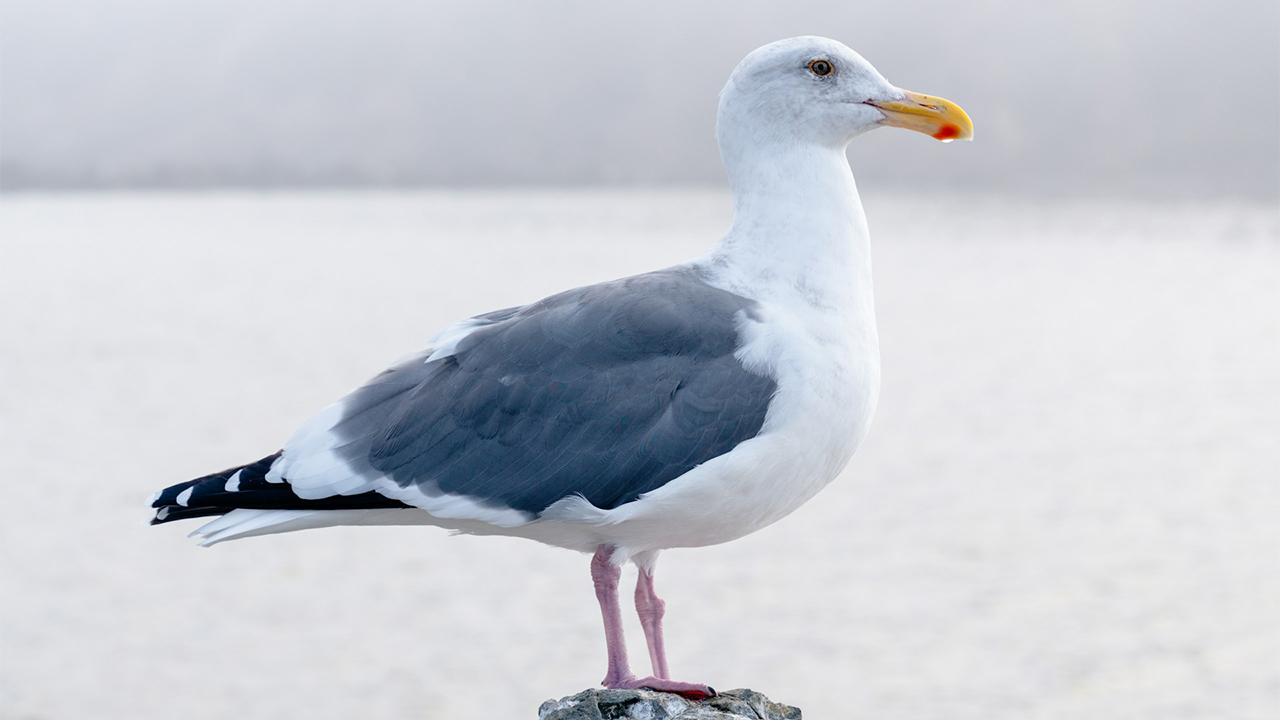
Gulls get nasty during nesting season, especially in colonies or in areas where they are already used to living close to people. A nesting gull will scream, dive, and make repeated passes at anyone who gets too close to eggs or chicks. Near shorelines, rooftops, parking lots, docks, and marina areas, that can become a real problem because gulls often choose places people are already using every day.
What makes gulls meaner than expected is the combination of noise, numbers, and boldness. One gull is annoying. A group of nesting gulls can feel like a full-on aerial tantrum with no off switch. They are not shy about going after people bigger than them, and they tend to commit hard once they think the nest is threatened. In nesting season, they go from being everyday scavengers to loud, aggressive defenders that are much more willing to get in somebody’s face than most people expect.
Snakes

Snakes are usually not the first thing people think of in a nesting-season discussion, but egg-laying females and species guarding young can become a lot more defensive than normal. Most snakes would rather avoid a fight, but when they are tied to a nest site, a den, or freshly born young, they may hold tighter, posture more, or strike quicker than they would at another time of year. That is especially true when people accidentally blunder into cover, brush piles, old boards, or ground the snake had chosen for laying or sheltering.
The reason this catches people off guard is that they expect snakes either to disappear or stay predictable. Nesting or brooding changes that a little. A snake with something invested in the spot may not leave as fast, and that hesitation can make a normal encounter feel a lot hotter in a hurry. They are still not roaming around looking to pick fights, but during that season they can absolutely be meaner and less forgiving than people assume.
Like The Avid Outdoorsman’s content? Subscribe to our newsletter so you never miss an article.
Here’s more from us: