Photo credit: Bob Walker/Unsplash.com
A lot of folks think pasture damage mostly comes down to drought, overgrazing, poor soil, or bad timing with fertilizer. That is all true, but animals can wreck a good stand faster than people expect, especially when they keep showing up in the same spot night after night. Some of them eat the forage. Some tear up the ground. Some leave behind holes, bare patches, erosion, contamination, and stress on livestock that starts costing money before you even fully realize what’s happening. The worst part is that a lot of this damage builds slowly, then all at once.
What makes it tricky is that not every pasture problem looks dramatic right away. Sometimes it starts with uneven grazing, soft ground, or little dirt mounds you shrug off for too long. Then the mower starts bouncing, the cattle stop using one section, a horse steps wrong, or the grass just never comes back the way it should. These are 15 animals that can do a lot more damage to pasture than most people give them credit for.
Feral hogs

Feral hogs are about as hard on pasture as anything out there, and they do not need much time to leave a mess behind. They root with their snouts like a tiller gone bad, flipping over sod, tearing up root systems, and leaving rough ground that livestock can turn an ankle on. One sounder moving through a field overnight can leave it looking like somebody took a disc to the place without finishing the job. Even when they are not eating much forage directly, the rooting alone is enough to set a pasture back.
The real problem is that hog damage keeps stacking. Once they tear up the cover, weeds get a foothold, erosion starts easier, and water can pool in places that used to drain fine. Pastures that were smooth enough to cut for hay can turn into a bumpy mess that is harder on equipment and harder to restore than people think. If hogs keep coming back, it stops being a nuisance and starts turning into a money problem fast.
Pocket gophers
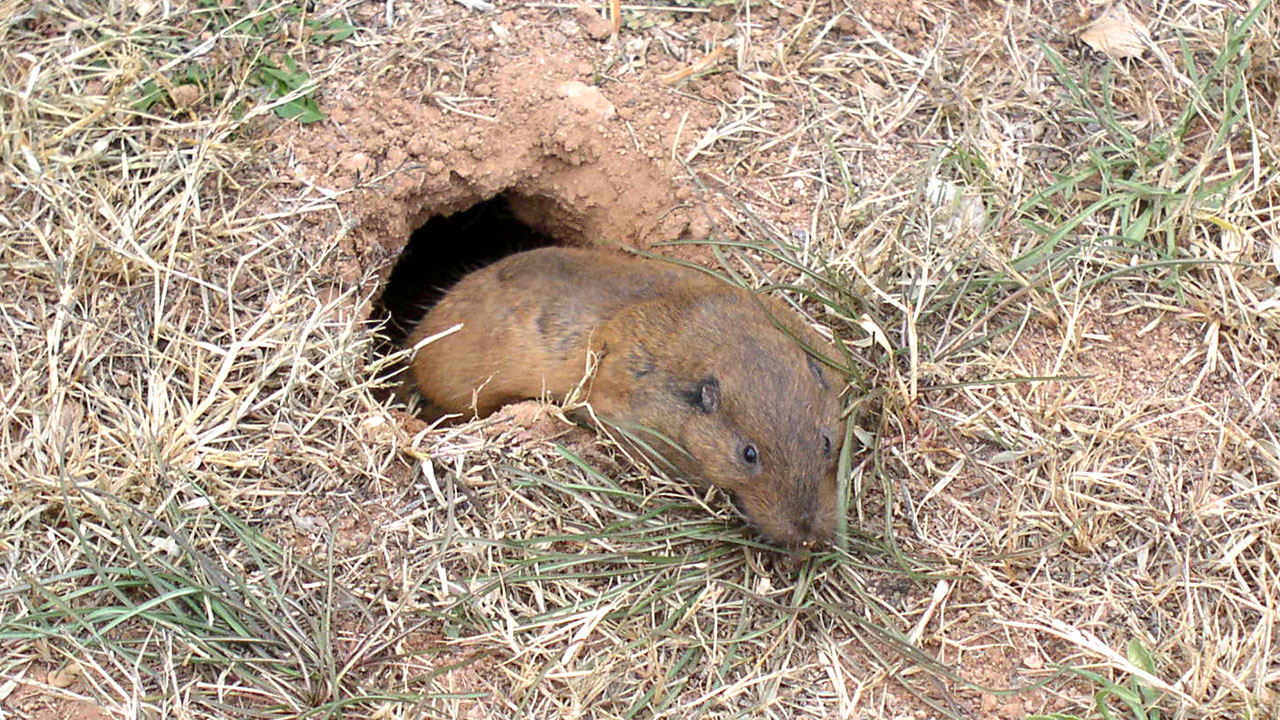
Pocket gophers may not look like a major pasture animal, but they can quietly do a lot of damage below and above the surface. They feed on roots, weaken the stand, and push up mounds that make fields rough, ugly, and harder to manage. In a grazing pasture, those mounds can smother forage in little patches all over the place. In a hay field, they are even worse because they create an uneven surface that is rough on mowing equipment and can contaminate hay with dirt.
A lot of people ignore them because the damage looks small at first, but gophers work steadily and spread. Their tunneling dries out root zones in some places, undermines others, and creates weak spots where the forage never seems to hold like it should. They also create holes and unstable ground that can be a real issue for horses and cattle. A handful of gophers can make a field look rough. A serious population can make it feel like the pasture is losing ground every month.
Prairie dogs
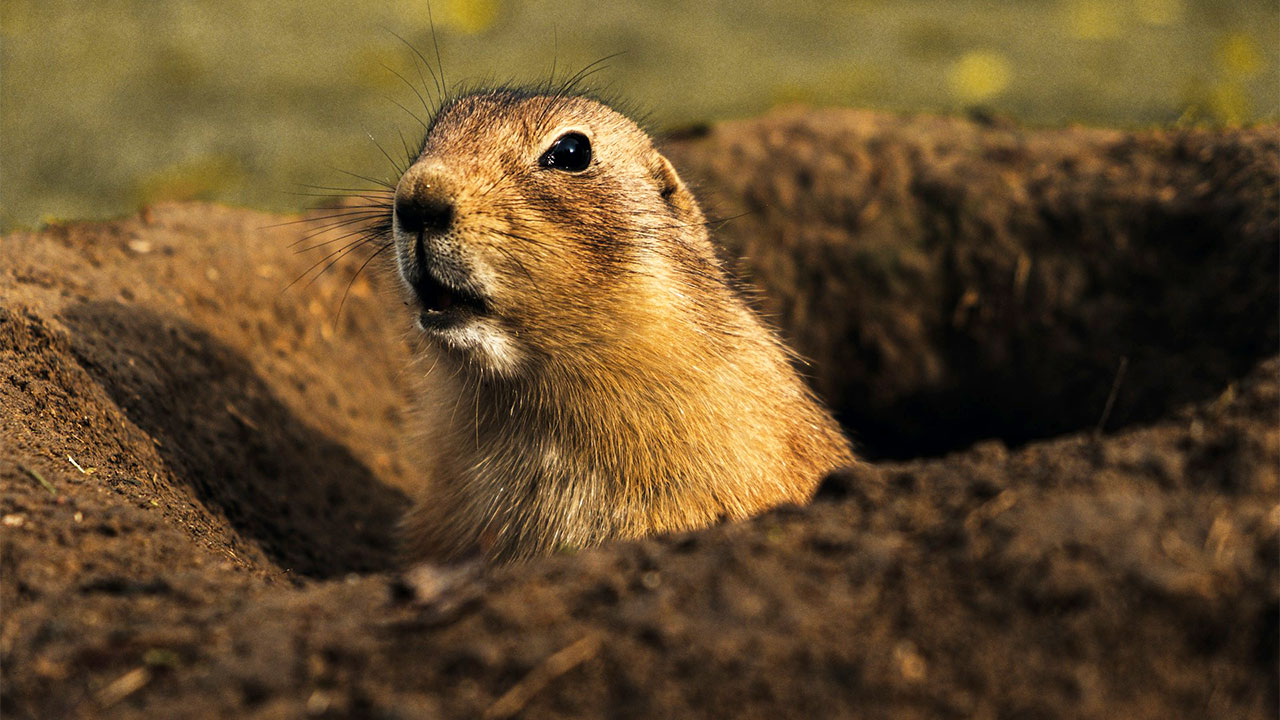
Prairie dogs can absolutely hammer a pasture if their numbers get up and nobody stays on top of them. They clip vegetation constantly, and they do it low, which means they are not just grazing a little forage here and there. They can take a healthy section and turn it into a short, stressed patch that never gets a chance to recover. Their colonies also spread over time, and once they are established, the pressure on the ground and forage does not let up.
Their burrow systems add another layer of trouble. Those holes can be rough on livestock, rough on tires, and rough on anything that needs to move across the field. Calves, horses, and even equipment operators can have a bad day around a big colony. Add in the loss of usable forage and the way prairie dogs change how other wildlife and predators use the area, and they become a much bigger land problem than people who have never dealt with them tend to assume.
Armadillos

Armadillos do not usually get blamed first for pasture damage, but they can leave plenty of trouble behind, especially in smaller fields and improved ground. They dig for grubs and insects, and that means shallow holes, torn sod, and rough patches scattered across places livestock should be able to walk safely. It may not look catastrophic from a distance, but when those holes start multiplying, the whole field gets more aggravating to maintain and more dangerous for animals that are moving fast.
They also have a way of showing up where the soil is soft and easy to work, which often means they target the same kinds of places you are trying to keep productive and clean. Around gates, water sources, loafing areas, and pasture edges, they can make a mess that seems minor until you are fixing broken ground over and over. They may not destroy acreage the way hogs do, but on a working place, repeated armadillo digging gets old fast and causes more wear than people expect.
Beaver
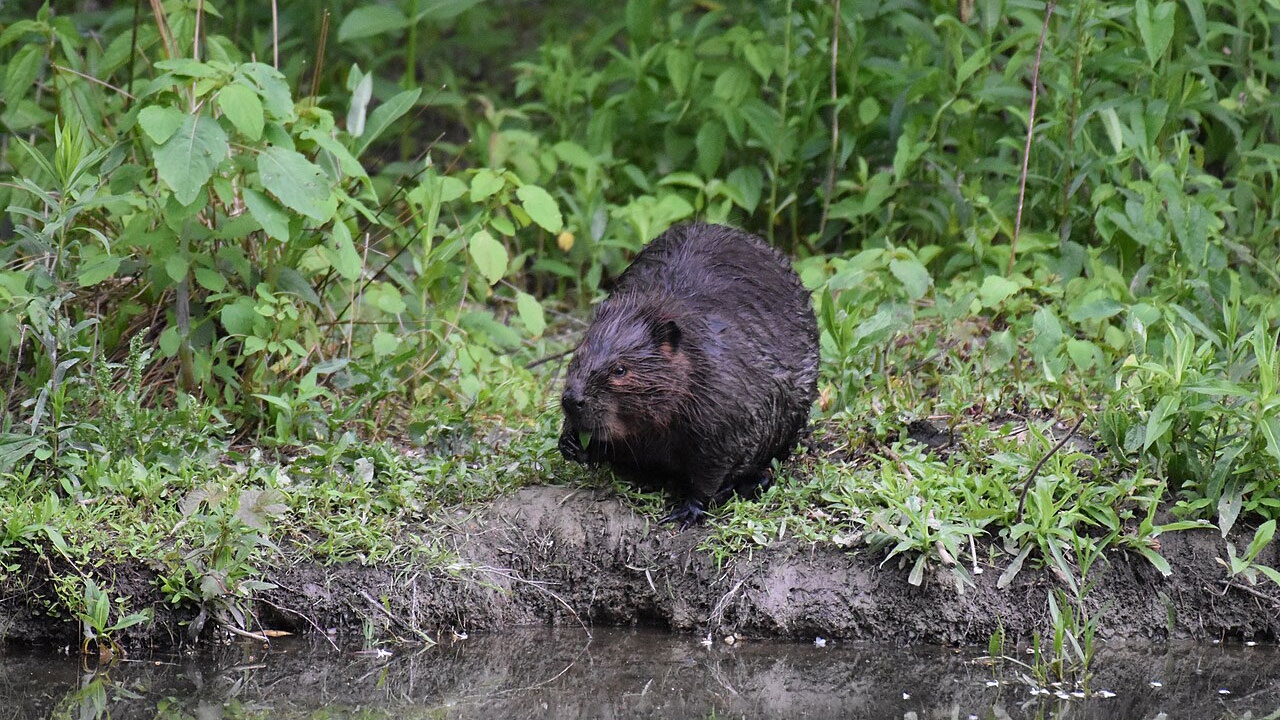
Most people think of beavers as creek or pond animals, but they can do serious damage to pasture when water and grazing ground overlap. Their dams back up water into places that were never meant to stay wet, flooding low pasture, drowning forage, and turning usable ground into mud. Once that water sits long enough, the root systems suffer, the stand thins out, and what used to be a dependable section of grass can turn into a soggy mess livestock avoid.
The damage does not stop at the waterline either. Beavers cut trees that may be part of your windbreak, shade, or creek bank stability, and that can add erosion trouble on top of everything else. Fences near wet areas can get hit, crossings can wash out differently, and access points become harder to use. A beaver problem can look almost harmless at first, then suddenly you realize a whole corner of the place is staying wet, growing weeds, and no longer pulling its weight.
White-tailed deer

A lot of people do not think of deer as serious pasture animals, but they can put more pressure on certain ground than folks realize. In mixed-use land where pastures border food plots, hay ground, young legumes, or tender regrowth, deer can keep hammering the same plants before they have a chance to recover. They usually do not leave the dramatic mess hogs do, but repeated browsing can thin out desirable forage and shift pressure onto the plants you actually want to keep.
They also affect how the whole place gets used. Deer trails wear through fences, create muddy crossings, and pull attention from one area to another. In drought or late summer conditions, when every bit of regrowth matters, heavy deer use can take enough off the top to matter more than people expect. If a pasture is already stressed, deer are one more mouth working against recovery. They are not always the main cause, but they can absolutely be part of why a stand never seems to bounce back.
Elk

Where elk overlap with pasture and ranch ground, they can do a lot more than just pass through. Big groups put serious grazing pressure on grass, especially during dry periods or when they settle into an area and start using it hard. Because they are large-bodied animals, it does not take long for repeated use to show. They can flatten wet spots, wear down travel routes, and take a surprising amount of forage from places that were supposed to be carrying livestock instead.
Elk also tend to create patterns. Once they like a bedding area, a crossing, or a feed-rich corner, they come back. That repeated traffic can beat up the ground, open bare patches, and increase competition for both forage and water. On some properties, the real issue is not one visit but a steady pattern of use that leaves the pasture working for wildlife while the landowner pays the bill. They are impressive animals, but they can absolutely be rough on productive ground.
Wild horses

In places where wild horses are part of the equation, they can hit pasture hard because of the way they move, graze, and camp around resources. Horses graze differently than cattle, often clipping forage shorter and using certain areas over and over. When horse numbers get too high for the ground, they can overuse water sources, trails, and preferred grazing spots until the stand breaks down. That means bare soil, compacted ground, and fewer desirable grasses hanging on.
They also travel and bunch in ways that can wear down a place fast, especially during dry periods. Around tanks, riparian strips, and gateways, the impact gets obvious quickly. Even outside those hot spots, repeated close grazing leaves less recovery room for the plants you need to keep the pasture healthy. People sometimes focus on the image of horses and not the grazing pressure, but unmanaged horse numbers can be every bit as hard on pasture as other large grazers, and in some situations even worse.
Canada geese

Canada geese are not the first thing most ranchers think about, but they can be rough on smaller pasture systems, pond edges, and improved grass areas. They graze heavily on tender shoots and can keep certain sections clipped down if they settle in. Around water, they foul the ground with droppings, making those spots less appealing for livestock and less pleasant to work around. On places where every acre needs to stay usable, that kind of concentrated use matters.
They also create bare, slick, muddy areas along shorelines and watered spots, especially when a flock returns day after day. That can increase erosion, reduce grass cover, and make a clean-looking pasture edge turn shabby in a hurry. Geese usually are not a whole-ranch disaster, but they can absolutely wreck the function of small sections that matter more than people think. When they take over pond banks, grazing corners, or improved strips, the amount of maintenance and cleanup they create is easy to underestimate.
Nutria
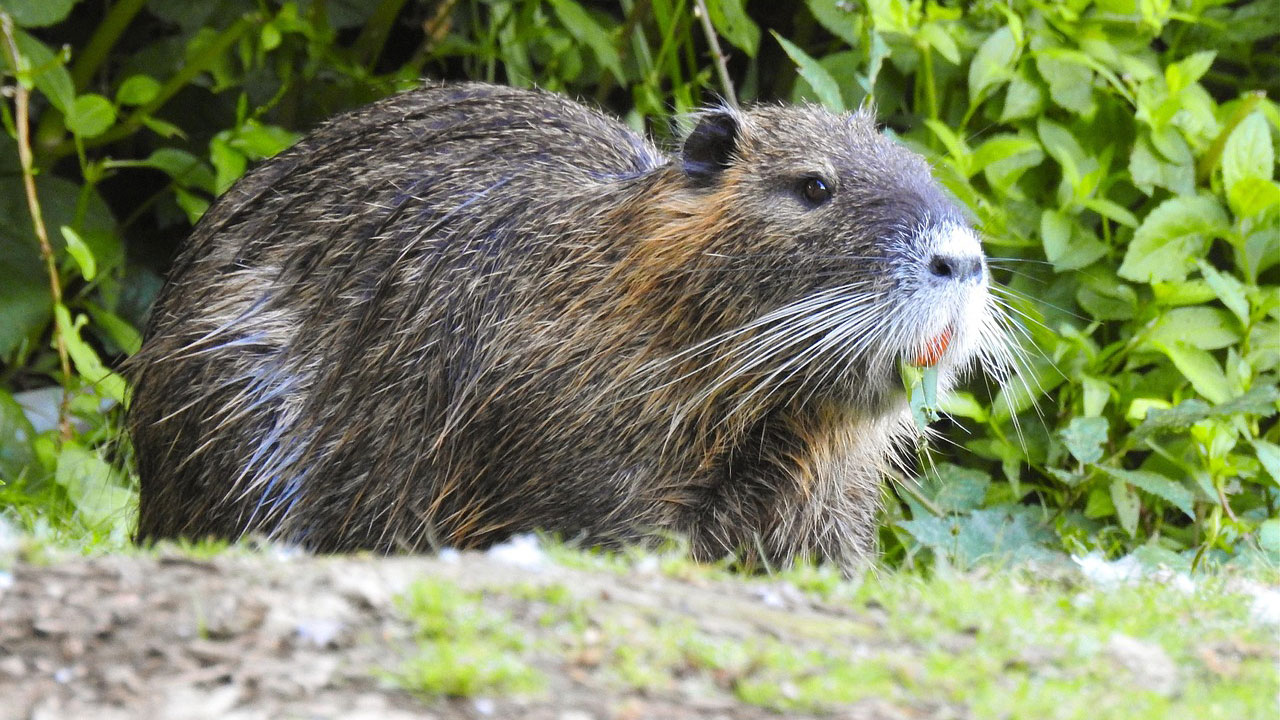
Nutria are a real headache in wet pasture country because they tear into banks, levees, and soft ground in ways that create bigger problems over time. Their burrowing weakens pond edges, ditches, and drainage areas, and once those start slumping or washing out, the pasture around them suffers too. Water does not move the way it should, wet ground spreads, and forage production drops in spots that used to be dependable. One nutria does not seem like much, but a group can quietly undermine a lot of ground.
They also feed on vegetation in wet areas, which reduces cover and makes erosion worse. That is especially hard on low pasture and transitional areas where you need stable banks and decent drainage to keep the field useful. When nutria get established, they do not just nibble at the edges of the problem. They make the water, soil, and plant side of pasture management all harder at once. Folks who have dealt with them know they can turn a manageable place into a constant repair job.
Rabbits

Rabbits do not look like a major pasture threat, but they can do more damage than people think when numbers jump and forage is stressed. They clip young growth hard, especially in improved areas, newly seeded patches, and places where tender regrowth is trying to take hold. In a healthy, large pasture, that may not seem like much. In smaller fields or thin stands, though, enough rabbits can keep good forage from ever really getting established the way you want.
They are especially rough on garden-adjacent pasture, orchard edges, and feed patches where the best growth tends to happen first. They also chew bark and stems in certain settings, which adds trouble beyond just grazing pressure. The issue with rabbits is not that they level a pasture overnight. It is that they quietly skim off recovery over and over until you start wondering why a section keeps underperforming. On stressed ground, that kind of repeated pressure can matter a whole lot.
Ground squirrels
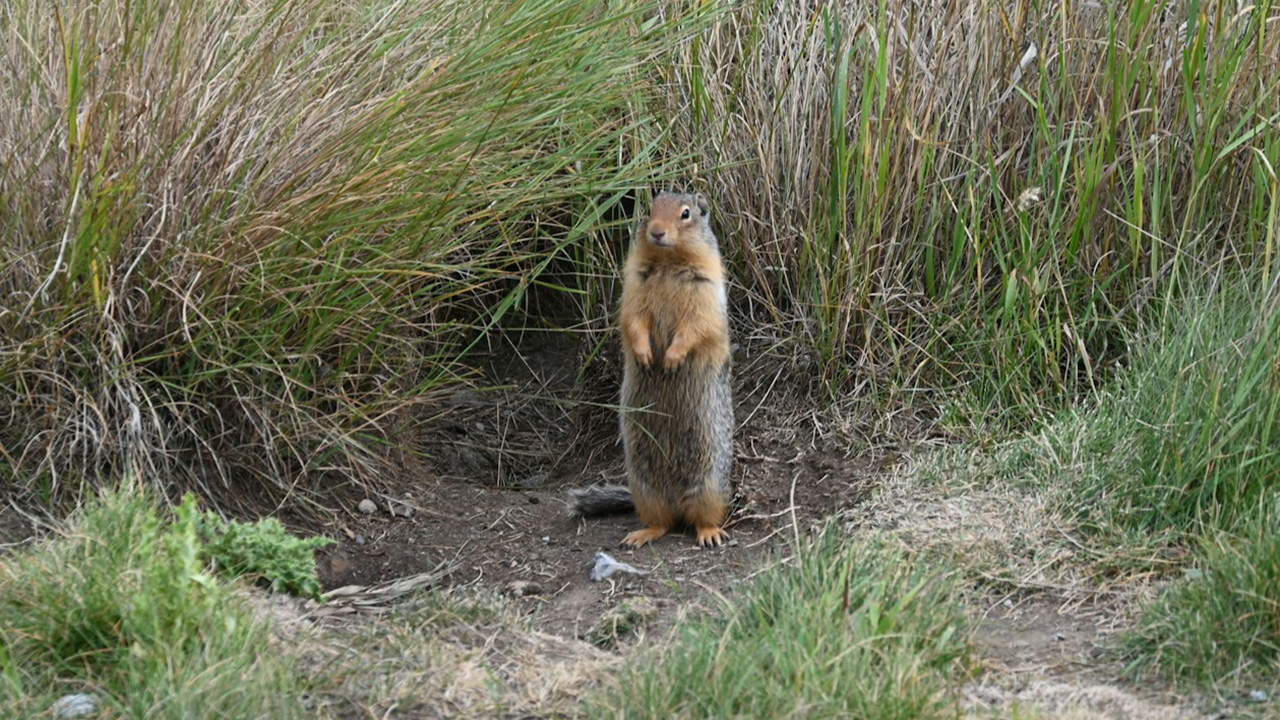
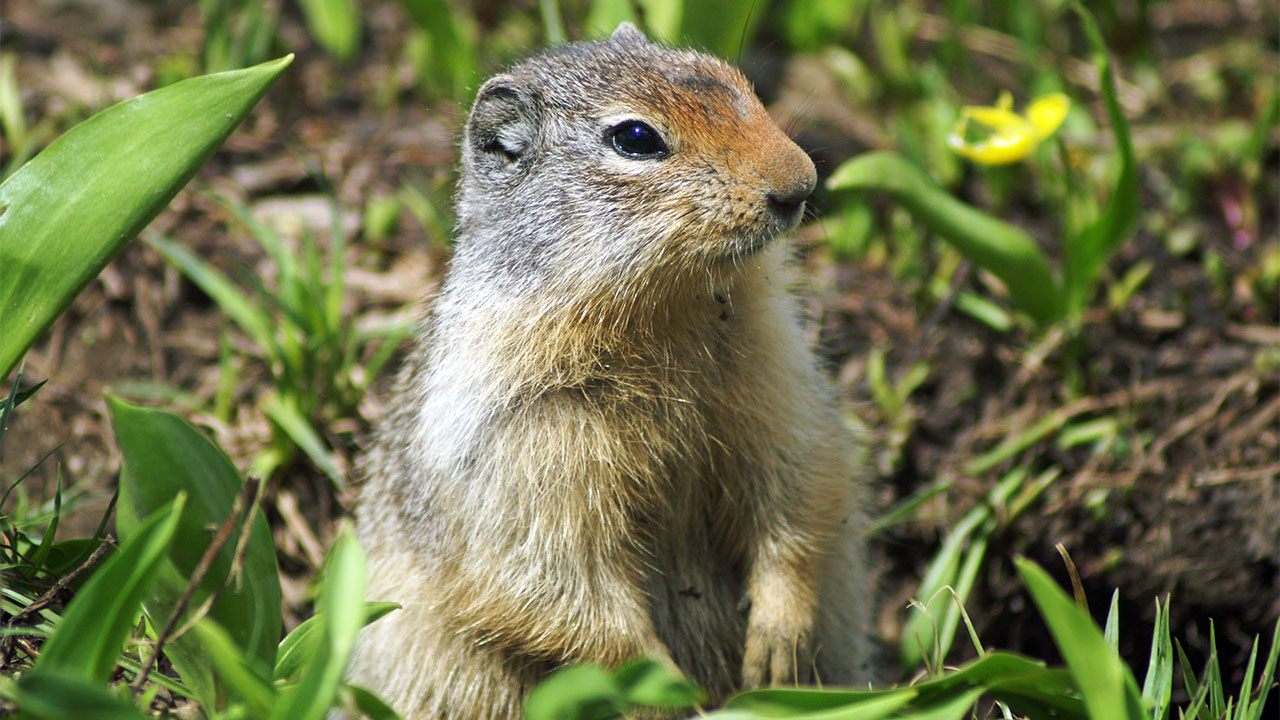
Ground squirrels can turn good pasture into risky, uneven ground before a lot of people realize how big the colony has gotten. They clip forage, dig burrows, and leave behind a field full of holes and weak spots that are hard on livestock and equipment. Horses are especially vulnerable around burrowing animals, but cattle can get hurt too. Even when injuries do not happen, livestock often avoid the roughest sections, which means grazing pressure shifts and the field gets used less evenly.
The forage loss adds up too. Ground squirrels eat enough to matter, especially when their numbers are high and they spread through the same productive areas year after year. Their digging also weakens the surface and gives weeds room to move in. A pasture does not have to look destroyed from the road to be losing value. If it is rougher to cut, harder to graze, and full of holes that make you nervous every time you turn animals out, the squirrels are doing more damage than people tend to admit.
Sheep-killing ants and harvester ants

Harvester ants and similar mound-building ants can be rough on pasture in a way that sneaks up on people. One mound is no big deal. A field full of them is another story. They strip vegetation around the mound, create bare circles, and leave the ground rough enough to be aggravating with equipment. In hay ground or improved pasture, enough colonies can make the field look patchy and reduce the amount of usable forage in places where every little bit counts.
Some ant species also create problems for livestock directly, especially young animals or animals forced to loaf or feed near active colonies. Even when the ants themselves are not a major medical issue, the bare ground and disturbed soil they leave behind weaken the stand and create opportunities for weeds. A lot of people put ants in the nuisance category and stop there, but high mound density changes how a pasture functions. Once they get thick, they start costing more than folks expect.
Voles

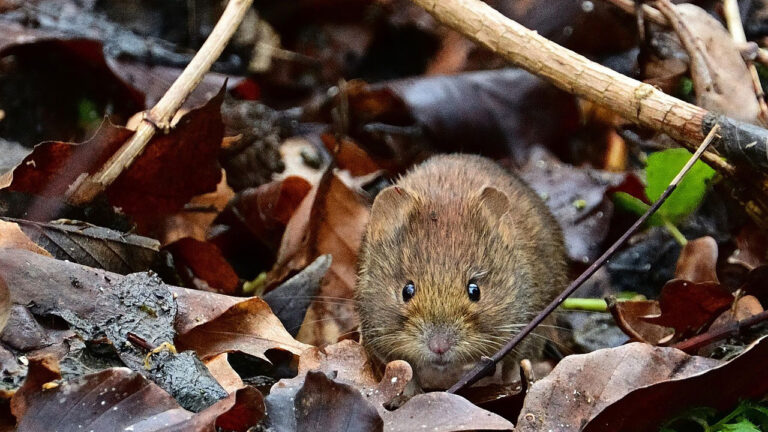
Voles are easy to overlook because most people do not see them much, but they can chew up a stand from underneath in ways that show later. They feed on stems, roots, and crowns, especially when cover is thick and conditions favor them. In pasture and hay ground, that can leave weak patches that green up poorly, thin out, or die back when stress hits. By the time the damage becomes obvious, the animals may be gone and the field is already paying for it.
They also create little runways and soft spots that mess with the uniform look and performance of the stand. In wetter or protected areas, voles can spread faster than expected, especially if predators are light and cover stays heavy. They are not one of the flashy pasture wreckers, but they are one of those animals that make you chase symptoms before you realize what is underneath. When root systems are getting chewed and regrowth stays poor, voles can be a bigger part of the problem than people think.
Grasshoppers
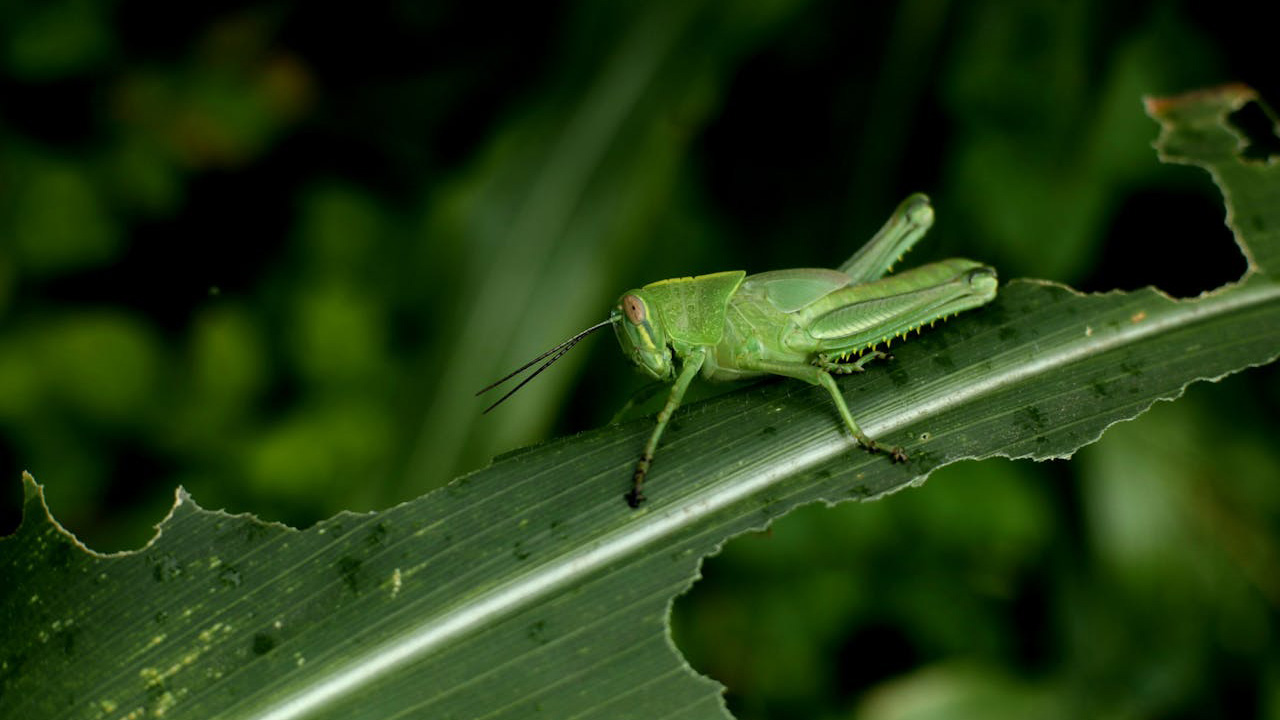
Grasshoppers may be small, but when conditions line up for them, they can strip pasture hard enough to change the whole season. Large numbers can chew leaves, reduce forage volume, and hammer recovering stands during hot, dry weather when the grass is already under pressure. They do not leave rooted-up ground or deep holes, but they can absolutely take away the feed value you were counting on, especially in thin or drought-stressed pasture that has no room for another hit.
What makes them rough is the speed. A pasture that looked decent can start looking tired in a hurry when grasshoppers are thick and feeding pressure stays high. They also move from field to field and hit gardens, feed patches, and border vegetation at the same time, which spreads the pain around the whole property. People sometimes treat them like a bad summer annoyance, but in the wrong year, they become a serious forage problem that affects stocking decisions, hay needs, and recovery long after the hatch is over.
Like The Avid Outdoorsman’s content? Subscribe to our newsletter so you never miss an article.
Here’s more from us: