Photo credit: Alizada Studios/ Shutterstock.com
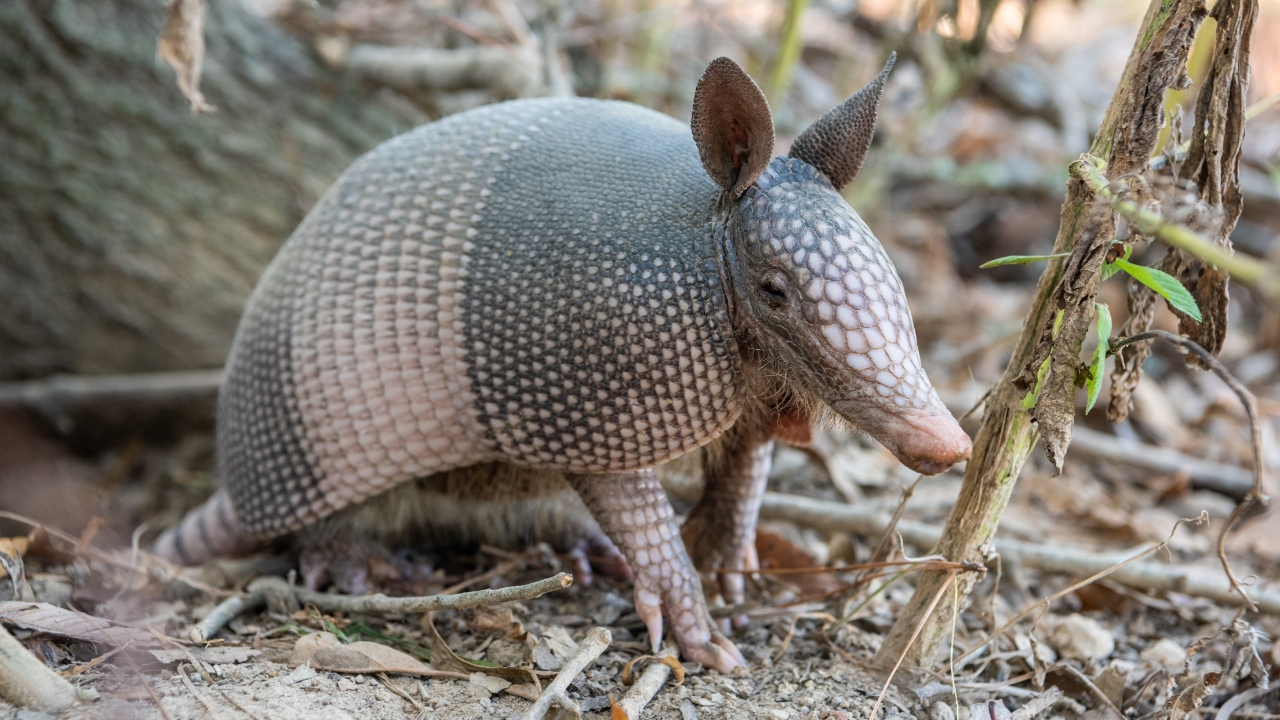
Armadillos are one of those critters people don’t take seriously at first. You see a little rooting in the yard, maybe a few shallow holes, and you think, “Whatever, it’s not a coyote.” Then a month later you’ve got a lawn that looks like it got hit with a mini rototiller, your flowerbed is chewed up, and you’re stepping in ankle-twisters every time you walk to the truck. The frustrating part is armadillos aren’t trying to wreck your place. They’re just doing what they do—hunting bugs and grubs—and if your yard is feeding them well, they’ll keep coming back until the damage becomes the new normal.
The mistake that turns a small armadillo visit into a full-on yard problem is ignoring the food source and focusing only on the animal you can see. People chase armadillos off once or twice and assume the issue is handled. Meanwhile the real draw—grubs, beetle larvae, earthworms, and other soil insects—is still there, and it’s basically ringing a dinner bell every night. Armadillos have strong noses and strong routines. If your yard produces easy meals, they don’t need to “move on.” They just need to wait until the yard is quiet again.
Armadillo damage isn’t random digging, it’s targeted feeding
An armadillo isn’t digging like a dog that’s bored. It’s probing the soil and flipping sod to get to insects. That’s why you’ll often see a bunch of small cone-shaped holes at first—little 1–3 inch digs scattered across the yard. That early stage is your warning sign. It means the armadillo is feeding, and it’s finding enough to make the trip worthwhile. When people ignore that stage, the animal keeps coming, and the digging gets more aggressive as it searches deeper and wider for the same food.
Once the armadillo gets comfortable, you can start seeing larger torn-up patches where the sod is peeled back or loosened. That’s where lawns go from “a few holes” to “why does my yard look like this.” The key point is this: the armadillo is responding to what it smells in the soil. If you don’t change the food situation, you’re fighting the symptom while the cause keeps inviting them back.
The big mistake: overwatering and soft soil that stays easy to work
This is the one that catches people off guard. Armadillos love yards that stay soft. Soft soil is easier to dig, and moist ground also brings earthworms and insects closer to the surface. If you water heavily at night, or your yard holds moisture because of shade, poor drainage, or constant irrigation, you’re creating perfect armadillo conditions. A yard that stays damp is like a dinner plate. The animal doesn’t have to work as hard, and the food is right there.
A lot of folks are unknowingly training armadillos by keeping the yard “nice.” If you’re watering to keep grass green, especially in hot months, you might also be feeding the underground bug population that armadillos hunt. Combine that with soft soil and you’ve basically made the digging easy and profitable. That’s why you can have a neighbor with no issues and you’re getting hammered. It’s not that the armadillo likes you. It likes what your yard provides.
Grubs and larvae are usually the real magnet
If armadillos are working your lawn repeatedly, there’s a decent chance you’ve got grubs or a healthy insect population in the turf. I’m not saying every armadillo yard has a grub “infestation,” but if the ground has a lot of beetle larvae, it’s an all-you-can-eat situation. People see the armadillo and want to deal with the armadillo, but treating grubs and reducing the food supply is often what actually changes the pattern.
Here’s the catch: you can’t guess your way through this. You need to confirm what’s in the soil. The quick check is peeling back a small patch of turf in an affected area and looking. If you find multiple grubs in a small section, that’s a sign your yard is supporting the exact thing the armadillo is hunting. Even if you don’t see a ton, the presence of worms and other insects still matters. Armadillos don’t show up for nothing.
The other mistake: leaving “safe cover” and travel routes untouched
Armadillos don’t like wide open spaces any more than a lot of other wildlife does. They prefer edges, brushy strips, under decks, and places where they can move without feeling exposed. If your yard backs up to a creek line, a wooded edge, or an overgrown fence row, you’ve got a natural route. People will fixate on the holes but ignore the corridor the animal uses to access the yard. If the armadillo has an easy path in and out, it’ll keep using it.
This is also why they show up near foundations, under porches, and around crawl space vents. They’re traveling edges, and they’re also looking for shelter. If an armadillo finds a spot under a deck that stays quiet and dry, it might start using that area more regularly, which makes the yard damage seem “constant.” You’re not just dealing with a visitor anymore—you’re dealing with a routine.
Why chasing them off doesn’t work long-term
Armadillos aren’t like deer where you can “spook them” and be done. They’re stubborn and simple-minded in the way they operate. If the food is there, and the route is safe, they’ll return. Yelling, clapping, and running them off might stop them in the moment, but it doesn’t change the payoff. If you’ve got a dog that barks them away, that helps, but even then, armadillos often shift their timing rather than leave for good. They’ll wait until later when it’s quieter.
This is where people get fooled. They’ll run the armadillo off, see no new holes for a day or two, and think it’s over. Then they wake up to fresh digging because the armadillo came back at 3 a.m. When you see that pattern, it’s a sign you’re dealing with a consistent food draw, not a one-off visit.
What actually reduces damage
Start by making your yard less “easy.” If you’re overwatering, tighten it up. Don’t water at night if you can avoid it. Fix drainage problems that keep soil damp all the time. Next, look at the insect food base. If you confirm grubs, dealing with them can reduce the reason armadillos keep coming. Also take a hard look at the edges: trim thick cover near the yard, block access under decks, and remove brush piles that give them a comfortable travel lane.
And here’s a practical one: smooth out and tamp down damaged areas after you fix the cause. A yard full of holes stays attractive because it’s easy digging. Once an armadillo has loosened soil, it’s easier for it to come back and continue. If you repair the ground and firm it up, you remove one of the “easy mode” benefits. You’re basically forcing the animal to work harder, and predators don’t love hard work when there are easier options nearby.
When it’s time to treat it as a real problem
If your yard is getting hammered nightly, or if you’re seeing damage near a foundation, you take it seriously. Armadillos can undermine soil in ways that cause ongoing issues, especially near patios, walkways, and crawl space areas. At that point, you either commit to changing the yard conditions that attract them or you involve a local pro who knows legal and safe removal methods for your area. I’m not going to pretend there’s one magic fix that works everywhere, because laws and best practices vary, but I will tell you this: if you don’t remove the food draw and the easy access, you’ll be fighting the same problem all season.
Like The Avid Outdoorsman’s content? Subscribe to our newsletter so you never miss an article.
Here’s more from us: