Photo credit: Wirestock Creators/Shutterstock.com
Backyard wildlife has a way of looking harmless when you catch it at the right moment. A raccoon waddling along the fence line. A bunny frozen in the grass. A squirrel eating like it pays rent. The problem is that “cute” is a human label, not an animal mood. Wild animals bite for simple reasons: they’re cornered, they’re protecting food or babies, they’re sick or injured, or they’ve learned that people get too close.
If you want to avoid a bad bite, you don’t need to fear everything that moves. You need to recognize the moments that flip the switch—close quarters, surprise contact, and any animal that’s acting strange. These are common backyard animals that can turn a photo-op into a trip for stitches.
Raccoons

A raccoon looks like a little masked burglar, and in the right light it’s easy to forget it’s a tough, wild animal with strong jaws. The risk spikes when raccoons get used to people, especially around pet food, trash cans, or backyard feeders. If one feels cornered or thinks you’re taking food, it can bite fast.
You keep things safe by giving raccoons space and removing the reasons they hang around. Secure trash lids, bring pet food inside, and avoid trying to “shoo” one by getting close. If a raccoon is out in daylight and acting confused, stumbling, or unusually fearless, treat it as a serious risk. Back away, keep kids and pets inside, and call local animal control.
Opossums

Opossums look awkward and slow, which makes people underestimate them. They can bare teeth, hiss, and snap when startled, and a cornered opossum can bite hard enough to break skin. Most bites happen when someone tries to pick one up, trap it without care, or block its escape route.
You avoid trouble by letting opossums leave on their own. If one is stuck in a garage or under a porch, open an exit and give it time. Keep hands away, even if it seems calm or “playing dead.” That act can end quickly when it decides to bolt. If you need it removed, use a professional or animal control rather than trying to handle it yourself.
Skunks

A skunk’s reputation is all about spray, but teeth are part of the package too. Skunks bite when they’re trapped, when a dog gets in their face, or when someone tries to move them out of a shed or window well. A skunk that can’t spray effectively, or that’s stressed, may bite as a last resort.
You keep skunks from becoming a backyard headache by removing cover and food. Close off crawl spaces, pick up fallen fruit, and keep garbage secured. If you see a skunk, don’t chase it. Give it a wide path out, keep pets leashed, and avoid startling it. A calm retreat beats a close encounter every time.
Squirrels
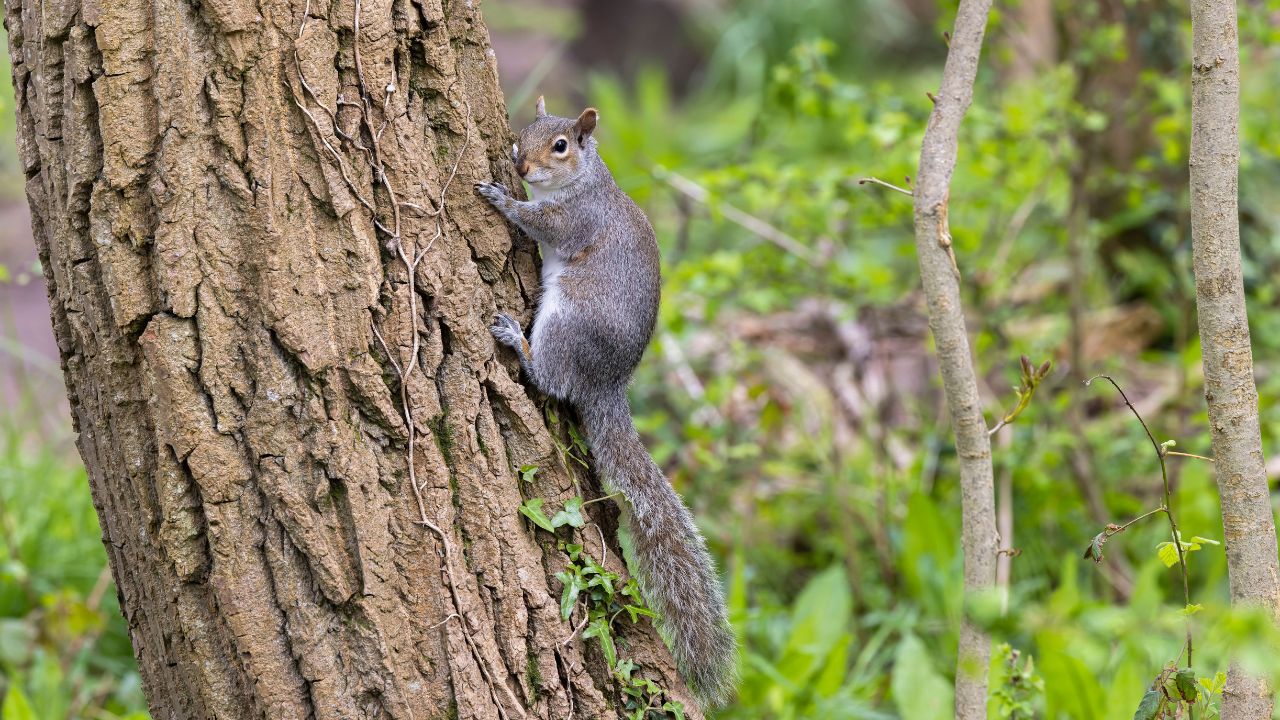
Squirrels look harmless until you’re close enough to realize how fast and sharp they are. Most squirrel bites happen when someone tries to hand-feed one, rescue a “baby,” or grab a squirrel that’s been trapped inside. Even a healthy squirrel will bite when it feels restrained.
You prevent bites by keeping feeding and handling off the table. If a squirrel is in your attic or wall, focus on exclusion and repairs rather than trying to catch it bare-handed. If you find a squirrel on the ground that seems injured, treat it like any wild animal: keep distance and call a rehabber. The cuteness disappears the second you try to hold it.
Chipmunks
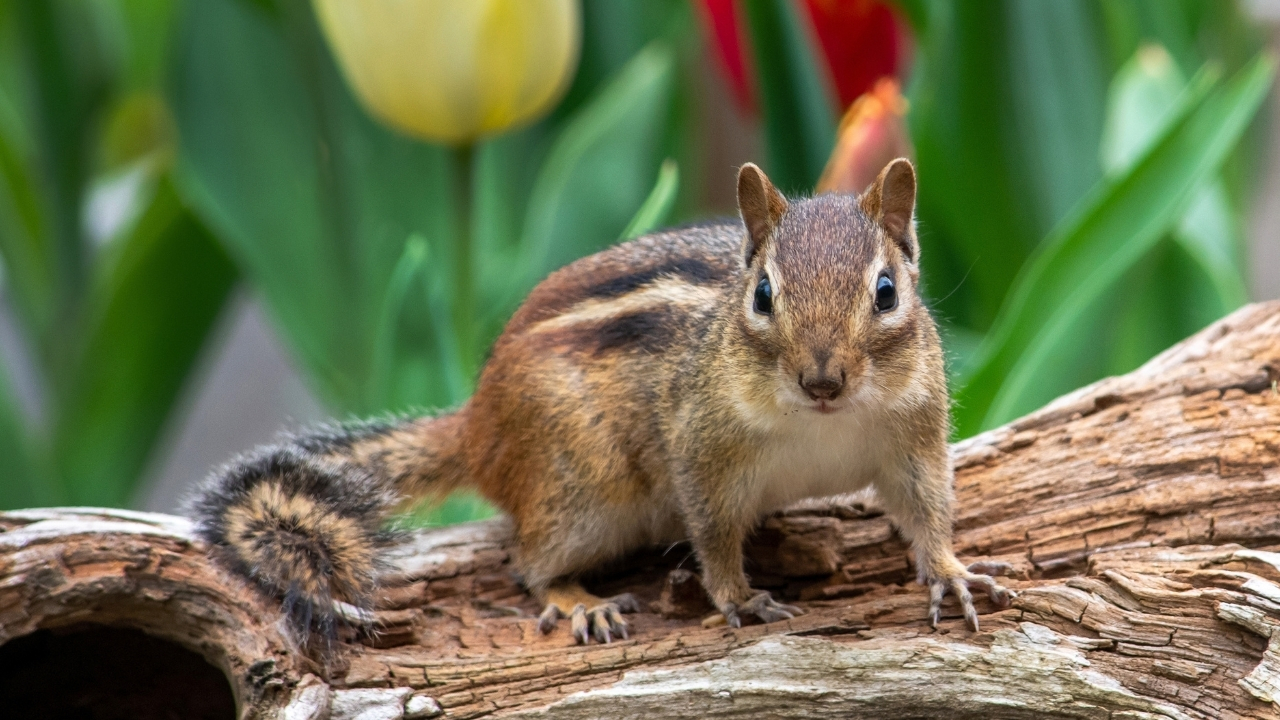
Chipmunks are small enough that people assume a bite won’t matter. It can. They have sharp teeth, and bites often happen during “friendly” moments—hand-feeding, trying to pick one up, or sticking fingers near a burrow entrance. A scared chipmunk can clamp down and not let go quickly.
The smart move is to enjoy them from a distance. Keep your hands out of their space, especially around woodpiles, rock walls, and gardens where they live. If one ends up in a garage or shed, open the doors and back off so it can run out. If you trap one, don’t reach into the trap. Let the trap do its job while you handle the release safely.
Rabbits
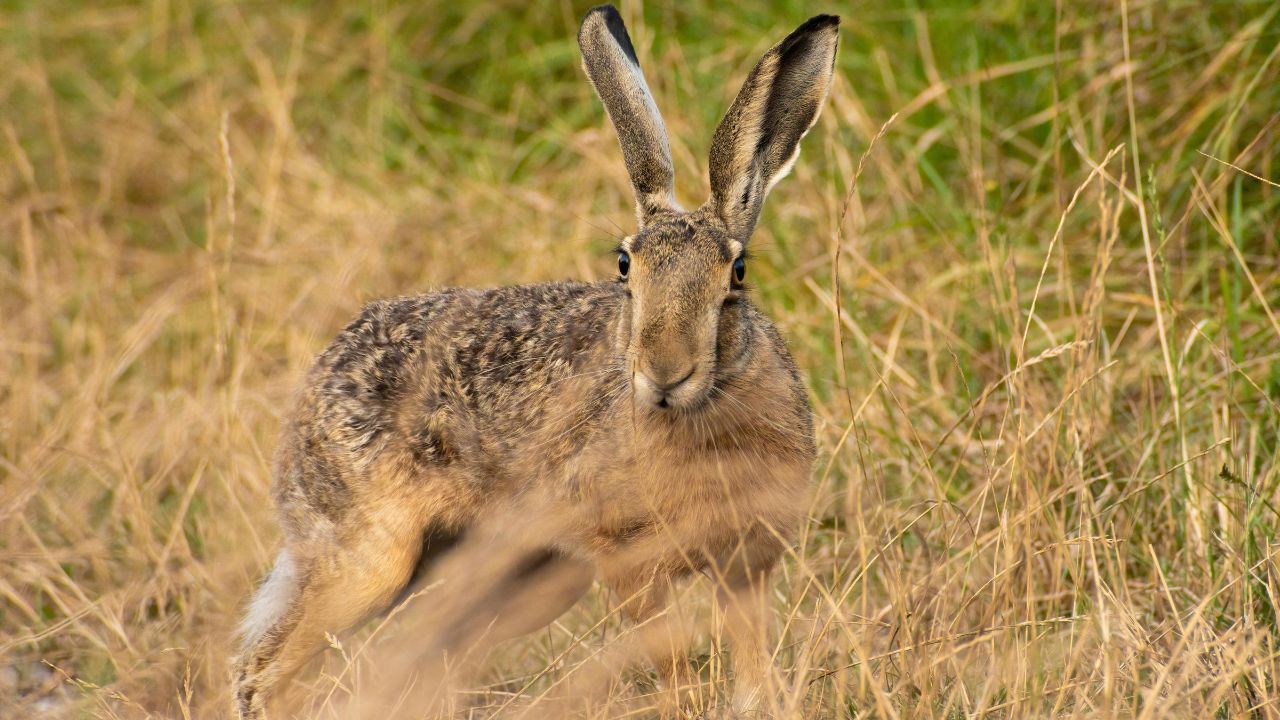
Wild rabbits can look calm and approachable, especially when they freeze in the grass. That “still” behavior is often pure fear. If you try to grab one, it can bite or scratch hard while it fights to escape. Bites also happen when kids try to pick up a rabbit they found, or when a dog corners one and you step in.
You avoid the mess by not handling wild rabbits at all. If you’re trying to protect a rabbit from a pet, call the pet off and give the rabbit an exit route rather than grabbing it. If you find a baby rabbit, don’t assume it’s abandoned. Mother rabbits often stay away until dusk. The safest approach is distance and patience.
Groundhogs

Groundhogs have a goofy look until you see the teeth up close. They’re strong, stubborn, and defensive when cornered. Bites happen when someone tries to block a burrow entrance, trap one and handle it, or approach one that’s injured. A groundhog can also charge when it thinks it has no escape.
You prevent bites by dealing with groundhogs through distance and proper removal. If you’re trapping for relocation where it’s legal, keep hands away from the cage and use protective gear. Better yet, use a pro. Also fix the reason they’re there—garden food, easy cover, and access under sheds. A groundhog that feels trapped is a groundhog that bites.
Foxes
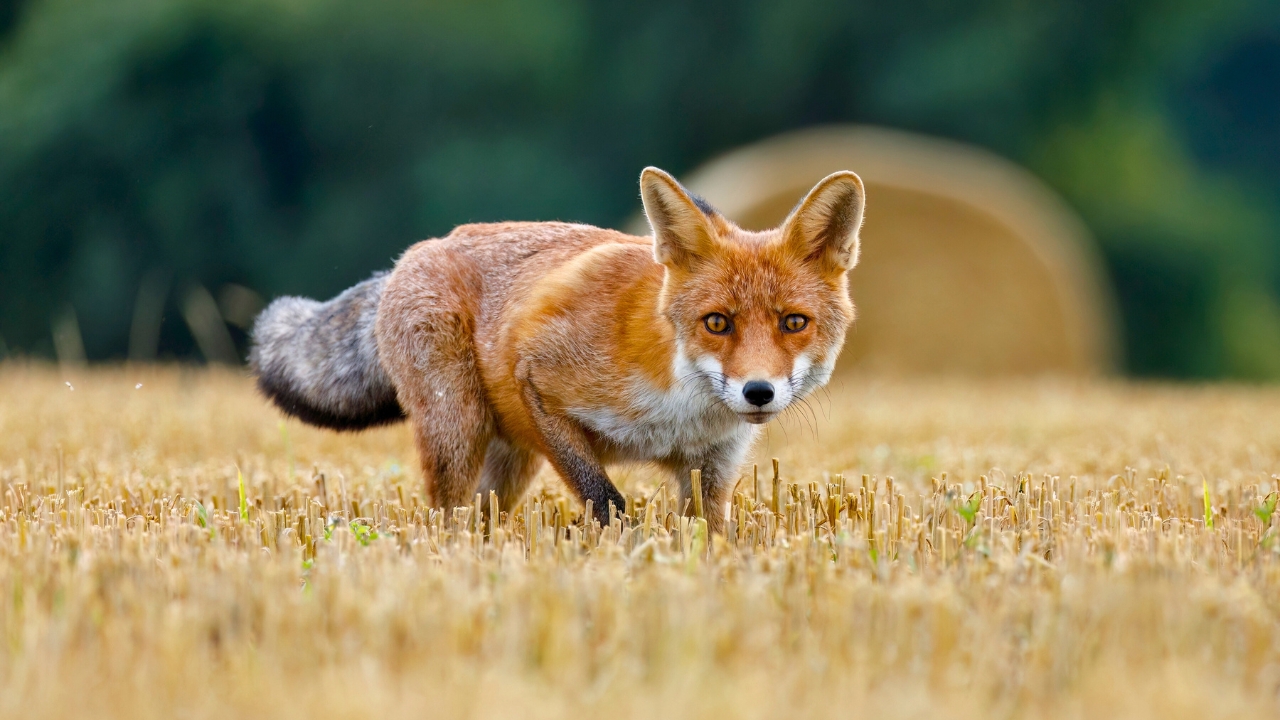
A fox in the yard can look like a neighborhood pet, especially when it’s trotting around at dusk. Fox bites are not common, but risk climbs when a fox is sick, habituated to handouts, or cornered. If it approaches people, shows no fear, or acts disoriented, treat it as dangerous.
You keep things safe by removing attractants and keeping pets supervised. Don’t feed foxes, don’t try to get closer for a photo, and don’t let a small dog run up on one. If you suspect illness, keep distance and report it to local authorities. A healthy fox usually wants to avoid you. The ones that don’t are the ones that can turn ugly fast.
Coyotes

Coyotes have adapted to suburbs, and many people see them and assume they’re “basically dogs.” They aren’t. A coyote can bite if it’s cornered, protecting a den, or competing for food. The biggest flashpoint in backyards is a coyote focusing on pets, especially small dogs, and the owner trying to intervene at close range.
You reduce risk by removing food sources and supervising pets. Keep cats indoors, don’t leave pet food outside, and secure trash. If you see a coyote, give it space and use firm hazing from a safe distance to make the yard feel uncomfortable to it. Never corner it, and never approach pups. Distance and consistency keep coyotes from getting bold.
Feral and stray cats

A cat can look friendly right up until you try to pick it up. Feral and stray cats bite when they’re scared, in pain, or defending themselves. Cat bites are a big deal because punctures can drive bacteria deep and infections can turn serious fast. Many bites happen during “rescue” attempts.
You stay safe by treating unknown cats as wild animals. Don’t grab them, don’t corner them, and don’t assume a slow blink means it’s safe. If a cat needs help, use a carrier or a humane trap and contact a rescue group. If you do get bitten, clean it immediately and take it seriously. A small bite can become a big medical problem.
Rats
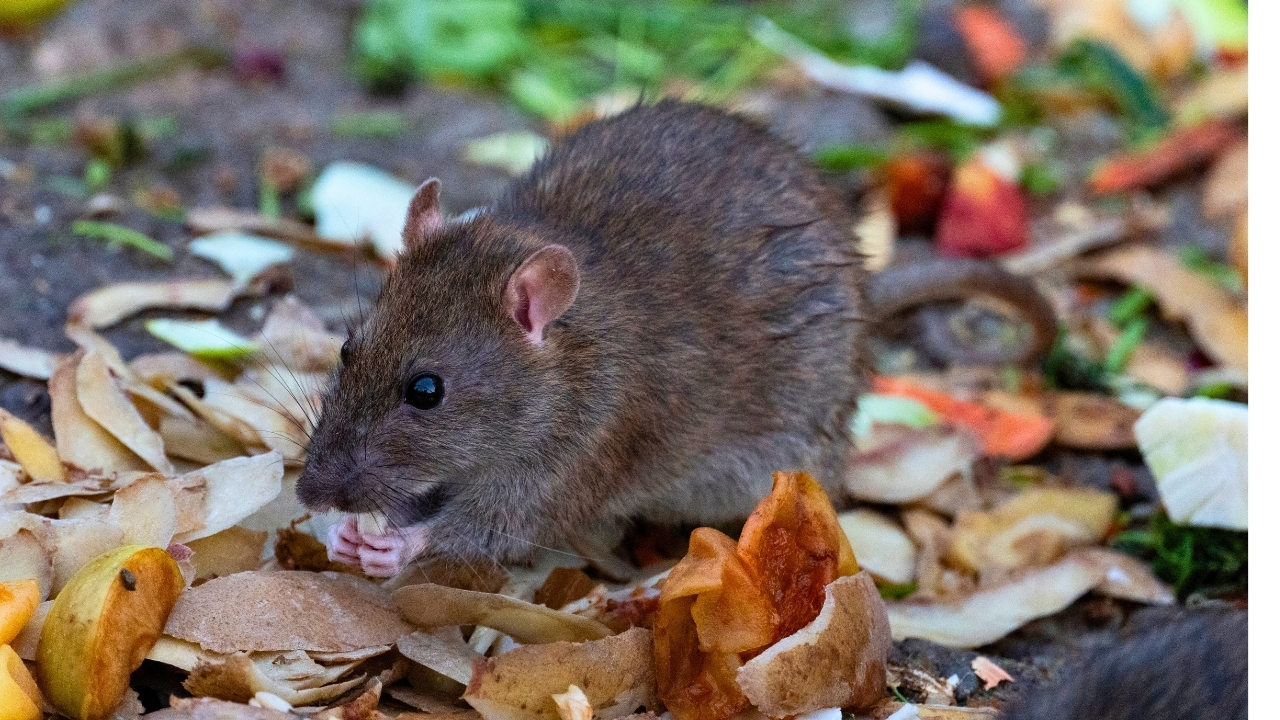
Rats show up wherever there’s food and cover, and they can look “cute” in a strange way when they’re young. A cornered rat will bite. Most backyard bites happen when someone tries to grab one caught in a trap, move a nest, or reach into a tight space where a rat is hiding.
You prevent bites by controlling the problem at the source. Secure trash, clean up spilled birdseed, and reduce hiding cover like junk piles and dense weeds. If you’re handling traps, wear gloves and avoid direct contact, alive or dead. Rats are tough, fast, and defensive when threatened. Treat them with caution, not curiosity.
Bats

A bat can look harmless when it’s clinging to a screen or stuck on the ground, and that’s exactly when people get bitten—trying to “help” it. Bats bite in self-defense, and the bigger issue is that bites can be tiny and easy to miss while still carrying serious health risk.
You handle bats by not handling bats. Keep pets and kids away, close interior doors if one is inside, and contact a professional for removal. Outdoors, leave it alone and give it space. If there’s any chance of contact, especially if someone was asleep in a room with a bat, treat it as urgent and follow public health guidance. With bats, the correct move is always caution.
Snapping turtles
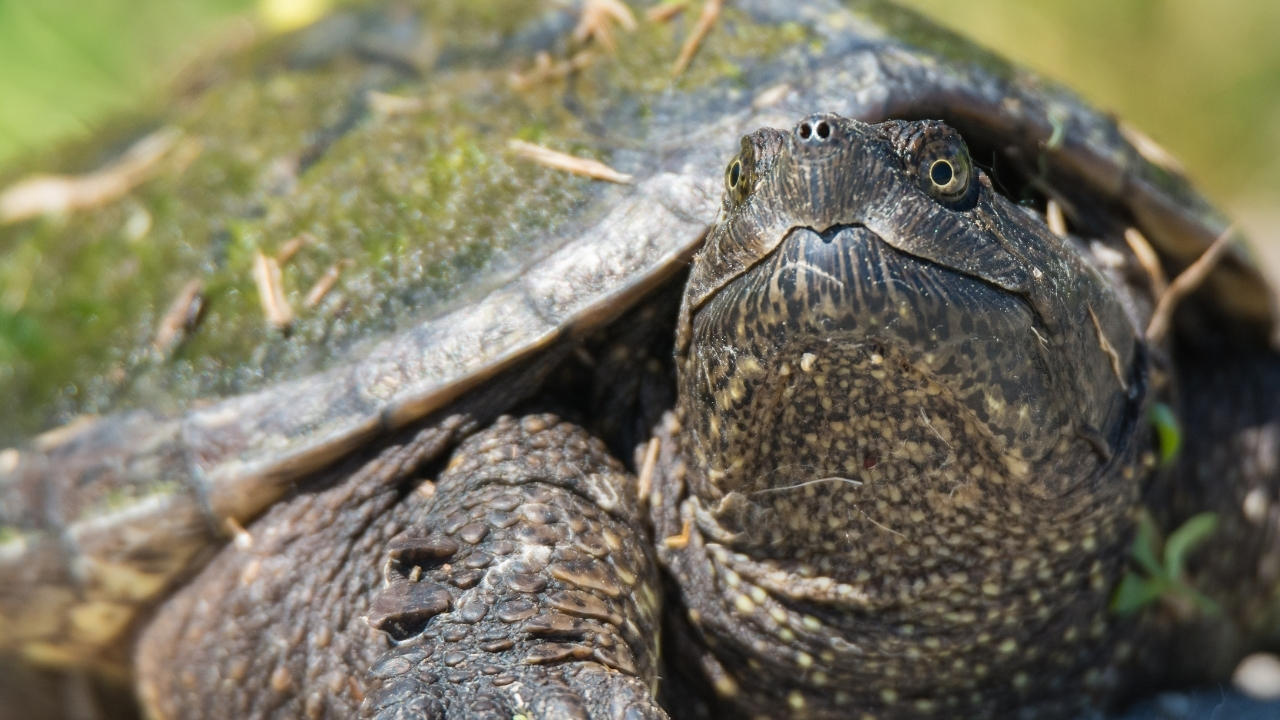
A snapping turtle in the yard looks out of place, which makes people want to move it. That’s how fingers get bit. Snappers can strike fast, and their bite can cause serious injury. They show up in backyards near water, after heavy rains, or during nesting season when they wander.
If you find one, keep distance and keep pets away. Don’t try to pick it up by the shell edges. If it needs to be moved off a road or away from a high-traffic area, use a shovel, a long board, or call someone who knows what they’re doing. The goal is to guide it, not wrestle it. A snapping turtle is built for defense.
Geese
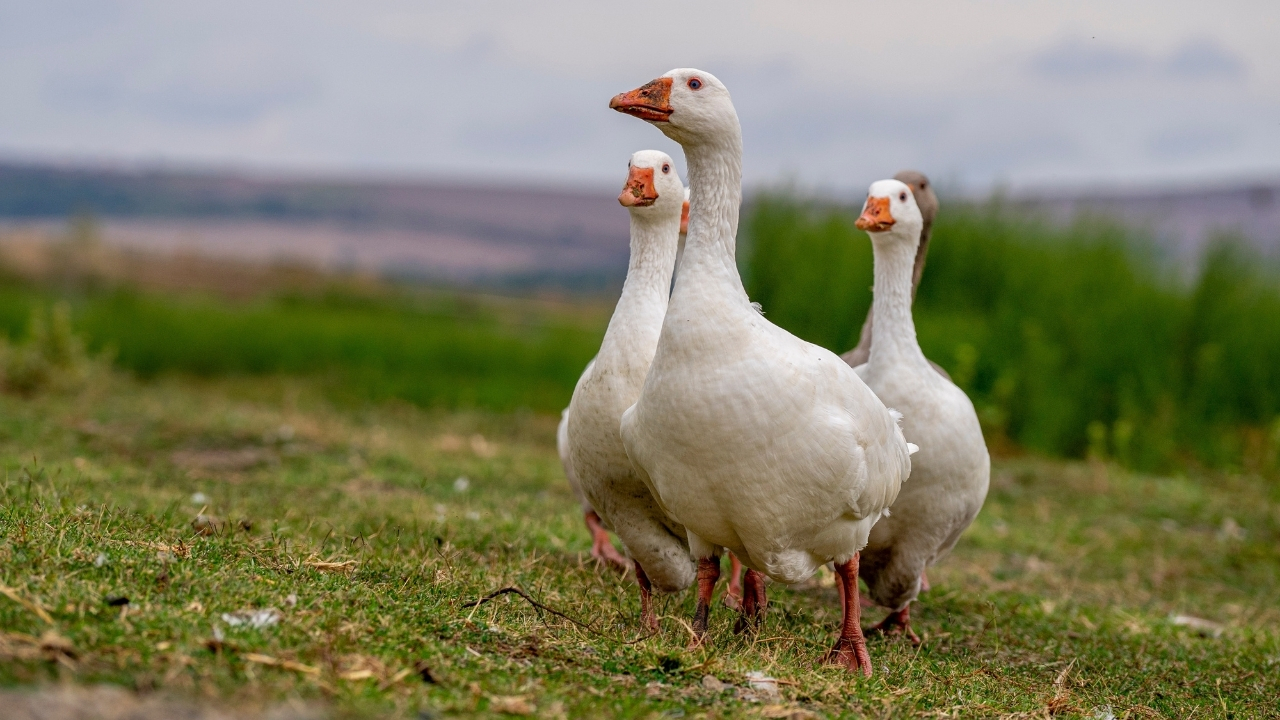
A goose can be funny until it decides you’re too close. Geese bite and pinch with their bills, and they’ll also wing-slap, chase, and knock you off balance. In backyards, the problem often starts near ponds, pools, or any area geese treat like their territory, especially during nesting season.
You avoid getting bit by giving them space and not challenging them. Don’t feed them, don’t approach nests, and don’t let kids run at them. If you need to pass through, move calmly and give them a wide path. When people get hurt, it’s usually because they tried to push a goose away at close range. The safer move is distance and a slow exit.
Roosters
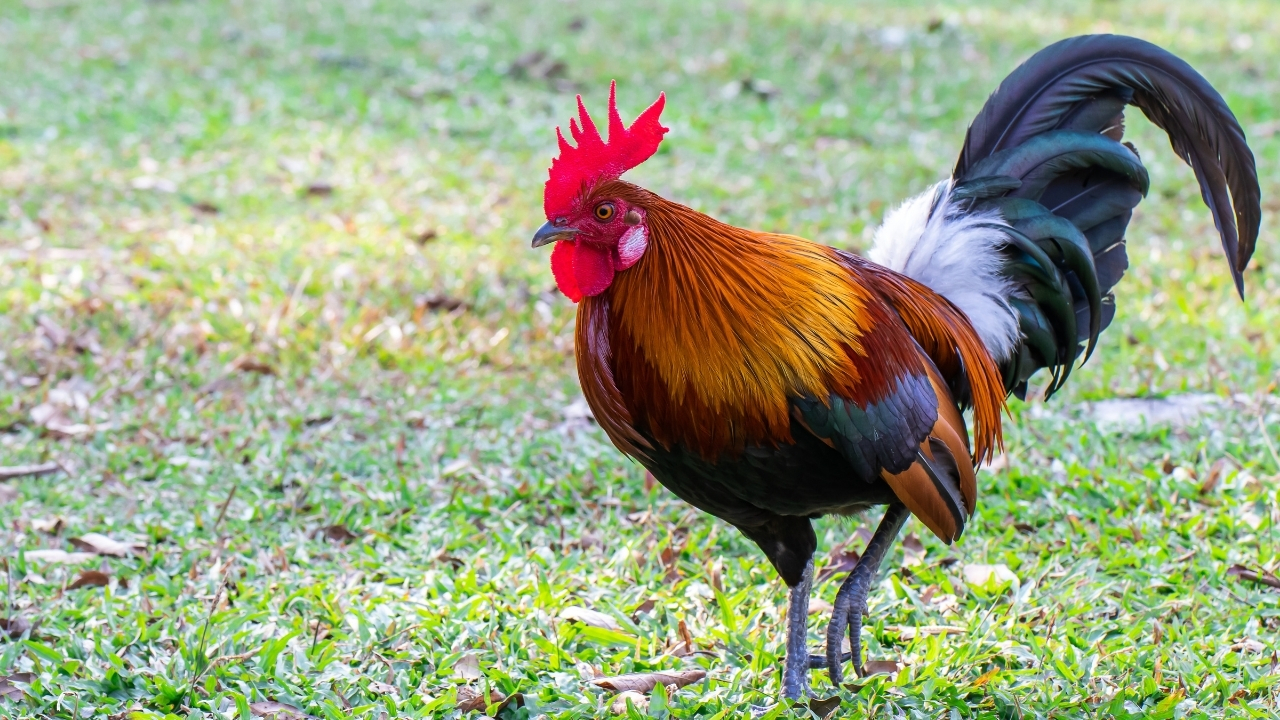
Roosters are backyard “cute” until they decide they’re in charge. They don’t only peck. They can bite and they often strike with spurs, which can do real damage. Roosters also get more aggressive when they’re protecting hens, guarding feed, or reacting to quick movement.
You stay safe by respecting their space and managing the flock smartly. Don’t corner a rooster, don’t reach over it, and don’t let kids chase chickens around. Use a barrier like a feed bucket or a broom to create distance if you need to move through the pen. Good handling habits matter too—calm movements, predictable routines, and not rewarding aggressive behavior. A rooster that learns it can push people around will keep doing it.
Ducks
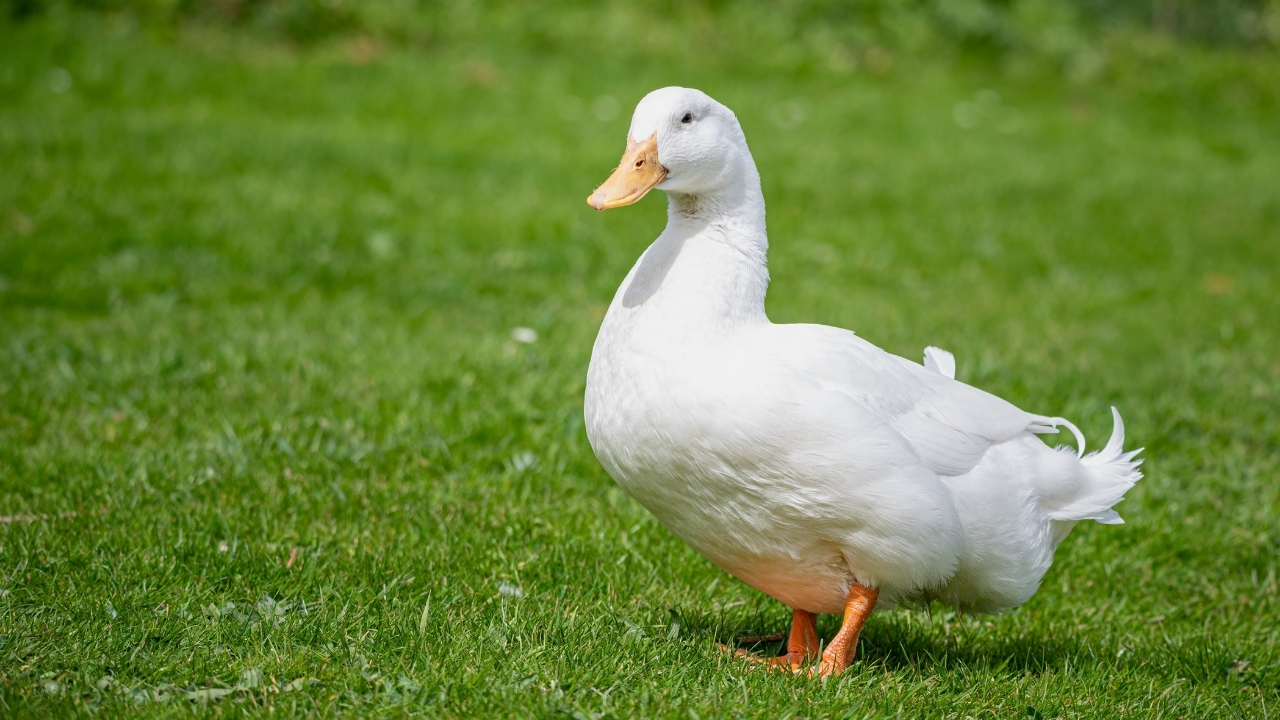
Ducks seem harmless, but they bite more than people expect, especially when they’re used to being hand-fed. A duck’s bite can pinch hard, bruise, and tear skin in a way that surprises you. The most common “bad bite” moment is a hand full of feed and a duck that lunges at the wrong angle.
You prevent it by keeping hands out of feeding situations. Toss feed on the ground, don’t let kids hold out food, and don’t crowd ducks into corners when you’re herding them. In mixed backyard flocks, stress and competition can also trigger biting and chasing. Give them space, keep feeding calm, and don’t confuse hunger-driven behavior with friendliness. Ducks can be calm one second and grabbing the next.
Possessive pet dogs in the yard
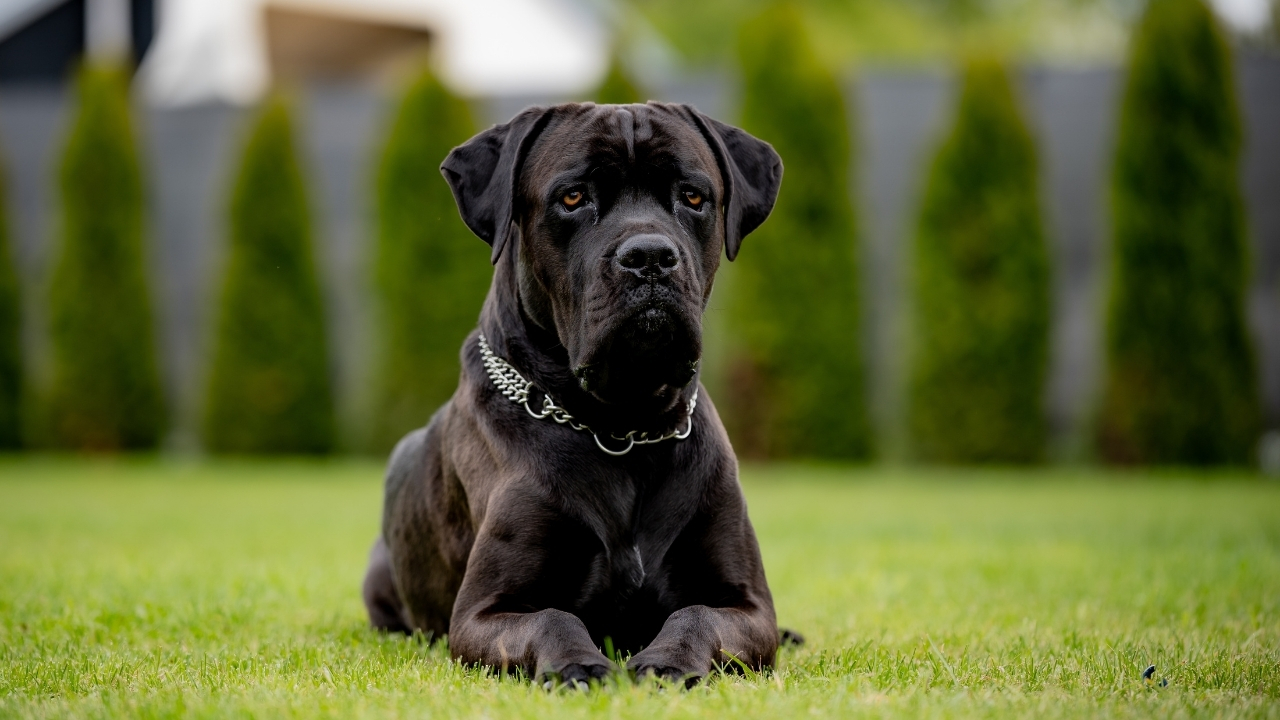
Even a friendly dog can turn a cute moment into a bite if you hit the wrong trigger. Backyard bites often happen around food bowls, toys, bones, or when someone reaches over a fence to pet a dog that doesn’t know them. Speed and surprise play a role too—running, yelling, and roughhousing can flip a dog from playful to overwhelmed.
You reduce risk by treating every unfamiliar dog with respect and giving your own dog clear structure. Don’t reach through fences, don’t approach while it’s eating, and don’t grab collars during excitement. Supervise kids closely, and teach them to keep faces and hands away from any dog that’s amped up. Most bites aren’t “out of nowhere.” They’re a warning you didn’t see until it was too late.
Like The Avid Outdoorsman’s content? Subscribe to our newsletter so you never miss an article.
Here’s more from us: