
Photo credit: Koldunov Alexey/Shutterstock.com
We may earn revenue from products featured on this page through affiliate links.
It’s easy to talk about “survival” like it’s a special event, a storm, a blackout, a headline. For most of human history, survival wasn’t a moment. It was Monday. It was the normal pace of life where basic needs took real time and real effort, and there wasn’t a system quietly handling the hard parts in the background. Food didn’t show up because a truck arrived. Water didn’t come out of a tap. Heat didn’t happen because you bumped a thermostat. You built your day around meeting those needs first, because if you didn’t, nothing else mattered. Convenience didn’t exist the way we mean it now, and that changes everything about how people lived, planned, and handled setbacks.
When people imagine life “back then,” they often jump straight to dramatic hardship, like everyone was constantly starving or freezing. The reality was more practical and more routine than that. People had systems, but those systems were personal and local, not national and invisible. They stored food because that was normal. They repaired things because there was no other choice. They planned around weather because weather decided what you could do. And they accepted that life had a baseline level of friction that we’ve mostly forgotten how to handle. That friction wasn’t exciting, but it shaped skills and habits that modern life rarely forces us to practice.
The day started with water, fire, and food—every single time
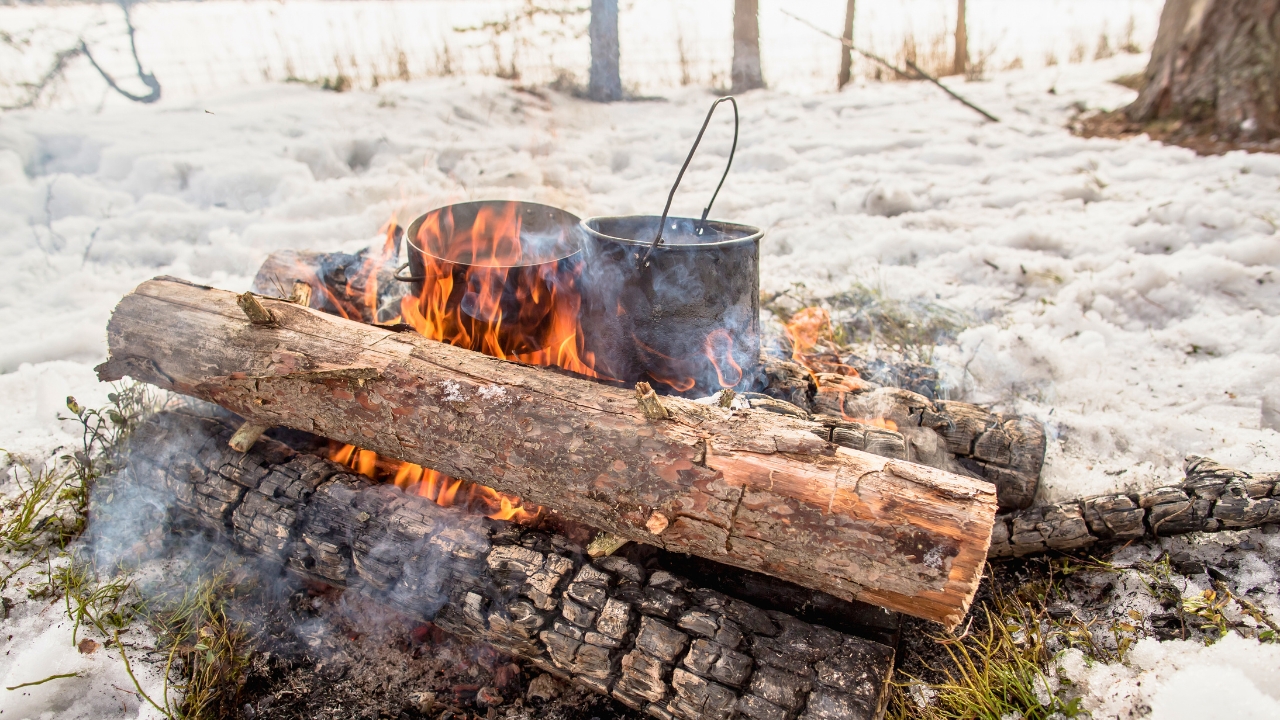
Before convenience, your morning wasn’t coffee and emails. It was water, fire, and food, in that order, because those needs drove everything else. Water had to be hauled, drawn, melted, or collected. Fire had to be started and maintained because it was the engine behind cooking, warmth, and sometimes light. Food had to be prepared from scratch with whatever you had, and if you didn’t prep ahead, you paid for it later. Even simple meals required time, fuel, and planning, because there was no “quick option” that didn’t burn resources you might need later.
That daily rhythm created a mindset that’s hard for modern people to understand until they experience it. You didn’t waste fuel because fuel was labor. You didn’t waste water because water was time and risk. You didn’t casually “run out” because restocking wasn’t a trip, it was work. This is why older survival accounts read differently than modern prepping talk. They’re less about gear and more about routine, because routine was the foundation. People survived not by being brave, but by being steady and disciplined with the basics.
Food was seasonal, repetitive, and planned like a job
Modern grocery stores make food feel infinite. Before convenience, food was seasonal and repetitive on purpose, because repetition is efficient. You ate what was available, you preserved what you could, and you planned meals around what could last. Dry goods, salted meats, pickled vegetables, beans, grains, and whatever could be stored without spoiling were the backbone. Fresh food was a bonus when it was in season, not an expectation. People didn’t scroll recipes. They worked with what they had and made it stretch.
That meant food storage wasn’t a hobby. It was part of normal life. A household that didn’t put food up wasn’t “unprepared,” it was irresponsible, because winter and lean times were guaranteed. You see the same idea today in practical preparedness, and it’s not trendy, it’s old common sense. Having a few weeks of shelf-stable food, knowing how to cook it, and having the fuel to do it is less dramatic than a “bug out plan,” but it matches how people actually survived before convenience. If you want a modern tool that makes that kind of cooking more realistic during outages or off-grid stretches, a simple camp stove and a basic cookware setup can keep meals normal when your kitchen can’t, and Bass Pro carries compact stoves that are built for that straightforward, dependable role.
Hygiene and sanitation were constant work, not a background system
This is the part most people don’t think about until they have to. Before modern plumbing, sanitation was a daily responsibility, and if you got it wrong, it made people sick. Waste had to be managed intentionally. Water had to be used carefully. Cleaning wasn’t about comfort; it was about preventing disease and keeping pests away. People didn’t have endless hot water or the ability to run a load of laundry whenever they felt like it. They managed hygiene with less water, more effort, and a lot more attention to keeping living spaces functional.
That’s why “everyday survival” was as much about preventing problems as it was about solving them. A household that kept waste away from water sources, kept food stored correctly, and maintained basic cleanliness had a better chance of staying healthy. Modern people underestimate how quickly sanitation becomes the main issue when systems fail, because we’re used to it being invisible. Before convenience, it was never invisible. It was part of the day, and you either handled it or you paid for it.
Repair wasn’t a skill, it was the default
When convenience didn’t exist, replacing things wasn’t a normal option. Repair was normal. Clothing got patched. Tools got maintained. Shoes got resoled. Wood got reused. Broken items didn’t automatically turn into trash because trash was waste, and waste was costly. People also understood their tools better because they had to. They knew how to sharpen, oil, adjust, and fix because the alternative was doing without.
That repair mindset is one of the biggest gaps between modern life and historical daily survival. Today, a lot of people can’t fix basic issues because they rarely have to, and systems have replaced personal competence in a lot of areas. That’s not a moral failure, it’s just how modern life works. But it explains why “before convenience” people seemed tougher. They weren’t tougher by nature. They were trained by necessity. When you live in a world where repairs and maintenance are normal, you build calm competence without calling it that.
Weather dictated schedules, travel, and risk
Another huge difference is that weather wasn’t a minor inconvenience. It dictated movement, work, and safety. Bad weather could strand you. It could ruin food stores. It could change whether you could heat your home or reach the next town. People planned around seasons in a way modern folks rarely have to. They stored fuel early, preserved food when it was available, and kept tools ready because they couldn’t count on a store being open or a delivery arriving. That planning wasn’t anxious. It was normal.
This is where “everyday survival” looked less dramatic than we imagine but more disciplined. You didn’t wait until the storm was already hitting to prepare. You prepared because storms always hit. That lesson still applies today, and it’s why practical preparedness isn’t about fear, it’s about timing. A small amount of planning early prevents a lot of panic later, and that was true before convenience just like it’s true now.
People relied on community because isolation was expensive
Before convenience, being isolated wasn’t romantic. It was risky and inefficient. Communities existed because they shared labor, skills, tools, and information. If you needed help harvesting, building, or repairing, you didn’t hire a service. You leaned on neighbors, and you returned the favor later. Knowledge traveled through people, not through the internet. If someone knew how to treat an injury, fix a tool, or preserve food, that knowledge mattered to the whole group.
This is one of the reasons historical accounts emphasize cooperation so much. It wasn’t idealism. It was survival math. One person can do a lot, but a group can do more with less strain. Modern life lets us be more independent day to day, but systems failure pushes us right back into community dependence quickly. Before convenience, that dependence was understood and accepted, which reduced panic because people knew they weren’t alone in solving problems.
The mental shift: life was slower, but the stakes were higher
The biggest difference, honestly, is psychological. Life moved slower in some ways, but stakes were higher because mistakes had fewer safety nets. If you didn’t plan, you didn’t eat. If you didn’t store fuel, you got cold. If you didn’t manage sanitation, you got sick. That reality created a calmer kind of competence. People didn’t dramatize survival because it was ordinary. They treated the basics like a job because it was a job.
Modern people often overthink survival because it feels foreign. Before convenience, it was familiar. The routines were built around resilience by default. That doesn’t mean it was easy. It means it was normal, and normal creates competence faster than occasional crisis does.
Like The Avid Outdoorsman’s content? Subscribe to our newsletter so you never miss an article.
Here’s more from us:


