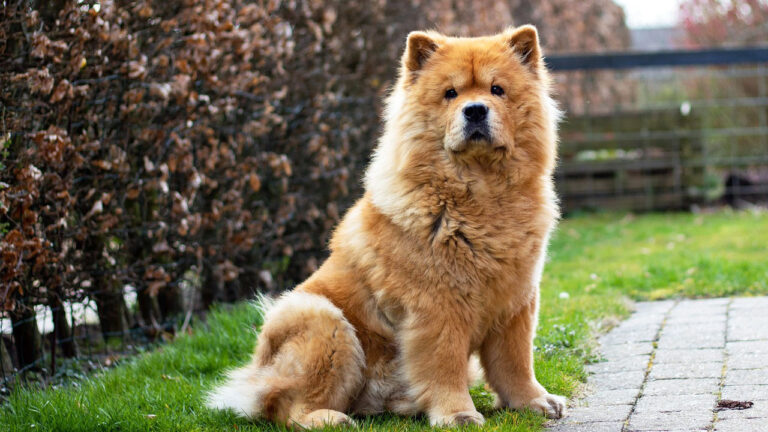
Photo credit: SeventyFour/Shutterstock.com
Most dogs have their moments. Some days they want to be glued to you because you’ve been gone, because there’s a storm rolling in, or because you’re sitting still long enough for them to claim your lap. That’s normal. What throws people off is when a dog that’s usually independent suddenly turns into a shadow for days straight, and it doesn’t match anything obvious. They follow you room to room, press against your legs, insist on being close when they used to nap across the house, and they look at you like they’re asking for something. A lot of owners treat it as “aww, they love me,” and sometimes it is. But sudden clinginess can also be a dog’s early way of saying, “Something is off.”
Dogs don’t have a lot of tools for communicating discomfort. They can’t tell you their stomach feels weird, their vision is changing, or their joints hurt when they lay down. What they can do is change behavior. Clinginess is one of those behavior changes that can be harmless… or it can be a warning sign, depending on what else is happening. The difference usually comes down to timing, context, and whether the clinginess is paired with other small shifts like appetite changes, restlessness, pacing, trembling, or avoidance.
Sometimes it’s emotional, and the trigger is real even if you can’t see it
Dogs are tuned into routine. If something in the house changes, they notice. A new schedule, new stress, kids back at school, a spouse traveling, work-from-home shifts, even a mood change in their favorite person can change how they behave. Dogs don’t understand “deadlines” or “bills,” but they do understand tension, tone, and body language. If you’ve been stressed, sleeping differently, or moving around the house in a different pattern, your dog may stick closer because they’re trying to read you and stay connected.
They can also get clingy when their environment changes. Construction noise nearby, fireworks season, thunderstorms, and even new neighbors with loud dogs can trigger anxiety. Some dogs get clingy because being close to you is their safest place. That doesn’t automatically mean something is medically wrong, but it’s still worth addressing, because anxiety can snowball if it becomes a new habit.
Pain is a big reason dogs get clingy, and it’s not always obvious
This is the one people miss. A dog in pain often seeks comfort. They may want to be near you because you’re the most predictable, calm thing they have. Joint pain is a common culprit, especially in adult and senior dogs. If it hurts to get up, hurts to lie down, or hurts to settle, dogs can become clingy and restless at the same time. They’ll hover, change positions, follow you, and seem unable to fully relax unless they’re right next to you.
Dental pain can do it too. So can ear issues, minor injuries, and stomach discomfort. The reason clinginess shows up is because pain makes dogs feel vulnerable, and vulnerability makes them seek security. If your dog is suddenly clingy and also licking a joint, moving stiff, chewing differently, or hesitating on stairs, I stop calling it “needy” and start thinking “uncomfortable.”
GI discomfort can make a dog look “attached” when they’re actually worried
Stomach issues are another big one. Mild nausea, cramping, or reflux can make a dog want to stay close. You’ll often see it paired with lip licking, swallowing more than normal, eating grass, refusing treats, or being picky with food. Some dogs will follow you because they’re looking for reassurance, while others follow because they’re trying to get outside quickly if they feel like they might vomit or have diarrhea.
If clinginess comes with changes in appetite, gurgling stomach sounds, repeated swallowing, or unusual burps, it’s worth paying attention. It might resolve on its own, but if it’s persistent or recurring, it’s a vet conversation. GI issues can be simple, or they can point to food intolerance, inflammation, or something more serious that needs management.
Cognitive changes and sensory decline can trigger clinginess in older dogs
Older dogs can become clingy as their senses change. If vision or hearing starts declining, the world gets less predictable, especially at night. A dog that can’t see well in dim light may stick to you because your presence is their anchor. They may hesitate in hallways, startle more easily, or seem “lost” in familiar spaces. That can look like attachment, but it’s often anxiety tied to sensory changes.
There’s also cognitive decline, which can show up as nighttime confusion, pacing, staring, and increased attachment. Some owners describe it as their dog “forgetting how to be alone.” That doesn’t mean the dog is being dramatic. It means they’re struggling to process their environment the way they used to, and being near you is their way of staying oriented.
Hormonal and systemic issues can also show up as clinginess
Certain medical conditions can change behavior before they create obvious physical symptoms. If a dog is not feeling right internally, they may become more dependent, more anxious, or more restless. Increased thirst, changes in urination, appetite shifts, weight changes, panting at rest, or sudden fatigue are the kinds of “extra clues” that make clinginess more concerning.
You don’t need to diagnose your dog at home. You just need to notice what’s new and whether it’s stacking. Clinginess plus one small oddity can be a “monitor it” situation. Clinginess plus several odd changes that persist is when you call.
When clinginess is a warning sign I don’t ignore
Here’s the line I draw. If your dog suddenly becomes clingy and you also see any of the following, it’s worth calling the vet rather than waiting it out: appetite changes that last more than a day or two, repeated vomiting or diarrhea, panting at rest, coughing, trembling, weakness, stiffness, yelping, bathroom accidents, significant drinking changes, disorientation, or a dog that seems unable to settle at night. Those aren’t “just personality.” Those are potential symptoms.
Also, if your dog is clingy in a way that feels urgent—like they’re panicking when you leave, or they’re trying to crawl into your skin all night—that’s not normal comfort-seeking. That’s distress. You might be dealing with anxiety, pain, or something else that needs help.
What I do at home while I’m deciding what’s going on
I start by checking the basics. Gums should be pink, not pale. Breathing should be normal at rest. I look for limping, stiff movement, licking of one area, squinting, ear scratching, or anything that signals discomfort. I pay attention to eating and drinking, and I check stool. Then I think about routine: did anything change in the house, schedule, or environment? If the clinginess has a clear trigger like storms or fireworks, I handle it differently than if it came out of nowhere.
And I take notes. That sounds silly until you’re trying to explain to a vet what you’re seeing. “He’s been clingy for five days, drinking more, and waking up to pace at night” is useful. “He’s been weird” isn’t. The more specific you are, the faster you get real answers.
Like The Avid Outdoorsman’s content? Subscribe to our newsletter so you never miss an article.
Here’s more from us: