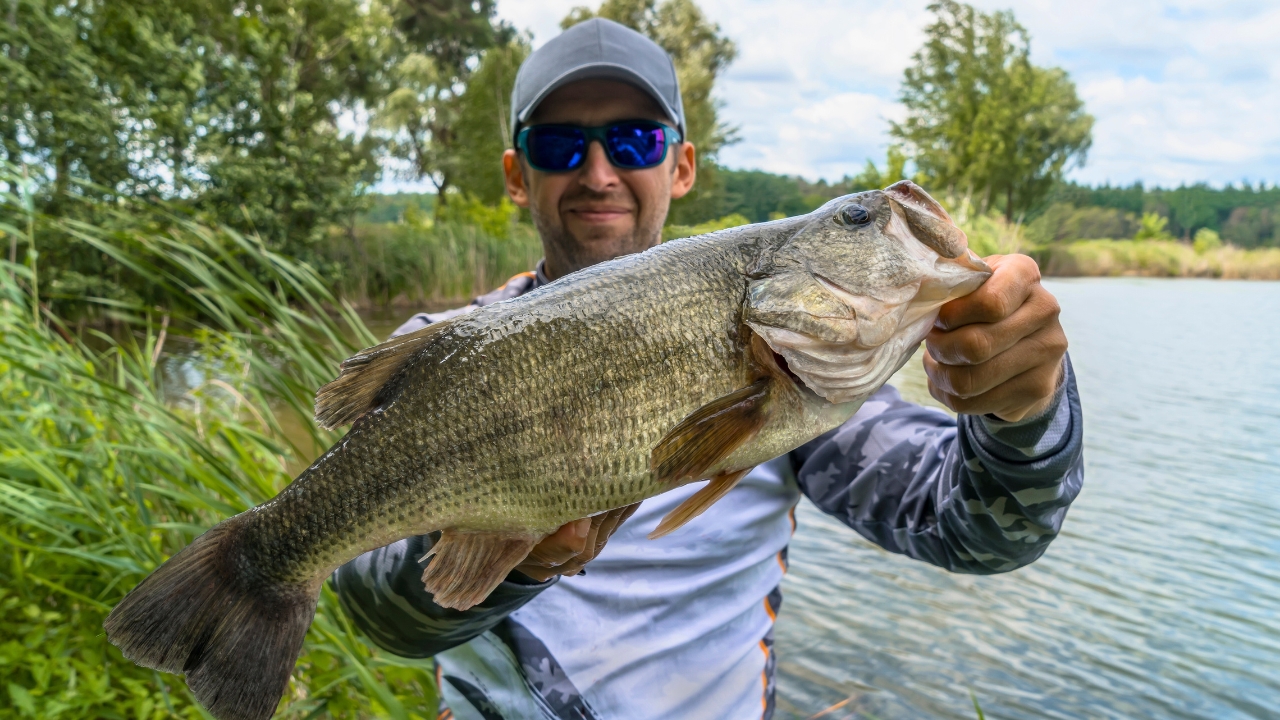
Photo credit: Gio Spigo/Pexels.com
Largemouth bass get talked about like they’re simple: they hit hard, live near cover, and everybody knows what they are. But when you actually pay attention to how they behave—and why you catch them one day and can’t buy a bite the next—they’re a lot more interesting than most people give them credit for.
They don’t “see” the world like you think

Bass vision is tuned for contrast and movement more than fine detail. That’s why a bait that looks silly in your hand can look perfect in the water—especially in stained water or low light. It’s also why subtle changes like a different vibration, flash, or silhouette can matter more than a paint job. In real fishing, this explains why two baits that look nearly identical in a store can fish totally differently.
The surprise is how much this affects confidence baits. You can throw the “right color” and still be invisible if your bait isn’t creating the right contrast or moving like something alive. When bass are keyed in, they’re often reacting to how your lure shows up in their conditions, not how it looks to you in daylight.
A lot of big bass don’t roam as far as people assume

Bass absolutely move—especially seasonally—but many big fish live around small core areas when conditions are stable. They’ll slide to nearby depth changes, shift to shade, or reposition with wind, but they don’t always “leave the lake section” the way people imagine. That’s why you can catch a good fish off the same stretch repeatedly over a season if you understand how it uses that area.
The practical takeaway is that “finding a good fish” can be more valuable than “covering the whole lake.” If an area has the right mix of cover, food, and comfort, a quality fish may keep cycling through it even if you don’t see it every day.
They’ll ignore a perfect-looking bait if the angle is wrong

Bass don’t just decide “yes” or “no” based on what you throw. The approach matters. The direction your lure comes from can be the difference between a bite and a follow. That’s why hitting the same piece of cover from a new angle suddenly works—because the fish’s position and line of sight changed.
This is one of the most underrated “new water” skills. Before you switch baits, change your cast. Different angle, different retrieve path, different speed. You’re not just showing them a lure—you’re showing them an opportunity they can actually commit to.
The biggest bass often feed in shorter windows

People imagine big bass are always out there eating nonstop. In reality, big fish can be surprisingly “on schedule.” They may feed hard for a short window—maybe a low-light period, a wind shift, or a baitfish push—and then shut down again. That’s why you can fish a spot for hours with nothing, then get two bites in ten minutes.
It’s also why timing beats luck more than most anglers admit. If you keep a bait in the right water during the right window, you look like a wizard. If you miss it by an hour, you swear the lake is empty.
They use shade like a tactical advantage

Shade isn’t just comfort. Shade is concealment and ambush. Bass will position where they can see out into brighter water while staying hidden. That makes docks, overhanging trees, riprap shadows, and even small shade lines on hot days far more important than they look.
This is why “nothing water” can suddenly be loaded—if there’s a clean shade line and bait nearby. Even a small shadow can concentrate fish because it gives them a better hunting position with less energy spent.
They can feel your lure long before they see it

Bass rely heavily on their lateral line, which detects vibration and pressure changes in the water. That means a bass can “sense” a bait coming—even if the water is dirty or the bait is out of sight. This is one reason certain moving baits work so well in stained water: they advertise themselves through vibration.
The flip side is also true: too much unnatural vibration can spook pressured fish. That’s why sometimes downsizing, quieting the presentation, or switching from a loud bait to something subtle is the move—because the fish is feeling it, not just seeing it.
They don’t always live shallow, even in spring

Everyone learns “bass go shallow in spring,” and that’s true—some do. But plenty of fish stage and hold deeper than most people fish, especially in clearer lakes or around quick depth changes. They might move shallow to feed and then slide right back out. If you only fish the bank, you miss a lot of the population.
This surprises anglers because it feels like bass should be where you can see them. But comfort and safety matter. Some of the best spring bass are one cast off the bank on the first drop, not up in the bushes.
They can get “conditioned” to pressure in specific areas

Bass don’t need human-level thinking to learn patterns. If they live near a popular dock line or a community hole, they get exposed to the same lures, the same retrieves, and the same mistakes over and over. That changes behavior. They might follow instead of strike, bite only at odd times, or get picky about speed.
The surprise is how localized it can be. A pressured fish on a community point can act totally different than a fish in a back pocket that rarely sees a boat. Sometimes the solution isn’t a new lure—it’s moving 200 yards to less pressured water.
They often miss prey on purpose

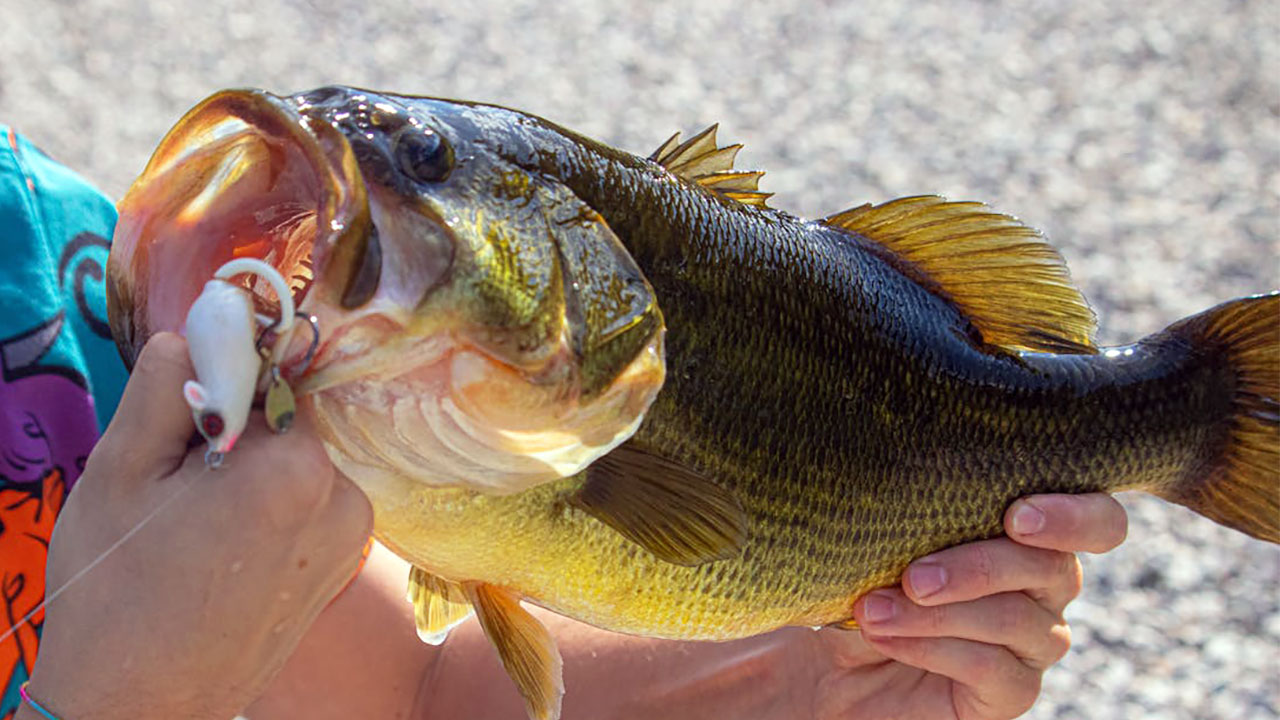
It sounds weird, but bass don’t always try to inhale something perfectly. Sometimes they slap, stun, or bump prey first, then turn back to eat it. That’s why you feel “ticks” or see short strikes on topwater and moving baits. The fish isn’t always trying to commit instantly.
This is why adding a trailer hook, changing hook style, or adjusting cadence can matter. You’re not always dealing with a “miss.” Sometimes you’re dealing with a deliberate first contact that you can take advantage of.
They’ll suspend and make you feel like they disappeared
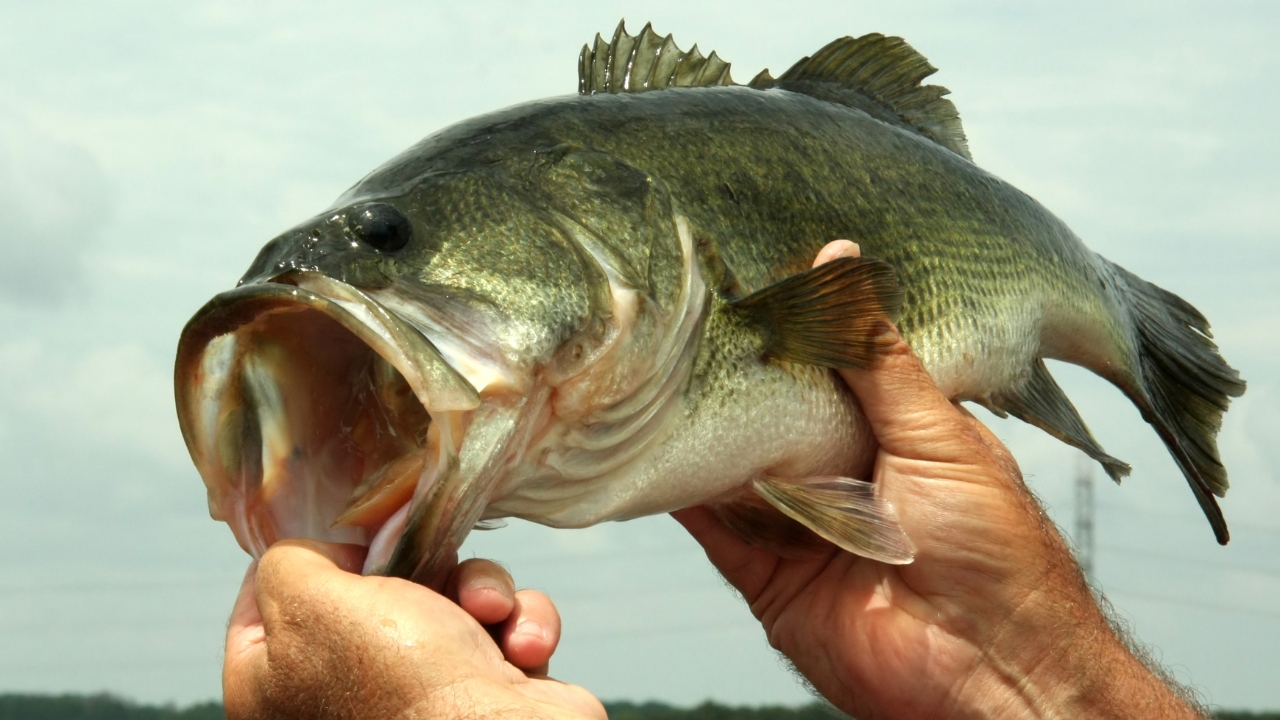
Suspended bass are one of the biggest reasons people swear a lake “shut off.” The fish didn’t vanish—they slid off the bottom and started hanging in the water column around bait. Suspended fish can be hard to trigger with bottom baits because they’re not looking down.
If you’re marking bait or seeing activity but can’t get bit, think suspended. That’s when jerkbaits, swimbaits, underspins, or vertical presentations start making more sense than dragging something on the bottom.
Wind can help you more than it hurts you

A lot of anglers avoid wind because it’s annoying. Bass often like it because it breaks up light, pushes plankton and baitfish, and creates feeding opportunities. Wind also creates noise and water movement that makes bass feel safer and more willing to chase.
This is why “windy bank” is a real thing. The wind isn’t just moving your boat—it’s repositioning the food chain. If you can control the presentation, wind can turn a slow day into a bite window fast.
They use bluegill like a seasonal buffet

Bass don’t just eat “whatever.” In many lakes, bluegill become a major target once they’re active and bedding. That changes what works. Baits that mimic bluegill shape, color, and movement can outperform shad-style baits during those windows.
The surprise is how strong this shift can be. You can be throwing shad baits because “that’s what bass eat,” while the fish are locked into panfish. Matching the dominant forage is still real—bass aren’t reading your lure package.
Big bass don’t always want a fast meal

People assume big bass always want the biggest, fastest-moving bait. Sometimes they want an easy one. A slow, steady bait that stays in the strike zone can be more effective than a bait you burn past them. Big fish are energy managers. If the opportunity isn’t worth it, they’ll let it go.
That’s why slow presentations still catch giants. It’s not because big fish are lazy. It’s because they’re efficient. When conditions are tough, giving them a bite that feels “low effort” can be the difference.
The “same lure” can fish totally different depending on your line
Line choice changes how a bait runs, how deep it gets, and how it feels on the retrieve. A crankbait on thicker line may run shallower and deflect differently. A worm on braid-to-leader might transmit feel differently than straight fluoro. That changes your timing and the bait’s movement.
It’s surprising how many “lure failures” are actually line and setup mismatches. The bait isn’t wrong. The system is. When your setup matches the bait’s job, everything feels easier and you get bit more consistently.
Bass aren’t always hungry when they bite

Not every bite is feeding. Some strikes are territorial, defensive, or reaction-based. That’s why a bass will crush a bait near its bed or hammer something that surprises it, even if it’s not actively “eating.” Understanding this helps you choose lures and retrieves that trigger reflex, not just appetite.
This is also why “they’re not biting” can be misleading. They may not be feeding, but they can still be triggered. Your job is to present something that trips that switch—speed changes, deflection, pauses, and angles that make a fish react without thinking.
Like The Avid Outdoorsman’s content? Subscribe to our newsletter so you never miss an article.
Here’s more from us: