Photo credit: Mohan Nannapaneni/Pexels.com
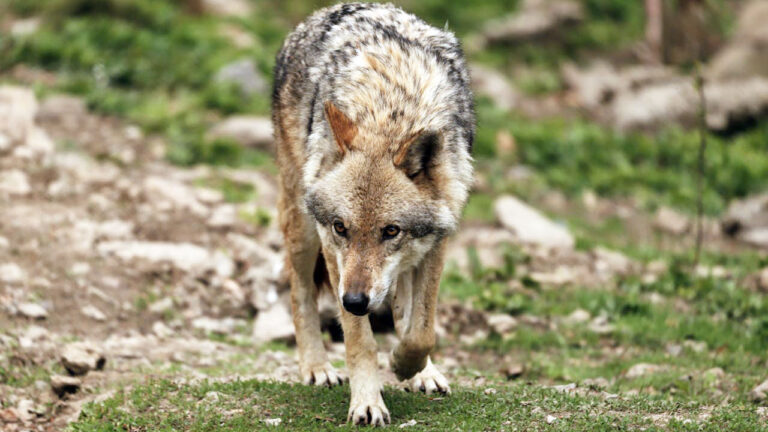
This one matters because predators do not have to wipe deer out to change how deer live. They can change where deer bed, when they move, how often they stay in cover, how much time they spend watching instead of feeding, and how willing they are to use open ground in daylight. That kind of shift can make a deer herd feel different long before a hunter ever sees it in the raw numbers. Washington’s Predator-Prey Project explicitly studies how wolves and other predators influence ungulate survival, population dynamics, and movement, and Minnesota reporting has noted white-tailed deer becoming more active in midday where wolves were less likely to be active.
So for this list, I’m leaning on states where current agency work, management plans, or strong research links predators with measurable changes in deer movement, vigilance, habitat use, recruitment pressure, or daily timing. Some of these are wolf states. Some are lion states. Some are coyote states where the biggest change shows up in fawn behavior, doe behavior, and how deer use cover.
Washington
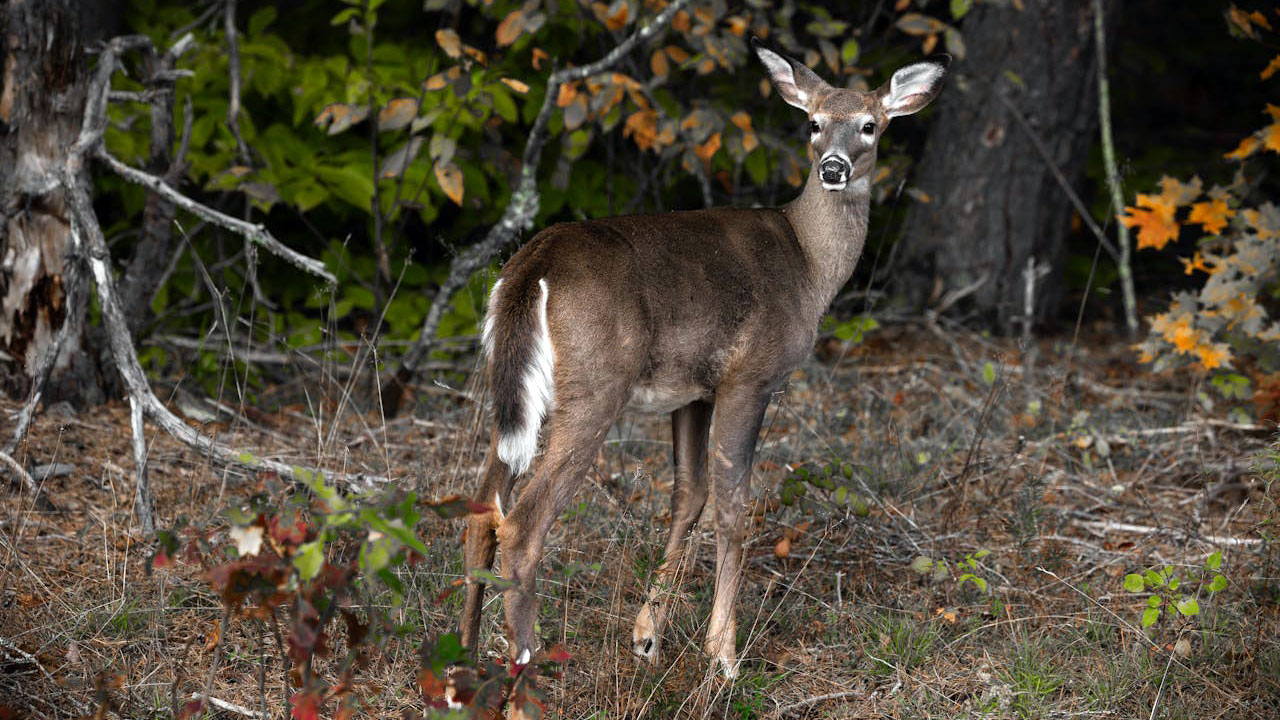
Washington is one of the clearest states for this whole topic because WDFW’s Predator-Prey Project is literally built around understanding how wolves, cougars, coyotes, bears, landscape change, and humans affect mule deer and white-tailed deer. A 2025 commission briefing tied predation risk and season to how mule deer navigate fire-affected landscapes, and the project specifically asks how predators influence ungulate movement.
That is exactly the kind of state this headline was made for. Washington is not just arguing about predators in the abstract. It is collaring animals, tracking movements, and looking at how deer adjust on the landscape when wolves and other carnivores are part of the equation. When a state is actively studying deer movement shifts tied to predator risk, it belongs near the top.
Minnesota
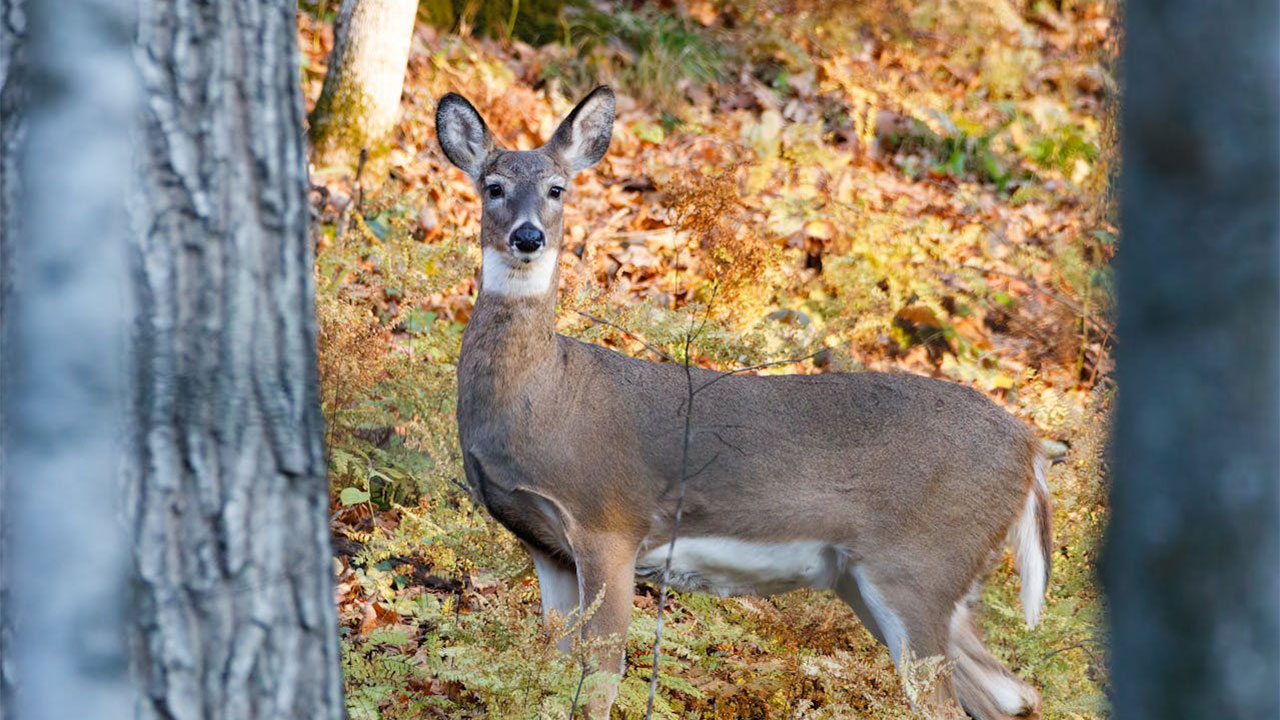
Minnesota belongs here because the deer-behavior angle around wolves has been observed directly enough that DNR magazine coverage described white-tailed deer becoming more active in the middle of the day, when wolves were less likely to be active. That is a classic behavioral shift rather than just a population story. Wolves are changing when deer feel safest moving.
Minnesota also has a long-running wolf-deer debate baked into management and public perception. The DNR’s wolf plan notes that wolves prey on culturally and economically important species like white-tailed deer, and the behavioral piece matters because deer do not need to disappear for hunters to feel like the woods have changed. If deer are bedding differently and moving at different times, everything from trail-camera patterns to stand success can feel off.
Colorado
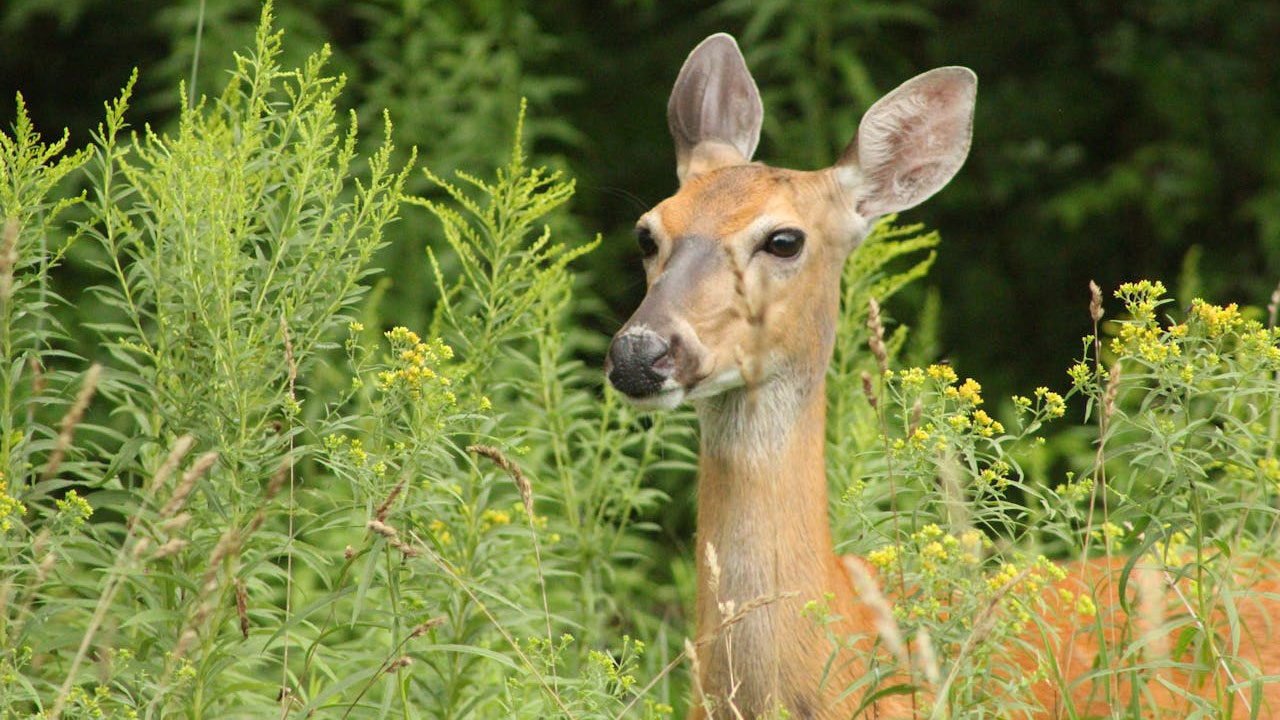
Colorado is a strong pick because deer there are dealing with a stacked predator situation that includes cougars, coyotes, bears, and now wolves in some areas. CPW says predation is always a factor for deer management in northwest herd plans, and the agency’s broader mammals research says mule deer population work has focused heavily on survival and management techniques after major herd declines.
The state also has active cougar management and expanding wolf focus, which means a lot of deer country is now shaped by multiple predator pressures at once. That does not always mean predators are the biggest cause of every decline, but it absolutely means deer behavior is being pushed around by where those predators hunt, where deer feel exposed, and how much time they can safely spend feeding in open country.
Idaho
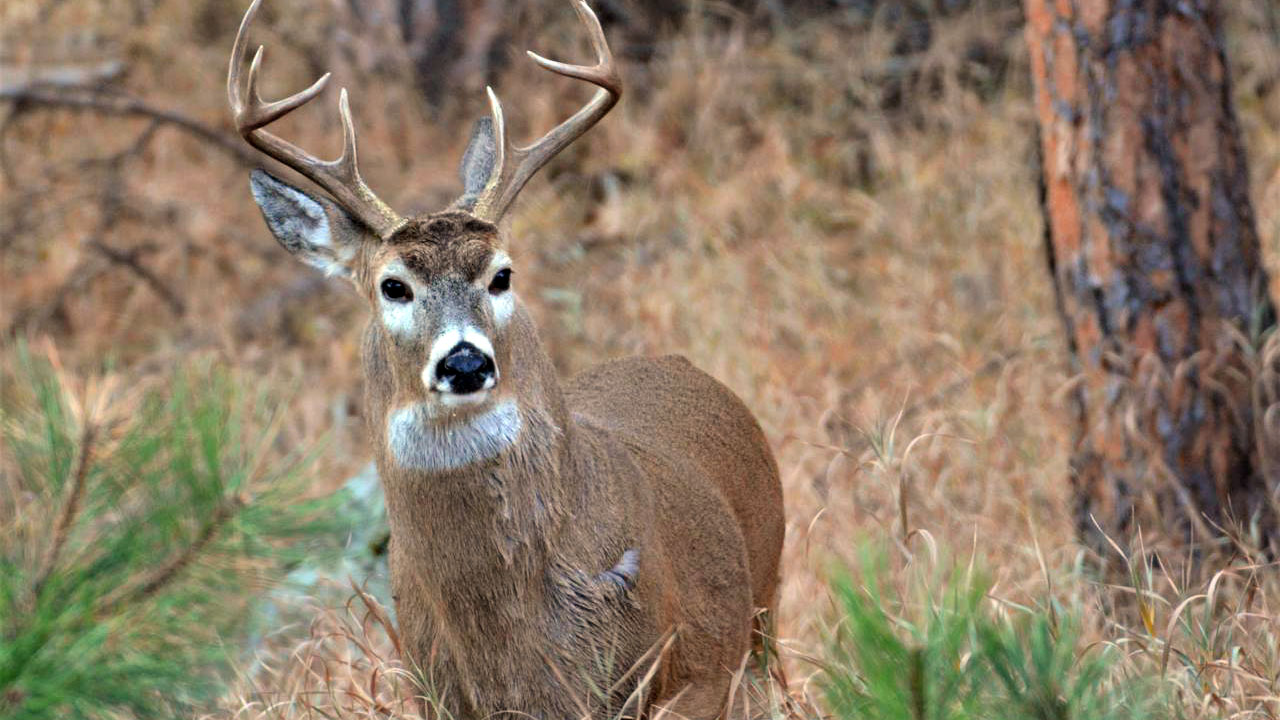
Idaho belongs on this list because it is one of the big western states where wolves are established, lions are part of the landscape, and deer have to live with real apex-predator pressure across huge areas. Idaho’s wolf plan centers wolf management around impacts on livestock and ungulates, which tells you deer are part of the real management picture, not just background scenery.
What puts Idaho here is the amount of country where deer have to account for both ambush and pursuit predators. In a place like that, deer behavior changes even when the herd is still present. Travel routes tighten up. Open-ground use changes. Fawns and does behave differently in cover. Hunters may call it deer going nocturnal or getting cagey, but a lot of the time it is deer reacting to pressure that is bigger than people alone.
Montana

Montana fits because it is dealing with wolves, cougars, bears, and broad deer habitat pressures all at once. State wolf materials and commission discussions keep tying predator effects to ungulate questions, and that matters in a place where mule deer and white-tailed deer are already navigating drought, habitat issues, winter, and human pressure.
The reason I would include Montana even without a perfect single study headline is that it shares the same Northern Rockies predator layout as Idaho and Wyoming. Deer in those states are not using the landscape the way they would in predator-light country. They are trading off food, visibility, escape cover, and risk, and that reshapes how and where people see them.
Wyoming

Wyoming belongs here for two reasons. First, mule deer there are already under heavy habitat stress, and predator effects matter more when animals are stretched thin. Second, regional research and wildlife materials keep pointing to the role of predation alongside habitat, winter severity, and disease in shaping western deer outcomes. WAFWA’s 2025 range-wide mule deer status report treats predation as one of the major recurring issues across western herds.
Wyoming is also the kind of state where people actually notice behavior changes. Deer on migration bottlenecks, winter range, and open sage country can get visibly tighter in cover and more selective in movement when lion and wolf pressure is part of daily life. Even where population effects are debated, behavior effects are a lot harder to ignore if you spend time watching deer in tough country.
Utah
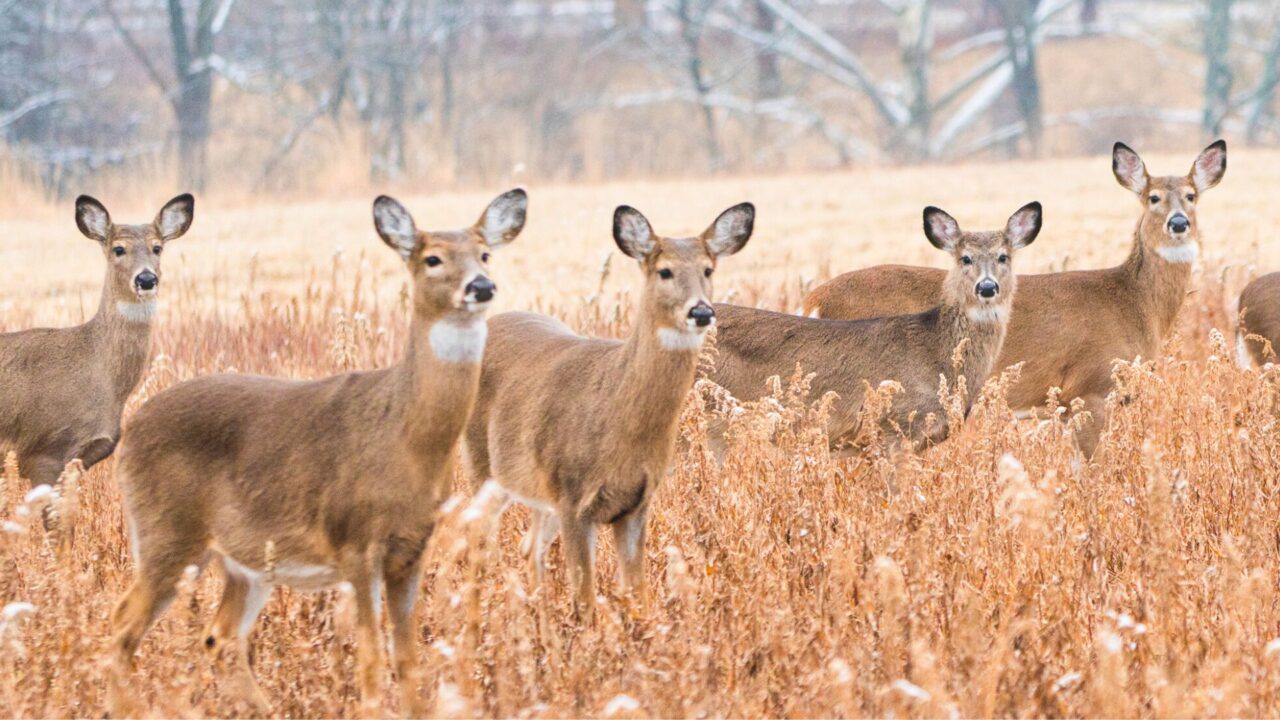
Utah deserves a spot because its statewide mule deer management plan is current, and the state is managing deer in a landscape with cougars, coyotes, bears, and now growing concern around wolves moving through neighboring states and occasionally into Utah. That plan frames predation as one of the issues affecting mule deer, and broader western research backs the idea that predator risk changes how deer use habitat and move through it.
Utah is a classic western example of deer having to choose between food and safety. Benchlands, canyon mouths, brushy draws, and winter range can all hold deer and predators at the same time. In states like this, the behavior shift often shows up first in how long deer linger in open spots and how much daylight movement people still get once predator pressure builds.
Oregon

Oregon belongs here because wolves are spreading, cougars are well established, and deer in much of the state are living in mixed-predator country. Even when the hottest public fight is over livestock conflict, wolves and cougars are still part of the broader ungulate story, and WAFWA’s range-wide mule deer work keeps predation in the mix as a recurring management pressure across western states like Oregon.
The bigger reason Oregon makes sense is that predator pressure there is geographically widening. As wolves keep establishing in more country and cougars stay common, deer behavior changes do not have to be dramatic to matter. A little less daylight use, a little more edge cover, and a little more caution around travel routes is enough to make a herd feel different to anyone trying to scout it.
California

California makes this list mostly on the lion side. The recent Forest Service cougar-deer research found deer adjusted movement patterns in response to cougar risk, with local predator density shaping antipredator behavior. That is about as direct as it gets. Deer were not just dying from predation risk. They were moving differently because of it.
California is full of deer country where lions are part of the furniture, from foothills to chaparral to mixed woodland near human development. That means deer there are constantly balancing forage, lion cover, and human presence. In some places, deer will even lean toward human-adjacent areas because the risk from cougars feels worse elsewhere. That is a behavior story every bit as much as a population story.
Arizona

Arizona belongs because mule deer in desert and mountain country there live with strong lion pressure, and western deer management keeps circling back to predator risk as part of how deer use broken terrain. Arizona’s deer are often using rougher, drier country where cover, water, and escape terrain matter a lot, which means predator presence can shape daily movement fast. WAFWA’s 2025 status report supports treating predation as one of the important pressures across western mule deer range.
This is one of those states where the behavior effects make sense even if a headline number does not jump off the page. Deer in lion country do not need a memo to start using ridges, washes, and transition lines differently. They respond to where they feel exposed. Arizona has plenty of country where one wrong move leaves a deer too visible, and that changes how deer carry themselves on the landscape.
New Mexico

New Mexico is another strong lion state, and a WAFWA management document on bighorn in New Mexico notes that mule deer are often the primary prey source for mountain lions in southern New Mexico. That matters because when deer are a core prey item in lion country, deer behavior is part of the system whether or not every conversation focuses on it.
New Mexico deer also live in country where terrain gives predators options. Canyons, broken slopes, desert mountain edges, and patchy cover all shape how deer feed and travel. In that kind of landscape, predator pressure does not just affect survival. It changes route choice, bedding decisions, and how comfortable deer are in the open.
South Carolina

South Carolina is one of the clearest southeastern states for this topic because coyote research there has tied coyote establishment to white-tailed deer recruitment problems and documented high fawn predation. That alone changes deer behavior around fawning cover and doe use of space, but the broader southeastern literature also points to measurable antipredator behavior shifts where coyotes are novel predators.
This matters because the Southeast tells the story differently than the Rockies. It is less about wolves pushing mule deer around winter range and more about coyotes changing fawn survival, doe behavior, and how deer use thick cover. A hunter may not describe that in academic terms, but he will describe it when he says deer are acting nervous, recruitment feels off, and the herd does not use the property the same way it used to.
Georgia

Georgia makes the list for the same southeastern coyote reason. University of Georgia work has tied coyote expansion to lower recruitment in some deer populations, and Georgia’s own literature review on coyote impacts cites South Carolina and Georgia-area work showing strong predation pressure on neonates and effects on deer survival and recruitment.
That kind of pressure changes behavior even when the headline debate stays focused on fawn numbers. Does alter where they hide fawns. Deer use cover differently. Human-adjacent edges can start looking safer than remote cover in some contexts. Once coyotes become a meaningful part of the system, deer do not keep behaving like they did before.
North Carolina
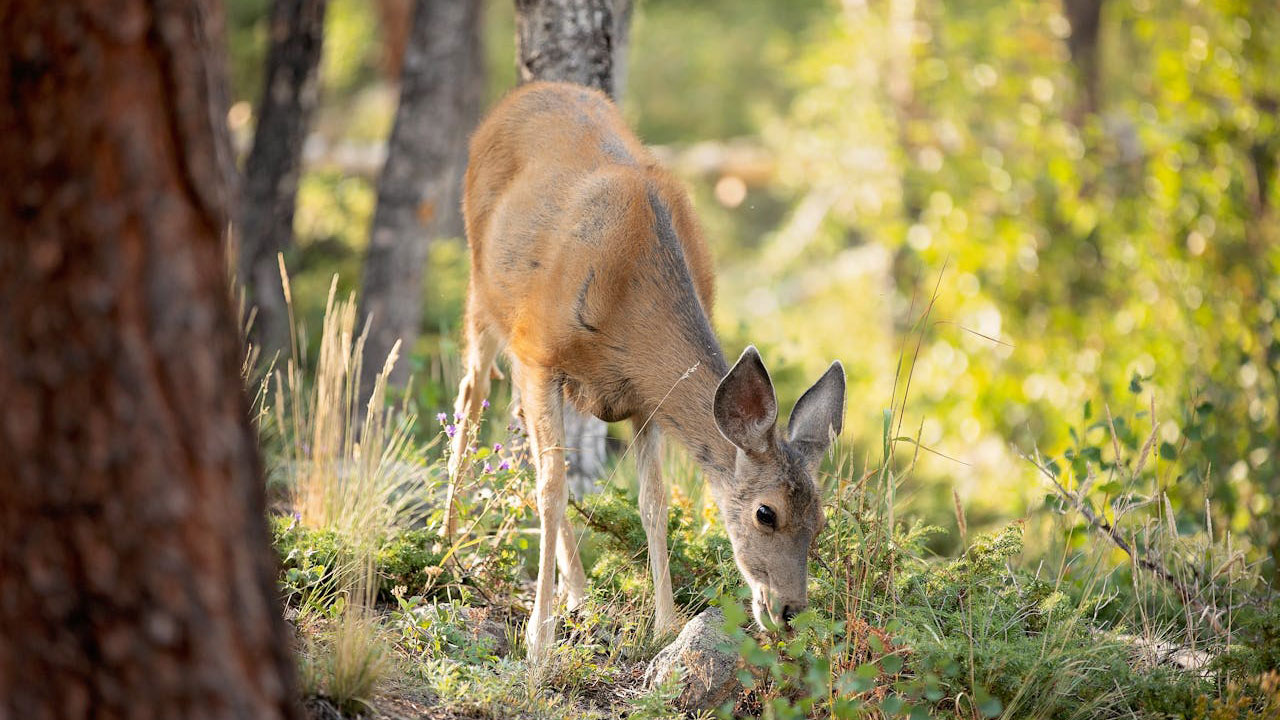
North Carolina belongs because N.C. State and related southeastern work has documented expected antipredator responses in deer behavior, including fawn movement and space use under coyote pressure. One 2025 N.C. State repository paper notes that female deer selecting birth sites near roads may function as an anti-predation strategy because carnivore activity was reduced near roads where humans created a kind of predation shield.
That is a huge behavior clue. Deer are not just passively living where habitat looks nice. They are making tradeoffs to reduce predation risk. In North Carolina, where coyotes are now a built-in part of the landscape, deer behavior around fawning and cover use has clearly been pushed by predator presence.
Tennessee

Tennessee is a fair inclusion because it shares the same southeastern coyote pattern as the Carolinas and Georgia, even if the state-specific literature is not as famous. Coyotes are now deeply established, and the southeastern deer research base has repeatedly found that coyote predation can alter recruitment and antipredator behavior in white-tailed deer across the region.
I would rank Tennessee a little lower than South Carolina for direct evidence, but it still fits the larger regional truth. Deer in the Mid-South are not behaving in a predator-free system anymore. Coyotes changed that, and any state sitting in that same deer-and-coyote setup deserves a place in the conversation.
Like The Avid Outdoorsman’s content? Subscribe to our newsletter so you never miss an article.
Here’s more from us: