Photo credit: Lazyboness/Pixabay.com
“Hard recall” usually isn’t about a dog being stubborn. It’s about what the breed was built to do. If a dog was bred to follow scent for miles, chase movement, guard territory, or make independent decisions, recall is naturally tougher—especially once adrenaline hits. Off-leash is also a multiplier: the world is louder, smells are stronger, and one rabbit can erase months of progress in five seconds.
None of this means these breeds can’t learn recall. It means you have to train like you’re dealing with a dog that’s wired to ignore you when something more important shows up. Long lines, high-value rewards, repetition in distracting environments, and realistic rules (no “trusting vibes”) are what keep these dogs safe.
Siberian Husky

Huskies are famous for two things that destroy recall: independence and prey drive. They were bred to run and make forward progress, not to stay close and check in every 30 seconds. When a Husky locks onto motion—cat, squirrel, deer—your voice can turn into background noise. Even friendly, well-trained Huskies can flip into “see it, chase it” mode before you’ve finished saying their name.
They’re also built for distance. A Husky that slips a collar can cover ground fast, and they don’t always panic when they’re lost… which makes them harder to recover. The safer approach is treating off-leash as something they earn only in fully enclosed areas. If you want to work recall, do it on a long line with jackpot rewards and make “come” the best thing in their whole day.
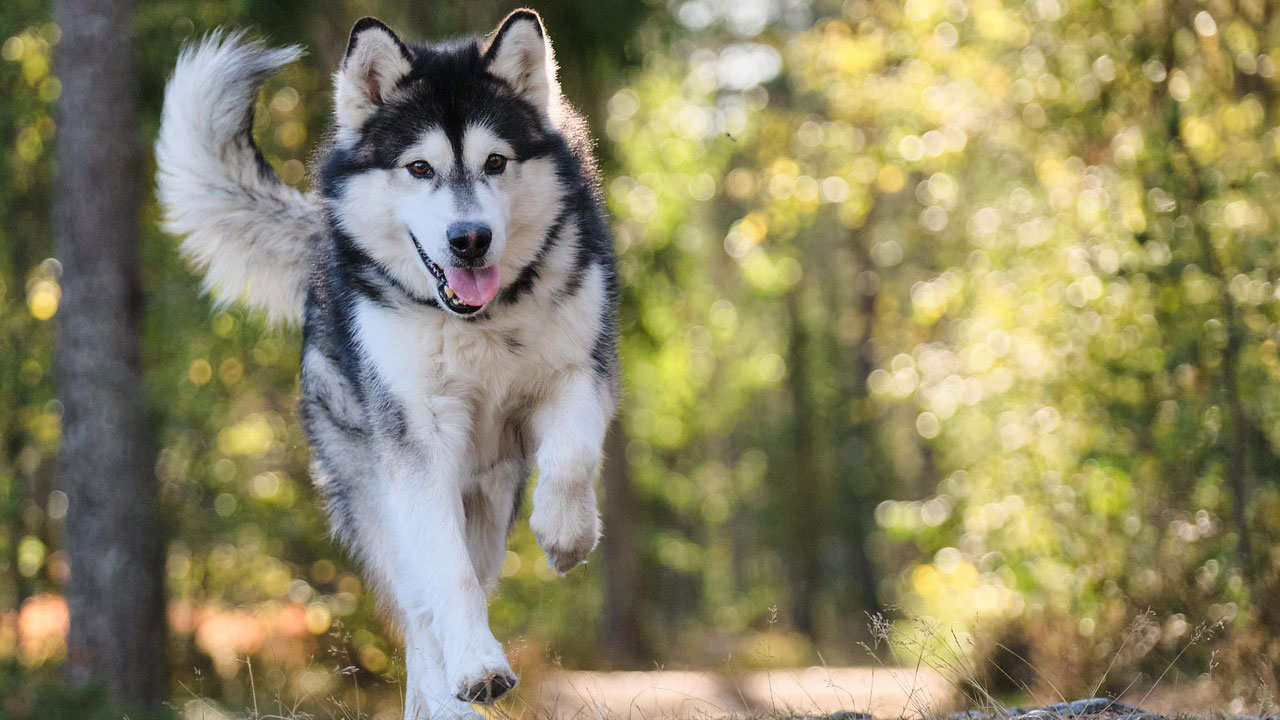
Alaskan Malamute

Malamutes are bigger, heavier, and often more self-directed than people expect. They can be affectionate and loyal, but recall competes with a strong “I’m busy” streak. Once a Malamute decides to investigate something, they don’t always feel urgency about returning—especially if you sound stressed or repetitive. They can also be dog-selective, which makes off-leash riskier around unknown dogs.
Another factor is how easily people underestimate them. A Malamute doesn’t need to be sprinting to be gone. They can just calmly walk away and ignore you because the environment is more interesting than your command. The best recall strategy is building an automatic check-in habit, then proofing it with distance and distractions on a long line. And if wildlife is around, don’t gamble.
Beagle
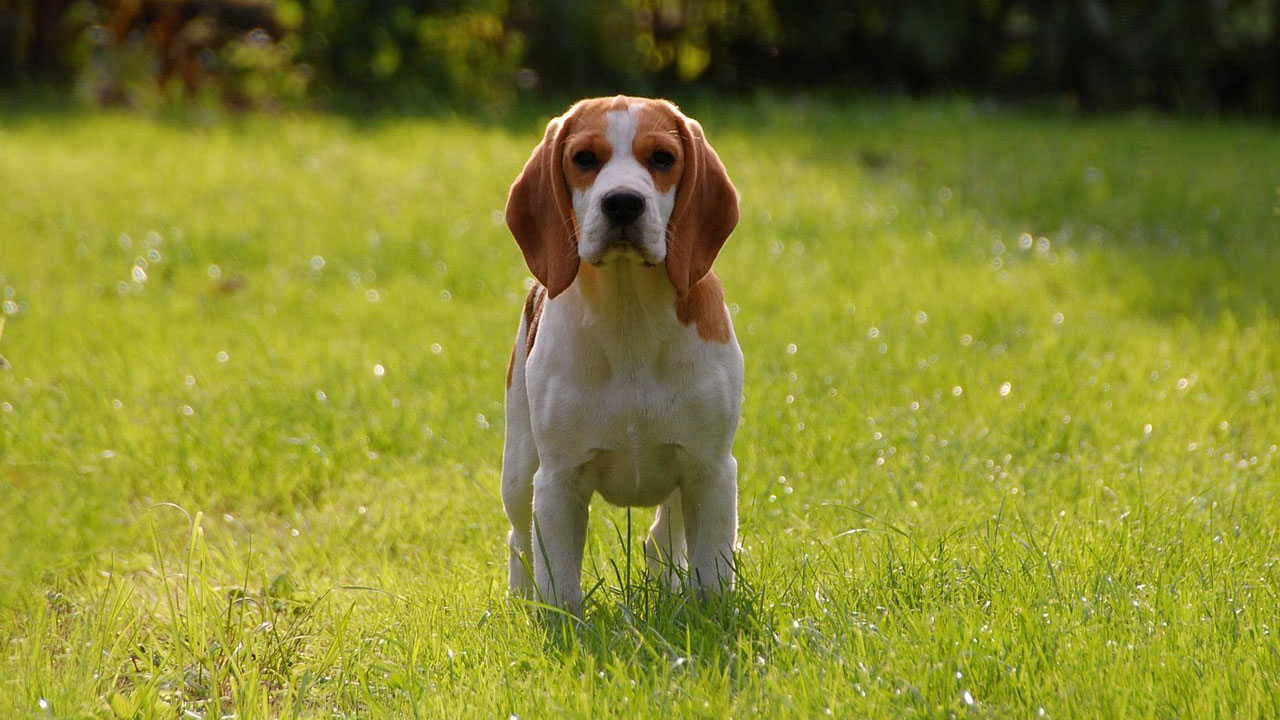
Beagles are basically a nose with legs. If you let a Beagle off-leash and there’s scent in the air, recall turns into a negotiation you usually lose. Their brains are built to lock onto smell and keep following it, and once they’re on a trail, they can tune out everything else. That’s not disobedience—it’s genetics doing what genetics does.
Beagles also tend to be friendly and bold, which makes them more likely to wander into trouble without fear. The safest play is long-line freedom instead of true off-leash freedom in open areas. If you’re training recall, don’t rely on praise alone. Use high-value food, make recall a game, and practice “come” when there’s nothing interesting happening so it’s strong before the scent switch flips.
Bloodhound

Bloodhounds are in their own category. They were bred to track for extreme distances with intense focus. When a Bloodhound commits to scent, it’s not a casual interest—it’s a full-body mission. That focus makes them incredible working dogs and a nightmare for casual off-leash hikes. If they catch a trail, they can travel far and fast, and they can ignore commands you swear they know.
They’re also strong, which matters when you’re trying to physically regain control. For Bloodhounds, the realistic answer is: off-leash only in secure spaces. Long-line hikes are the sweet spot because they get to work their nose without disappearing into the county. If you train recall, train it like emergency recall—rarely used, heavily rewarded, and never followed by punishment or “leash and go home” every single time.
Basset Hound

People see short legs and assume low risk. That’s a mistake. Bassets can be slower than Beagles, but the same scent-drive issue applies. When they pick up an odor they like, they can plod after it with total confidence and very little interest in your opinion. The low-to-the-ground nose is basically always switched on, and they can drift farther than you’d think while you’re chatting or glassing a ridge.
They also tend to be stubborn in a very calm way—no drama, just refusal. If a Basset decides that sniffing is more important than returning, you can end up repeating yourself until you’re hoarse. For recall training, short sessions, high-value rewards, and long-line work are the safest plan. Don’t depend on “he’s not fast” to keep him safe.
Afghan Hound

Afghans are sighthounds—built to notice movement at distance and pursue it. Their recall problem often isn’t “won’t listen,” it’s “can’t listen” once prey drive kicks in. If something runs, the chase happens first and thinking happens later. Afghans also tend to have a more independent temperament, so they’re not always the breed that lives for constant handler approval.
They’re also quick. A lot of people don’t realize how fast a sighthound can close distance. One moment your dog is sniffing, next moment you’re staring at a dot. The safest approach is treating off-leash as a fenced-area privilege. If you want a reliable recall, you build it with long-line proofing and you never assume that a strong recall in the yard will hold up to a deer bolting in the woods.
Greyhound
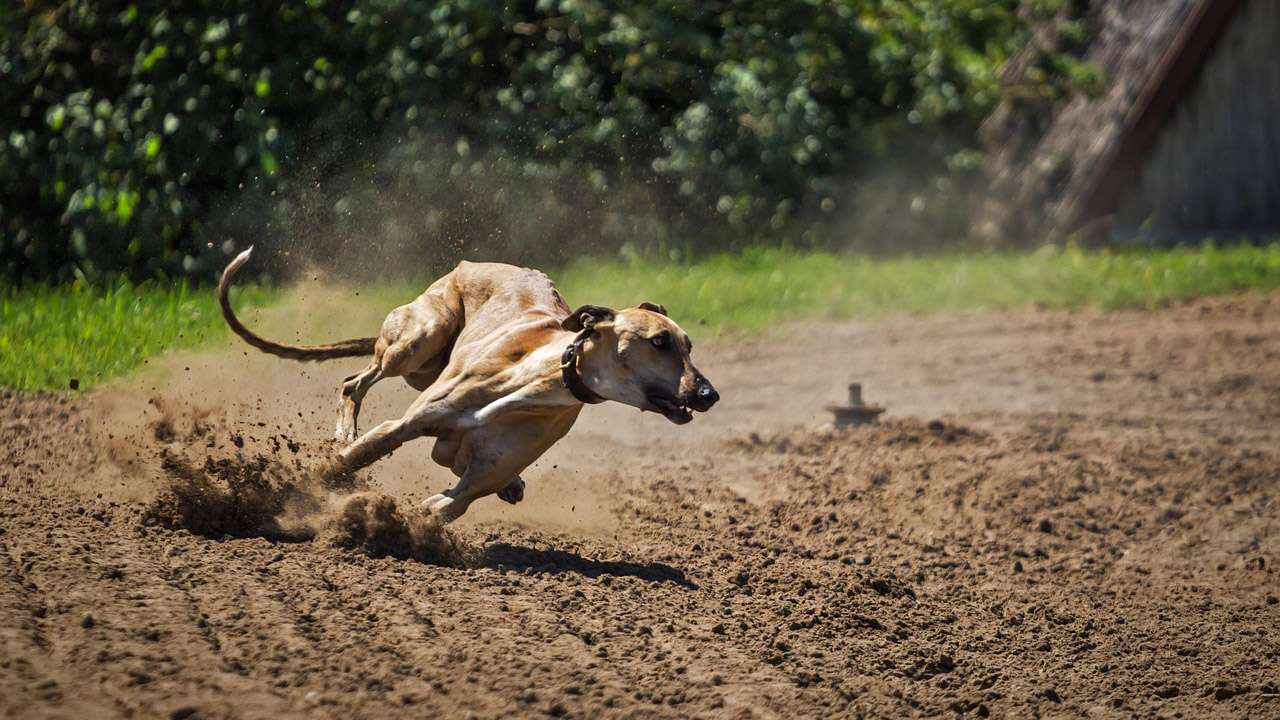
Greyhounds can be sweet, gentle dogs with great house manners… and still be sketchy off-leash in open spaces. Their prey drive is variable, but when it’s there, it’s intense. The big issue is speed. Even if a Greyhound only chases for a short burst, that burst can carry them into a road, a fence line, or a place you can’t follow.
They’re also often former racers or have a strong “run first” instinct. Recall can be trained, but it has to be trained around controlled distractions and never rushed. Many Greyhound owners find that a fenced field is the safest off-leash solution. If you’re hunting or hiking in wildlife areas, long-line freedom is the smart compromise.
Saluki

Salukis are another sighthound with a reputation for selective hearing once something interesting moves. They’re bred to hunt at distance and make fast decisions, which is the opposite of a breed bred to stay tight to a handler. Their recall problems usually show up as “I heard you, but I’m busy,” especially when there’s motion in the environment.
They also tend to be sensitive dogs, so harsh corrections can make recall worse by creating avoidance. For Salukis, recall training needs to be heavy on positive reinforcement, and “come” needs to predict something incredible, not an end to fun. The hard truth is that in open country with rabbits and deer, even a well-trained Saluki can choose the chase. Plan accordingly.
Jack Russell Terrier

Jack Russells are little missiles built to hunt small game with intensity. That intensity is exactly why recall gets messy. They don’t just notice squirrels; they take it personally. Their drive can override training fast, and because they’re small, people get overconfident and let them off-leash thinking they can scoop them up if needed. That usually ends with a dog vanishing into brush or under a shed.
They’re also smart enough to invent games like “you can’t catch me.” If you chase them, it becomes fun. For recall, you need to avoid creating that chase pattern and instead build a “run to you” reward history. Long lines, structured play, and lots of impulse-control reps matter. In the woods, especially around burrows and brush piles, off-leash is a real risk.
German Shepherd

German Shepherds can have great recall, but they make this list because the hard cases are hard in a very specific way: guarding instinct and environmental reactivity. A Shepherd that decides something is a threat—or a job—may ignore recall to control the situation. That can mean chasing wildlife, confronting strangers, or getting locked into patrol mode along a fence line.
Another issue is overconfidence from owners. People assume “smart dog = automatic off-leash.” But a high-drive Shepherd needs heavy proofing: recall under stress, recall away from other dogs, recall away from movement, recall away from perceived threats. A Shepherd with solid recall is awesome. A Shepherd with shaky recall is a serious liability off-leash because their confidence can drag them into conflict.
Belgian Malinois

Malinois are built like focused athletes with a job obsession. That’s great if you’re a handler who trains daily and has structure. It’s bad if you want casual off-leash freedom with a dog that can decide “my job is to chase that, bite that, or herd that.” Their arousal spikes fast, and once they’re up, recall can fail if it hasn’t been trained under high drive.
They’re also fast and intense, which makes mistakes bigger. If a Mal blows past you toward a dog, a runner, or wildlife, it turns into a problem quickly. The people who have reliable off-leash Malinois usually have a training lifestyle, not a “we tried a few YouTube tips” setup. For most owners, long-line work and controlled off-leash areas are the safe call.
American Foxhound

Foxhounds are bred to follow scent and keep going. Like Beagles and Bloodhounds, once scent-drive kicks in, recall becomes extremely difficult. The difference is that foxhounds can cover serious ground. They’re athletic, they have stamina, and they tend to be comfortable moving away from humans if a track is hot.
They also often come with a “pack dog” mindset. If they catch scent with another dog, they may lock into the chase even harder. If you want to hike with a foxhound, plan on a long line or a secure area. You can build recall, but you should still assume that scent is always competing with you—and scent usually wins if you gamble.
Weimaraner

Weimaraners are “velcro dogs” at home… and rockets outside when prey drive shows up. They were built to hunt and range, and many Weims have the kind of energy that makes casual recall unreliable unless training is consistent. Off-leash, they can blow past your command to chase birds, rabbits, deer, or anything that moves like prey.
They also tend to be sensitive and can get anxious or pushy without structure. That combination (drive + sensitivity) means recall training has to be clear, consistent, and rewarding without turning into constant nagging. If you want a Weim off-leash, you proof recall around birds and movement on a long line first—because that’s what breaks it.
Great Pyrenees

Livestock guardian dogs like the Great Pyrenees are bred to patrol and make independent decisions. That’s literally the job: watch, evaluate threats, respond without waiting for a handler. That independence makes recall tough, especially if the dog believes it needs to stay on patrol. You can call and call and they’ll look at you like, “I’m working.”
They also roam. A Pyr can decide the neighborhood is part of its territory, and once roaming becomes a habit, it’s hard to fix. Off-leash is risky unless you have a secure property and a dog that’s been trained heavily with boundaries. Even then, many Pyrs are better managed with fences and long lines rather than trusting recall to override genetics.
Basenji

Basenjis are famously independent, and many have a prey drive that makes off-leash recall unreliable in open environments. They’re smart, athletic, and often more motivated by exploration than by pleasing you. That combo can make recall feel like calling a cat—sometimes it works, sometimes you’re invisible.
They also have a knack for slipping away quietly. You won’t always get the dramatic sprint you’d get with a Husky. You’ll get a calm fade into brush, then you realize the dog is gone. If you train recall with a Basenji, it needs to be high reward, highly rehearsed, and proofed with real distractions. Even then, fenced freedom is usually the safest option.
Like The Avid Outdoorsman’s content? Subscribe to our newsletter so you never miss an article.
Here’s more from us: