
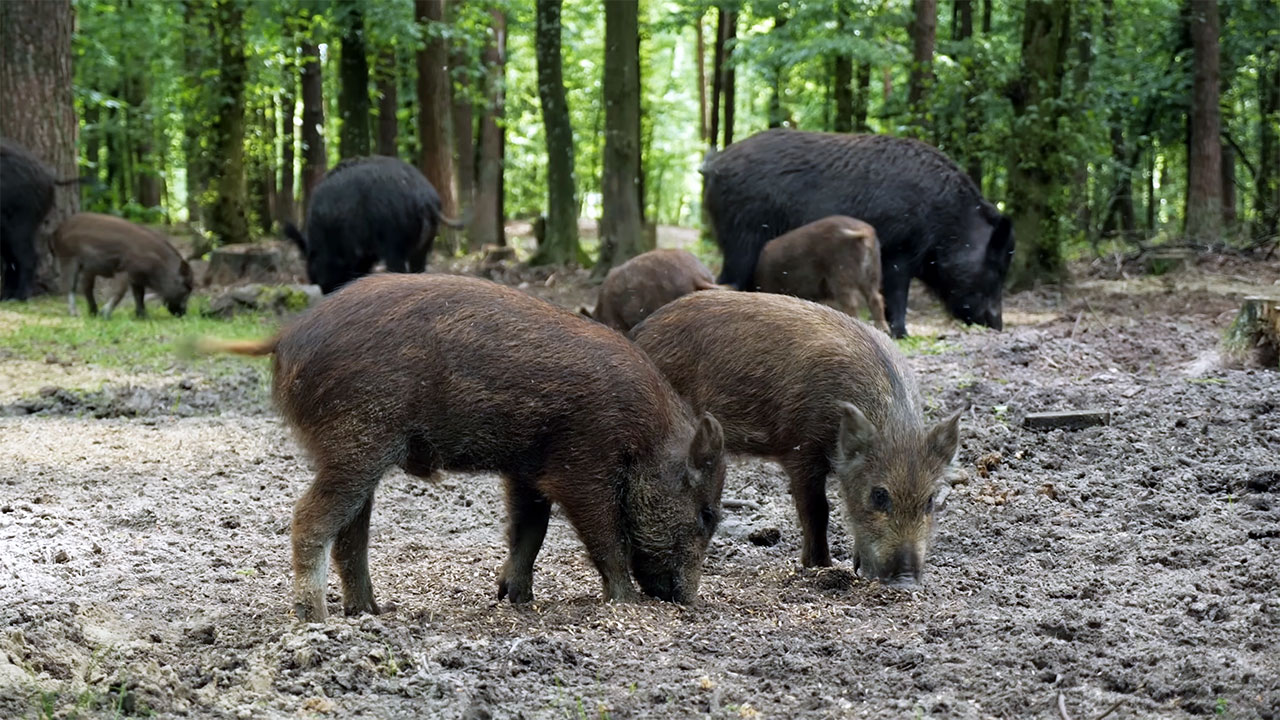
Photo credit: mintz/Youtube
There was a time when feral hogs were something you mostly heard about in a handful of southern states. That is not how it looks anymore. In a lot of places, hogs have gone from occasional nuisance to full-blown land problem. They tear up pasture, root through food plots, wreck fences, and run off wildlife patterns people used to rely on. And once they get established, they are tough to push back out. One group turns into several, and the damage spreads faster than most landowners expect.
The bigger shift is not just the damage itself. It is how people are having to change the way they use their land. Food plots get redesigned or abandoned. Pastures get managed differently. Hunting strategies shift. Some folks are spending more time controlling hogs than actually hunting what they intended to hunt. These are 15 states where hog pressure is strong enough that it is actively changing how land gets used.
Texas

Texas is the center of the hog problem, and it has been that way for a long time. The sheer number of feral hogs across the state means almost no rural land is completely untouched. From pasture damage to destroyed feeders, hogs are part of everyday land management for a lot of people.
What makes Texas different is how normalized hog control has become. Night hunting, trapping, and year-round removal are not side efforts. They are necessary if you want to protect anything you are trying to grow or manage. In many parts of the state, landowners plan around hog pressure the same way they plan around weather.
Oklahoma
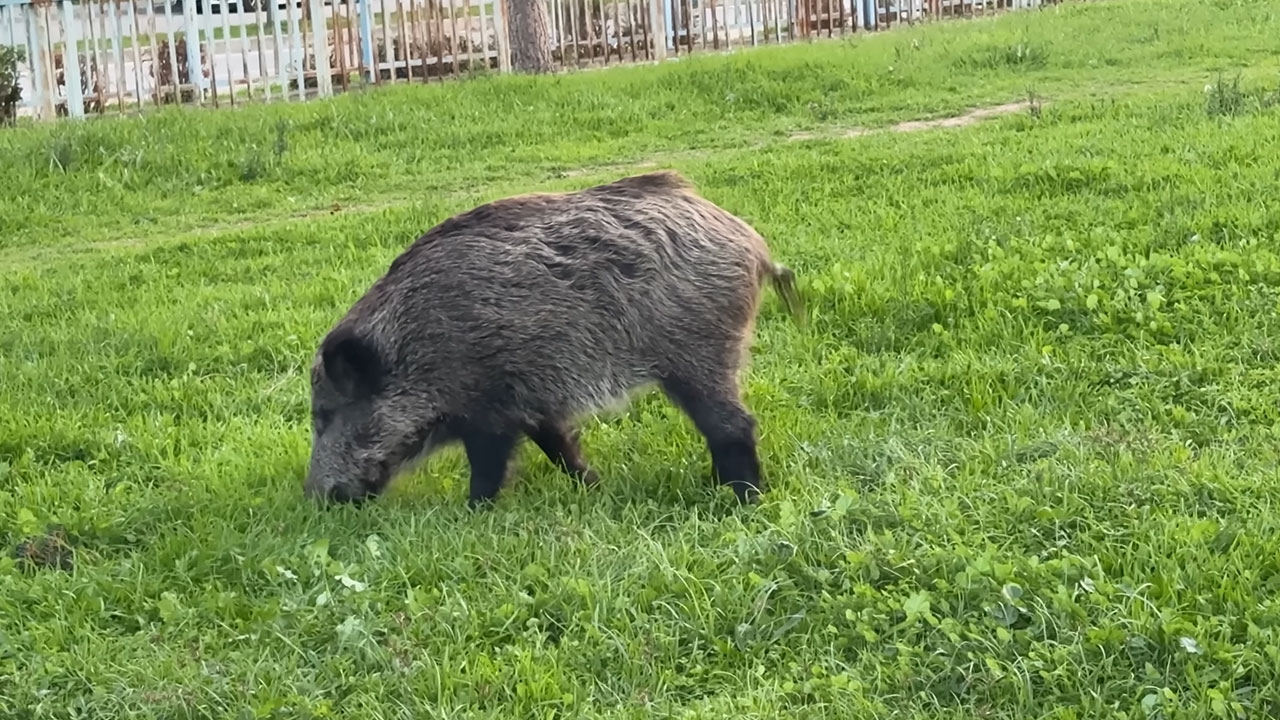
Oklahoma has seen steady hog expansion, especially in the eastern and southeastern parts of the state. What used to be scattered pockets has turned into more consistent populations, and that means more regular damage to crops, pasture, and wildlife habitat.
The shift here is how often hog control is becoming part of routine land use. People who once focused mainly on deer or cattle now have to account for hog activity in how they plant, fence, and manage their property. It is no longer something you deal with occasionally. It is something you stay ahead of if you can.
Arkansas

Arkansas has strong hog populations, particularly in areas with thick cover, river bottoms, and public land. Hogs thrive in that kind of terrain, and once they get established, they are hard to remove completely.
Land use changes show up in how people approach both hunting and habitat work. Food plots take more damage. Ground gets rooted up before it can produce. In some places, hog pressure has forced people to rethink where and how they invest their time and effort on the land.
Louisiana
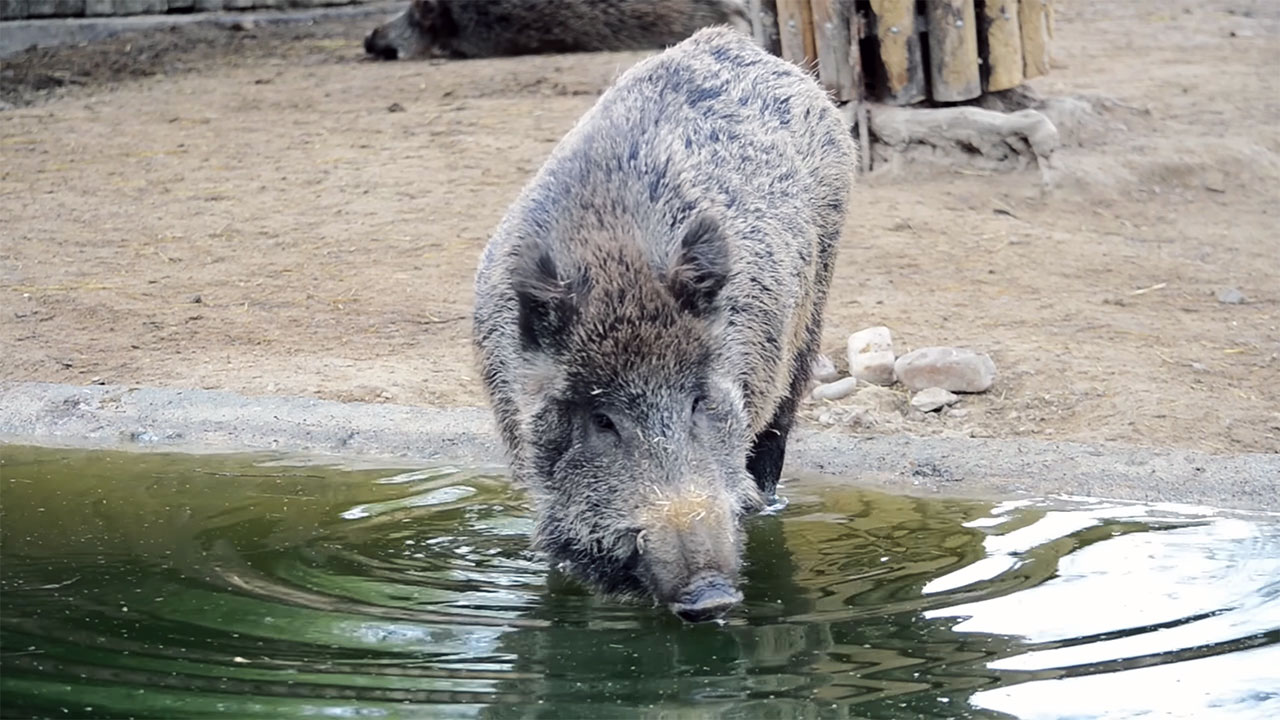
Louisiana offers everything hogs need, including water, cover, and mild winters. That combination has made feral hogs a long-term problem across much of the state, especially in low-lying areas and along river systems.
The impact shows up in both agriculture and recreational land use. Pastures get torn up, levees get damaged, and hunting ground gets disrupted. In some areas, hog management is no longer optional. It is part of keeping land usable at all.
Mississippi

Mississippi has seen hog numbers grow in both agricultural and wooded regions. The mix of farmland and cover gives hogs plenty of places to feed and hide, which helps populations stay strong.
Landowners here are adjusting by putting more effort into trapping and control, often alongside their normal land routines. It is common now for hog activity to factor into decisions about planting, fencing, and even where animals are kept.
Alabama

Alabama has had hog issues for years, but the spread into more areas has made the problem feel bigger than it used to. Hogs are showing up in places where people did not always deal with them before, and that changes expectations quickly.
The result is more time spent protecting land than simply using it. Garden areas, food plots, and small farms all feel the pressure. What used to be a manageable nuisance in certain pockets is now something more people have to actively deal with.
Florida

Florida’s climate makes it easy for hog populations to stay active year-round. That constant activity means damage is not limited to one season. It can happen anytime, and it often does.
The shift in land use comes from how consistent the problem is. There is no real “off” period. Landowners and hunters have to think about hogs in every season, which changes how they plan everything from planting to property maintenance.
Georgia

Georgia has seen hog populations spread across both rural and suburban edges, which adds another layer to the problem. It is not just large properties dealing with hogs anymore. Smaller tracts and edge properties are seeing them too.
That spread changes how people use land in more populated areas. Fencing, planting, and even basic property use get adjusted to account for hog activity. It is no longer a problem limited to big acreage.
South Carolina
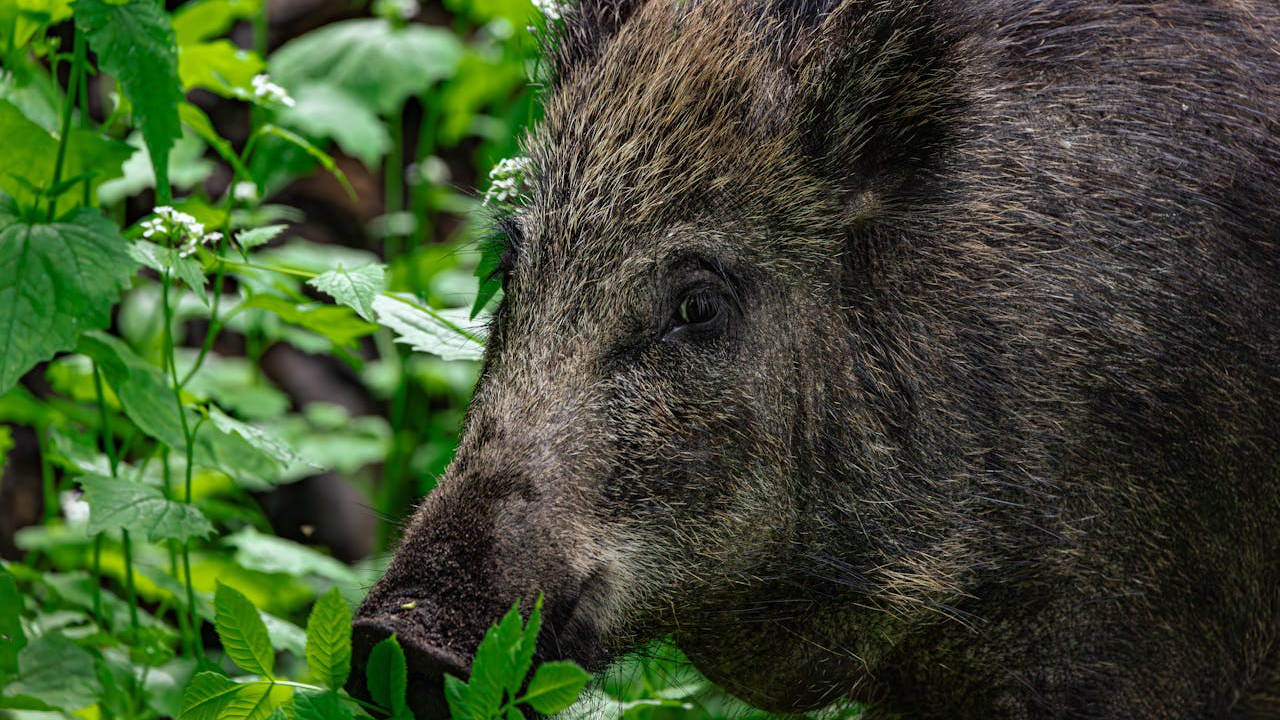
South Carolina’s coastal plains and agricultural areas have made it a good environment for hogs. Once populations get established there, they tend to stick around and grow.
The impact shows up in crop damage and habitat disruption. Landowners who used to focus mainly on deer or small game are putting more time into hog control just to keep their land productive.
North Carolina

North Carolina has dealt with hogs for years, especially in the eastern part of the state. But the concern has grown as populations push into new areas and become more consistent.
That growth means land use is shifting in response. More effort goes into prevention and control, and less time can be spent on the original purpose of the land. It changes how people manage everything from crops to hunting ground.
Tennessee

Tennessee has seen increasing hog issues, particularly in areas with heavy cover and public land access. Hogs move well through those environments, which makes them harder to contain.
The change here is how people approach land management overall. Hogs are now part of the planning process, not just an occasional problem. That affects everything from habitat work to daily property use.
Kentucky

Kentucky has had growing concerns about hog populations, especially in certain regions where they have taken hold more firmly. The damage may not be as widespread as in southern states, but it is serious where it exists.
Landowners in those areas are having to adapt quickly. Hogs can do a lot of damage in a short time, and that forces changes in how land is used and protected.
Missouri

Missouri has worked hard to control feral hog populations, but they still remain a problem in parts of the state. The terrain gives hogs plenty of places to hide and move.
That creates a situation where land use has to stay flexible. Even with control efforts in place, people are still adjusting how they manage their property to limit damage and stay ahead of new activity.
California

California may not be the first place people think of for hog problems, but wild pigs have been established there for a long time. In certain regions, they are a serious issue for both agriculture and natural land.
The impact shows up in vineyard damage, pasture destruction, and disrupted ecosystems. Landowners have to factor hog activity into how they protect and use their ground, especially in affected areas.
Hawaii

Hawaii has one of the more unique hog problems in the country because of its impact on native ecosystems. Feral pigs there do more than damage land. They affect forests, water flow, and native species.
That level of impact changes land use in a bigger way. It is not just about protecting crops or pasture. It is about protecting entire environments. Hog control becomes part of conservation as much as it is part of land management.
Like The Avid Outdoorsman’s content? Subscribe to our newsletter so you never miss an article.
Here’s more from us:


