Photo credit: TFB TV/YouTube
Some guns do not lose their reputation all at once. It happens slower than that. First the complaints start showing up in side conversations. Then people begin adding conditions when they recommend them. Then the praise turns into defense. Before long, the gun that once sold itself is now getting explained away with phrases like “mine has been fine,” “you just have to know what ammo it likes,” or “it was great for its time.” That is usually a bad sign.
A lot of these guns were genuinely loved at one point. That part matters. They earned real enthusiasm, real sales, and real loyalty. But the market changed, expectations got higher, and some old favorites stopped looking so impressive once better options showed up or long-term flaws became harder to ignore. Here are 15 guns people used to praise without hesitation and now seem to defend with a lot more effort.
Remington R51
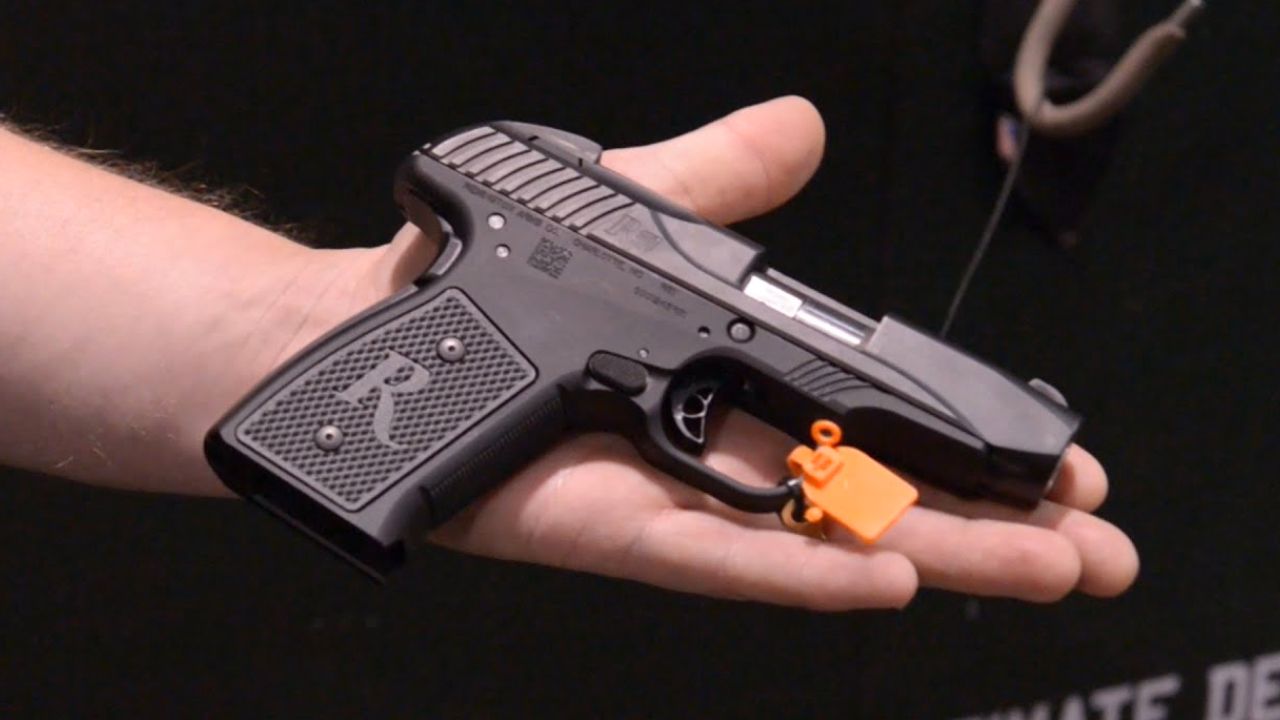
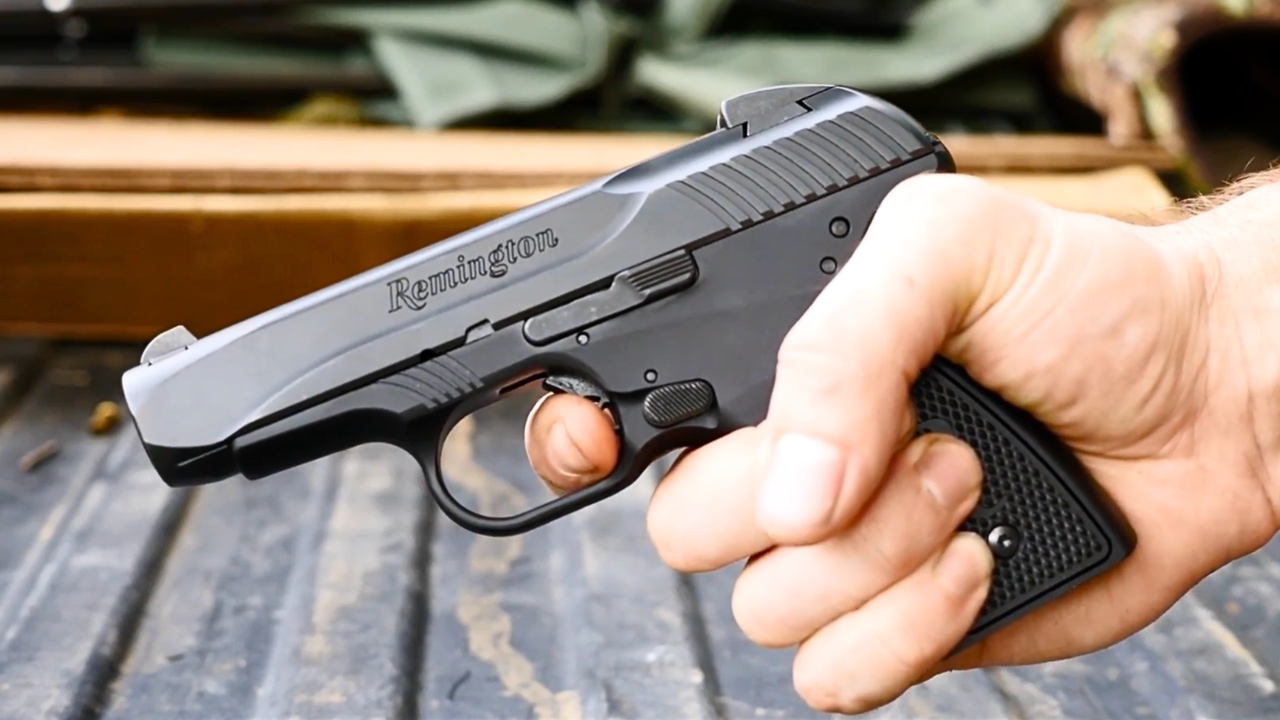
The R51 looked like one of those pistols people desperately wanted to work. It had a slim profile, a familiar old name, and a design story that made buyers feel like they were getting something more thoughtful than the usual carry pistol. When it first hit the conversation, plenty of people wanted to believe it would become a serious sleeper choice.
Now it mostly gets discussed through caveats. The talk is rarely about how great it is and much more about whether a certain run was better, whether the later version fixed enough, or whether somebody’s personal sample happened to behave. That is usually how a fallen favorite sounds. People used to talk about the R51 like it might become a standout. Now they mostly talk about why theirs was not as bad as the reputation says.
Taurus Judge

The Judge had a long stretch where people genuinely loved the idea of it. It felt versatile, dramatic, and different enough to seem smarter than a normal revolver. Buyers talked about it like it offered some unique blend of defensive usefulness and trail-gun practicality that ordinary handguns could not match. For a while, that pitch worked extremely well.
These days, the enthusiasm is much more defensive. Owners and fans still explain the concept, still point to niche use cases, and still try to push back on criticism, but the tone has changed. The conversation is no longer about how clever the gun is. It is about justifying why it still deserves a place after years of people realizing the compromise-heavy reality never really matched the early excitement.
Walther P22

The P22 used to get recommended all the time as the fun little rimfire everybody should own. It looked good, felt approachable, and came with the kind of recognizable branding that made people assume they were buying a safe bet. A lot of shooters bought one expecting cheap, easy enjoyment and talked it up like it was the obvious answer in the category.
Now the praise usually comes with explanations attached. People mention using the right ammo, keeping it clean, understanding rimfire quirks, or accepting what the gun is. That is a long way from the easy confidence it once carried. The P22 still has defenders, but the fact that it needs so much defending tells the story. People used to love it as a simple recommendation. Now they make excuses for why it can still sort of make sense.
SIG Sauer Mosquito
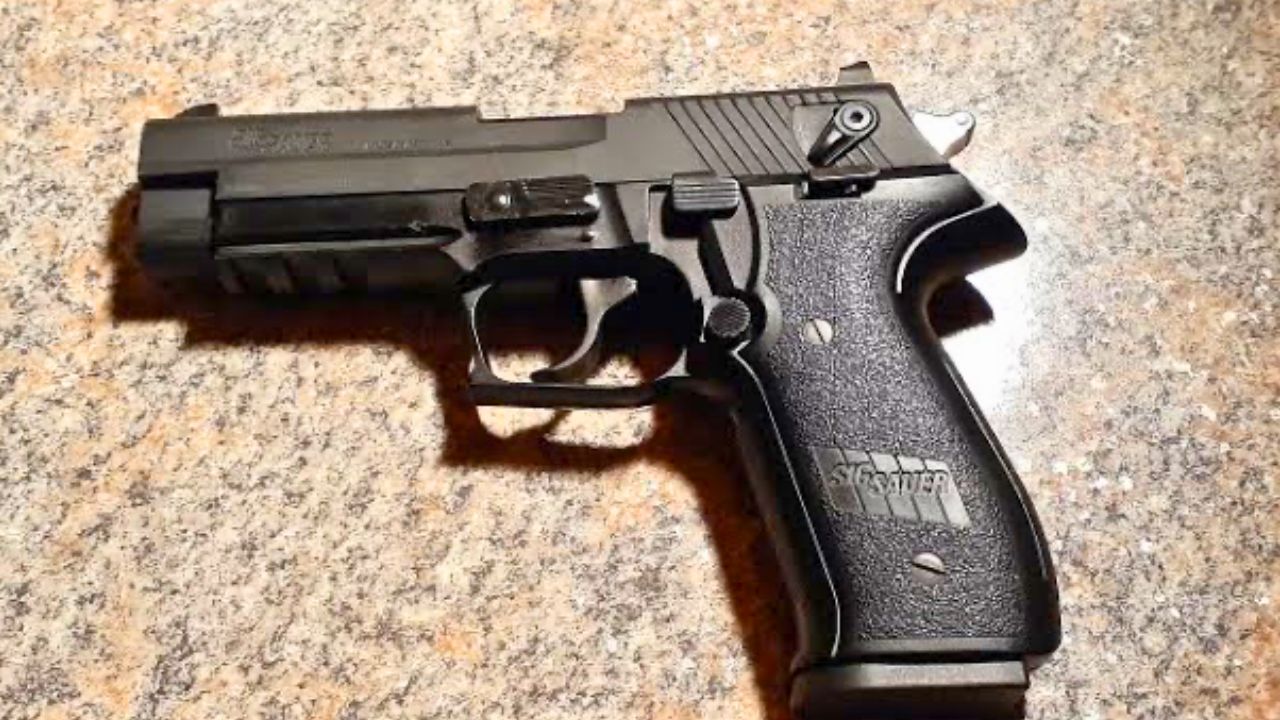
The Mosquito got a lot of early love because it wore the SIG name and seemed like a natural trainer for people who wanted a smaller rimfire with familiar styling. That alone created a lot of goodwill. Buyers expected something solid, and for a while people kept recommending it because the idea of a SIG-branded plinker sounded better than the reality turned out to be.
Now almost every defense of the Mosquito sounds conditional. It is “fine with the right ammo,” or “fine once broken in,” or “fine if you understand what it is.” That is not real enthusiasm. That is a pistol living on borrowed reputation. People wanted to love it because of what it promised. What remains now is mostly a pile of rationalizations from owners who do not want to admit how much better the rimfire market became around it.
Ruger LCP original
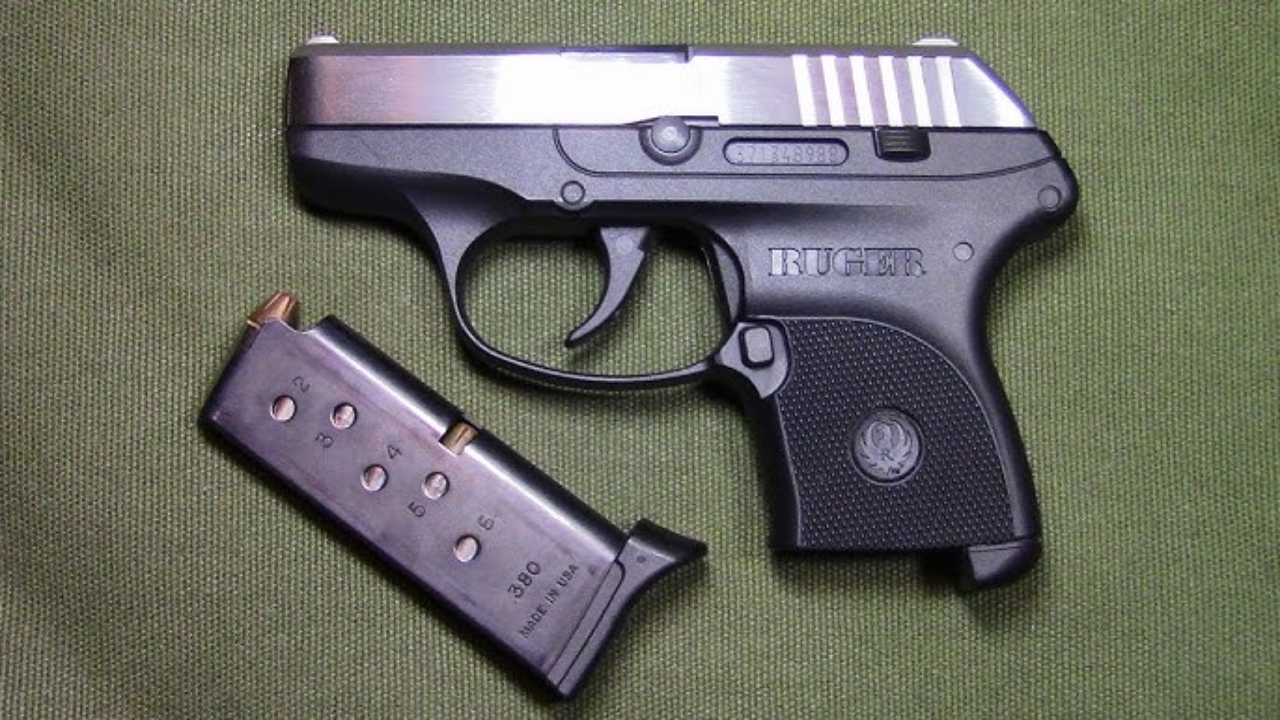
The original LCP was a huge deal when it showed up. It made tiny pocket carry feel practical for a lot of people, and that alone earned it a ton of love. Shooters praised it because it was easy to hide, easy to justify, and one of the clearest answers for people who needed something smaller than the typical compact handgun. For a while, it was almost above criticism.
Now people defend it in a very different tone. They say it was never meant to be fun, never meant to be a range gun, never meant to have great sights or shootability. That is all true enough, but it also shows how the conversation changed. Once better pocket pistols and better micro options came along, the old LCP stopped looking like a smart little compromise and started looking like a gun people were mostly trying to explain away.
Springfield XD

There was a time when the XD line had real momentum. A lot of buyers liked them, recommended them, and saw them as legitimate alternatives to the more obvious striker-fired choices. They had enough presence that people talked about them like they were part of the main conversation, not some side option clinging to old relevance.
Now the defense usually sounds like nostalgia mixed with stubbornness. Fans point out that theirs has been reliable, that the grip angle works for them, or that the gun still does the job. All of that may be true, but very few people still talk about the XD like it is leading anything. It used to get love as a real contender. Now it mostly gets defended by owners who bought in when that reputation still felt current.
Kimber Solo

The Solo once looked like it might be the upscale answer to the small-carry-pistol problem. It had style, a premium-sounding badge, and the kind of compact sleekness that made buyers feel like they were getting something more refined than the usual little defensive handgun. People were genuinely excited about it at first.
That excitement has not aged well. The modern defense of the Solo almost always revolves around finding the right ammo, understanding the gun’s limits, or accepting that it needs to be run a certain way. That is a very different conversation from the one buyers thought they were having in the beginning. People used to love what the Solo represented. Now they mostly make excuses for the fact that it never lived up to that image cleanly enough.
Taurus PT-111 Millennium
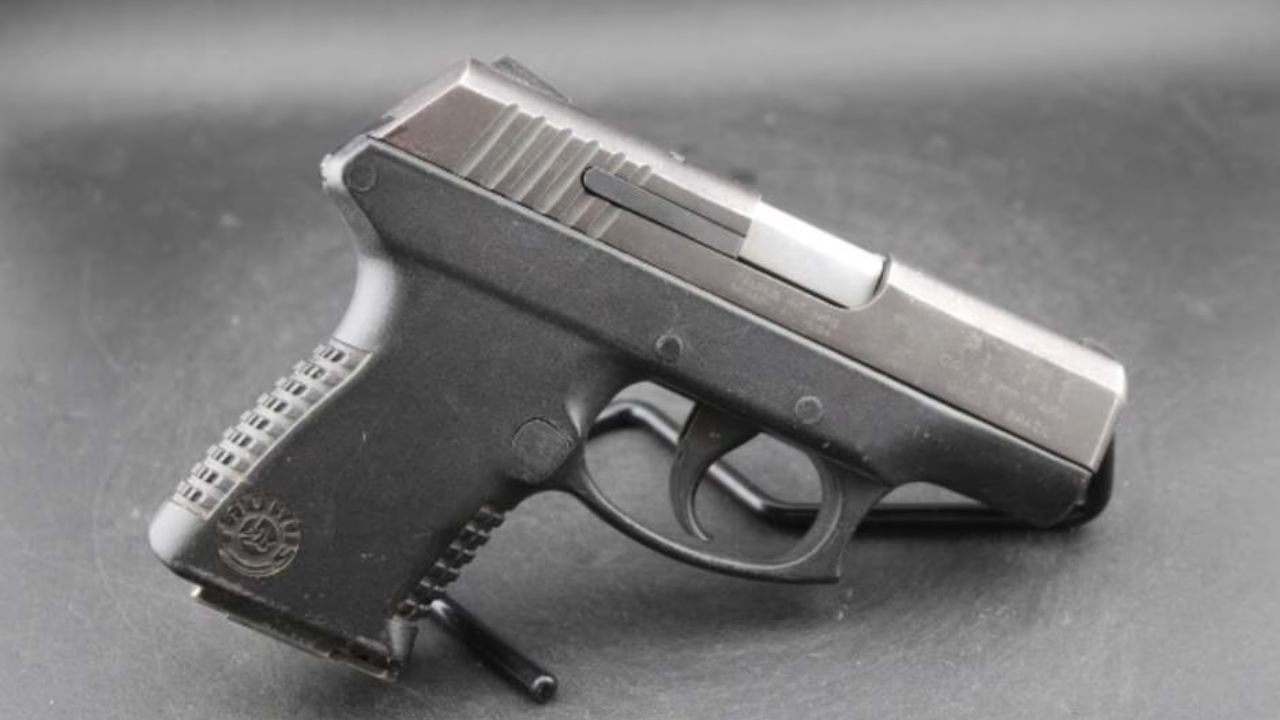
The PT-111 Millennium earned a lot of love from buyers who wanted an affordable carry gun and felt like they had found a practical bargain. It checked enough boxes and sold at a low enough price that people defended it with real enthusiasm for years. To plenty of owners, it felt like proof that you did not need to spend much to get something workable.
Now the praise usually comes with a shrug. Fans say it was good for the money, or that theirs worked fine, or that people exaggerate the downsides. That kind of language tells you the reputation has cooled off. The PT-111 used to get love as a smart budget choice. Now it is more often defended by people trying to protect the decision they made when cheaper seemed more important than better.
KelTec Sub-2000
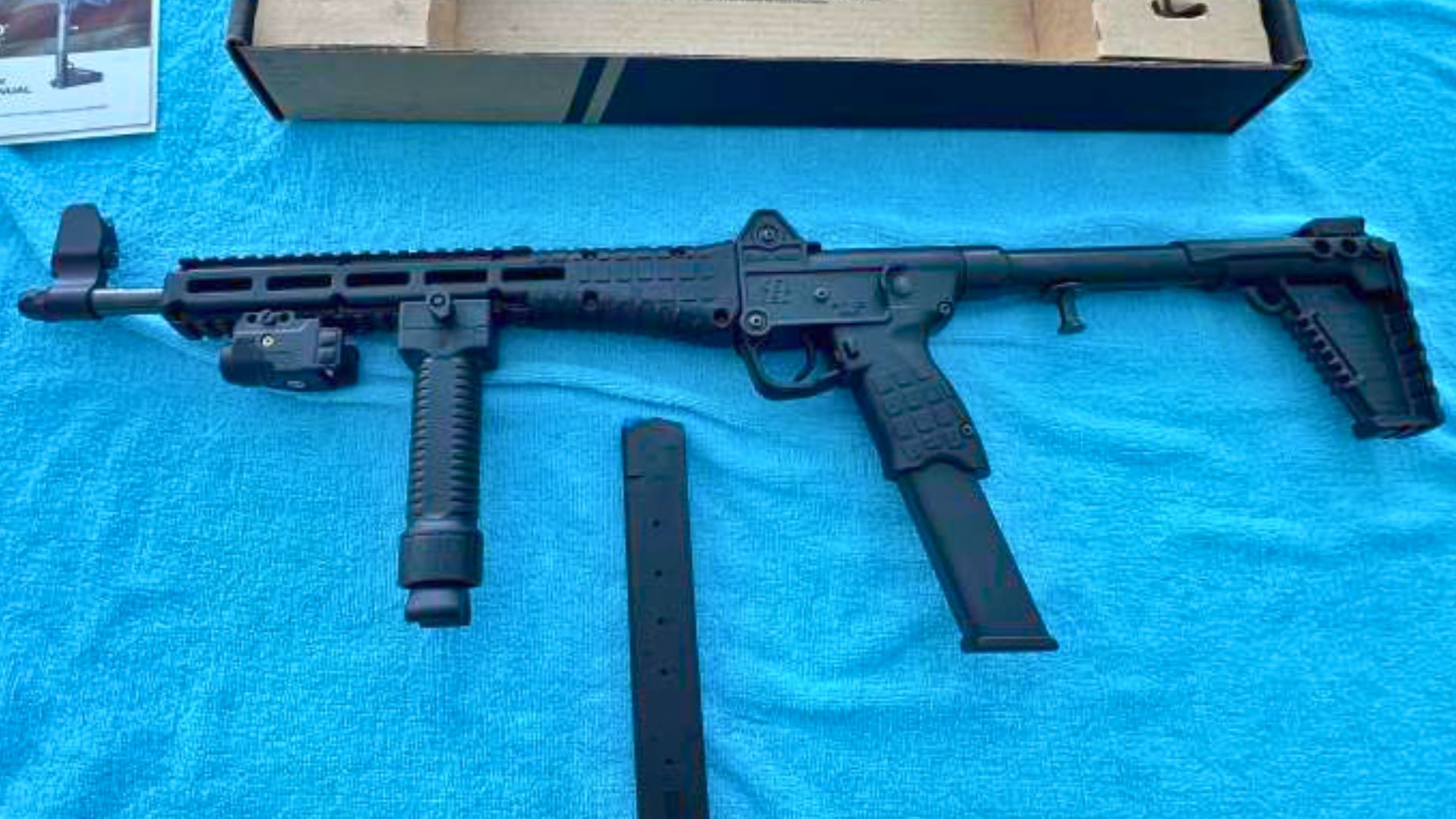
The Sub-2000 used to get a ton of love because it looked like one of the cleverest practical buys in the gun world. Folding design, magazine compatibility, simple storage, and an affordable entry point made people feel like they had discovered the smart man’s carbine. It was the kind of gun that got recommended with a little grin, like the buyer had figured something out.
These days the defense usually sounds a lot more complicated. Owners talk about the concept, the portability, and what the gun offers on paper, but the discussion often dances around the ergonomics, the rough edges, and the fact that the overall experience is not nearly as polished as people once hoped. It used to get praised like a breakthrough. Now it survives on explanations about why the compromises are not deal-breakers.
Beretta Nano
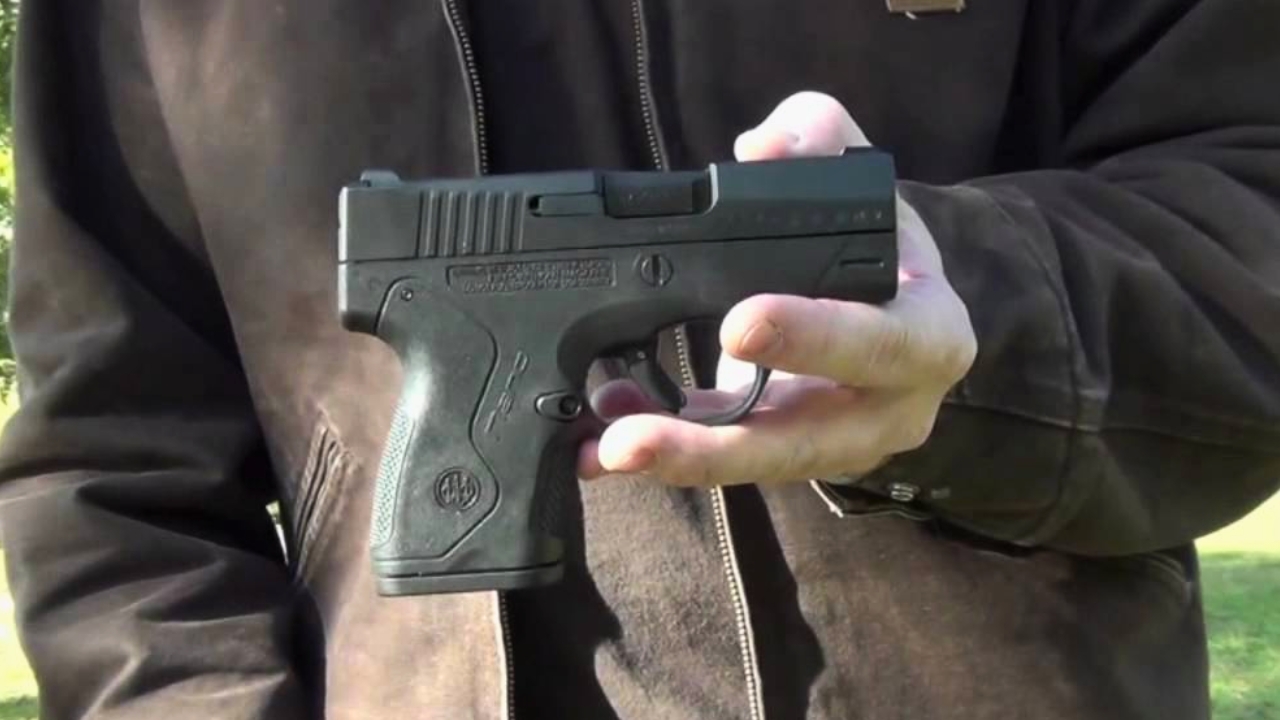
The Nano got plenty of early love because buyers trusted the Beretta name and wanted the company to deliver a serious slim carry gun. That brand confidence gave it momentum, and people were quick to recommend it before the pistol had really earned that spot over time. For a while, it was carried by enthusiasm as much as by performance.
Now you mostly hear excuses. Owners say it is better than people remember, or that it was solid for its time, or that it worked fine once you got used to it. None of that sounds like the easy praise a truly lasting carry gun gets. It sounds like a pistol people once wanted to love and now mostly feel obligated to defend because they remember buying into the early promise.
Charter Arms Bulldog
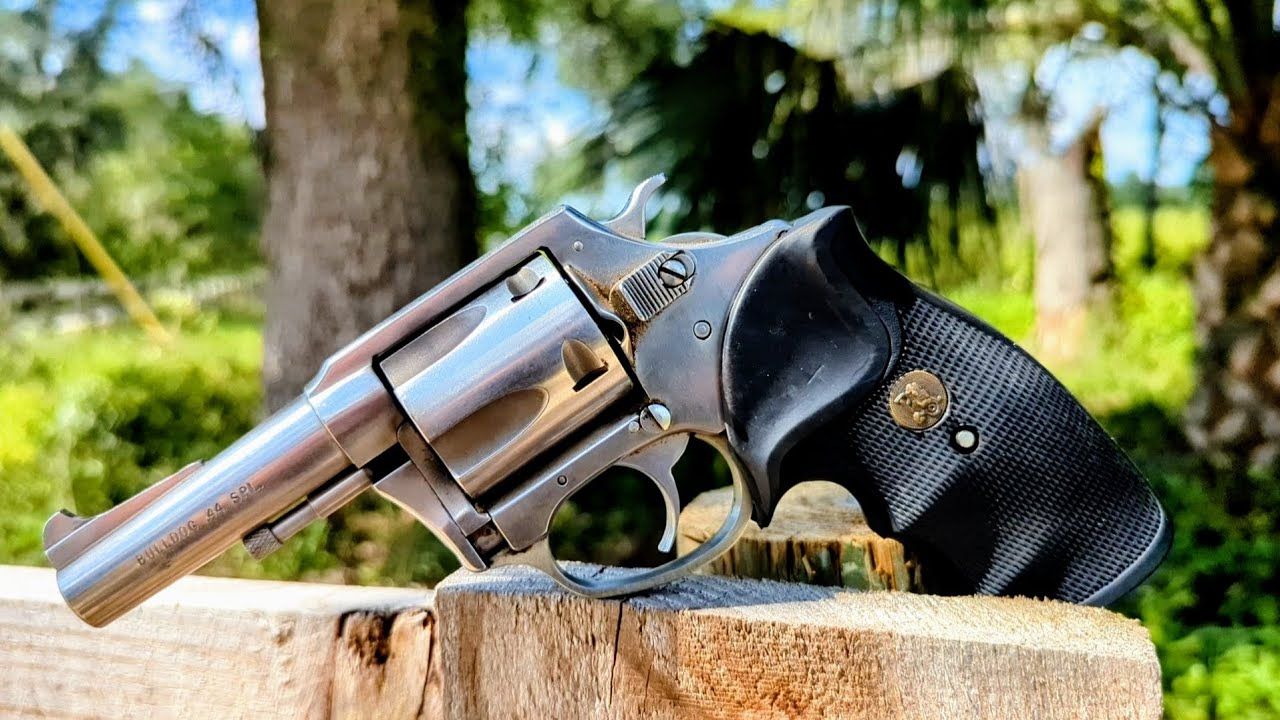
The Bulldog has always had a strong concept behind it. A compact .44 Special revolver sounds like the kind of gun experienced shooters should admire, and for a long time many of them did. It built a reputation around big-bore appeal in a manageable package, and that gave it a lot of loyalty over the years.
Now the loyalty sounds more guarded. Defenders usually shift quickly to talking about the idea of the Bulldog, the niche it fills, or how theirs has held up, rather than speaking with broad confidence about the gun itself. That is a big change. It used to be loved as a straightforward carry revolver with real punch. Now it often sounds like a gun people want to keep believing in more than one they can recommend cleanly.
Walther CCP

The CCP got early love because it seemed like a thoughtful answer for people who wanted softer recoil and an easier slide in a carry-sized pistol. That sounded smart, especially to newer shooters and those who wanted something more manageable than some of the snappier compact pistols on the market. For a while, it had the glow of a practical, user-friendly solution.
That glow dimmed fast. Now the defense of the CCP usually centers on what it was trying to do rather than how well it actually delivered. People explain the concept, the target audience, and the features, but not always with much enthusiasm about the ownership experience itself. That is the language of excuses, not of lasting affection. It used to get praised as a smart alternative. Now it mostly gets defended as a decent idea.
AMT Hardballer
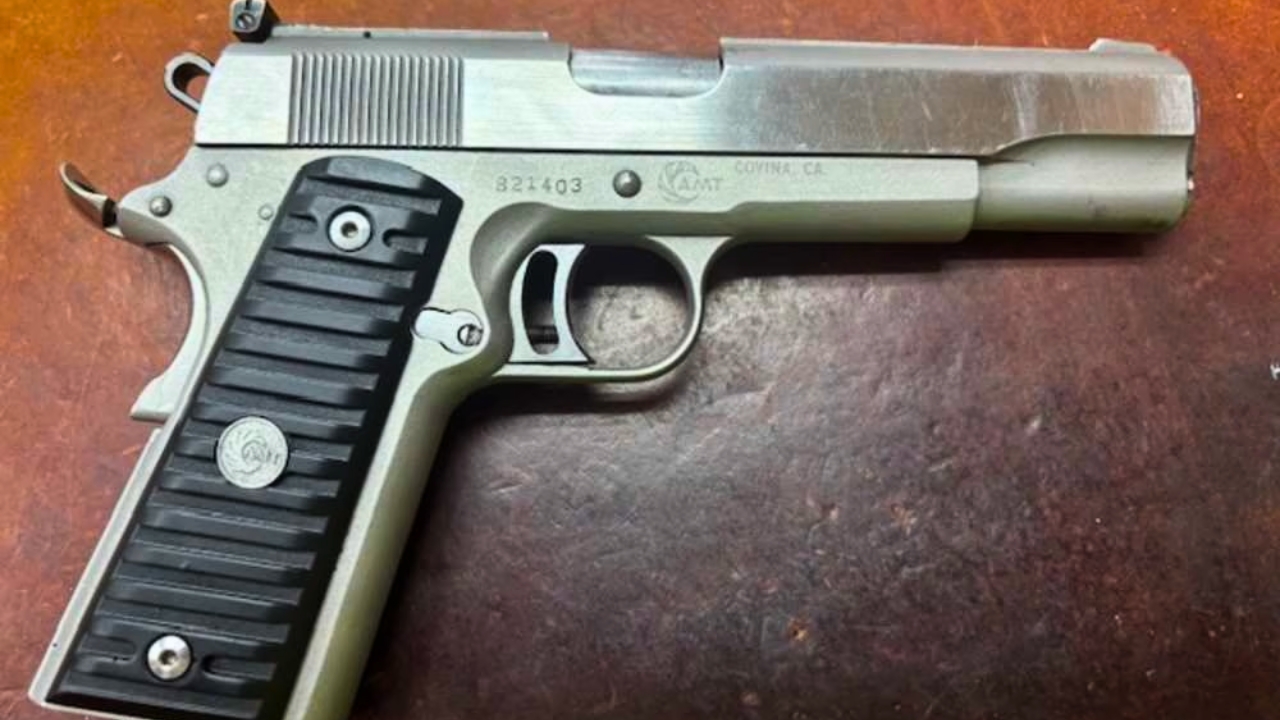
The Hardballer used to get love for looking like the kind of stainless 1911 that should be cooler, tougher, and more serious than the ordinary options sitting next to it. Movie recognition helped, the styling helped, and the whole gun carried enough attitude that people were happy to believe the reputation. A lot of owners bought into that image completely.
Now the tone is very different. Fans talk about individual examples, good magazines, tuned guns, and how not all of them were bad. That is not the same thing as broad confidence in the model. The Hardballer used to ride on style and recognition. These days it survives mostly because some owners do not want to admit how much of that old love was built around appearance and wishful thinking.
Glock 26

The Glock 26 absolutely earned real love at one point. It was one of the standard concealed-carry recommendations for years, and plenty of people bought one because it seemed like the obvious subcompact choice. It had Glock’s reputation behind it, enough capacity for the era, and a sturdy feel that made buyers trust it without much hesitation.
The excuses started once the carry market changed. Now defenders usually say it still shoots better than tiny micro-compacts, or that they prefer the thicker grip, or that the old design still holds up if you know what you want. All of that may be true for some shooters, but it also shows how the conversation shifted. The 26 used to be loved as the answer. Now it gets explained as one answer among many, usually by people who formed their opinion before the category changed around it.
Mossberg Shockwave

The Shockwave got a huge wave of love because it looked rebellious, compact, and smarter than the average pump gun. People were excited by the whole package: the legal oddity, the visual impact, and the idea that it offered shotgun power in a form that felt new and disruptive. For a while, plenty of buyers talked about it like it was a clever solution.
Now it mostly gets defended as a niche tool. Fans explain what it can do in close quarters, what role it is meant for, and why critics are expecting the wrong things from it. That is a very different tone than the early rush of praise. The Shockwave used to get talked about like a must-have. Now it is usually protected by careful explanations from people who do not want to admit it was more exciting on the shelf than in real ownership.
Like The Avid Outdoorsman’s content? Subscribe to our newsletter so you never miss an article.
Here’s more from us: