
Photo credit: Cranky Gun Reviews/YouTube
Some guns used to be easy punchlines. They looked weird, came from unfashionable brands, sat in oddball calibers, or showed up in pawn shops with price tags nobody took seriously. People laughed, walked past them, and figured they would always be cheap.
Then the market did what the market does. Supply dried up, collectors got curious, nostalgia kicked in, and suddenly the same guns people mocked started bringing money that made everyone stop laughing.
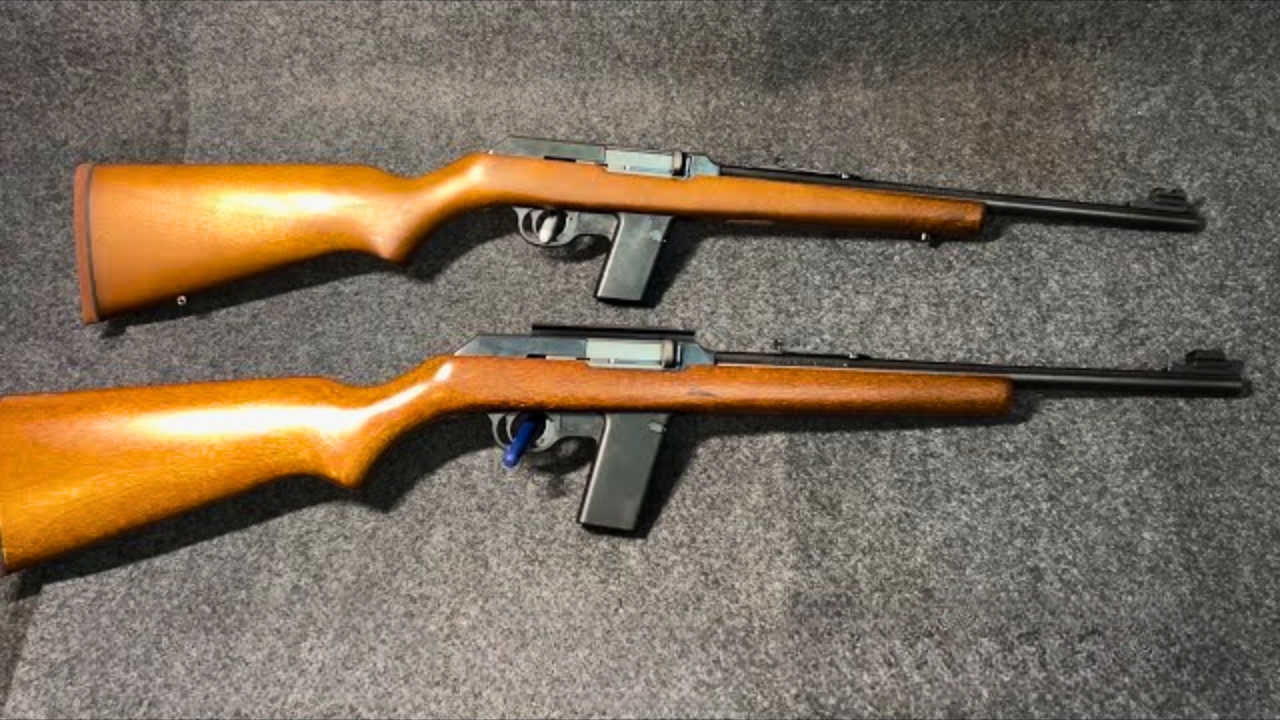
Remington Nylon 66

The Remington Nylon 66 looked like something a lot of traditional rifle guys wanted to make fun of. A plastic-stocked .22 did not have the walnut-and-blue-steel charm people expected from a rifle worth keeping. For years, plenty of shooters treated it like a cheap little oddity.
Then people remembered how well they ran. The Nylon 66 was light, handy, and far more reliable than its strange construction suggested. Clean examples, especially in less common colors, are not sitting around at throwaway prices anymore. The same rifle people dismissed as goofy now has a loyal following and real collector pull.
Ruger Old Army

The Ruger Old Army used to get ignored by shooters who were not into black powder. A cap-and-ball revolver seemed like a side hobby, not something you had to buy before it disappeared. Plenty of modern handgun owners walked right past them.
That was a mistake. Ruger built the Old Army like a serious revolver, not a fragile novelty. Once production ended, people realized it occupied a lane almost nobody else filled the same way. Now clean examples bring real money, and the people who laughed at “smoke pole” revolvers have to admit this one aged better than expected.
Savage Model 24
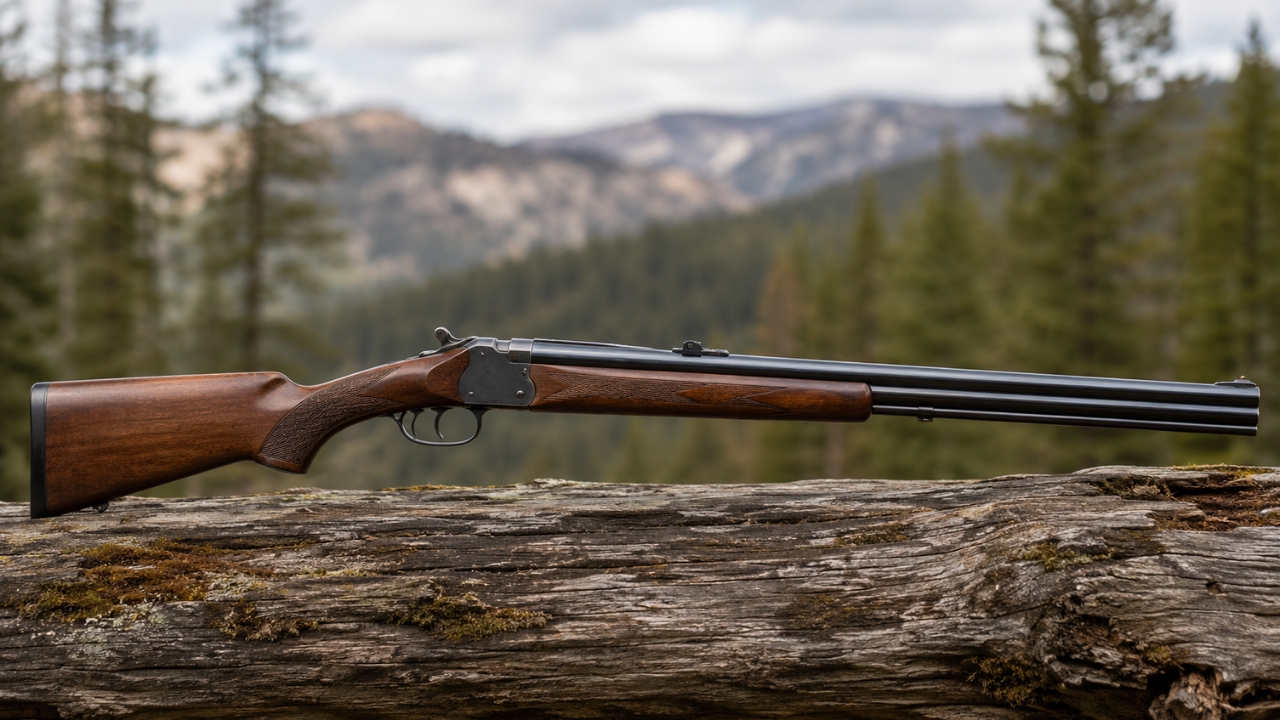
The Savage Model 24 was once the plain old combo gun leaning in the corner. A rifle barrel over a shotgun barrel sounded practical, but not glamorous. People used them on farms, in camps, and behind truck seats without treating them like anything special.
Now that practicality is exactly why buyers chase them. Modern guns are mostly specialized, while the Model 24 covers small game, pests, and woods wandering in one simple package. Clean examples in useful chamberings have become harder to find. What looked like a cheap utility gun now feels like something nobody really replaced.
Star BM
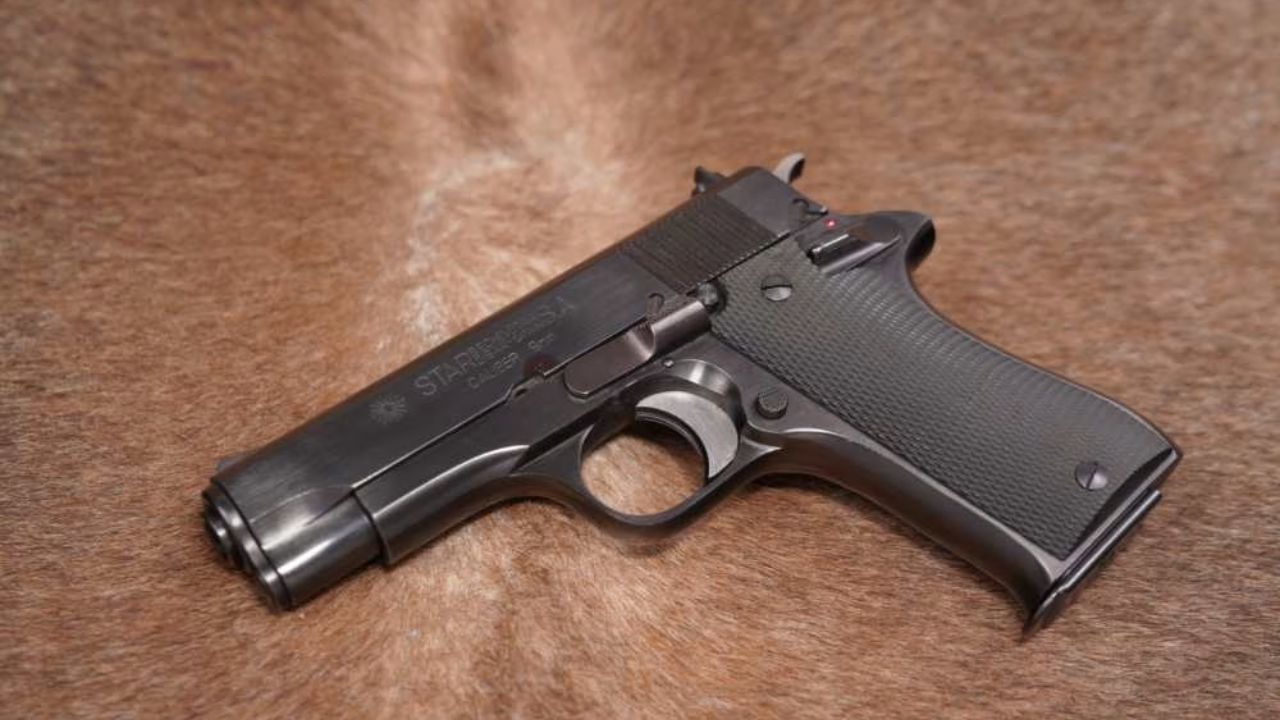
The Star BM was laughed off by plenty of shooters as cheap surplus. It was a compact steel 9mm from a brand many Americans barely knew, and it arrived when modern carry pistols already looked more practical. A lot of people saw the low price and assumed low value.
Then the cheap batches dried up. Shooters who actually bought them found out they were fun, solid little pistols with more charm than expected. They are not modern carry kings, but they are neat shooters. Now the people who passed when they were cheap have to pay more for the same “bargain” they ignored.
H&R Handi-Rifle

The H&R Handi-Rifle was never fancy, and nobody pretended it was. Single shot, break action, simple stock, basic finish. It looked like the kind of gun people bought for kids, deer stands, or rough farm use when they did not want to spend much.
That simplicity aged better than expected. Once they disappeared, shooters realized there was real value in a safe, cheap, easy-to-teach rifle available in so many useful chamberings. Certain calibers bring surprising money now. The gun people laughed at for being too basic became hard to replace because basic was the whole point.
Beretta Model 81

The Beretta Model 81 did not seem like something that would become cool. A .32 ACP metal-frame pistol sounded underpowered and outdated to a lot of American buyers. When surplus examples showed up, plenty of people dismissed them as neat but unnecessary.
Then shooters started taking them to the range. The Model 81 is soft-shooting, handsome, well-made, and pleasant in a way modern pocket pistols rarely are. It is not powerful, but it is charming and easy to shoot well. The people who laughed at the caliber missed the bigger picture. Now clean ones do not sit around ignored like they used to.
Rossi Model 92

The Rossi Model 92 used to get treated like the budget lever gun for people who could not afford a Winchester or Marlin. It was useful, but it did not have the name that made collectors stop and stare. A lot of buyers laughed at it as the “cheap one.”
Then pistol-caliber lever guns got hot. Suddenly, a .357 or .44 Magnum carbine that used to feel like a compromise started looking smart. The Rossi still is not a luxury rifle, but smooth older examples have become more desirable than many expected. Buyers who mocked them years ago now wish they had grabbed one cheap.
Smith & Wesson Model 64

The Smith & Wesson Model 64 was once just a plain stainless .38 service revolver. It did not have the deep blue finish people loved, did not chamber .357 Magnum, and did not have the glamour of flashier Smiths or Colts. That made it easy to overlook.
Now shooters appreciate what it actually was. A stainless K-frame .38 is durable, smooth, easy to shoot, and practical. Police trade-ins that once seemed boring now look like honest working revolvers from a better manufacturing era. The Model 64 proved that plain can get expensive once people realize plain was useful.
Marlin Camp 9
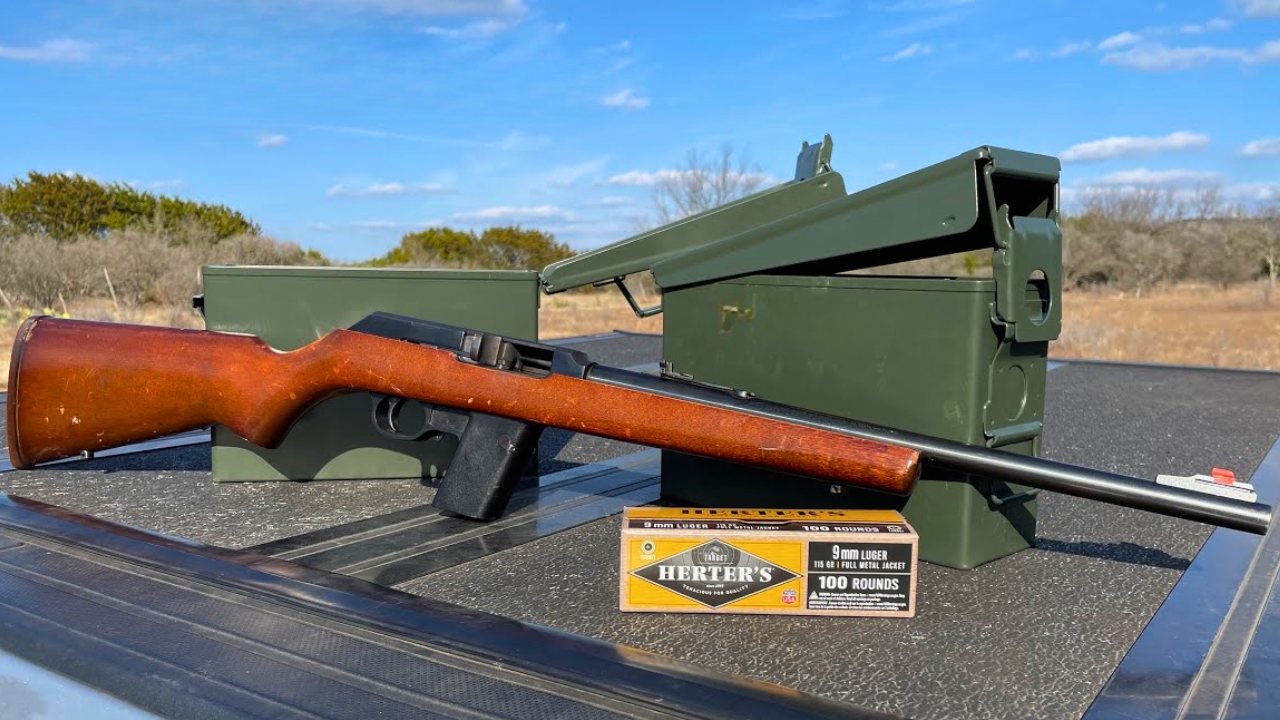
The Marlin Camp 9 looked almost boring when it was easy to find. A 9mm carbine with a sporting stock did not seem tactical, modern, or especially exciting. Plenty of shooters laughed it off as a range toy before pistol-caliber carbines became trendy again.
Now it makes a lot more sense. It is handy, mild, simple, and has an old-school look that modern rail-covered PCCs do not copy. The Camp 9 went from casual pawn shop find to something people actively hunt. The joke faded once everyone remembered how useful a plain little 9mm carbine can be.
Ruger P-Series Pistols
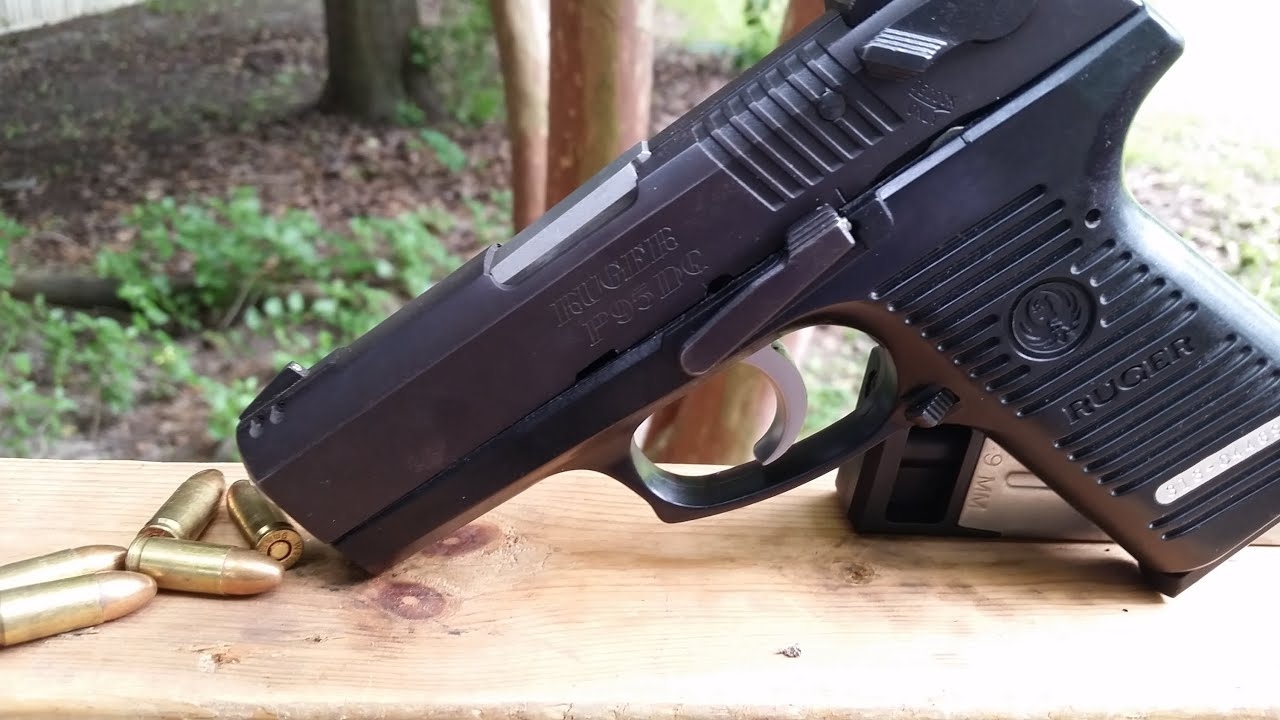
Ruger P-Series pistols were easy to mock because they were big, chunky, and about as sleek as a cinder block. Nobody bought a P89 or P95 because it looked elegant. People bought them because they were affordable and hard to kill.
That reputation looks better now. As old metal and early polymer service pistols get more attention, the ugly Rugers have gained respect. They still are not refined, but they run, last, and feel honest. Prices are not Python-level crazy, but the days of laughing at them as cheap bricks are fading fast.
Winchester Model 190
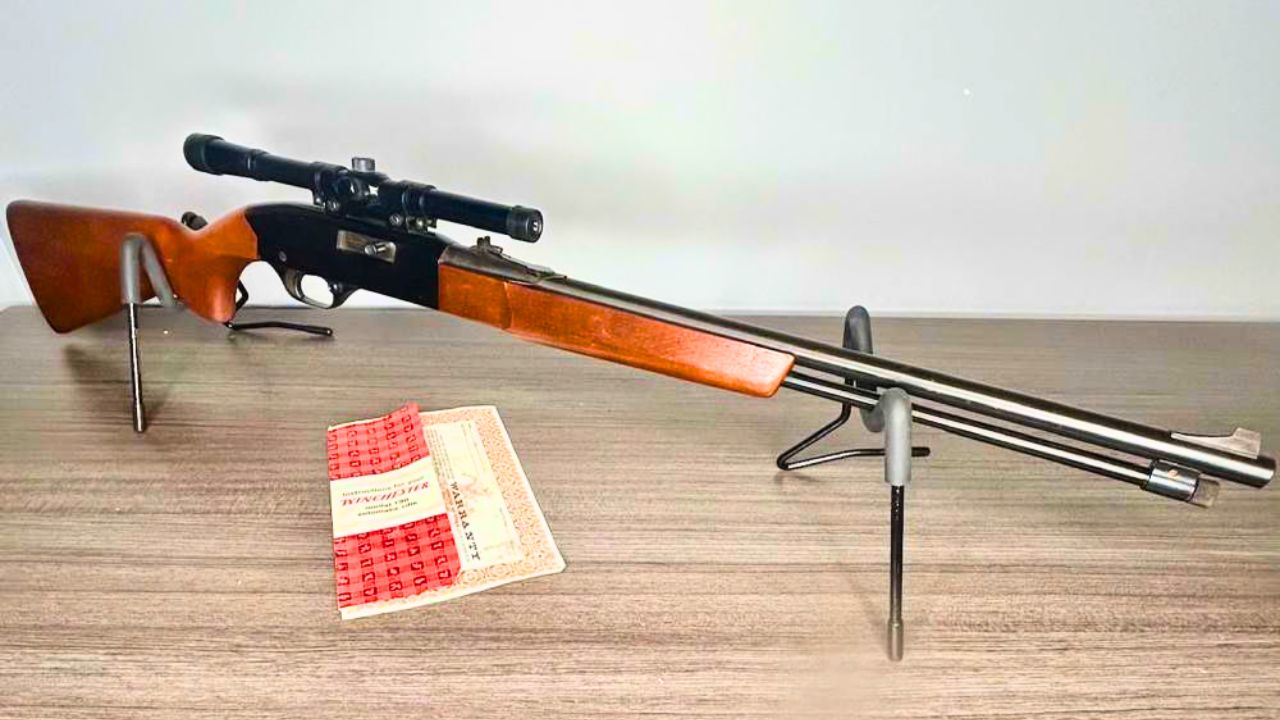
The Winchester Model 190 used to be just another tube-fed .22. It was not fancy, not rare-looking, and not the kind of rifle people bragged about owning. Pawn shops had them, closets had them, and plenty of people treated them like background noise.
Now old rimfires with decent condition and real nostalgia are getting more attention. The Model 190 is simple, familiar, and tied to a lot of first-shooter memories. It may never be a high-end collectible, but clean ones are not ignored like they once were. The cheap plinker became a rifle people actually look for.
Mossberg 500A
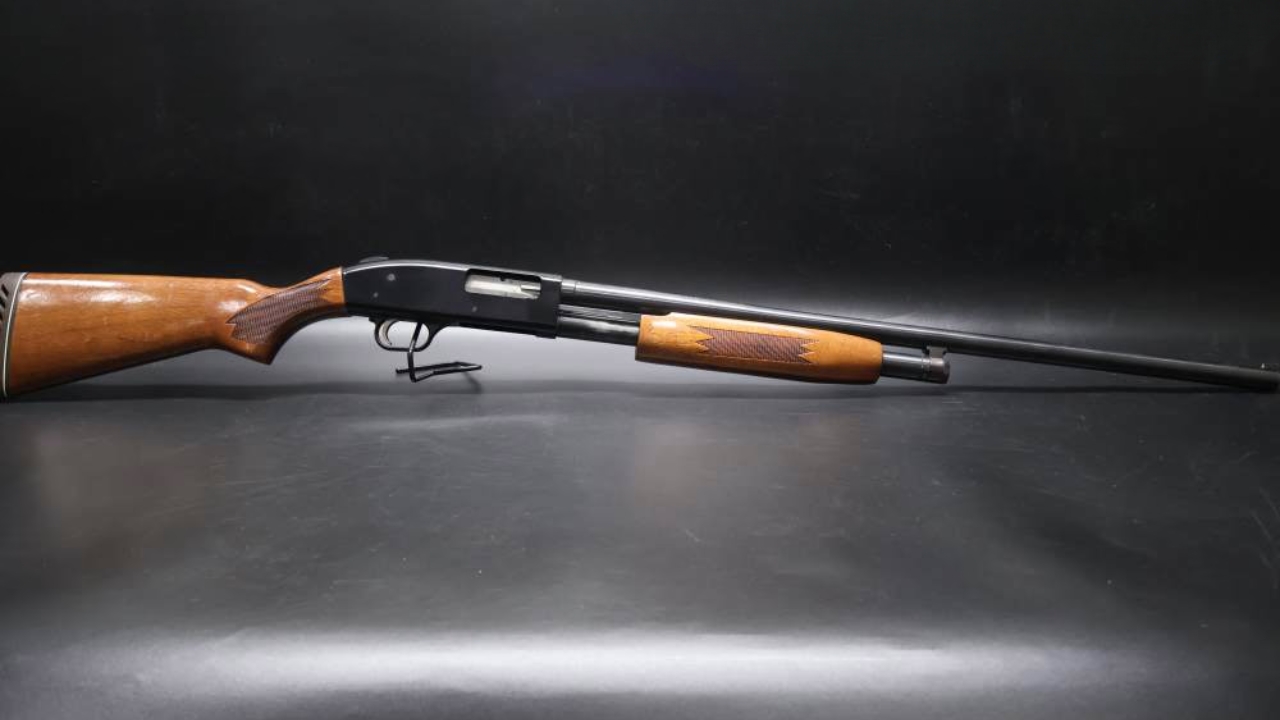
The Mossberg 500A was so common that people forgot to respect it. It was the working shotgun for people who wanted something affordable and practical. Some buyers laughed because it was not as slick as an old Wingmaster or as prestigious as a Browning.
But hard use has a way of proving things. The 500A kept hunting, riding in trucks, sitting by doors, and doing basic shotgun work for decades. Older clean examples with good barrels are getting more appreciated now. It was never rare, but the days of finding nice ones for nothing are not what they used to be.
Daewoo DP51

The Daewoo DP51 got ignored partly because of the name. A Korean service pistol with an unfamiliar trigger system did not have the same pull as Beretta, SIG, Smith & Wesson, or Glock. A lot of shooters looked at it like a strange import and moved on.
Now that strangeness is part of the appeal. The DP51 is solid, interesting, and different without being useless. Its “Fast Action” system gives it a mechanical identity most pistols do not have. Clean examples have become more desirable among people who collect overlooked service pistols. The old jokes about the brand did not age well.
Remington 788

The Remington 788 was once the cheap Remington. It looked plain, had a budget reputation, and lived in the shadow of the Model 700. Plenty of rifle guys dismissed it because it did not have the polish or status of Remington’s better-known bolt gun.
Then people noticed how many of them shot well. Accuracy has a way of changing opinions. The 788 went from bargain rack rifle to sleeper favorite, especially in desirable chamberings. The plain looks did not matter once shooters realized it could stack groups. Now clean examples are harder to find than the old reputation suggests.
Grendel P-30

The Grendel P-30 looked like something people were almost supposed to laugh at. A .22 Magnum pistol with a 30-round magazine, odd styling, and a very specific 1990s feel did not exactly scream timeless classic. It felt like a novelty.
That novelty became the reason people started chasing them. The P-30 is weird, memorable, and tied to the same experimental world that later shaped KelTec’s identity. It is not refined, but it is not boring either. Guns that look goofy sometimes become collectible because nobody else made anything quite like them.
Like The Avid Outdoorsman’s content? Subscribe to our newsletter so you never miss an article.
Here’s more from us:


