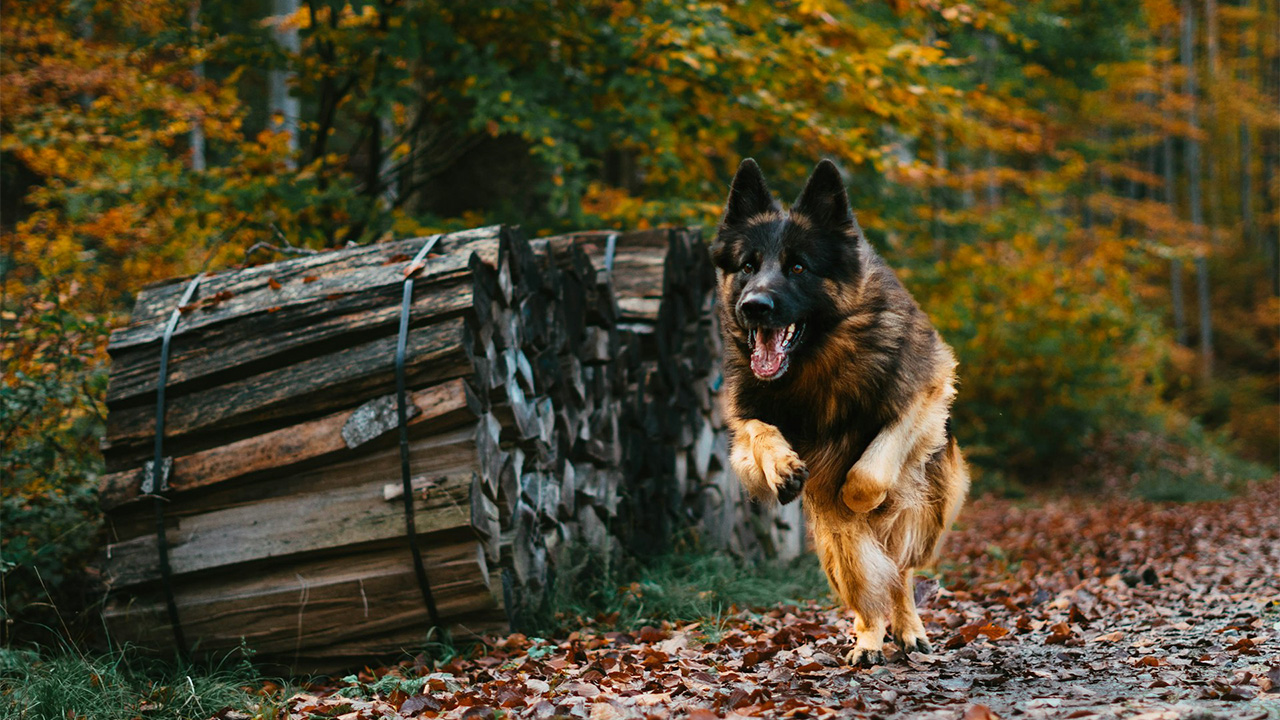
Photo credit: tiim/Unsplash.com
A “yard dog” sounds simple: let the dog live outside, roam the fence line, and “figure it out.” The problem is most dogs weren’t built for isolation. Some get anxious. Some get destructive. Some get aggressive from boredom. And a lot of high-drive breeds turn into escape artists when their only job is pacing in the dirt. If you want a dog that’s mentally healthy, safe around people, and not constantly trying to break out, these are breeds that usually do poorly when they’re treated like outdoor-only dogs.
Belgian Malinois
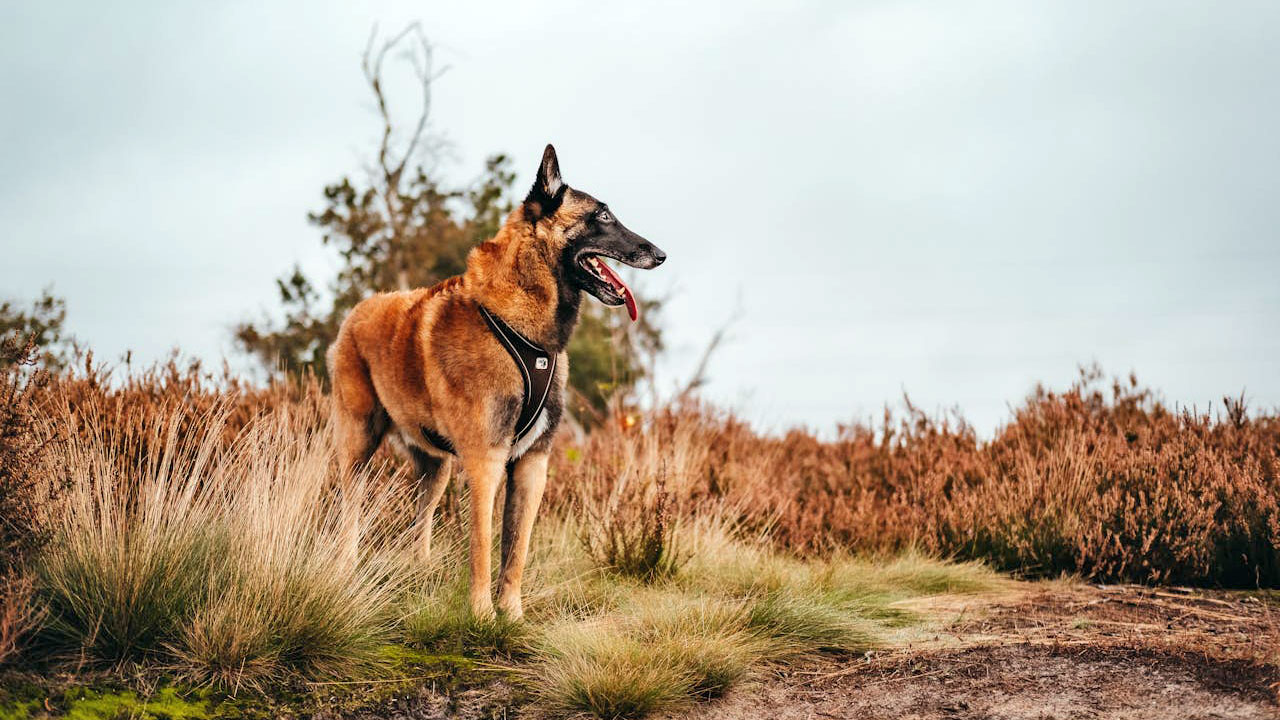
A Malinois needs a job and a handler. Leaving one in a yard is how you create a stressed-out, reactive dog that invents its own work—fence running, barking at everything, digging, chewing, and finding ways out. They’re built for intense, structured work, and when they don’t get it, you get intensity pointed in the wrong direction.
They also bond tightly and can become suspicious without proper socialization. A yard-only Malinois is often a liability. This breed can be incredible in the right setup, but “outside dog” is one of the fastest ways to ruin it.
Border Collie
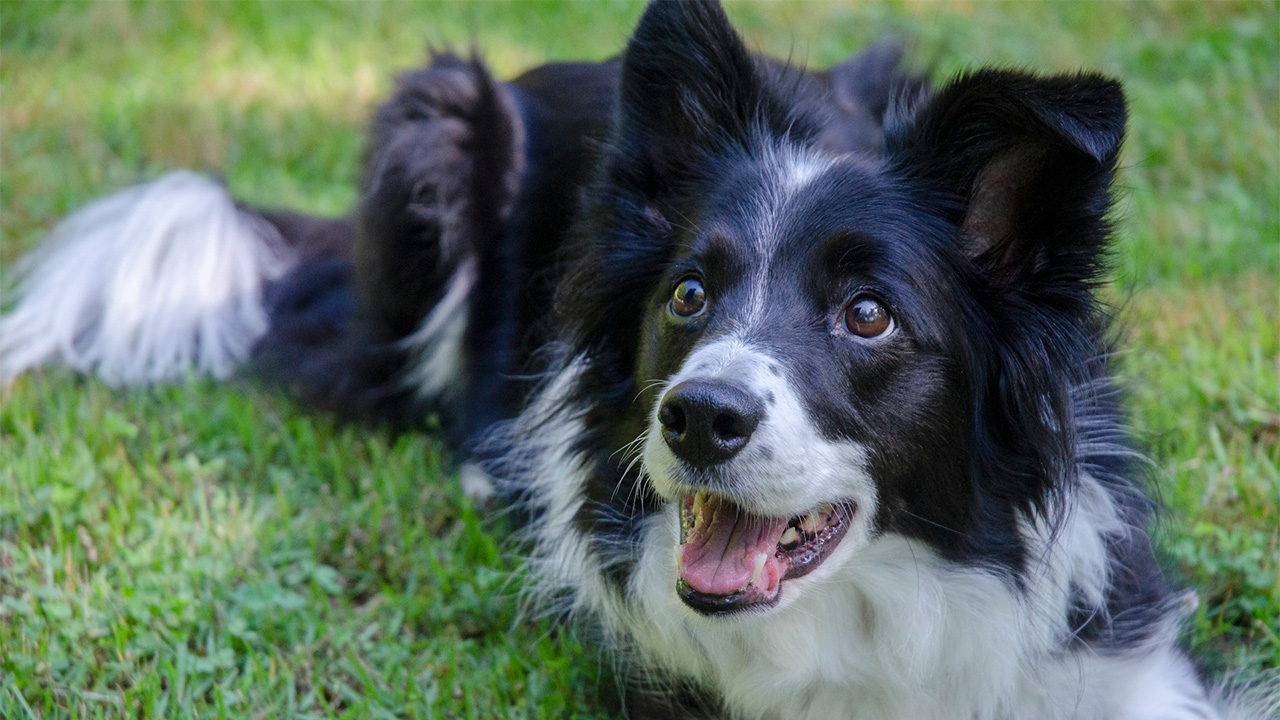
Border Collies are brain-driven workers. Yard life is rarely enough stimulation. They’ll start herding cars, kids, and anything that moves, or they’ll spin into obsessive habits like chasing shadows, fence pacing, and nonstop barking. They’re not trying to be bad—they’re under-employed.
They also need daily interaction and training. A Border Collie with no job will manufacture one, and it’s usually something that makes the owner miserable. If you want one, plan on mental work and real engagement, not “here’s a fence, good luck.”
Australian Shepherd
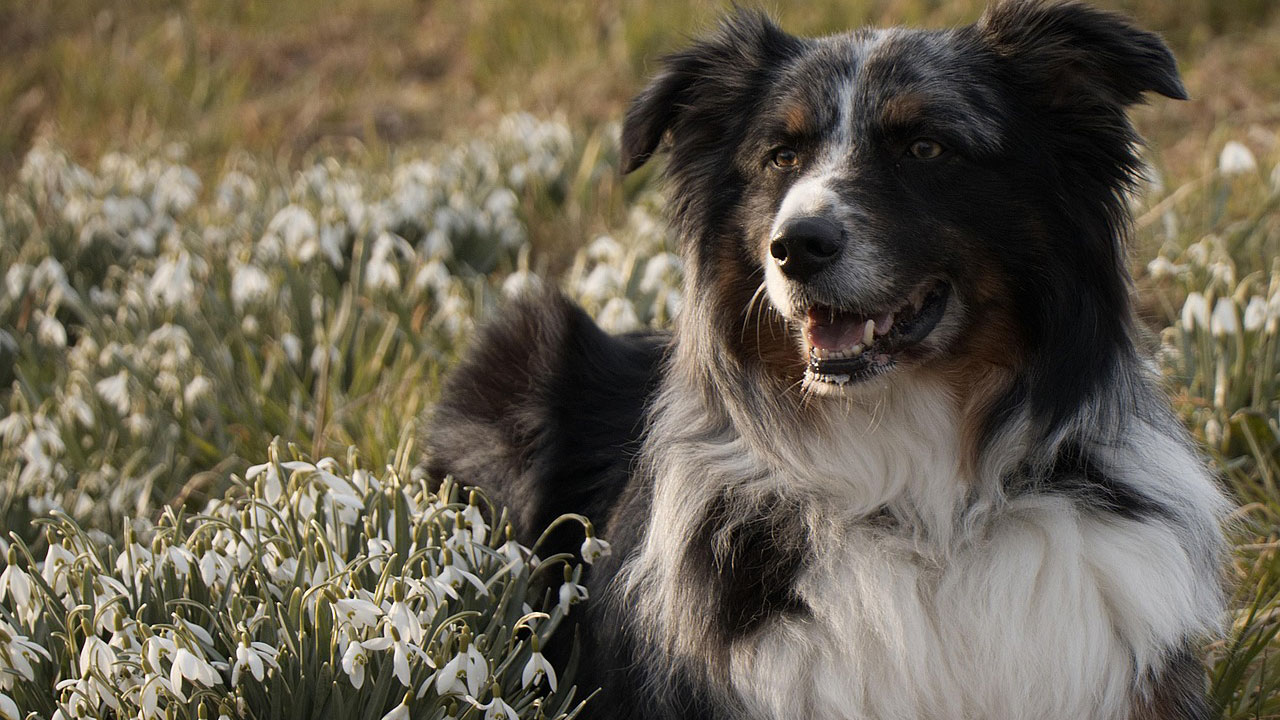
Aussies are similar: high energy and very people-oriented. A yard-only Aussie often becomes a frustrated barker or an escape artist. They do best when they’re included in the routine—walks, training, jobs, and time with the family. Isolation tends to make them anxious or destructive.
They can also become protective if they don’t get steady exposure to normal life. If you want a steady Aussie, it needs structure and connection, not a lonely yard and occasional attention.
German Shepherd
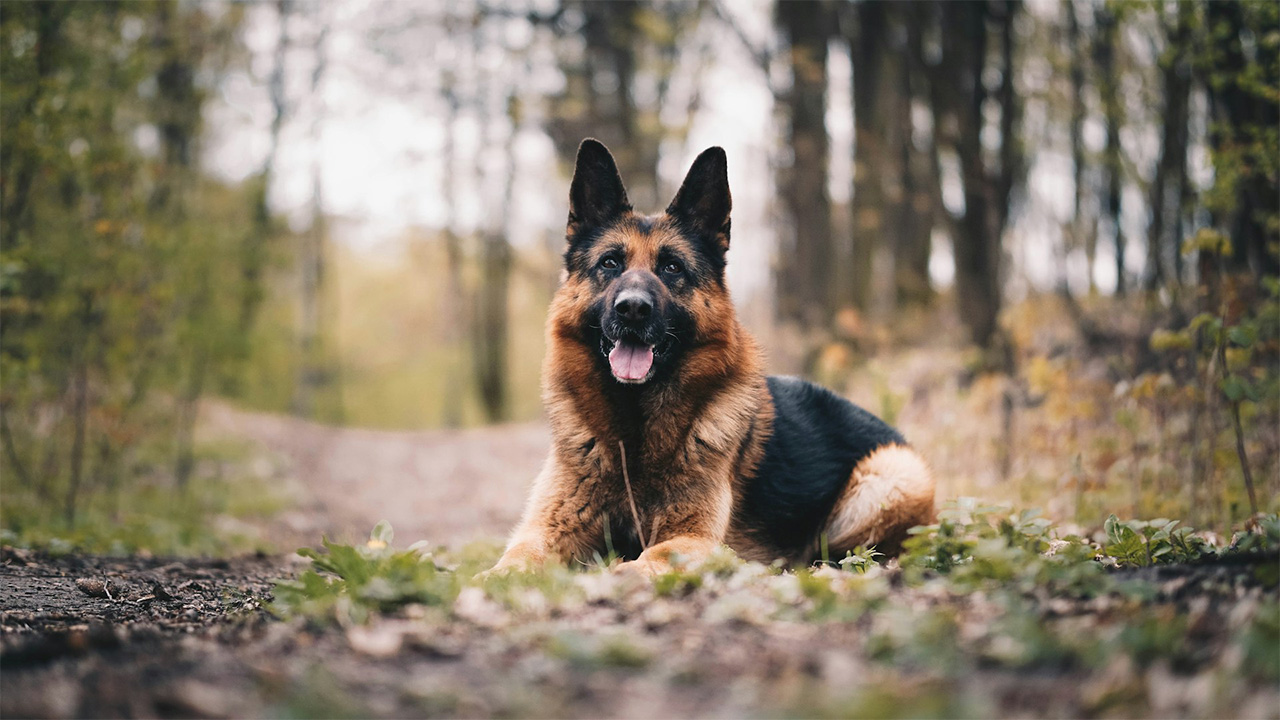
German Shepherds are often mislabeled as “great yard dogs” because they’re protective and alert. The truth is they need structure, socialization, and training. A yard-only Shepherd can become territorial, reactive, and hard to manage. Boredom plus guarding instincts is not a good combo.
They also bond strongly to their people. If you isolate them, they don’t turn into calm guardians—they often turn into anxious, noisy fence patrol dogs that don’t know how to act around visitors. A Shepherd needs leadership and involvement, not just a perimeter.
Siberian Husky
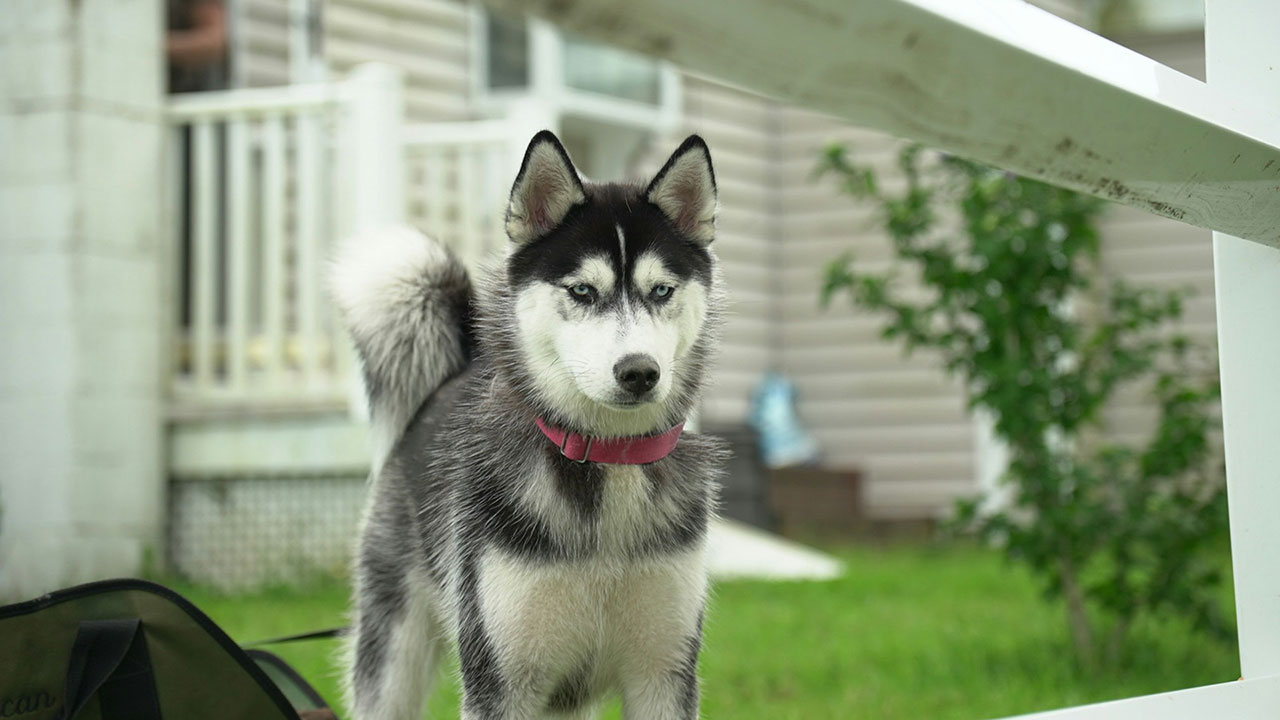
Huskies are legendary escape artists. Put one in a yard and you’re basically betting against physics. They dig, climb, chew, and find weaknesses you didn’t know existed. They’re also built to run. A yard doesn’t satisfy that drive, so they go looking for something bigger.
They can be great dogs for the right owner, but “leave it outside” usually ends with your neighbors calling because your Husky is two streets over. If you don’t want a dog that treats containment as a puzzle, don’t choose this breed for yard life.
Alaskan Malamute

Malamutes are powerful, stubborn, and often very independent. Like Huskies, they’re built to move and work. Yard life can turn into digging, escaping, and destructive behavior—especially if they’re bored or under-exercised. They also don’t handle heat well in many regions, which makes outdoor-only living even worse.
They need a home environment with consistent exercise and attention. A bored Malamute is a big, strong problem. If you want one, plan on structured activity and serious containment—not casual yard living.
Weimaraner

Weims are high-energy and often prone to separation anxiety. A yard-only Weim is a recipe for nonstop barking, pacing, and destructive behavior. They’re not a “self-contained” dog. They want their people and they want engagement.
They can also become jumpy and hard to settle without training and routine. If you leave them outside, you’ll often end up with a stressed dog that’s loud, restless, and hard to handle when you do interact with it.
Vizsla

Vizslas are famously attached to their people. They’re not built to live alone in a yard and just “be fine.” Many develop anxiety behaviors when isolated. They also need real exercise and training, and yard time doesn’t cover it.
If you want a Vizsla, you’re basically signing up for a dog that wants to be part of your day. Treating them as an outdoor dog usually backfires fast, and the dog ends up unhappy and noisy.
German Shorthaired Pointer

GSPs are athletes with a hunting engine. Yard-only life often turns into fence running, digging, and nonstop movement. They need structured outlets—runs, training, field time—not just space. A big yard doesn’t replace work.
They’re also smart enough to become escape artists if they’re bored. If you want a GSP, treat it like a working dog that lives with you, not a dog you toss outside and check on occasionally.
Jack Russell Terrier

Small dog, huge drive. Jack Russells were built to hunt and they take boredom personally. Put one in a yard and you’ll likely get digging, escaping, barking, and general chaos. They’re intense, clever, and stubborn. Yard life becomes a battlefield.
They need training and attention. If you want a terrier that can be a good companion, it needs structure. Otherwise, you get a little dog with big opinions and a constant plan to destroy your landscaping.
Beagle
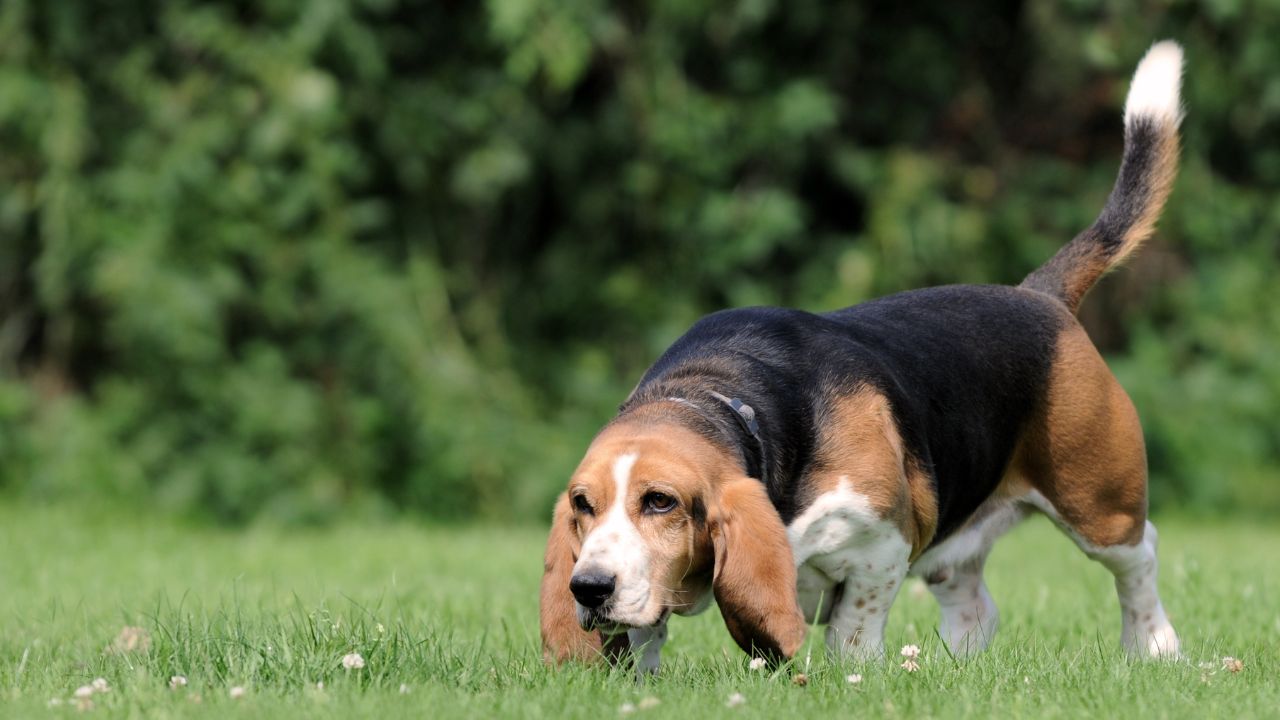
Beagles are scent-driven. Yard dogs become “nose dogs,” which means they’ll follow scent to the fence line and then try to get out. They also bark. A lot. That’s what hounds do. Yard-only Beagles often become the neighborhood noise complaint.
They also do better with people and routines. If you’re not ready for a dog that wants to track smells and vocalize, don’t treat a Beagle like a low-maintenance outdoor pet.
Coonhound (Treeing Walker, Bluetick, Redbone, etc.)

Coonhounds are made to run scent trails and talk while doing it. Yard-only coonhounds can turn into escape artists and nonstop singers. If they catch scent, they don’t care about your fence. They care about the trail.
They’re not bad dogs. They’re just wrong for “sit in the yard and be quiet.” They want work, movement, and interaction. Without that, they’ll create noise and wander problems fast.
Great Pyrenees

This one surprises people. Pyrenees are often used as livestock guardian dogs, so folks assume they’re perfect outside. The reality is: they guard by barking—often all night—and they can roam if fencing isn’t serious. If you put a Pyr in a yard in a neighborhood, your neighbors will hate you.
They also bond to their “flock,” and if that flock is your family inside the house, leaving them outside can create frustration and constant patrol behavior. They’re amazing in the right working context. As a casual yard dog? Usually a headache.
Australian Cattle Dog (Blue Heeler)
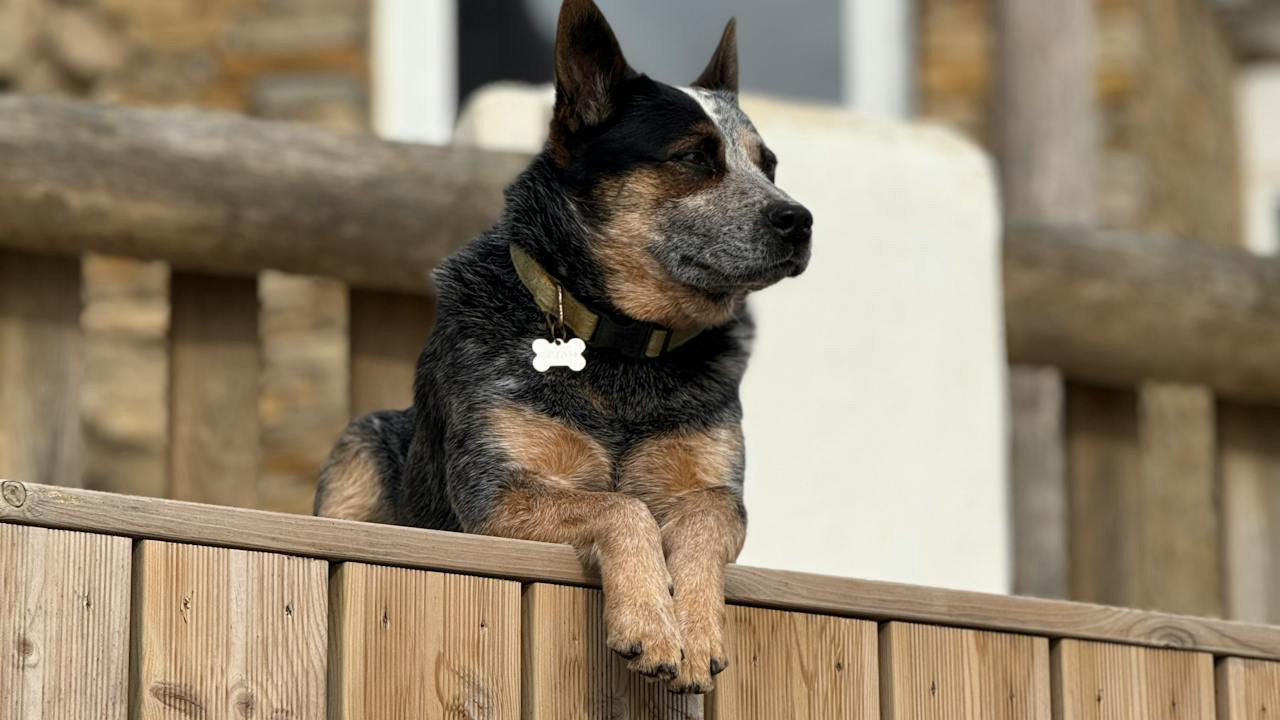
Heelers are tough, smart, and driven. Without a job, they become controlling and restless. Yard-only life often creates a dog that’s hyper-vigilant, reactive, and always “on.” They need structured activity and mental work. Space doesn’t replace that.
They also tend to get mouthy and nippy when under-stimulated. If you want a good heeler, include it in your day and give it work. Don’t isolate it and expect calm.
Doberman Pinscher

Dobermans are people-oriented protection dogs. They do poorly with isolation. A yard-only Doberman often becomes anxious, territorial, and difficult to manage around strangers. They need training, socialization, and structured interaction to be stable.
They also don’t handle harsh weather well, which makes outdoor-only living even worse. If you want a Doberman, it needs to be a real companion dog with daily engagement, not a dog you park outside.
Like The Avid Outdoorsman’s content? Subscribe to our newsletter so you never miss an article.
Here’s more from us: