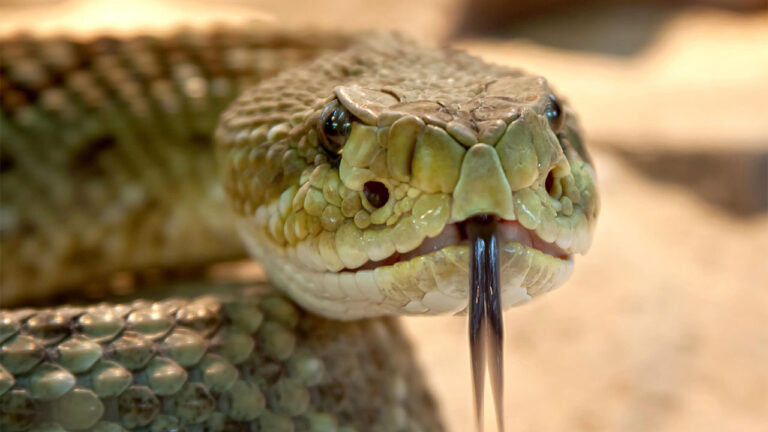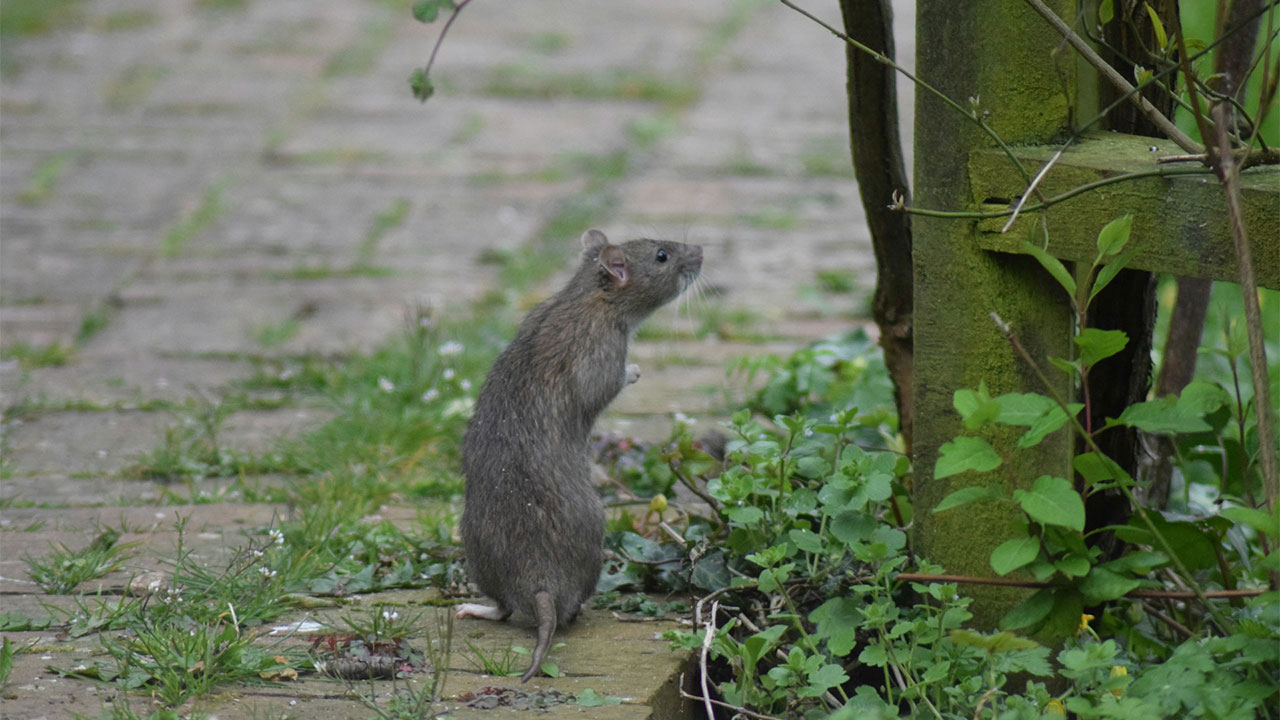
Photo credit: Michelle Gordon/Unsplash.com
Most animal problems do not begin with some bold midday showdown where you catch the culprit red-handed and immediately know what changed. Most of the time, trouble starts much smaller than that. A gate gets left open once or twice. Feed spills sit a little longer than they should. Trash goes out late. The dog is not brought in as quickly. The coop check gets skipped because everything has seemed fine lately. That is usually all it takes for certain animals to start noticing that your place is getting easier to work.
Animals are better at reading routine than a lot of people realize. They do not need a written invitation. They just need a pattern they can trust. Once they learn when things get quiet, where food tends to show up, what parts of the property go unwatched, and how often people actually follow through on keeping things tight, they start testing. Sometimes that looks small at first. Sometimes it looks like nothing. But testing is how a pass-through turns into a habit, and a habit is how real losses begin. Here are 15 animals that start testing your property the second routines get lazy.
Coyotes

Coyotes are probably one of the clearest examples of an animal that watches routine and adjusts to it fast. If they learn that small dogs go out at the same time every night, that pet food gets left on the porch, that chickens get locked up late, or that the edge of the property stays quiet after dark, they start using that information. At first, it may just mean they cut closer through the back edge or check the fence line more often. Then one night they take the next step.
That is what makes coyotes dangerous around homes and small farms. They do not need a total breakdown in order to take advantage. They need inconsistency. A little slack is often enough. The minute your place starts feeling predictable to them in the wrong way, they begin pushing boundaries. That can mean more sightings, bolder movement near buildings, or outright pet and poultry losses. People often think coyotes “suddenly showed up,” when in reality they had been testing the setup for a while.
Raccoons
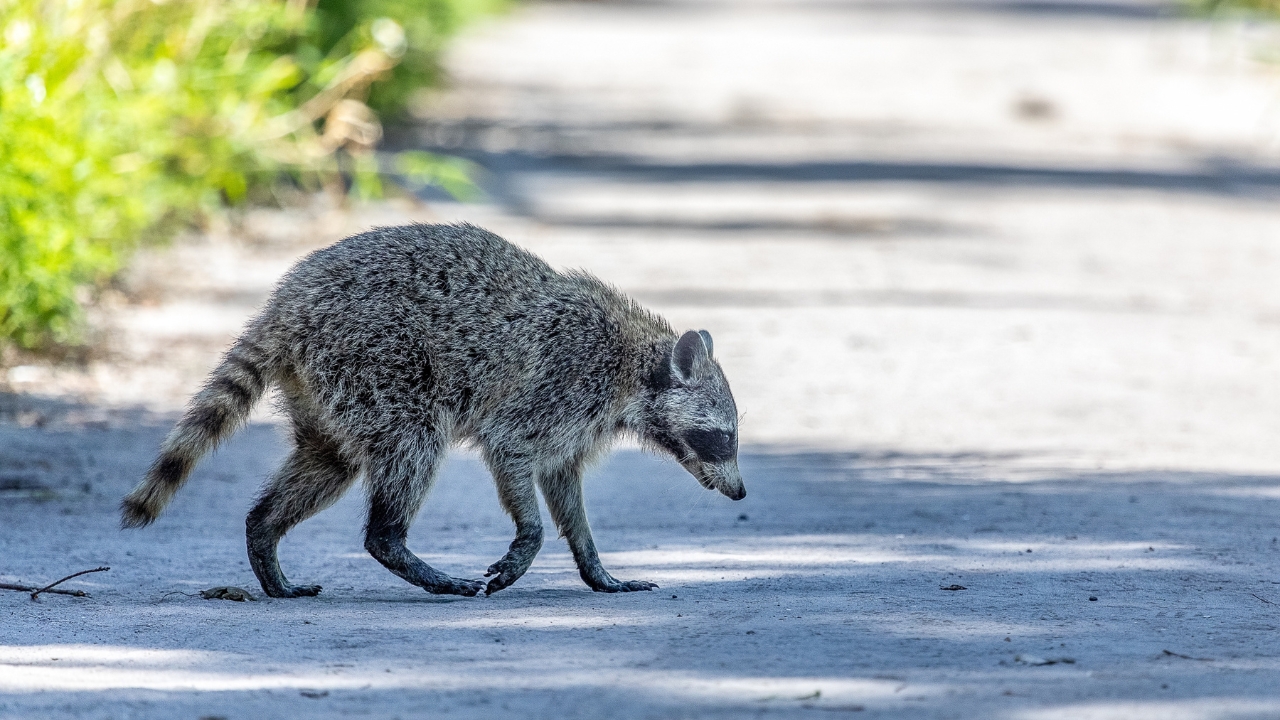
Raccoons are like little thieves with a lot of patience and more problem-solving ability than people give them credit for. The second they figure out trash lids are loose, feed bins are not sealed tight, the coop latch is a little weak, or pet bowls stay out overnight, they start working those angles regularly. At first you may only notice small signs. Something knocked over. A little scattered feed. A trash bag torn just enough to be annoying. That is the testing stage.
The problem is that raccoons learn fast. If something works once, they come back to it. If it works twice, they start counting on it. Around poultry, feed rooms, porches, and sheds, that can get expensive and ugly in a hurry. They are strong-handed, persistent, and willing to return night after night if the routine stays sloppy. A lot of raccoon trouble starts not because they are unusually bold, but because people made the property too easy to read.
Rats
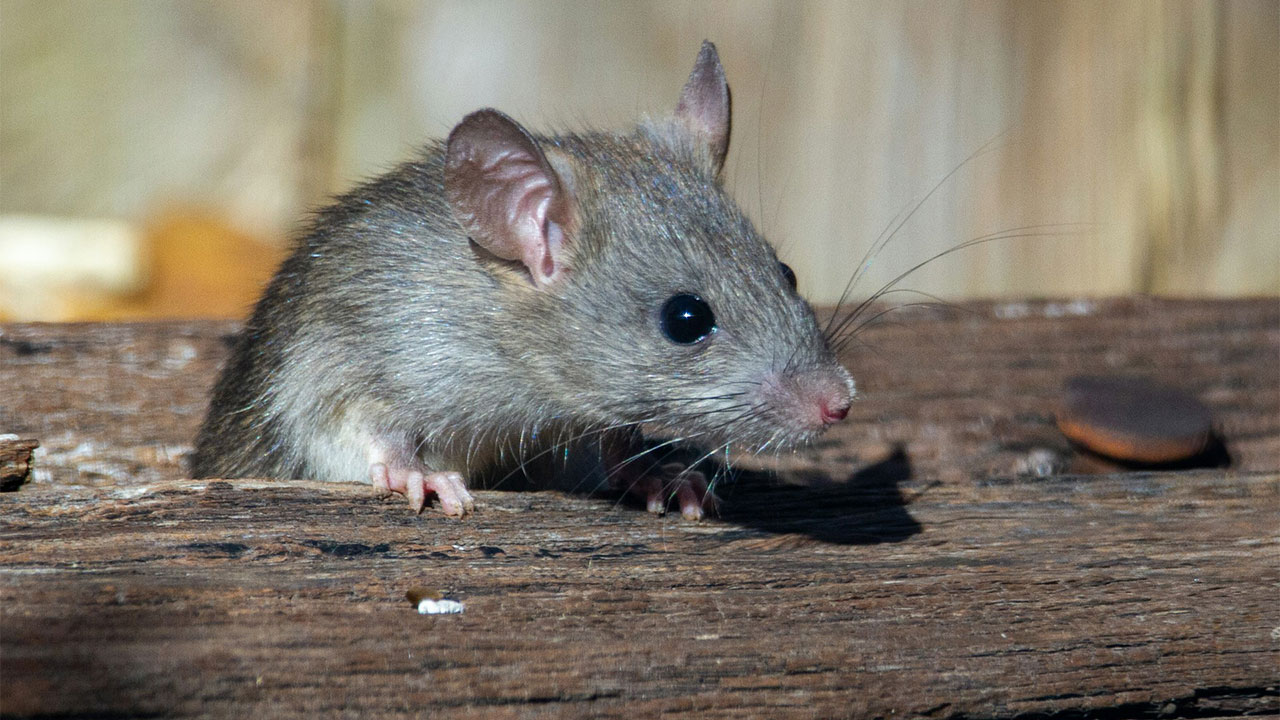
Rats do not need much of an opening to turn a lazy routine into a full-blown problem. Leave feed spilled a little too often, let clutter build up around the shed, skip cleaning under grain bins, or stop noticing where moisture and food overlap, and rats start treating the place like it belongs to them. They are not dramatic about it at first. That is what makes them good at gaining ground. They show up in small numbers, work the edges, and build confidence quietly.
Once they realize the property is not being kept tight, they spread fast. Feed rooms, tack rooms, barns, garages, brooders, and under-porch spaces all become fair game. And rats do not come alone for long. Where rats settle in, snakes, raccoons, feral cats, and other predators often follow. That is why lazy routines around feed and storage cause more than one kind of animal trouble. Rats are often the first sign that the whole system is starting to loosen up.
Foxes
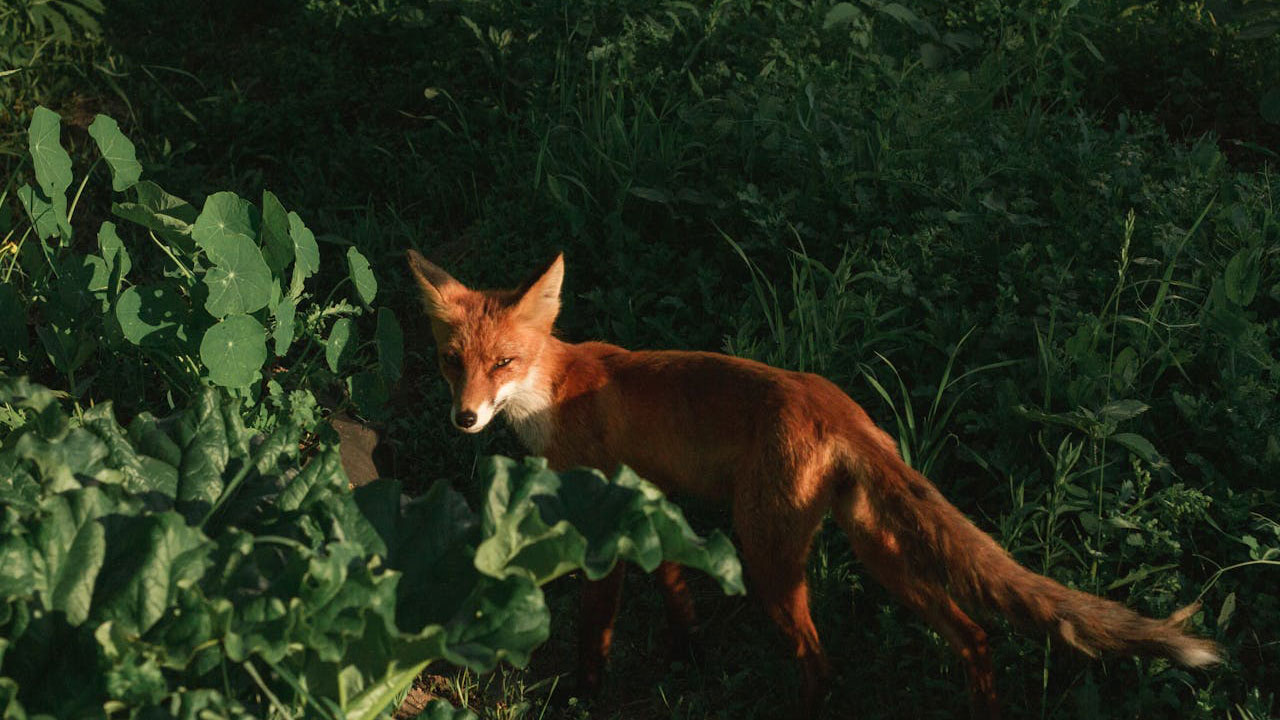
Foxes are good at sensing when a place has just enough weakness to make it worth checking. They do not usually storm in like a wrecking crew. They test. A coop that gets left unsecured one night. A rabbit hutch with one weak corner. A tiny dog that stays out too late. A chicken yard with easy cover nearby and no real pressure after dark. Foxes start with the easiest route and build from there if nobody tightens things back up.
What makes them tricky is that they can be easy to underestimate. They do not look as intimidating as coyotes or bigger predators, so people assume their property issues are smaller too. But foxes can stack up losses fast once they decide your place is workable. They are light, quick, and good at using quiet routines against you. By the time people realize a fox has started making rounds, it has often already been taking notes for a while.
Skunks
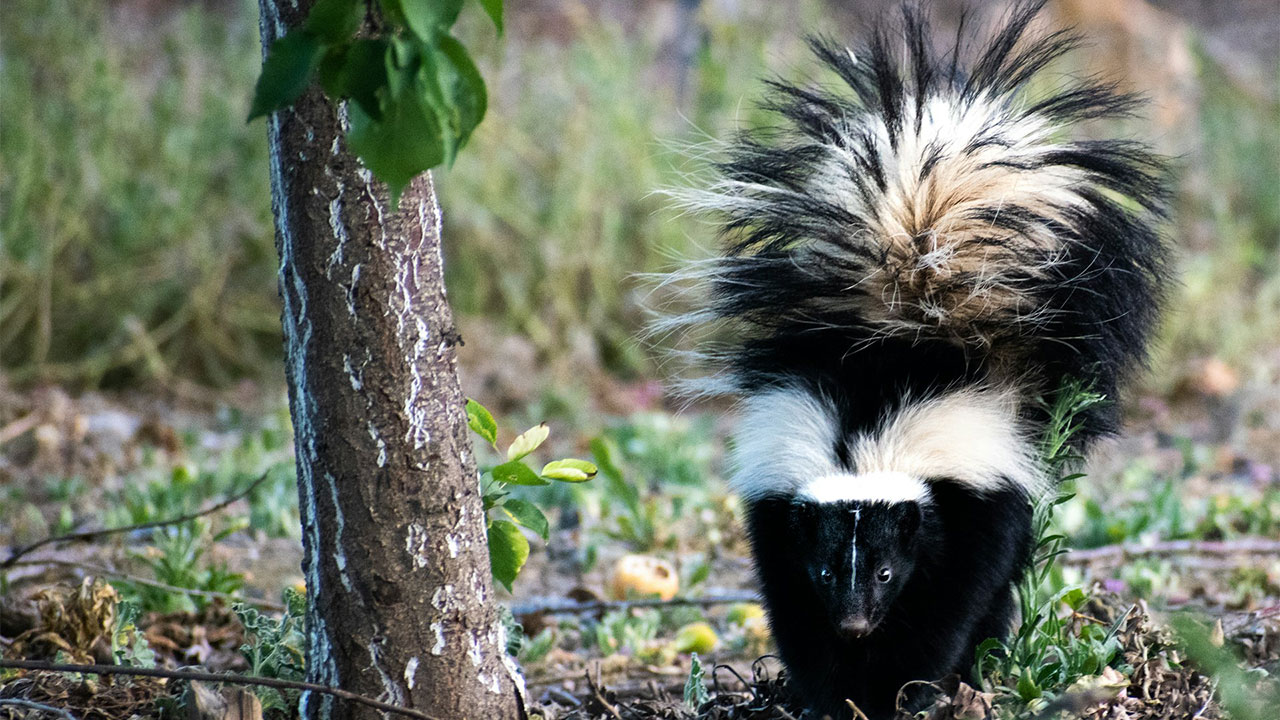
Skunks are not just smell machines wandering around at random. They are opportunists, and the second a property starts offering easy food and low pressure, they begin checking it regularly. Pet food, spilled feed, insects around damp areas, loose trash, eggs, and hiding cover under porches or outbuildings all bring them in. People often wave off skunks because they are slow-moving and seem less aggressive than other nuisance animals, but that relaxed attitude is exactly why skunk problems tend to build quietly.
Once they start using your place, they can create a mess in more ways than one. Digging in lawns, messing with poultry areas, taking advantage of weak structures, and creating ugly dog encounters are all part of the picture. If routines around trash, feed, and yard cleanup get sloppy, skunks notice fast. They may not test a property with the same style as a coyote, but they absolutely test how much they can get away with.
Opossums

Opossums are another animal people tend to underestimate because they do not seem especially sharp or threatening. But they are excellent at capitalizing on lazy routines. Leave easy food out, ignore the clutter under the deck, let the coop stay just a little too easy to access, and opossums will start showing up. They do not have to be aggressive masterminds to become a problem. They just have to keep finding that your place asks very little of them.
This is especially common around poultry, outdoor pet feeding areas, and small livestock setups where people assume the bigger predators are the only real threat. Opossums will absolutely take advantage of weak habits, especially after dark. They are one of those animals that can become a routine nuisance before anyone thinks to treat them like part of the bigger predator-and-pest picture.
Loose and feral dogs
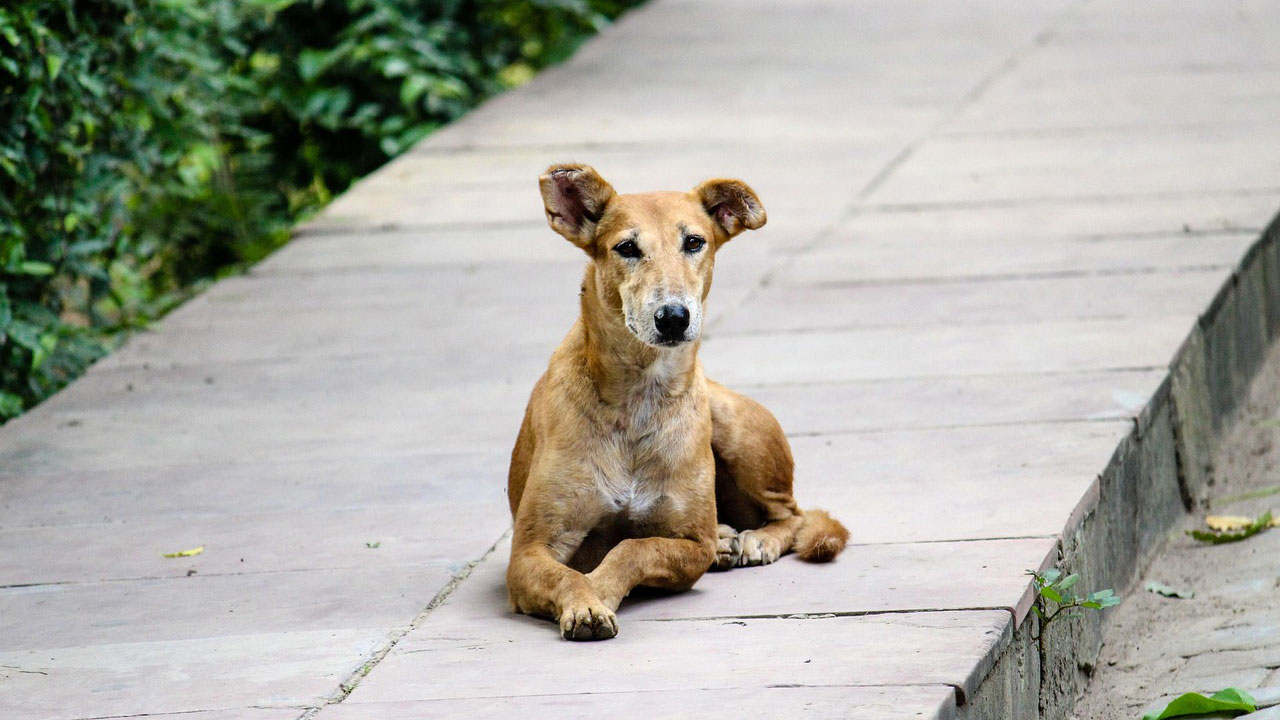
Loose dogs test property faster than most people realize, especially once they learn there is no immediate pushback. If they can run your fence line without being challenged, harass stock, sniff around your barn, hit your trash, or circle the dog yard without consequence, they start getting bolder. One lazy stretch of letting your own dog out unattended or failing to deal with repeated roaming dog activity in the area is often enough to turn a nuisance into a real threat.
What makes loose dogs especially frustrating is that people mentally classify them differently than wildlife, so they give them more passes than they should. But from the standpoint of your chickens, cats, rabbits, goats, or smaller dogs, a roaming pack is every bit as serious as a coyote problem and sometimes worse. They test property boundaries quickly, and once they learn they can do it safely, the escalation can be fast.
Snakes
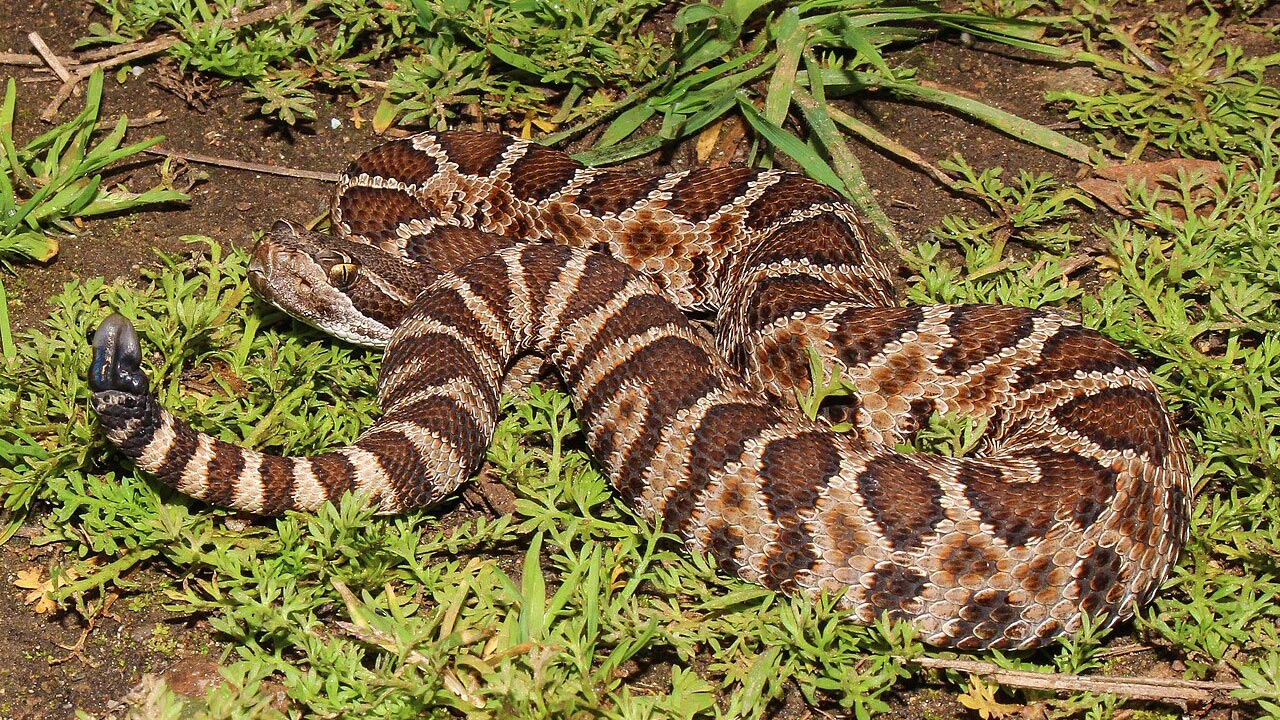
Snakes do not test property the same way mammals do, but they absolutely respond fast when routines around clutter, rodents, and moisture get lazy. Let brush build up along the foundation, stop paying attention to feed spills that attract mice, leave tarps and pallets sitting in place for weeks, or let tall grass overtake fence lines, and snakes start treating those areas like usable habitat. The “test” with snakes is less direct, but it is still real. They move in quietly where the conditions let them.
This matters because people often think of snakes as random visitors, when a lot of the time they are responding to repeated small lapses in how the property is managed. They may not be watching your habits in the same calculating way a coyote is, but they are absolutely taking advantage of what your habits create. Lazy routines around cleanup and rodent control are often the first step toward repeated snake sightings.
Bears
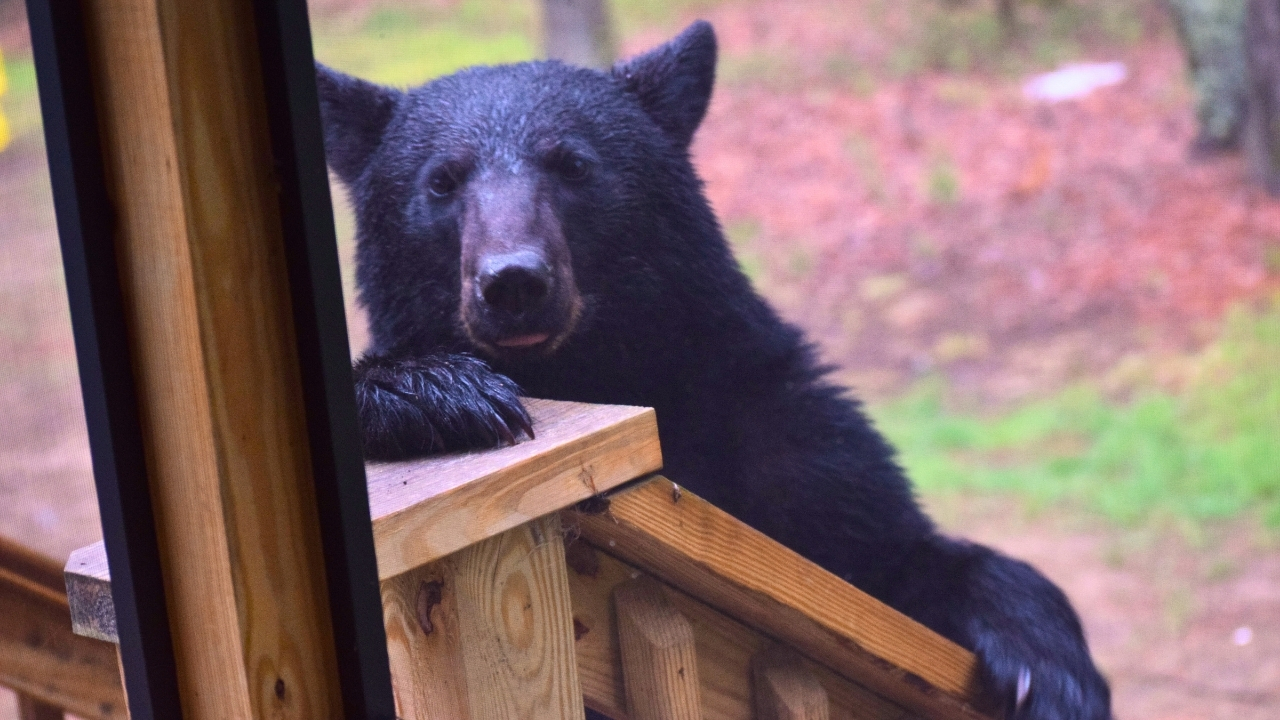
Where bears overlap with people, lazy routines can get dangerous fast. Trash left out too long, bird feeders staying full when bears are active, pet food on porches, coolers in truck beds, greasy grills not cleaned down, and feed stored poorly all send the same message: this property is easy. Bears do not need many successful visits before they start associating a place with food. Once that happens, the problem is no longer occasional. It becomes behavioral.
That is why people in bear country get told the same boring rules over and over. The rules work. Bears are extremely good at learning food patterns, and the second routines get sloppy, they start checking what changed. The scariest part is how quickly they can go from cautious to confident once they realize nobody is making the property hard enough to bother with.
Wild hogs

Wild hogs test property in a rougher, more physical way. They are not subtle once they commit, but they usually start by probing edges: rooting along fence lines, slipping into feed areas, nosing around gardens, water sources, or soft ground near barns, and checking where livestock feed or grain might be available. If gates are weak, fences are low, or nobody responds quickly when early damage shows up, hogs take that as permission to do more.
That is where people get behind. The first signs may just look like a little rooting or some disturbed ground. Then suddenly the yard is torn up, the pasture edge is a mess, or a feed area gets wrecked overnight. Hogs respond quickly when a place feels unguarded, especially if water and food are both nearby. Let routines slip around those two things and they start making themselves at home fast.
Feral cats

Feral cats are another animal that quietly exploit lazy property management. If feed gets left out, rodent activity builds, brooders are not secured well, and tiny animals are easy to access, they start hanging around. People usually think of them as a side issue, but colonies can build quickly around barns, alleys, sheds, and rural properties where routine cleanup is not keeping pace with food and shelter opportunities.
Once they settle in, they do more than hunt mice. They fight with pet cats, pressure chicks and small birds, spread parasites, and create a constant predatory presence around fragile animals. They are not as dramatic as coyotes, but they absolutely respond the second a property starts offering easy meals and easy cover.
Hawks and owls

Aerial predators pay attention to routine too. If small dogs get let out at the same times, chicks or quail stay exposed too long, and yards offer no overhead protection, hawks and owls start learning the pattern. They are not testing gates or latches, obviously, but they are testing timing and exposure. The second they see that small prey is available predictably and without much interference, they begin working that area harder.
This is especially true in quieter rural and semi-rural spots where people assume the danger is all on the ground. Let habits get lazy with tiny pets or small poultry, and an owl or hawk can take advantage quickly. The property may look secure from a fencing standpoint and still be wide open from above.
Coywolves or wolf-dog hybrids where present
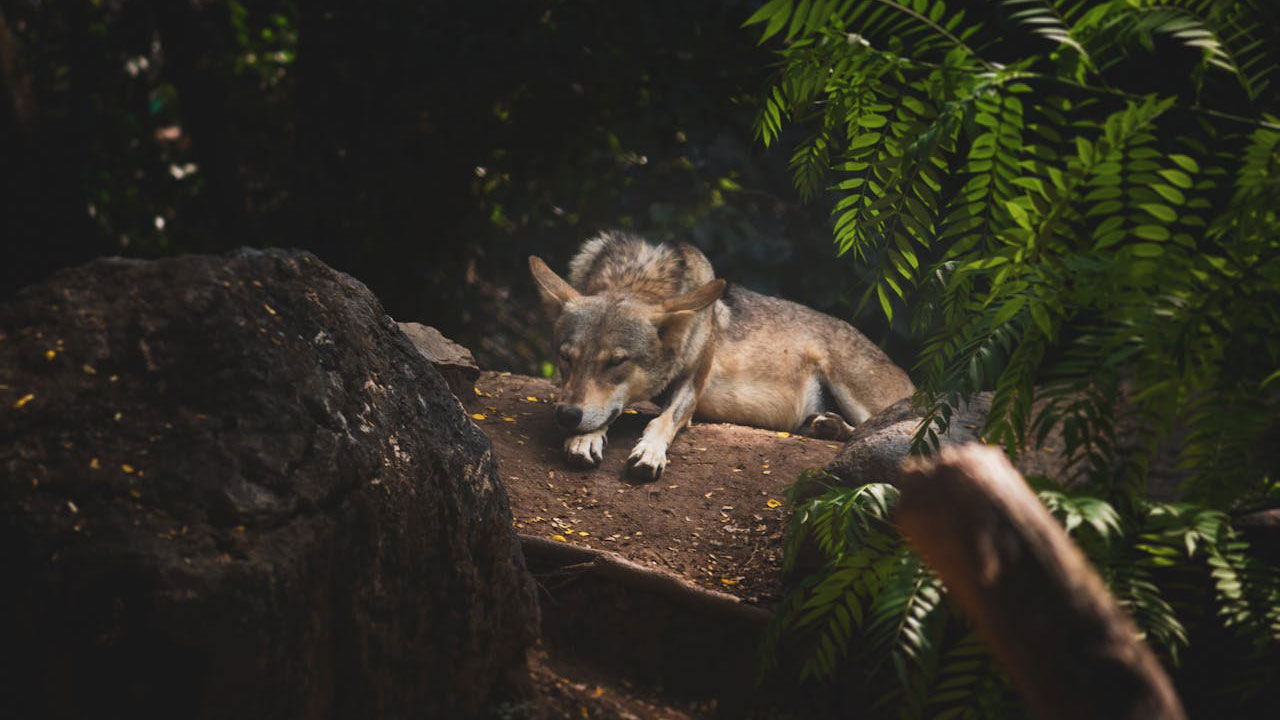
In some regions, larger canids such as coywolves or feral hybrid animals start testing property once they learn normal human activity does not really interrupt what they are doing. They move fence lines, check livestock edges, hit trash, and watch pet routines the same way coyotes do, but sometimes with more size and more confidence. These animals can be especially dangerous because they often carry the same opportunism as coyotes with less hesitation.
They are not everywhere, but where they do occur, sloppy routines invite them in the same way they invite other canids. People sometimes assume bigger predators only belong to big wilderness problems. That is not always true anymore. If the setup is easy enough, they start checking it.
Bobcats
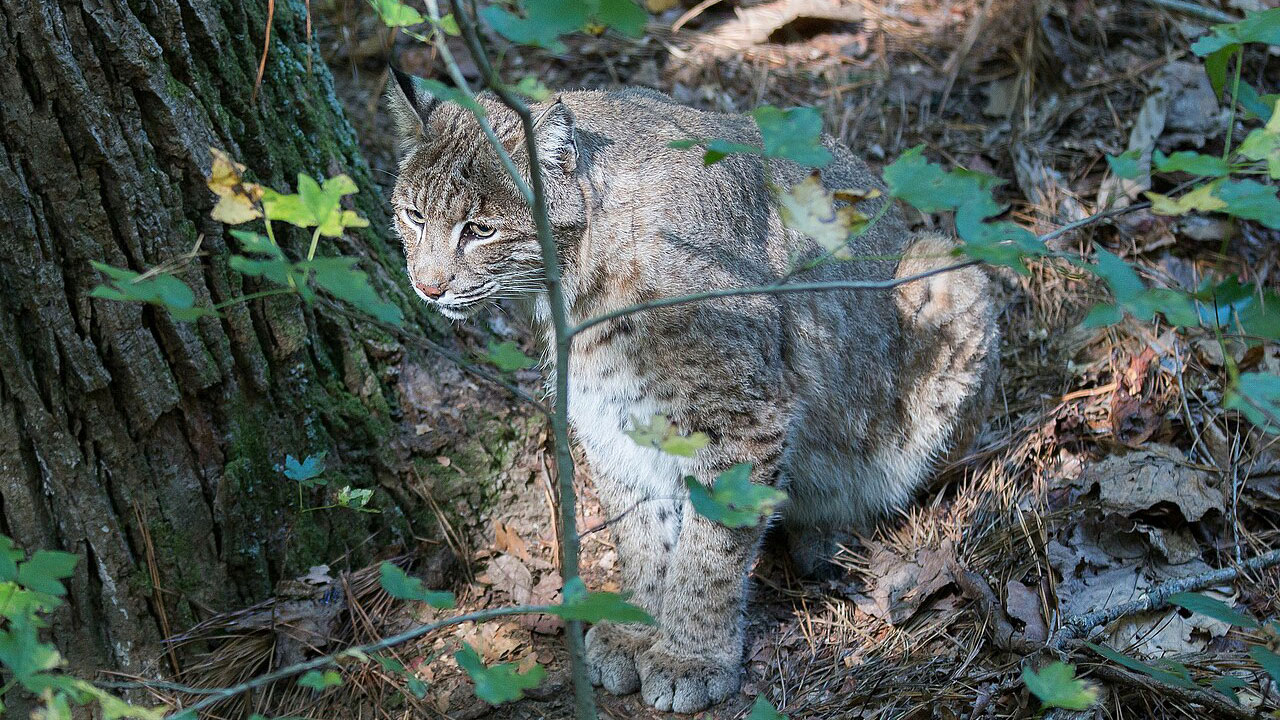
Bobcats are more selective than some of the other animals on this list, but they absolutely start testing a property when routines around poultry, rabbits, outdoor cats, or very small dogs get predictable and lazy. They like quiet edges, cover close to the house, and prey that can be taken with one clean move. If they learn the coop edge stays dark, the brush line stays thick, and the pets stay out just a little too long, they start circling closer.
What makes bobcats tricky is that they do not leave much noise behind. The testing phase can be nearly invisible unless you are watching tracks, movement patterns, or repeated pet attention in one part of the yard. By the time people finally realize a bobcat has started working their place, it often feels sudden. It usually was not.
Humans feeding wildlife without meaning to
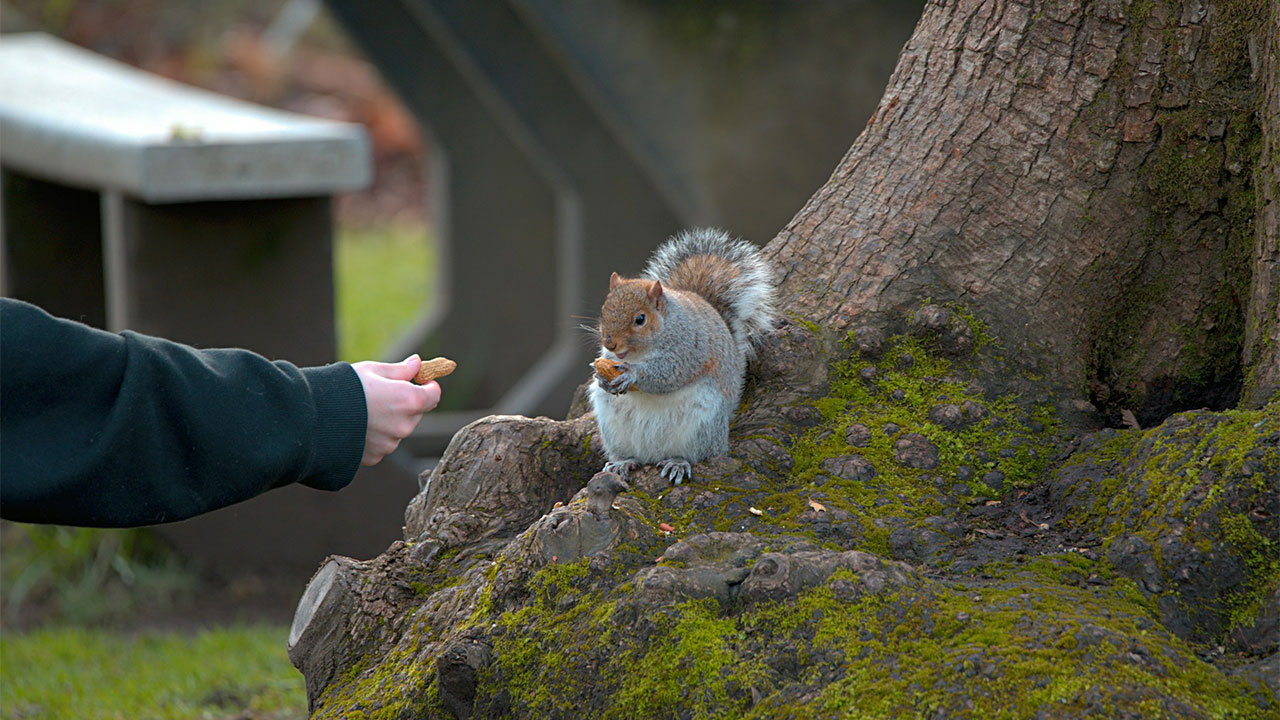
This one is not an animal, but it belongs because it is the thing that teaches the animals above to start testing in the first place. Sloppy routines feed wildlife. Open trash, spilled grain, pet food left out, brush piles, standing water, weak fencing, and delayed lockups are all forms of invitation. Once that invitation exists, animals begin probing how dependable it is.
That is the bigger story people miss. The property itself does not become the problem overnight. The habits around it do. And animals are very good at noticing when those habits start falling apart.
Like The Avid Outdoorsman’s content? Subscribe to our newsletter so you never miss an article.
Here’s more from us: